 Photo: Hoi Wai / Pexels
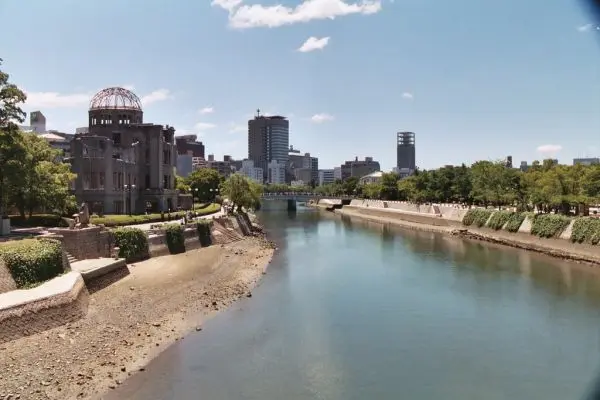
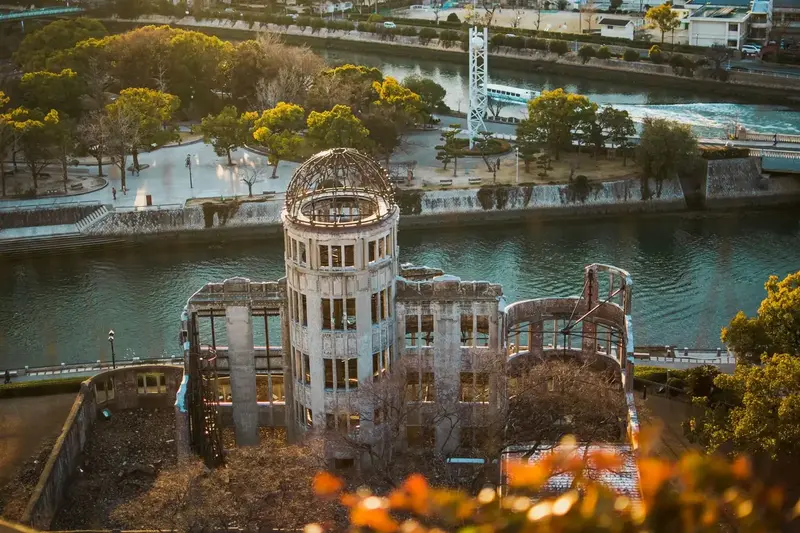
Peace Memorial Museum & Dome
The reason your ship stops here. Give the museum two unhurried hours, then stand where the river reflects the Dome. It rearranges people, quietly.
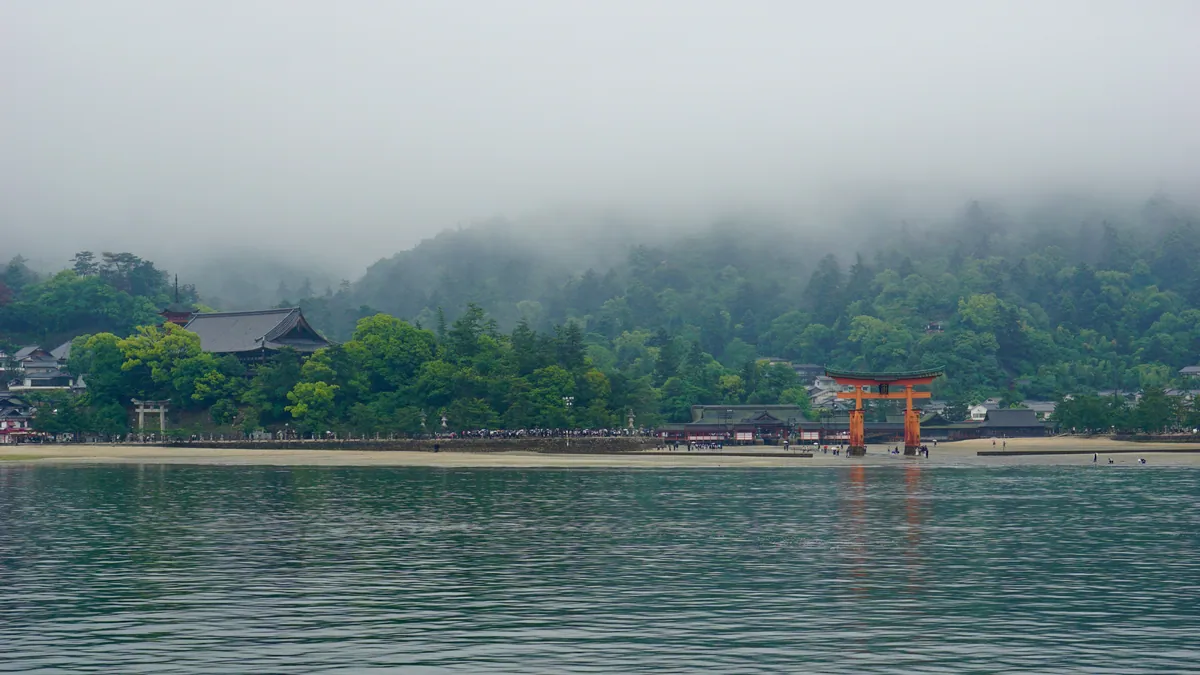
Tram/taxi from portFull guide: The Peace Memorial Park →Miyajima & Itsukushima shrine
The vermilion gate in the sea, deer on the sand, oyster smoke in the lanes. Doing Miyajima and the Peace Park in one call is possible — but only guided or ruthlessly early.
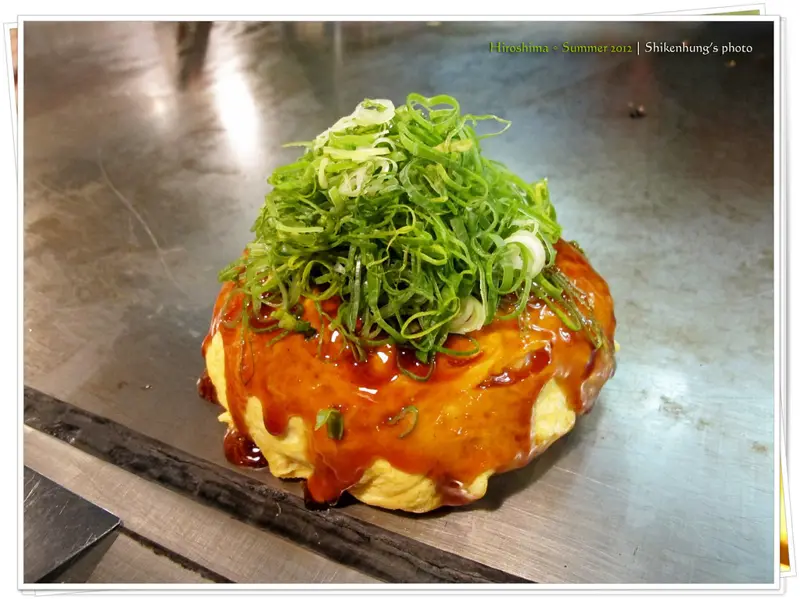
Tram + ferryFull guide: Miyajima →Okonomiyaki at Mitchan
Hiroshima-style means layers, not batter — cabbage, soba, egg, and the founder’s sauce. Mitchan started it all in 1950; the counter seats are the show.
Hondori areaFull guide: Hiroshima Orizuru Tower →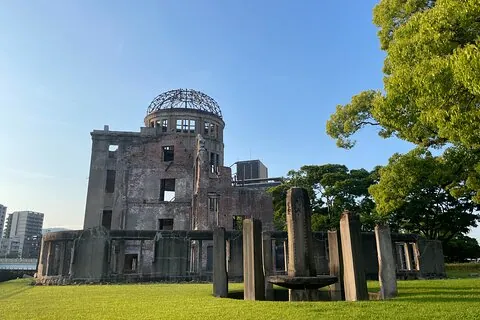
Peace Memorial, privately guided
A local guide turns the museum’s weight into understanding — survivor stories, the neighborhoods that vanished, what rebuilt. The single most-praised tour in the city.
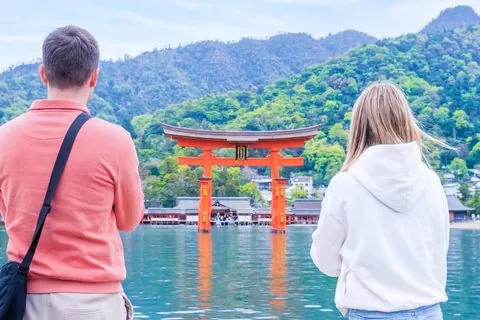
Miyajima sea pilgrimage
Approach the shrine the old way — by sea — with an oyster-farm visit where lunch comes straight off the ropes. Pairs the island’s two truths: faith and shellfish.
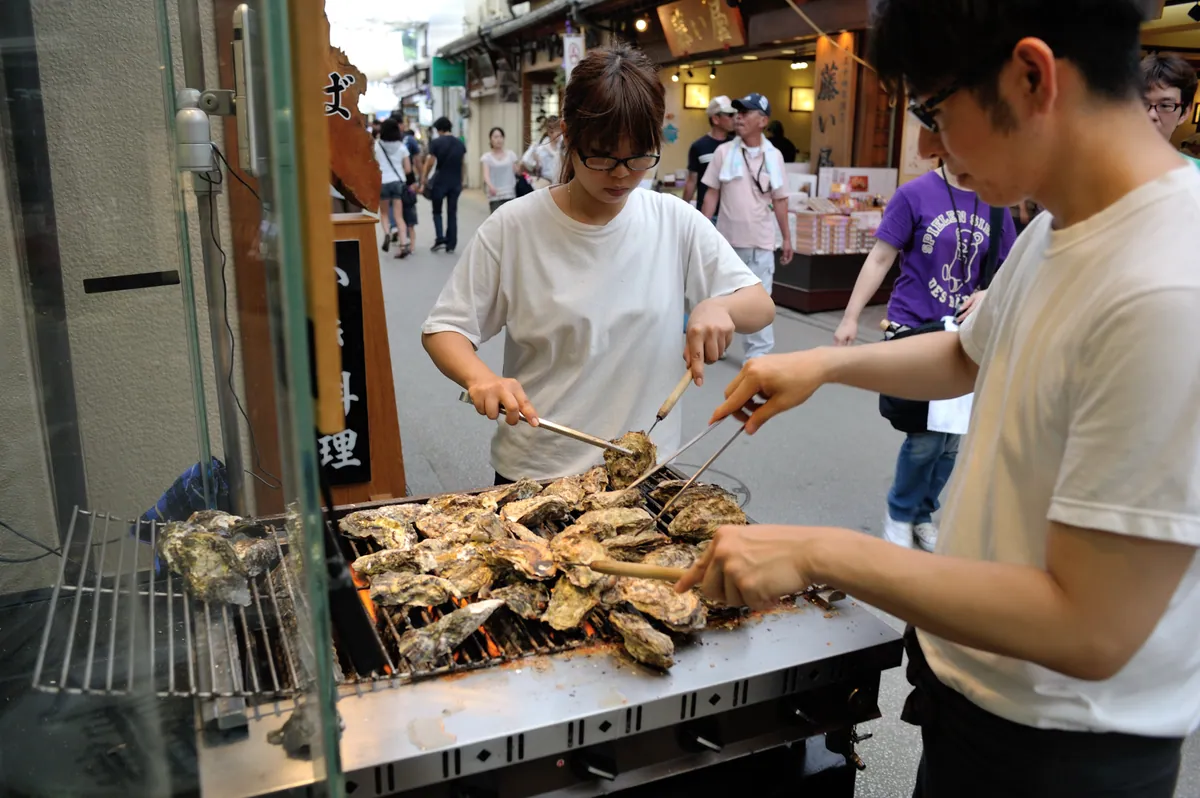
Grilled oysters on Miyajima
Fat Hiroshima oysters over charcoal, in the shell, two for pocket change. Yakigaki no Hayashi is the famous grill — the queue is the correct one.
Hondori arcades
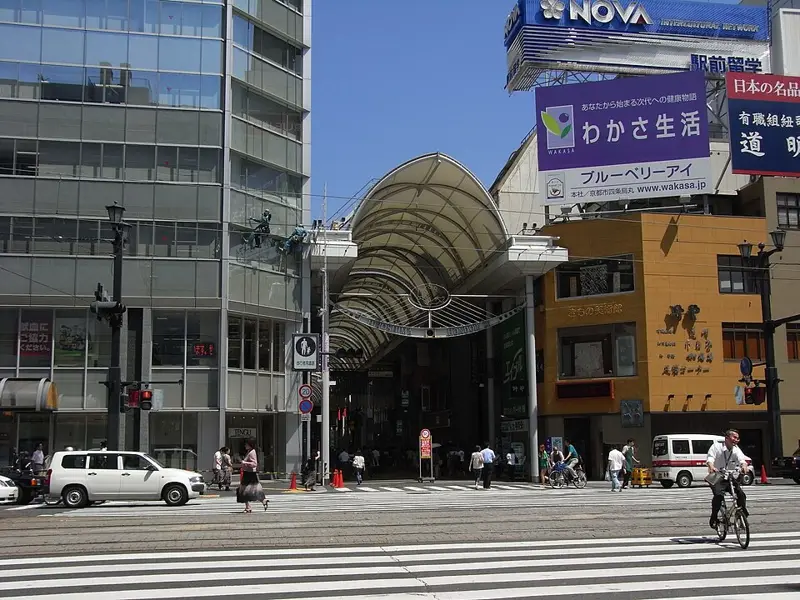
Six hundred meters of covered city life — department stores to okonomiyaki alleys. The useful buffer plan: it absorbs whatever time your museum visit leaves.
City centerFull guide: Okonomi-mura →Shukkei-en garden
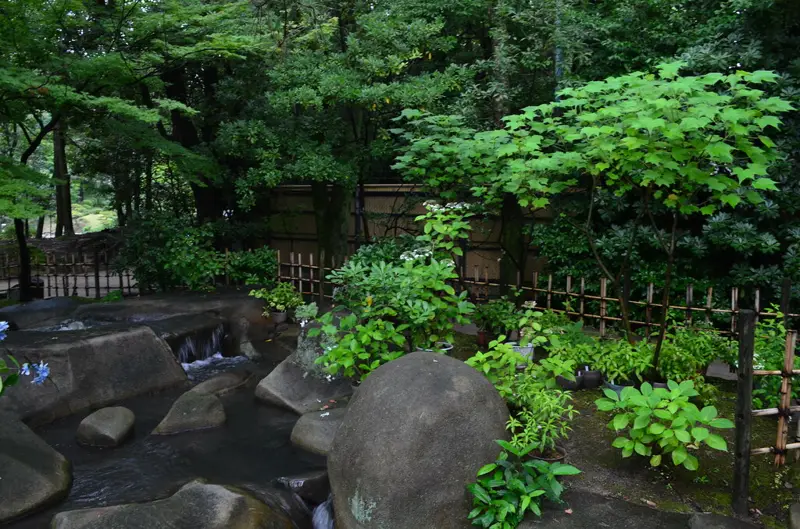
A 1620 landscape garden that survived 1945 and replanted itself — the gingko by the pond predates the bomb. The quiet counterweight to the museum.
Tram + walkFull guide: Shukkei-en →Momiji manju, fresh off the iron
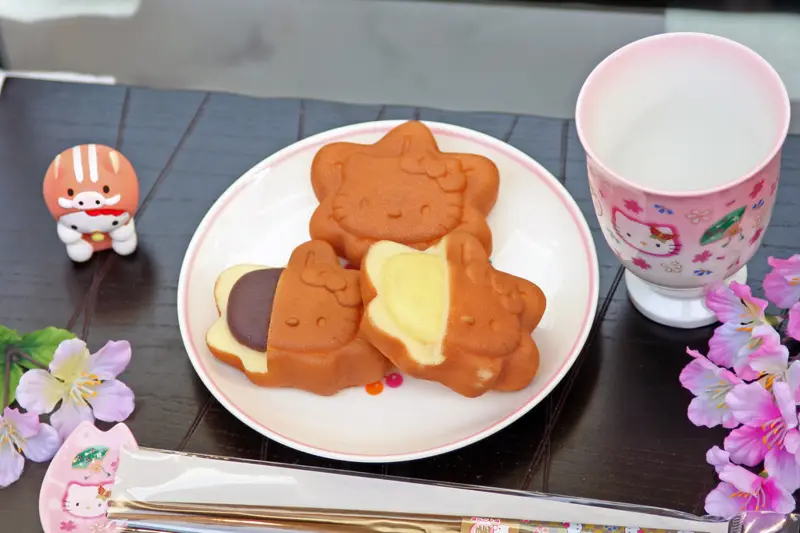
Maple-leaf cakes filled with bean paste — Fujiiya bakes them in view on Miyajima. Buy the mixed box; the deep-fried skewered version is the on-site treat.
Kumano brushes
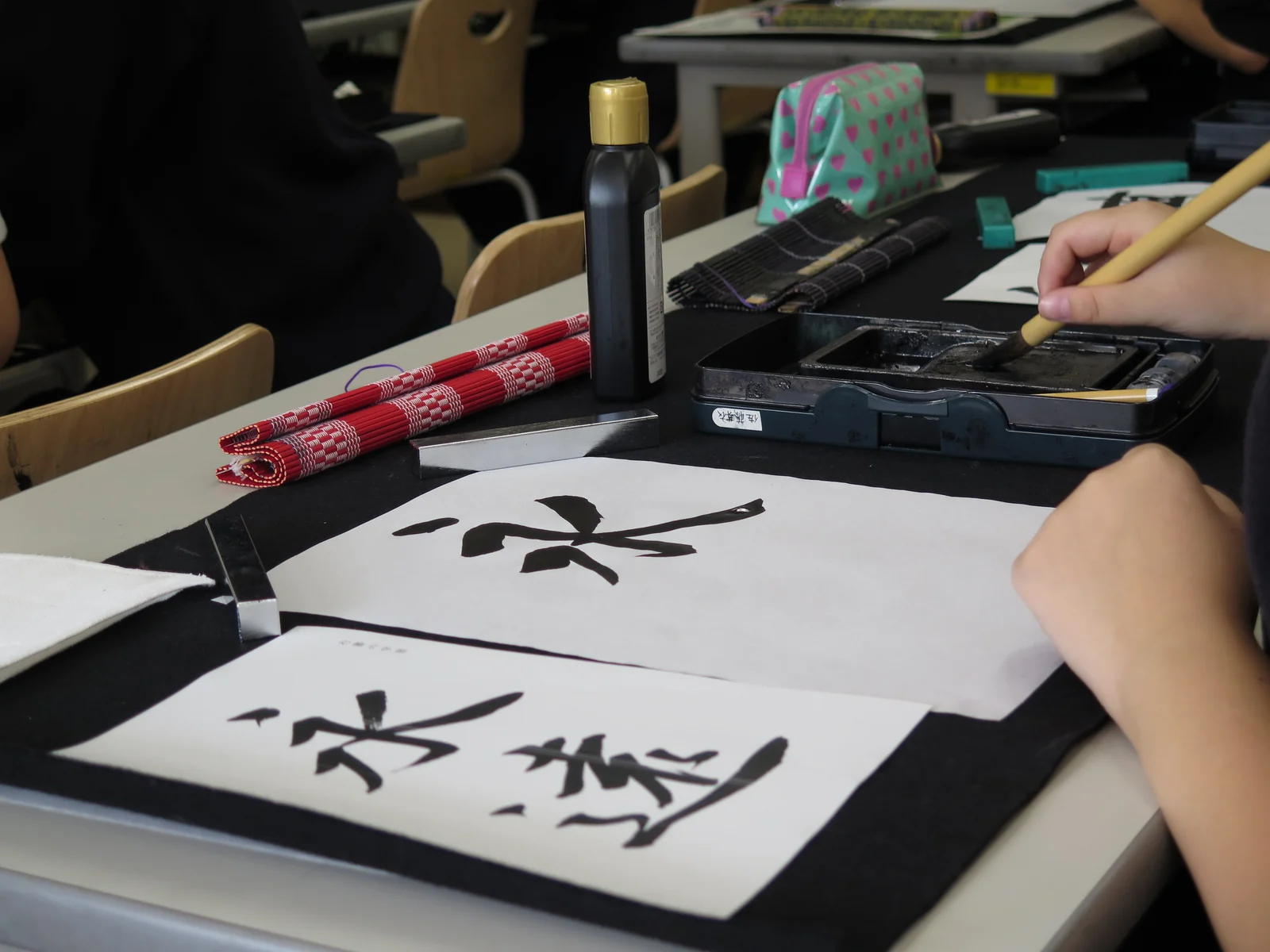
The brush capital that supplies makeup houses worldwide — a Kumano fude is craft you use daily. The Hondori specialty shops gift-wrap for flights.
Hondori areaGoogle Maps →