
Home / Before you sail
The planning hub · five questions, in orderBefore you sail: planning a Japan cruise port by port
Paperwork, bookings, season, money and the port day itself: the facts in rows, and the page that goes deeper beside each.
Checked · Takumi Yamada
Paperwork and your first Japanese port
| Port of entry | The first Japanese port after a foreign one. Every foreign passenger clears a face-to-face immigration inspection there, with fingerprints, once. |
|---|---|
| Later ports | A plain walk off the ship, unless the itinerary leaves Japan for Busan, Jeju or Keelung and comes back, when it happens again. |
| The queue | On a large ship plan for one to two hours between the start of disembarkation and your group walking free; ship-excursion guests are usually called first. |
| Visit Japan Web | Harmless to register, but its QR code is read at airports, not piers: at a cruise terminal you fill in the paper customs form the ship hands out. |
| Visa | Visa-exempt nationalities need nothing in advance until JESTA starts, no later than 31 March 2029. |
DIY or book, and what to book early
| At the pier | No tour touts: no vans waiting, no guides with signs. Whatever you want booked must be booked before you sail. |
|---|---|
| Improvising | On foot and by train, which in most Japanese ports works beautifully. |
| Worth booking | When it solves language, distance or a hard deadline: Kakunodate from Akita, wheels on Miyakojima, Hiroshima and Miyajima on one clock. |
| Reservation‑only | Sakata’s 2 pm maiko performance and Toba’s ama-hut lunches, each flagged on its port guide. |
Season and weather
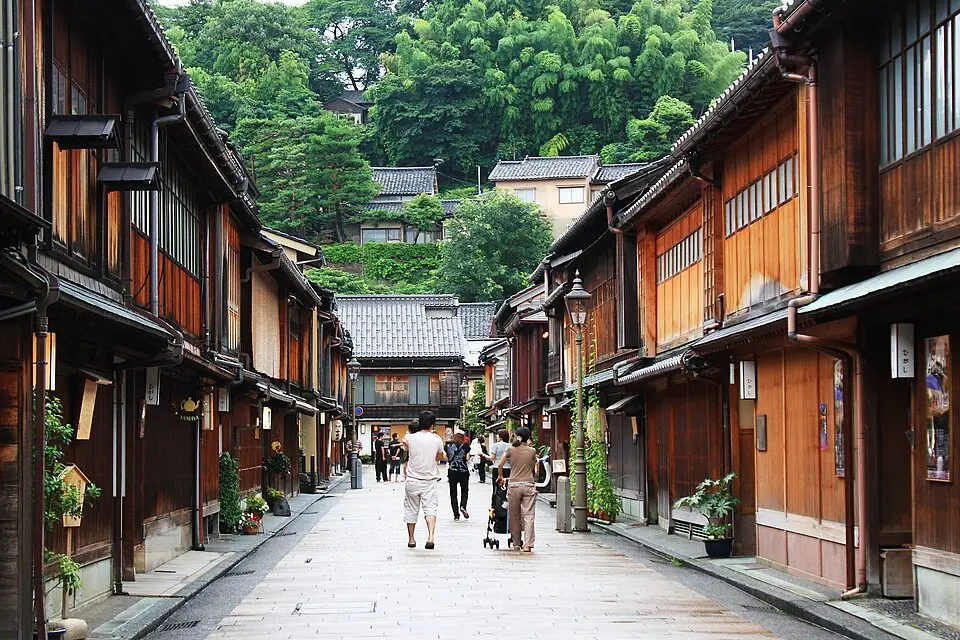
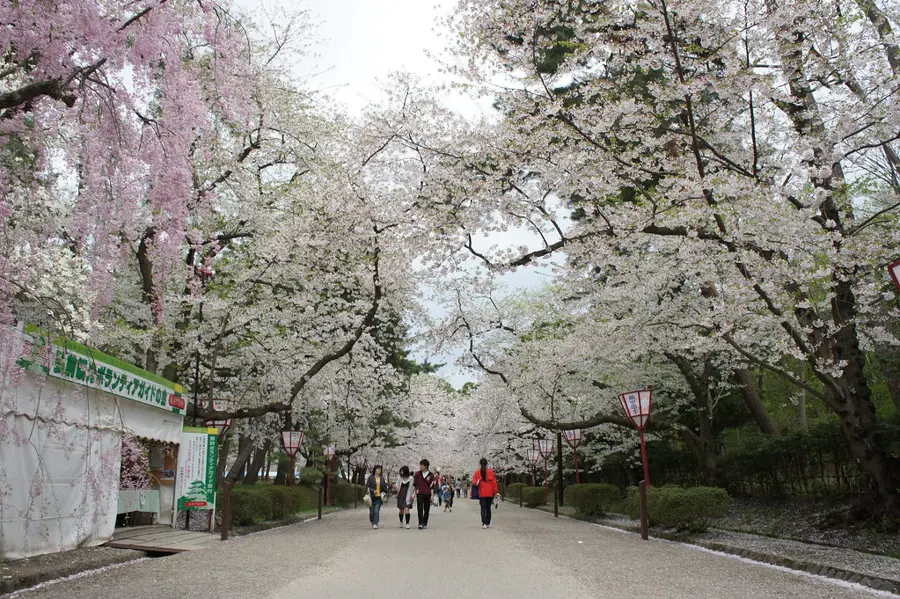
| Cherry blossom | The front moves from Kyushu in late March to Hokkaido in May. |
|---|---|
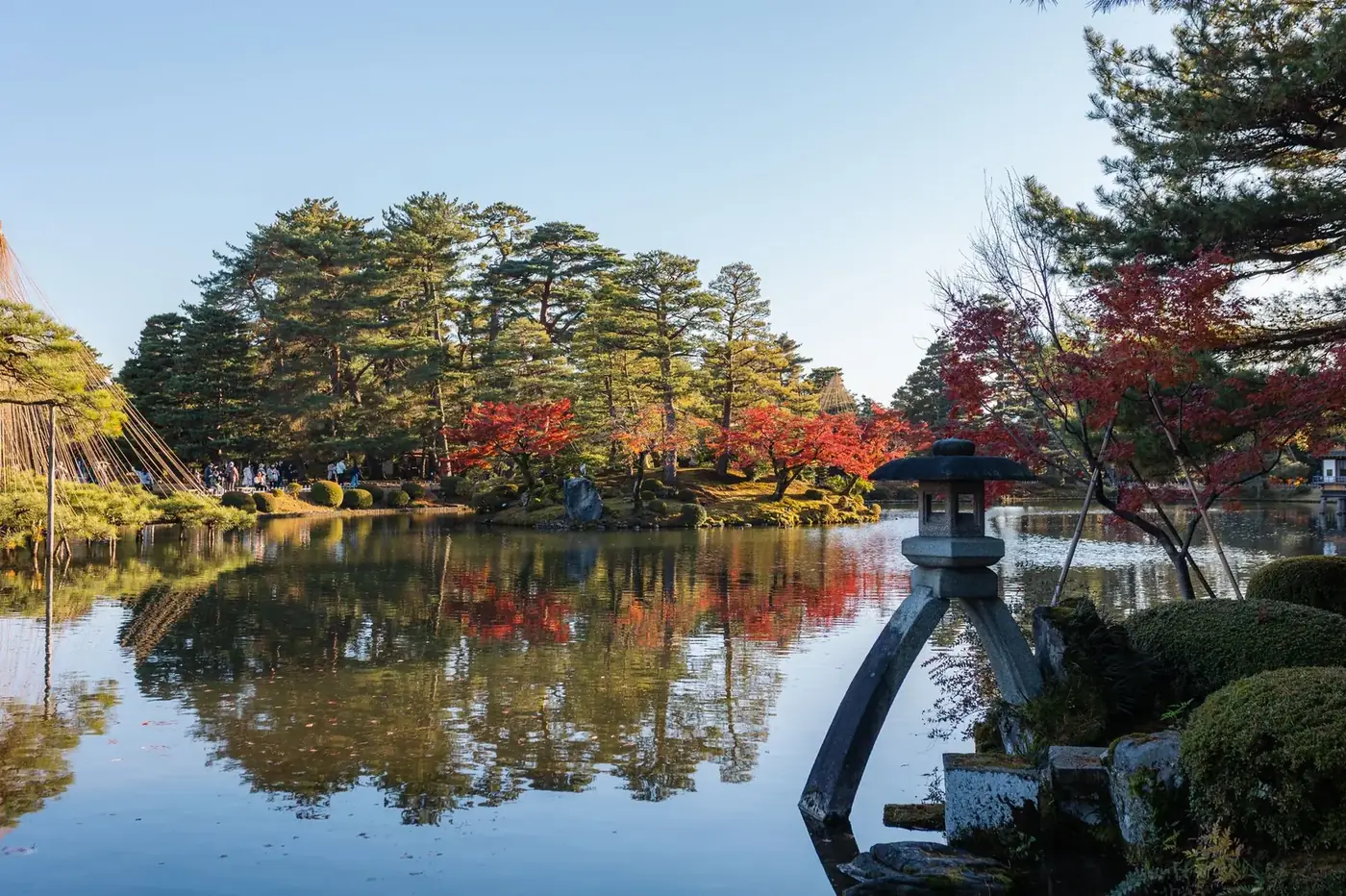
| Autumn colour | The maples turn from Kushiro in mid-October to Kagoshima in mid-December. |
| The source | Both are mapped port by port from the Japan Meteorological Agency’s own records. |
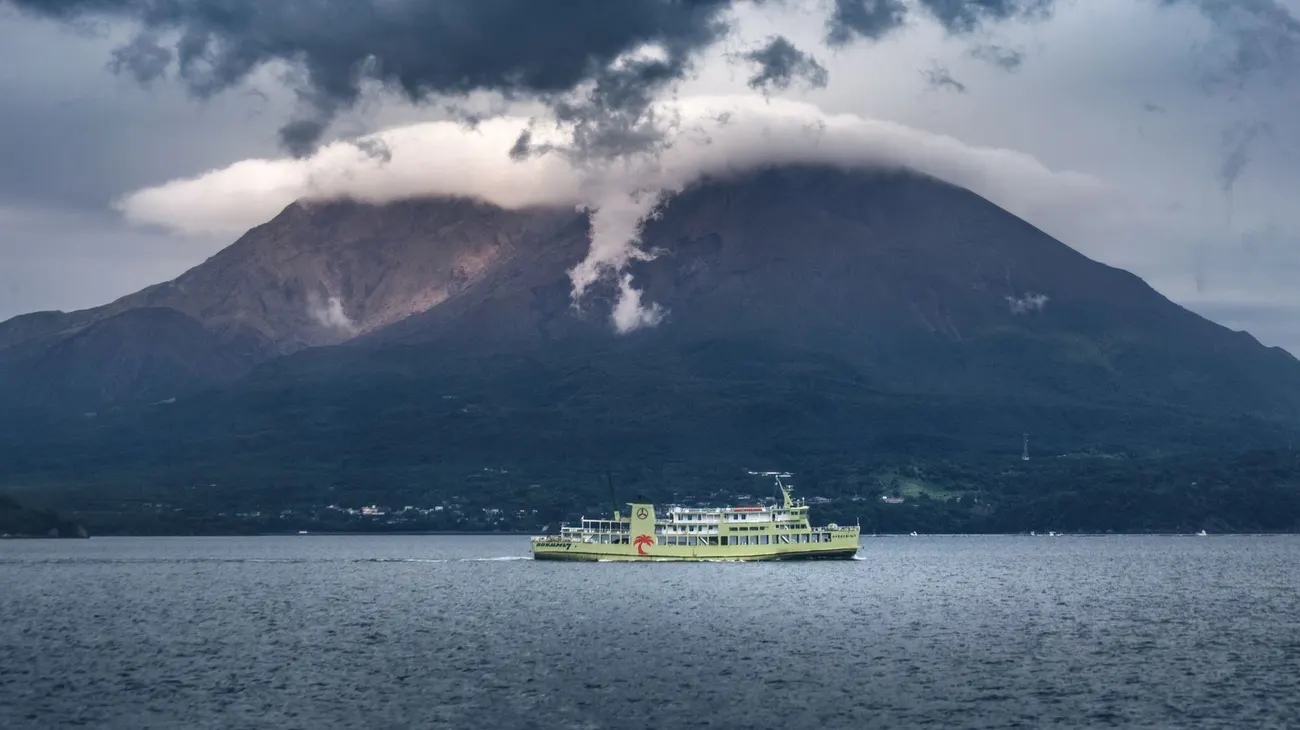
| Typhoons | A coast, not a country: Okinawa sees about 7.7 approaches a year against Hokkaido’s 1.9. |
| Mt. Fuji | A winter mountain: in 2025 it was fully visible on 22 days in February and two in June. |
Money, wifi, paper
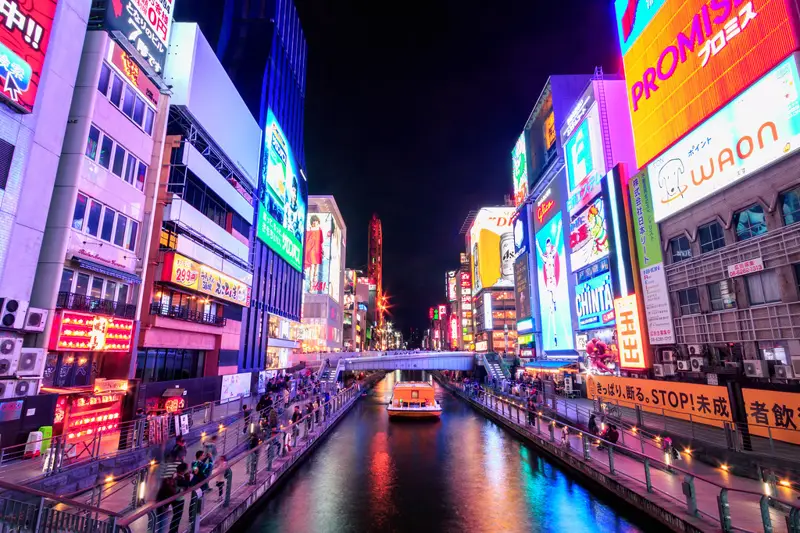
| Cash per person | ¥5,000–8,000 for a walking port day; ¥10,000–15,000 where taxis or ferries are involved. Cities take cards; port towns still run on coins. |
|---|---|
| Drawing yen | Early, in a big city, at a 7-Eleven or Japan Post Bank ATM rather than counting on one at the terminal. |
| IC card | Loaded with ¥3,000–5,000 it pays for most trams, buses and ferries with one tap; Kagoshima’s trams and City View bus are the honest exception. |
| Wifi | Install a Japan eSIM before you fly and switch it on ashore; terminal wifi is enough to download an offline map, not to rely on all day. |
| Three apps | Google Maps, the GO taxi app and your line’s own app for the daily programme, installed on home wifi. |
| Paper | Whatever you print is what works when the signal does not: every port page has a Print button. |

The port day itself
| The time rule | Off the ship 30 minutes after arrival, all-aboard 30 minutes before departure, and back at the gangway 60 minutes before all-aboard. |
|---|---|
| Time ashore | The call minus about 2 hours; a plan fits only when it is no longer than that. |
| Which clock | Read all-aboard off the printed daily programme, not your phone: within Japan ship time and local time agree, but on itineraries touching Taiwan, Hong Kong or China the ship may hold Japan time while your phone shows an hour earlier. |
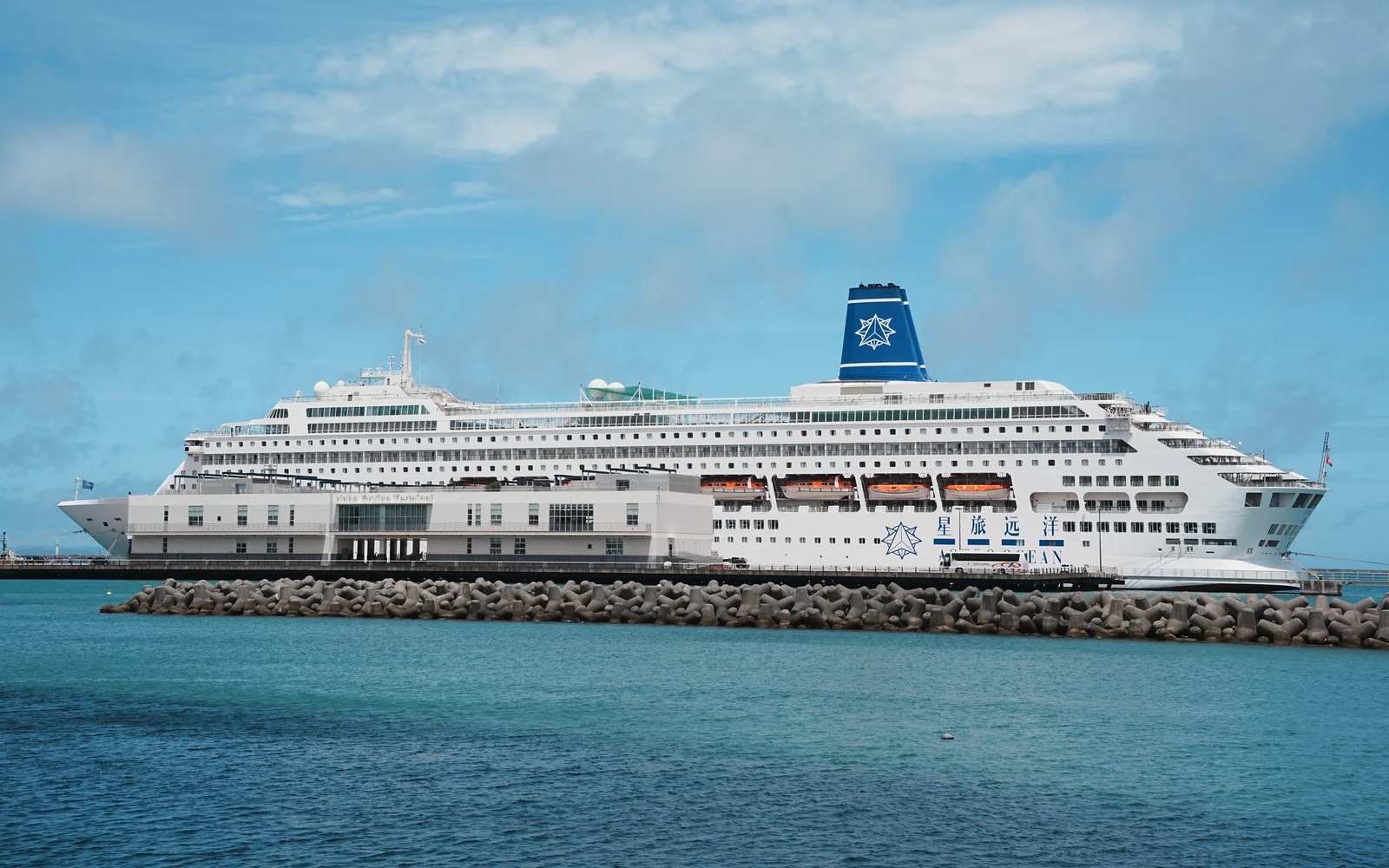
| Tender port | Of the 39 ports on this site, only Toba is a tender port on every call; budget the first hour for the boats, and treat the last tender as the real all-aboard. |
| The berth | The berth, not the port, decides whether you can walk to town, and the line usually confirms it only in the daily programme a day or two ahead. |
The answers above are general. Your port and ship are specific.
When to do what
Which loop, which season, which ship: the decisions that can’t be fixed later. the four loops · the seasonal hub · the ships
No pier-side touts in Japan: if it needs booking, it needs booking now, and most things do not. DIY or book · every port
Arrive a day early (two in September), check which terminal your ship really uses, set up cards, yen and an eSIM. hotel playbook · Tokyo or Yokohama · money and wifi
Print your port day sheets and read how the first Japanese port morning works. port sheets · first port
Today’s ships, the berth you got, the ride into town, and a real person to ask. today · getting around · ask the editor
Twelve terms, defined plainly
| Term | What it means |
|---|---|
| All-aboard | The time by which every passenger must be back on the ship — printed in the daily programme, and different from departure time. Port of Japan plans end 60 minutes before it. |
| Gangway | The walkway between ship and pier. Every time on this site is measured from it. |
| Berth | The specific quay where the ship ties up. In Japan the berth, not the port, decides whether you can walk to town — see the berth table on the getting-around page. |
| Tender | A small boat that ferries passengers ashore when the ship anchors instead of docking. Toba is the classic Japanese tender port. |
| Shuttle | A bus the port or line runs from a non-walkable berth to a central drop-off. It runs on its own timetable; treat the last shuttle as a mini all-aboard. |
| Turnaround | A call the schedule marks as the start or end of a cruise: embarkation, disembarkation or both. An embark/disembark day, not a sightseeing port day. |
| Usable hours | What a call really gives you ashore: its length minus about 2 hours (30 minutes to get off, 60 minutes back at the gangway before all-aboard, all-aboard 30 minutes before departure). A plan fits a call only when it is no longer than that. |
| Port of entry | The first Japanese port on an itinerary, where every foreign passenger clears a face-to-face immigration inspection once. |
| Landing permit | The temporary-visitor permission stamped or issued at the first Japanese port; carry it (or your passport) ashore. |
| IC card | A tap-to-pay transit card (Suica, PASMO, ICOCA and regional equivalents). Works on most city buses and trains in the big ports; less so in small ones. |
| Overnight call | A port stay that spans a night, usually Kobe or Yokohama — the only way Kyoto is realistically possible without a private car. |
| Ship time vs local time | Ships sometimes keep a different clock from the port; the daily programme’s all-aboard is in ship time. |
Questions people ask first
How far in advance should I plan a Japan cruise?
Book the cruise 6–12 months out if you want your pick of cabins — Japan sailings sell early, and the popular festival and foliage weeks go first. The planning that actually decides your trip happens in the last 90 days: picking your big booked day per port, arranging anything reservation-only, and printing your port sheets. This page is that 90 days, in order.
Do I need a visa for a Japan cruise?
Most Western passports (US, UK, EU, Canada, Australia, NZ among them) enter Japan visa-free as tourists for short stays, and cruise passengers clear immigration at the first Japanese port. Rules change and nationality matters, so confirm on Japan’s official Ministry of Foreign Affairs site before you sail. What surprises people is not the visa but the first-port immigration queue — our guide covers exactly how that morning works.
Do I go through Japanese immigration at every port?
No — once you have landed at the first Japanese port, later Japanese ports are simply a walk off the ship. The exception is any itinerary that leaves Japan mid-cruise: a Busan or Taiwan call means you exit Japan at the last port before it and re-enter — with a second inspection — at the first Japanese port after it.
Does Visit Japan Web work at cruise ports?
Only partly. Japan Customs runs its electronic declaration gates at seven airports and no seaport, and the Visit Japan Web manual describes airport readers. Some staffed customs desks have a terminal that can read the code, but at most cruise terminals you will fill in the paper customs form the ship hands out. Registering is free and harmless; just do not count on the QR code at the pier.
What should I book in advance for Japan cruise ports?
Less than you fear, but a specific list: anything reservation-only (Sakata’s 2 pm maiko performance, Toba’s ama-hut lunches, teamLab-style timed tickets in the big cities) and your one big guided day per itinerary. Japan has no pier-side tour touts — if you plan to book, book before you sail. Our DIY-or-Book page gives one honest verdict per port.
Can you get a tour at the port on the day in Japan?
No — and this surprises everyone. Japan has no pier-side tour touts: no vans waiting, no guides with signs. Whatever you want booked must be booked before you sail. If you plan to improvise, plan to improvise on foot and trains, which in most Japanese ports works beautifully.
How much cash should I take ashore on a Japan cruise day?
Budget ¥5,000–8,000 per person for a walking port day (lunch, entries, a souvenir) and ¥10,000–15,000 where taxis or ferries are involved. Card acceptance is broad in Tokyo, Yokohama and Kobe but noticeably thinner in market halls, small shrines, buses and family restaurants in the smaller ports.
What apps do I need for a Japan cruise?
Three, installed on home wifi before you sail: Google Maps (local transit times live in it — every ride card on our port guides opens it pre-loaded in Japanese), the GO taxi app (nationwide, English, foreign cards), and your cruise line’s own app for the daily programme. Everything else — bus numbers, fares, taxi phrases — is on our printable port sheets, which need no signal at all.
Which cruise ports in Japan are tender ports?
Among the 39 ports on this site, only Toba is a tender port on every call: ships anchor off Toba Marine Terminal and land passengers at Sadahama (Mitsui Ocean Sakura uses Mikimoto Pearl Island’s pier). Elsewhere in Japan, Shimoda tenders because its wharf is 79 m long, and Miyajima has no cruise quay at all. The 38 other ports we cover, from Yokohama to Ishigaki, dock ships alongside.
How early should I be back on board in Japan?
Every plan on this site ends at the gangway sixty minutes before all-aboard. To make that stick, read the all-aboard time from the printed daily programme rather than your phone, set a manual alarm for 90 minutes before it as your start-heading-back time, and photograph the programme’s all-aboard line. Within Japan ship time and local time agree, but on itineraries touching Taiwan, Hong Kong or China the ship may hold Japan time while your phone shows an hour earlier.
Is the information on this site available as data?
Yes: free CSV files on Japan’s cruise ports, with where ships dock, the calls from the official schedules, and cherry blossom and typhoon timing, on the open data page.