
Home / Ports
Every port, a different JapanJapan cruise ports: all 85, with berth, into town and 2026 calls
Japan has 85 ports that take cruise ships. The busiest on the official 2026 schedules: Naha (177), Nagasaki (160), Yokohama (147), Kobe (143). 39 have full guides.
Hokkaido9 ports
The northern island — cool summers, and the reason Japan cruise season peaks in August.
 Full guide
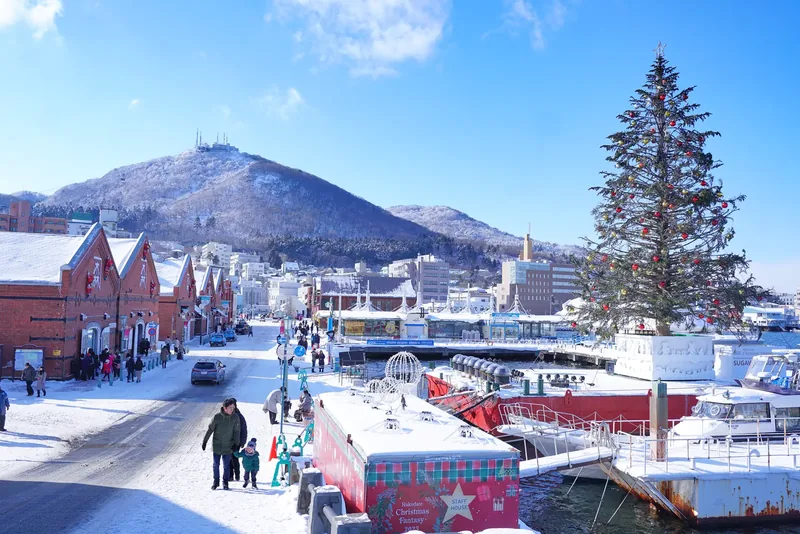
Hakodate
One of the first two ports opened to the West in 1859.
 Full guide
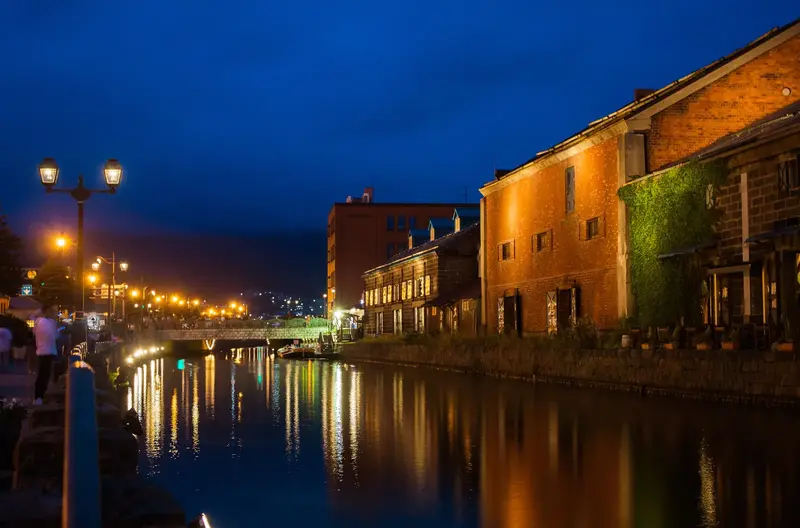
Otaru
Herring money, a canal half-saved from a road by a ten-year citizens' fight, glassworks that began as net floats, and a street of sushi counters.
 Full guide
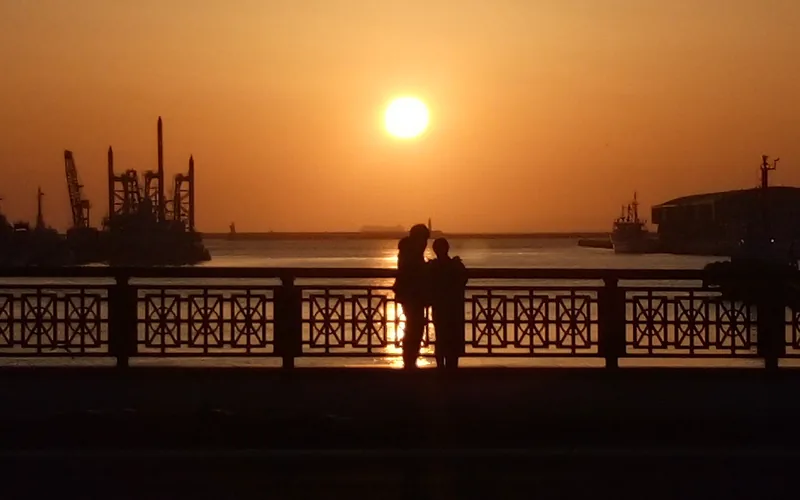
Kushiro
Eastern Hokkaido.
FULL GUIDE walked and timed from the berth · REFERENCE researched, not yet visited · Ship schedules by port →
Reference notes — researched, not yet walked
- MuroranAn industrial port with a dramatic coastline — Cape Chikyu's cliffs — and the hot spring resort of Noboribetsu about forty minutes away.
- TomakomaiA working cargo port used as a gateway rather than a destination: Sapporo, Noboribetsu and the Shiraoi Ainu museum are the reasons ships call.
- Ishikari Bay New PortSapporo's nearest deep-water berth. There is nothing at the pier itself; the city is the entire point of the call.
- AbashiriOn the Sea of Okhotsk, famous for its former prison — now a museum — and, in late winter, for drift ice that reaches the shore.
- MonbetsuThe other Okhotsk drift-ice port, with an icebreaker that sails in season. A small town, and content to be one.
- WakkanaiJapan's northernmost city. Cape Soya is the top of the country, and ferries run to the wildflower islands of Rishiri and Rebun.
The whole country in one tableEvery cruise port, with its 2026 calls and berth
| Port | Region | 2026 calls | Where you dock | Guide |
|---|---|---|---|---|
| Hakodate | Hokkaido | 71Full year 2026 | Wakamatsu | Full guide → |
| Otaru | Hokkaido | 19Full year 2026 | No.3 Wharf, Berths 16–17 | Full guide → |
| Kushiro | Hokkaido | 11Full year 2026 | Two berths | Full guide → |
| Aomori | Aomori | 43Full year 2026 | Shin-Chuo Wharf | Full guide → |
| Akita | Akita | 21Full year 2026 | Nakajima Wharf, Akita Port | Full guide → |
| Miyako | Iwate | 23Full year 2026 | Fujiwara Wharf | Full guide → |
| Sendai–Shiogama | Miyagi | 12Full year 2026 | Takamatsu Wharf No.2 | Full guide → |
| Sakata | Yamagata | 23Full year 2026 | Kominato Wharf | Full guide → |
| Yokohama | Kanagawa | 147Jan–Sep 2026 | Osanbashi | Full guide → |
| Tokyo | Tokyo | not published | Tokyo Intl. Cruise Terminal or | Full guide → |
| Shimizu | Shizuoka | 97Jan–Nov 2026 | Hinode Pier | Full guide → |
| Omaezaki | Shizuoka | 3Apr–Nov 2026 | West Wharf berth No. 2 | Full guide → |
| Kanazawa | Ishikawa | 60Feb–Nov 2026 | Kanazawa Port Cruise Terminal | Full guide → |
| Nagoya | Aichi | 32Calendar 2026 | Kinjo Pier berths 80–81 | Full guide → |
| Toba | Mie | 212026 season | You don’t | Full guide → |
| Fushiki–Toyama | Toyama | 8Apr–Oct 2026 | Manyo No. 3 Berth, Fushiki | Full guide → |
| Niigata | Niigata | 19FY2026 | Two ports | Full guide → |
| Tsuruga | Fukui | 5Full year 2026 | Mariyama North or South Quay | Full guide → |
| Maizuru | Kyoto | 23Full year 2026 | Dai-2 Pier | Full guide → |
| Kobe | Hyogo | 143Jan–Dec 2026 | Kobe Port Terminal | Full guide → |
| Osaka | Osaka | 83Feb–Nov 2026 | Tempozan, Osaka Port | Full guide → |
| Hiroshima | Hiroshima | 91Apr–Dec 2026 | Ujina or Itsukaichi | Full guide → |
| Sakaiminato | Tottori | 59Feb–Dec 2026 | Sakai Yumeminato Terminal | Full guide → |
| Kochi | Kochi | 102Full year 2026 | Kochi New Port | Full guide → |
| Takamatsu | Kagawa | 22Full year 2026 | Takamatsu Port, walkable | Full guide → |
| Nagasaki | Nagasaki | 160Full year 2026 | Downtown | Full guide → |
| Kagoshima | Kagoshima | 110Jan–Oct 2026 | Marine Port Kagoshima | Full guide → |
| Beppu | Oita | not published | Beppu Port | Full guide → |
| Hakata (Fukuoka) | Fukuoka | 83Jan–Sep 2026 | Hakata Port, Chuo Wharf | Full guide → |
| Sasebo | Nagasaki | 72Full year 2026 | Miura Wharf, central | Full guide → |
| Naha | Okinawa | 177Full year 2026 | Wakasa terminal or Shinko No.12 | Full guide → |
| Ishigaki | Okinawa | 102Full year 2026 | New Port cruise quay | Full guide → |
| Miyakojima (Hirara) | Okinawa | 54Full year 2026 | Hirara Port cruise berth | Full guide → |
| Busan | South Korea | not published | Two terminals | Full guide → |
| Keelung | Taiwan | not published | West or East quays, downtown | Full guide → |
| Jeju | South Korea | not published | Jeju Port or Gangjeong | Full guide → |
| Incheon | South Korea | not published | Incheon Port Cruise Terminal | Full guide → |
| Yeosu | South Korea | 3Oct–Dec 2026 | The Expo cruise berth | Full guide → |
| Sokcho | South Korea | 6Calendar 2026 | International Cruise Terminal, Cheongho-dong | Full guide → |
46 more ports with reference notes only
| Muroran | Hokkaido | not published | Reference |
|---|---|---|---|
| Tomakomai | Hokkaido | not published | Reference |
| Ishikari Bay New Port | Hokkaido | not published | Reference |
| Abashiri | Hokkaido | not published | Reference |
| Monbetsu | Hokkaido | not published | Reference |
| Wakkanai | Hokkaido | not published | Reference |
| Hachinohe | Aomori | not published | Reference |
| Ominato | Aomori | not published | Reference |
| Kamaishi | Iwate | not published | Reference |
| Ofunato | Iwate | not published | Reference |
| Ishinomaki | Miyagi | not published | Reference |
| Onahama | Fukushima | not published | Reference |
| Yokkaichi | Mie | not published | Reference |
| Shimoda | Shizuoka | not published | Reference |
| Nanao | Ishikawa | not published | Reference |
| Ryotsu (Sado) | Niigata | not published | Reference |
| Naoetsu | Niigata | not published | Reference |
| Himeji | Hyogo | not published | Reference |
| Wakayama–Shimotsu | Wakayama | not published | Reference |
| Shingu | Wakayama | not published | Reference |
| Kure | Hiroshima | not published | Reference |
| Onomichi | Hiroshima | not published | Reference |
| Miyajima | Hiroshima | not published | Reference |
| Mizushima | Okayama | not published | Reference |
| Uno | Okayama | not published | Reference |
| Hamada | Shimane | not published | Reference |
| Hagi | Yamaguchi | not published | Reference |
| Shimonoseki | Yamaguchi | not published | Reference |
| Tokuyama–Kudamatsu | Yamaguchi | not published | Reference |
| Tokushima–Komatsushima | Tokushima | not published | Reference |
| Matsuyama | Ehime | not published | Reference |
| Imabari | Ehime | not published | Reference |
| Uwajima | Ehime | not published | Reference |
| Karatsu | Saga | not published | Reference |
| Imari | Saga | not published | Reference |
| Oita | Oita | not published | Reference |
| Yatsushiro | Kumamoto | not published | Reference |
| Aburatsu | Miyazaki | not published | Reference |
| Hososhima | Miyazaki | not published | Reference |
| Hirado | Nagasaki | not published | Reference |
| Fukue (Goto) | Nagasaki | not published | Reference |
| Amami Oshima | Kagoshima | not published | Reference |
| Yakushima | Kagoshima | not published | Reference |
| Motobu | Okinawa | not published | Reference |
| Hualien | Taiwan | not published | Reference |
| Kaohsiung | Taiwan | not published | Reference |
Tohoku11 ports
The northern main island — festivals in early August, apples and sake in autumn, and the Pacific coast that rebuilt after 2011.
 Full guide
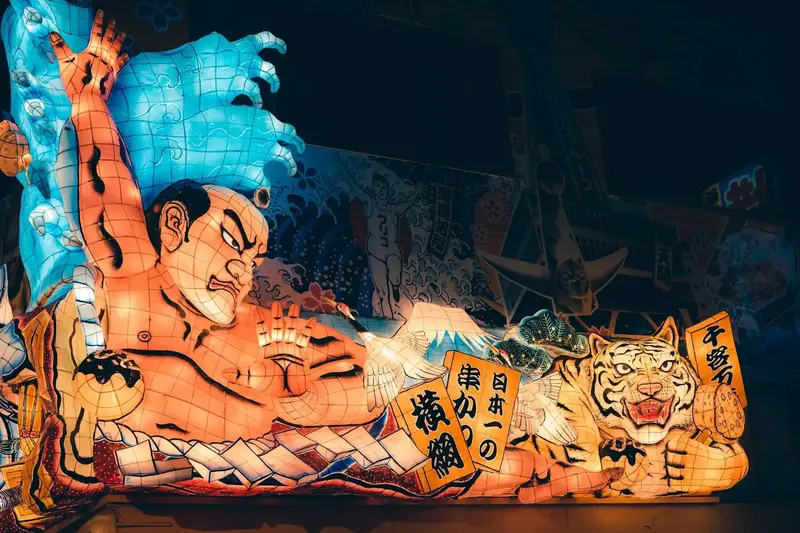
Aomori
Nebuta float warriors, Tsugaru shamisen, apples, and a scallop market where you build your own bowl.
 Full guide
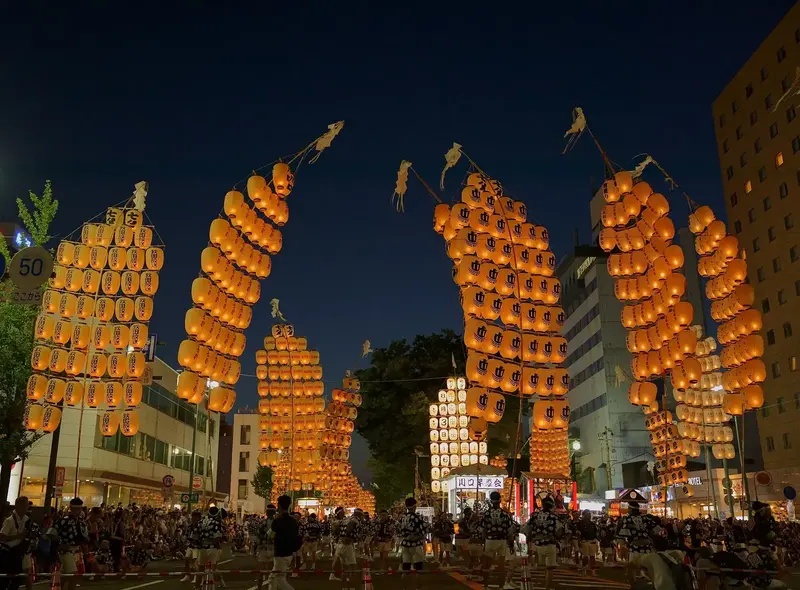
Akita
Namahage demons, twelve-metre lantern poles balanced on foreheads, cold-country sake, and the samurai street at Kakunodate.
 Full guide
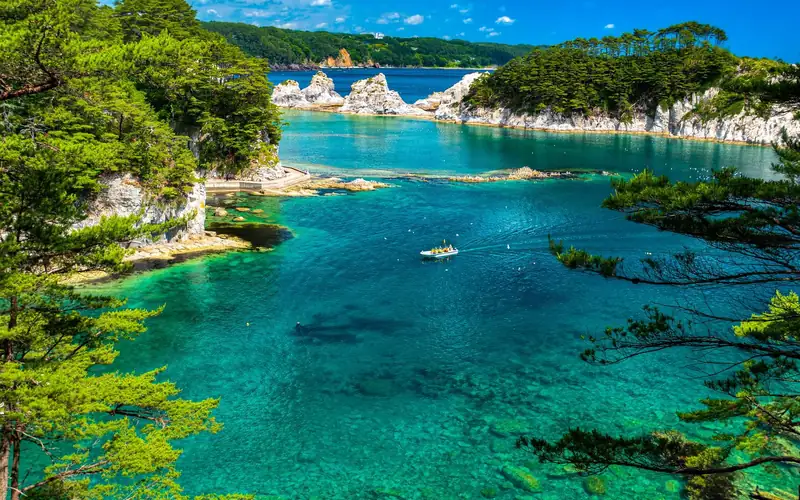
Miyako
Jodogahama, a beach of white rhyolite spires and clear water, is fifteen minutes from the pier.
 Full guide
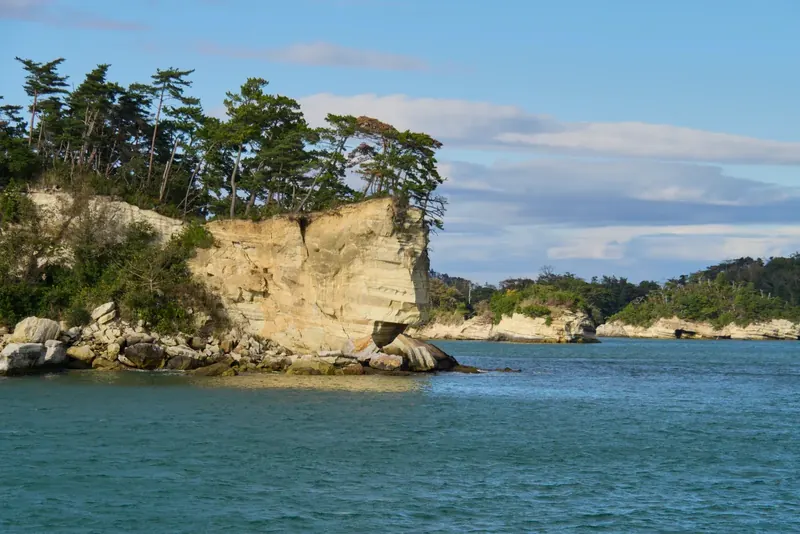
Sendai–Shiogama
The gateway to Matsushima — a bay of pine-covered islets counted among Japan's three classic views — and to the temple of Zuiganji.
 Full guide
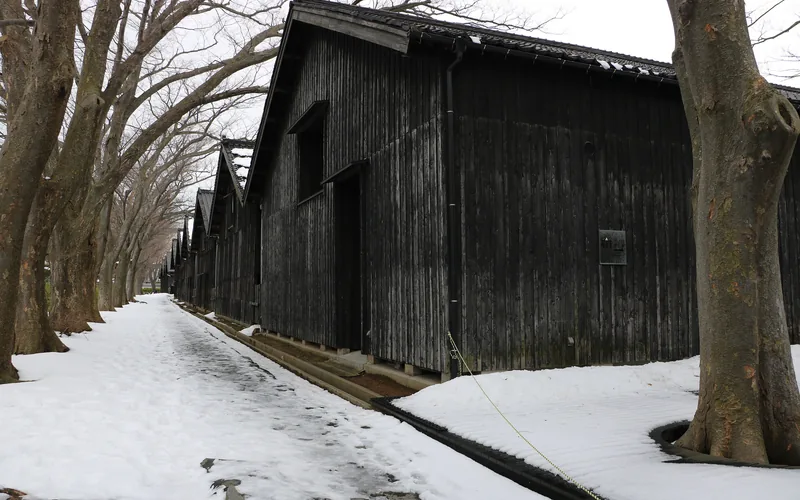
Sakata
A rice-shipping port on the Sea of Japan.
FULL GUIDE walked and timed from the berth · REFERENCE researched, not yet visited · Ship schedules by port →
Reference notes — researched, not yet walked
- HachinoheA fishing port with one of Japan's largest Sunday morning markets, a coastline trail at Tanesashi, and squid everywhere.
- OminatoThe Shimokita peninsula. Mount Osore — a sulphurous volcanic basin treated as a boundary with the dead — is the reason to be here.
- KamaishiAn old iron and steel town on the Sanriku coast, badly hit in 2011 and deliberately rebuilt. Small, serious, and rarely visited.
- OfunatoA Sanriku fishing port known for oysters and scallops, and one of the towns most comprehensively rebuilt after the 2011 tsunami.
- IshinomakiA fishing city with a manga museum built by the creator of Kamen Rider, who grew up nearby — and a hard, well-told 2011 story.
- OnahamaIwaki's port, with a large aquarium beside the berth. The wider region's recovery since 2011 is the story visitors usually come for.
The whole country in one tableEvery cruise port, with its 2026 calls and berth
| Port | Region | 2026 calls | Where you dock | Guide |
|---|---|---|---|---|
| Hakodate | Hokkaido | 71Full year 2026 | Wakamatsu | Full guide → |
| Otaru | Hokkaido | 19Full year 2026 | No.3 Wharf, Berths 16–17 | Full guide → |
| Kushiro | Hokkaido | 11Full year 2026 | Two berths | Full guide → |
| Aomori | Aomori | 43Full year 2026 | Shin-Chuo Wharf | Full guide → |
| Akita | Akita | 21Full year 2026 | Nakajima Wharf, Akita Port | Full guide → |
| Miyako | Iwate | 23Full year 2026 | Fujiwara Wharf | Full guide → |
| Sendai–Shiogama | Miyagi | 12Full year 2026 | Takamatsu Wharf No.2 | Full guide → |
| Sakata | Yamagata | 23Full year 2026 | Kominato Wharf | Full guide → |
| Yokohama | Kanagawa | 147Jan–Sep 2026 | Osanbashi | Full guide → |
| Tokyo | Tokyo | not published | Tokyo Intl. Cruise Terminal or | Full guide → |
| Shimizu | Shizuoka | 97Jan–Nov 2026 | Hinode Pier | Full guide → |
| Omaezaki | Shizuoka | 3Apr–Nov 2026 | West Wharf berth No. 2 | Full guide → |
| Kanazawa | Ishikawa | 60Feb–Nov 2026 | Kanazawa Port Cruise Terminal | Full guide → |
| Nagoya | Aichi | 32Calendar 2026 | Kinjo Pier berths 80–81 | Full guide → |
| Toba | Mie | 212026 season | You don’t | Full guide → |
| Fushiki–Toyama | Toyama | 8Apr–Oct 2026 | Manyo No. 3 Berth, Fushiki | Full guide → |
| Niigata | Niigata | 19FY2026 | Two ports | Full guide → |
| Tsuruga | Fukui | 5Full year 2026 | Mariyama North or South Quay | Full guide → |
| Maizuru | Kyoto | 23Full year 2026 | Dai-2 Pier | Full guide → |
| Kobe | Hyogo | 143Jan–Dec 2026 | Kobe Port Terminal | Full guide → |
| Osaka | Osaka | 83Feb–Nov 2026 | Tempozan, Osaka Port | Full guide → |
| Hiroshima | Hiroshima | 91Apr–Dec 2026 | Ujina or Itsukaichi | Full guide → |
| Sakaiminato | Tottori | 59Feb–Dec 2026 | Sakai Yumeminato Terminal | Full guide → |
| Kochi | Kochi | 102Full year 2026 | Kochi New Port | Full guide → |
| Takamatsu | Kagawa | 22Full year 2026 | Takamatsu Port, walkable | Full guide → |
| Nagasaki | Nagasaki | 160Full year 2026 | Downtown | Full guide → |
| Kagoshima | Kagoshima | 110Jan–Oct 2026 | Marine Port Kagoshima | Full guide → |
| Beppu | Oita | not published | Beppu Port | Full guide → |
| Hakata (Fukuoka) | Fukuoka | 83Jan–Sep 2026 | Hakata Port, Chuo Wharf | Full guide → |
| Sasebo | Nagasaki | 72Full year 2026 | Miura Wharf, central | Full guide → |
| Naha | Okinawa | 177Full year 2026 | Wakasa terminal or Shinko No.12 | Full guide → |
| Ishigaki | Okinawa | 102Full year 2026 | New Port cruise quay | Full guide → |
| Miyakojima (Hirara) | Okinawa | 54Full year 2026 | Hirara Port cruise berth | Full guide → |
| Busan | South Korea | not published | Two terminals | Full guide → |
| Keelung | Taiwan | not published | West or East quays, downtown | Full guide → |
| Jeju | South Korea | not published | Jeju Port or Gangjeong | Full guide → |
| Incheon | South Korea | not published | Incheon Port Cruise Terminal | Full guide → |
| Yeosu | South Korea | 3Oct–Dec 2026 | The Expo cruise berth | Full guide → |
| Sokcho | South Korea | 6Calendar 2026 | International Cruise Terminal, Cheongho-dong | Full guide → |
46 more ports with reference notes only
| Muroran | Hokkaido | not published | Reference |
|---|---|---|---|
| Tomakomai | Hokkaido | not published | Reference |
| Ishikari Bay New Port | Hokkaido | not published | Reference |
| Abashiri | Hokkaido | not published | Reference |
| Monbetsu | Hokkaido | not published | Reference |
| Wakkanai | Hokkaido | not published | Reference |
| Hachinohe | Aomori | not published | Reference |
| Ominato | Aomori | not published | Reference |
| Kamaishi | Iwate | not published | Reference |
| Ofunato | Iwate | not published | Reference |
| Ishinomaki | Miyagi | not published | Reference |
| Onahama | Fukushima | not published | Reference |
| Yokkaichi | Mie | not published | Reference |
| Shimoda | Shizuoka | not published | Reference |
| Nanao | Ishikawa | not published | Reference |
| Ryotsu (Sado) | Niigata | not published | Reference |
| Naoetsu | Niigata | not published | Reference |
| Himeji | Hyogo | not published | Reference |
| Wakayama–Shimotsu | Wakayama | not published | Reference |
| Shingu | Wakayama | not published | Reference |
| Kure | Hiroshima | not published | Reference |
| Onomichi | Hiroshima | not published | Reference |
| Miyajima | Hiroshima | not published | Reference |
| Mizushima | Okayama | not published | Reference |
| Uno | Okayama | not published | Reference |
| Hamada | Shimane | not published | Reference |
| Hagi | Yamaguchi | not published | Reference |
| Shimonoseki | Yamaguchi | not published | Reference |
| Tokuyama–Kudamatsu | Yamaguchi | not published | Reference |
| Tokushima–Komatsushima | Tokushima | not published | Reference |
| Matsuyama | Ehime | not published | Reference |
| Imabari | Ehime | not published | Reference |
| Uwajima | Ehime | not published | Reference |
| Karatsu | Saga | not published | Reference |
| Imari | Saga | not published | Reference |
| Oita | Oita | not published | Reference |
| Yatsushiro | Kumamoto | not published | Reference |
| Aburatsu | Miyazaki | not published | Reference |
| Hososhima | Miyazaki | not published | Reference |
| Hirado | Nagasaki | not published | Reference |
| Fukue (Goto) | Nagasaki | not published | Reference |
| Amami Oshima | Kagoshima | not published | Reference |
| Yakushima | Kagoshima | not published | Reference |
| Motobu | Okinawa | not published | Reference |
| Hualien | Taiwan | not published | Reference |
| Kaohsiung | Taiwan | not published | Reference |
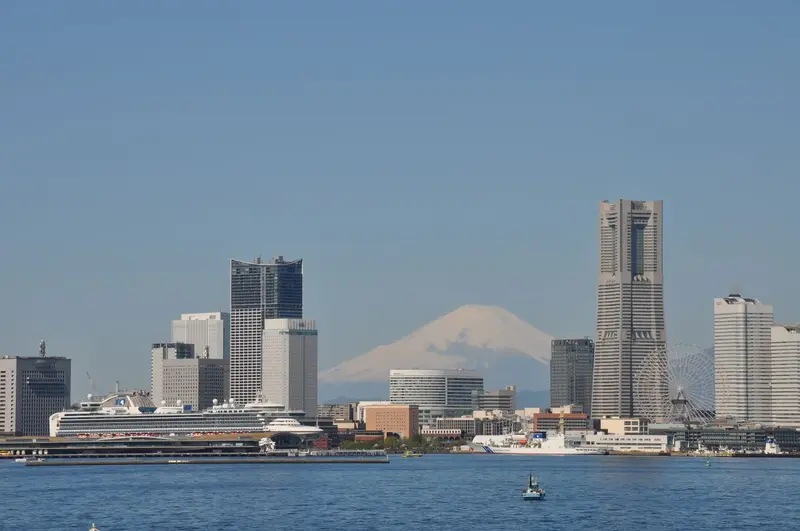
Kanto & Tokyo Bay2 ports
Where most Japan itineraries begin or end — and where the terminal you get changes your entire day.
 Full guide
Yokohama
The treaty port of 1859: Japan's largest Chinatown, ie-kei ramen, a silk merchant's garden, and a cruise terminal with a park for a roof.
 Full guide
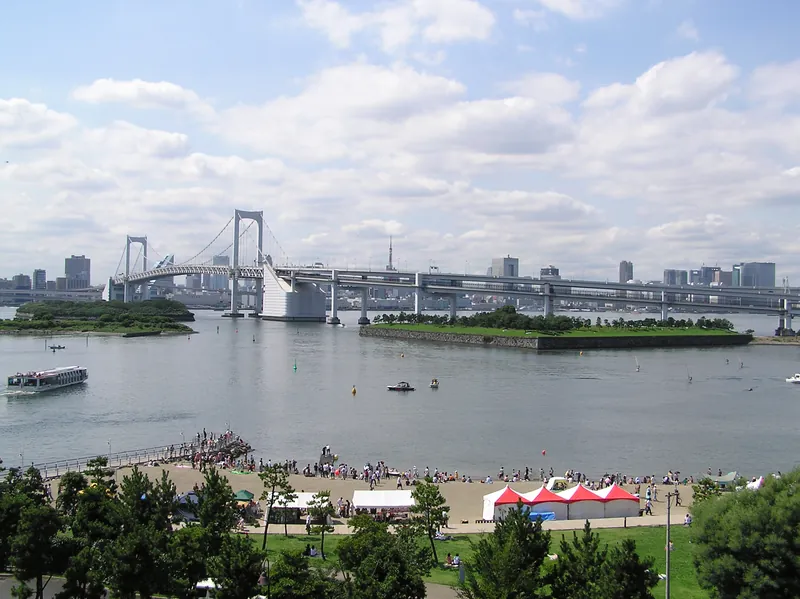
Tokyo
Edo, sumo, Edomae sushi, Senso-ji and single-act kabuki — with a clear account of what forty minutes each way does to a short call.
FULL GUIDE walked and timed from the berth · REFERENCE researched, not yet visited · Ship schedules by port →
The whole country in one tableEvery cruise port, with its 2026 calls and berth
| Port | Region | 2026 calls | Where you dock | Guide |
|---|---|---|---|---|
| Hakodate | Hokkaido | 71Full year 2026 | Wakamatsu | Full guide → |
| Otaru | Hokkaido | 19Full year 2026 | No.3 Wharf, Berths 16–17 | Full guide → |
| Kushiro | Hokkaido | 11Full year 2026 | Two berths | Full guide → |
| Aomori | Aomori | 43Full year 2026 | Shin-Chuo Wharf | Full guide → |
| Akita | Akita | 21Full year 2026 | Nakajima Wharf, Akita Port | Full guide → |
| Miyako | Iwate | 23Full year 2026 | Fujiwara Wharf | Full guide → |
| Sendai–Shiogama | Miyagi | 12Full year 2026 | Takamatsu Wharf No.2 | Full guide → |
| Sakata | Yamagata | 23Full year 2026 | Kominato Wharf | Full guide → |
| Yokohama | Kanagawa | 147Jan–Sep 2026 | Osanbashi | Full guide → |
| Tokyo | Tokyo | not published | Tokyo Intl. Cruise Terminal or | Full guide → |
| Shimizu | Shizuoka | 97Jan–Nov 2026 | Hinode Pier | Full guide → |
| Omaezaki | Shizuoka | 3Apr–Nov 2026 | West Wharf berth No. 2 | Full guide → |
| Kanazawa | Ishikawa | 60Feb–Nov 2026 | Kanazawa Port Cruise Terminal | Full guide → |
| Nagoya | Aichi | 32Calendar 2026 | Kinjo Pier berths 80–81 | Full guide → |
| Toba | Mie | 212026 season | You don’t | Full guide → |
| Fushiki–Toyama | Toyama | 8Apr–Oct 2026 | Manyo No. 3 Berth, Fushiki | Full guide → |
| Niigata | Niigata | 19FY2026 | Two ports | Full guide → |
| Tsuruga | Fukui | 5Full year 2026 | Mariyama North or South Quay | Full guide → |
| Maizuru | Kyoto | 23Full year 2026 | Dai-2 Pier | Full guide → |
| Kobe | Hyogo | 143Jan–Dec 2026 | Kobe Port Terminal | Full guide → |
| Osaka | Osaka | 83Feb–Nov 2026 | Tempozan, Osaka Port | Full guide → |
| Hiroshima | Hiroshima | 91Apr–Dec 2026 | Ujina or Itsukaichi | Full guide → |
| Sakaiminato | Tottori | 59Feb–Dec 2026 | Sakai Yumeminato Terminal | Full guide → |
| Kochi | Kochi | 102Full year 2026 | Kochi New Port | Full guide → |
| Takamatsu | Kagawa | 22Full year 2026 | Takamatsu Port, walkable | Full guide → |
| Nagasaki | Nagasaki | 160Full year 2026 | Downtown | Full guide → |
| Kagoshima | Kagoshima | 110Jan–Oct 2026 | Marine Port Kagoshima | Full guide → |
| Beppu | Oita | not published | Beppu Port | Full guide → |
| Hakata (Fukuoka) | Fukuoka | 83Jan–Sep 2026 | Hakata Port, Chuo Wharf | Full guide → |
| Sasebo | Nagasaki | 72Full year 2026 | Miura Wharf, central | Full guide → |
| Naha | Okinawa | 177Full year 2026 | Wakasa terminal or Shinko No.12 | Full guide → |
| Ishigaki | Okinawa | 102Full year 2026 | New Port cruise quay | Full guide → |
| Miyakojima (Hirara) | Okinawa | 54Full year 2026 | Hirara Port cruise berth | Full guide → |
| Busan | South Korea | not published | Two terminals | Full guide → |
| Keelung | Taiwan | not published | West or East quays, downtown | Full guide → |
| Jeju | South Korea | not published | Jeju Port or Gangjeong | Full guide → |
| Incheon | South Korea | not published | Incheon Port Cruise Terminal | Full guide → |
| Yeosu | South Korea | 3Oct–Dec 2026 | The Expo cruise berth | Full guide → |
| Sokcho | South Korea | 6Calendar 2026 | International Cruise Terminal, Cheongho-dong | Full guide → |
46 more ports with reference notes only
| Muroran | Hokkaido | not published | Reference |
|---|---|---|---|
| Tomakomai | Hokkaido | not published | Reference |
| Ishikari Bay New Port | Hokkaido | not published | Reference |
| Abashiri | Hokkaido | not published | Reference |
| Monbetsu | Hokkaido | not published | Reference |
| Wakkanai | Hokkaido | not published | Reference |
| Hachinohe | Aomori | not published | Reference |
| Ominato | Aomori | not published | Reference |
| Kamaishi | Iwate | not published | Reference |
| Ofunato | Iwate | not published | Reference |
| Ishinomaki | Miyagi | not published | Reference |
| Onahama | Fukushima | not published | Reference |
| Yokkaichi | Mie | not published | Reference |
| Shimoda | Shizuoka | not published | Reference |
| Nanao | Ishikawa | not published | Reference |
| Ryotsu (Sado) | Niigata | not published | Reference |
| Naoetsu | Niigata | not published | Reference |
| Himeji | Hyogo | not published | Reference |
| Wakayama–Shimotsu | Wakayama | not published | Reference |
| Shingu | Wakayama | not published | Reference |
| Kure | Hiroshima | not published | Reference |
| Onomichi | Hiroshima | not published | Reference |
| Miyajima | Hiroshima | not published | Reference |
| Mizushima | Okayama | not published | Reference |
| Uno | Okayama | not published | Reference |
| Hamada | Shimane | not published | Reference |
| Hagi | Yamaguchi | not published | Reference |
| Shimonoseki | Yamaguchi | not published | Reference |
| Tokuyama–Kudamatsu | Yamaguchi | not published | Reference |
| Tokushima–Komatsushima | Tokushima | not published | Reference |
| Matsuyama | Ehime | not published | Reference |
| Imabari | Ehime | not published | Reference |
| Uwajima | Ehime | not published | Reference |
| Karatsu | Saga | not published | Reference |
| Imari | Saga | not published | Reference |
| Oita | Oita | not published | Reference |
| Yatsushiro | Kumamoto | not published | Reference |
| Aburatsu | Miyazaki | not published | Reference |
| Hososhima | Miyazaki | not published | Reference |
| Hirado | Nagasaki | not published | Reference |
| Fukue (Goto) | Nagasaki | not published | Reference |
| Amami Oshima | Kagoshima | not published | Reference |
| Yakushima | Kagoshima | not published | Reference |
| Motobu | Okinawa | not published | Reference |
| Hualien | Taiwan | not published | Reference |
| Kaohsiung | Taiwan | not published | Reference |
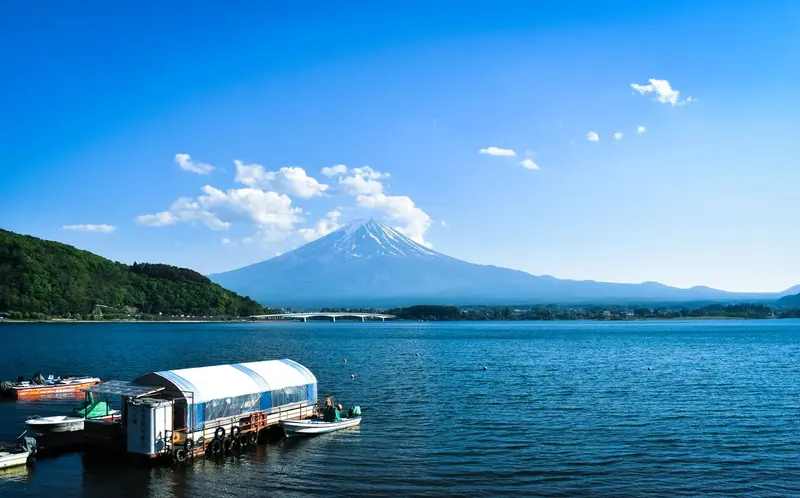
Central Japan & the Sea of Japan coast14 ports
Mount Fuji on one side, snow country and crab on the other.
 Full guide
Shimizu
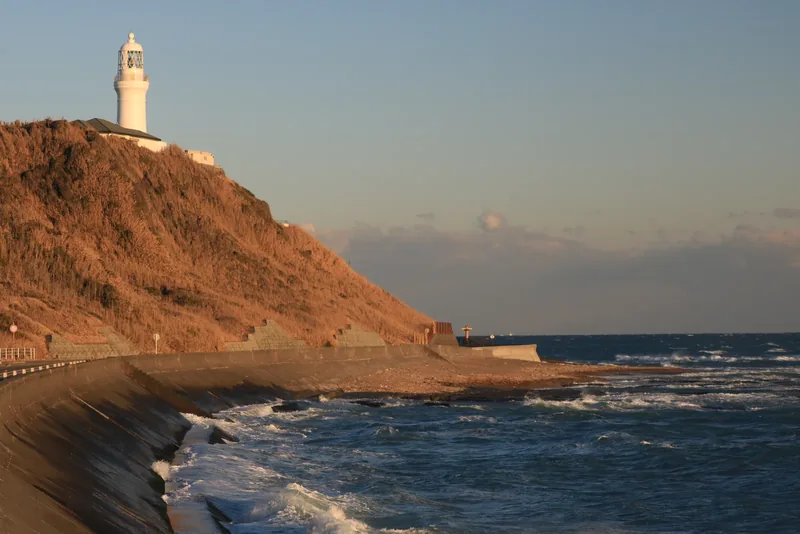
Japan's leading tuna port, with Mount Fuji across the bay — the angle that made the mountain sacred.
 Full guide
Omaezaki
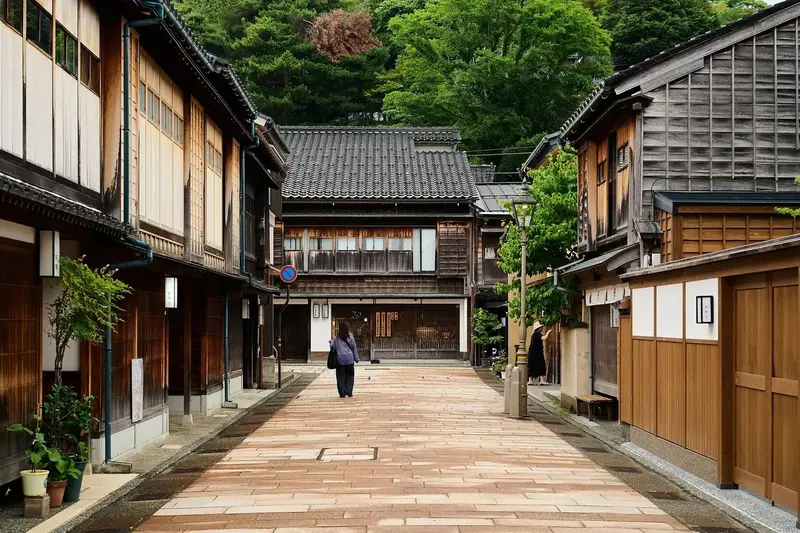
The other Shizuoka port — a cargo wharf on a windy cape with no terminal, used by Westerdam and Diamond Princess instead of Shimizu.
 Full guide
Kanazawa
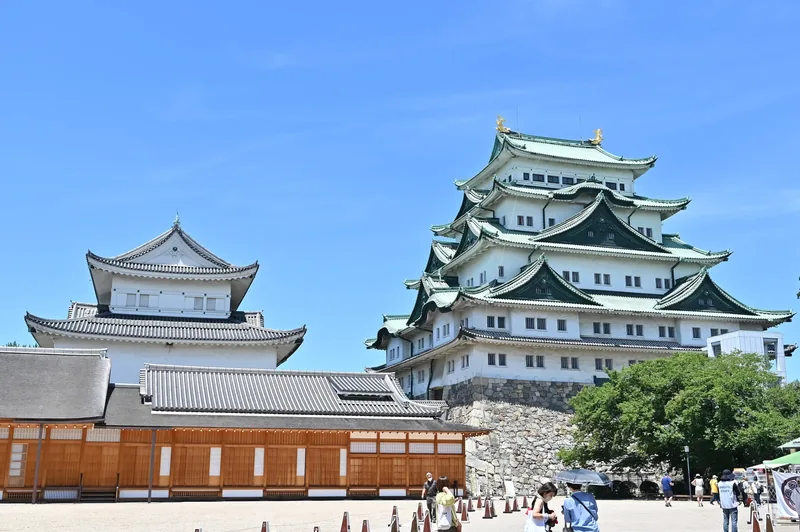
The richest domain in old Japan, never bombed: gold leaf, Kenroku-en, a samurai quarter, geisha districts, and winter snow crab.
 Full guide
Nagoya
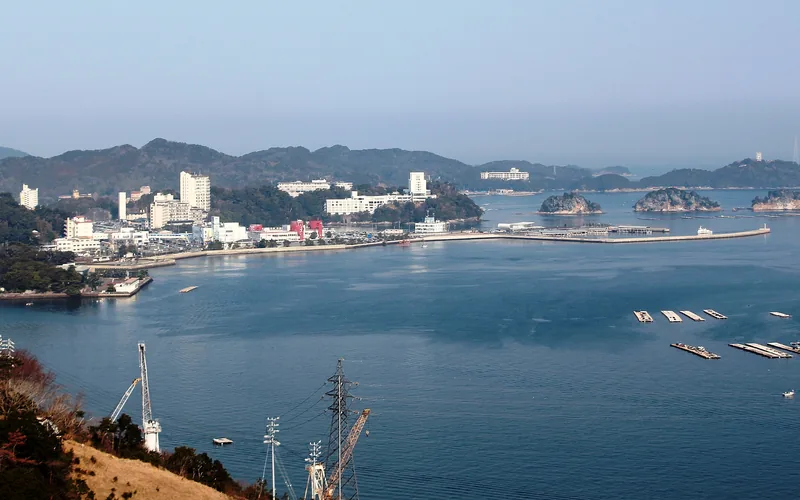
Japan's industrial heart.
 Full guide
Toba
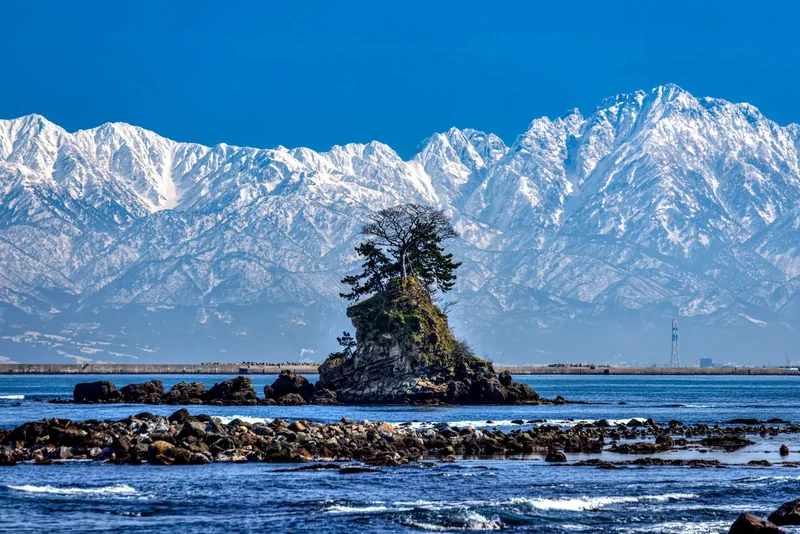
Pearl country — Mikimoto cultured the first one here — and about forty minutes from Ise Grand Shrine, the most important shrine in Japan.
 Full guide
Fushiki–Toyama
Big ships dock at Fushiki, a cargo wharf in Takaoka City with no terminal; the Tateyama range is seen across the bay from Amaharashi on clear days.
 Full guide
Niigata
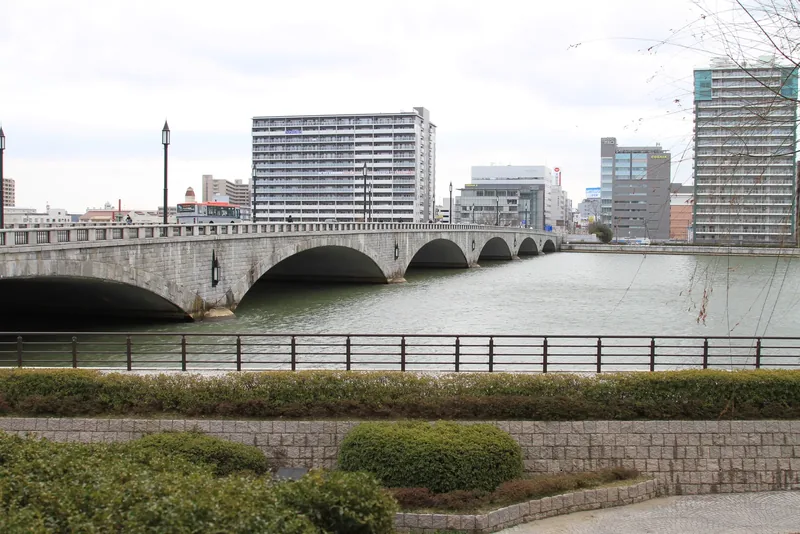
Rice country, and therefore sake country.
 Full guide
Tsuruga
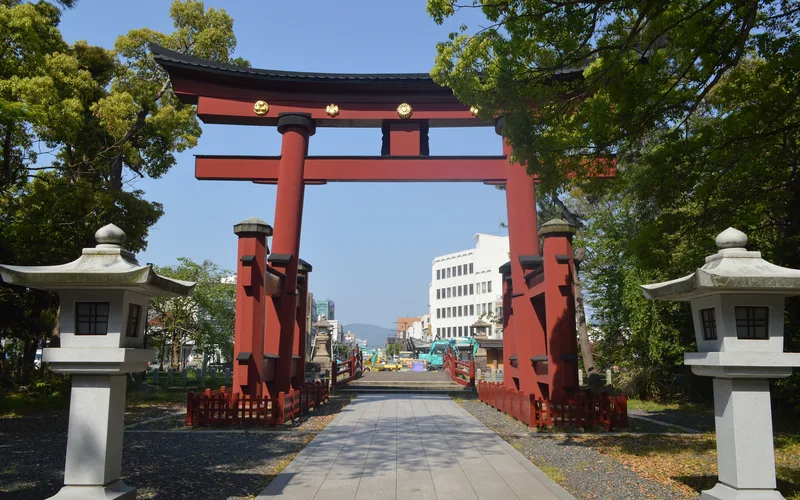
The port that received Jewish refugees travelling on Sugihara visas in 1940.
 Full guide
Maizuru
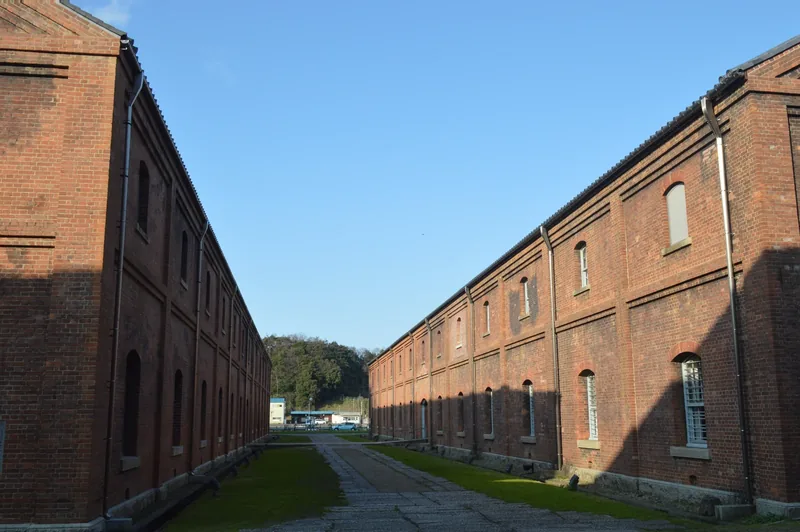
A former naval port with red-brick warehouses and a repatriation museum whose records are on UNESCO's Memory of the World register.
FULL GUIDE walked and timed from the berth · REFERENCE researched, not yet visited · Ship schedules by port →
Reference notes — researched, not yet walked
- YokkaichiA petrochemical port whose factory night views have become a domestic tourist attraction in their own right. Nagoya and Ise are both reachable.
- ShimodaWhere Commodore Perry came ashore in 1854 and Japan's closure formally ended. A small Izu port with the treaty temple still standing.
- NanaoThe Noto peninsula — Wajima lacquer, Wakura hot springs, morning markets. The January 2024 earthquake hit this region hard; check current status before planning.
- Ryotsu (Sado)Sado Island: a former penal exile island and gold mine, listed by UNESCO in 2024, with a taiko drumming tradition and tub boats.
- NaoetsuJoetsu's port, in deep snow country. Inland lie Takada's castle park and one of Japan's heaviest snowfall belts.
The whole country in one tableEvery cruise port, with its 2026 calls and berth
| Port | Region | 2026 calls | Where you dock | Guide |
|---|---|---|---|---|
| Hakodate | Hokkaido | 71Full year 2026 | Wakamatsu | Full guide → |
| Otaru | Hokkaido | 19Full year 2026 | No.3 Wharf, Berths 16–17 | Full guide → |
| Kushiro | Hokkaido | 11Full year 2026 | Two berths | Full guide → |
| Aomori | Aomori | 43Full year 2026 | Shin-Chuo Wharf | Full guide → |
| Akita | Akita | 21Full year 2026 | Nakajima Wharf, Akita Port | Full guide → |
| Miyako | Iwate | 23Full year 2026 | Fujiwara Wharf | Full guide → |
| Sendai–Shiogama | Miyagi | 12Full year 2026 | Takamatsu Wharf No.2 | Full guide → |
| Sakata | Yamagata | 23Full year 2026 | Kominato Wharf | Full guide → |
| Yokohama | Kanagawa | 147Jan–Sep 2026 | Osanbashi | Full guide → |
| Tokyo | Tokyo | not published | Tokyo Intl. Cruise Terminal or | Full guide → |
| Shimizu | Shizuoka | 97Jan–Nov 2026 | Hinode Pier | Full guide → |
| Omaezaki | Shizuoka | 3Apr–Nov 2026 | West Wharf berth No. 2 | Full guide → |
| Kanazawa | Ishikawa | 60Feb–Nov 2026 | Kanazawa Port Cruise Terminal | Full guide → |
| Nagoya | Aichi | 32Calendar 2026 | Kinjo Pier berths 80–81 | Full guide → |
| Toba | Mie | 212026 season | You don’t | Full guide → |
| Fushiki–Toyama | Toyama | 8Apr–Oct 2026 | Manyo No. 3 Berth, Fushiki | Full guide → |
| Niigata | Niigata | 19FY2026 | Two ports | Full guide → |
| Tsuruga | Fukui | 5Full year 2026 | Mariyama North or South Quay | Full guide → |
| Maizuru | Kyoto | 23Full year 2026 | Dai-2 Pier | Full guide → |
| Kobe | Hyogo | 143Jan–Dec 2026 | Kobe Port Terminal | Full guide → |
| Osaka | Osaka | 83Feb–Nov 2026 | Tempozan, Osaka Port | Full guide → |
| Hiroshima | Hiroshima | 91Apr–Dec 2026 | Ujina or Itsukaichi | Full guide → |
| Sakaiminato | Tottori | 59Feb–Dec 2026 | Sakai Yumeminato Terminal | Full guide → |
| Kochi | Kochi | 102Full year 2026 | Kochi New Port | Full guide → |
| Takamatsu | Kagawa | 22Full year 2026 | Takamatsu Port, walkable | Full guide → |
| Nagasaki | Nagasaki | 160Full year 2026 | Downtown | Full guide → |
| Kagoshima | Kagoshima | 110Jan–Oct 2026 | Marine Port Kagoshima | Full guide → |
| Beppu | Oita | not published | Beppu Port | Full guide → |
| Hakata (Fukuoka) | Fukuoka | 83Jan–Sep 2026 | Hakata Port, Chuo Wharf | Full guide → |
| Sasebo | Nagasaki | 72Full year 2026 | Miura Wharf, central | Full guide → |
| Naha | Okinawa | 177Full year 2026 | Wakasa terminal or Shinko No.12 | Full guide → |
| Ishigaki | Okinawa | 102Full year 2026 | New Port cruise quay | Full guide → |
| Miyakojima (Hirara) | Okinawa | 54Full year 2026 | Hirara Port cruise berth | Full guide → |
| Busan | South Korea | not published | Two terminals | Full guide → |
| Keelung | Taiwan | not published | West or East quays, downtown | Full guide → |
| Jeju | South Korea | not published | Jeju Port or Gangjeong | Full guide → |
| Incheon | South Korea | not published | Incheon Port Cruise Terminal | Full guide → |
| Yeosu | South Korea | 3Oct–Dec 2026 | The Expo cruise berth | Full guide → |
| Sokcho | South Korea | 6Calendar 2026 | International Cruise Terminal, Cheongho-dong | Full guide → |
46 more ports with reference notes only
| Muroran | Hokkaido | not published | Reference |
|---|---|---|---|
| Tomakomai | Hokkaido | not published | Reference |
| Ishikari Bay New Port | Hokkaido | not published | Reference |
| Abashiri | Hokkaido | not published | Reference |
| Monbetsu | Hokkaido | not published | Reference |
| Wakkanai | Hokkaido | not published | Reference |
| Hachinohe | Aomori | not published | Reference |
| Ominato | Aomori | not published | Reference |
| Kamaishi | Iwate | not published | Reference |
| Ofunato | Iwate | not published | Reference |
| Ishinomaki | Miyagi | not published | Reference |
| Onahama | Fukushima | not published | Reference |
| Yokkaichi | Mie | not published | Reference |
| Shimoda | Shizuoka | not published | Reference |
| Nanao | Ishikawa | not published | Reference |
| Ryotsu (Sado) | Niigata | not published | Reference |
| Naoetsu | Niigata | not published | Reference |
| Himeji | Hyogo | not published | Reference |
| Wakayama–Shimotsu | Wakayama | not published | Reference |
| Shingu | Wakayama | not published | Reference |
| Kure | Hiroshima | not published | Reference |
| Onomichi | Hiroshima | not published | Reference |
| Miyajima | Hiroshima | not published | Reference |
| Mizushima | Okayama | not published | Reference |
| Uno | Okayama | not published | Reference |
| Hamada | Shimane | not published | Reference |
| Hagi | Yamaguchi | not published | Reference |
| Shimonoseki | Yamaguchi | not published | Reference |
| Tokuyama–Kudamatsu | Yamaguchi | not published | Reference |
| Tokushima–Komatsushima | Tokushima | not published | Reference |
| Matsuyama | Ehime | not published | Reference |
| Imabari | Ehime | not published | Reference |
| Uwajima | Ehime | not published | Reference |
| Karatsu | Saga | not published | Reference |
| Imari | Saga | not published | Reference |
| Oita | Oita | not published | Reference |
| Yatsushiro | Kumamoto | not published | Reference |
| Aburatsu | Miyazaki | not published | Reference |
| Hososhima | Miyazaki | not published | Reference |
| Hirado | Nagasaki | not published | Reference |
| Fukue (Goto) | Nagasaki | not published | Reference |
| Amami Oshima | Kagoshima | not published | Reference |
| Yakushima | Kagoshima | not published | Reference |
| Motobu | Okinawa | not published | Reference |
| Hualien | Taiwan | not published | Reference |
| Kaohsiung | Taiwan | not published | Reference |
Kansai5 ports
The old capitals — and the ports that overnight so passengers can reach them.
 Full guide
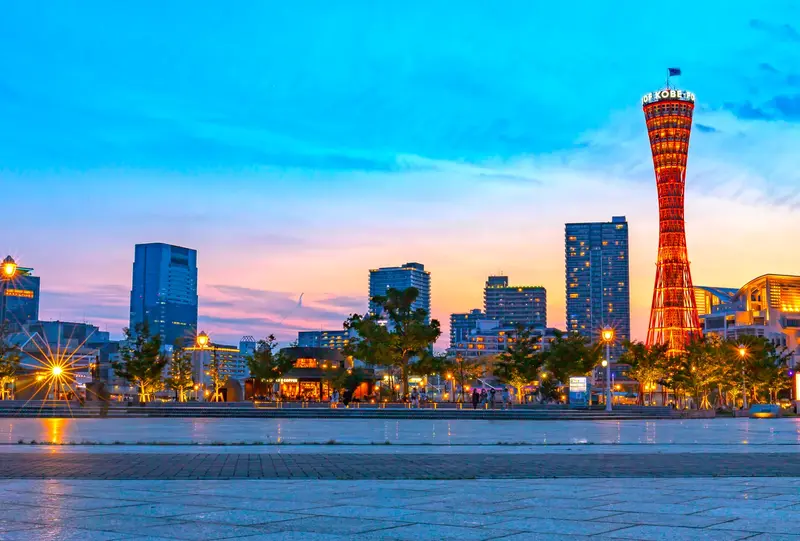
Kobe
The port that opened in 1868: Nankinmachi, Nada sake, certified Kobe beef at lunch prices, and the answer on whether Kyoto fits your call.
 Full guide
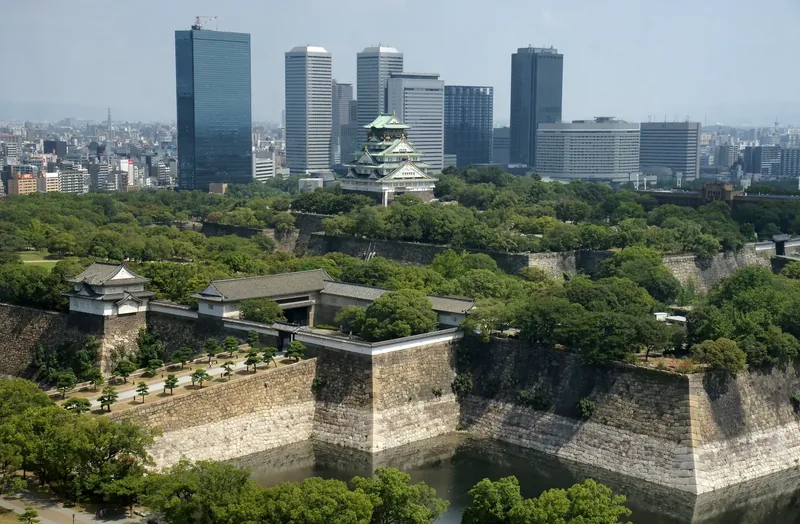
Osaka
Japan's kitchen: takoyaki invented here in 1935, a castle whose walls outclass its keep, bunraku puppets, and Kyoto thirty minutes away.
FULL GUIDE walked and timed from the berth · REFERENCE researched, not yet visited · Ship schedules by port →
Reference notes — researched, not yet walked
- HimejiThe white castle — the largest and most complete original in Japan, a National Treasure and a World Heritage Site, and visible from the station.
- Wakayama–ShimotsuThe gateway to Koyasan, the mountaintop monastic complex founded in 816, where you can stay overnight in a temple.
- ShinguOn the Kumano pilgrimage coast. Hayatama Taisha is in town, and Nachi Falls — Japan's tallest single drop, beside a pagoda — is up the valley.
The whole country in one tableEvery cruise port, with its 2026 calls and berth
| Port | Region | 2026 calls | Where you dock | Guide |
|---|---|---|---|---|
| Hakodate | Hokkaido | 71Full year 2026 | Wakamatsu | Full guide → |
| Otaru | Hokkaido | 19Full year 2026 | No.3 Wharf, Berths 16–17 | Full guide → |
| Kushiro | Hokkaido | 11Full year 2026 | Two berths | Full guide → |
| Aomori | Aomori | 43Full year 2026 | Shin-Chuo Wharf | Full guide → |
| Akita | Akita | 21Full year 2026 | Nakajima Wharf, Akita Port | Full guide → |
| Miyako | Iwate | 23Full year 2026 | Fujiwara Wharf | Full guide → |
| Sendai–Shiogama | Miyagi | 12Full year 2026 | Takamatsu Wharf No.2 | Full guide → |
| Sakata | Yamagata | 23Full year 2026 | Kominato Wharf | Full guide → |
| Yokohama | Kanagawa | 147Jan–Sep 2026 | Osanbashi | Full guide → |
| Tokyo | Tokyo | not published | Tokyo Intl. Cruise Terminal or | Full guide → |
| Shimizu | Shizuoka | 97Jan–Nov 2026 | Hinode Pier | Full guide → |
| Omaezaki | Shizuoka | 3Apr–Nov 2026 | West Wharf berth No. 2 | Full guide → |
| Kanazawa | Ishikawa | 60Feb–Nov 2026 | Kanazawa Port Cruise Terminal | Full guide → |
| Nagoya | Aichi | 32Calendar 2026 | Kinjo Pier berths 80–81 | Full guide → |
| Toba | Mie | 212026 season | You don’t | Full guide → |
| Fushiki–Toyama | Toyama | 8Apr–Oct 2026 | Manyo No. 3 Berth, Fushiki | Full guide → |
| Niigata | Niigata | 19FY2026 | Two ports | Full guide → |
| Tsuruga | Fukui | 5Full year 2026 | Mariyama North or South Quay | Full guide → |
| Maizuru | Kyoto | 23Full year 2026 | Dai-2 Pier | Full guide → |
| Kobe | Hyogo | 143Jan–Dec 2026 | Kobe Port Terminal | Full guide → |
| Osaka | Osaka | 83Feb–Nov 2026 | Tempozan, Osaka Port | Full guide → |
| Hiroshima | Hiroshima | 91Apr–Dec 2026 | Ujina or Itsukaichi | Full guide → |
| Sakaiminato | Tottori | 59Feb–Dec 2026 | Sakai Yumeminato Terminal | Full guide → |
| Kochi | Kochi | 102Full year 2026 | Kochi New Port | Full guide → |
| Takamatsu | Kagawa | 22Full year 2026 | Takamatsu Port, walkable | Full guide → |
| Nagasaki | Nagasaki | 160Full year 2026 | Downtown | Full guide → |
| Kagoshima | Kagoshima | 110Jan–Oct 2026 | Marine Port Kagoshima | Full guide → |
| Beppu | Oita | not published | Beppu Port | Full guide → |
| Hakata (Fukuoka) | Fukuoka | 83Jan–Sep 2026 | Hakata Port, Chuo Wharf | Full guide → |
| Sasebo | Nagasaki | 72Full year 2026 | Miura Wharf, central | Full guide → |
| Naha | Okinawa | 177Full year 2026 | Wakasa terminal or Shinko No.12 | Full guide → |
| Ishigaki | Okinawa | 102Full year 2026 | New Port cruise quay | Full guide → |
| Miyakojima (Hirara) | Okinawa | 54Full year 2026 | Hirara Port cruise berth | Full guide → |
| Busan | South Korea | not published | Two terminals | Full guide → |
| Keelung | Taiwan | not published | West or East quays, downtown | Full guide → |
| Jeju | South Korea | not published | Jeju Port or Gangjeong | Full guide → |
| Incheon | South Korea | not published | Incheon Port Cruise Terminal | Full guide → |
| Yeosu | South Korea | 3Oct–Dec 2026 | The Expo cruise berth | Full guide → |
| Sokcho | South Korea | 6Calendar 2026 | International Cruise Terminal, Cheongho-dong | Full guide → |
46 more ports with reference notes only
| Muroran | Hokkaido | not published | Reference |
|---|---|---|---|
| Tomakomai | Hokkaido | not published | Reference |
| Ishikari Bay New Port | Hokkaido | not published | Reference |
| Abashiri | Hokkaido | not published | Reference |
| Monbetsu | Hokkaido | not published | Reference |
| Wakkanai | Hokkaido | not published | Reference |
| Hachinohe | Aomori | not published | Reference |
| Ominato | Aomori | not published | Reference |
| Kamaishi | Iwate | not published | Reference |
| Ofunato | Iwate | not published | Reference |
| Ishinomaki | Miyagi | not published | Reference |
| Onahama | Fukushima | not published | Reference |
| Yokkaichi | Mie | not published | Reference |
| Shimoda | Shizuoka | not published | Reference |
| Nanao | Ishikawa | not published | Reference |
| Ryotsu (Sado) | Niigata | not published | Reference |
| Naoetsu | Niigata | not published | Reference |
| Himeji | Hyogo | not published | Reference |
| Wakayama–Shimotsu | Wakayama | not published | Reference |
| Shingu | Wakayama | not published | Reference |
| Kure | Hiroshima | not published | Reference |
| Onomichi | Hiroshima | not published | Reference |
| Miyajima | Hiroshima | not published | Reference |
| Mizushima | Okayama | not published | Reference |
| Uno | Okayama | not published | Reference |
| Hamada | Shimane | not published | Reference |
| Hagi | Yamaguchi | not published | Reference |
| Shimonoseki | Yamaguchi | not published | Reference |
| Tokuyama–Kudamatsu | Yamaguchi | not published | Reference |
| Tokushima–Komatsushima | Tokushima | not published | Reference |
| Matsuyama | Ehime | not published | Reference |
| Imabari | Ehime | not published | Reference |
| Uwajima | Ehime | not published | Reference |
| Karatsu | Saga | not published | Reference |
| Imari | Saga | not published | Reference |
| Oita | Oita | not published | Reference |
| Yatsushiro | Kumamoto | not published | Reference |
| Aburatsu | Miyazaki | not published | Reference |
| Hososhima | Miyazaki | not published | Reference |
| Hirado | Nagasaki | not published | Reference |
| Fukue (Goto) | Nagasaki | not published | Reference |
| Amami Oshima | Kagoshima | not published | Reference |
| Yakushima | Kagoshima | not published | Reference |
| Motobu | Okinawa | not published | Reference |
| Hualien | Taiwan | not published | Reference |
| Kaohsiung | Taiwan | not published | Reference |
Chugoku & the Inland Sea11 ports
The Seto Inland Sea — calm water, small islands, and ports that were shipping towns before they were anything else.
 Full guide
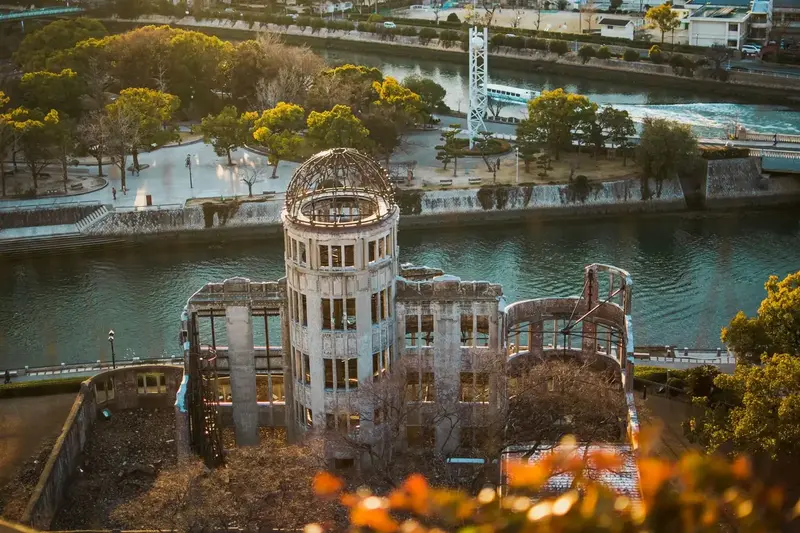
Hiroshima
The Dome and the Peace Park, Miyajima's floating gate, oysters, okonomiyaki layered rather than mixed — and how to give both halves the time they need.
 Full guide
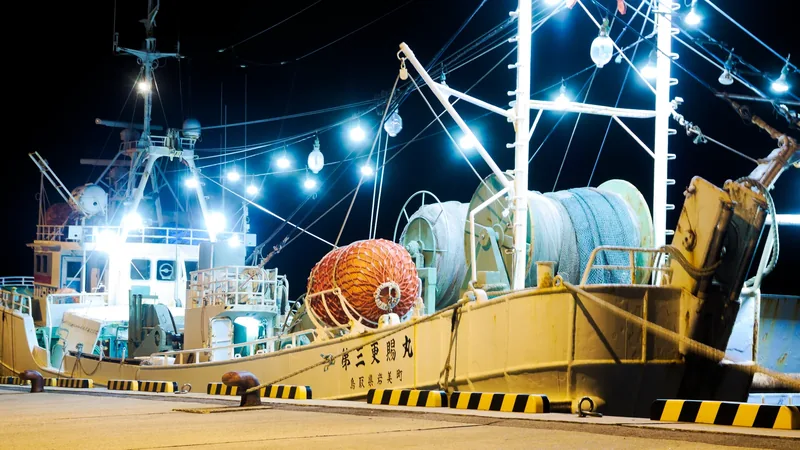
Sakaiminato
178 bronze yokai on one street, put there by a man who lost his drawing arm in the Pacific.
FULL GUIDE walked and timed from the berth · REFERENCE researched, not yet visited · Ship schedules by port →
Reference notes — researched, not yet walked
- KureThe naval yard that built the battleship Yamato. The museum holds a 1:10 scale model and handles the history without flinching. Hiroshima is thirty minutes away.
- OnomichiA hillside town of temples, cats and stairs, and the mainland end of the Shimanami Kaido — a cycling route across the Inland Sea on suspension bridges.
- MiyajimaSome ships tender directly to the island rather than to Hiroshima. Itsukushima's gate stands in the water at high tide and on sand at low.
- MizushimaKurashiki's industrial port. Inland, the Bikan quarter is a preserved canal district of white-walled merchant warehouses and Japan's first Western art museum.
- UnoThe gateway to the Inland Sea art islands — Naoshima and Teshima, with museums by Tadao Ando and a Yayoi Kusama pumpkin on the pier.
- HamadaOn the Sea of Japan, about an hour from Iwami Ginzan — a World Heritage silver mine that once supplied a large share of the world's silver.
- HagiA castle town whose samurai lanes are largely intact, and where much of the thinking behind the Meiji Restoration was taught. Also a pottery town.
- ShimonosekiAt the strait between Honshu and Kyushu. Japan's fugu capital — Karato market sells it over the counter — and the site of the Heike clan's final defeat.
- Tokuyama–KudamatsuAn industrial port on the Inland Sea, used mainly as a gateway to Iwakuni's Kintaikyo bridge and the Yamaguchi countryside.
The whole country in one tableEvery cruise port, with its 2026 calls and berth
| Port | Region | 2026 calls | Where you dock | Guide |
|---|---|---|---|---|
| Hakodate | Hokkaido | 71Full year 2026 | Wakamatsu | Full guide → |
| Otaru | Hokkaido | 19Full year 2026 | No.3 Wharf, Berths 16–17 | Full guide → |
| Kushiro | Hokkaido | 11Full year 2026 | Two berths | Full guide → |
| Aomori | Aomori | 43Full year 2026 | Shin-Chuo Wharf | Full guide → |
| Akita | Akita | 21Full year 2026 | Nakajima Wharf, Akita Port | Full guide → |
| Miyako | Iwate | 23Full year 2026 | Fujiwara Wharf | Full guide → |
| Sendai–Shiogama | Miyagi | 12Full year 2026 | Takamatsu Wharf No.2 | Full guide → |
| Sakata | Yamagata | 23Full year 2026 | Kominato Wharf | Full guide → |
| Yokohama | Kanagawa | 147Jan–Sep 2026 | Osanbashi | Full guide → |
| Tokyo | Tokyo | not published | Tokyo Intl. Cruise Terminal or | Full guide → |
| Shimizu | Shizuoka | 97Jan–Nov 2026 | Hinode Pier | Full guide → |
| Omaezaki | Shizuoka | 3Apr–Nov 2026 | West Wharf berth No. 2 | Full guide → |
| Kanazawa | Ishikawa | 60Feb–Nov 2026 | Kanazawa Port Cruise Terminal | Full guide → |
| Nagoya | Aichi | 32Calendar 2026 | Kinjo Pier berths 80–81 | Full guide → |
| Toba | Mie | 212026 season | You don’t | Full guide → |
| Fushiki–Toyama | Toyama | 8Apr–Oct 2026 | Manyo No. 3 Berth, Fushiki | Full guide → |
| Niigata | Niigata | 19FY2026 | Two ports | Full guide → |
| Tsuruga | Fukui | 5Full year 2026 | Mariyama North or South Quay | Full guide → |
| Maizuru | Kyoto | 23Full year 2026 | Dai-2 Pier | Full guide → |
| Kobe | Hyogo | 143Jan–Dec 2026 | Kobe Port Terminal | Full guide → |
| Osaka | Osaka | 83Feb–Nov 2026 | Tempozan, Osaka Port | Full guide → |
| Hiroshima | Hiroshima | 91Apr–Dec 2026 | Ujina or Itsukaichi | Full guide → |
| Sakaiminato | Tottori | 59Feb–Dec 2026 | Sakai Yumeminato Terminal | Full guide → |
| Kochi | Kochi | 102Full year 2026 | Kochi New Port | Full guide → |
| Takamatsu | Kagawa | 22Full year 2026 | Takamatsu Port, walkable | Full guide → |
| Nagasaki | Nagasaki | 160Full year 2026 | Downtown | Full guide → |
| Kagoshima | Kagoshima | 110Jan–Oct 2026 | Marine Port Kagoshima | Full guide → |
| Beppu | Oita | not published | Beppu Port | Full guide → |
| Hakata (Fukuoka) | Fukuoka | 83Jan–Sep 2026 | Hakata Port, Chuo Wharf | Full guide → |
| Sasebo | Nagasaki | 72Full year 2026 | Miura Wharf, central | Full guide → |
| Naha | Okinawa | 177Full year 2026 | Wakasa terminal or Shinko No.12 | Full guide → |
| Ishigaki | Okinawa | 102Full year 2026 | New Port cruise quay | Full guide → |
| Miyakojima (Hirara) | Okinawa | 54Full year 2026 | Hirara Port cruise berth | Full guide → |
| Busan | South Korea | not published | Two terminals | Full guide → |
| Keelung | Taiwan | not published | West or East quays, downtown | Full guide → |
| Jeju | South Korea | not published | Jeju Port or Gangjeong | Full guide → |
| Incheon | South Korea | not published | Incheon Port Cruise Terminal | Full guide → |
| Yeosu | South Korea | 3Oct–Dec 2026 | The Expo cruise berth | Full guide → |
| Sokcho | South Korea | 6Calendar 2026 | International Cruise Terminal, Cheongho-dong | Full guide → |
46 more ports with reference notes only
| Muroran | Hokkaido | not published | Reference |
|---|---|---|---|
| Tomakomai | Hokkaido | not published | Reference |
| Ishikari Bay New Port | Hokkaido | not published | Reference |
| Abashiri | Hokkaido | not published | Reference |
| Monbetsu | Hokkaido | not published | Reference |
| Wakkanai | Hokkaido | not published | Reference |
| Hachinohe | Aomori | not published | Reference |
| Ominato | Aomori | not published | Reference |
| Kamaishi | Iwate | not published | Reference |
| Ofunato | Iwate | not published | Reference |
| Ishinomaki | Miyagi | not published | Reference |
| Onahama | Fukushima | not published | Reference |
| Yokkaichi | Mie | not published | Reference |
| Shimoda | Shizuoka | not published | Reference |
| Nanao | Ishikawa | not published | Reference |
| Ryotsu (Sado) | Niigata | not published | Reference |
| Naoetsu | Niigata | not published | Reference |
| Himeji | Hyogo | not published | Reference |
| Wakayama–Shimotsu | Wakayama | not published | Reference |
| Shingu | Wakayama | not published | Reference |
| Kure | Hiroshima | not published | Reference |
| Onomichi | Hiroshima | not published | Reference |
| Miyajima | Hiroshima | not published | Reference |
| Mizushima | Okayama | not published | Reference |
| Uno | Okayama | not published | Reference |
| Hamada | Shimane | not published | Reference |
| Hagi | Yamaguchi | not published | Reference |
| Shimonoseki | Yamaguchi | not published | Reference |
| Tokuyama–Kudamatsu | Yamaguchi | not published | Reference |
| Tokushima–Komatsushima | Tokushima | not published | Reference |
| Matsuyama | Ehime | not published | Reference |
| Imabari | Ehime | not published | Reference |
| Uwajima | Ehime | not published | Reference |
| Karatsu | Saga | not published | Reference |
| Imari | Saga | not published | Reference |
| Oita | Oita | not published | Reference |
| Yatsushiro | Kumamoto | not published | Reference |
| Aburatsu | Miyazaki | not published | Reference |
| Hososhima | Miyazaki | not published | Reference |
| Hirado | Nagasaki | not published | Reference |
| Fukue (Goto) | Nagasaki | not published | Reference |
| Amami Oshima | Kagoshima | not published | Reference |
| Yakushima | Kagoshima | not published | Reference |
| Motobu | Okinawa | not published | Reference |
| Hualien | Taiwan | not published | Reference |
| Kaohsiung | Taiwan | not published | Reference |
Shikoku6 ports
The smallest main island — pilgrimage country, and the least visited by international ships.
 Full guide
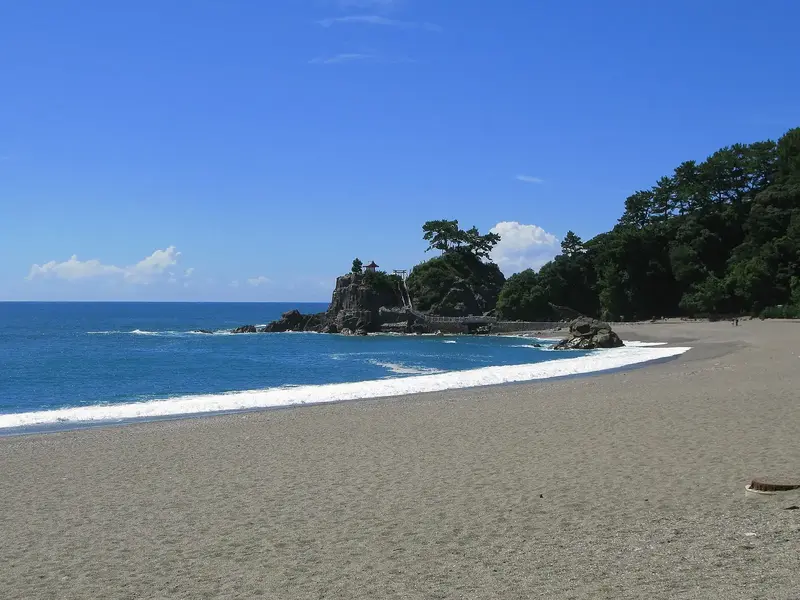
Kochi
Straw-seared bonito, the only original castle that kept its palace as well as its keep, Sakamoto Ryoma, and a market that talks to strangers.
 Full guide
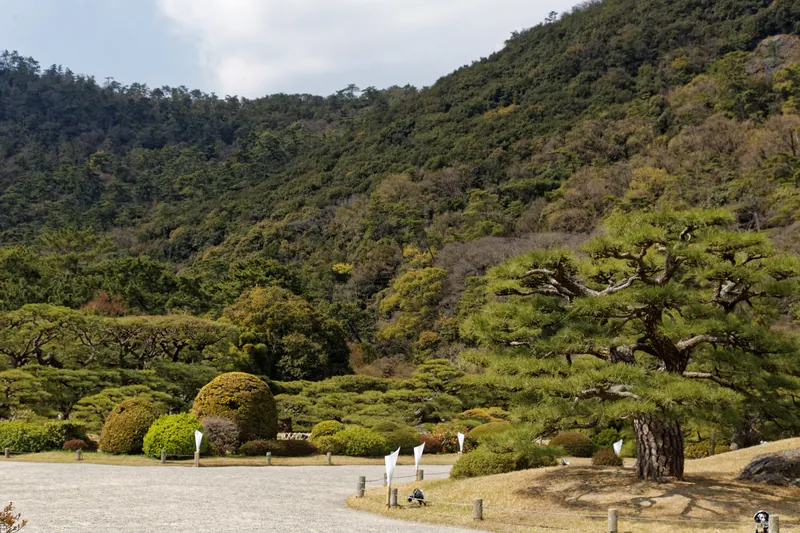
Takamatsu
A garden that outclasses the famous three, a castle moated with seawater five minutes from the berth, the art islands, and udon eaten standing at a mill.
FULL GUIDE walked and timed from the berth · REFERENCE researched, not yet visited · Ship schedules by port →
Reference notes — researched, not yet walked
- Tokushima–KomatsushimaHome of Awa Odori, the dance festival held 12–15 August, and half an hour from the Naruto whirlpools, which run on the tide rather than the clock.
- MatsuyamaDogo Onsen — among the oldest hot springs in Japan, with a wooden bathhouse of 1894 — plus one of the twelve original castle keeps above the city.
- ImabariJapan's towel capital, and the island end of the Shimanami Kaido cycling route. The castle sits in seawater moats fed by the tide.
- UwajimaA small southern port with another of the twelve original castle keeps, a pearl industry, and terraced stone fields along the coast.
The whole country in one tableEvery cruise port, with its 2026 calls and berth
| Port | Region | 2026 calls | Where you dock | Guide |
|---|---|---|---|---|
| Hakodate | Hokkaido | 71Full year 2026 | Wakamatsu | Full guide → |
| Otaru | Hokkaido | 19Full year 2026 | No.3 Wharf, Berths 16–17 | Full guide → |
| Kushiro | Hokkaido | 11Full year 2026 | Two berths | Full guide → |
| Aomori | Aomori | 43Full year 2026 | Shin-Chuo Wharf | Full guide → |
| Akita | Akita | 21Full year 2026 | Nakajima Wharf, Akita Port | Full guide → |
| Miyako | Iwate | 23Full year 2026 | Fujiwara Wharf | Full guide → |
| Sendai–Shiogama | Miyagi | 12Full year 2026 | Takamatsu Wharf No.2 | Full guide → |
| Sakata | Yamagata | 23Full year 2026 | Kominato Wharf | Full guide → |
| Yokohama | Kanagawa | 147Jan–Sep 2026 | Osanbashi | Full guide → |
| Tokyo | Tokyo | not published | Tokyo Intl. Cruise Terminal or | Full guide → |
| Shimizu | Shizuoka | 97Jan–Nov 2026 | Hinode Pier | Full guide → |
| Omaezaki | Shizuoka | 3Apr–Nov 2026 | West Wharf berth No. 2 | Full guide → |
| Kanazawa | Ishikawa | 60Feb–Nov 2026 | Kanazawa Port Cruise Terminal | Full guide → |
| Nagoya | Aichi | 32Calendar 2026 | Kinjo Pier berths 80–81 | Full guide → |
| Toba | Mie | 212026 season | You don’t | Full guide → |
| Fushiki–Toyama | Toyama | 8Apr–Oct 2026 | Manyo No. 3 Berth, Fushiki | Full guide → |
| Niigata | Niigata | 19FY2026 | Two ports | Full guide → |
| Tsuruga | Fukui | 5Full year 2026 | Mariyama North or South Quay | Full guide → |
| Maizuru | Kyoto | 23Full year 2026 | Dai-2 Pier | Full guide → |
| Kobe | Hyogo | 143Jan–Dec 2026 | Kobe Port Terminal | Full guide → |
| Osaka | Osaka | 83Feb–Nov 2026 | Tempozan, Osaka Port | Full guide → |
| Hiroshima | Hiroshima | 91Apr–Dec 2026 | Ujina or Itsukaichi | Full guide → |
| Sakaiminato | Tottori | 59Feb–Dec 2026 | Sakai Yumeminato Terminal | Full guide → |
| Kochi | Kochi | 102Full year 2026 | Kochi New Port | Full guide → |
| Takamatsu | Kagawa | 22Full year 2026 | Takamatsu Port, walkable | Full guide → |
| Nagasaki | Nagasaki | 160Full year 2026 | Downtown | Full guide → |
| Kagoshima | Kagoshima | 110Jan–Oct 2026 | Marine Port Kagoshima | Full guide → |
| Beppu | Oita | not published | Beppu Port | Full guide → |
| Hakata (Fukuoka) | Fukuoka | 83Jan–Sep 2026 | Hakata Port, Chuo Wharf | Full guide → |
| Sasebo | Nagasaki | 72Full year 2026 | Miura Wharf, central | Full guide → |
| Naha | Okinawa | 177Full year 2026 | Wakasa terminal or Shinko No.12 | Full guide → |
| Ishigaki | Okinawa | 102Full year 2026 | New Port cruise quay | Full guide → |
| Miyakojima (Hirara) | Okinawa | 54Full year 2026 | Hirara Port cruise berth | Full guide → |
| Busan | South Korea | not published | Two terminals | Full guide → |
| Keelung | Taiwan | not published | West or East quays, downtown | Full guide → |
| Jeju | South Korea | not published | Jeju Port or Gangjeong | Full guide → |
| Incheon | South Korea | not published | Incheon Port Cruise Terminal | Full guide → |
| Yeosu | South Korea | 3Oct–Dec 2026 | The Expo cruise berth | Full guide → |
| Sokcho | South Korea | 6Calendar 2026 | International Cruise Terminal, Cheongho-dong | Full guide → |
46 more ports with reference notes only
| Muroran | Hokkaido | not published | Reference |
|---|---|---|---|
| Tomakomai | Hokkaido | not published | Reference |
| Ishikari Bay New Port | Hokkaido | not published | Reference |
| Abashiri | Hokkaido | not published | Reference |
| Monbetsu | Hokkaido | not published | Reference |
| Wakkanai | Hokkaido | not published | Reference |
| Hachinohe | Aomori | not published | Reference |
| Ominato | Aomori | not published | Reference |
| Kamaishi | Iwate | not published | Reference |
| Ofunato | Iwate | not published | Reference |
| Ishinomaki | Miyagi | not published | Reference |
| Onahama | Fukushima | not published | Reference |
| Yokkaichi | Mie | not published | Reference |
| Shimoda | Shizuoka | not published | Reference |
| Nanao | Ishikawa | not published | Reference |
| Ryotsu (Sado) | Niigata | not published | Reference |
| Naoetsu | Niigata | not published | Reference |
| Himeji | Hyogo | not published | Reference |
| Wakayama–Shimotsu | Wakayama | not published | Reference |
| Shingu | Wakayama | not published | Reference |
| Kure | Hiroshima | not published | Reference |
| Onomichi | Hiroshima | not published | Reference |
| Miyajima | Hiroshima | not published | Reference |
| Mizushima | Okayama | not published | Reference |
| Uno | Okayama | not published | Reference |
| Hamada | Shimane | not published | Reference |
| Hagi | Yamaguchi | not published | Reference |
| Shimonoseki | Yamaguchi | not published | Reference |
| Tokuyama–Kudamatsu | Yamaguchi | not published | Reference |
| Tokushima–Komatsushima | Tokushima | not published | Reference |
| Matsuyama | Ehime | not published | Reference |
| Imabari | Ehime | not published | Reference |
| Uwajima | Ehime | not published | Reference |
| Karatsu | Saga | not published | Reference |
| Imari | Saga | not published | Reference |
| Oita | Oita | not published | Reference |
| Yatsushiro | Kumamoto | not published | Reference |
| Aburatsu | Miyazaki | not published | Reference |
| Hososhima | Miyazaki | not published | Reference |
| Hirado | Nagasaki | not published | Reference |
| Fukue (Goto) | Nagasaki | not published | Reference |
| Amami Oshima | Kagoshima | not published | Reference |
| Yakushima | Kagoshima | not published | Reference |
| Motobu | Okinawa | not published | Reference |
| Hualien | Taiwan | not published | Reference |
| Kaohsiung | Taiwan | not published | Reference |
Kyushu15 ports
Volcanoes, hot springs, and the ports through which Japan met the outside world for two centuries.
 Full guide
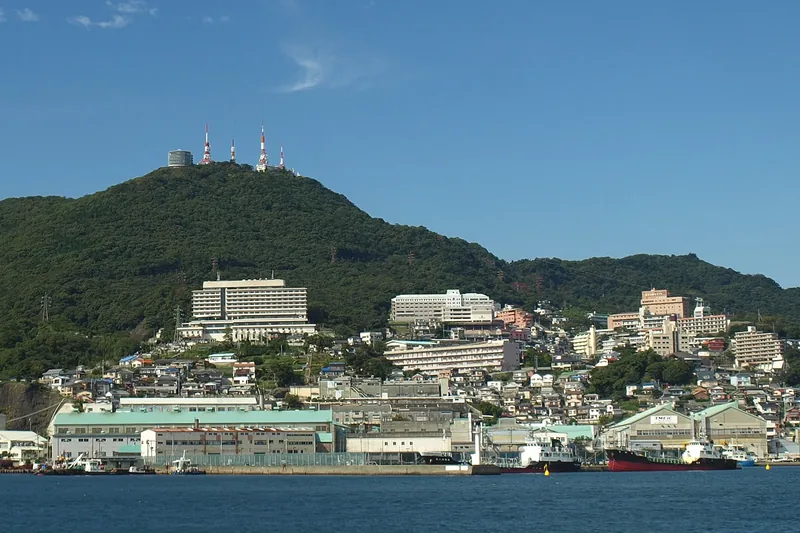
Nagasaki
Dejima, the hidden Christians, castella, champon, and the atomic bombing — the most layered port day in Japan, and the hardest to plan badly.
 Full guide
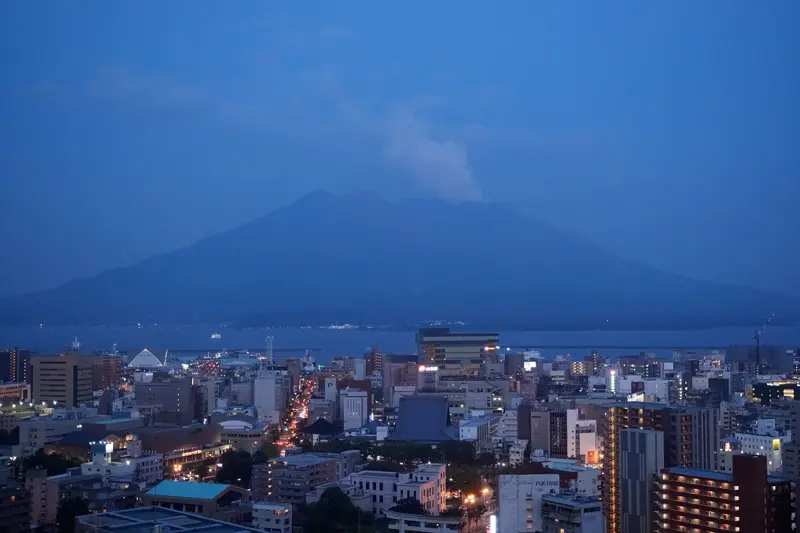
Kagoshima
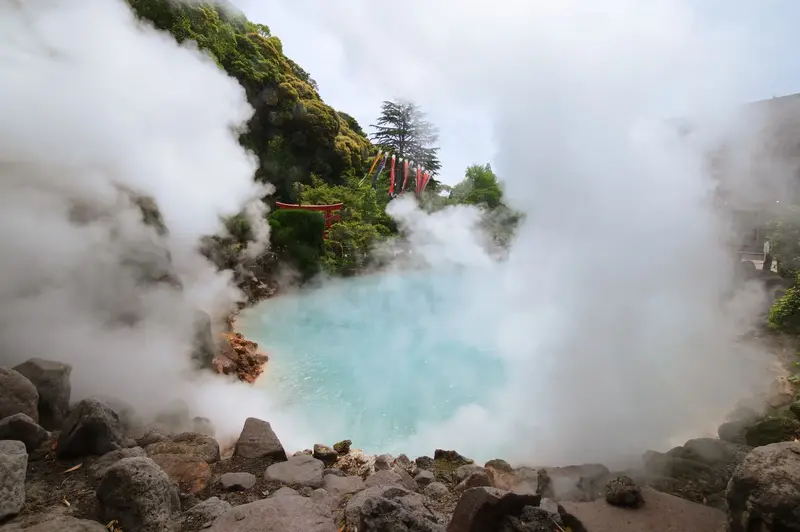
An active volcano fifteen ferry minutes from the city, a garden that borrows it as scenery, shochu, shirokuma, and the Satsuma story.
 Full guide
Beppu
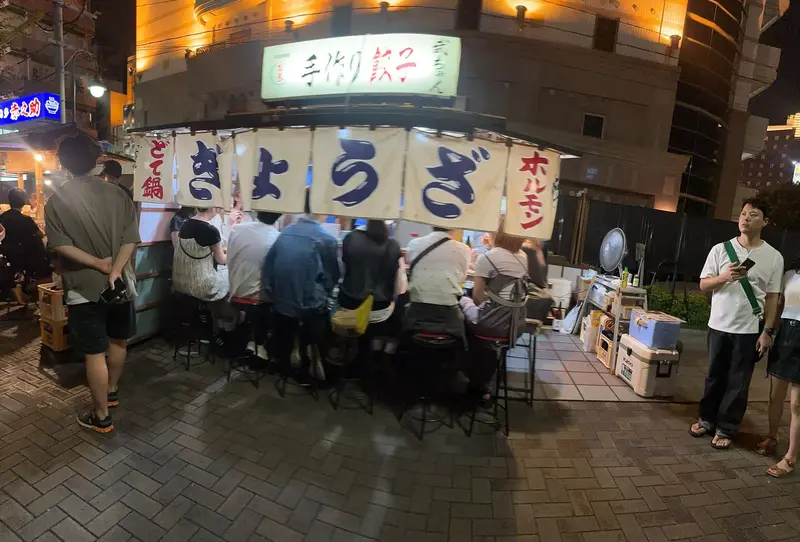
More hot water than anywhere in Japan.
 Full guide
Hakata (Fukuoka)
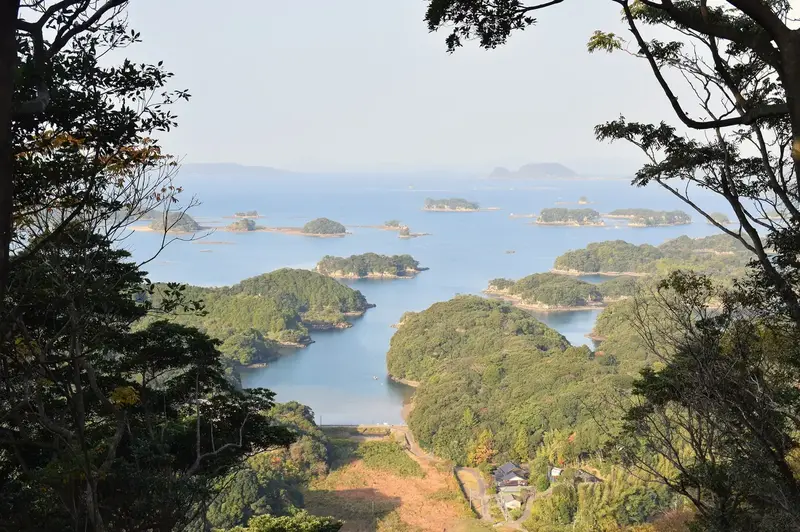
Top of Japan's cruise-call rankings: a hundred licensed street stalls, tonkotsu ramen and its vocabulary, a one-tonne festival float, and the bay the Mongols failed to take.
 Full guide
Sasebo
208 islands by public boat, a burger with a definition, a hidden-Christian church, and a kilometre of covered arcade — none of it bookable, none of it needing to be.
FULL GUIDE walked and timed from the berth · REFERENCE researched, not yet visited · Ship schedules by port →
Reference notes — researched, not yet walked
- KaratsuA castle on a spit between sea and river, a pine grove planted as a windbreak in the 1600s, and Karatsu ware — pottery prized by tea practitioners.
- ImariThe port that gave its name to the porcelain shipped from it. The kilns are at Arita and Okawachiyama, a village of chimneys in a narrow valley.
- OitaA working port next door to Beppu, sharing its hot springs and its food — toriten chicken tempura, and line-caught mackerel good enough to serve raw.
- YatsushiroKumamoto Prefecture's cruise berth. Kumamoto Castle — under long reconstruction since the 2016 earthquakes — and the Amakusa islands are the draws.
- AburatsuNichinan's port. Udo Shrine sits inside a sea cave, Obi is a preserved samurai town, and wild horses live on Cape Toi.
- HososhimaHyuga's port, with the Umagase sea cliffs nearby and Takachiho gorge — the mythological heart of Japan — about ninety minutes inland.
- HiradoWhere the English and Dutch first set up trading posts, before both were moved to Nagasaki. A castle, a church, and hidden Christian sites nearby.
- Fukue (Goto)The Goto islands, where hidden Christians sheltered for two centuries. Several of their churches are World Heritage, and the coastline is exceptional.
- Amami OshimaA subtropical island listed by UNESCO in 2021 for its endemic wildlife. Mangroves, dark sugar, Oshima tsumugi silk, and very little cruise traffic.
- YakushimaA World Heritage island of ancient cedars, some thousands of years old, in one of the wettest forests in Japan. Serious walking, and serious rain.
The whole country in one tableEvery cruise port, with its 2026 calls and berth
| Port | Region | 2026 calls | Where you dock | Guide |
|---|---|---|---|---|
| Hakodate | Hokkaido | 71Full year 2026 | Wakamatsu | Full guide → |
| Otaru | Hokkaido | 19Full year 2026 | No.3 Wharf, Berths 16–17 | Full guide → |
| Kushiro | Hokkaido | 11Full year 2026 | Two berths | Full guide → |
| Aomori | Aomori | 43Full year 2026 | Shin-Chuo Wharf | Full guide → |
| Akita | Akita | 21Full year 2026 | Nakajima Wharf, Akita Port | Full guide → |
| Miyako | Iwate | 23Full year 2026 | Fujiwara Wharf | Full guide → |
| Sendai–Shiogama | Miyagi | 12Full year 2026 | Takamatsu Wharf No.2 | Full guide → |
| Sakata | Yamagata | 23Full year 2026 | Kominato Wharf | Full guide → |
| Yokohama | Kanagawa | 147Jan–Sep 2026 | Osanbashi | Full guide → |
| Tokyo | Tokyo | not published | Tokyo Intl. Cruise Terminal or | Full guide → |
| Shimizu | Shizuoka | 97Jan–Nov 2026 | Hinode Pier | Full guide → |
| Omaezaki | Shizuoka | 3Apr–Nov 2026 | West Wharf berth No. 2 | Full guide → |
| Kanazawa | Ishikawa | 60Feb–Nov 2026 | Kanazawa Port Cruise Terminal | Full guide → |
| Nagoya | Aichi | 32Calendar 2026 | Kinjo Pier berths 80–81 | Full guide → |
| Toba | Mie | 212026 season | You don’t | Full guide → |
| Fushiki–Toyama | Toyama | 8Apr–Oct 2026 | Manyo No. 3 Berth, Fushiki | Full guide → |
| Niigata | Niigata | 19FY2026 | Two ports | Full guide → |
| Tsuruga | Fukui | 5Full year 2026 | Mariyama North or South Quay | Full guide → |
| Maizuru | Kyoto | 23Full year 2026 | Dai-2 Pier | Full guide → |
| Kobe | Hyogo | 143Jan–Dec 2026 | Kobe Port Terminal | Full guide → |
| Osaka | Osaka | 83Feb–Nov 2026 | Tempozan, Osaka Port | Full guide → |
| Hiroshima | Hiroshima | 91Apr–Dec 2026 | Ujina or Itsukaichi | Full guide → |
| Sakaiminato | Tottori | 59Feb–Dec 2026 | Sakai Yumeminato Terminal | Full guide → |
| Kochi | Kochi | 102Full year 2026 | Kochi New Port | Full guide → |
| Takamatsu | Kagawa | 22Full year 2026 | Takamatsu Port, walkable | Full guide → |
| Nagasaki | Nagasaki | 160Full year 2026 | Downtown | Full guide → |
| Kagoshima | Kagoshima | 110Jan–Oct 2026 | Marine Port Kagoshima | Full guide → |
| Beppu | Oita | not published | Beppu Port | Full guide → |
| Hakata (Fukuoka) | Fukuoka | 83Jan–Sep 2026 | Hakata Port, Chuo Wharf | Full guide → |
| Sasebo | Nagasaki | 72Full year 2026 | Miura Wharf, central | Full guide → |
| Naha | Okinawa | 177Full year 2026 | Wakasa terminal or Shinko No.12 | Full guide → |
| Ishigaki | Okinawa | 102Full year 2026 | New Port cruise quay | Full guide → |
| Miyakojima (Hirara) | Okinawa | 54Full year 2026 | Hirara Port cruise berth | Full guide → |
| Busan | South Korea | not published | Two terminals | Full guide → |
| Keelung | Taiwan | not published | West or East quays, downtown | Full guide → |
| Jeju | South Korea | not published | Jeju Port or Gangjeong | Full guide → |
| Incheon | South Korea | not published | Incheon Port Cruise Terminal | Full guide → |
| Yeosu | South Korea | 3Oct–Dec 2026 | The Expo cruise berth | Full guide → |
| Sokcho | South Korea | 6Calendar 2026 | International Cruise Terminal, Cheongho-dong | Full guide → |
46 more ports with reference notes only
| Muroran | Hokkaido | not published | Reference |
|---|---|---|---|
| Tomakomai | Hokkaido | not published | Reference |
| Ishikari Bay New Port | Hokkaido | not published | Reference |
| Abashiri | Hokkaido | not published | Reference |
| Monbetsu | Hokkaido | not published | Reference |
| Wakkanai | Hokkaido | not published | Reference |
| Hachinohe | Aomori | not published | Reference |
| Ominato | Aomori | not published | Reference |
| Kamaishi | Iwate | not published | Reference |
| Ofunato | Iwate | not published | Reference |
| Ishinomaki | Miyagi | not published | Reference |
| Onahama | Fukushima | not published | Reference |
| Yokkaichi | Mie | not published | Reference |
| Shimoda | Shizuoka | not published | Reference |
| Nanao | Ishikawa | not published | Reference |
| Ryotsu (Sado) | Niigata | not published | Reference |
| Naoetsu | Niigata | not published | Reference |
| Himeji | Hyogo | not published | Reference |
| Wakayama–Shimotsu | Wakayama | not published | Reference |
| Shingu | Wakayama | not published | Reference |
| Kure | Hiroshima | not published | Reference |
| Onomichi | Hiroshima | not published | Reference |
| Miyajima | Hiroshima | not published | Reference |
| Mizushima | Okayama | not published | Reference |
| Uno | Okayama | not published | Reference |
| Hamada | Shimane | not published | Reference |
| Hagi | Yamaguchi | not published | Reference |
| Shimonoseki | Yamaguchi | not published | Reference |
| Tokuyama–Kudamatsu | Yamaguchi | not published | Reference |
| Tokushima–Komatsushima | Tokushima | not published | Reference |
| Matsuyama | Ehime | not published | Reference |
| Imabari | Ehime | not published | Reference |
| Uwajima | Ehime | not published | Reference |
| Karatsu | Saga | not published | Reference |
| Imari | Saga | not published | Reference |
| Oita | Oita | not published | Reference |
| Yatsushiro | Kumamoto | not published | Reference |
| Aburatsu | Miyazaki | not published | Reference |
| Hososhima | Miyazaki | not published | Reference |
| Hirado | Nagasaki | not published | Reference |
| Fukue (Goto) | Nagasaki | not published | Reference |
| Amami Oshima | Kagoshima | not published | Reference |
| Yakushima | Kagoshima | not published | Reference |
| Motobu | Okinawa | not published | Reference |
| Hualien | Taiwan | not published | Reference |
| Kaohsiung | Taiwan | not published | Reference |
Okinawa & the southwest islands4 ports
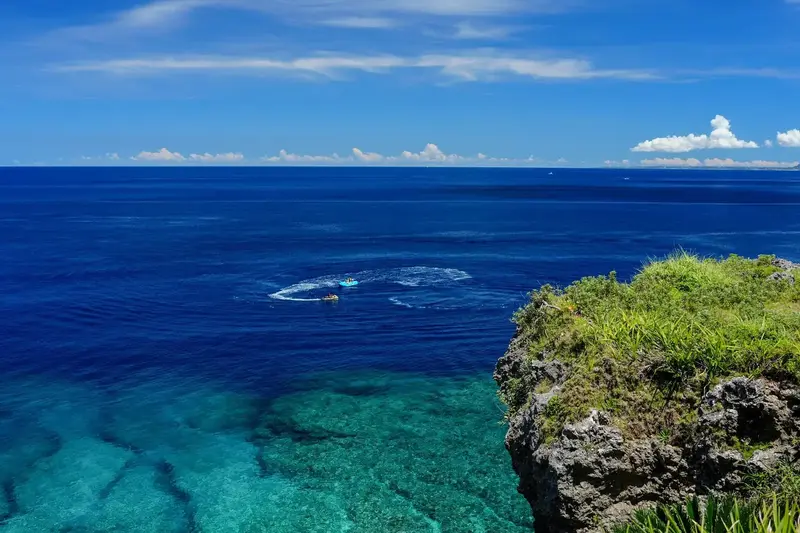
Subtropical, and the only part of Japan with a full winter cruise season.
 Full guide
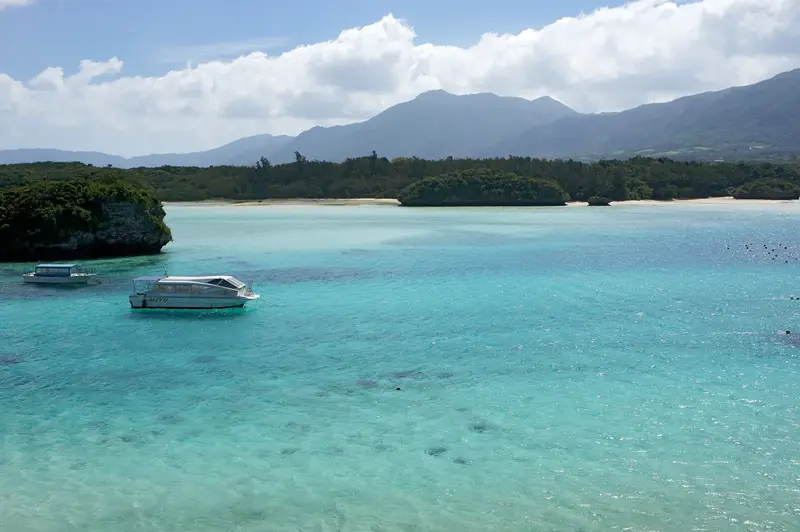
Naha
A kingdom for 450 years before it was a prefecture.
 Full guide
Ishigaki
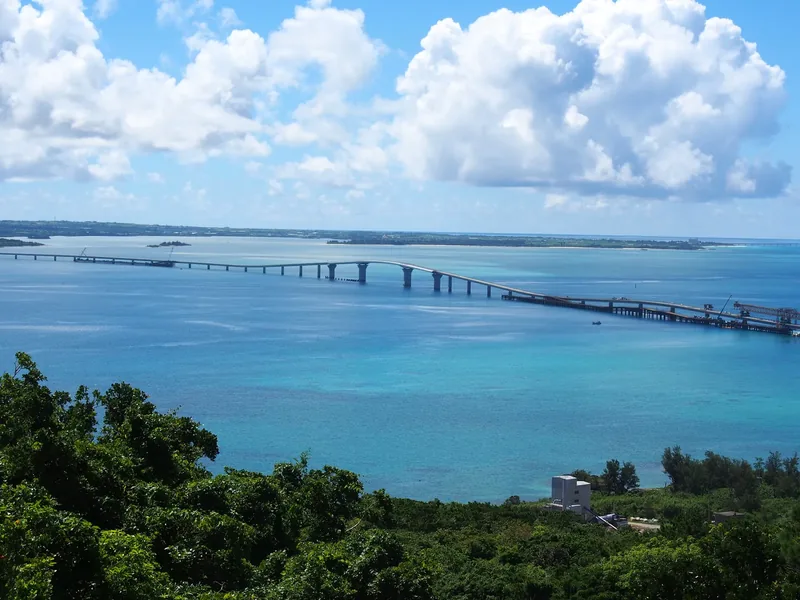
Closer to Taiwan than to Okinawa, with its own languages and weave: Kabira Bay, coral-walled Taketomi, and Japan's first Dark Sky Place.
 Full guide
Miyakojima (Hirara)
Flat, coral-built and ringed by beaches, connected to its neighbours by some of the longest toll-free bridges in Japan.
FULL GUIDE walked and timed from the berth · REFERENCE researched, not yet visited · Ship schedules by port →
Reference notes — researched, not yet walked
The whole country in one tableEvery cruise port, with its 2026 calls and berth
| Port | Region | 2026 calls | Where you dock | Guide |
|---|---|---|---|---|
| Hakodate | Hokkaido | 71Full year 2026 | Wakamatsu | Full guide → |
| Otaru | Hokkaido | 19Full year 2026 | No.3 Wharf, Berths 16–17 | Full guide → |
| Kushiro | Hokkaido | 11Full year 2026 | Two berths | Full guide → |
| Aomori | Aomori | 43Full year 2026 | Shin-Chuo Wharf | Full guide → |
| Akita | Akita | 21Full year 2026 | Nakajima Wharf, Akita Port | Full guide → |
| Miyako | Iwate | 23Full year 2026 | Fujiwara Wharf | Full guide → |
| Sendai–Shiogama | Miyagi | 12Full year 2026 | Takamatsu Wharf No.2 | Full guide → |
| Sakata | Yamagata | 23Full year 2026 | Kominato Wharf | Full guide → |
| Yokohama | Kanagawa | 147Jan–Sep 2026 | Osanbashi | Full guide → |
| Tokyo | Tokyo | not published | Tokyo Intl. Cruise Terminal or | Full guide → |
| Shimizu | Shizuoka | 97Jan–Nov 2026 | Hinode Pier | Full guide → |
| Omaezaki | Shizuoka | 3Apr–Nov 2026 | West Wharf berth No. 2 | Full guide → |
| Kanazawa | Ishikawa | 60Feb–Nov 2026 | Kanazawa Port Cruise Terminal | Full guide → |
| Nagoya | Aichi | 32Calendar 2026 | Kinjo Pier berths 80–81 | Full guide → |
| Toba | Mie | 212026 season | You don’t | Full guide → |
| Fushiki–Toyama | Toyama | 8Apr–Oct 2026 | Manyo No. 3 Berth, Fushiki | Full guide → |
| Niigata | Niigata | 19FY2026 | Two ports | Full guide → |
| Tsuruga | Fukui | 5Full year 2026 | Mariyama North or South Quay | Full guide → |
| Maizuru | Kyoto | 23Full year 2026 | Dai-2 Pier | Full guide → |
| Kobe | Hyogo | 143Jan–Dec 2026 | Kobe Port Terminal | Full guide → |
| Osaka | Osaka | 83Feb–Nov 2026 | Tempozan, Osaka Port | Full guide → |
| Hiroshima | Hiroshima | 91Apr–Dec 2026 | Ujina or Itsukaichi | Full guide → |
| Sakaiminato | Tottori | 59Feb–Dec 2026 | Sakai Yumeminato Terminal | Full guide → |
| Kochi | Kochi | 102Full year 2026 | Kochi New Port | Full guide → |
| Takamatsu | Kagawa | 22Full year 2026 | Takamatsu Port, walkable | Full guide → |
| Nagasaki | Nagasaki | 160Full year 2026 | Downtown | Full guide → |
| Kagoshima | Kagoshima | 110Jan–Oct 2026 | Marine Port Kagoshima | Full guide → |
| Beppu | Oita | not published | Beppu Port | Full guide → |
| Hakata (Fukuoka) | Fukuoka | 83Jan–Sep 2026 | Hakata Port, Chuo Wharf | Full guide → |
| Sasebo | Nagasaki | 72Full year 2026 | Miura Wharf, central | Full guide → |
| Naha | Okinawa | 177Full year 2026 | Wakasa terminal or Shinko No.12 | Full guide → |
| Ishigaki | Okinawa | 102Full year 2026 | New Port cruise quay | Full guide → |
| Miyakojima (Hirara) | Okinawa | 54Full year 2026 | Hirara Port cruise berth | Full guide → |
| Busan | South Korea | not published | Two terminals | Full guide → |
| Keelung | Taiwan | not published | West or East quays, downtown | Full guide → |
| Jeju | South Korea | not published | Jeju Port or Gangjeong | Full guide → |
| Incheon | South Korea | not published | Incheon Port Cruise Terminal | Full guide → |
| Yeosu | South Korea | 3Oct–Dec 2026 | The Expo cruise berth | Full guide → |
| Sokcho | South Korea | 6Calendar 2026 | International Cruise Terminal, Cheongho-dong | Full guide → |
46 more ports with reference notes only
| Muroran | Hokkaido | not published | Reference |
|---|---|---|---|
| Tomakomai | Hokkaido | not published | Reference |
| Ishikari Bay New Port | Hokkaido | not published | Reference |
| Abashiri | Hokkaido | not published | Reference |
| Monbetsu | Hokkaido | not published | Reference |
| Wakkanai | Hokkaido | not published | Reference |
| Hachinohe | Aomori | not published | Reference |
| Ominato | Aomori | not published | Reference |
| Kamaishi | Iwate | not published | Reference |
| Ofunato | Iwate | not published | Reference |
| Ishinomaki | Miyagi | not published | Reference |
| Onahama | Fukushima | not published | Reference |
| Yokkaichi | Mie | not published | Reference |
| Shimoda | Shizuoka | not published | Reference |
| Nanao | Ishikawa | not published | Reference |
| Ryotsu (Sado) | Niigata | not published | Reference |
| Naoetsu | Niigata | not published | Reference |
| Himeji | Hyogo | not published | Reference |
| Wakayama–Shimotsu | Wakayama | not published | Reference |
| Shingu | Wakayama | not published | Reference |
| Kure | Hiroshima | not published | Reference |
| Onomichi | Hiroshima | not published | Reference |
| Miyajima | Hiroshima | not published | Reference |
| Mizushima | Okayama | not published | Reference |
| Uno | Okayama | not published | Reference |
| Hamada | Shimane | not published | Reference |
| Hagi | Yamaguchi | not published | Reference |
| Shimonoseki | Yamaguchi | not published | Reference |
| Tokuyama–Kudamatsu | Yamaguchi | not published | Reference |
| Tokushima–Komatsushima | Tokushima | not published | Reference |
| Matsuyama | Ehime | not published | Reference |
| Imabari | Ehime | not published | Reference |
| Uwajima | Ehime | not published | Reference |
| Karatsu | Saga | not published | Reference |
| Imari | Saga | not published | Reference |
| Oita | Oita | not published | Reference |
| Yatsushiro | Kumamoto | not published | Reference |
| Aburatsu | Miyazaki | not published | Reference |
| Hososhima | Miyazaki | not published | Reference |
| Hirado | Nagasaki | not published | Reference |
| Fukue (Goto) | Nagasaki | not published | Reference |
| Amami Oshima | Kagoshima | not published | Reference |
| Yakushima | Kagoshima | not published | Reference |
| Motobu | Okinawa | not published | Reference |
| Hualien | Taiwan | not published | Reference |
| Kaohsiung | Taiwan | not published | Reference |
Ports outside Japan on Japan itineraries8 ports
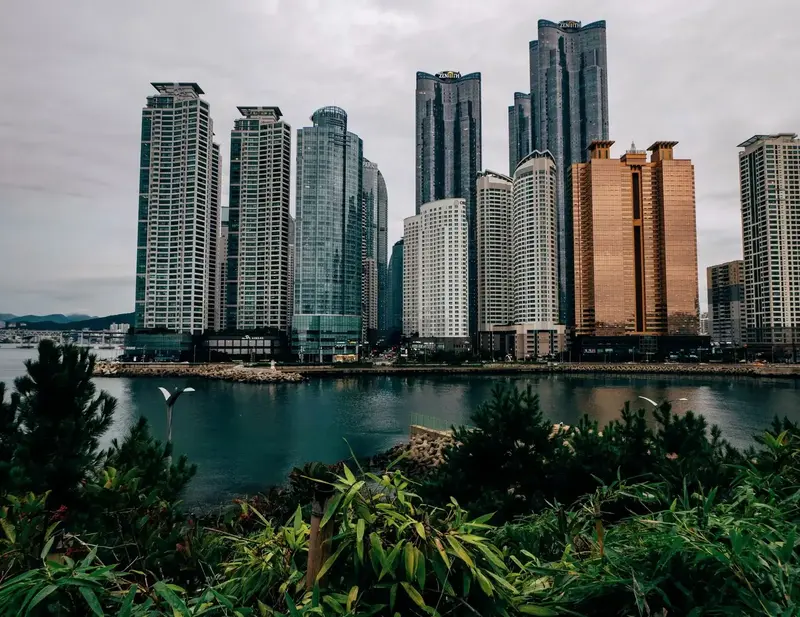
Most Japan loops touch at least one of these. They count as sea days for your visa paperwork and not at all for your feet.
 Full guide
Busan
Korea's second city and the last one standing in 1950.
 Full guide
Keelung
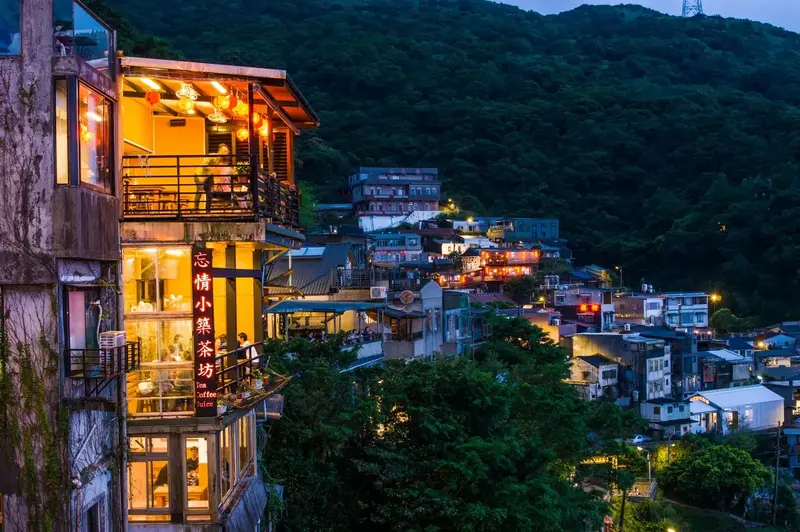
Spain, the Dutch, France and Japan all took this harbour.
 Full guide
Jeju
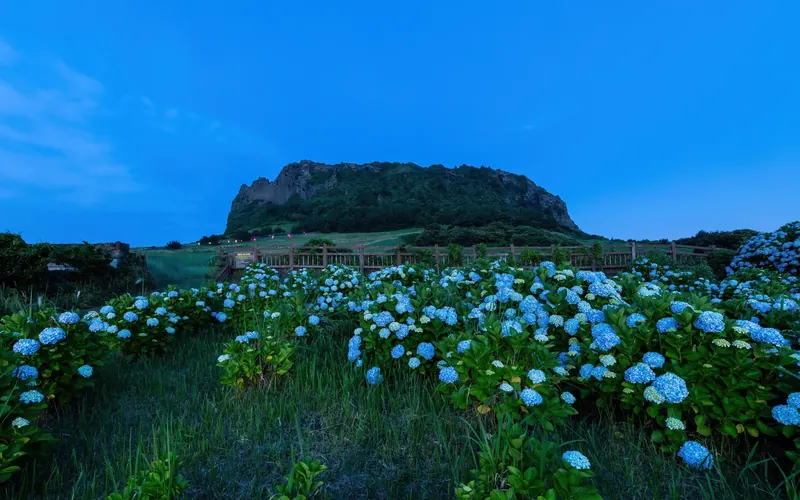
A volcanic island with lava tubes, a crater rim you can climb at sunrise, and the haenyeo — women who free-dive for shellfish into their seventies.
 Full guide
Incheon
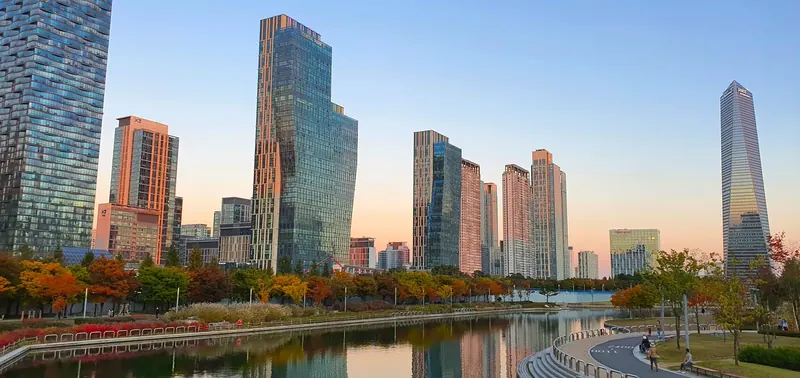
Seoul's port.
 Full guide
Yeosu
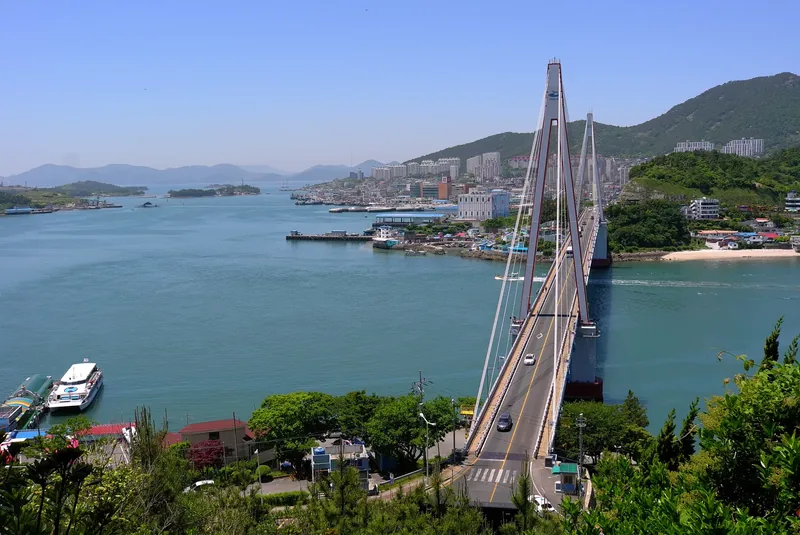
A one-berth Expo port on Korea's south coast.
 Full guide
Sokcho
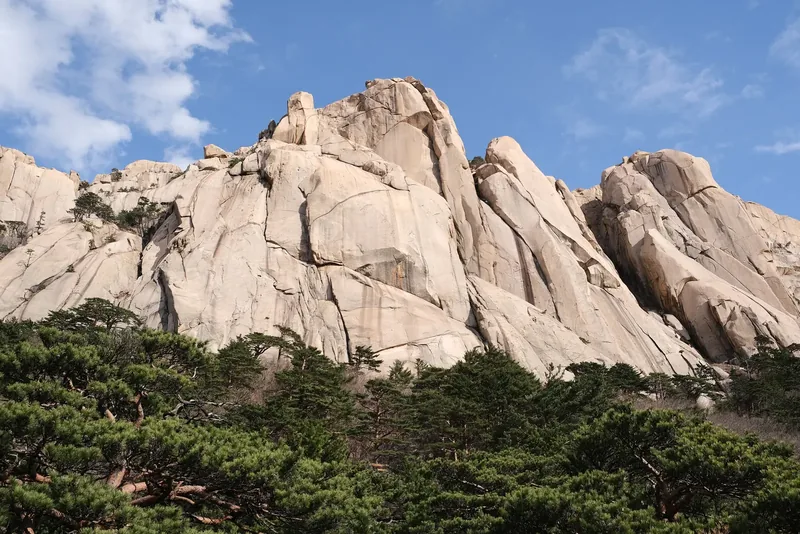
Korea's east-coast gateway to Seoraksan, 14 km from the ship.
FULL GUIDE walked and timed from the berth · REFERENCE researched, not yet visited · Ship schedules by port →
Reference notes — researched, not yet walked
The whole country in one tableEvery cruise port, with its 2026 calls and berth
| Port | Region | 2026 calls | Where you dock | Guide |
|---|---|---|---|---|
| Hakodate | Hokkaido | 71Full year 2026 | Wakamatsu | Full guide → |
| Otaru | Hokkaido | 19Full year 2026 | No.3 Wharf, Berths 16–17 | Full guide → |
| Kushiro | Hokkaido | 11Full year 2026 | Two berths | Full guide → |
| Aomori | Aomori | 43Full year 2026 | Shin-Chuo Wharf | Full guide → |
| Akita | Akita | 21Full year 2026 | Nakajima Wharf, Akita Port | Full guide → |
| Miyako | Iwate | 23Full year 2026 | Fujiwara Wharf | Full guide → |
| Sendai–Shiogama | Miyagi | 12Full year 2026 | Takamatsu Wharf No.2 | Full guide → |
| Sakata | Yamagata | 23Full year 2026 | Kominato Wharf | Full guide → |
| Yokohama | Kanagawa | 147Jan–Sep 2026 | Osanbashi | Full guide → |
| Tokyo | Tokyo | not published | Tokyo Intl. Cruise Terminal or | Full guide → |
| Shimizu | Shizuoka | 97Jan–Nov 2026 | Hinode Pier | Full guide → |
| Omaezaki | Shizuoka | 3Apr–Nov 2026 | West Wharf berth No. 2 | Full guide → |
| Kanazawa | Ishikawa | 60Feb–Nov 2026 | Kanazawa Port Cruise Terminal | Full guide → |
| Nagoya | Aichi | 32Calendar 2026 | Kinjo Pier berths 80–81 | Full guide → |
| Toba | Mie | 212026 season | You don’t | Full guide → |
| Fushiki–Toyama | Toyama | 8Apr–Oct 2026 | Manyo No. 3 Berth, Fushiki | Full guide → |
| Niigata | Niigata | 19FY2026 | Two ports | Full guide → |
| Tsuruga | Fukui | 5Full year 2026 | Mariyama North or South Quay | Full guide → |
| Maizuru | Kyoto | 23Full year 2026 | Dai-2 Pier | Full guide → |
| Kobe | Hyogo | 143Jan–Dec 2026 | Kobe Port Terminal | Full guide → |
| Osaka | Osaka | 83Feb–Nov 2026 | Tempozan, Osaka Port | Full guide → |
| Hiroshima | Hiroshima | 91Apr–Dec 2026 | Ujina or Itsukaichi | Full guide → |
| Sakaiminato | Tottori | 59Feb–Dec 2026 | Sakai Yumeminato Terminal | Full guide → |
| Kochi | Kochi | 102Full year 2026 | Kochi New Port | Full guide → |
| Takamatsu | Kagawa | 22Full year 2026 | Takamatsu Port, walkable | Full guide → |
| Nagasaki | Nagasaki | 160Full year 2026 | Downtown | Full guide → |
| Kagoshima | Kagoshima | 110Jan–Oct 2026 | Marine Port Kagoshima | Full guide → |
| Beppu | Oita | not published | Beppu Port | Full guide → |
| Hakata (Fukuoka) | Fukuoka | 83Jan–Sep 2026 | Hakata Port, Chuo Wharf | Full guide → |
| Sasebo | Nagasaki | 72Full year 2026 | Miura Wharf, central | Full guide → |
| Naha | Okinawa | 177Full year 2026 | Wakasa terminal or Shinko No.12 | Full guide → |
| Ishigaki | Okinawa | 102Full year 2026 | New Port cruise quay | Full guide → |
| Miyakojima (Hirara) | Okinawa | 54Full year 2026 | Hirara Port cruise berth | Full guide → |
| Busan | South Korea | not published | Two terminals | Full guide → |
| Keelung | Taiwan | not published | West or East quays, downtown | Full guide → |
| Jeju | South Korea | not published | Jeju Port or Gangjeong | Full guide → |
| Incheon | South Korea | not published | Incheon Port Cruise Terminal | Full guide → |
| Yeosu | South Korea | 3Oct–Dec 2026 | The Expo cruise berth | Full guide → |
| Sokcho | South Korea | 6Calendar 2026 | International Cruise Terminal, Cheongho-dong | Full guide → |
46 more ports with reference notes only
| Muroran | Hokkaido | not published | Reference |
|---|---|---|---|
| Tomakomai | Hokkaido | not published | Reference |
| Ishikari Bay New Port | Hokkaido | not published | Reference |
| Abashiri | Hokkaido | not published | Reference |
| Monbetsu | Hokkaido | not published | Reference |
| Wakkanai | Hokkaido | not published | Reference |
| Hachinohe | Aomori | not published | Reference |
| Ominato | Aomori | not published | Reference |
| Kamaishi | Iwate | not published | Reference |
| Ofunato | Iwate | not published | Reference |
| Ishinomaki | Miyagi | not published | Reference |
| Onahama | Fukushima | not published | Reference |
| Yokkaichi | Mie | not published | Reference |
| Shimoda | Shizuoka | not published | Reference |
| Nanao | Ishikawa | not published | Reference |
| Ryotsu (Sado) | Niigata | not published | Reference |
| Naoetsu | Niigata | not published | Reference |
| Himeji | Hyogo | not published | Reference |
| Wakayama–Shimotsu | Wakayama | not published | Reference |
| Shingu | Wakayama | not published | Reference |
| Kure | Hiroshima | not published | Reference |
| Onomichi | Hiroshima | not published | Reference |
| Miyajima | Hiroshima | not published | Reference |
| Mizushima | Okayama | not published | Reference |
| Uno | Okayama | not published | Reference |
| Hamada | Shimane | not published | Reference |
| Hagi | Yamaguchi | not published | Reference |
| Shimonoseki | Yamaguchi | not published | Reference |
| Tokuyama–Kudamatsu | Yamaguchi | not published | Reference |
| Tokushima–Komatsushima | Tokushima | not published | Reference |
| Matsuyama | Ehime | not published | Reference |
| Imabari | Ehime | not published | Reference |
| Uwajima | Ehime | not published | Reference |
| Karatsu | Saga | not published | Reference |
| Imari | Saga | not published | Reference |
| Oita | Oita | not published | Reference |
| Yatsushiro | Kumamoto | not published | Reference |
| Aburatsu | Miyazaki | not published | Reference |
| Hososhima | Miyazaki | not published | Reference |
| Hirado | Nagasaki | not published | Reference |
| Fukue (Goto) | Nagasaki | not published | Reference |
| Amami Oshima | Kagoshima | not published | Reference |
| Yakushima | Kagoshima | not published | Reference |
| Motobu | Okinawa | not published | Reference |
| Hualien | Taiwan | not published | Reference |
| Kaohsiung | Taiwan | not published | Reference |
Which berth will your ship get — and is there a shuttle?Cruise lines announce it a day or two before arrival. We compiled what can be known in advance, for every port, on one page: the Shuttle & Berth Index →
About this list
How many cruise ports does Japan have?
Japan has well over a hundred harbours that have received cruise calls, but the ports that appear regularly on international itineraries are a much smaller set. This page lists 85 of them across 10 regions, including the neighbouring Korean and Taiwanese calls that most Japan loops include.
Which Japanese cruise ports have full guides on this site?
39 of them: Hakodate, Otaru, Kushiro, Aomori, Akita, Miyako, Sendai–Shiogama, Sakata, Yokohama, Tokyo, Shimizu, Omaezaki, Kanazawa, Nagoya, Toba, Fushiki–Toyama, Niigata, Tsuruga, Maizuru, Kobe, Osaka, Hiroshima, Sakaiminato, Kochi, Takamatsu, Nagasaki, Kagoshima, Beppu, Hakata (Fukuoka), Sasebo, Naha, Ishigaki, Miyakojima (Hirara), Busan, Keelung, Jeju, Incheon, Yeosu, Sokcho. Each has minute-by-minute plans timed from the gangway, spot guides, a rainy-day plan and a month-by-month calendar. The remaining entries here are research-based reference notes, and are labelled as such.
What is the difference between a full guide and a reference entry?
A full guide is built from a visit: timed shore plans for every call length, round-trip figures from the berth, escape routes, and photographs of the actual places named. Each guide states whether its times were measured on the ground or taken from official timetables and operators. A reference entry is a short researched description of what is at that port, with no guide yet. We label which is which rather than blurring them.
Which cruise ports are in central Japan?
On the Pacific side, Shimizu (the Mt. Fuji port), Nagoya and Toba; on the Sea of Japan side, Tsuruga, Kanazawa, Niigata and Sakata. Yokohama and Tokyo sit at the eastern edge of the region and are the usual turnaround ports. Each has its own page below with the berth, the way into town and what fits a call.
Which Japanese port is best for a first cruise?
For a first Japan call, the ports where your ship docks close to something worth seeing do the most work: Hakodate, Aomori, Otaru, Keelung and Kobe all put you within about twenty minutes on foot of the main attraction. Tokyo and Yokohama's Daikoku Pier are the opposite — good cities, long transfers.
Sailing to one we have not covered yet?
We add ports as we reach them, and the guides get written before the itineraries do. Tell us which harbour is on your ticket and it moves up the list.