Where do cruise ships dock in Sakata?
Kominato Wharf (North Port) — ~6 km, 15 min by car to the old town · no terminal building · take your line’s shuttle (operator and fare vary by call) or a taxi. Getting into town: ① Ship shuttle from Kominato Wharf (operator, stop and fare vary by line)
Is a short (2-3 hour) call enough to see Sakata?
Yes, if you plan it tightly. Our timed plan "The merchant quarter on foot" runs ~2.5h door to door from the gangway and still banks 60 minutes before all-aboard. The minute-by-minute version is on the plans page at port-of-japan.com/sakata/plans/.
How much can you do in Sakata with 4-6 hours ashore?
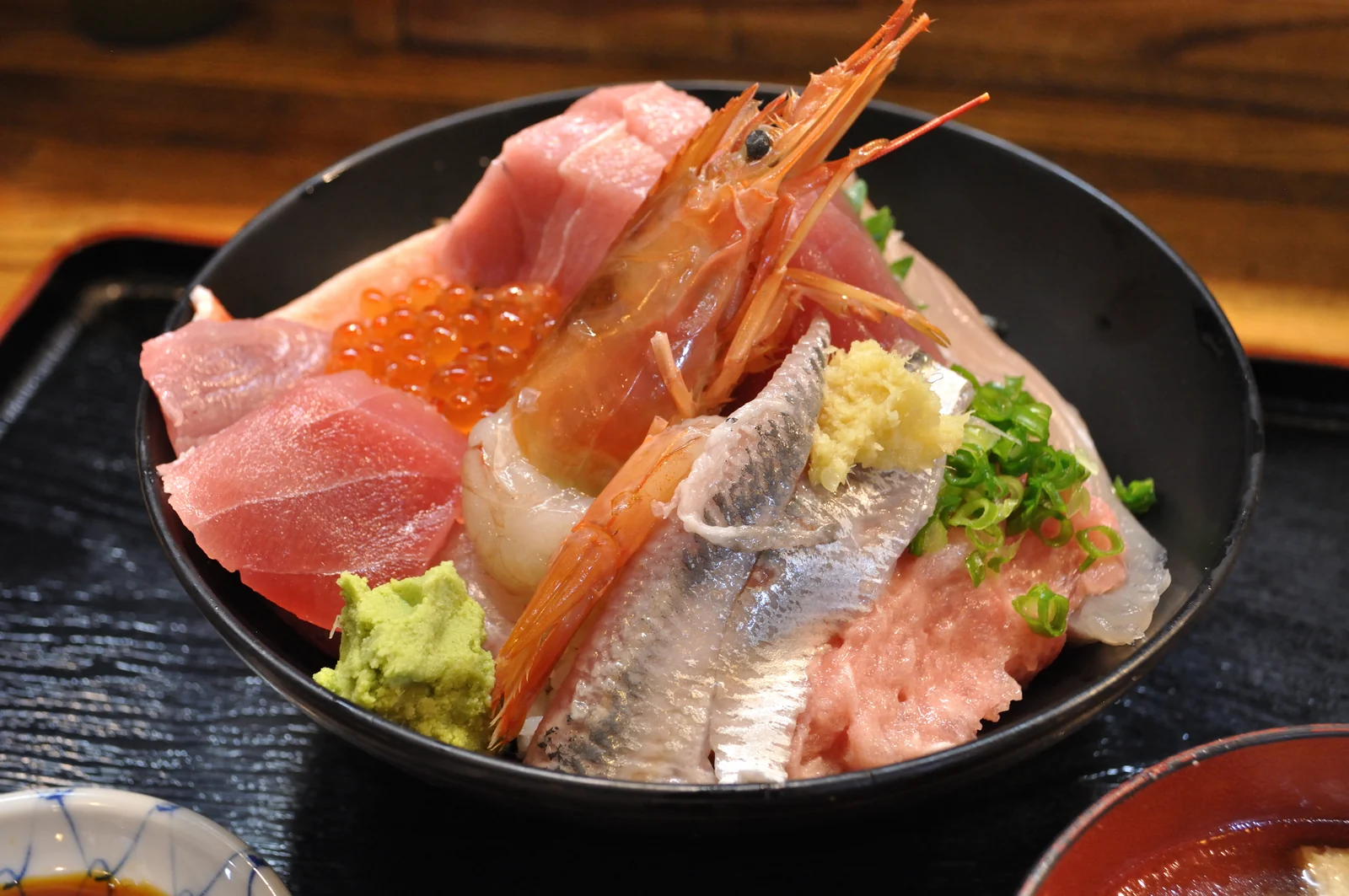
The half-day is "Warehouses, seafood, and the two-o’clock maiko" (~5h door to door) — every transit leg counted from the berth, with an escape route if you run late. The timed steps are on the plans page at port-of-japan.com/sakata/plans/.
Which cruise ships call at Sakata in 2026?
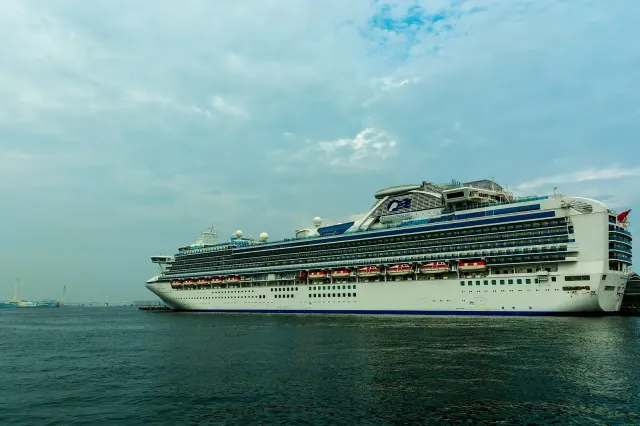
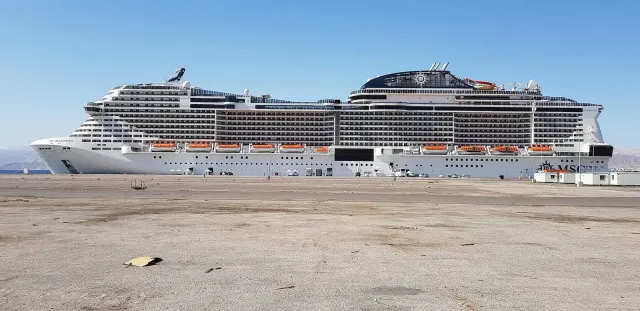
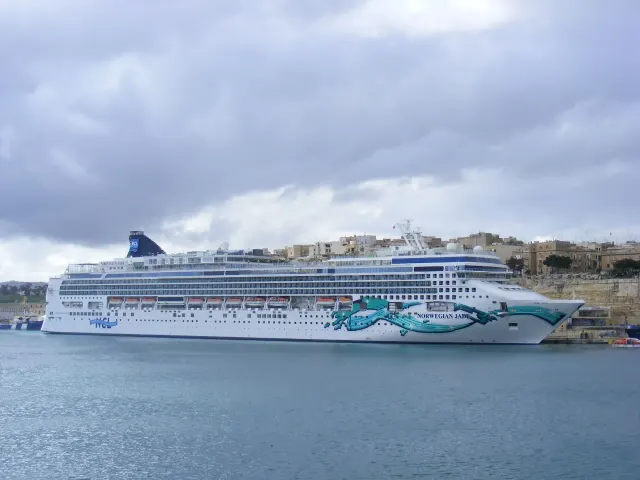
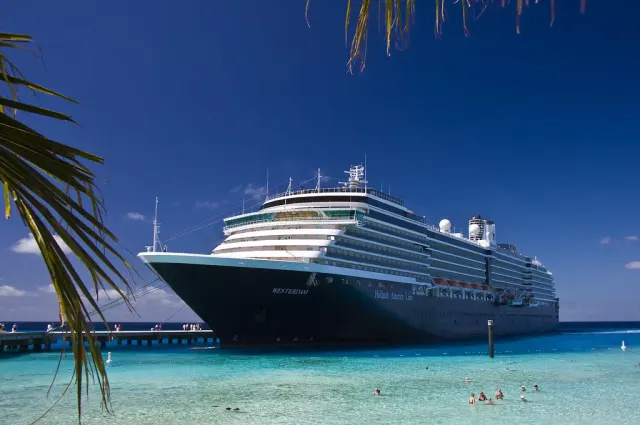
Diamond Princess, MSC Bellissima, Norwegian Jade, Westerdam all include Sakata on their 2026 Japan itineraries. Each ship has its own guide on this site decoding every port it calls at, and this page carries plans sized to the hours each ship typically spends here. The full official 2026 call list — every ship with counts and seasons — is at port-of-japan.com/cruises-to/sakata/.
How do you get from the Sakata cruise terminal into town?
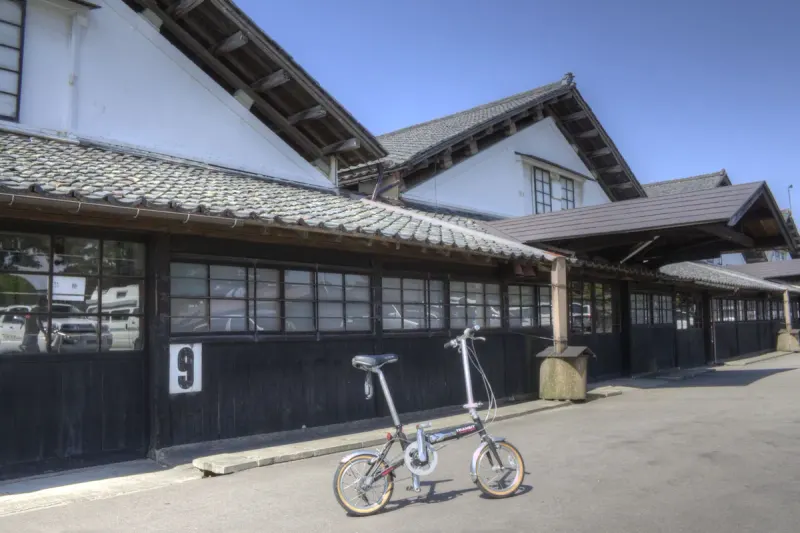
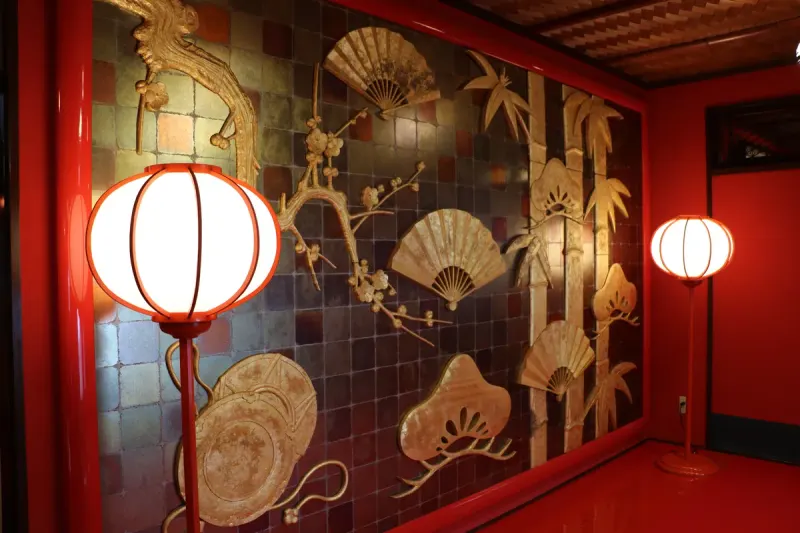
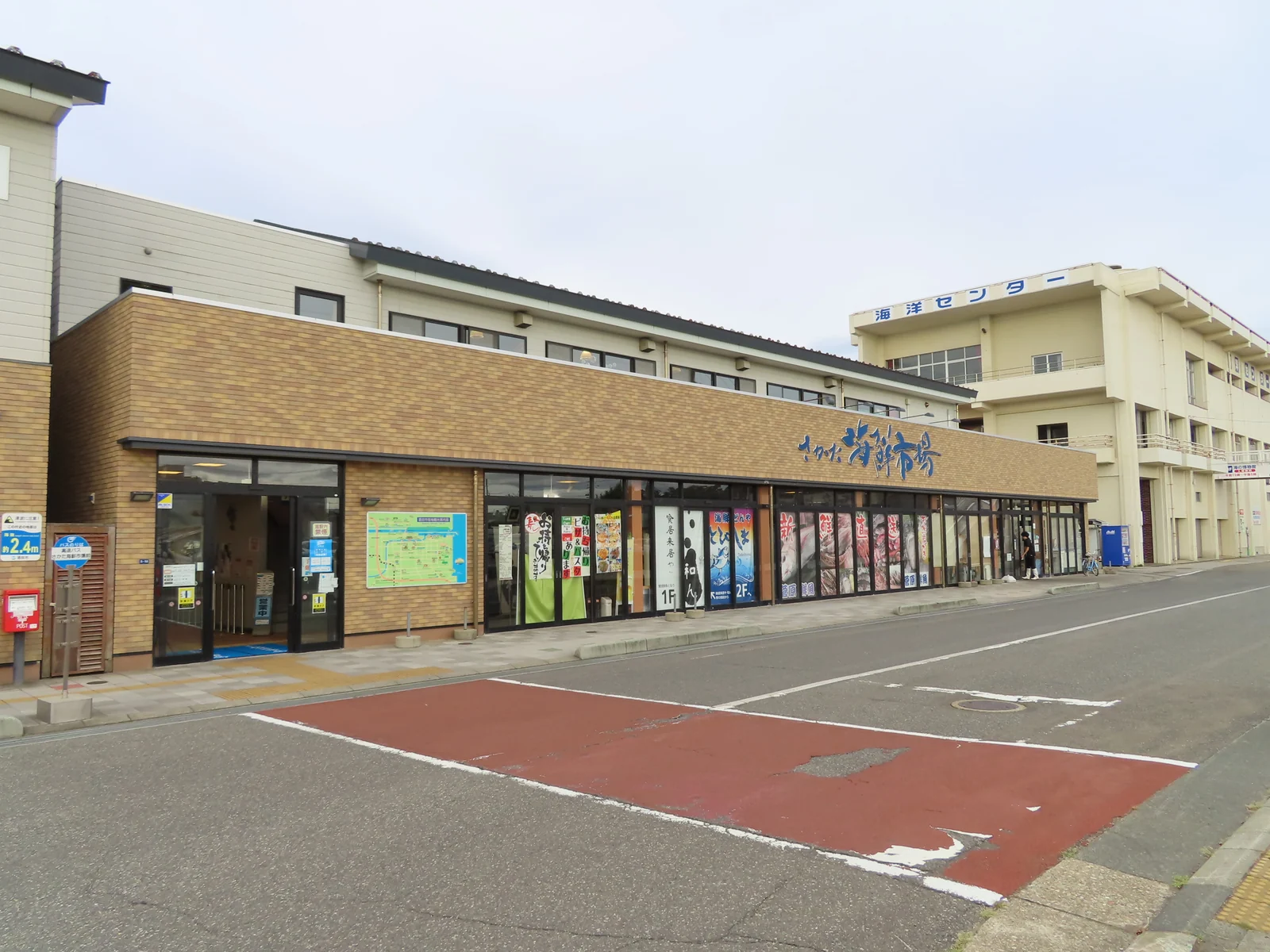
① Ship shuttle from Kominato Wharf (operator, stop and fare vary by line) In town, the warehouses, Somaro, the Homma residence and the seafood market are 5–15 minutes apart on foot (about 1.5 km end to end). For today's exact departure times, open Google Maps transit directions from the pier — local timetables change by day, and the app knows today's.
How do you get from the Sakata cruise port to Sankyo Warehouses?
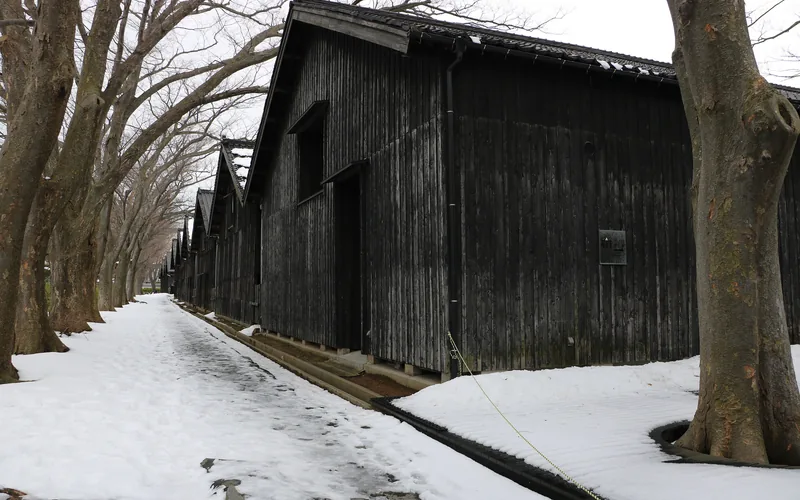
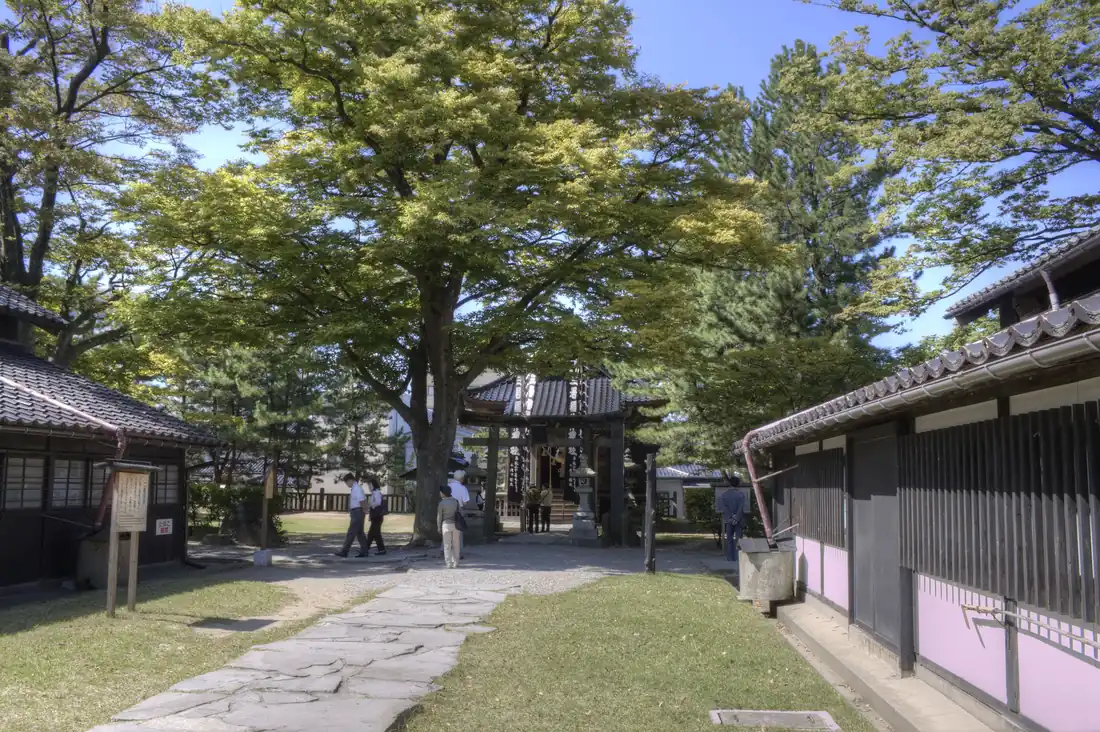
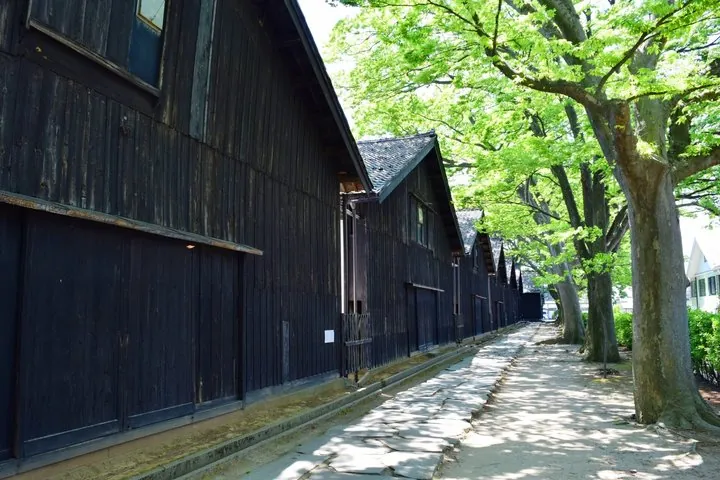
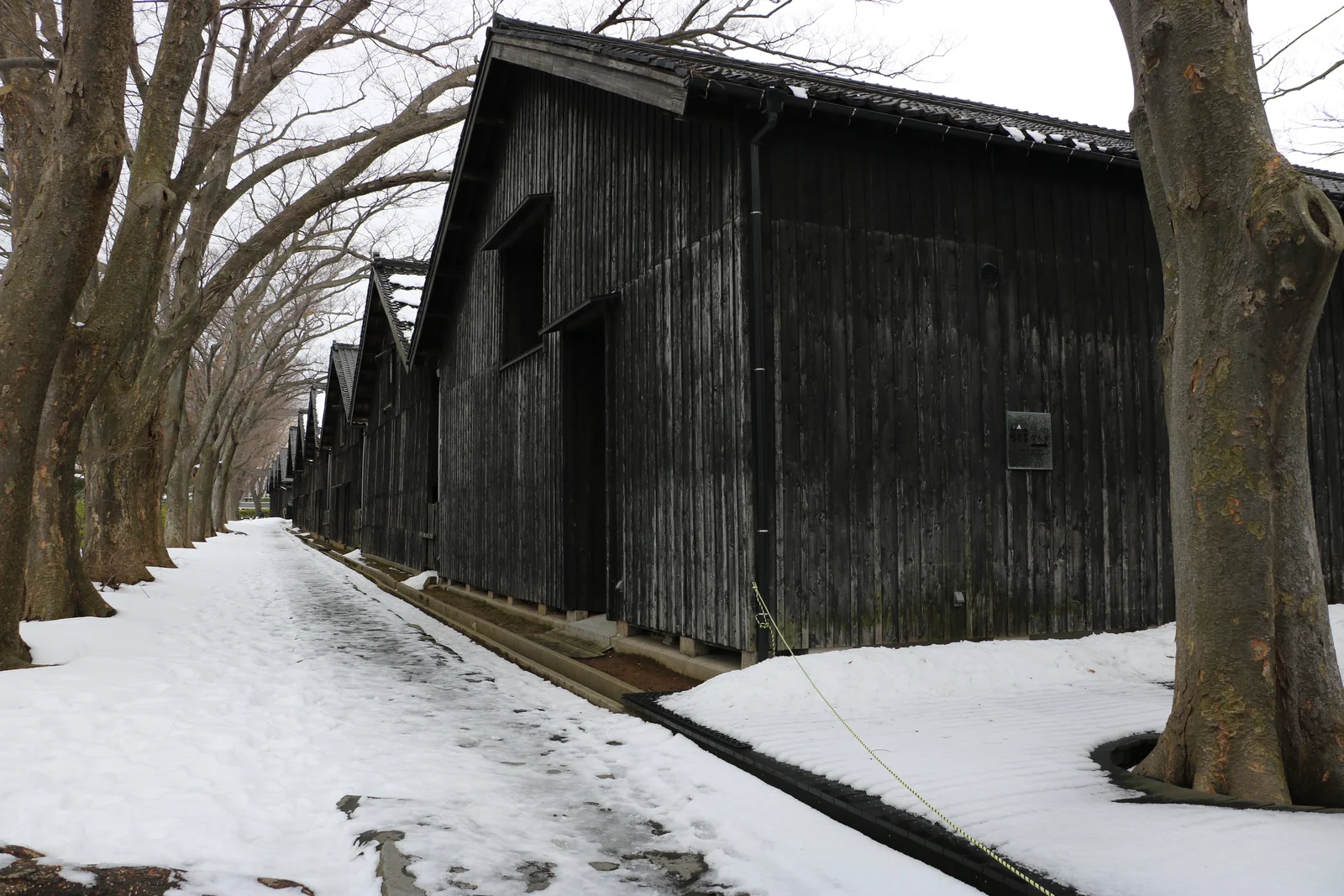
① From the Nakamachi shuttle drop: ~6 min on foot (estimated) Exteriors and the zelkova avenue are free all day. The shop-and-restaurant annex moved to Iroha-gura Park, 5 min away, in 2025.
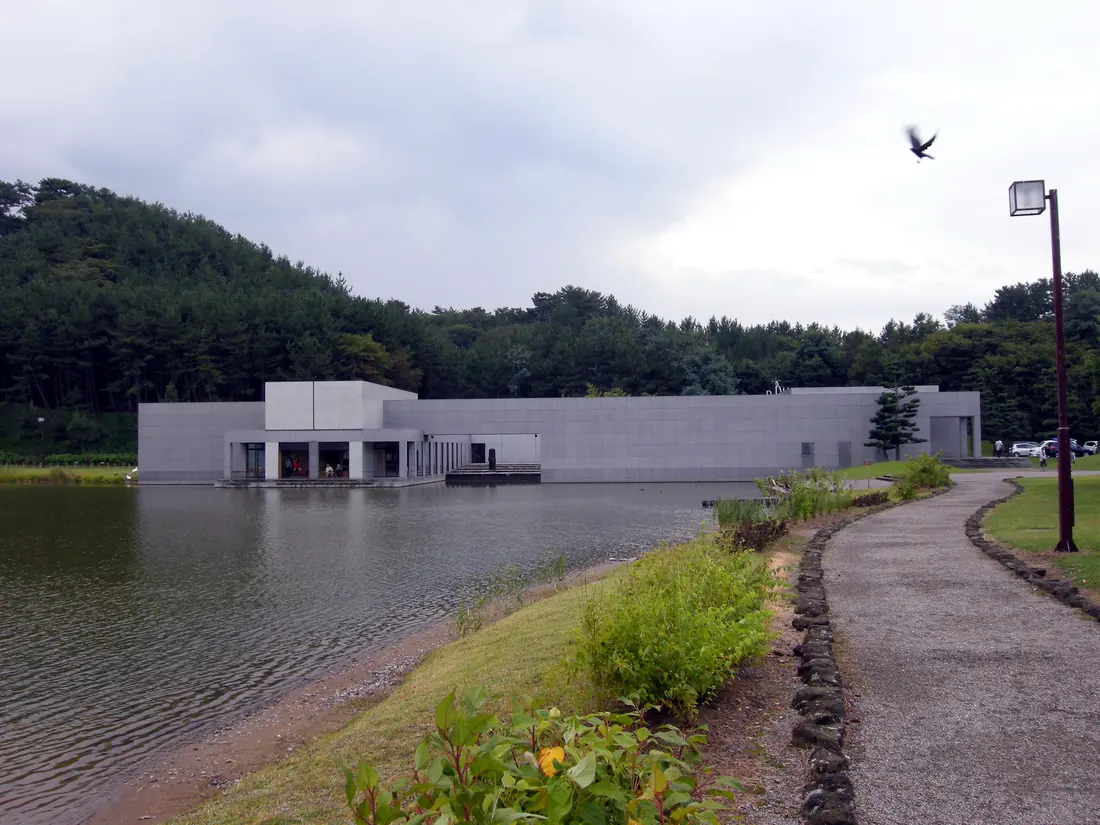
How do you get from the Sakata cruise port to Ken Domon Photography Museum?
① Run-Run bus, Station–University line, from Sakata Station to the museum stop, 28–30 min — it also stops at Sankyo, the Homma residence and Somaro (Kotobuki-cho) Or taxi ~10 min from the station Fare: ¥200 flat (cash or ticket book). Runs 10 runs a day (e.g. 9:40, 10:40, 12:15, 13:30, 15:10); back 11:16, 12:26, 13:46, 15:06, 16:57. Pay in cash or with a ticket book.
When do cherry blossoms bloom at Sakata?
Around Apr 13 for first bloom and Apr 18 for full bloom, by the Japan Meteorological Agency's 1991–2020 records as computed by Port of Japan (reference station: Yamagata station (inland)). The last decade has run roughly 5–6 days earlier than those normals, and the date wanders by a week or more each year. The port-by-port table is at port-of-japan.com/journal/japan-cherry-blossom-cruise-ports/.
How much typhoon risk does a Sakata call carry?
Sakata sits on the Tohoku coast, which averages 2.7 typhoon approaches a year (JMA 1991–2020 normals) — the peak is August to September. Ships reroute rather than sail into a storm; the coast-by-coast picture and the booking-window advice are at port-of-japan.com/journal/typhoon-season-japan-cruise/.
How many cruise ships visit Sakata in 2026?
23 cruise calls are on the official City of Sakata cruise page schedule for 2026 (Full year 2026 (2 cancellations excluded)), 20 by international ships and 3 by Japanese-operated ships. Every ship and its season is listed at port-of-japan.com/cruises-to/sakata/.
Can you walk from the Sakata cruise berth into town?
Realistically no — Kominato Wharf is about 6 km (15 min by car) from the old town through the cargo port, and there is no terminal building. Take your line’s shuttle (check the daily program) or a taxi. In town, the warehouses, the Homma residence, Somaro, the seafood market and Hiyoriyama lie within about 1.5 km — 5 to 15 minutes apart on foot; the Homma Museum is 20 minutes from Somaro.
What is special about the Homma family of Sakata?
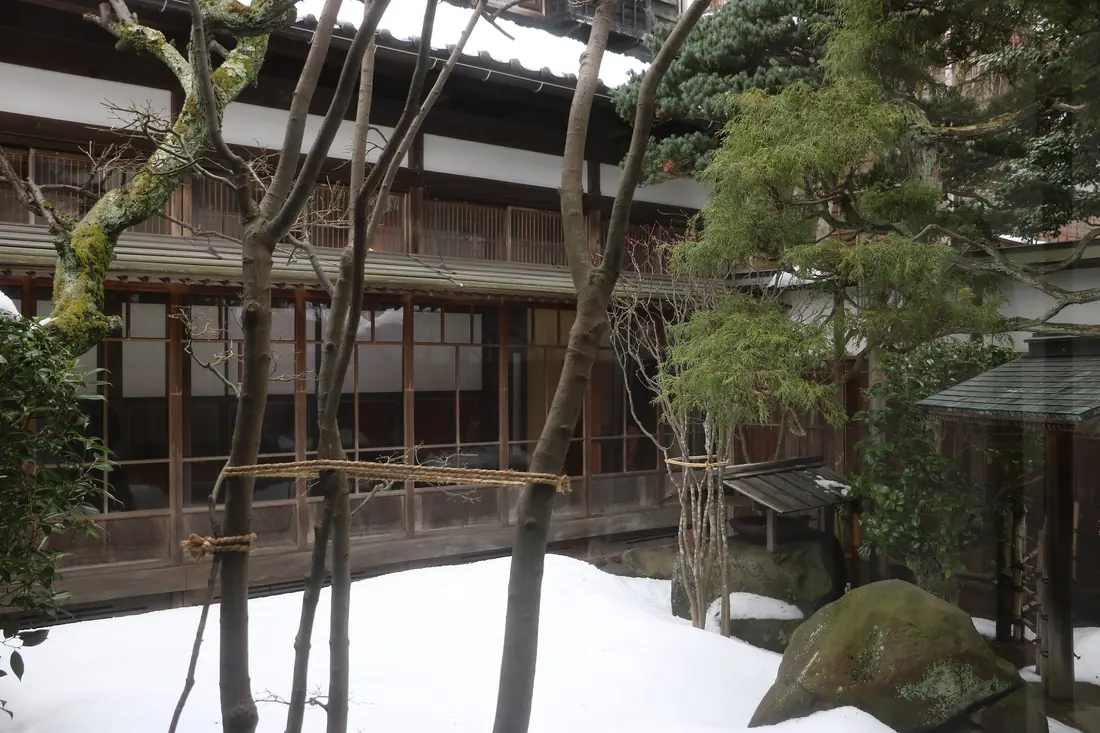
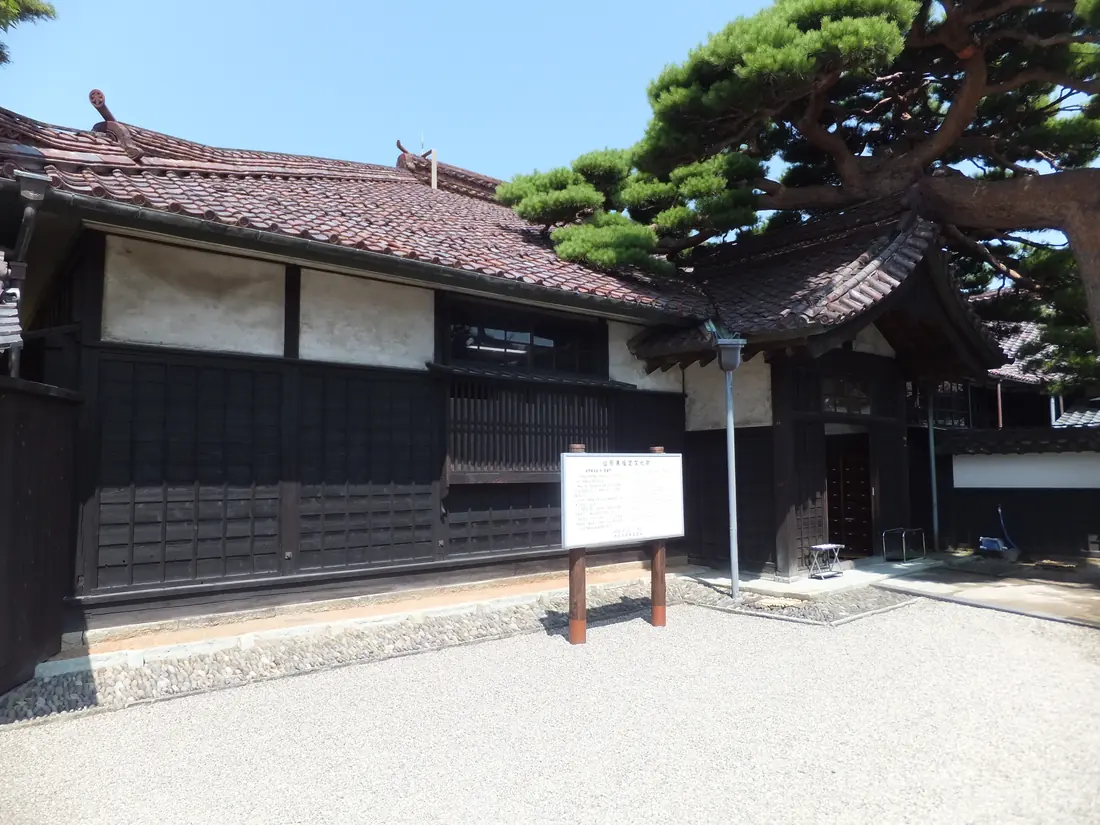
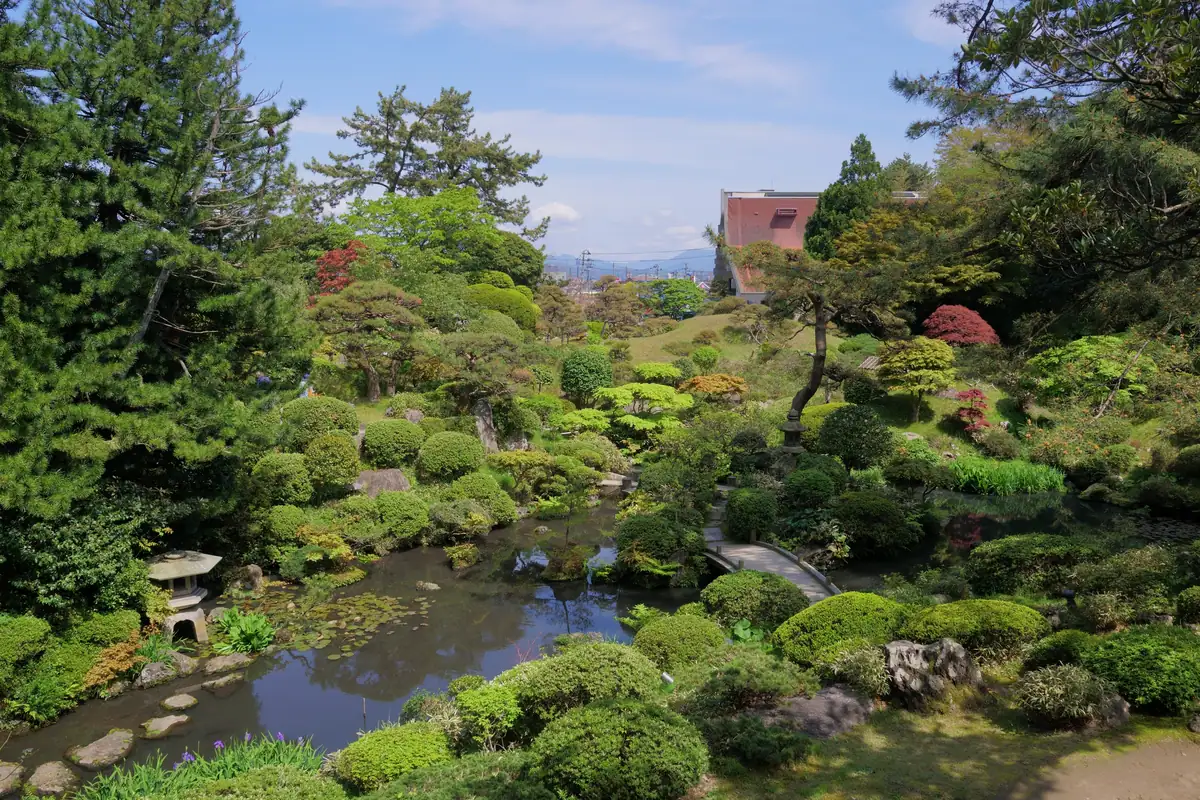
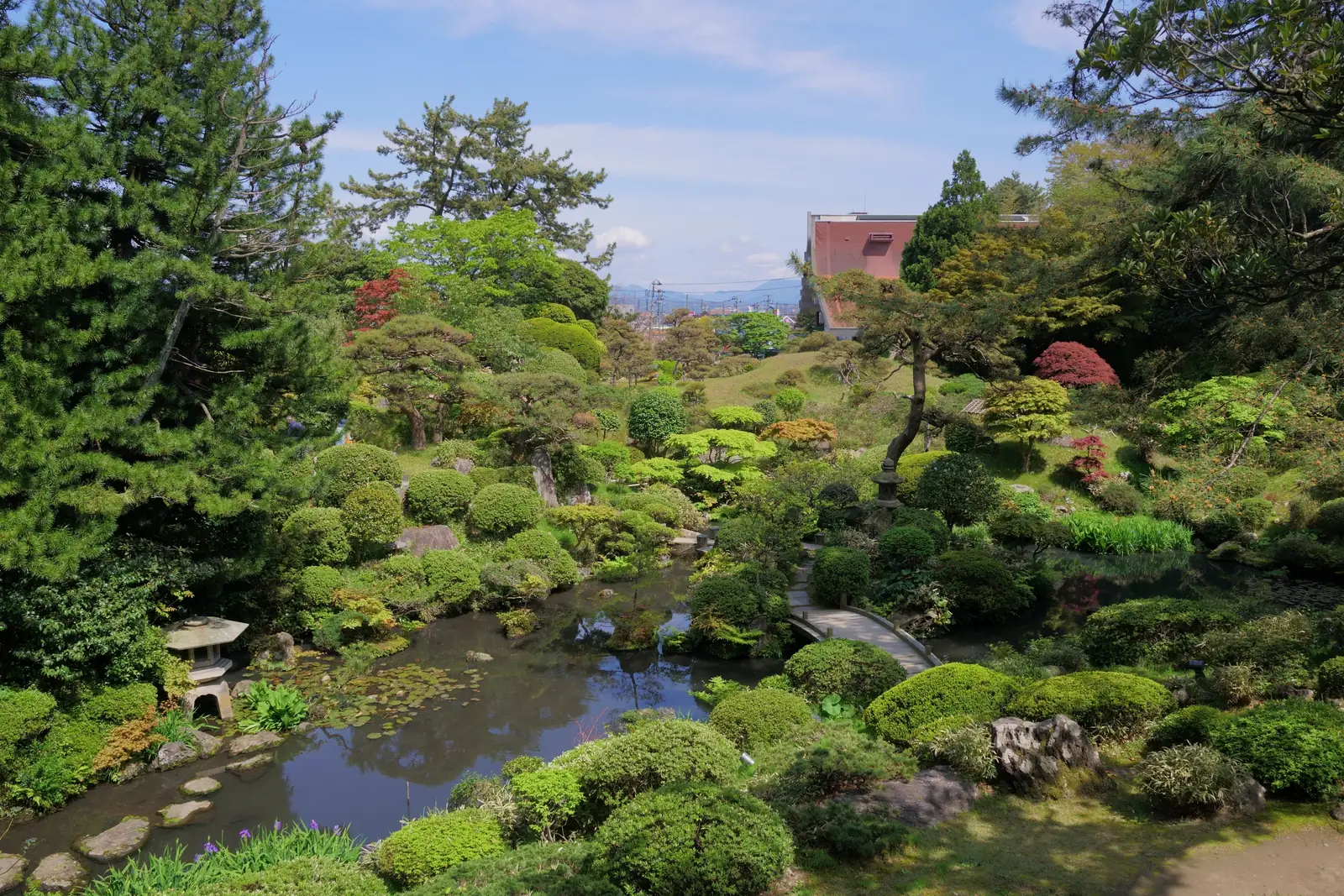
They were Japan’s richest merchant house — Edo-era farmers sang that “one can never match the Hommas, but one might at least become a lord.” Their 1768 residence (¥1,100; ¥2,000 with the museum), their art collection at the Homma Museum (¥1,300; open daily March–November, closed Tue–Wed in winter) and the rice-warehouse economy they anchored are the spine of a Sakata port day.