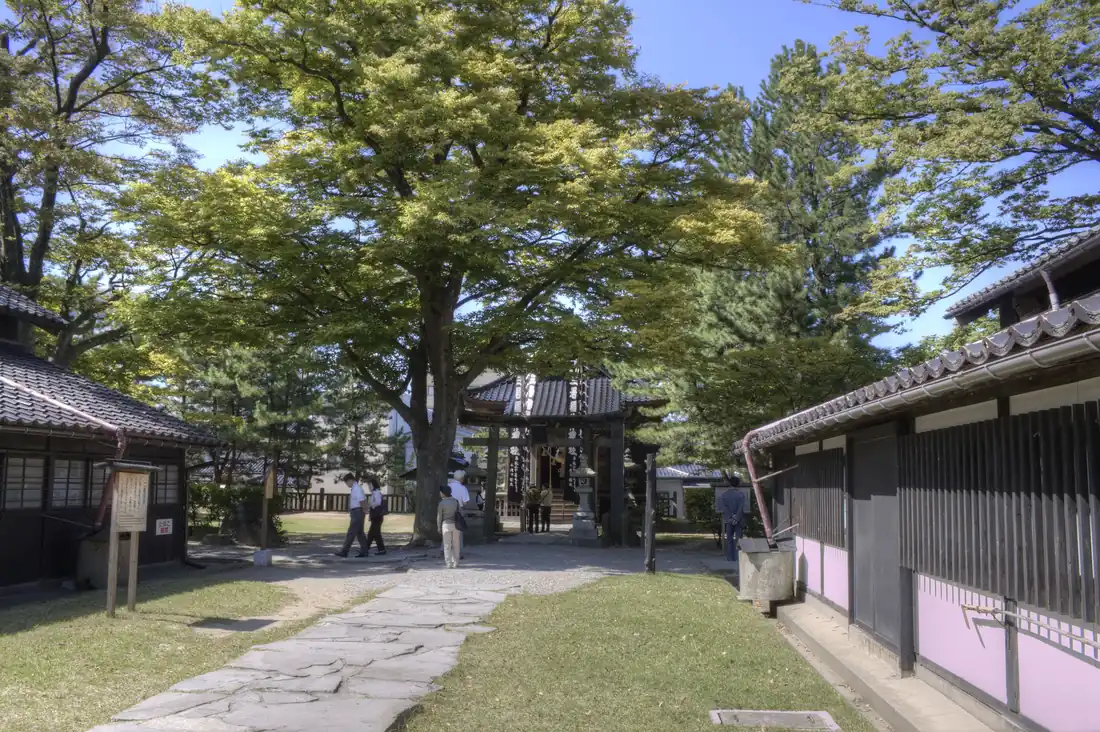
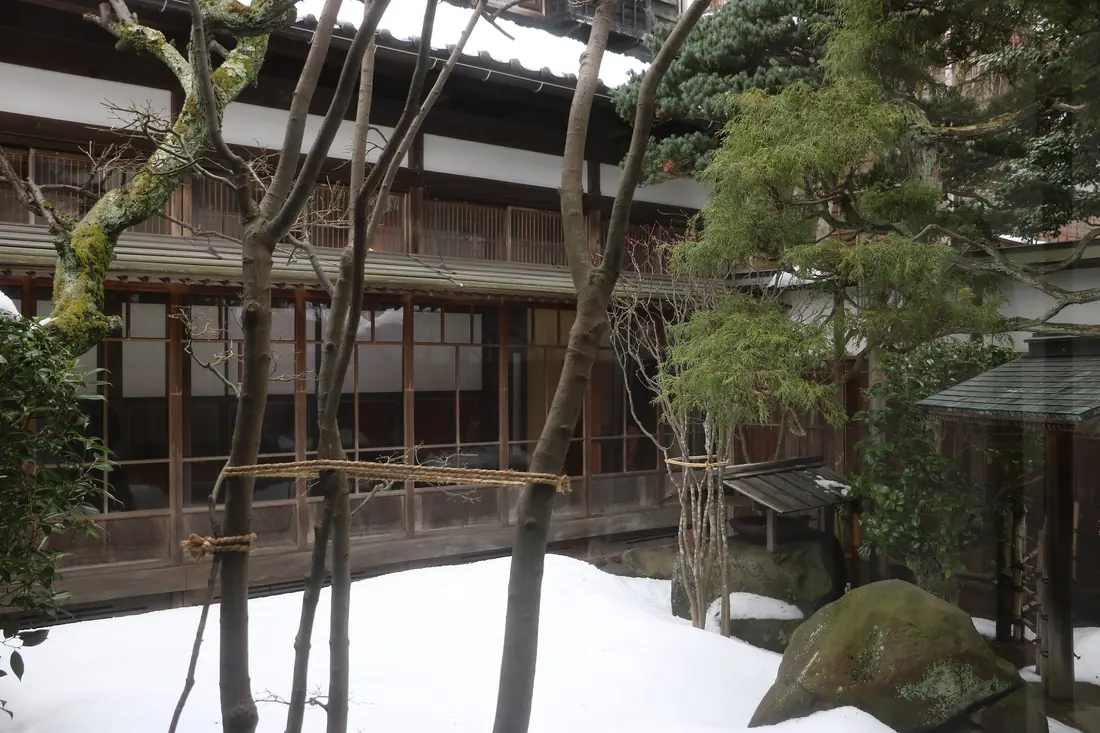
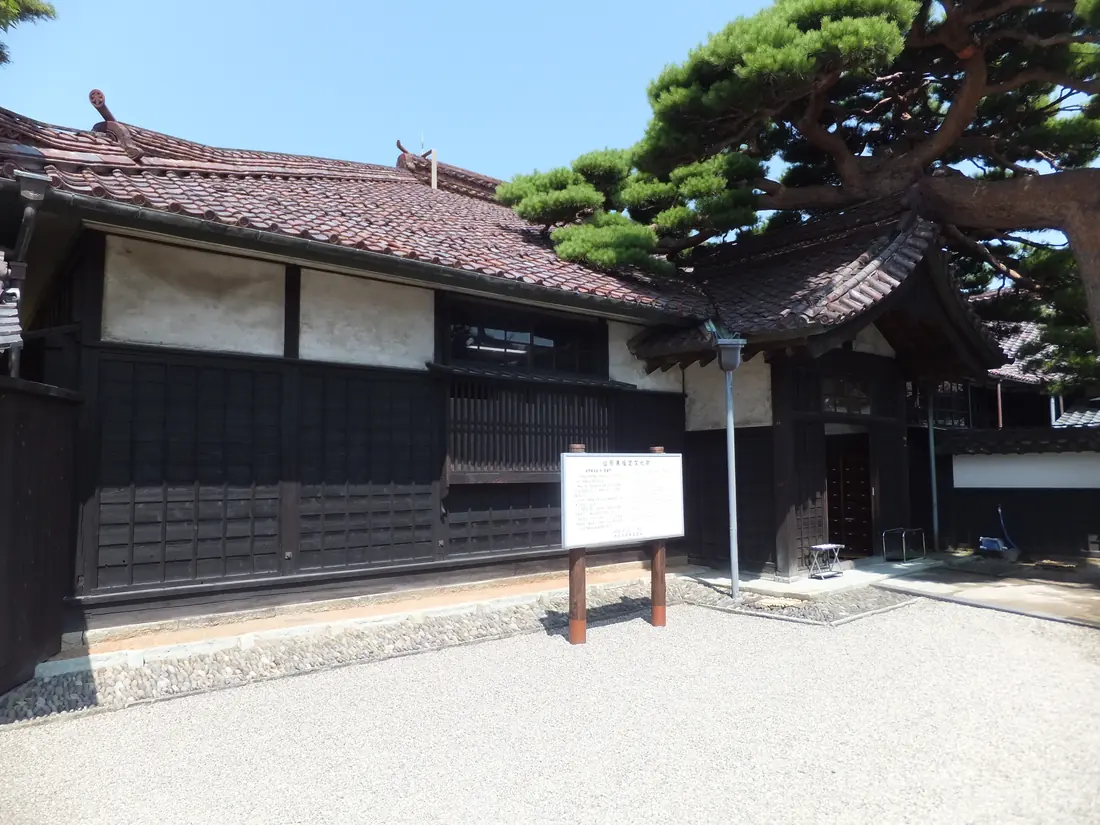
 Photo: さかおり / CC BY-SA 4.0
Sankyo Warehouses
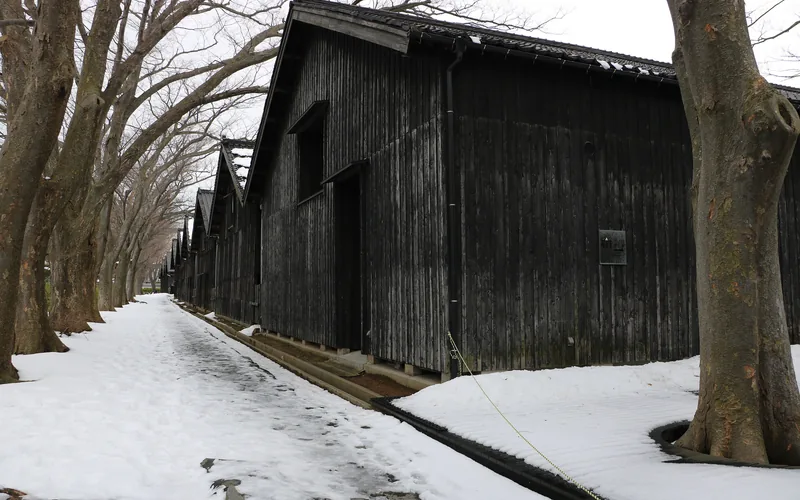
Twelve rice storehouses from 1893 under a double row of zelkova trees — the image of Kitamaebune merchant Sakata, and still the town’s best photograph. Exteriors free, all day.
Free · the iconFull guide: Sankyo Warehouses →Somaro maiko performance
Somaya, a high-class restaurant for over a century, restored as Somaro in 2000, where Sakata maiko dance at two — the rare place outside Kyoto to see it, at a fraction of Kyoto’s price. Closed Wednesdays; book before you sail.
14:00 · book ahead · ¥2,500Google Maps →Kaisen-don at Donya Tobishima
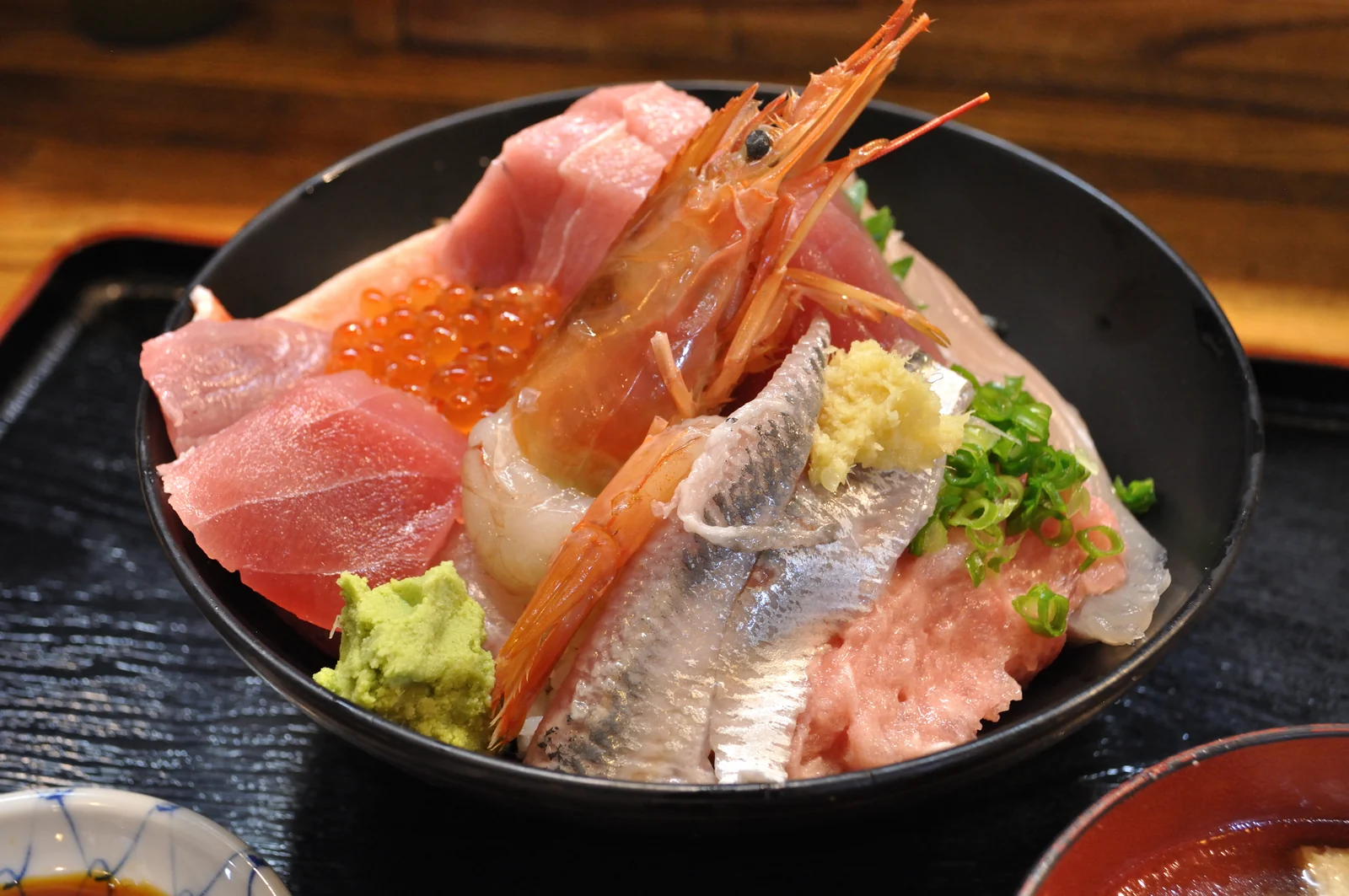
Fishermen’s seafood bowls inside the working harbor market — open from seven in the morning, which suits a cruise clock perfectly.
In the market · from 7 amFull guide: Sakata Kaisen Ichiba →Homma Family Villa
The 1768 residence of the merchant house so rich that farmers sang about them — half samurai-formal, half merchant-practical, and small enough to fit any call.
Homma Museum & Kakubuen
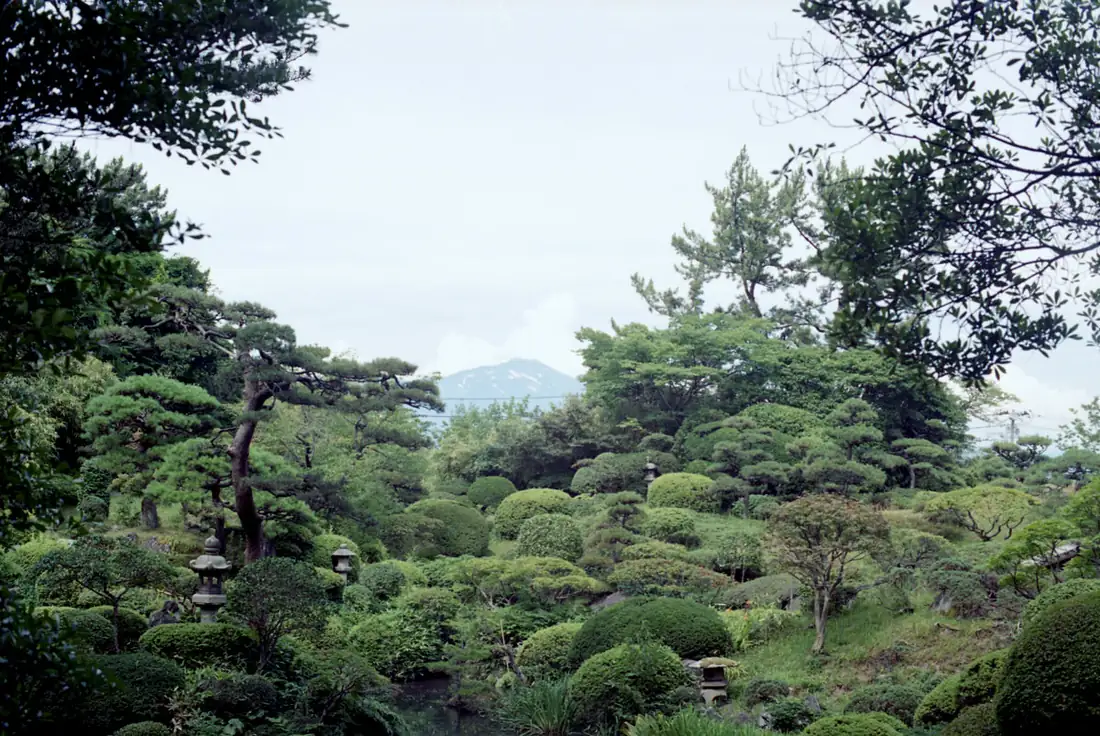
The family art collection in a 1813 guesthouse beside the Kakubuen garden — with Mt. Chokai floating over the pond on clear days. Open every day March–November.
¥1,300 · open dailyFull guide: Homma Museum of Art & Kakubuen →Hiyoriyama Park
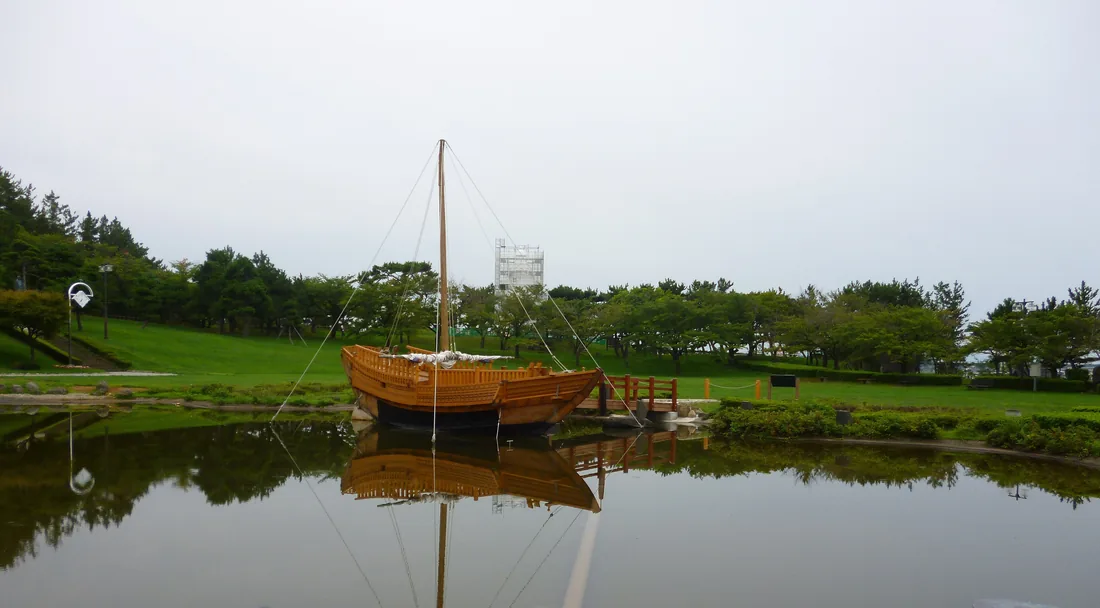
Japan’s oldest surviving wooden lighthouse (1895), a half-scale trade-ship replica, and a view over the harbour and the Mogami river mouth. Sunset on autumn call dates (16:30–17:15) falls after most ships’ return times.
Free · sunset ridgeGoogle Maps →Sakata wonton-men
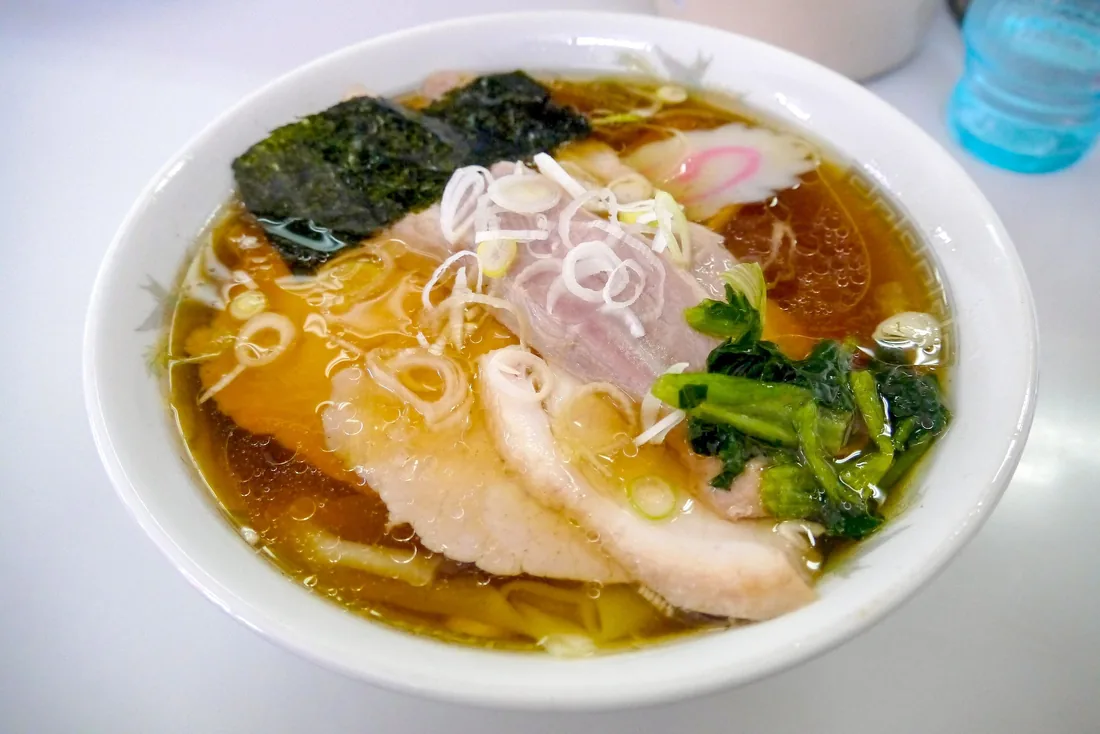
Wontons rolled silk-thin over a light shoyu bowl — Sakata’s post-war classic, served since 1960 at Mangetsu until the soup runs out.
Mangetsu · closed TueGoogle Maps →Ken Domon Photography Museum
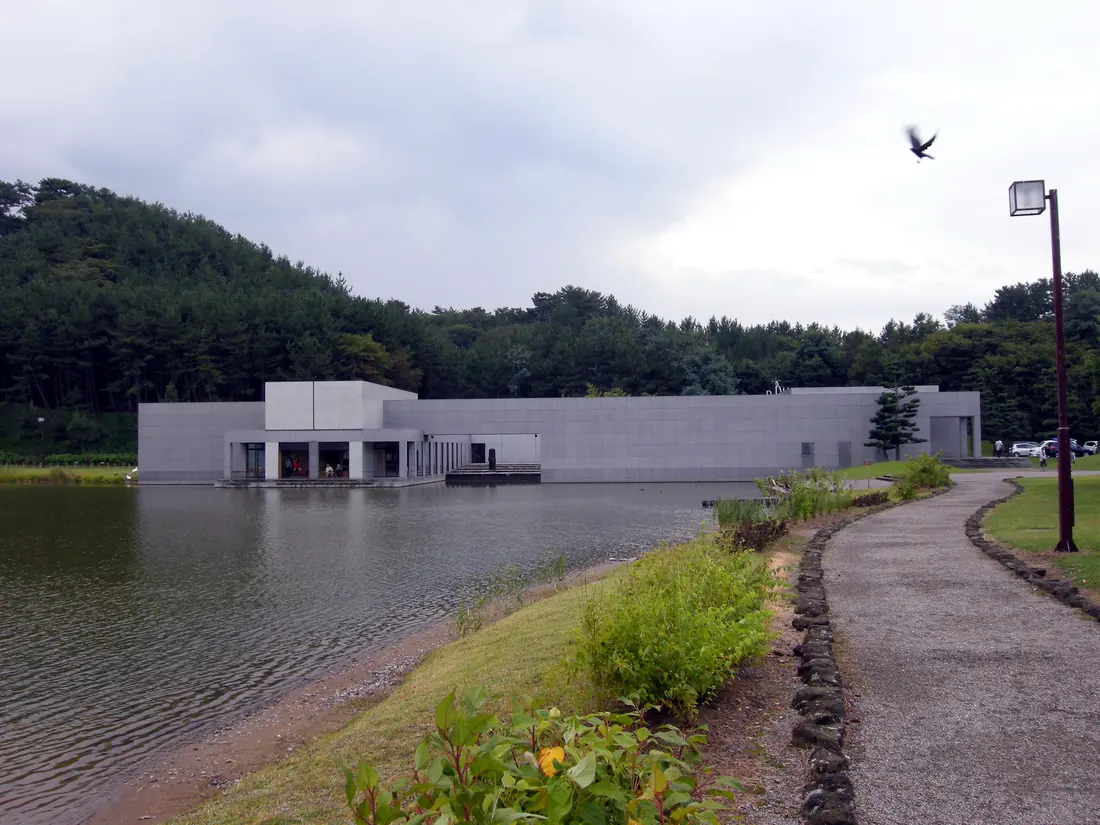
Japan’s towering realist photographer left his life’s work to his hometown — about 135,000 works in a modernist lakeside building worth the ride on its own.
Taxi ~15 minGoogle Maps →Mt. Haguro five-story pagoda
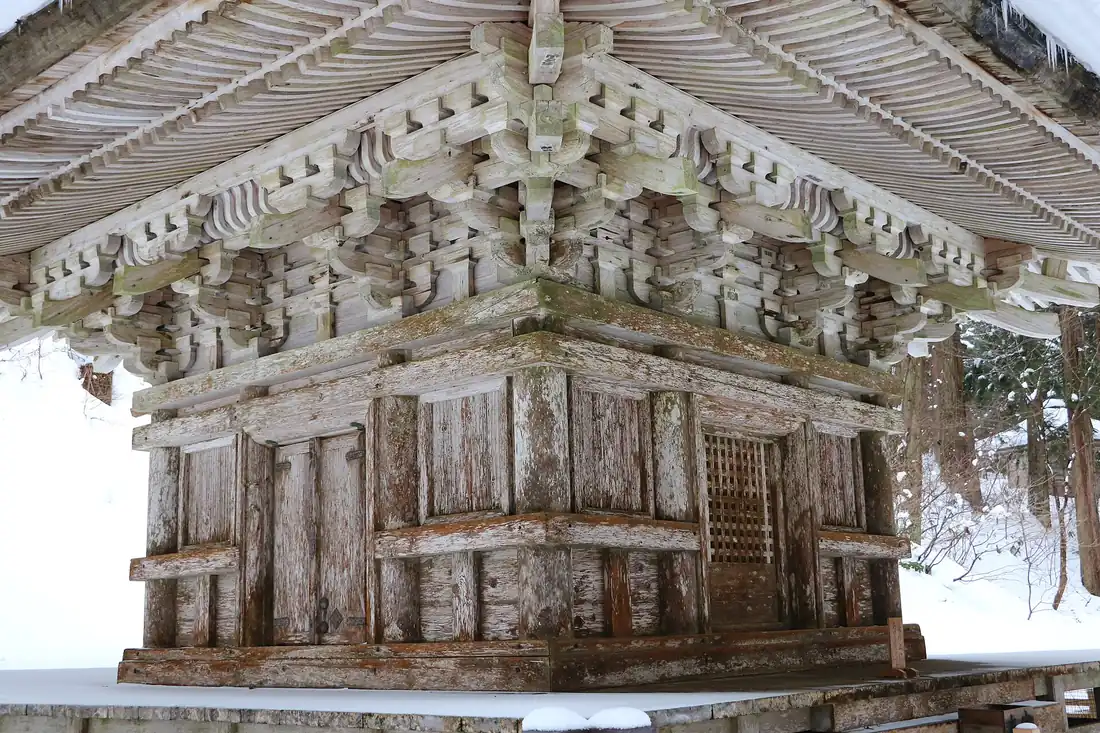
A thousand-year pagoda alone in a cedar forest, up 2,446 stone steps — one of Japan’s great sights, and honest only as a ship excursion or hired car from this port.
Tour territoryGoogle Maps →Kamo Aquarium
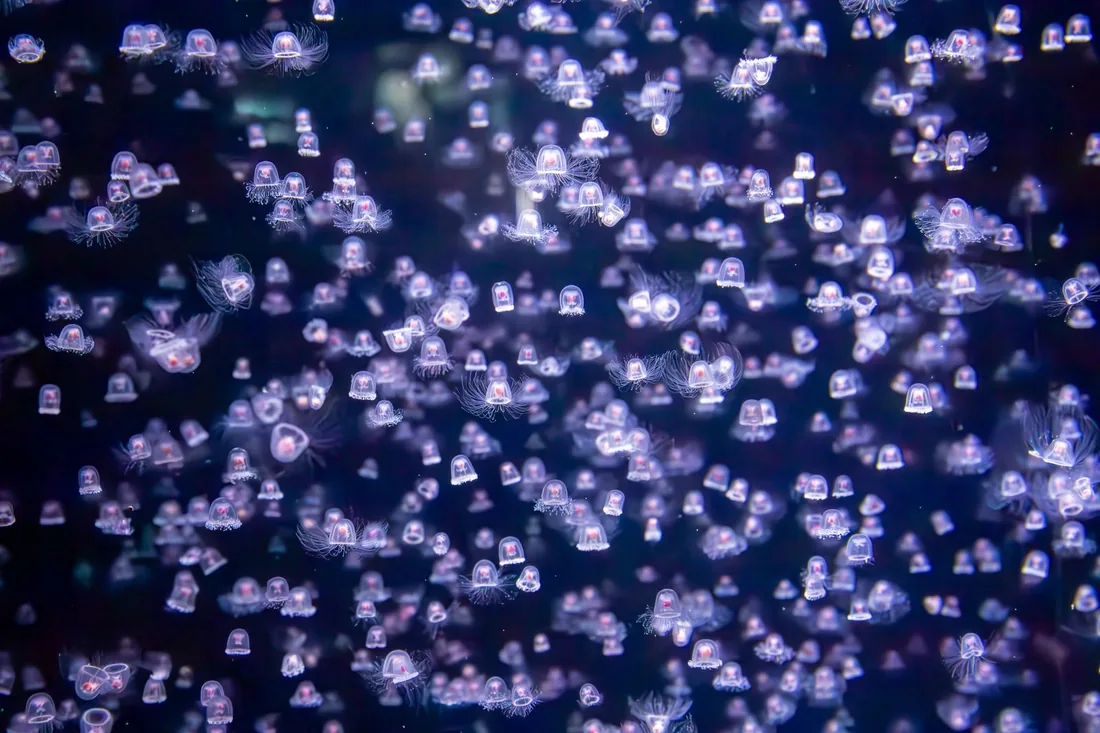
The world’s definitive jellyfish aquarium — dozens of species drifting in backlit tanks, reopened April 2026 after renewal (¥1,500). No practical bus; taxi or tour only.
Taxi ~45 minGoogle Maps →