Updated 1 October 2026 · 28 official and operator sources · Researched from official timetables, operators and the port authority · Takumi Yamada
Sakata is a merchant town, not a big-name excursion port, and its old town fits comfortably into the typical 8.5-hour call. Every ship ties up at Kominato Wharf, about 6 km and 15 minutes by car from the centre, with no terminal building, so the day starts with your ship's shuttle or a taxi. In town: the Sankyo rice warehouses, the Homma family's house and museum, a seafood-bowl lunch and the maiko dance at Somaro. The one decision is whether to give the morning to Mt. Haguro's five-storey pagoda, an hour away: by train and bus it works on calls of 8.5 hours or more, with under an hour on the mountain on the commonest call and one late fallback; otherwise it needs a tour or a hired car.
Your call, your day
What fits the time your ship gives you?
Pick your ship from the official Sakata schedule — or just the hours you have — and this page picks the plan and the tours that fit, with the hour before all-aboard already set aside.
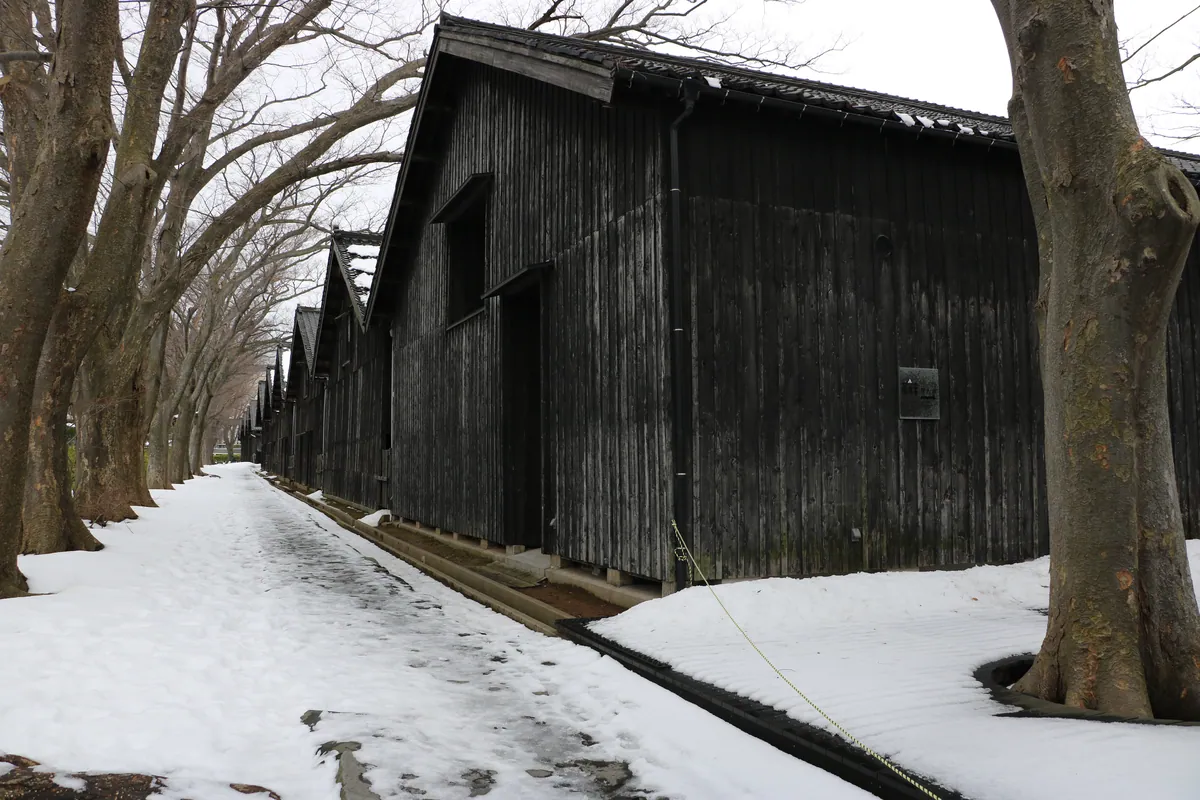
Sakata grew rich on the Kitamaebune coastal trade, and the proof still stands: the Sankyo rice warehouses of 1893 under a row of 35 zelkova trees more than 150 years old, and the 1768 residence of the Homma family, the region's great merchant house. Everything is within about 1.5 km, walkable in a morning.
From the shipShip shuttle or taxi from Kominato Wharf, about 15 minutes. A taxi costs roughly ¥2,000–2,600 one way (our estimate). The warehouses are free to see from outside all day. The Homma residence costs ¥1,100.
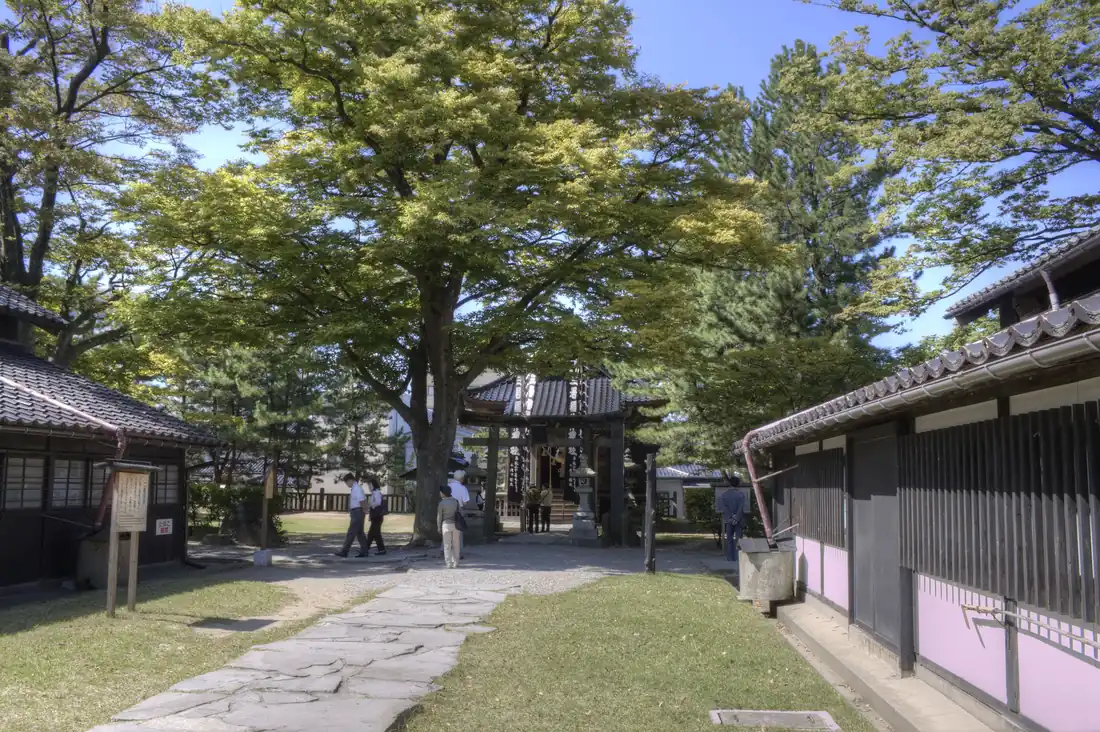
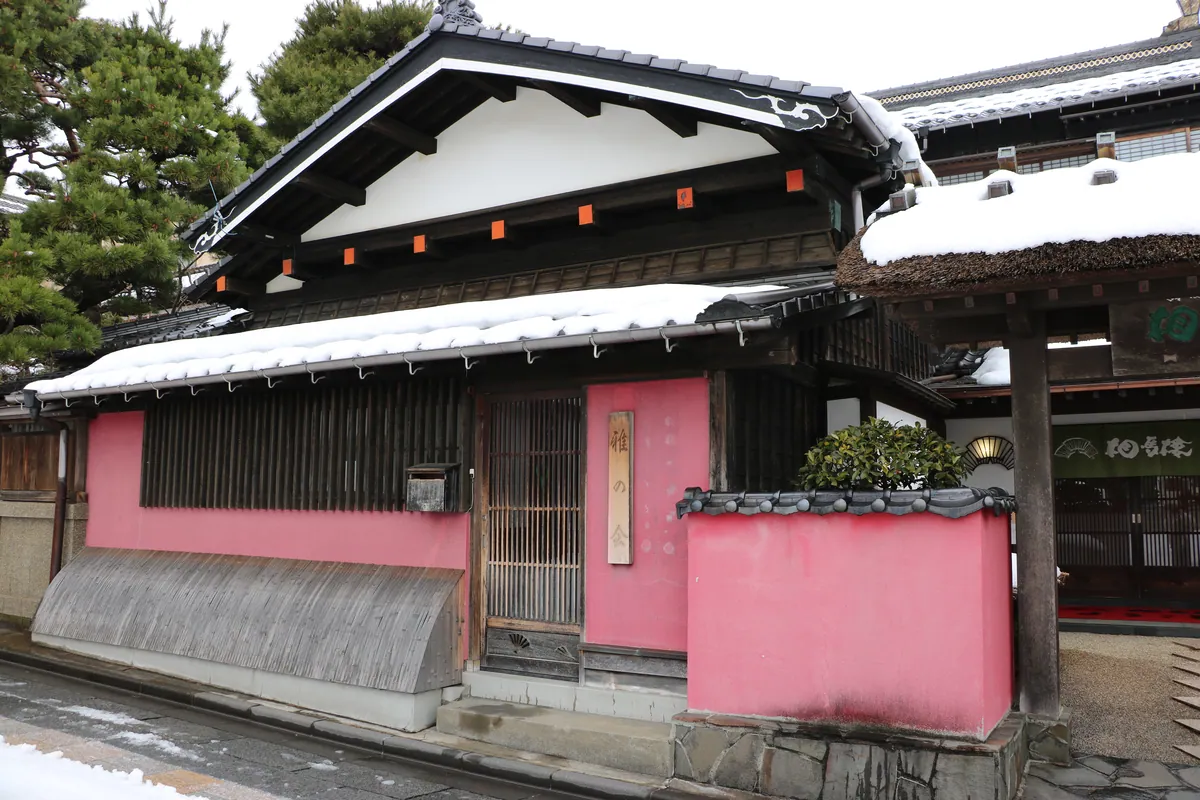
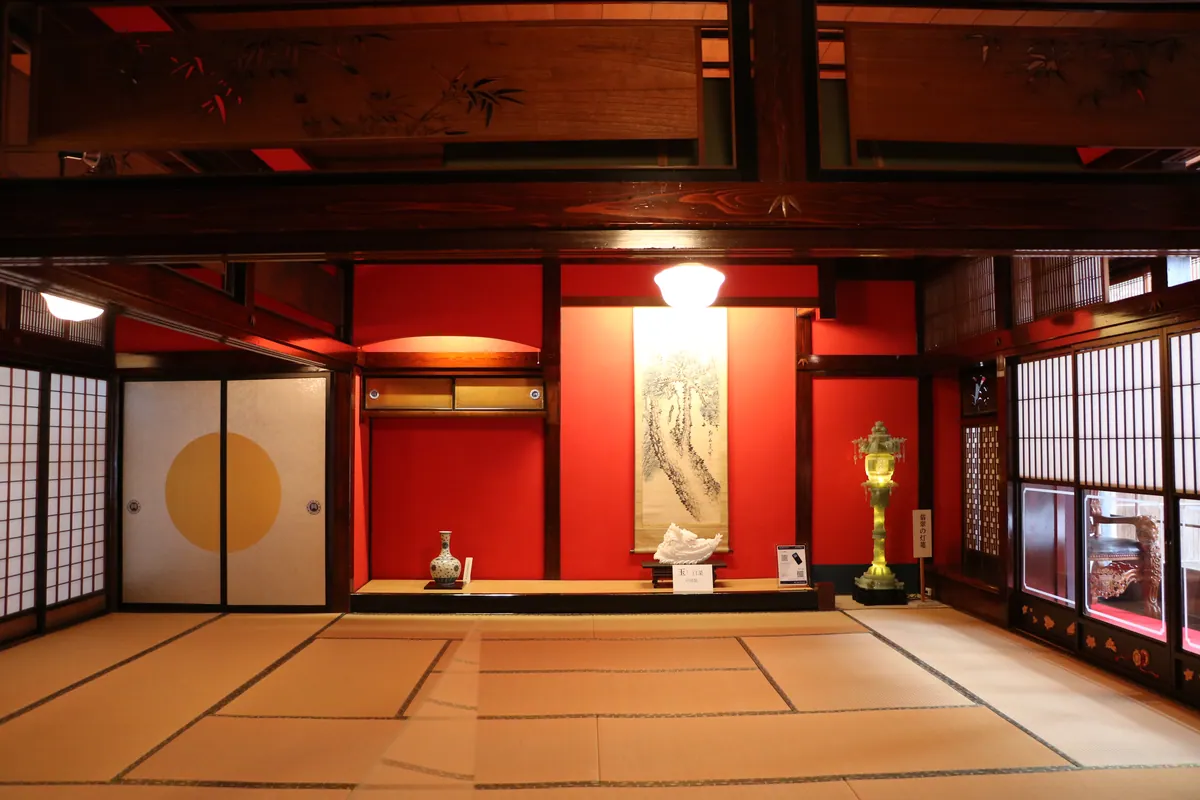
Somaro was Somaya, a high-class restaurant for more than a century, and has been restored as a teahouse where Sakata's maiko perform. The town revived its maiko in 1990; the show is three dances, then photos, in about 30–40 minutes.
From the shipIn the old town, about 15 minutes from the ship by shuttle or taxi and 5 minutes by taxi from JR Sakata Station. Admission with the dance ¥2,500, admission only ¥1,000. Book the 14:00 show ahead, for 2 or more people.
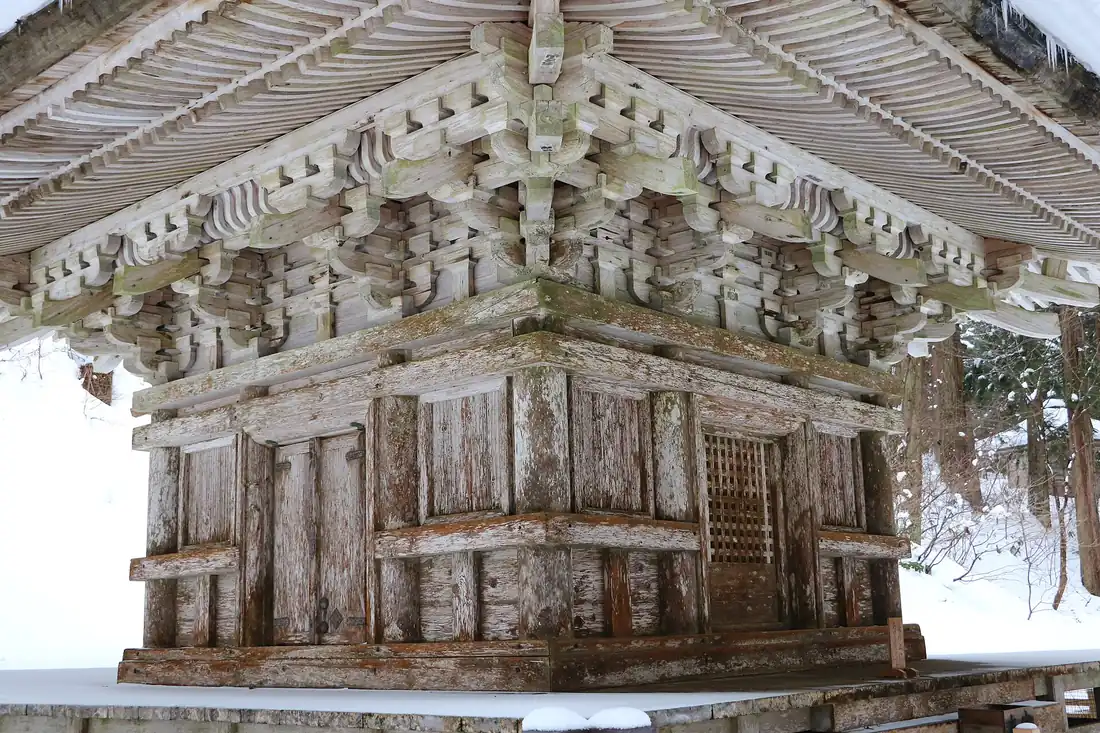
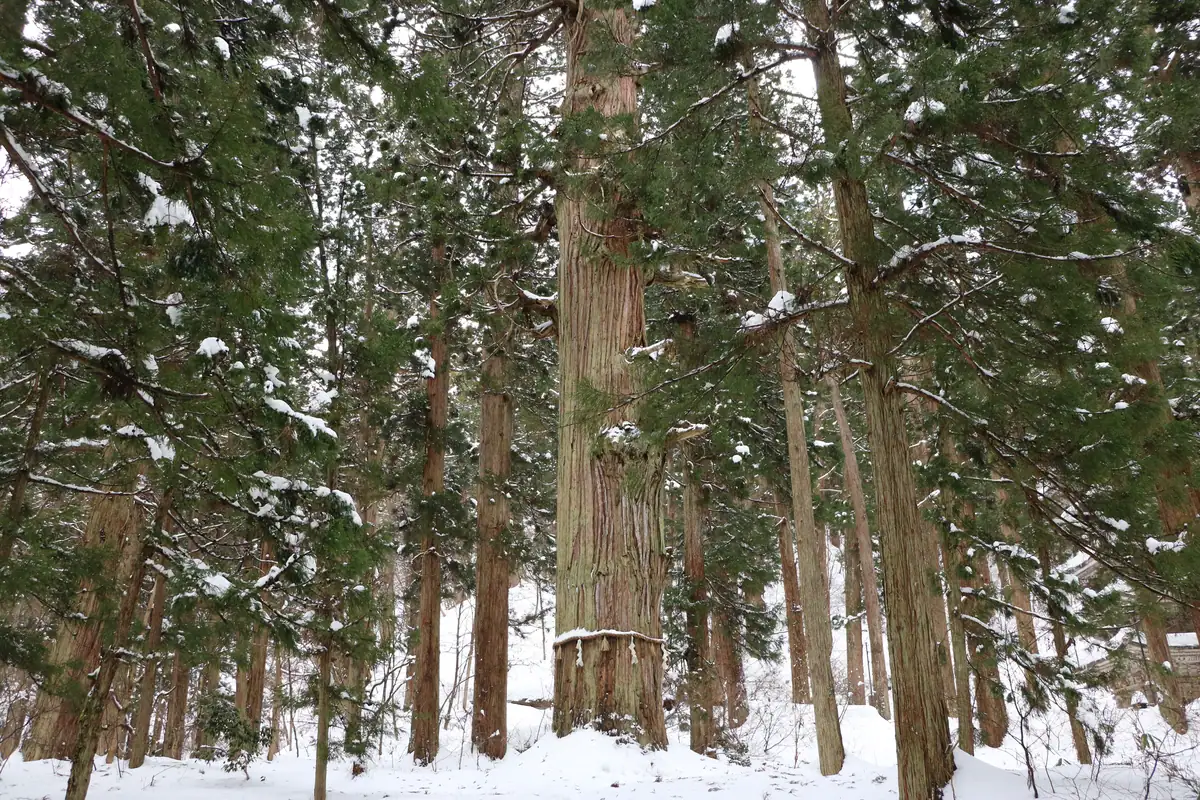
A 29 m wooden pagoda, a National Treasure and the oldest in the Tohoku region, standing among about 400 cedars that are 350–500 years old. It is the first mountain of the Dewa Sanzan pilgrimage.
From the shipAbout 60 minutes each way by car. By public transport, a taxi to JR Sakata Station, the train to Tsuruoka (18–31 minutes) and the Haguro bus (36 minutes, ¥900 each way), then 10 minutes down stone steps. Allow about 6 hours from the ship.
Rice from the Shonai plain left Sakata on the Kitamaebune, the cargo ships that worked the Sea of Japan coast, and the town's merchants grew rich on the trade. The richest was the Homma family. Their money and the rice trade built most of what a cruise passenger comes to see. The Sankyo Warehouses of 1893 still stand under their row of zelkova trees, and they stored rice until September 2022. The Homma family's 1768 residence and their art museum and garden are open to visitors. The restaurant district that grew up around the trade survives in Somaro, where Sakata's maiko still dance for visitors.
It is a compact, quiet day that needs no guide: a free English audio guide plays from QR codes at nine sights.
What Sakata is not: a port where you step off into town. The berth sits in an industrial harbour 6 km out, and the region's great sight, Mt. Haguro's five-storey pagoda, is an hour away in the mountains. This guide is built from the city's call schedule, the national port facility sheet, the JR and bus timetables and the attractions' own hours and prices, checked on 30 September 2026.
First: which berth are you at?
There is only one answer this season. The city's 2026 schedule puts every remaining call at Kominato Wharf (古湊ふ頭) in Sakata North Port. The one exception this year, a small expedition ship moved to Takasago Wharf in September, has already sailed.
Kominato Wharf, Sakata North Port
Where
The Miyaumi district, in the industrial and cargo port north of the Mogami river
To town
About 6 km and 15 minutes by car to the centre and JR Sakata Station (official figure)
Terminal
None. Temporary toilets, kiosk and vending machines, tourist-information desk and a US-dollar exchange desk on ship days
Shelter and Wi-Fi
No rain shelter, no Wi-Fi
On the apron
Parking for more than 70 tour buses and a taxi pool for more than 50 cars
Size
Berth No.1 is 270 m; MSC Bellissima, at 171,598 tons and 316 m, is the largest by tonnage to have called
On most October calls the city also opens the quay to residents who come to see the ship (from 13:00 on the Bellissima days), so expect a crowd by the gangway in the afternoon.
Getting from Kominato Wharf into Sakata
The practical choices are your ship's shuttle and a taxi. The facility sheet says shuttles to downtown have to be arranged, which in practice means the cruise line or the port's reception committee runs them. The drop point, the fare and the frequency vary by ship and are not published, so read your daily programme the night before.
To
How
Time
Cost
Old town (Sankyo, Somaro, the market)
Ship shuttle
About 15 min
Set by the cruise line
Old town
Taxi
About 15 min
About ¥2,000–2,600 (our estimate)
JR Sakata Station
Taxi
About 15 min
About ¥2,000 (our estimate)
Ken Domon Museum of Photography
Taxi
About 20 min, 9 km (our estimate)
About ¥3,000 (our estimate)
Kamo Aquarium
Taxi
About 45 min, 35 km
Ask for a fixed quote
Mt. Haguro
Taxi
About 60 min, 40 km
Ask for a fixed quote
Old town
Run-Run city bus, Mon/Wed/Fri only
15-min walk to the stop, then 11–25 min
¥200 cash
Taxis. The quay has a taxi pool for more than 50 cars, but no published source says cabs wait on every call, and one large ship can use up a small town's fleet quickly. If you want a car for the day, book it in advance, and remember the gate permit: any taxi, van or guide's car that comes to the ship through the staff gate must be registered with the city 3 business days before the call. The official Sakata taxi tariff is not published online, so the fares above are estimates from the road distance.
The city bus. The Run-Run Kominato line stops on Route 112 about 1.1 km from the berth, on Mondays, Wednesdays and Fridays only; the 10:50 in and the 13:10 back from Nakamachi are the only runs that fit a day. We could not confirm that passengers may walk out of the port gate on a ship day.
Inside the old town, walk or cycle. The city lends free sightseeing bicycles from late March to November; you fill in a form with your name, address and phone number. Borrow one at the Tobishima ferry office next to the seafood market (9:00–17:00), at Sanno Club (9:00–17:00) or at the Sakata Station tourist information desk (9:00–18:30), and return it to any of them the same day. The daily Run-Run Station–University bus also links the old-town stops for ¥200.
The five-storey pagoda on Mt. Haguro is the region's great sight: 29 m of unpainted wood, rebuilt about 600 years ago, a National Treasure, standing in a forest of cedars 350–500 years old on the approach to the Dewa Sanzan shrines. The honest options from a Sakata call:
Train and bus, on your own. Take a taxi to JR Sakata Station (15 minutes), the Uetsu Line to Tsuruoka, then the Shonai Kotsu Haguro–Gassan bus from stop No.1 in front of Tsuruoka Station to Haguro Zuishinmon (36 minutes, ¥900). From the stop, the pagoda is 10 minutes down stone steps, and you must climb back up. Useful weekday trains from Sakata are the 09:12 limited express Inaho (Tsuruoka 09:30) and the 09:36 local (Tsuruoka 10:07), and the matching buses leave at 09:43 and 10:43. The bus back that matters is the 12:18 from Zuishinmon, which connects with the 13:52 train, arriving in Sakata at 14:26. The 13:18 bus (Tsuruoka 13:54) with the 14:31 limited express (Sakata 14:50) is the last fallback: on a Bellissima call it gets you to the ship at about 15:10, 20 minutes inside the target.
What that buys you. Leave the ship at 08:30 and you get about two hours on the mountain. Leave at 09:00, as on the MSC Bellissima calls, and you get just under an hour on the mountain (about 40 minutes at the pagoda itself), with a 45-minute margin at the gangway and only the 13:18 bus as a fallback. It is feasible on calls of 8.5 hours or more, for people who walk well.
The summit. The full stairway of 2,446 steps leads to the Sanjin Gosaiden shrine hall at the top. There is a bus down from the summit at 12:00 that reaches Zuishinmon 14 minutes later, but climbing all the steps and making the 12:18 is only for the very fit.
By car. About 60 minutes each way. For four people, a pre-booked taxi (with the gate permit) is the comfortable way; ask for a fixed quote.
The agency tour. A local licensed agency runs a 6-hour Haguro excursion for cruise passengers; see "Tours, guides and taxis" below.
Train fares changed in 2026; buy tickets at Sakata Station. The stone steps are slippery in rain, which is frequent in October and November.
The old town: Sankyo, the Homma houses and the market
The Sankyo Warehouses (山居倉庫) are the picture on every Sakata poster: white-walled rice storehouses with black roofs, built in 1893 on the river, with 35 zelkova trees over 150 years old shading the back of them. They held rice for 129 years, until September 2022, and have been a National Historic Site since 2021. The exteriors are free to see at any hour and are lit from sunset to 22:00. The information centre is open 9:00–16:30. The Shonai Rice History Museum in building No.1 is closed for a safety check. The shops and café that used to be in the last two buildings moved in March 2025 to Iroha-gura Park next door, where Sakata Yume no Kura sells rice, sake and snacks 9:00–18:00 from 1 October 2026. Allow 30–45 minutes for the warehouses. The zelkovas turn in late October, just in time for the calls on 19, 20, 26, 28 and 29 October.
The Homma Family Former Main Residence (本間家旧本邸) was built in 1768 by the third head of the family to lodge the shogunate's inspectors, and it joins a samurai-style wing and a merchant's house under one roof. It opens 9:30–16:30 from March to October and 9:30–16:00 from November, and those are closing times, so arrive half an hour before. Adults ¥1,100, or ¥2,000 with the Homma Museum. Allow 30–40 minutes.
The Homma Museum of Art (本間美術館), 5 minutes' walk from JR Sakata Station, combines the family's 1813 villa Seienkaku, the garden Kakubuen (a nationally designated Place of Scenic Beauty) and a gallery that opened in 1947. Hours are 9:00–17:00 (last entry 16:30) to the end of October, and 9:00–16:30 from November. Adults ¥1,300. The gallery shows Yamagata artists until 28 October and the Homma family's ukiyo-e from 31 October. Mitsui Ocean Sakura's passengers on 29 October will probably find the gallery between exhibitions, but the garden and villa stay open. Allow an hour. It sits 21 minutes' walk from Somaro, so it fits best into a longer day or a Haguro day that ends at the station.
The seafood market (さかた海鮮市場) stands beside the Tobishima ferry terminal. Upstairs, Kaisen Donya Tobishima serves seafood bowls from 7:00 to 9:30 and again from 11:00 to 18:00, closed in between, and takes no cards. Across the road, the Minato Ichiba stalls open about 9:00–17:00, and every one of them closes on Wednesdays, which catches the calls on 7 and 28 October. So does SAKATANTO, the converted warehouse of food stalls on the east quay.
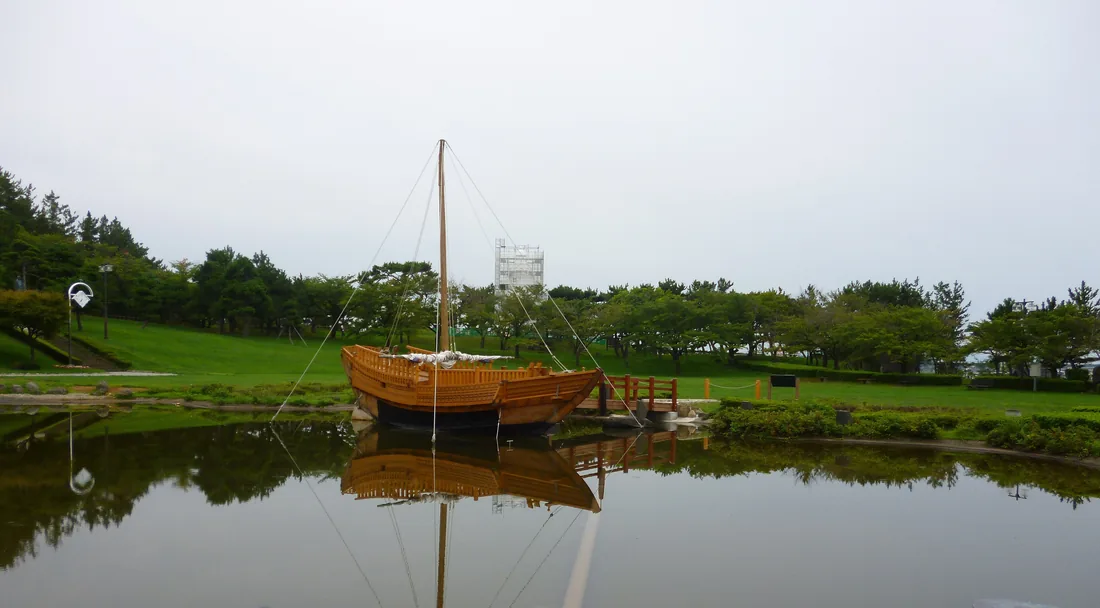
Hiyoriyama Park, on the hill over the harbour and the Mogami river mouth, has a small hexagonal wooden lighthouse of 1895 (moved here in 1958, and among Japan's oldest), a half-size replica of a Kitamaebune cargo ship, about 400 cherry trees and a 1.2 km path past 29 literary monuments. It is free and open at all hours. Give it 30–40 minutes, in the morning or early afternoon. Sanno Club, a restaurant of 1895 with exhibits on the coastal trade and its hanging kasafuku decorations, opens 9:00–17:00 nearby.
Two more stops if you have time: Kaikoji temple keeps two self-mummified monks (sokushinbutsu), the only temple in Japan with two. It opens 9:00–17:00, until 16:00 from November, and closes on Tuesdays, which rules out the calls on 20 October and 3 November. Kyu-Abumiya, the shipping agent's house on Nakamachi, is closed for repairs until March 2027.
Somaro (舞娘茶屋 相馬樓) was Somaya, a high-class restaurant for over a hundred years, and reopened in 2000 after restoration. It also houses a small museum of the painter Takehisa Yumeji. Its regular hours are 10:00–16:00 (last entry 15:30), and it is normally closed on Wednesdays. In October 2026 it opens for both cruise Wednesdays, and none of its October closing days falls on a ship day.
The regular show is at 14:00: a short video, three dances from 14:10, photographs with the maiko at 14:20, then time to see the building. It ends around 14:30–14:40. About 60 seats are laid out on floor cushions and chairs. Admission with the dance costs ¥2,500, admission only ¥1,000, and children ¥500–1,000.
Booking. Reserve the 14:00 show through the website form or by e-mail, which Somaro asks English speakers to use. Bookings are taken for 2 or more people, and the phone line is open only Monday, Tuesday, Thursday and Friday 11:00–15:00. Cancellation is free until 16:00 two days before, and the full price after that. The maiko lunch, 12:00–13:00 for 2 or more, costs ¥5,500–7,500 for the meal, on top of the ¥2,500 admission with the dance.
Cruise days are different. Somaro opens earlier and adds shows, but every show except the 14:00 one is sold only at the counter on the day, show times can shift with the crowds, the maiko café closes, and the dance hall may be closed to visitors who buy admission only. The October schedule:
Date
Ship
Somaro open
Shows
On 30 September
Wed 7 Oct
Westerdam
9:00–16:00
9:45, 10:45, 13:45, 14:45
13:45 full
Sat 10 Oct
MSC Bellissima
9:30–16:00
10:30, 11:30, 14:00
All open
Mon 19 Oct
MSC Bellissima
9:30–16:00
10:30, 11:30, 13:45
All open
Tue 20 Oct
Westerdam
10:00–16:00
10:45, 11:45, 13:45, 14:45
13:45 and 14:45 full
Mon 26 Oct
Mitsui Ocean Sakura
10:00–16:00
14:00
Open
Wed 28 Oct
MSC Bellissima
9:30–16:00
10:30, 11:30, 14:00
All open
Thu 29 Oct
Mitsui Ocean Sakura
10:00–16:00
14:00
Open
The November schedule, covering 3, 6 and 14 November, appears around 10 October. Somaro has steep stairs and no wheelchair access, and socks are required indoors. Allow 30–40 minutes for the show and 30 for the building.
The Ken Domon Museum and Kamo Aquarium: the other half-days
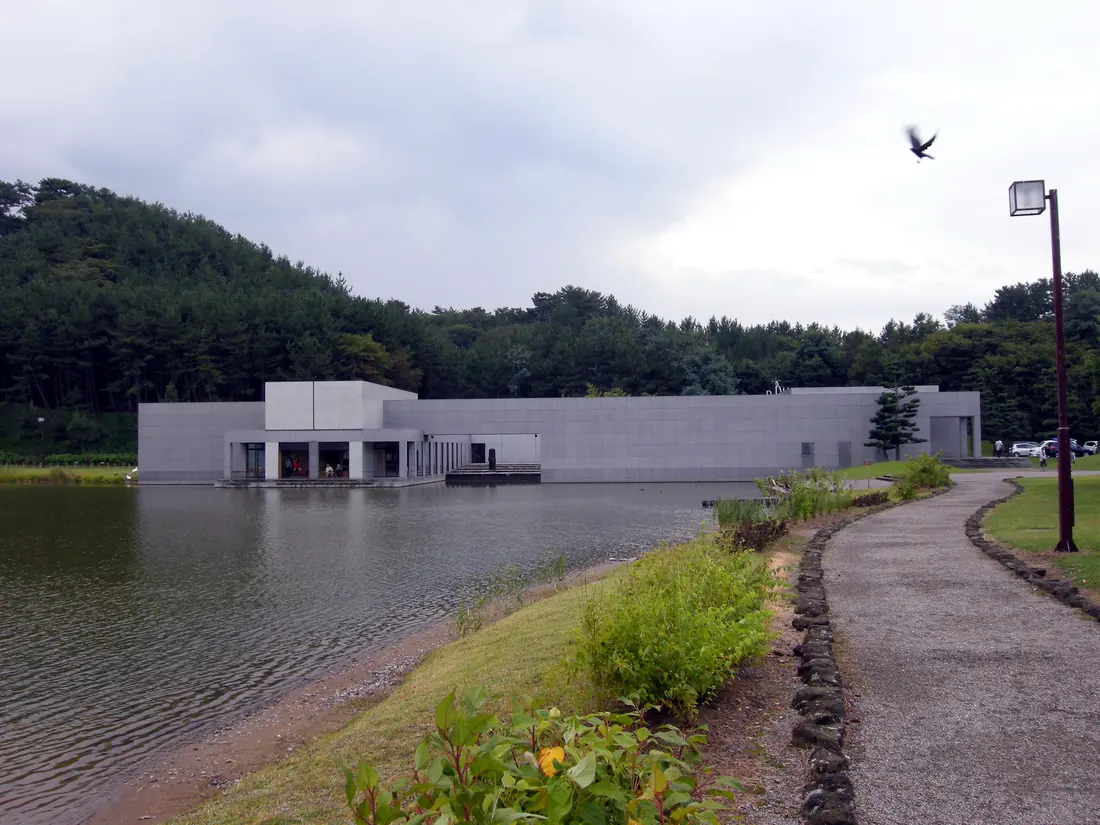
The Ken Domon Museum of Photography (土門拳写真美術館, renamed from the Ken Domon Memorial Museum) holds about 135,000 works that Japan's great realist photographer gave to his home town. The building, opened in 1983, is by Yoshio Taniguchi. Isamu Noguchi made the sculpture and bench in the courtyard, and Hiroshi Teshigahara designed the garden. It is in Iimoriyama Park, 4 km south-west of the centre: about 20 minutes by taxi from the berth (our estimate), or 28–30 minutes on the Run-Run bus from the station. It opens 9:00–17:00 (last entry 16:30), daily from April to November, but closes 13–16 October to change exhibitions (no ship is in then). The special exhibition until 12 October costs ¥1,300. The price for the next one, from 17 October, has not been announced. Allow 60–75 minutes plus the rides.
Kamo Aquarium, south of Tsuruoka, calls itself the world's leading jellyfish aquarium and shows about 100 species. It opens 9:00–17:00 (last entry 16:00) every day, and adults pay ¥1,500. It is 35 km and about 45 minutes by car from the berth. By public transport, take the train to Tsuruoka, then the bus from stop No.2 (about 40 minutes; weekday departures at 10:38 and 13:03; buses via Zenpoji do not call there). It fits Westerdam's 11 hours better than an 8.5-hour call.
The best things to do in Sakata on a port day
Our full list, with the time each takes from the berth, is on the Sakata top 10:
The Sankyo Warehouses: the rice storehouses and zelkova avenue, free, about an hour with Iroha-gura Park.
The whole old town and the maiko: the 8.5-hour call
Fits MSC Bellissima's 08:30–17:00, the commonest call here (10 and 19 October, 28 October, 6 November), and any call of 8–10 hours. For Westerdam on 20 October (10:00–18:00), see the note.
Warehouses, the Homma house, a market lunch, the hill over the harbour and the dance, all on foot once you reach town. Times assume an 08:30 arrival and a 17:00 departure, so all-aboard at 16:30 and our target back at the gangway at 15:30. Book the 14:00 Somaro show before you sail.
09:00Off the ship. Take your ship's shuttle or a taxi into town, about 15 minutes (roughly ¥2,000–2,600 by taxi, our estimate). Ask to be let off at the Sankyo Warehouses.
09:20Sankyo Warehouses: the white-walled rice storehouses and the zelkova avenue behind them. The exteriors are free, and the information centre opens at 9:00.
10:00Walk 5 minutes to Iroha-gura Park and Sakata Yume no Kura for Shonai rice, sake and local snacks (open from 9:00).
10:30Walk 7 minutes to the Homma Family Former Main Residence (from 9:30, ¥1,100). Allow 30–40 minutes for the two wings, one built in the samurai style and one in the merchant style.
11:15Walk about 15 minutes to the Sakata Kaisen Ichiba seafood market. Have a kaisen-don at Donya Tobishima upstairs. Lunch starts at 11:00, and it is cash only.
12:15Walk 10 minutes up to Hiyoriyama Park: the 1895 wooden lighthouse, the half-size replica of a coastal cargo ship, and the view over the Mogami river mouth.
13:00Walk 8 minutes to Somaro. See the building and the Takehisa Yumeji museum upstairs before the show (socks required; steep stairs).
14:00The maiko dance: 14:00–14:50 on 10 October, 13:45–14:30 on 19 October, 14:00–14:45 on 28 October. Ask the front desk to call a taxi for when it ends.
14:50Taxi or ship shuttle back to Kominato Wharf, about 15 minutes.
15:10Back at the gangway, 20 minutes ahead of the target and 80 minutes before all-aboard.
Breakfast at the fish market: the 07:00 arrival
Fits Diamond Princess's 07:00–16:00 on Saturday 14 November and Norwegian Jade's 07:00–17:00 on Tuesday 3 November (a public holiday). Earlier arrivals than this have nothing open in town.
Most sights open between 9:00 and 10:00, so this day starts at the one place open earlier: the seafood market's breakfast counter. Times assume a 07:00–16:00 call, with all-aboard at 15:30 and our target back at the gangway at 14:30. Whether a shuttle runs this early depends on the ship, so a taxi may be the only way in.
07:30Off the ship, and taxi to the Sakata Kaisen Ichiba seafood market, about 15 minutes. Wrap up: the quay has no shelter, and November is Sakata's wettest month.
07:50Breakfast kaisen-don at Donya Tobishima, which serves from 7:00 to 9:30. Cash only.
08:45Walk 10 minutes up to Hiyoriyama Park: the lighthouse, the ship replica and the river mouth in the morning light. Sanno Club, the old restaurant with its Kitamaebune exhibits, opens at 9:00 nearby.
10:00Walk 8 minutes to Somaro, which opens at 10:00. See the building (¥1,000), or the dance if the November cruise-day schedule offers a morning show.
10:45Walk 13 minutes to the Homma Family Former Main Residence (9:30–16:00 in November, ¥1,100).
11:30Walk 7 minutes to the Sankyo Warehouses and the zelkova avenue, then 5 minutes on to Iroha-gura Park for rice and sake to take home.
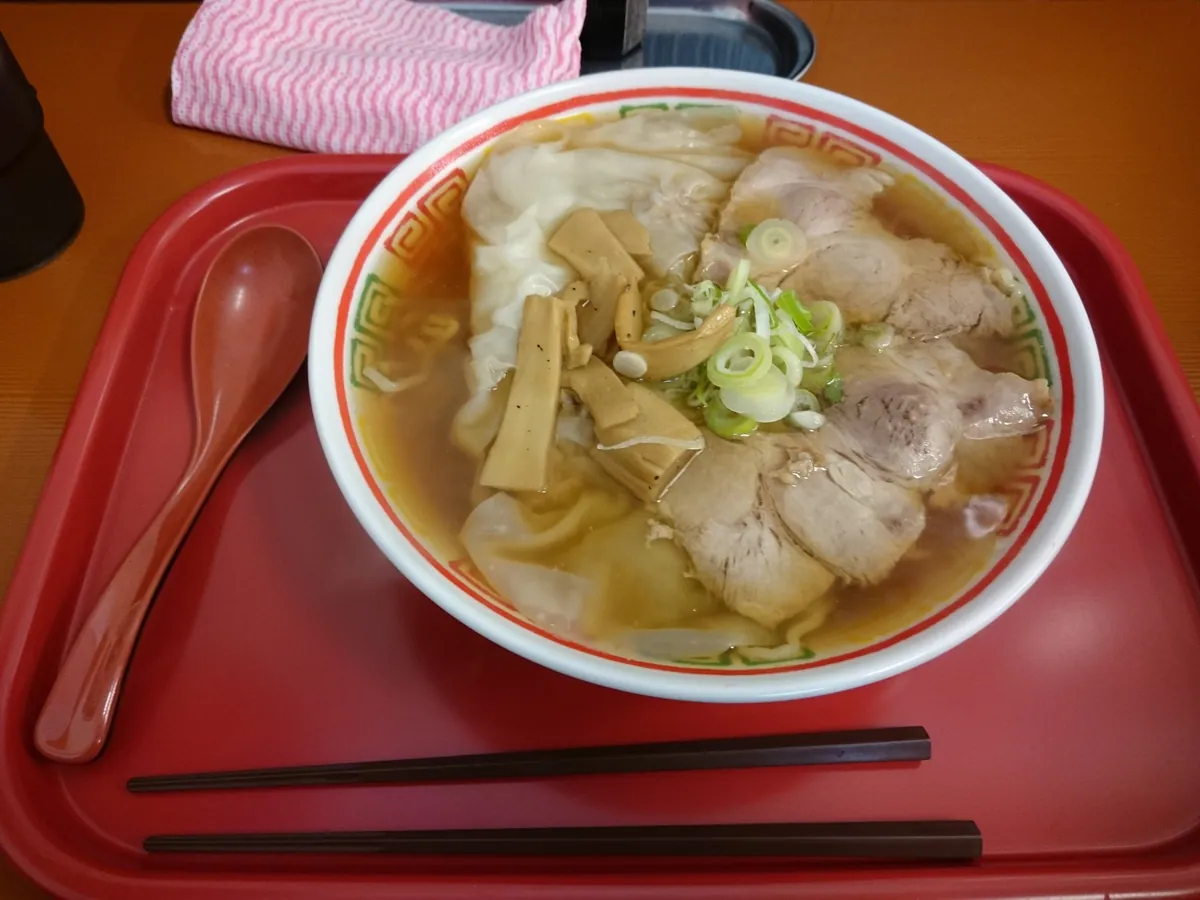
12:15Walk 14 minutes (or take a short taxi) to Mangetsu for Sakata's wonton-men, thin-skinned wontons in a light soy broth (11:00–16:30, cash only).
13:30Taxi or shuttle back to the wharf, about 15 minutes. Have the restaurant or a shop call the taxi.
13:50Back at the gangway, 40 minutes ahead of the target.
The pagoda in the cedars, then the maiko: the 11-hour call
Built for Westerdam's 08:00–19:00 on Wednesday 7 October. The Haguro half also works on MSC Bellissima's 08:30–17:00 calls, with less time on the mountain (see the note).
Mt. Haguro by train and bus in the morning, then back to Sakata for the afternoon maiko show. You need to walk well: the pagoda is down stone steps and back up. Times assume an 08:30 disembarkation, all-aboard at 18:30 and our target back at the gangway at 17:30. The train and bus times are weekday timetables.
08:30Off the ship. Taxi to JR Sakata Station, about 15 minutes and about ¥2,000 (our estimate).
09:12Limited express Inaho to Tsuruoka, arriving 09:30. Buy the ticket at the station.
09:43Shonai Kotsu Haguro bus from Tsuruoka Station stop No.1, arriving at Haguro Zuishinmon at 10:19. ¥900.
10:20Through the gate and down the stone steps for 10 minutes, past the 1,000-year-old Jiji-sugi cedar, to the five-storey pagoda. You have about two hours: enough for the pagoda and part of the stone stairway, not the 2,446 steps to the summit and back.
12:18Bus back from Zuishinmon to Tsuruoka Station, about 37 minutes. Do not miss it.
13:52Train from Tsuruoka, arriving in Sakata at 14:26. Then a taxi to Somaro, about 5 minutes.
14:45Somaro's 14:45 show (it ends at 15:30), sold at the counter on the day. The 13:45 show was full by the end of September.
15:40Walk 8 minutes up to Hiyoriyama Park for the harbour view. Sunset on 7 October is 17:15, so you will leave before the best light.
16:30Taxi or shuttle back to the wharf, about 15 minutes.
16:50Back at the gangway, 40 minutes ahead of the target.
How to think about your hours
Work backwards from the ship. All-aboard is usually 30 minutes before departure (check the daily programme), you want to be back at the gangway an hour before that, and the first half hour goes on getting off. So the time you can actually use is the call length minus about two hours, and in Sakata, 30 minutes of that goes on the ride into town and back.
Call
Usable
From Kominato Wharf
4 hours
about 2
Sankyo and Iroha-gura, or Sankyo and the Homma residence, by shuttle or taxi both ways. Nothing else.
6 hours
about 4
Sankyo, the Homma residence, a market lunch and Somaro, if a show fits the timing.
8–8.5 hours
about 6–6.5
The whole old town and the 14:00 maiko show, or swap Somaro for the Homma Museum. Mt. Haguro by train and bus instead, with under an hour on the mountain.
10–11 hours
about 8–9
The old town plus the Homma Museum and the Ken Domon museum, or Mt. Haguro in the morning and Somaro in the afternoon, or Kamo Aquarium by taxi plus a shorter town visit.
The commonest call this season is MSC Bellissima at 08:30–17:00, four times. The calls run from 8 hours (Westerdam on 20 October, 10:00–18:00) to 11 hours (Westerdam on 7 October), and none stays overnight. The two Mitsui Ocean Sakura calls are the start and end of a cruise in Sakata rather than transit calls; the ship leaves at 12:00 on 26 October and arrives at 09:00 on 29 October.
Tours, guides and taxis
There is no Sakata tour in our catalogue, and we will not fill this page with weak ones. You do not need one for the old town: the sights are close together, the city's English audio guide is free, and the model days above are designed to be done on your own. For Mt. Haguro, the options are:
A local agency's Haguro excursion. A Sakata-based licensed travel agency runs join-in bus tours on this season's calls. Its 6-hour "Traditional Culture" day costs ¥29,000 per person and includes transport, a hike led by a yamabushi (mountain ascetic) up the 2,446 steps, a shojin-ryori vegetarian lunch, matcha and entry fees. It takes 15–30 guests and may be cancelled if fewer than 15 book. Book at least three weeks ahead, and you must be able to walk unaided. Cancelling within 7 days costs the full price.
Your ship's excursion. The lines' Sakata programmes were not published when this guide was written; check the shore-excursion list on board.
A licensed interpreter guide. The city trains English-speaking regional guides licensed for Sakata and its neighbouring towns, and they set their own fees. A guide who meets you at the ship by car needs the gate permit.
A taxi for the day, booked through a local company that will apply for the gate permit.
Who should use what: a couple on an 8.5-hour call should do the first model day and book the 14:00 Somaro show. For Haguro without timetables, a hired car suits four, the agency tour or a ship excursion anyone else. For limited mobility, stick to the Sankyo exteriors, the Homma Museum garden and the seafood market.
About the return to the ship. The agency's listing says only that it returns you to the port "in time for the closing ceremony and final send-off of your ship". It does not promise on-time return in writing, and it is not a ship excursion, so the ship will not wait for it. The Haguro trip by train has one real risk: missing the buses down from Zuishinmon. Plan on the 12:18; on a Bellissima call the 13:18 bus and the 14:31 limited express are the last way back in time, and after that nothing is. In town, the risk is a taxi at the end of the day: have Somaro, a restaurant or a shop call one, and aim to be at the gangway an hour before all-aboard.
Sakata is a cash town at lunchtime. Where you will need what:
Place
Pay with
Kaisen Donya Tobishima (seafood bowls)
Cash only
Mangetsu and Kacho Fugetsu (wonton-men)
Cash only
Run-Run city bus
¥200 in cash
Shonai Kotsu bus to Haguro
Cash (¥900); national IC cards not confirmed
Somaro, the Homma sites, the Ken Domon museum
Carry cash; card acceptance is not stated
Taxis
Carry cash; card acceptance varies by car
Exchange desk on the quay
US dollars only
Cash machines. Map data shows none within 1 km of the berth (the nearest 7-Eleven is about 1.8 km). In the old town, Kotobukicho Post Office is about 80 m from Somaro, with a FamilyMart nearby, and Sankyomachi Post Office about 200 m from the warehouses; map data lists both as open weekdays 9:00–17:00, so do not count on them on the Saturday calls or the 3 November holiday. The simplest answer is to take ¥10,000 or so in notes off the ship.
Closing days against the call dates. On the Wednesday calls (7 and 28 October), the Minato Ichiba stalls and SAKATANTO are closed. Somaro, normally closed on Wednesdays, opens for the ships, and Tobishima opens as usual. On the Tuesday calls (Westerdam on 20 October, Norwegian Jade on 3 November), Mangetsu and Kaikoji temple are closed; Mangetsu may open on the 3 November holiday, but plan as if it will not. The Ken Domon museum is closed from 13 to 16 October, when no ship is in. The Homma Museum stays open daily through November.
Information. Besides the quay desk, the Sankyo information centre opens 9:00–16:30 and the Sakata Station desk 9:00–19:00.
October averages highs of 19.8 °C and lows of 11.6 °C, with 188.6 mm of rain. The zelkovas at Sankyo colour in late October.
November is colder and the wettest month of the year: highs of 13.6 °C, 222 mm of rain, only 84 hours of sunshine and the most thunder. On a quay with no shelter, that means a waterproof and warm layers.
Typhoons reach the Tohoku region about three times a year, mostly in August and September. The Azamara Pursuit call on 20 September 2026 was cancelled because of one.
Spring. Hiyoriyama's 400 cherry trees usually peak in mid-to-late April, with a festival in mid-April.
Crowds come from the ships themselves: expect ship groups at Somaro, Sankyo and the Homma sites on every call. Start at the far end of the old town from where the shuttle drops you.
Rain plan: Somaro, the Homma Museum and its villa, Sanno Club, Iroha-gura Park and Yume no Kura, the seafood market, the Ken Domon museum and Kamo Aquarium are all indoors, and the Run-Run Station–University bus links the old-town stops.
The city's list ends with Diamond Princess on 14 November 2026. No Sakata calls for 2027 have been published yet; watch our Sakata cruise schedule for them.
What other guides get wrong about Sakata
Things you will read about Sakata elsewhere — in older port guides, forum posts and some cruise-line pages — set against what the official source says today.
You may read
What the official source says
Source
The seafood market is within walking distance of the cruise pier.
Ships tie up at Kominato Wharf in Sakata North Port, about 6 km and 15 minutes by car from downtown, where the seafood market and the old town are. There is no terminal, and the walk is about an hour through the cargo port and along Route 112. Take the ship's shuttle or a taxi.
The maiko dance at Somaro is on daily at 14:00 and costs ¥700.
Admission with the dance is ¥2,500 for adults (¥1,000 without it), and Somaro is closed every Wednesday. The 14:00 show has to be booked ahead, for 2 or more people; on cruise days the extra shows are sold only at the counter on the day.
The Sankyo rice warehouses have a rice museum inside that you can tour.
The Shonai Rice History Museum in Warehouse No. 1 is closed for now while the building's safety is checked, and the warehouses stopped storing rice in September 2022. The exteriors and the zelkova avenue are free to see all day; the information centre and shop are open 9:00–16:30.
The Ken Domon photography museum costs about ¥430.
Adult admission is ¥1,300 until 12 October 2026, and the museum is closed 13–16 October for an exhibition change; the fee for the next show had not been announced. It is now called the Ken Domon Museum of Photography (土門拳写真美術館).
Expecting a cruise terminal.Kominato Wharf has no building, only temporary toilets, a kiosk, an information desk and a US-dollar exchange desk. There is no rain shelter, no Wi-Fi and nowhere to wait indoors, and November averages 222 mm of rain. Carry a jacket and yen.
Planning to walk into town.The walk runs 4.6–5.7 km through a cargo port and along Route 112, about an hour each way. Use the shuttle or a taxi. The old town itself is walkable.
Arriving at Somaro on a cruise day without a plan.Only the 14:00 show can be booked ahead, and only for 2 or more people. On cruise days the other shows are sold at the counter on the day, and by 30 September the 13:45 show on 7 October and both afternoon shows on 20 October (the Westerdam days) were full. Use the web form or e-mail: the phone line is open on four weekdays only, and Somaro asks English speakers to write.
Booking a private guide or taxi to meet you at the ship without a permit.Any vehicle that comes through the staff gate needs a city permit, and the operator must apply 3 business days before the call with the name, date of birth, phone number and purpose of everyone who will come in through that gate. Ask your guide or taxi company whether they have done it.
Carrying only cards.Donya Tobishima, Mangetsu and Kacho Fugetsu take cash only, the Run-Run city bus takes ¥200 in cash, and there is no cash machine within 1 km of the berth. Take ¥10,000 or so in notes from the ship.
Believing everything is within ten minutes' walk.The old town is about 1.5 km across. Sankyo to the Homma residence is 7 minutes, but the residence to Somaro is 13 and Somaro to the Homma Museum is 21. Group the sights, or take the free bicycles.
Saving Hiyoriyama for sunset.Sunset falls between 17:15 (7 October) and 16:29 (14 November), and on every call except Westerdam's 11-hour day you must be back at the ship before then. Go in the morning or early afternoon.
Following older prices and names.Somaro with the dance is ¥2,500, not ¥2,800. The Homma residence is ¥1,100, not ¥900. The Ken Domon Memorial Museum is now the Ken Domon Museum of Photography. Kyu-Abumiya, the shipping-agent house on Nakamachi, is closed for repairs until March 2027.
Researched from official timetables, operators and the port authority. Every time and fare in this guide was checked against the sources listed above on 1 October 2026; where we had to estimate (a walk, a taxi in traffic), the text says so. Timetables change — if you find one that has, tell us and we will fix it.
Quick answers
Sakata cruise port questions
What is Sakata known for, and is it worth getting off the ship?
Yes, for history and food rather than big-name sights. Sakata grew rich shipping Shonai rice on the Kitamaebune coastal trade, and it shows: the 1893 Sankyo rice warehouses, the Homma merchant family's 1768 residence, seafood bowls at the fish market, its own wonton-men noodles, and maiko who still dance at Somaro, a restaurant for over a century. The old town fits an 8.5-hour call; Mt. Haguro's National Treasure pagoda is an hour inland.
Where do cruise ships dock in Sakata?
At Kominato Wharf in Sakata North Port, in the Miyaumi district, for every call on the city's 2026 schedule. The national facility sheet puts it about 6 km and 15 minutes by car from the town centre and JR Sakata Station. There is no terminal building. On ship days the quay has temporary toilets, a kiosk, a tourist-information desk and a US-dollar exchange desk. The only exception in 2026 was one small expedition ship moved to Takasago Wharf in September.
Can you walk from the Sakata cruise port into town?
Not sensibly. Somaro is 4.7 km and the Sankyo Warehouses 5.7 km on foot, about 63 and 76 minutes, through the cargo district and along Route 112. Take your ship's shuttle or a taxi, about 15 minutes. Once you are in the old town, the main sights lie within about 1.5 km of each other.
Is there a shuttle bus from the Sakata cruise port?
The port expects the cruise line to arrange one; the facility sheet says shuttles to downtown must be arranged, and there is no public shuttle service. The drop point, fare and frequency depend on your ship and are not published, so check the daily programme. A city bus runs past the port on Mondays, Wednesdays and Fridays only, from a stop about 1.1 km from the berth, four times a day for ¥200.
Are there taxis at the Sakata cruise port, and how much is a taxi into town?
The quay has a taxi pool for more than 50 cars, but no published source says taxis wait on every call, so do not count on one at a busy moment. Our estimate for the 15-minute ride into town is ¥2,000–2,600, or about ¥3,000 to the Ken Domon museum. The official tariff is not published online. A taxi booked to meet you at the ship needs a city gate permit, applied for 3 business days ahead.
Is there Wi-Fi, a cash machine or currency exchange at the Sakata cruise port?
No Wi-Fi and no cash machine. Kominato Wharf has no terminal building; on ship days there are temporary toilets, a kiosk with vending machines, a tourist-information desk and an exchange desk that takes US dollars only. Map data shows no cash machine within 1 km of the berth; the nearest 7-Eleven is about 1.8 km away. In the old town, the post offices near Somaro and the Sankyo Warehouses have machines on weekdays, 9:00–17:00. Change money on the ship.
How do I get from the Sakata cruise port to the Sankyo Warehouses?
About 15 minutes by your ship's shuttle or by taxi; our estimate for the taxi is ¥2,000–2,600 one way. The warehouses are 5.7 km from Kominato Wharf, about 76 minutes on foot through the cargo port, so do not walk. The white-walled rice storehouses of 1893 and their zelkova avenue are free to see from outside at any hour; the information centre opens 9:00–16:30. Allow 30–45 minutes, plus Iroha-gura Park next door for rice and sake.
How do I get from the Sakata cruise port to JR Sakata Station?
About 15 minutes and roughly ¥2,000 by taxi (our estimate); the station is 4.6 km from the berth, an hour on foot. The tourist-information desk inside the station opens 9:00–19:00 and lends free bicycles until 18:30, late March to November. From the station, trains to Tsuruoka take 18–31 minutes, for Mt. Haguro and Kamo Aquarium. The Homma Museum of Art is 7 minutes' walk away.
What is there to do in Sakata on a cruise day?
Five things fill a typical 8.5-hour call. See the free Sankyo rice warehouses of 1893; tour the Homma family's 1768 residence (¥1,100); eat a seafood bowl at the Sakata Kaisen Ichiba market (cash only); climb Hiyoriyama Park for the 1895 wooden lighthouse and the river mouth; and watch the maiko dance at Somaro (¥2,500, book the 14:00 show). With more time, add the Homma Museum of Art, the Ken Domon Museum of Photography, Mt. Haguro's five-storey pagoda or Kamo Aquarium.
How much time do I need in Sakata?
About 6 hours ashore covers the old town and the maiko show. Count the call length minus about two hours (getting off, plus an hour's margin before all-aboard), and 30 minutes of that goes on the ride into town and back. A 4-hour call leaves time for Sankyo and one more sight; a 6-hour call for Sankyo, the Homma residence, lunch and Somaro; 8.5 hours for the whole old town or Mt. Haguro by train; 10–11 hours for Haguro plus Somaro.
How do I see the maiko dance at Somaro?
The regular show is at 14:00 and costs ¥2,500 including admission. Book it ahead through Somaro's web form or by e-mail, for 2 or more people. Free cancellation ends at 16:00 two days before. On the Westerdam and MSC Bellissima days in October, Somaro opens early (from 9:00, 9:30 or 10:00) and adds morning shows that are sold only at the counter on the day. It opens on the cruise Wednesdays, 7 and 28 October, although it usually closes on Wednesdays. It cannot take wheelchairs, and visitors must wear socks.
Can I visit Mt. Haguro from the Sakata cruise port?
Yes, on a call of 8.5 hours or more, if you walk well. From the ship, take a taxi to JR Sakata Station, the train to Tsuruoka, and the Shonai Kotsu bus to Haguro Zuishinmon (36 minutes, ¥900 each way). The pagoda is 10 minutes down stone steps from the stop. On the 08:30–17:00 MSC Bellissima call you get just under an hour on the mountain and should catch the 12:18 bus back (the 13:18 bus plus the 14:31 limited express is the last fallback); on Westerdam's 11-hour call, about two hours.
Can I get to Kamo Aquarium from the Sakata cruise port?
It is about 35 km and 45 minutes by car, or the train to Tsuruoka and a 40-minute bus. The aquarium shows about 100 jellyfish species, opens 9:00–17:00 daily (last entry 16:00) and charges adults ¥1,500. On a normal call it is a taxi half-day that leaves little time for Sakata itself.
Do I need cash in Sakata?
Yes. The seafood-bowl restaurant Donya Tobishima and the wonton-men shops Mangetsu and Kacho Fugetsu are cash only, and the city bus takes ¥200 in cash. There is no cash machine within 1 km of the berth. In town, the post office about 80 m from Somaro and one about 200 m from Sankyo have cash machines, open weekdays 9:00–17:00. Bring yen from the ship, especially on the Saturday calls.
What is Sakata wonton-men and where do I eat it?
Ramen in a light soy broth with wontons whose skins are almost transparent. It is the town's own noodle. Mangetsu, 14 minutes on foot from Sankyo, opens 11:00–16:30 and closes on Tuesdays. Kacho Fugetsu, a taxi ride out, is open daily and makes a shrimp version. The Minato Ichiba food hall by the seafood market serves it from 9:00, but closes on Wednesdays. All take cash.
Are there shore excursions from Sakata, or can I explore on my own?
The old town is easy on your own; Mt. Haguro is easier with a tour. Our catalogue has no Sakata tours. A Sakata-based licensed travel agency sells a 6-hour Mt. Haguro excursion for cruise passengers at ¥29,000 per person. It includes a guided hike on the 2,446 steps, a temple vegetarian lunch and entry fees, and it may be cancelled if fewer than 15 guests book. It does not promise in writing to return you before all-aboard. Ship excursions are the other option. For the old town you need no guide: a free English audio guide plays from QR codes at nine sights.
Where can I eat fresh seafood near the Sakata cruise port?
At the Sakata Kaisen Ichiba seafood market, beside the Tobishima ferry terminal, about 15 minutes from the ship by shuttle or taxi; it is not within walking distance of Kominato Wharf. Upstairs, Kaisen Donya Tobishima serves seafood bowls (kaisen-don) 7:00–9:30 and 11:00–18:00, cash only. The Minato Ichiba stalls across the road open about 9:00–17:00 and close on Wednesdays. Hiyoriyama Park is 10 minutes uphill on foot.
Should I visit the Homma residence or the Homma Museum of Art?
The residence if you have time for one. The Homma Family Former Main Residence (1768, ¥1,100, 30–40 minutes) is 7 minutes' walk from the Sankyo Warehouses, in the old-town loop. The Homma Museum of Art (¥1,300, about an hour), with the family's 1813 villa and the Kakubuen garden, is 5 minutes from JR Sakata Station but 21 minutes' walk from Somaro. A joint ticket for the residence and museum costs ¥2,000.
What can I do in Sakata when it rains?
Stay under roofs: Somaro, the Homma Museum of Art and its villa, Sanno Club, Iroha-gura Park and Sakata Yume no Kura, the seafood market and the Ken Domon Museum of Photography are all indoors, and Kamo Aquarium (¥1,500) is a 45-minute taxi ride away. The Run-Run Station–University bus (¥200 cash) links the old-town stops. Skip Mt. Haguro's stone steps, which are slippery when wet. The quay itself has no shelter, so carry a waterproof.
What is the weather like in Sakata in October and November?
October averages highs of 19.8 °C (68 °F) and lows of 11.6 °C, with 188.6 mm of rain; November is colder and the wettest month, with highs of 13.6 °C (56 °F), 222 mm of rain and only 84 hours of sunshine (Japan Meteorological Agency normals). Sunset on the 2026 call dates falls between 17:15 and 16:29. Bring a waterproof and a warm layer: Kominato Wharf has no rain shelter.
Is the old town of Sakata accessible for limited mobility?
Partly. The Sankyo Warehouses' exteriors are on flat ground, the Homma Museum's garden and the seafood market are easy, and some Run-Run city buses take wheelchairs if you ask ahead. Somaro cannot take wheelchairs (steep stairs, no lift), Sanno Club has steps inside, and Mt. Haguro means stone steps both ways.
When do cruise ships call at Sakata?
The city's schedule lists 10 calls from October to 14 November 2026. They are four MSC Bellissima calls at 08:30–17:00, two Westerdam calls, Norwegian Jade, Diamond Princess and two Mitsui Ocean Sakura cruises that begin and end here. None stays overnight. Nothing for 2027 has been published yet. Our Sakata cruise schedule lists every date.