~45min — the round trip from the gangway, with the 60-minute margin kept aside.
Tap a photo to see it large. 5 photographs, each credited.
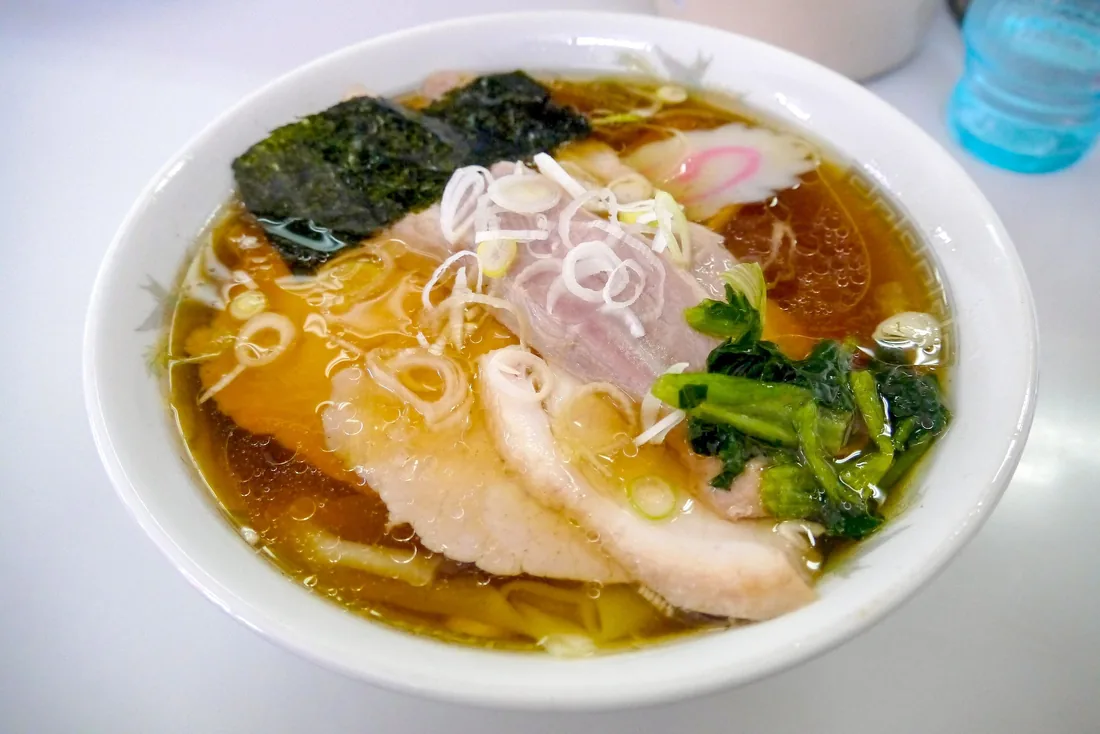
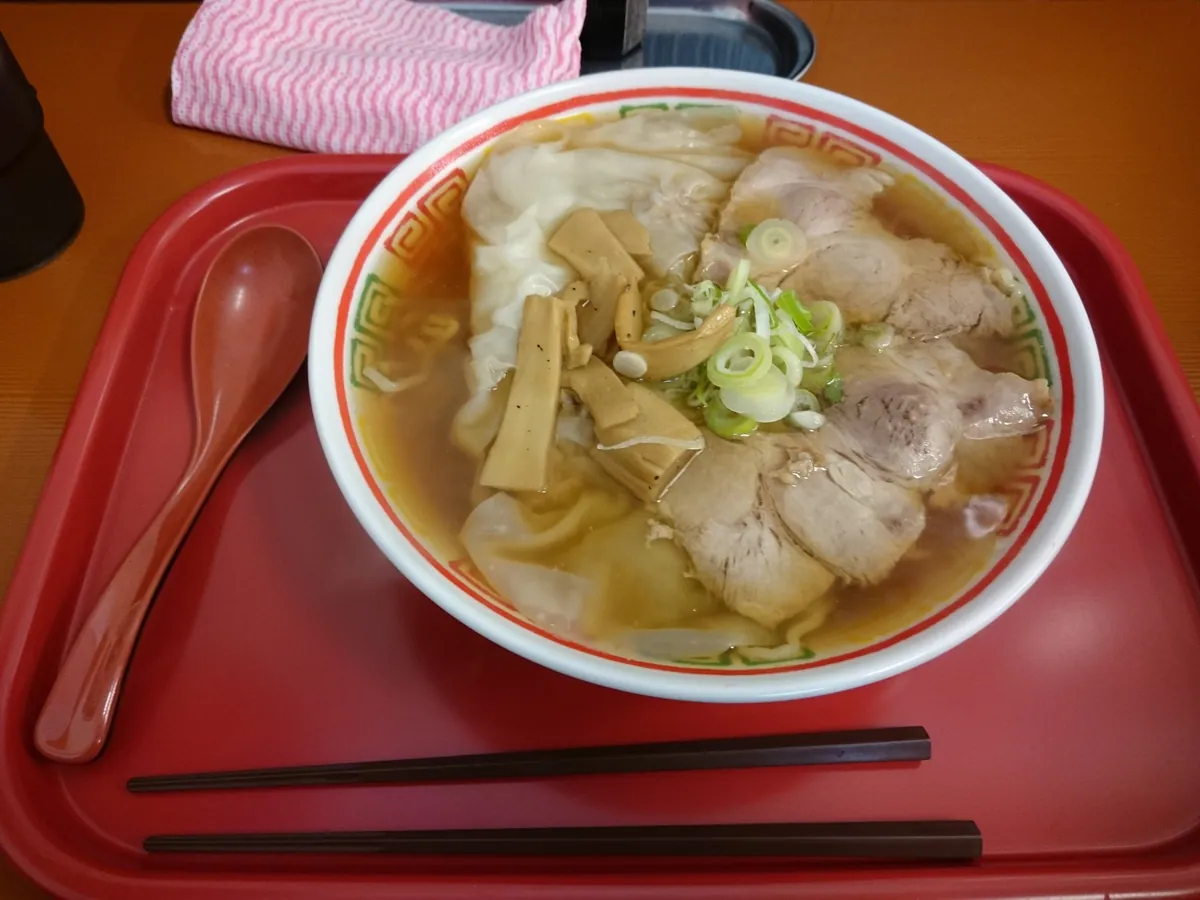
Wontons rolled silk-thin over a light shoyu bowl — Sakata’s post-war classic, served since 1960 at Mangetsu until the soup runs out.
Wonton-men here means noodles in clear broth topped with wontons so thin the skin dissolves, which is a Sakata speciality rather than a Chinese import. Mangetsu has made them since 1960 and the skins are rolled to the point of transparency deliberately.
The one the queue agrees on, the one people who live here use instead, and the one nearest your ship. Opening days change; check before you build a day around one.
Counted from the moment you step off the gangway. The hour before all-aboard is not in this bar; it is already set aside.
15 minutes each way is the honest figure for mangetsu · closed tue, not the optimistic one. If your ship is late, cut the 15 min in the middle. Never cut the hour at the end.
Each of these still lands you back aboard with the hour to spare on a 6-hour stop ashore.
Each one is a finished day we have walked and timed, with this stop in it. Read the route rather than assembling it yourself.
Each of these still lands you back aboard with the hour to spare.
 1 hr 25 min for both
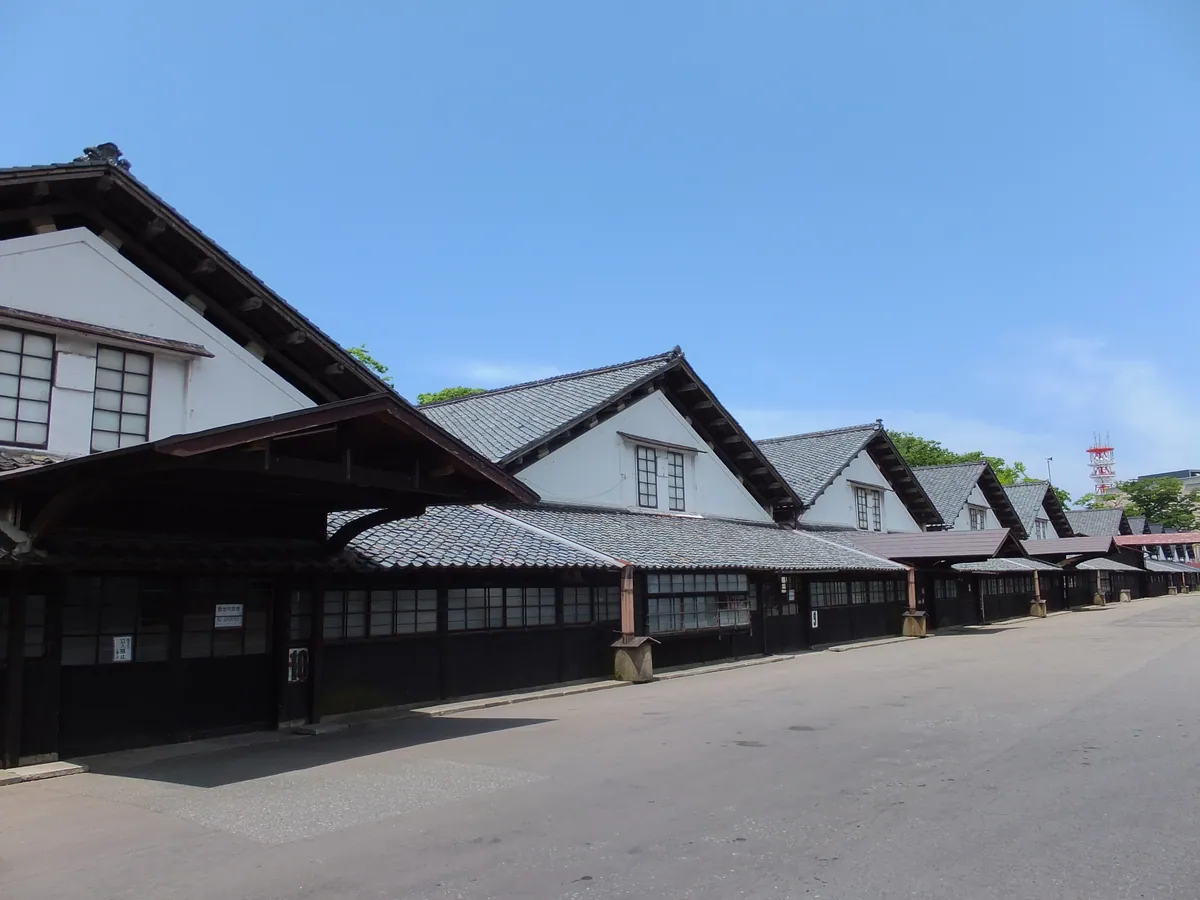
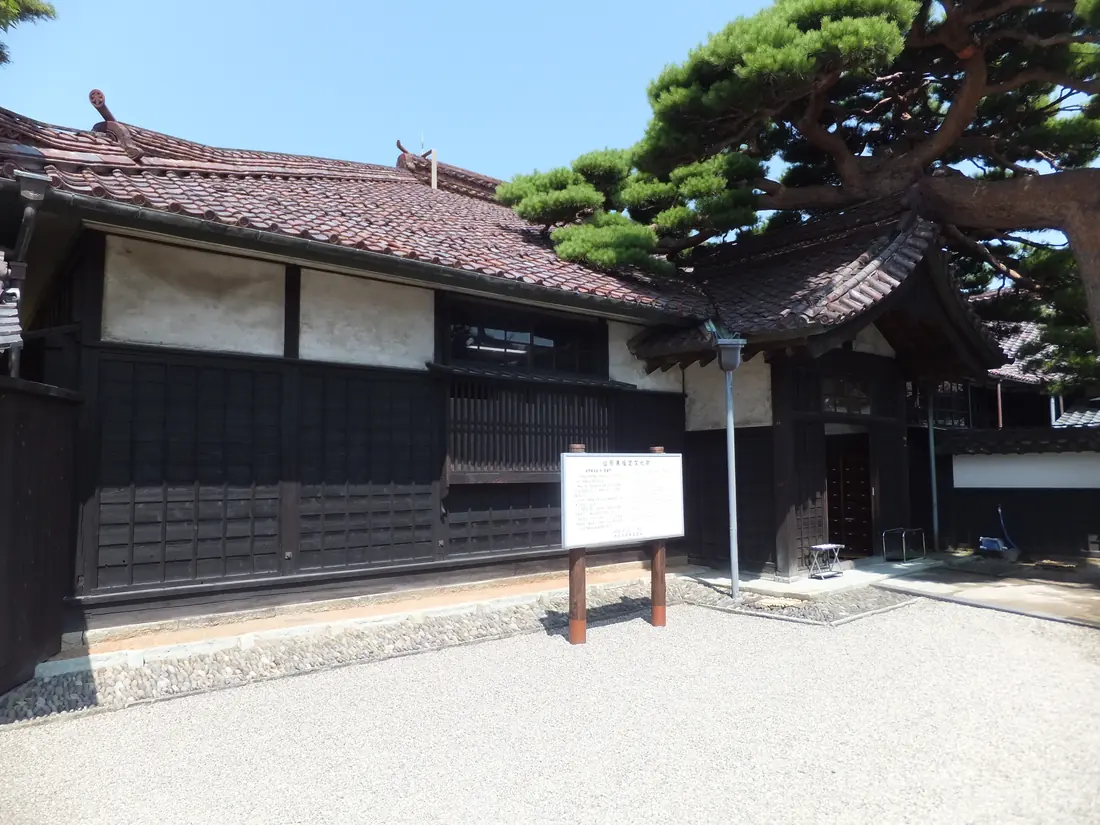
The 1768 residence of the merchant house so rich that farmers sang about them — half samurai-formal, half merchant-practical, and small enough to fit any call..
See the detail →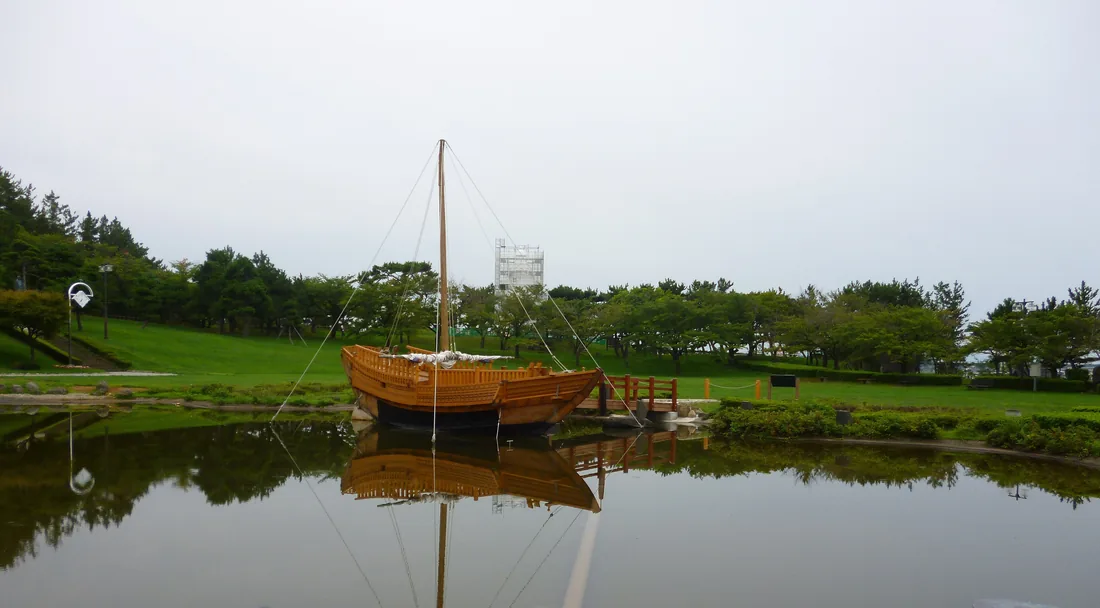 1 hr 25 min for both
Japan’s oldest surviving wooden lighthouse (1895), a half-scale trade-ship replica, and the sunset that made the Sea of Japan run famous..
See the detail → 1 hr 30 min for bothFishermen’s seafood bowls inside the working harbor market — open from seven in the morning, which suits a cruise clock perfectly..
See the detail →No typing needed — jump straight in:
Just docked? — the gangway toolStart from your shipThe ride from every berthAsk the editorGlossary