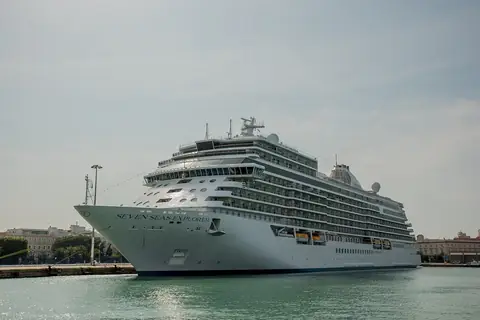
“Tender” is the word that changes a port day. It means the ship cannot, or will not, tie up to a quay: she anchors offshore and her lifeboats, or a local ferry, shuttle you to a landing pier a few hundred at a time. Queues at both ends, a weather risk the captain can call at 6 a.m., and a harder day for anyone with a wheelchair or a bad knee.
Japan is unusually kind on this point. Its cruise ports were built or rebuilt for ships, and the big ones all have quays. But there are exceptions, and a few ports with small-sounding names that passengers wrongly assume are tenders. Here is the list, port by port, from the port authorities’ own facility sheets and our own calls.
The 39 ports on this site: one tender port
We publish a complete guide for every one of our 39 ports, and each guide answers the tender question under “Practical”. The answer is no at 38 of them: Yokohama, Tokyo, Kobe, Osaka, Nagoya, Shimizu, Hiroshima, Fukuoka, Nagasaki, Sasebo, Kagoshima, Beppu, Kochi, Takamatsu, Naha, Ishigaki, Miyakojima, Hakodate, Otaru, Kushiro, Aomori, Akita, Sakata, Niigata, Kanazawa, Fushiki-Toyama, Tsuruga, Maizuru, Sakaiminato, Miyako, Sendai-Shiogama, Omaezaki, and the Korean and Taiwanese calls at Busan, Jeju, Incheon, Sokcho, Yeosu and Keelung all berth ships alongside.
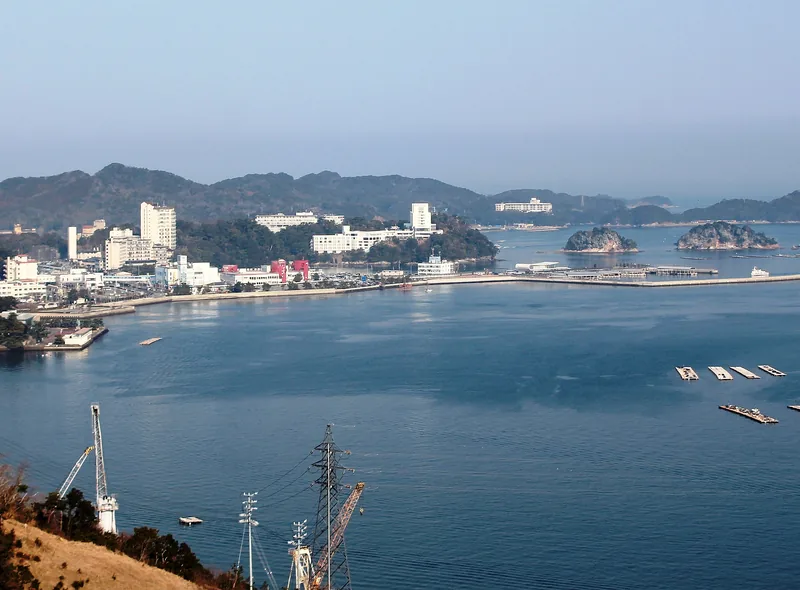
The one yes is Toba: every ship anchors off Toba Marine Terminal and lands passengers by tender at Sadahama; Mitsui Ocean Sakura uses Mikimoto Pearl Island’s own pier. Wind can cancel the tenders, and when it does, the call goes with them — build your Toba day with that in mind, and treat the last tender time as your all-aboard.
Two ports deserve a footnote. At Miyakojima, Hirara Port has a cruise berth and every booked call on the port’s list is alongside, yet Norwegian lists Hirara as a tender port; if you sail on MSC Bellissima or a Norwegian ship, check the daily programme for the word “tender”. At Shimizu, the problem is not a tender but a berth: one listed call uses Okitsu, a container quay you cannot walk out of, where the last shuttle is the real deadline.
Japanese tender ports beyond our list
These are the Japanese calls where tendering is the rule, from official facility sheets:
| Port | Why it tenders | Source |
|---|---|---|
| Shimoda (Izu Peninsula) | The only wharf is 79 m long with 5 m of water; no cruise ship fits. Shizuoka Prefecture’s sheet even marks the tender boats’ turning area. | Shizuoka Pref. port sheet |
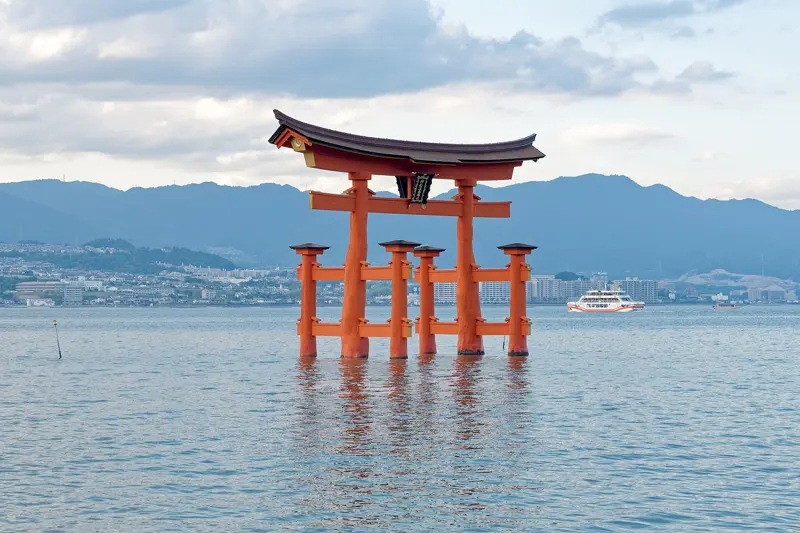
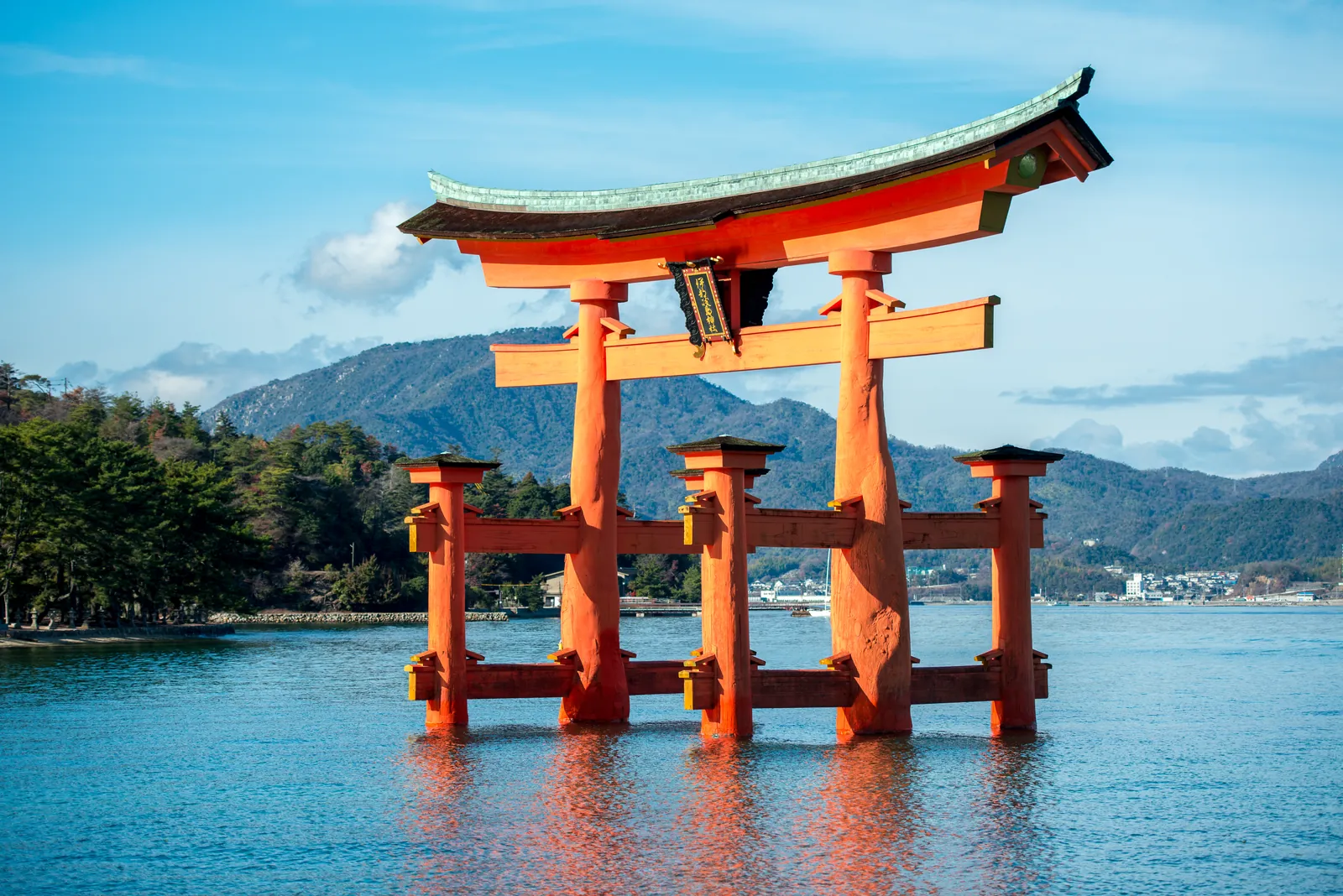
| Miyajima (Itsukushima) | No cruise quay. MLIT’s Chugoku office lists it with Tomonoura, Setoda, Mitarai and Shodoshima among the ports where ships anchor and use small boats. | MLIT Chugoku briefing |
| Izu Oshima, Chichijima (Ogasawara) | Small expedition ships dock (Coral Geographer at Okada, Heritage Adventurer at Futami); larger ships, and Heritage Adventurer at Hinode-hama, land by zodiac. | Tokyo Metropolitan Government press releases |
Most passengers meet Miyajima from Hiroshima, where the ship is alongside at Ujina and the island is a tram and ferry ride, or the fast boat from Hiroshima Port, away.
Ports that sound like tenders but are not
| Port | What is actually there | Source |
|---|---|---|
| Uno (for Naoshima) | A 280 m, 10 m-deep berth; Mitsui Ocean Fuji (32,477 GT) docked in 2025. | MLIT port guide |
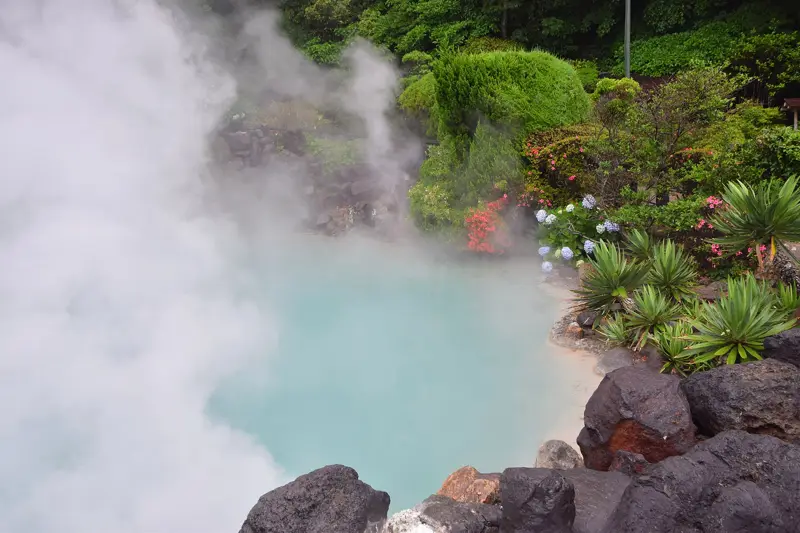
| Beppu | No.4 Pier, 280 m, 10 m deep — MSC Bellissima (171,600 GT), Queen Elizabeth and Diamond Princess have all berthed alongside. | MLIT port guide, our Beppu guide |
| Takamatsu | Alongside at the Sunport quay in the city centre, all 22 calls on Kagawa’s 2026 list. | MLIT, our Takamatsu guide |
| Hitachinaka (Ibaraki Port) | A dedicated wharf (No.4, Hitachinaka district). | MLIT port guide |
| Amami (Naze) | A cruise berth in use since 2004 for ships up to about 90,000 GT; Norwegian marks it “dock or anchor”. | Kagoshima Prefecture |
How to read your own itinerary
- Your line’s port list is the first source. Norwegian publishes a tender-ports list and marks some with an asterisk: “the ship may dock or anchor, varies by call”. Hirara (Miyakojima) appears on it without the asterisk, Ishigaki and Kanazawa with it — even though all three ports have cruise berths. The line decides by ship size and berth availability, not the port.
- The daily programme is the last source. A tender is confirmed or cancelled on the day, by the swell. The programme the night before tells you whether you need a tender ticket and when the last boat runs.
- Budget the first hour and the last. A large ship needs ten or more tender round trips to land everyone; ship-excursion guests go first. Our port plans keep a 60-minute reserve before all-aboard; on a tender day, make it 90, and be at the landing pier before the last tender, not before the ship sails.
Facility figures are from the port authorities’ and MLIT’s own sheets, linked below; the 39-port answers are from our complete guides, each checked against the port’s published schedule. We have not verified Ito, Niijima, Hachijojima or Okinoshima and do not list them. Checked 27 October 2026.
Guided days at the ports in this article
Shared cars with a guide first; each page says who should skip it. Booked through Viator; there is no tour desk at the pier.
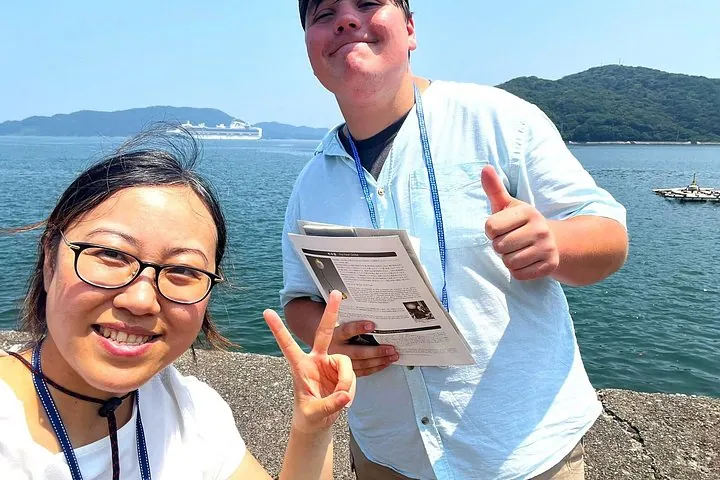 TobaPrivate5.0★ · 4
Mie: Mikimoto Pearl Island and the Birth of Cultured Pearls
A two-hour guided walk on Mikimoto Pearl Island with the museum entry and an ama diving demonstration included…
from US$91 per person · max 6Why it is here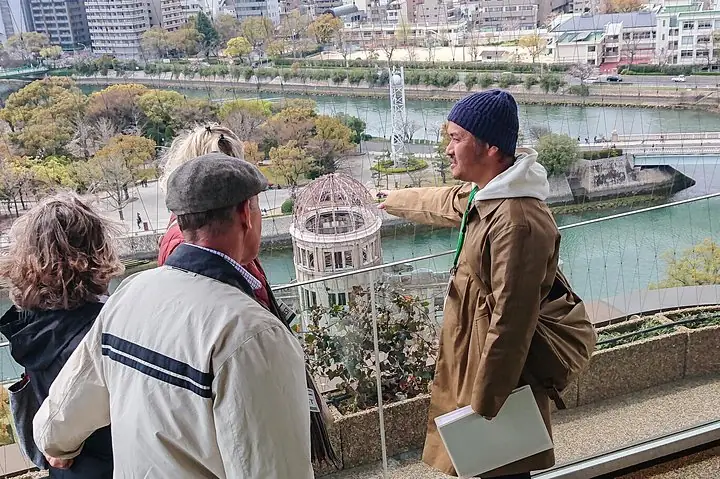 HiroshimaSmall group5.0★ · 1047
Hiroshima Peace (Heiwa) Walking Tour at World Heritage Sites
MagicalTrip's small-group walking tour of the Peace Memorial Museum, the Cenotaph, the Children's Peace Monume…
from US$88 per person · max 7Why it is here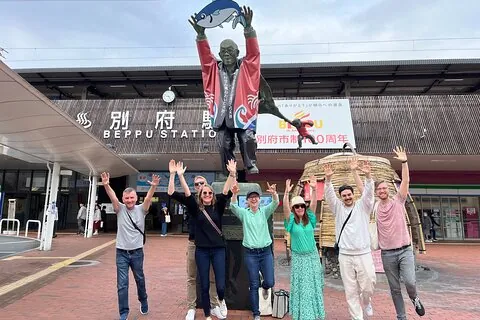 BeppuPrivate car · per person5.0★ · 5
Beppu’s Hidden Gems & Highlights: Exclusive Private Minivan Tour
A private minivan half-day with the hells, a steam-cooked lunch in Kannawa and the Bamboo Crafts Center, with …
from US$292 per person · max 8Why it is hereIf you book, we may earn a small commission at no extra cost to you. It never decides what we recommend.