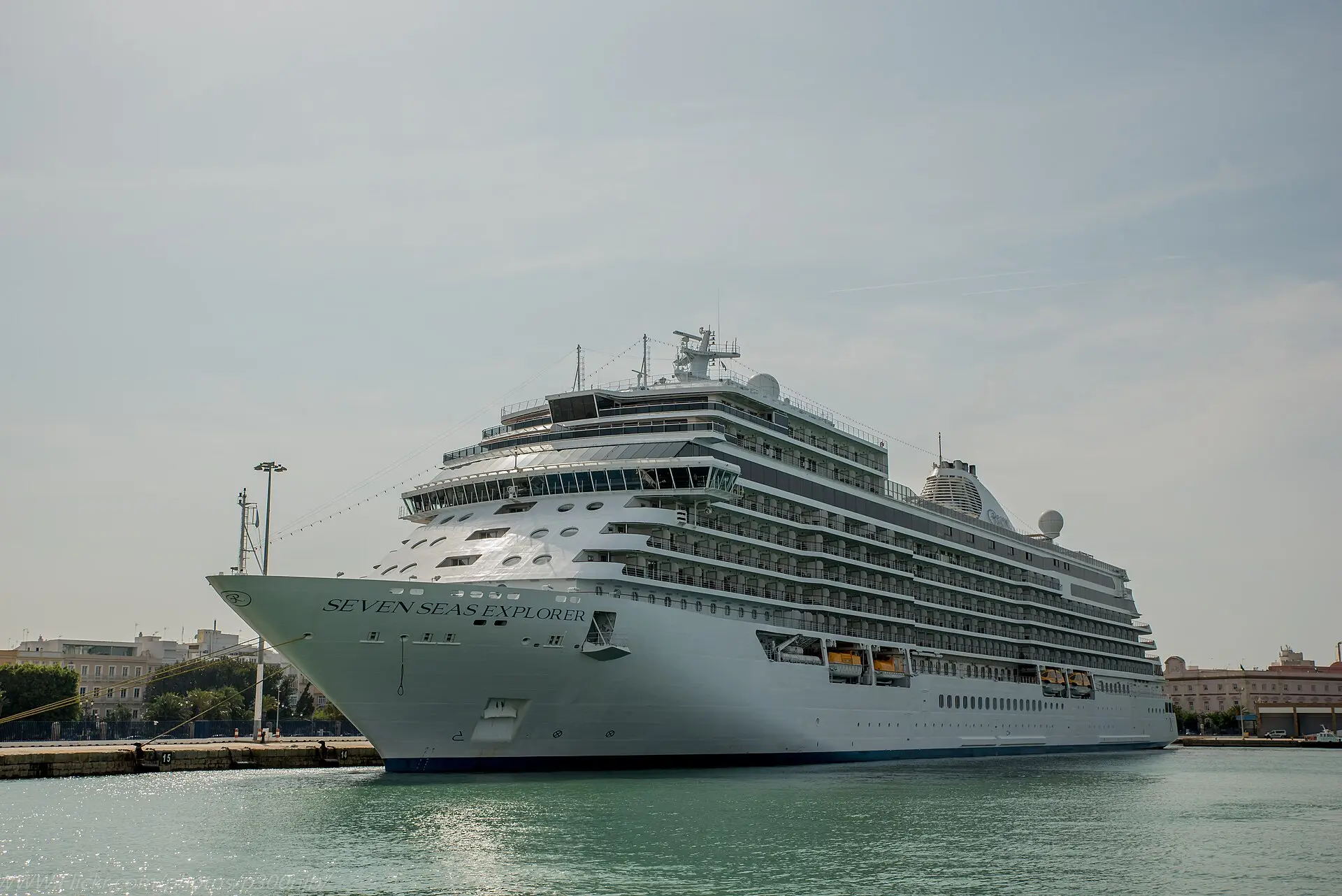
Three of the searches that reach this site again and again are versions of the same question: small ship cruise Japan 2026. It deserves a straight answer, because the small-ship decision matters more in Japan than almost anywhere else — and not for the reasons the brochures give.
The honest case for small ships in Japan
It is not the champagne. It is the berth.
Japan’s ports decide your day by where they put your ship, and the near berth goes to the small ship. The pattern repeats up and down the coast:
- Sasebo: most ships, even the biggest, use central Miura Wharf, five minutes from the arcade. A second ship goes across the bay to Uragashira, with a free 20-minute water bus to town. A small ship is less likely to be the one sent across.
- Sakaiminato: the Showa quays by the fish market take mostly expedition ships, or a second ship on a busy day; even 30,000-ton luxury ships usually use Yumeminato Terminal, 6km out.
- Hakodate: the biggest ships and second ships go to Minato-cho, 6km out; the rest use Wakamatsu, three minutes from the Morning Market.
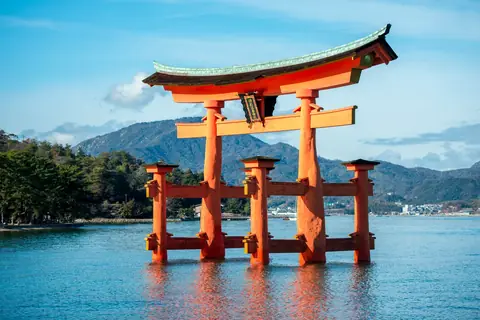
A small ship also unlocks ports that barely see large hulls at all — Takamatsu with its garden and udon, Uno for the art islands, Miyajima by scenic anchorage. On this coast, size is access.
Who actually sails, 2026–27
Viking — the volume player of the segment: repeated Japan itineraries with long calls and overnights, strong on the Sea of Japan side (Kanazawa, Sakaiminato).
Silversea — luxury expedition-adjacent itineraries that reach the small ports; among the few lines calling at Fukuoka and Sasebo with tonnage that fits the near berth.
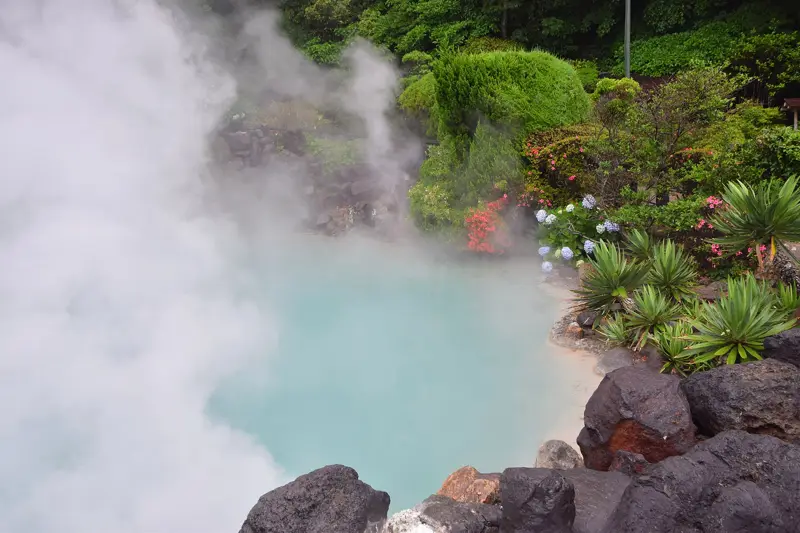
Seabourn — Encore’s Japan runs lean on the Inland Sea, where a small ship belongs; Beppu and Takamatsu feature.
Regent Seven Seas — all-inclusive with the excursion problem pre-solved; Explorer’s Japan itineraries cover the main loop with the small-port extras.
Windstar — the newest entrant, and demand has run ahead of supply: departures were added after early sailings sold through. Its newest ship, Star Seeker, carries about 224 guests, which fits everywhere.
Mitsui Ocean Cruises — Japan’s own answer: Fuji (the former Seabourn Odyssey) and the new Sakura (in service since 19 September 2026) run short domestic voyages year-round, sold internationally through select agents. The soul of the product is Japanese — that is the appeal.
Azamara is sailing its first autumn Japan season now: Azamara Pursuit, September and October 2026. It gets the small-ship berths, such as Niigata’s West Port and the Kaiwo Berth at Shinminato in Toyama.
Who should not pay the premium
If your shortlist is Yokohama, Kobe, Osaka and Nagasaki, save the money: those ports berth the biggest ships centrally, and our guides work identically off any gangway. The small-ship premium buys access — to near berths in split-berth ports and to small ports entirely. Buy it for that, or not at all.
The full ship-by-ship breakdowns, with every covered port linked to its timed plans, live on the ships page.
Guided days at the ports in this article
Shared cars with a guide first; each page says who should skip it. Booked through Viator; there is no tour desk at the pier.
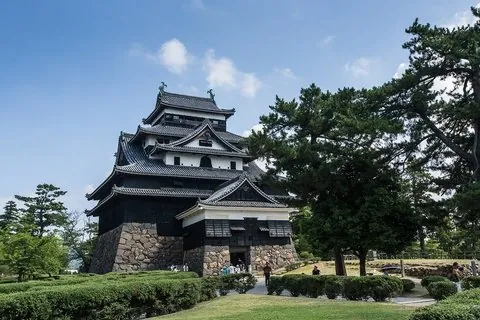 SakaiminatoShared car · per person5.0★ · 4
Sakaiminato Semi Private Tour for Cruise Passengers
A five-hour small-group run from the cruise terminal to Matsue Castle and the Adachi Museum of Art, with both …
from US$220 per person · max 15Why it is here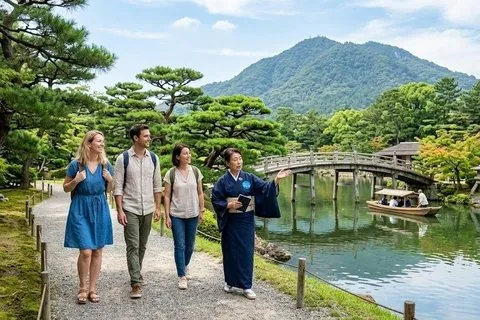 TakamatsuPrivate5.0★ · 6
Takamatsu Customized Private Tour in 1 Day with Licensed Guide
A six-hour private walking tour of Takamatsu with a government-licensed guide, choosing three or four sights f…
from US$152 per person · max 10Why it is here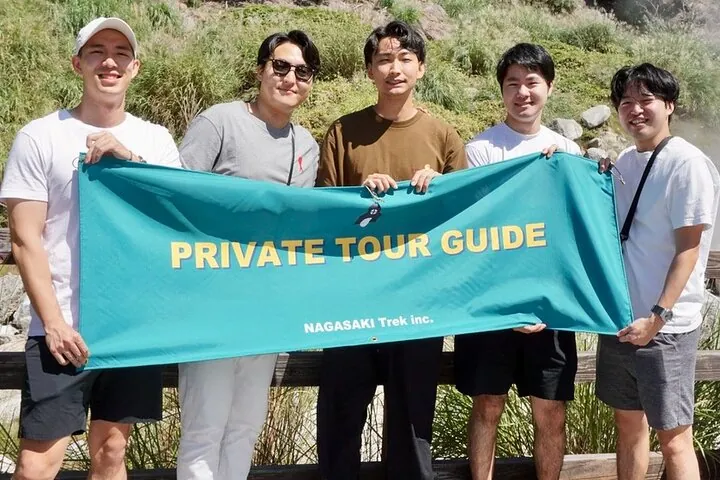 SaseboPrivate car · per person5.0★ · 1
Nagasaki Private Tour by Car from Sasebo Port
A private car from Sasebo port to Nagasaki and back, six or eight hours, with the Atomic Bomb Museum, Peace Pa…
from US$320 per person · max 6Why it is hereIf you book, we may earn a small commission at no extra cost to you. It never decides what we recommend.