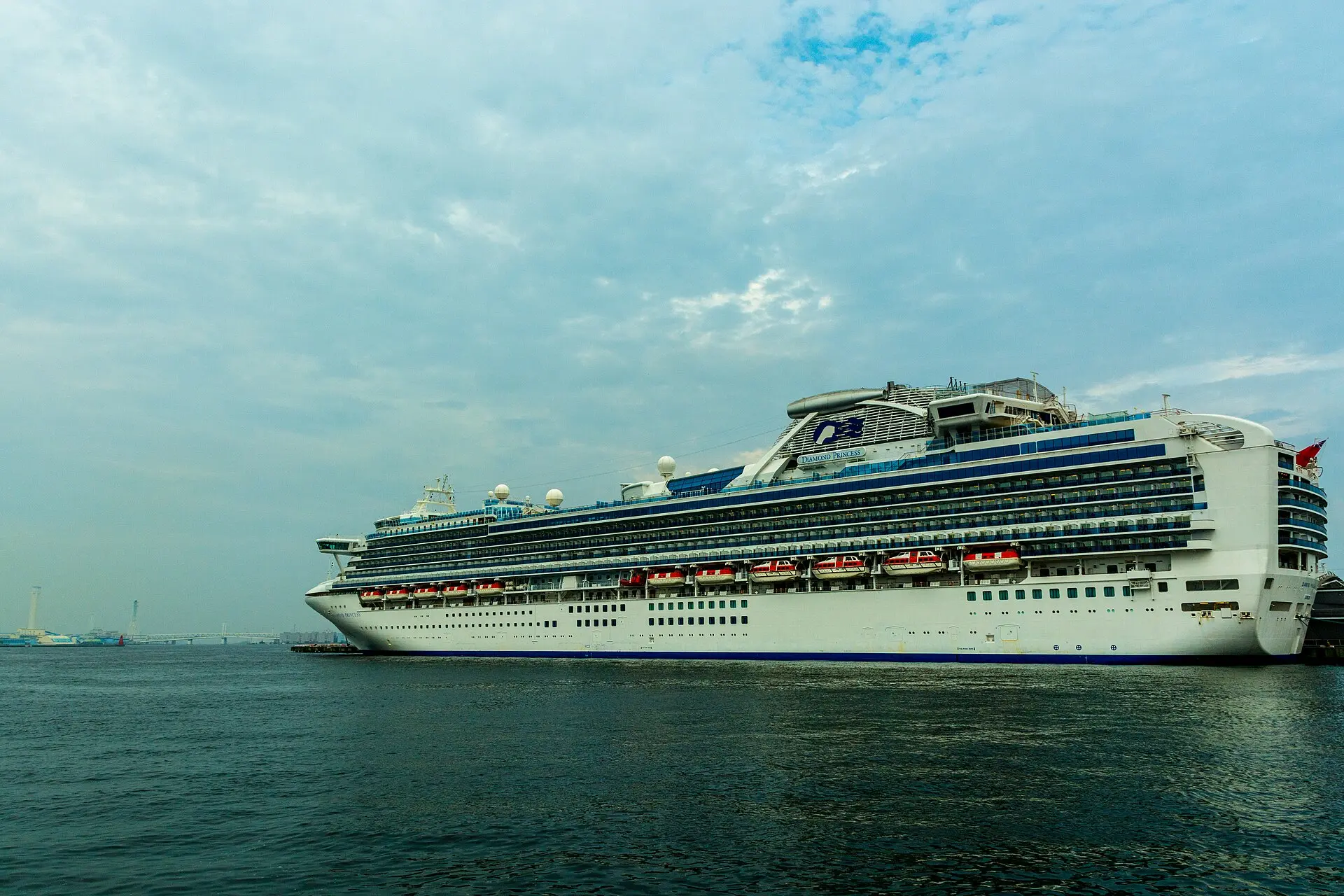
This is the page we most hoped we would not need to write, because the stakes are unlike anything else on this site: bring the wrong pill bottle to Japan and the problem is not a missed bus — it is a legal one. Cruise passengers aged 55–75 are the most-medicated travellers afloat, and no cruise line hands out this information. So here it is, from the Ministry of Health, Labour and Welfare’s own pages, checked in August 2026.
One honest line before we start: we are a port guide, not your lawyer or your doctor. The official sources are linked throughout — for anything that matters, confirm against them and your physician.
The absolute no-list
Amphetamine-based ADHD medication — Adderall, Dexedrine — cannot enter Japan at all. The Ministry’s English page says it plainly: such medicines “cannot be imported into Japan, even for treatment purposes.” A prescription does not help. A doctor’s letter does not help. There is no permit. If someone in your party takes Adderall, this needs solving with their doctor months before the cruise, not at the terminal.
Also effectively off-limits for travellers:
- Pseudoephedrine decongestants (US-style Sudafed, some Vicks inhalers): formulations above 10% pseudoephedrine are treated as stimulant raw materials — no traveller permit path. Buy a Japanese equivalent (Pabron, from any drugstore) instead of packing yours.
- Medical cannabis, and CBD in practice — see the FAQ above. Since December 2024, even use of cannabis is a crime in Japan.
The permission-required list
- Vyvanse (lisdexamfetamine) is not banned but is classed as a stimulant raw material: advance permission from a regional Narcotics Control Department is mandatory, and carrying it without one is an offence.
- Opioid painkillers — codeine above 1% concentration, oxycodone, morphine — need a narcotics carry permit: application plus a doctor’s certificate (issued within 3 months) and photos of the packaging, filed at least 14 days before arrival. Official guide: ncd.mhlw.go.jp/en/application2.html.
What needs no paperwork at all
For most cruisers, the honest news is good. Without any permit you may bring:
| Category | Free allowance |
|---|---|
| Prescription drugs | Up to 1 month’s supply |
| Injectables (pre-filled only) | Up to 1 month — insulin pens and EpiPens are fine; vial-and-syringe is not |
| Over-the-counter medicines | Up to 2 months’ supply |
| External-use items (creams, drops) | Up to 24 units per product |
| Common psychotropics | Within the official limits — e.g. Ambien 300mg total, Xanax 72mg, Valium 1.2g, Ativan 90mg (full official table, PDF) |
Above those quantities — say, a 3-month supply for a long cruise plus land stay — you apply online for an Import Confirmation (輸入確認), the system that replaced the paper “Yakkan Shoumei” in February 2023: official English portal → application system. File at least two to three weeks before you fly; the narcotics permit’s official minimum is 14 days.
The three habits that keep everything simple
- Original packaging, always — the pharmacy bottle with your name on the label, never a pill organiser as the only container.
- Carry the prescription copy (or a doctor’s letter listing drug names and doses). Above the psychotropic limits, a doctor’s certificate is an official requirement, not a courtesy.
- Count your days honestly — cruise plus pre-stay plus post-stay. A 12-night cruise with a week of land travel can cross the one-month line with one refill.
The cruise-specific wrinkle
Your medications enter Japan when you do — at your first Japanese port’s immigration inspection, where customs declarations happen too. Everything above applies at that gangway, not just at airports. And if your itinerary dips into Korea and returns, the allowances do not reset — this is about what you carry, not how many stamps you collect.
Primary sources: MHLW — Bringing medicines for personal use · Narcotics Control Department English guide · official psychotropics limit table (PDF). Verified August 2026; rules change — check the official pages when you book.
Guided days at the ports in this article
Shared cars with a guide first; each page says who should skip it. Booked through Viator; there is no tour desk at the pier.
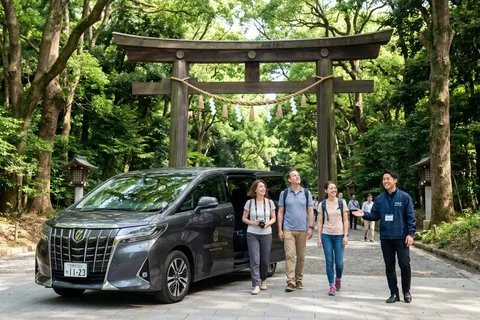 YokohamaPrivate car · per person5.0★ · 38
Tokyo in 1 Day from Yokohama by Car with Licensed Guide
A private car day in Tokyo with a licensed guide, choosing three or four sights from a long list, starting fro…
from US$482 per person · max 7Why it is here →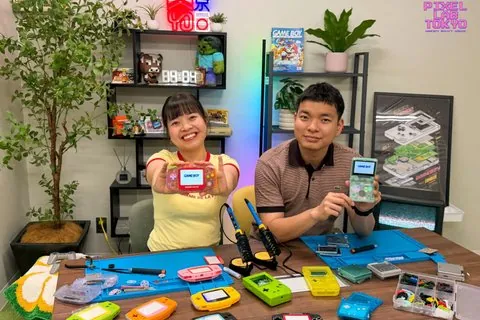 TokyoSmall group5.0★ · 202
Pixel Lab Tokyo: Gameboy Mod Workshop (Classic/Advance/SP)
A three-hour workshop building and customising your own Game Boy, Classic, Advance or SP, to take home.
from US$350 per person · max 8Why it is here →If you book, we may earn a small commission at no extra cost to you. It never decides what we recommend.