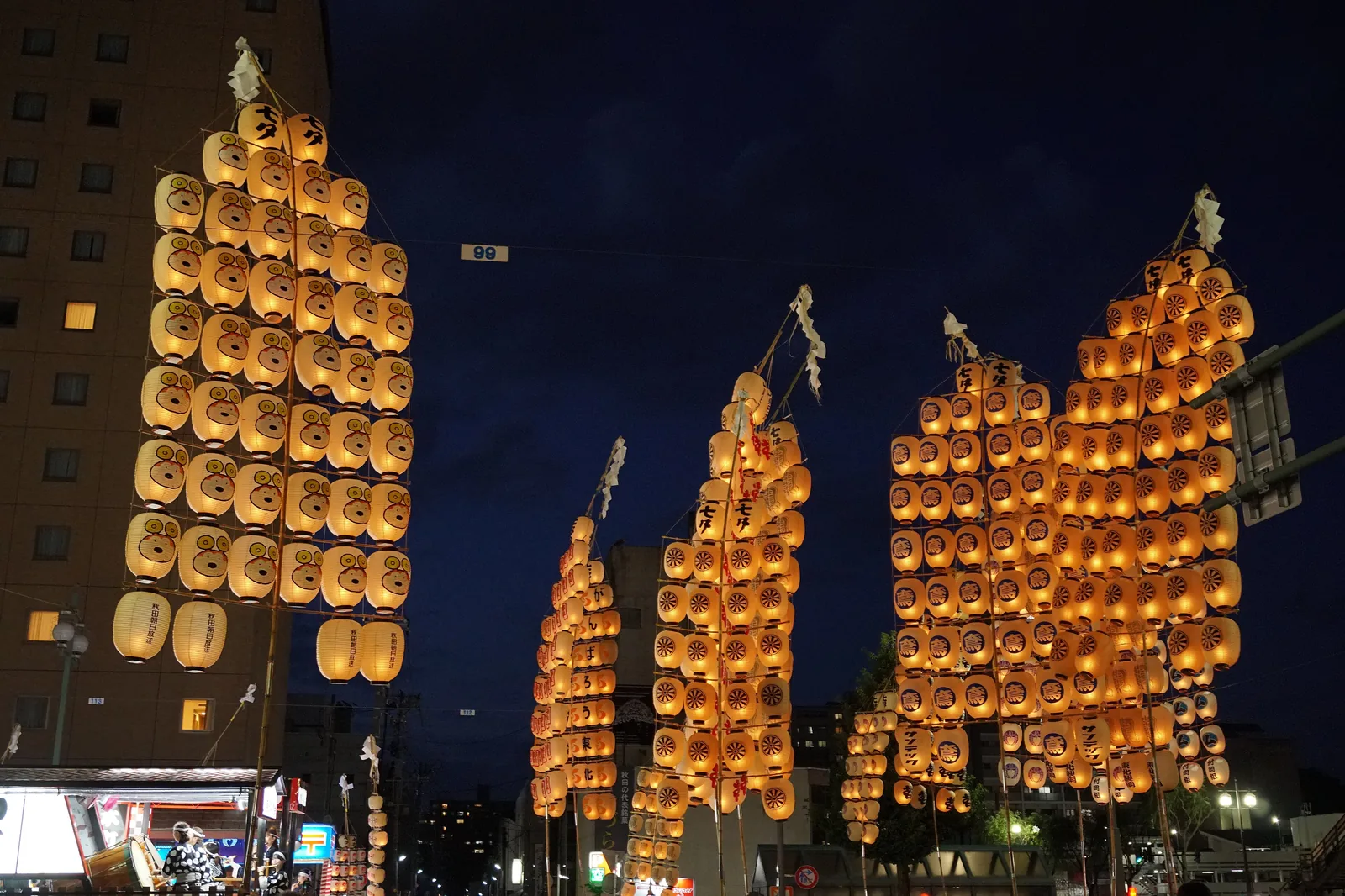
Cruise lines sell you a route. They do not sell you a date, because the date is set by the ship’s deployment, and the deployment is set by weather at sea rather than by what is happening ashore.
That gap is where a lot of disappointment lives. Aomori in early August is one of the great spectacles on earth. Aomori in mid-June is a pleasant northern town with a good market. Same port, same guide, entirely different day.
Here is what each of the ports we cover is actually doing, month by month.
The short version
If you are choosing between sailings and everything else is equal:
October is the best month for a Japan itinerary as a whole. Clear air for Fuji, comfortable walking in every port, autumn colour inland, typhoon season easing, and the Busan film festival running for ten days.
May is the close second. Dry, mild, long daylight, the Tokyo sumo tournament, and Sanja Matsuri in Asakusa on the third weekend.
August is the trap. It is peak cruise season because of school holidays, and it is also peak humidity. The two great Tohoku festivals are worth it. Nothing else in August is improved by the heat.
Winter is not empty. It is where the food is.
Spring: March to May
March is a gamble everywhere — the official bloom dates, port by port quantify exactly how much of one. The cherry blossom date moves by a week or more each year and no cruise line will refund you for a bloom that came early. What March does reliably deliver is the last of the crab on the Sea of Japan coast and the first sakura ebi run in Suruga Bay off Shimizu.
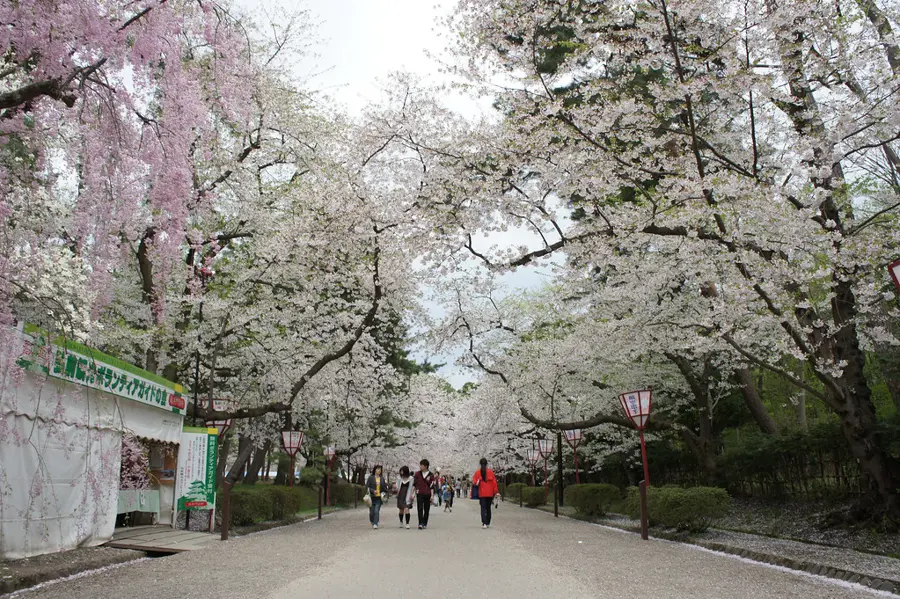
April is when the north earns its keep. Tokyo has finished; Hirosaki near Aomori and Kakunodate near Akita are still going, weeks later, and Kakunodate’s four hundred weeping cherries over black samurai walls is a better photograph than anything in Tokyo because there are a tenth as many people in front of it.
May is simply the best walking month in Japan, from Hokkaido to Kyushu. It is dry, it is mild, and the light lasts. It is also when Kanazawa’s samurai and geisha districts are at their most pleasant, when Beppu pairs best with Yufuin, and when Tokyo runs a sumo tournament at Ryogoku.
Summer: June to August
June is the rainy season across most of the country, and this is where the port you drew matters enormously.
Beppu is essentially rain-proof — you cook lunch in a steam vent and get buried in hot sand, and neither is affected by weather. Keelung’s night market is covered. Yokohama does Chinatown, the Red Brick Warehouse and a hotel lunch entirely under roof. Sakaiminato’s covered arcade stretch and museum sit together, one shuttle ride from the ship.
Kanazawa in June is a wet garden a long way from the pier, and Miho no Matsubara without Fuji is thirty thousand pines and a grey sky.
July builds toward the festivals. Float sheds open around Aomori as neighbourhood teams race the deadline; Kanto pole practice starts in the Akita streets.
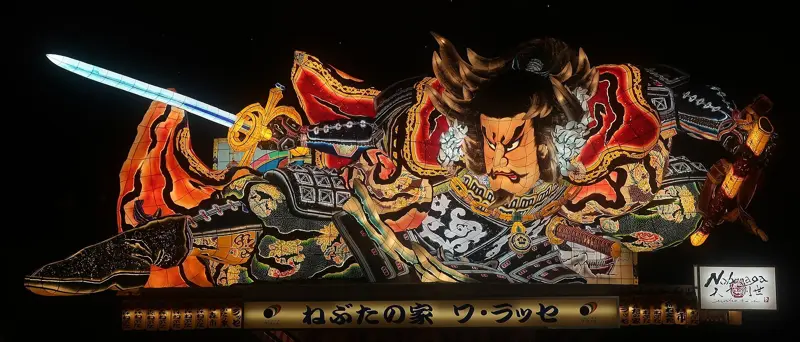
And then early August is the one week that justifies planning a whole cruise around it. Nebuta runs 2–7 August in Aomori. Kanto runs 3–6 August in Akita. Neither date has ever moved. Lines schedule late stays for both, and both are the kind of thing you tell people about for twenty years.
The rest of August is hot. Naha is at peak beach season and peak domestic tourism at once. Hiroshima marks 6 August. Typhoon watch begins.
Autumn: September to November
September is the typhoon peak, particularly for Kyushu, Okinawa and Taiwan. Ships genuinely reroute. Check your itinerary rather than assuming, and treat a September Naha or Keelung call as provisional.
What September also brings is the Tokyo sumo tournament, fifteen days at Ryogoku, and the first Tsugaru apples in Aomori.
October is the best single month on this coast. Everything works. Fuji starts to appear from Shimizu again as the haze lifts. Kagoshima gets its clearest volcano views. Busan runs the film festival. Sakaiminato and Kanazawa are pleasant, and about to become delicious.
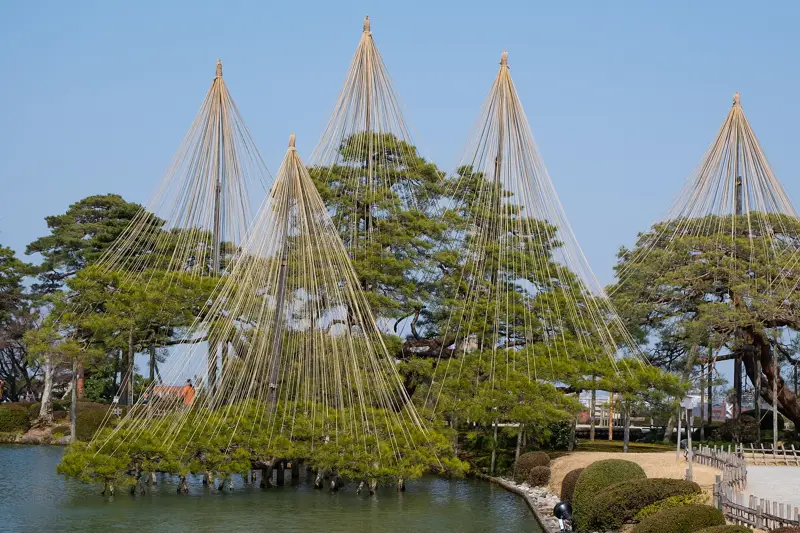
November is the sleeper month. Crab season opens in early November and reorganises the entire economy of Kanazawa and Sakaiminato for five months. On 1 November, Kenroku-en’s gardeners begin rigging yukitsuri — conical arrays of rope hung from central poles to hold the pines against wet snow — and a hundred trees under rope cones against a grey Kanazawa sky is one of the most striking things in Japan. November elsewhere: the ginkgo avenues turn gold in Tokyo, the maples peak at Sankeien in Yokohama, and cold air makes the steam visible over the whole of Beppu.
Winter: December to February
Most of Japan stops taking ships. This is a genuine shame, and here is what you are missing.
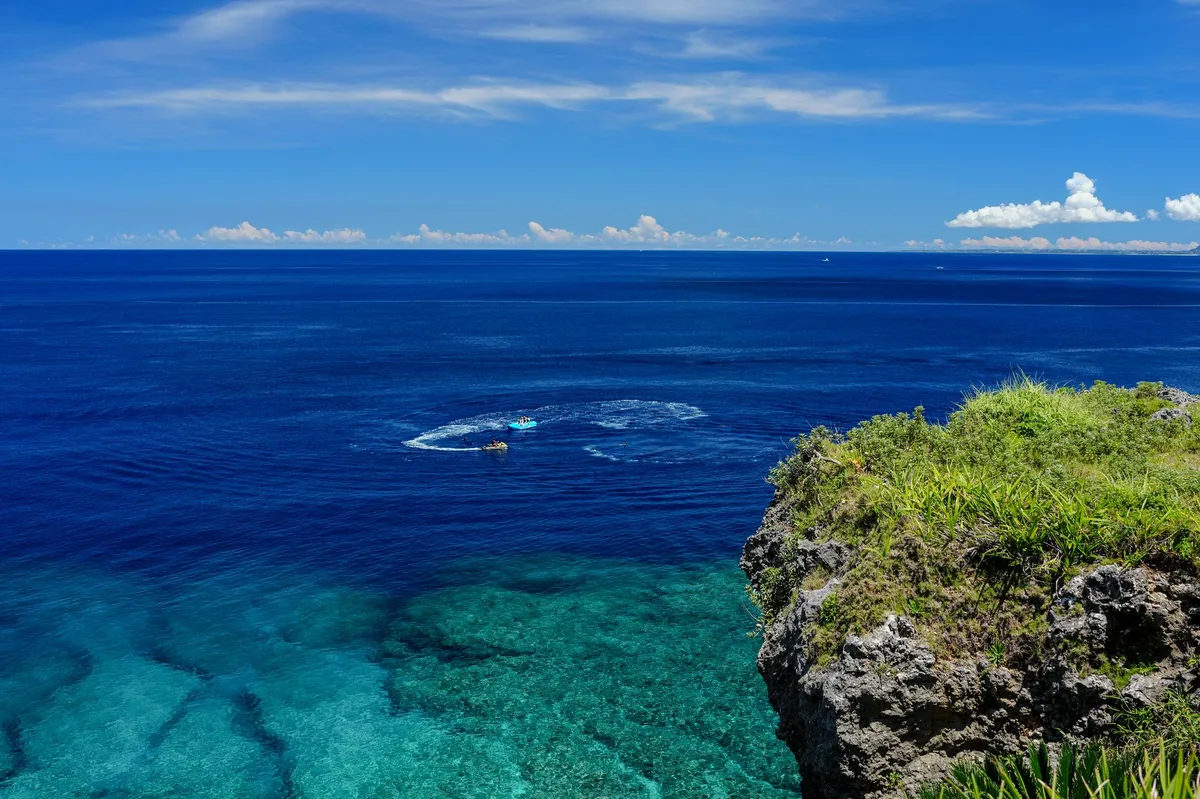
Naha is the only Japanese port with a full winter season. Around 17–19°C in January and February, dry and clear, with Japan’s first cherry blossom opening in late January — months before the mainland.
Kyushu barely freezes. Beppu and Kagoshima are mild, and a hot spring makes far more sense in cold air than it does in August.
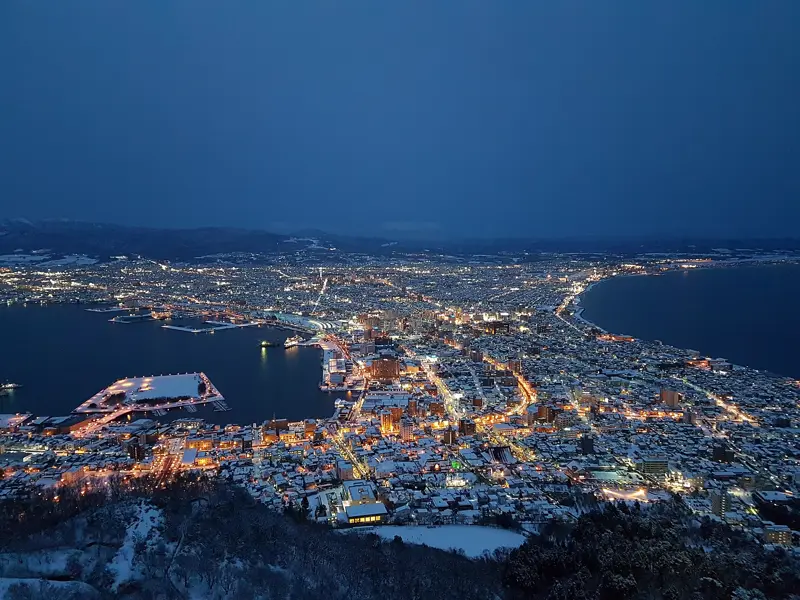
The food is at its peak everywhere else. Hakodate’s squid and uni, Kanazawa’s crab and nodoguro, Sakaiminato’s matsuba-gani, Aomori’s scallops. Winter is when the Sea of Japan is cold and rough and shallow — bad for fishermen, excellent for fish.
And Japan’s clearest air of the year is in January and February. If you ever get a winter call at Shimizu, you have the best odds anyone gets of seeing Mount Fuji.
The one rule that survives every month
Do not order out-of-season crab. A November-to-March city will cheerfully sell you a July crab, it will be frozen or imported, and you will conclude that the port is overrated.
Order what the month is actually good at. Every port guide on this site carries its own month-by-month calendar for exactly this reason — the ports change under the itinerary, and the itinerary will never tell you.
Guided days at the ports in this article
Shared cars with a guide first; each page says who should skip it. Booked through Viator; there is no tour desk at the pier.
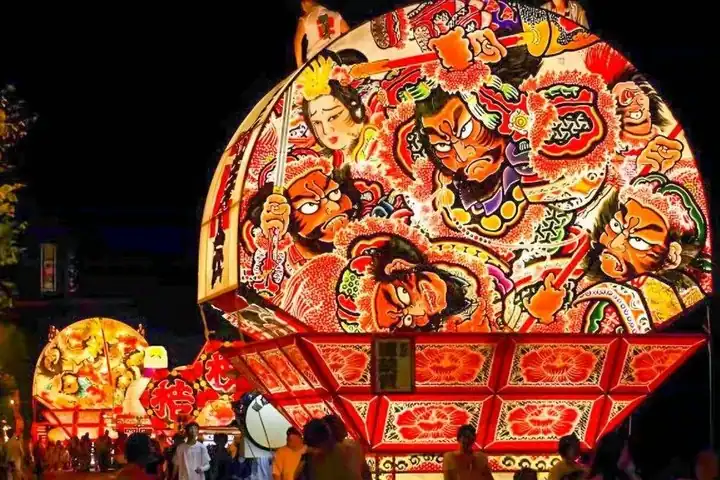 AomoriPrivate car · per person5.0★ · 13
Aomori: Private Custom Tour with Local Guide
A private day with an English-speaking local guide: the Nebuta floats at Wa Rasse, Yoshitomo Nara's dog at the…
from US$194 per person · max 15Why it is here →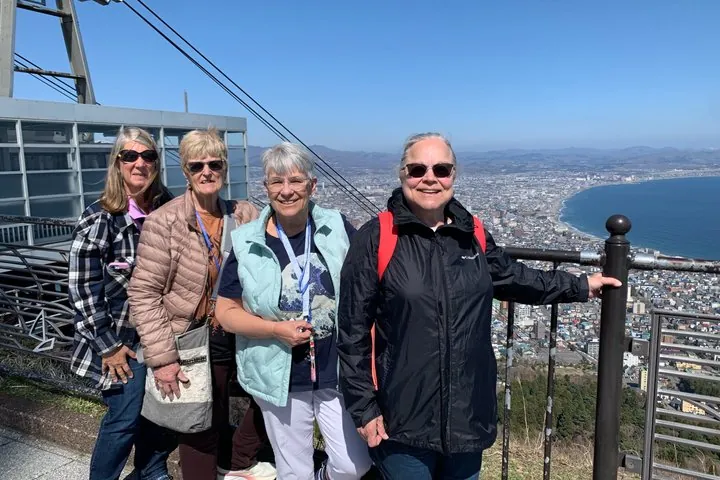 HakodatePrivate4.9★ · 27
Hakodate Customized Private Tour in 1 Day with Licensed Guide
A private walking day in Hakodate with a government-licensed English-speaking guide from Japan Guide Agency, c…
from US$220 per person · max 10Why it is here →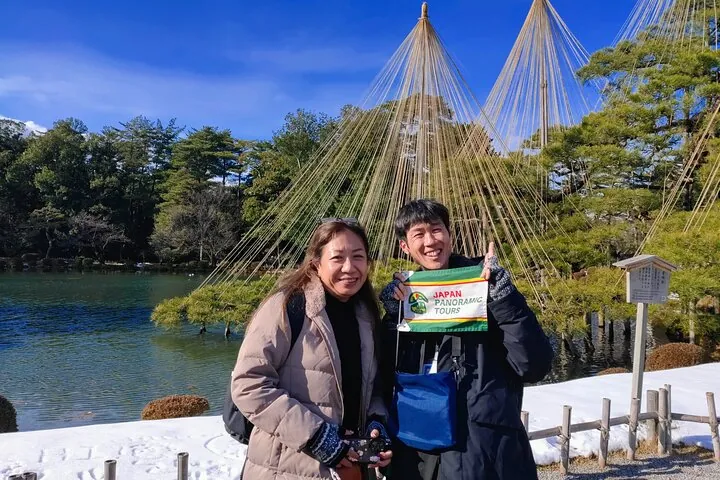 KanazawaShared car · per person5.0★ · 384
Kanazawa Highlights: Garden, Castle, Samurai & Geisha+Taxi
A three-hour small-group walk with an English-speaking guide through Kenrokuen, the castle grounds, the Nagama…
from US$56 per person · max 15Why it is here →If you book, we may earn a small commission at no extra cost to you. It never decides what we recommend.