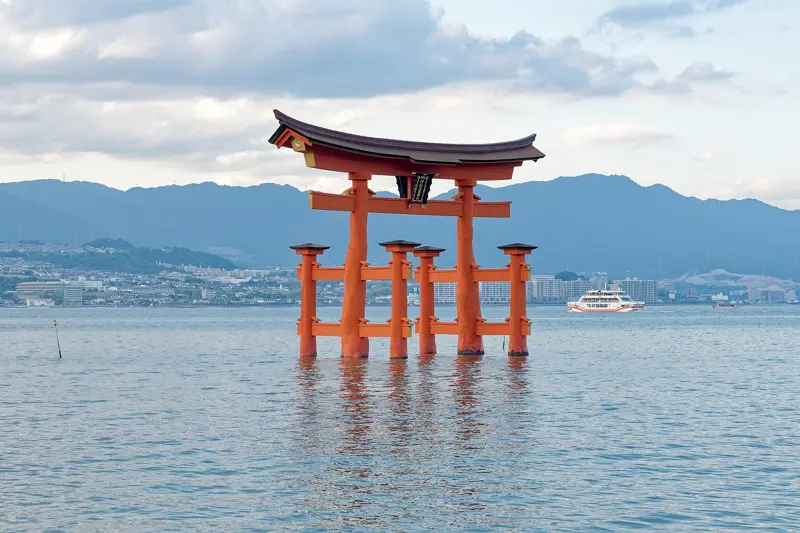
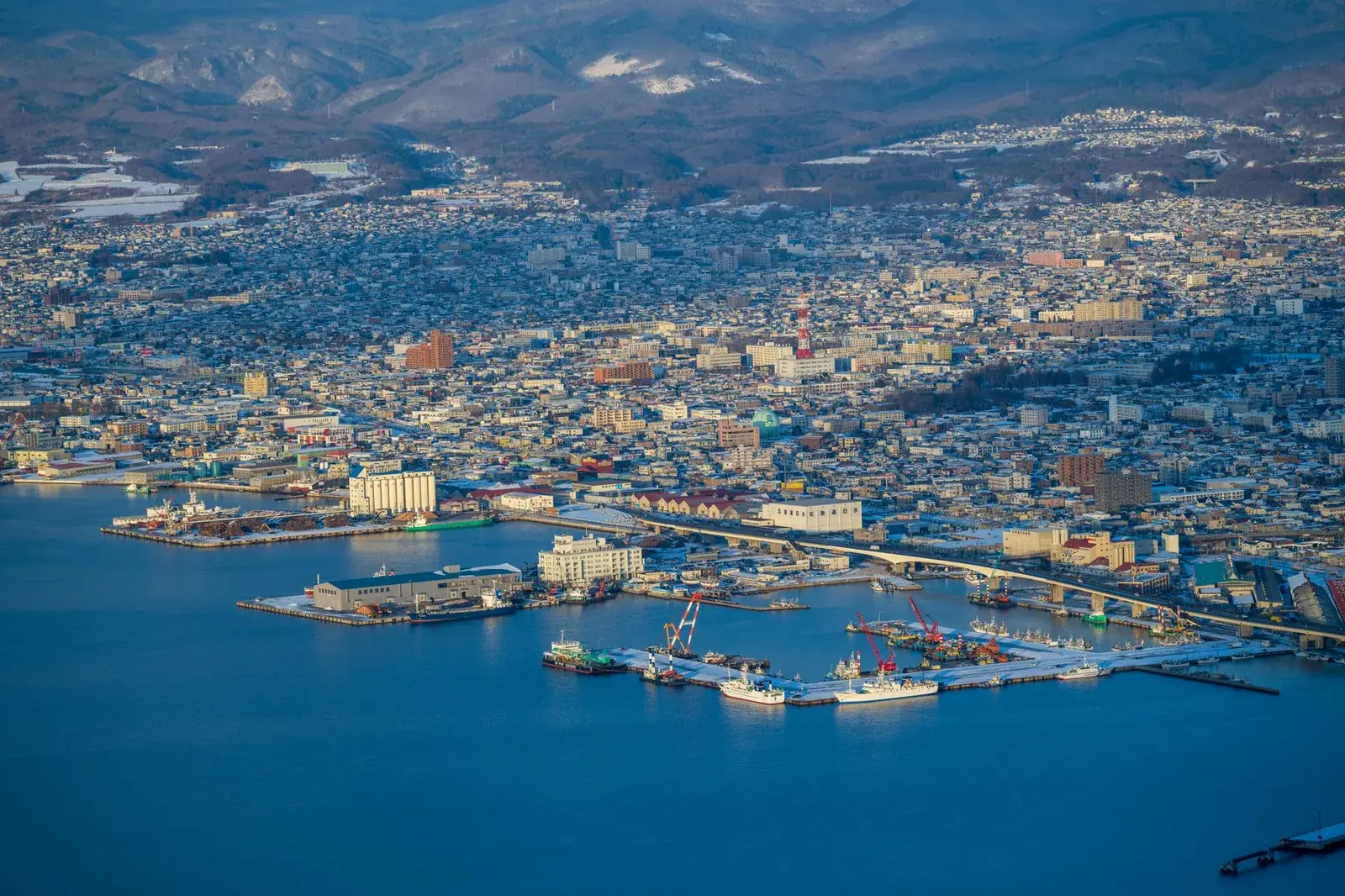
Put any two Japan cruise brochures side by side and they blur into the same photos of torii gates. But underneath, almost every itinerary is one of four patterns — and the right one for you depends on what you care about most. We counted every 2026 call at 30+ ports from the official schedules, pulled the JMA’s 30-year typhoon data and Fuji City’s 35-year visibility record, and turned it into a decision you can make in one minute.
Start with what you care about
Loop 1 — The Yokohama Circle (the workhorse)
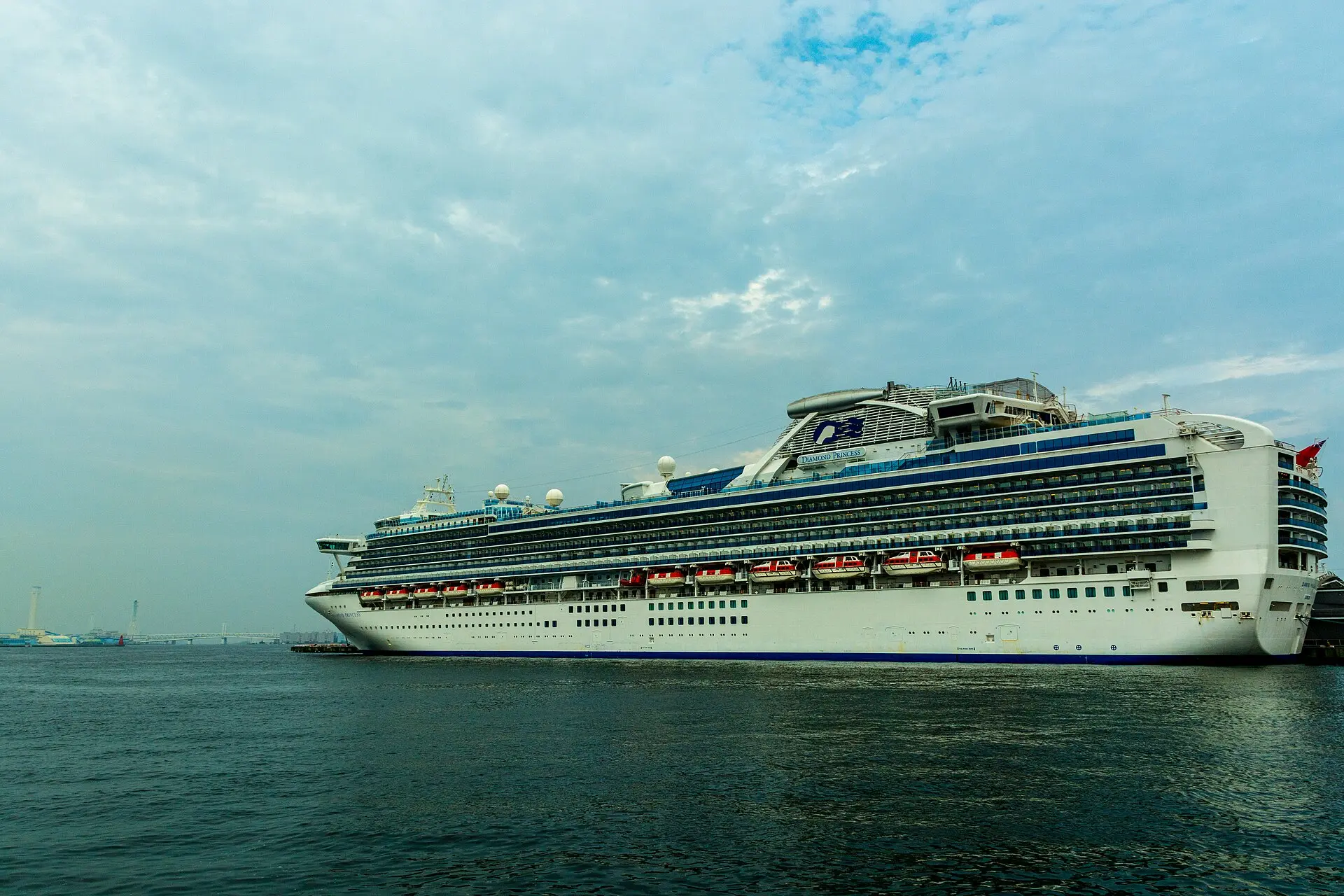
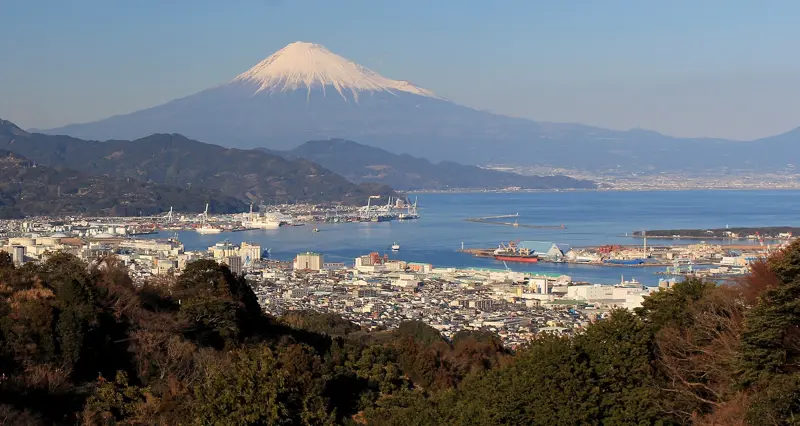
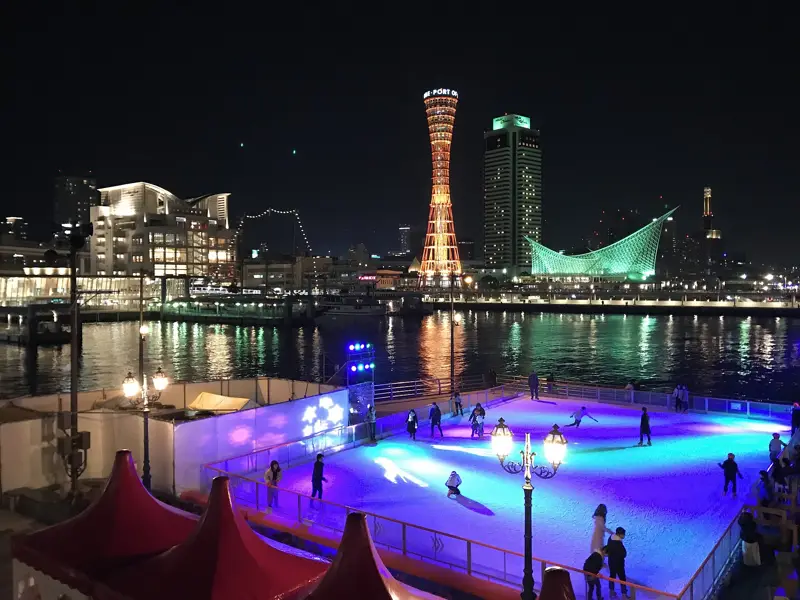
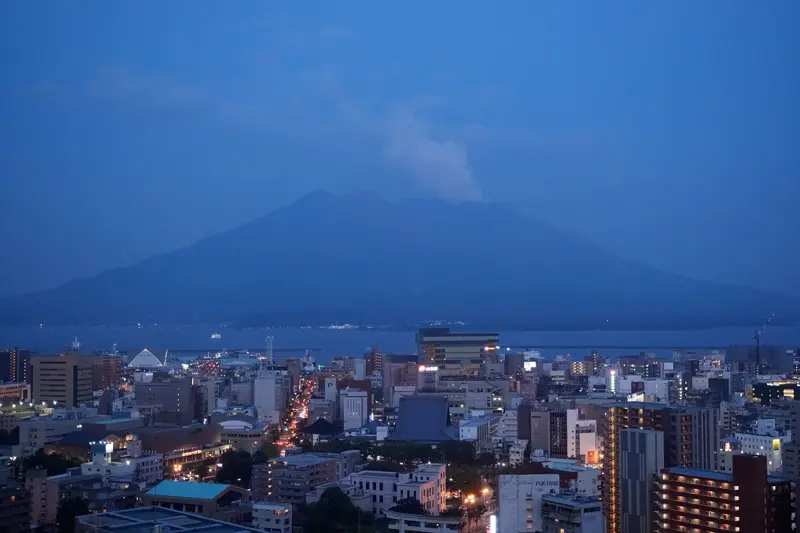
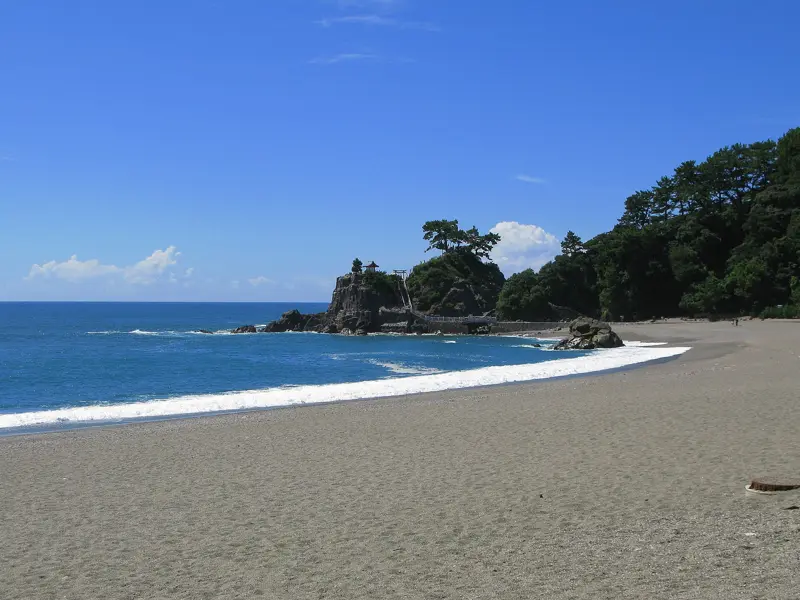
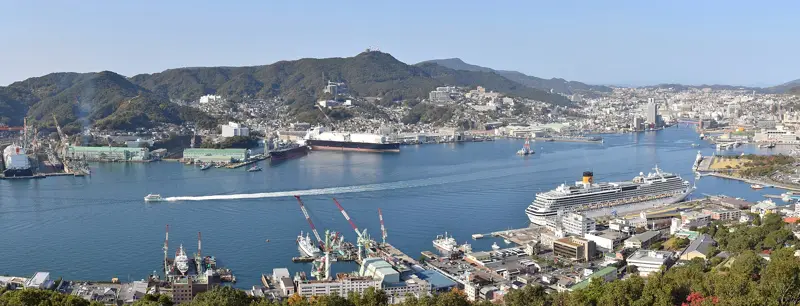
Nine to twelve nights, roundtrip from Yokohama. South along the Pacific to Shimizu (your Mt. Fuji day), the Inland Sea cluster — Kobe/Osaka, Kochi, often Hiroshima — then Kyushu’s Kagoshima and Nagasaki, with Busan as the Korea call. Diamond Princess runs this in dozens of variations all year — the official schedules show her calling Nagasaki 23 times, Kochi 14 and Shimizu 13 in 2026, with 23 Yokohama turnarounds. Every ship on this circuit, port by port →
Plan for: one big booked day (Kyoto from Kobe, or the Hiroshima double-header), walking ports elsewhere. Festival versions add late-night stays — grab those sailings early.
Loop 2 — The Tokyo 12-Night (the overnight pattern)
Celebrity Millennium’s signature: Tokyo or Yokohama roundtrip with a built-in overnight in Kobe or Osaka. That overnight is the whole strategy — it exists so you can do Kyoto properly. The rest of the loop mirrors the workhorse.
Plan for: decide your Kyoto day first; everything else is supporting cast. Our budget-strategy piece makes the full argument.
Loop 3 — The Autumn Northern Run
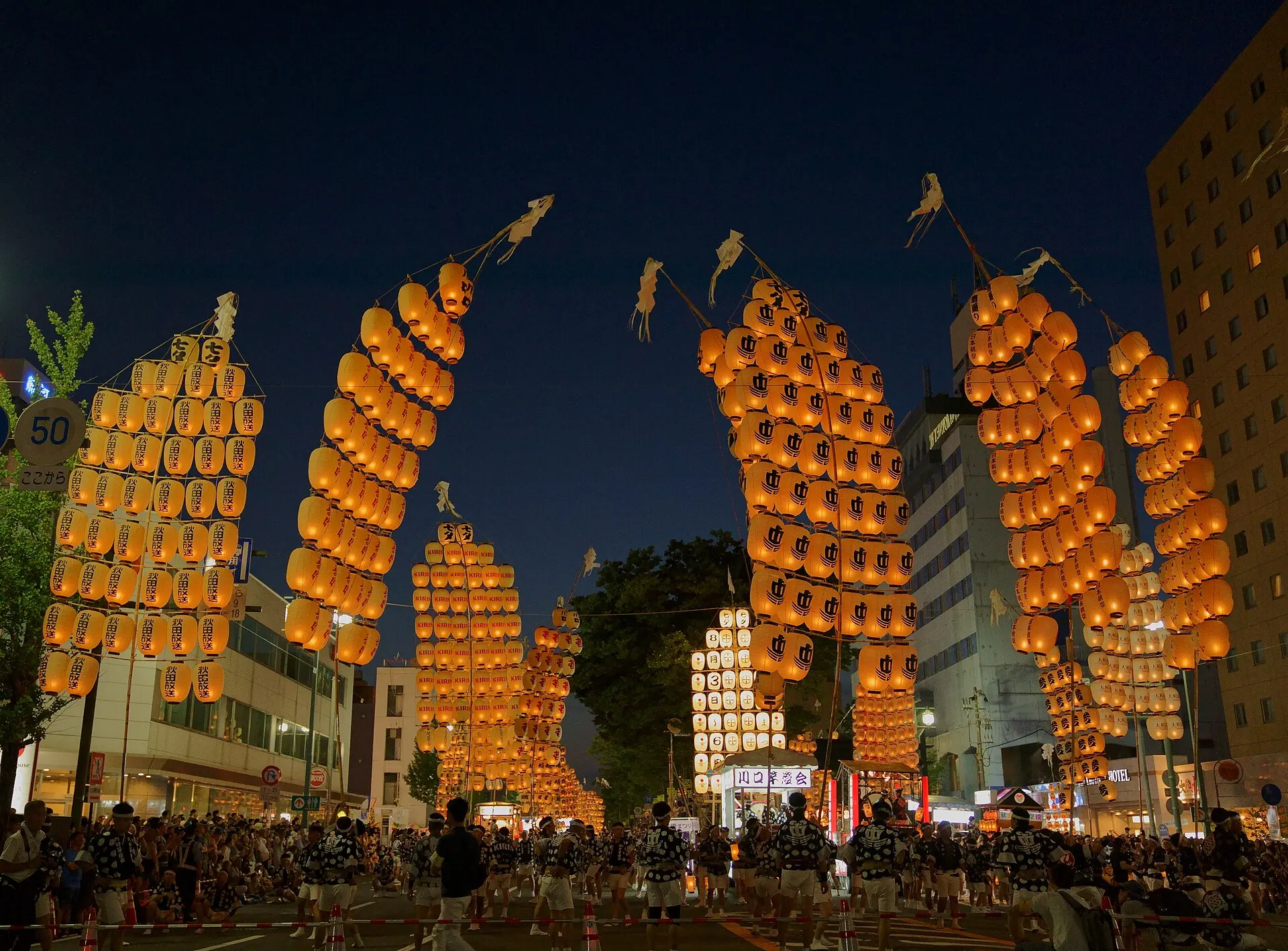
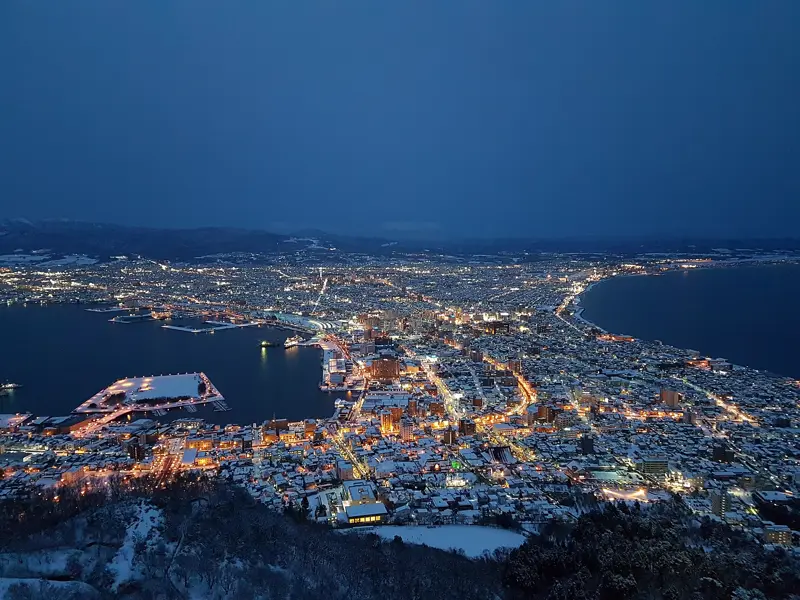
October onward, ships pivot north: Hakodate, Aomori, Akita, Kanazawa, Sakaiminato, mixed with the southern classics. Norwegian Jade owns this pattern in 2026 — the schedules show her sweeping Akita, Aomori, Hakodate, Kanazawa and Sakata through October–November — often as one-ways between Tokyo and Seoul. The typhoon math also favors this loop: these coasts see 1.9–3 approaches a year against Okinawa’s 7.7.
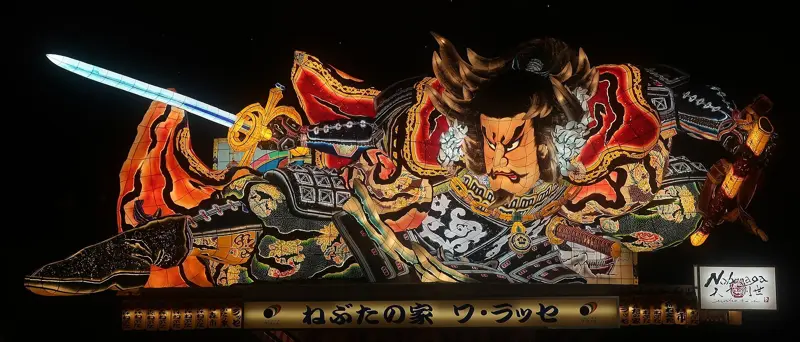
Plan for: Aomori and Hakodate are true walking ports from their near berths — the Nebuta museum sits on Aomori’s waterfront, Hakodate clusters around its station (check which berth you get). Akita and Kanazawa are shuttle ports. Save tour money for Kakunodate’s samurai streets out of Akita. Bonus: autumn has the year’s clearest Mt. Fuji odds for your Shimizu day.
Loop 4 — The One-Way Repositioning
Hong Kong to Tokyo, Tokyo to Seoul, Singapore onward — longer, stranger, and often the best value per day. Viking’s Far Eastern Horizons is the luxury version, with overnights in Shimizu and Hiroshima that day-callers can only envy; Keelung (Taipei) joins as the Taiwan call.
Plan for: flights in and out of different countries — price them before booking. And if your ship overnights anywhere, plan that port like a two-day trip, because it is one.
Whichever loop is yours, the arithmetic never changes: know your hours, know what’s a walk, and be back aboard 60 minutes early. Start from your ship’s page — we’ve decoded each one.