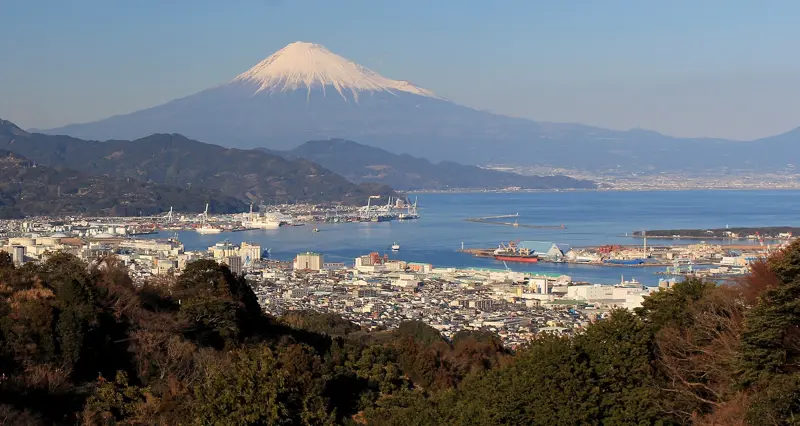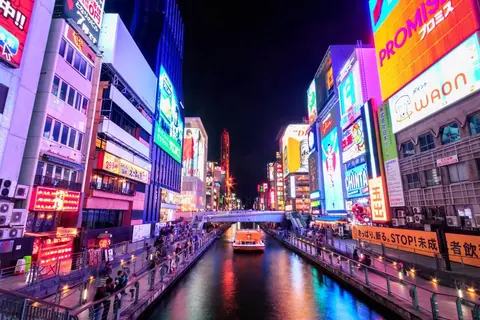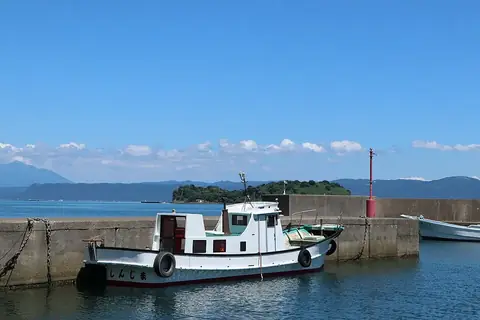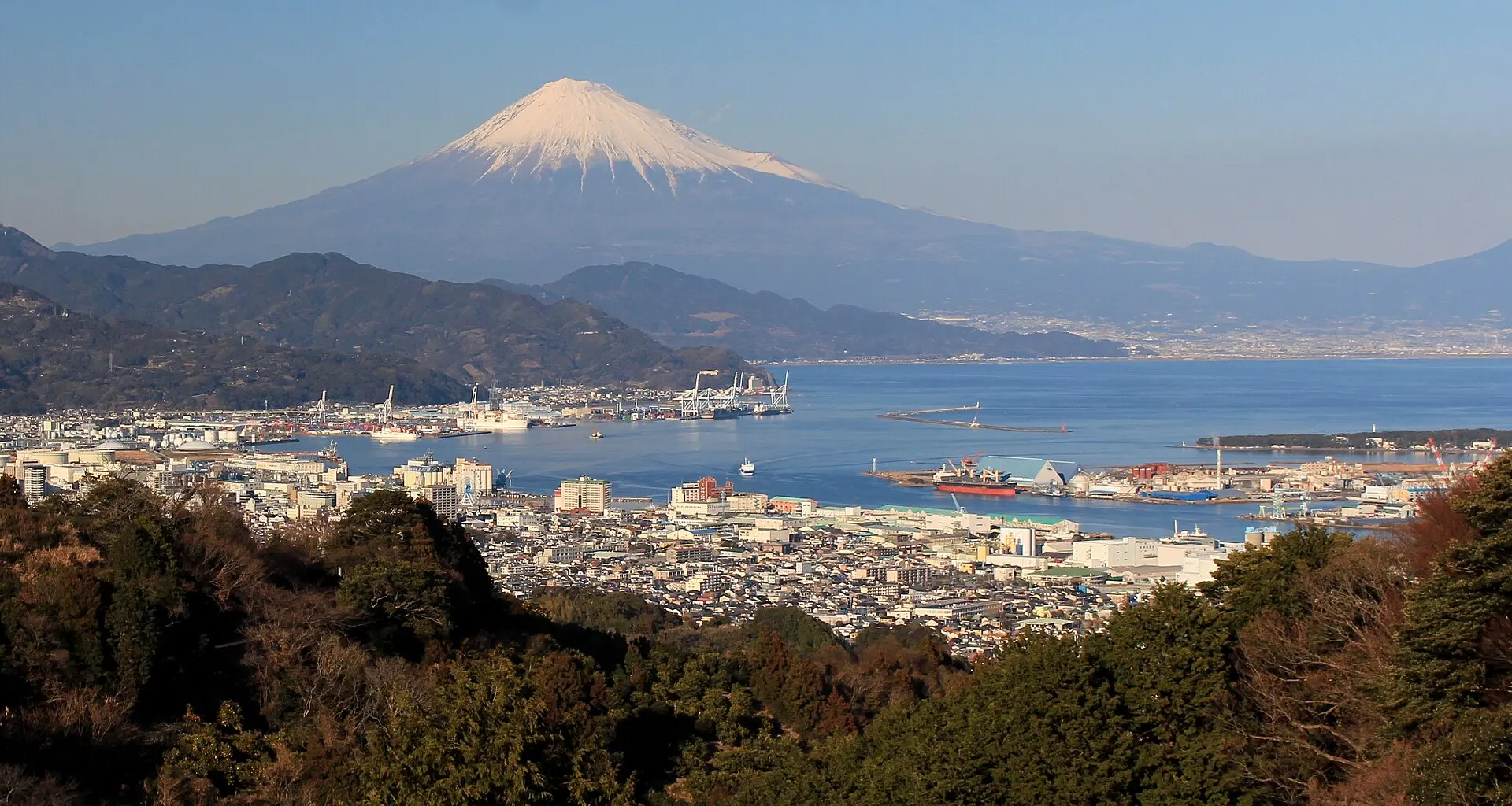
One Regent passenger put it perfectly after their Japan cruise: the Mt. Fuji excursion showed them less of the mountain than their own balcony had that morning. Fuji is not an attraction you book — it is weather, and nobody at the cruise line will tell you the odds.
The odds exist. Fuji City has recorded the mountain’s visibility at 8am, noon and 4pm every day since May 1990 — thirty-five years of data, published by the city itself. This is what it says, and what to do about it.
The month decides everything
From the most recent annual report (8am observations): the mountain was fully visible 136 days, partly visible 95, invisible 134 — a coin flip across the year. But the coin is heavily weighted by season:
| Season | The record says |
|---|---|
| November–February | The golden window. February peaks at ~22 fully-visible days — cold, dry air scrubs the sky |
| March–May | Spring haze thins the odds even on “sunny” days |
| June | The floor: as few as 2 fully-visible days in the record year |
| July–August | Marginally better than June, still poor — humidity is the enemy |
| September–October | Recovering, typhoons permitting; late October turns genuinely good |
If you are still choosing a sailing and Fuji matters to you, this table is the choice: a winter or late-autumn itinerary roughly triples your odds versus midsummer.
The hour matters almost as much
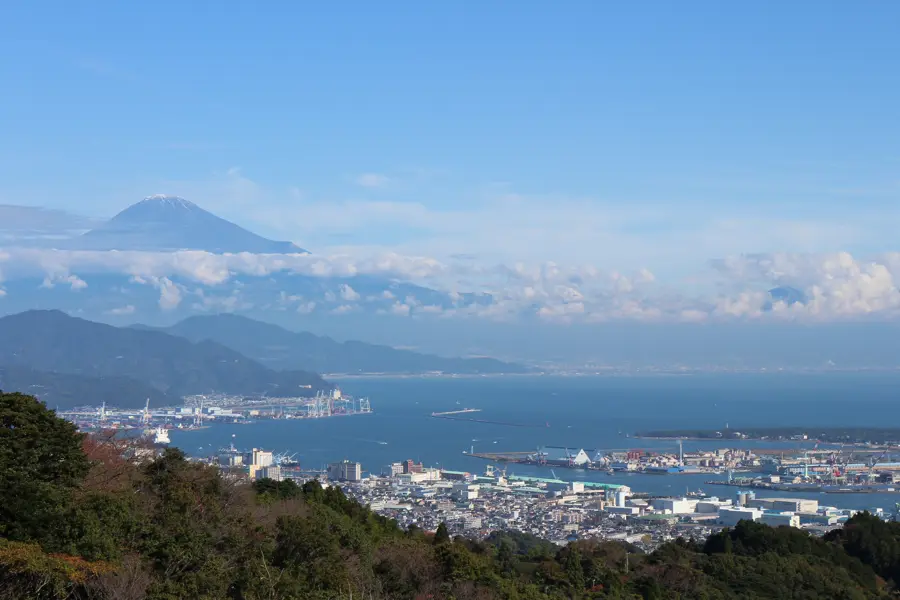
The same dataset shows a consistent daily pattern: visibility is best at the 8am observation and falls through the afternoon. Heat builds cloud around the summit as the day warms — which is why the classic Shimizu mistake is saving the mountain for after lunch.
The practical rules:
- Be on deck at sail-in. Your first sight of Fuji is statistically your best, and it is free.
- If the mountain is out in the morning, photograph it immediately. “After the market” is often too late.
- If it is hidden at sail-in, believe the sky, not the brochure. A ¥15,000 taxi to a viewpoint does not negotiate with cumulus.
The honest Plan B (which is a genuinely good day)
Here is the thing the disappointment threads miss: Shimizu is our only port with times measured on foot, and the day works without the mountain. A 25-minute waterfront walk from Hinode Pier, Kashi-no-Ichi market serves tuna at fishmonger prices in Japan’s leading tuna port; the Miho pine grove across the water is a UNESCO cultural site about the view of Fuji — moving even when the subject is shy; and the port museum and waterfront fill the margins. The full timed plans already assume you might get the cloud day.
Fuji from the sea, when it happens, is one of the great sights of any cruise anywhere. Stack the odds with the month, claim it early in the morning, and have the market lunch either way.
Source: Fuji City’s official visibility observation program (since 1990, three observations daily): program overview · daily visibility calendar · latest annual report (PDF). Observations are taken in Fuji City, on the same Suruga Bay coast as the cruise berth. Verified August 2026.
Guided days at the ports in this article
Shared cars with a guide first; each page says who should skip it. Booked through Viator; there is no tour desk at the pier.
 ShimizuShared car · per personOn-time return promised4.7★ · 153
Fuji Highlights Group Car Tour by Shimizu Port with Local Guide
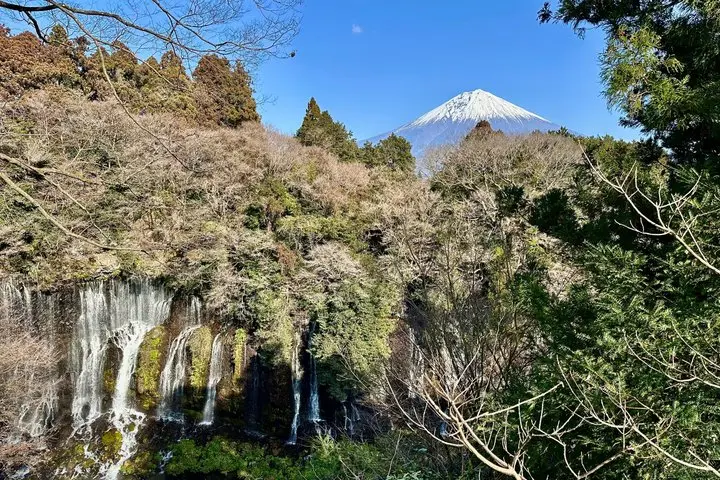
The shared car into the Fuji foothills: Lake Tanuki, Shiraito Falls, a sake stop and the head Sengen shrine in…
from US$142 per person · max 9Why it is here →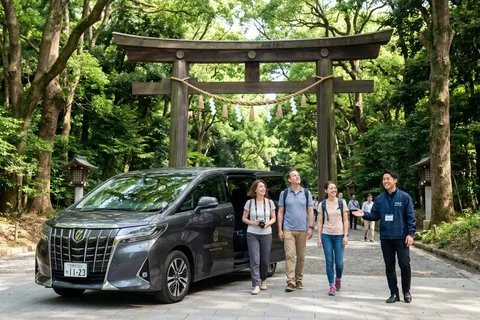 YokohamaPrivate car · per person5.0★ · 38
Tokyo in 1 Day from Yokohama by Car with Licensed Guide
A private car day in Tokyo with a licensed guide, choosing three or four sights from a long list, starting fro…
from US$482 per person · max 7Why it is here → TokyoSmall group5.0★ · 202
Pixel Lab Tokyo: Gameboy Mod Workshop (Classic/Advance/SP)
A three-hour workshop building and customising your own Game Boy, Classic, Advance or SP, to take home.
from US$350 per person · max 8Why it is here →If you book, we may earn a small commission at no extra cost to you. It never decides what we recommend.