If the ship sails without you, phone the port agent first, then work out how to rejoin. Nothing else matters in the first ten minutes. The rest of this page covers what Japan’s landing permission says, what the lines say about cost, what chasing a ship between three real pairs of ports costs in train fares, and how to make sure it never comes up.
Do this, in this order
- Phone the port agent. The name and number are printed in the daily programme. Princess Cruises says the agent will contact the ship for you, explain your options for rejoining at the next available port “subject to approval”, and help you arrange the journey home if needed.
- Stay at the port, or go to the agent’s office if they ask. Do not start travelling before the agent has spoken to the ship. Whether you may rejoin at the next port is the line’s decision, not yours.
- Ask the agent three things: where your passport is (see below), whether the ship will accept you at the next port, and which port that is.
- Then book transport. The cost is yours. See the table below for what the train legs between real Japanese port pairs cost.
- Call your insurer. Royal Caribbean’s FAQ says its Travel Protection reimburses extra accommodation, meals and catch-up transport after carrier-caused delays or other covered reasons. That is a covered-reasons test: being late back from a shore day may not qualify, so ask your own insurer before you rely on it.
What the two landing permissions say
Japan has two different permissions in the Immigration Control and Refugee Recognition Act. Both are applied for by the ship’s captain or the operating carrier, not by you.
| Cruise-tourist landing permission (船舶観光上陸許可) | Port-of-call landing permission (寄港地上陸許可) | |
|---|---|---|
| Law | Article 14-2 | Article 14 |
| Ship | A passenger ship designated by the Immigration Services Agency | A ship carrying a foreign national who is passing through Japan to a place outside Japan |
| Length | Up to 7 days if the ship’s route has one Japanese port of call, up to 30 days if two or more | Within 72 hours, counted until you leave from that port |
| Range | Set on the permit by prefecture or municipality | Near the port; the regulation says within the municipality of the port unless the inspector decides otherwise |
| Condition | Return to the ship before it leaves the port, every time you go ashore | Time and area limits written on the permission |
| What you hold | A permit certificate (船舶観光上陸許可書) | A stamp in your passport |
| Paid work | Prohibited | Prohibited |
Two points follow from the wording.
Overnight. The law counts the permit in days, so it does not forbid a night ashore as such. What it requires is that you are back on board before the ship leaves that port. The pages we opened say nothing more specific about hotel nights, and the cruise lines’ own rules apply on top. Plan on sleeping on the ship.
Which permit you hold. The sources we opened do not say which scheme a US, UK or Australian passenger receives on a given ship. Read the paper you were handed at the first-port inspection, and see what happens at immigration at your first Japanese port.
What happens in law if you do not get back
Be precise about what the sources do and do not say.
- The permit is conditional. Article 14-2 grants cruise-tourist landing on the condition that you return to the ship each time before it leaves the port.
- The captain reports to immigration on request. Article 57(6) requires the captain of a designated ship leaving a Japanese port to report to the immigration officer, if asked, whether permit holders have returned.
- The offence is fleeing, not lateness. Article 24 lists, as a ground for deportation, a cruise-tourist permit holder who goes ashore and flees without returning to the ship before it leaves. Overstaying the permit period is a separate ground. Both can be dealt with under the departure-order procedure of Article 24-3, which the Immigration Services Agency describes as a simplified route for people who report themselves and intend to leave quickly, with a one-year bar on re-entry.
- What is not published. None of the official pages we opened set out what happens to a passenger who is simply late and tells the port agent at once. We found no statement either way, so we are not going to tell you it is harmless or that it is a problem. This is the question to put to the port agent, who deals with the ship and with immigration.
Who holds your passport
This varies by line and by ship. Princess says: “There may be occasions where we retain your passport at check-in”, and recommends carrying a second government photo ID in port. Celebrity’s FAQ says that if you have a problem in a foreign port, such as missing the ship, it is best to have a passport with you. Both can be true on different ships.
Japan’s law has its own rule. Article 23 requires a foreign national holding a cruise-tourist landing permit to carry the permit certificate, and others to carry their passport. So the safe pattern is: carry whatever you were handed at immigration, a photo of your passport page on your phone, and your ship card.
We did not find a line’s own page confirming that the purser hands a missing passenger’s passport to the port agent. It is widely described by passengers and cruise writers, but ask the agent rather than assume.
What chasing the ship costs: three real pairs
These are pairs of consecutive calls taken from our cruise-call data, using real dates. The ship’s gap is the time between its scheduled departure from the first port and its scheduled arrival at the next. The fare is the official smartEX price for one adult, reserved seat, regular season, from the table dated 1 April 2025 on smart-ex.jp, which we read on 4 October 2026.
| Pair and example call | Ship’s gap | Official train fare, one adult |
|---|---|---|
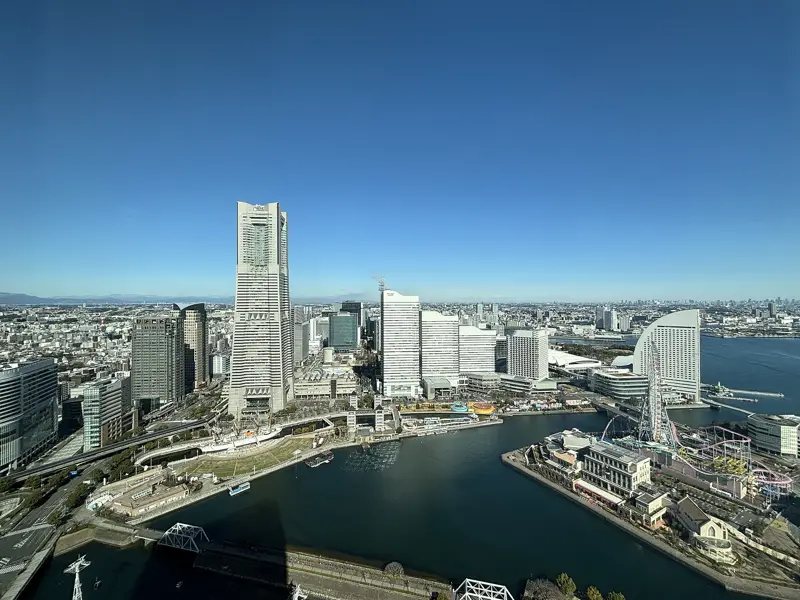
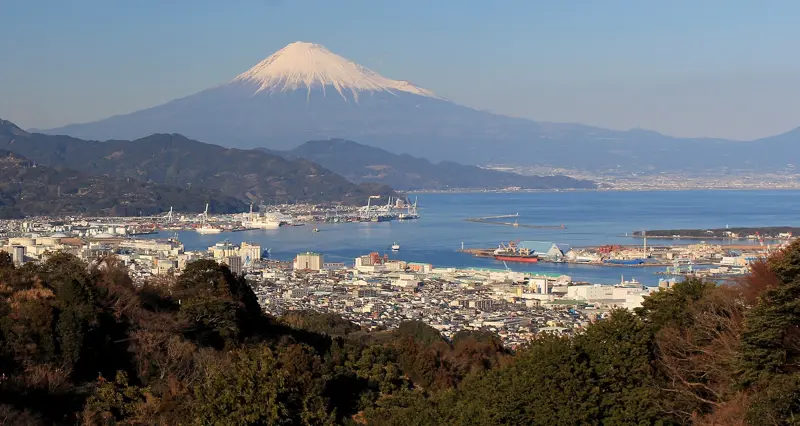
| Yokohama to Shimizu: Celebrity Millennium, leaves Yokohama 17:00 on 29 Oct 2026, due Shimizu 08:00 on 30 Oct (in port to 19:00) | About 15 hours | Shin-Yokohama to Shizuoka, Hikari or Kodama: 5,500 yen. Shimizu has no Shinkansen station, so a change to a local train follows; that leg is not priced here |
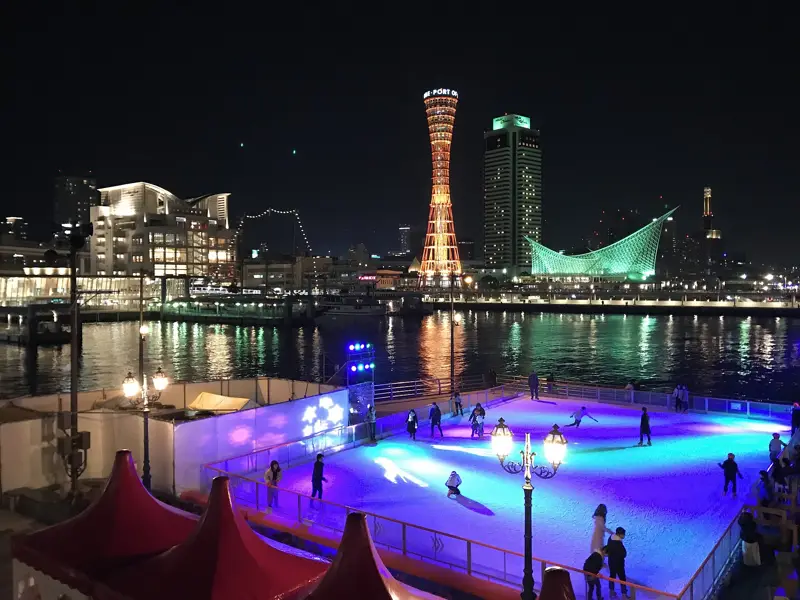
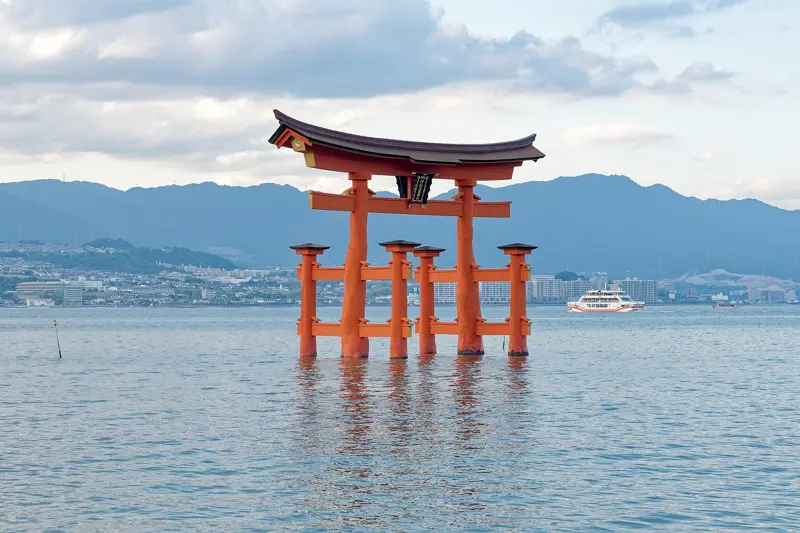
| Kobe to Hiroshima: Luminara, leaves Kobe 23:59 on 11 Oct 2026, due Hiroshima 08:00 on 13 Oct (in port to 18:00) | About 32 hours | Shin-Kobe to Hiroshima, Nozomi or Mizuho: 10,530 yen |
| Hiroshima to Fukuoka: Silver Moon, leaves Hiroshima 17:00 on 20 Oct 2026, due Fukuoka 09:00 on 21 Oct (in port to 19:00) | About 16 hours | Hiroshima to Hakata, Nozomi or Mizuho: 9,430 yen |
What these numbers leave out:
- Taxis or trains between the ship and the Shinkansen station, which we have not priced.
- Seasonal adjustments. The table says off-peak days are 200 yen cheaper, busy days 200 yen dearer and the busiest 400 yen dearer (double when the journey crosses the Tokaido, Sanyo and Kyushu Shinkansen lines).
- Paper tickets. smartEX is JR’s online and IC-card booking service. The price at a station window is set separately and we did not check it.
- A hotel night, meals and agent fees, and any cost of a flight home. None of these is covered by a source we could open, so none is priced.
- Journey time. We did not check the timetables. Compare the train times with the ship’s gap above, and remember the ship’s schedule can change, which is why the agent’s word counts for more than any timetable.
In summary, a Shinkansen chase between these Japanese pairs costs between about 5,500 and 10,500 yen in fares for one adult, and the real risk is not the fare but whether the line lets you rejoin. Princess’s own wording is “subject to approval”.
How to avoid it
The cure is dull and works. The ship runs on its own clock and your phone runs on the network’s: read Ship Time vs Phone Time once, then do this.
- Be back on board 60 minutes before all-aboard. This is the rule behind every timed plan on this site.
- Read all-aboard from the printed daily programme, and photograph that line.
- Set an alarm for the time you must start walking back, not for the all-aboard time itself.
- Put the port agent’s number in your phone before you leave the ship.
- Do not stack a train ride on the last two hours of the day. Delays on the way back are the usual cause.
- For independent tours, choose one that returns to the pier, and keep a copy of the operator’s number as well.
What to carry ashore
| Carry | Why |
|---|---|
| Ship card | It gets you back on board |
| Port agent name and phone number | The first call if you are late |
| Landing permit, or your passport | Japanese law requires one of the two to be carried |
| Photo of your passport page | In case the ship holds the original |
| Some yen in cash, and a charged phone | See how much cash a port day takes |