Pick your hours and you get a finished day — every step timed from the gangway and back, and each route says how much room it leaves you before all-aboard. Swap anything you don't fancy.
Round trips are measured from the gangway and include getting back. Two stops in the same direction overlap, so a real day usually comes in under the total you see, never over it.
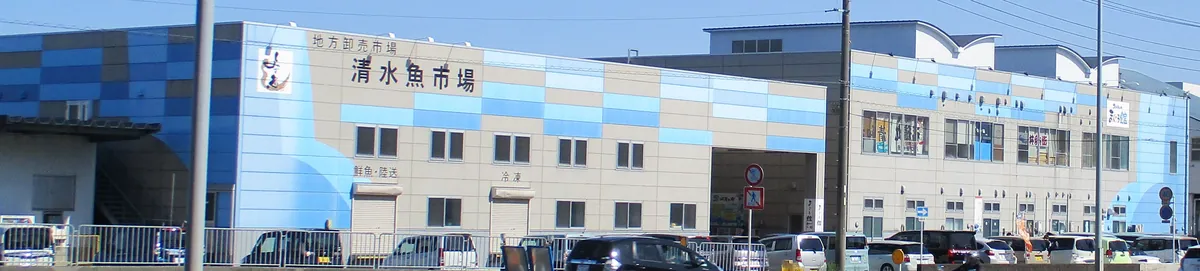
From Hinode Pier: walk — the market is ~20–25 min along the waterfront (OpenStreetMap foot routing), or take the free cruise-day shuttle to JR Shimizu Station, beside it
The one rule: be back on board 60 minutes before all-aboard — every day above already banks it.Phones auto-switch to local time, but all-aboard runs on ship time. Check the daily programme's clock, not your lock screen.More to pick from on the Shimizu guide and theTop 10.
MY SHIP DAY — fill this in before you walk off
Ship
Date
Docked at (berth)
All-aboard (SHIP time)
My deadline = all-aboard − 60 min
Last shuttle back
Phones auto-switch to local time; all-aboard runs on ship time. Write both if they differ.
GETTING AROUND — the facts that don't change by day (today's times: ship's program or Google Maps)
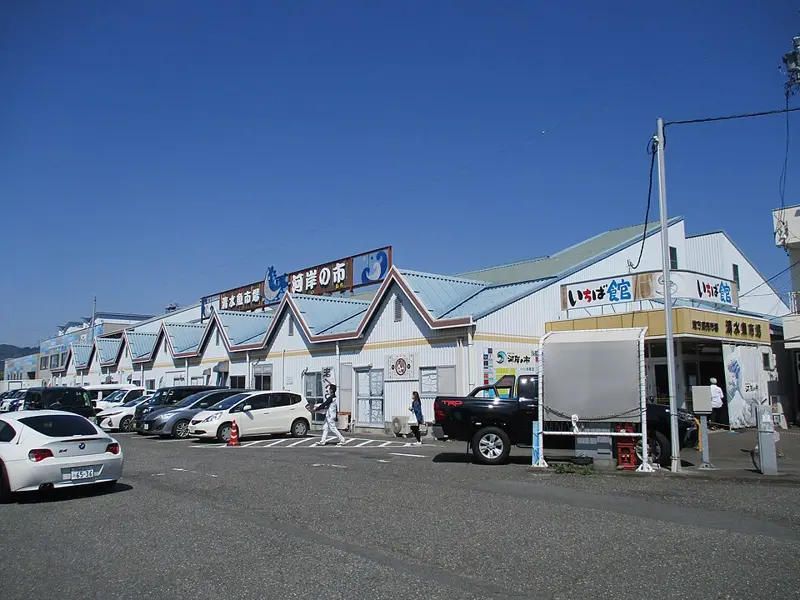
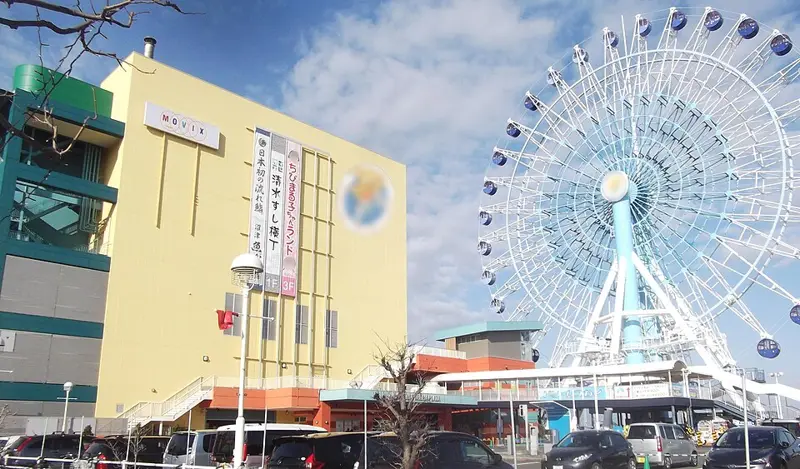
Fish market & Dream Plaza: From Hinode Pier: walk — the market is ~20–25 min along the waterfront (OpenStreetMap foot routing), or take the free cruise-day shuttle to JR Shimizu Station, beside it
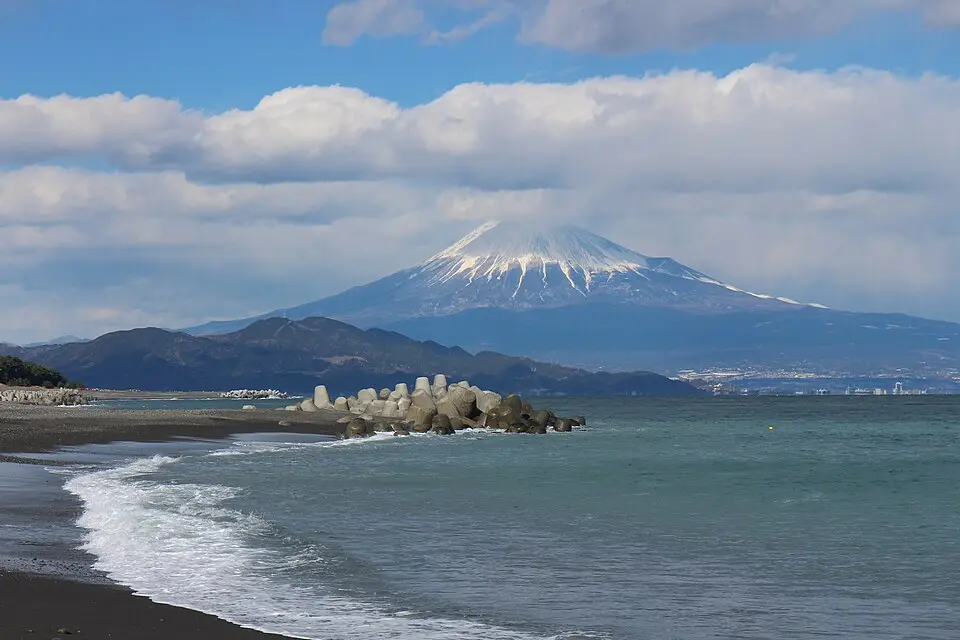
Miho pine grove: ① Walk ~5 min to the "Hatoba·Verkehr Museum" stop ② Shizutetsu bus (Miho-Yamanote line) to Miho-Matsubara-iriguchi — ~15 min, then walk to the pines Fare ¥340 (¥440 if boarding at Shimizu Station). every ~15 min.
Shimizu Station: Walk ~30 min — or the free Dream Plaza shuttle to the station (every 15–30 min from beside the pier area) Fare Free (shuttle).
SHOW THIS TO A TAXI DRIVER — 運転手さんへ
Please take me back to the cruise ship (Shimizu port)
クルーズ船乗り場までお願いします
Miho no Matsubara pine grove
三保松原
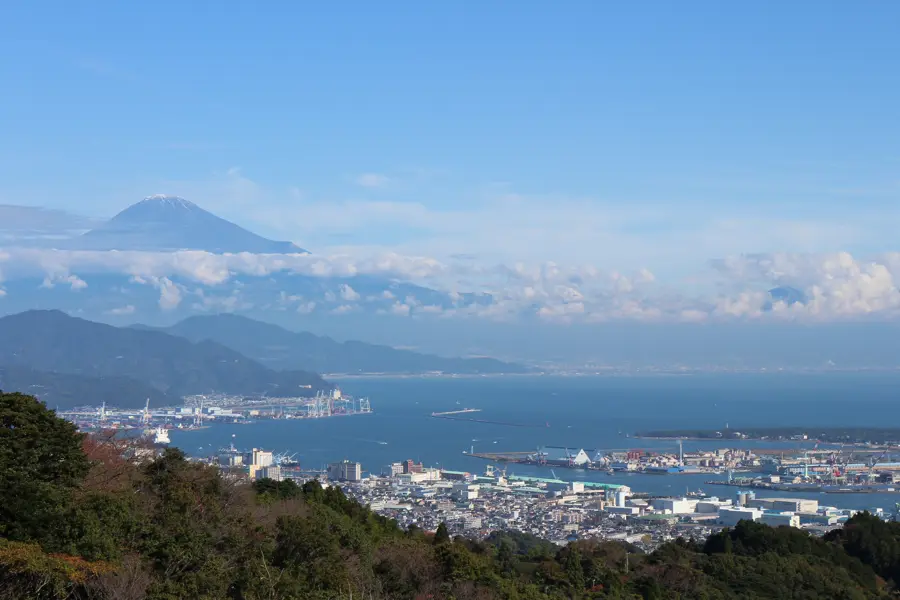
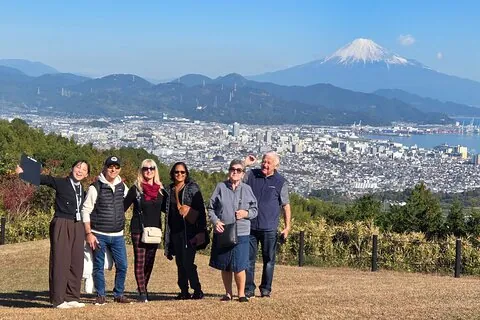
Nihondaira Plateau
日本平
Kunozan Toshogu shrine
久能山東照宮
Sushi Yokocho alley
清水すし横丁
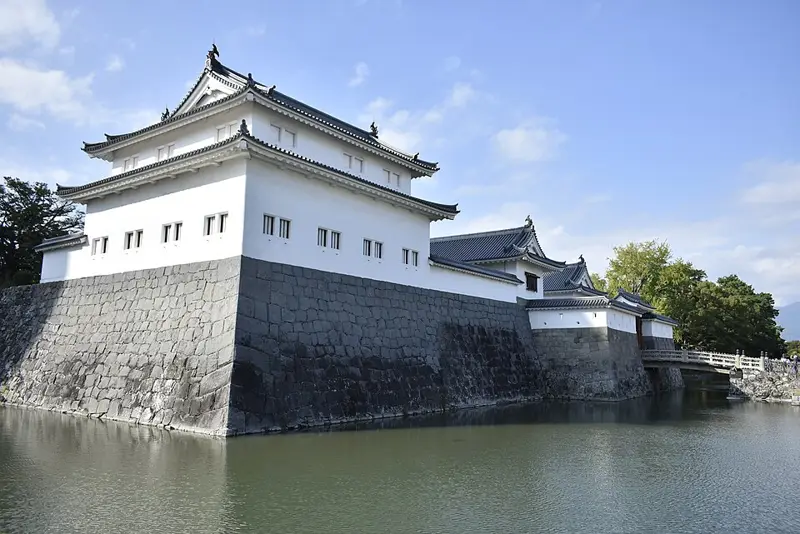
Sunpu Castle & Shizuoka city
駿府城公園
Dream Plaza take-homes
エスパルスドリームプラザ
Point at a line. Taxis are metered and honest; tipping is not expected in Japan.
THE TWO-MINUTE PORT TALK — read aloud at breakfast
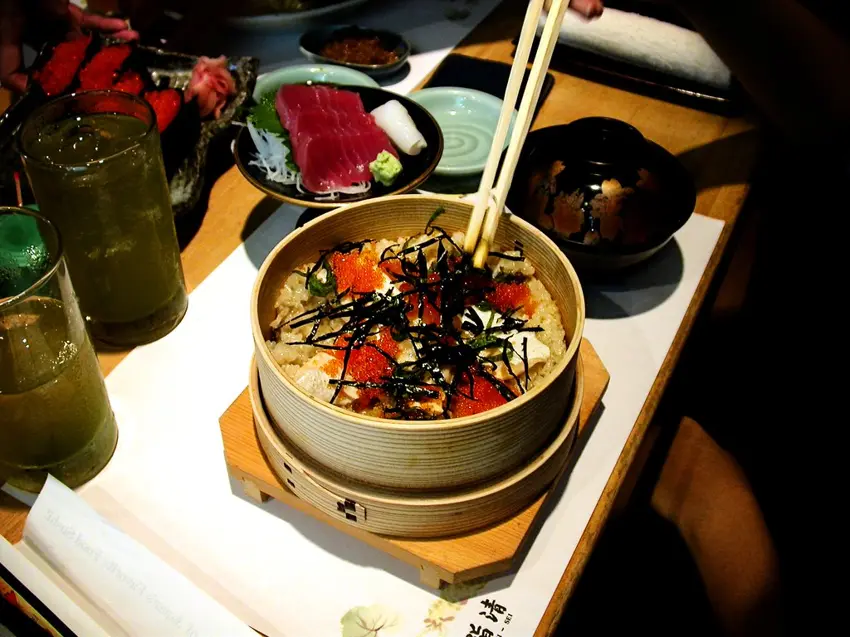
Frozen at sea. Shimizu consistently lands more frozen tuna than any other port in Japan. The fish are not from this bay — they are from the Indian Ocean, the Atlantic and the far Pacific, caught by boats that stay out for a year and freeze at minus sixty on board.
Climbing as prayer. UNESCO listed Mount Fuji in 2013 — not as a natural site, but as a <em>cultural</em> one. The land above roughly the eighth station is the property of a Shinto shrine, and the mountain has been climbed as an act of worship, by organised congregations, for around five hundred years.
Wasabi. Wasabi grows wild in cold mountain streams and is famously impossible to farm. Around 1600, in a valley called Utogi in what is now Shizuoka City, someone worked out how — and the terraced water-bed method they developed is still the only way it is done.
The model city. If you have ever built a Tamiya kit, a Gundam, or a scale model tank, there is a very good chance it was designed or made in this city. Shizuoka produces the overwhelming majority of Japan's plastic model kits, and the reason goes back to sixteenth-century temple carpentry.
The one rule: be back on board 60 minutes before all-aboard — every plan above already banks it. · Free guide: port-of-japan.com/shimizu/ · By Takumi Yamada, Tokyo, Japan