Miho no Matsubara pine grove
 1 / 8
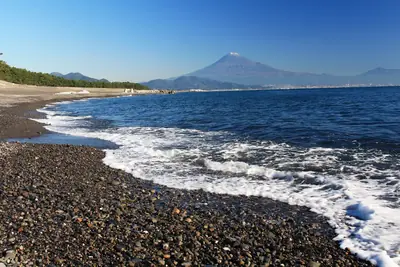
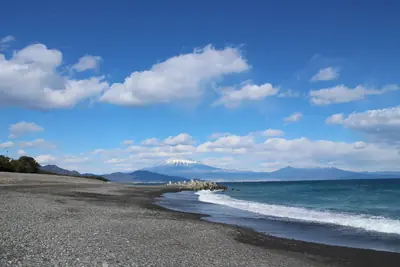
Miho no Matsubara pine grovePhoto: Suicasmo / CC BY-SA 4.0
Tap a photo to see it large. 8 photographs, every one credited.
Checked against official sources · updated · Takumi Yamada
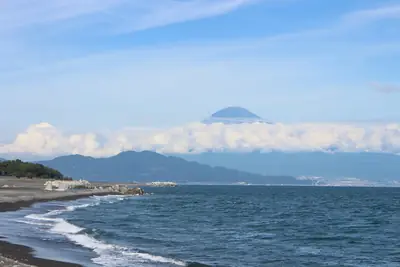
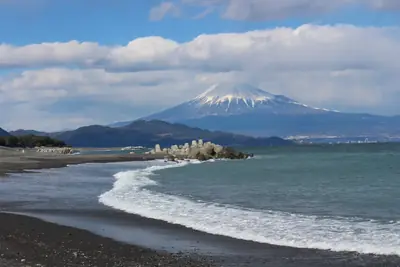
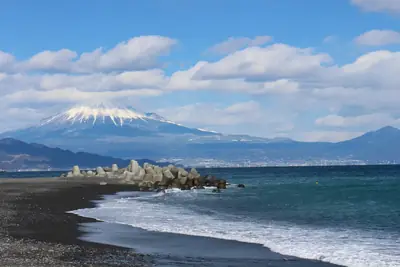
The Mt. Fuji view that ukiyo-e artists painted — 30,000 pines, a black-sand beach, and the mountain floating across the bay. Mornings are clearest; the water bus itself is half the fun.
- Our number 1 for Shimizu, out of ten. It is the first thing we would spend the hours on.
- Free; water bus ¥1,000 one way to visit.
- On a 4–6h ashore call our verdict is "The core" — miho in the morning, market lunch, and you have used the day well.
- Always — visitor centre 9:00–16:30.
- 3 hr door to door needs a 5-hour call: a 2–3 hour stop cannot hold it. Pick something closer instead.
- It is a view, so it is weather. Check the morning sky before you commit the hours.
Why Miho no Matsubara pine grove is famous
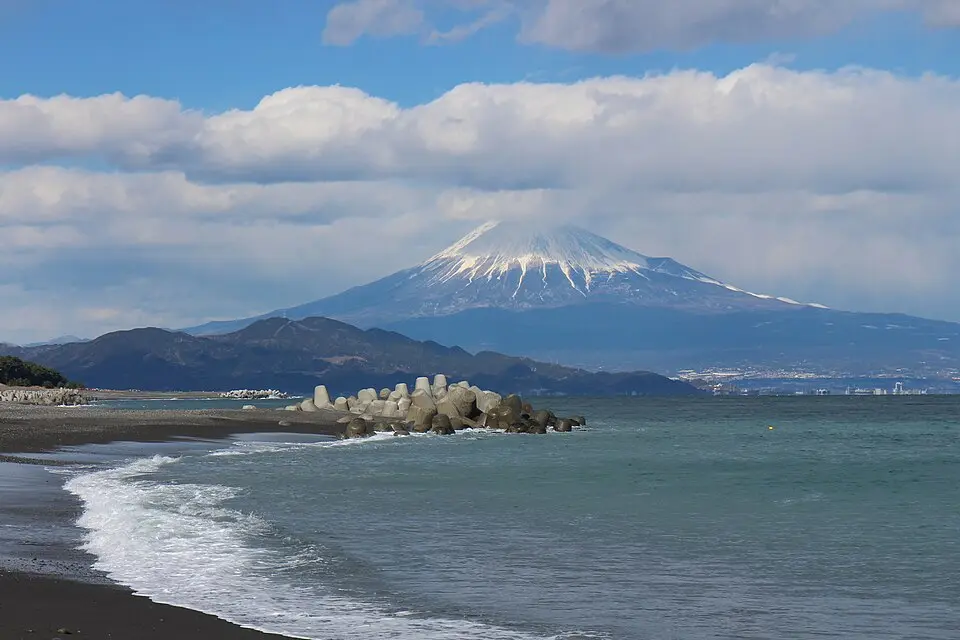
This is the shoreline Japanese art settled on as the view of Mt. Fuji. The Hagoromo legend places a heavenly maiden's feathered robe in one of these pines, Noh has staged it here for six centuries, and Hiroshige and Hokusai both painted the bay. In 2013 it was written into the Mt. Fuji World Heritage listing as a component part, which is the formal way of saying the pines and the mountain are considered one object.
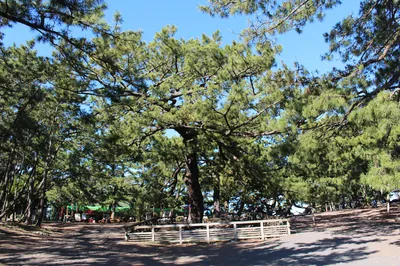
A pine grove of around 30,000 trees on a black-sand spit, with Mount Fuji across the water. It is a component of Fuji's UNESCO World Heritage listing — as a cultural site, because this is the view that ukiyo-e artists painted and that made the mountain an object of worship rather than a mountain.
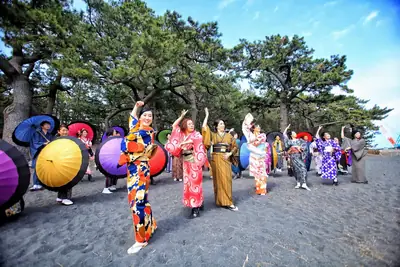
The Hagoromo pine is tied to the noh play of the same name: a celestial being bathes, a fisherman takes her feather robe, and returns it only if she dances. The tree here is the successor to the one in the story, and the play is still performed on the beach.
Things worth knowing
- Take the water bus rather than a taxi. The crossing is half the experience and costs a fraction.
- Go early. Fuji hides behind haze from mid-morning through most of the year.
- The sand is black volcanic grit and it gets into everything. Wear shoes you can empty.
- Winter mornings give the clearest Fuji of the year. October and November are the reliable months.
Miho no Matsubara pine grove and your ship
Both pins on one map, so the distance is a fact rather than a feeling.
Where the 3 hr goes
Counted from the moment you step off the gangway, about 30 minutes after the ship arrives. The hour before all-aboard is not in this bar; it is already set aside.
25 minutes each way is the measured figure for water bus, ~25 min out; hourly from 9:55, not the optimistic one. If your ship is late, cut the 2 hr 10 min in the middle. Never cut the hour at the end.
Questions people send us
How do I get to Miho no Matsubara from Shimizu cruise port?
By water bus, about twenty-five minutes, which is both cheaper and better than a taxi — the crossing is half the experience. Budget about three hours door to door including an hour in the pine grove.
Will I see Mount Fuji from Miho no Matsubara?
Only if the air is clear, and it usually is not by mid-morning. Go early. Winter mornings give the clearest views of the year, and October and November are the reliable months. If Fuji is hidden, the 30,000-pine grove on black sand is still worth the trip — but decide that honestly before you go.
What to put beside it
Each of these still lands you back aboard with the hour to spare.