
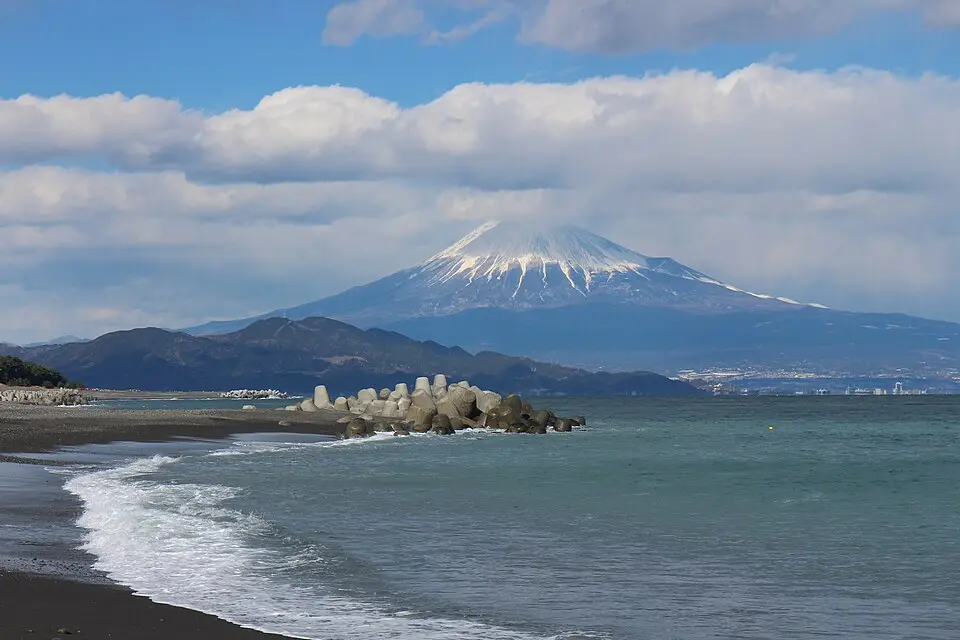
 Photo: Suicasmo / CC BY-SA 4.0
A pine grove of around 30,000 trees on a black-sand spit, with Mount Fuji across the water. It is a component of Fuji's UNESCO World Heritage listing — as a cultural site, because this is the view that ukiyo-e artists painted and that made the mountain an object of worship rather than a mountain.
The Hagoromo pine is tied to the noh play of the same name: a celestial being bathes, a fisherman takes her feather robe, and returns it only if she dances. The tree here is the successor to the one in the story, and the play is still performed on the beach.
Five things the plaques won't tell you
- Take the water bus rather than a taxi. The crossing is half the experience and costs a fraction.
- Go early. Fuji hides behind haze from mid-morning through most of the year.
- The sand is black volcanic grit and it gets into everything. Wear shoes you can empty.
- Winter mornings give the clearest Fuji of the year. October and November are the reliable months.
- If Fuji is hidden, the grove is still worth it — but say so honestly to yourself before you go.
The tree here is the successor to the one in the story, and the play is still performed on the beach.
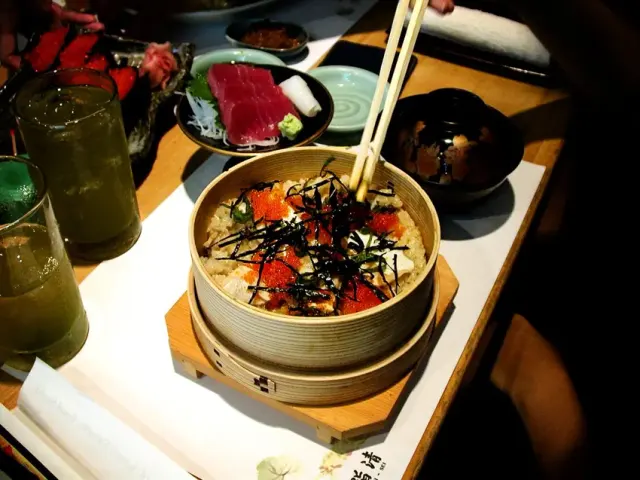

Guided days from Shimizu
Booked before you sail — there is no tour desk at the pier. Booking through these links supports the site.

More in Shimizu
 Spot guide
Kashi-no-Ichi
Japan's tuna capital, a waterfront walk from the pier
Open the guide →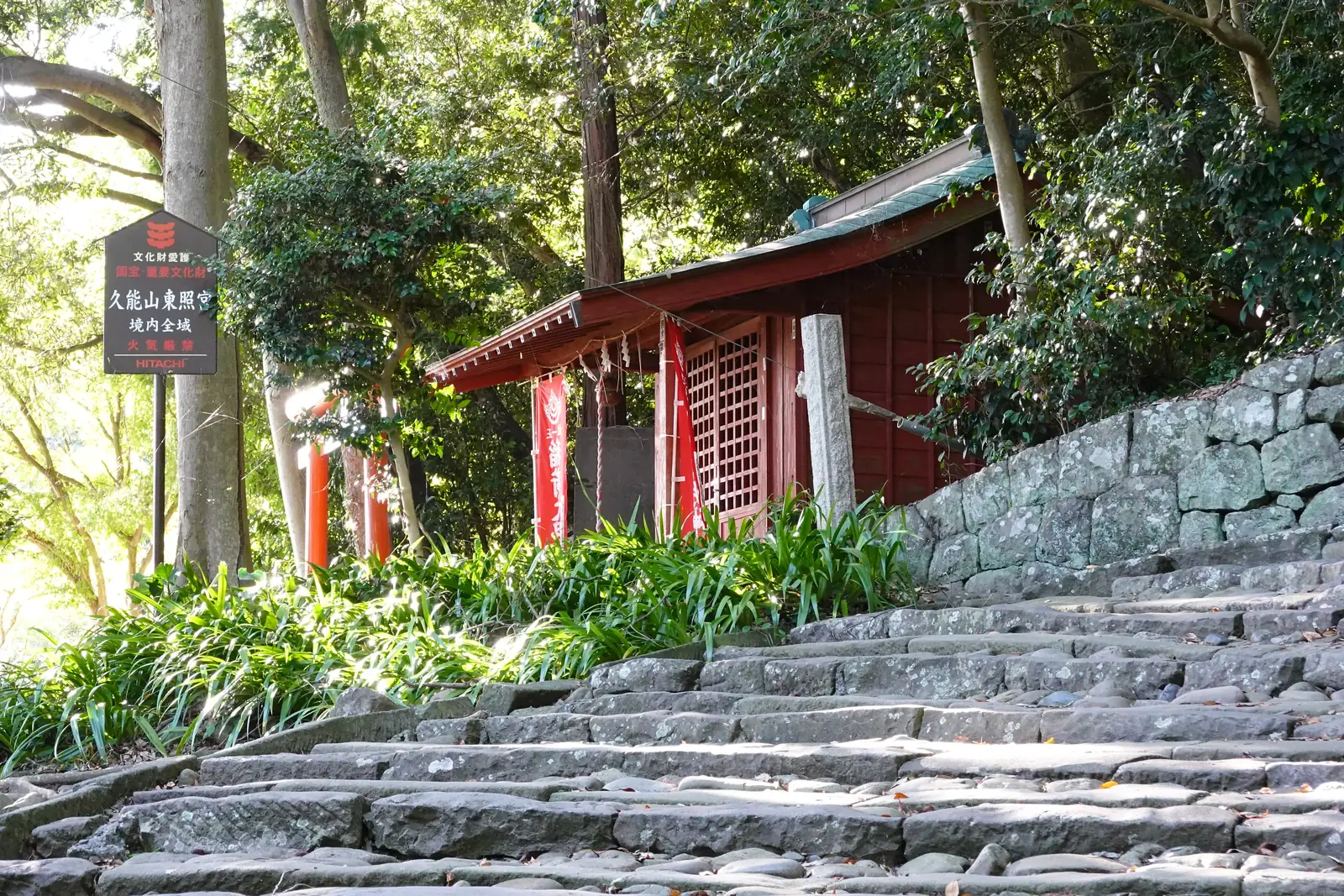 Spot guide
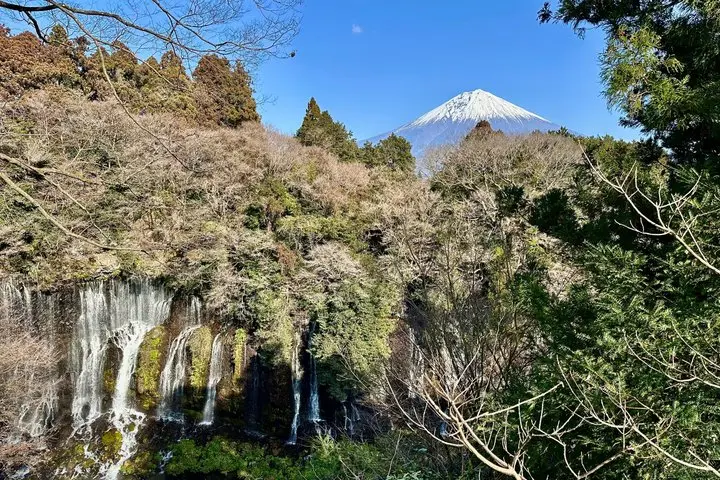
Kunozan Toshogu
Where Ieyasu was actually buried — Nikko is the copy
Open the guide →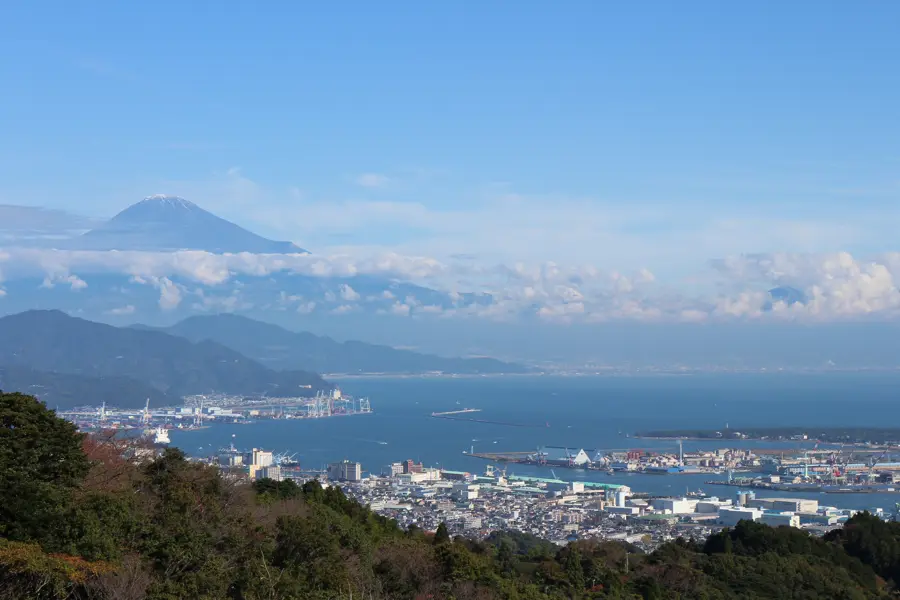 Spot guide
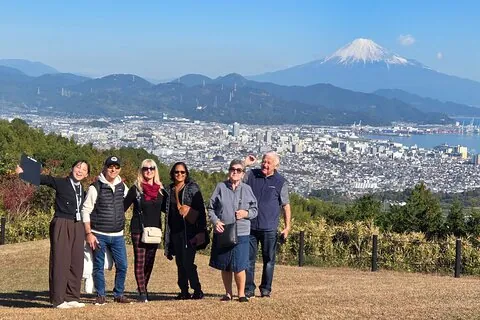
Nihondaira Yume Terrace
The Fuji-over-the-bay panorama from a timber deck, with Shimizu port laid out below
Open the guide →Questions people ask here
How do I get to Miho no Matsubara from Shimizu cruise port?
By water bus, about twenty-five minutes, which is both cheaper and better than a taxi — the crossing is half the experience. Budget about three hours door to door including an hour in the pine grove.
Will I see Mount Fuji from Miho no Matsubara?
Only if the air is clear, and it usually is not by mid-morning. Go early. Winter mornings give the clearest views of the year, and October and November are the reliable months. If Fuji is hidden, the 30,000-pine grove on black sand is still worth the trip — but decide that honestly before you go.