 Photo: timelockz / Pexels
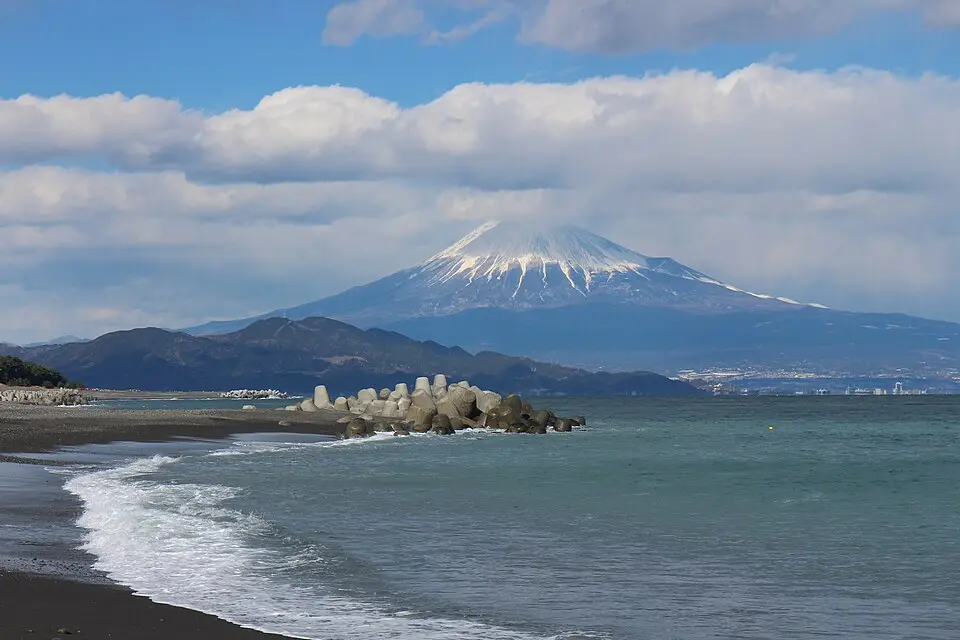
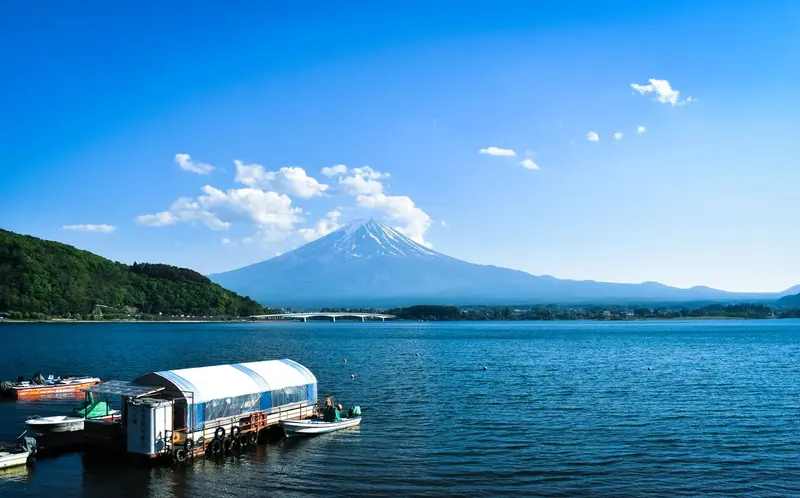
Miho no Matsubara pine grove
The Mt. Fuji view that ukiyo-e artists painted — 30,000 pines, a black-sand beach, and the mountain floating across the bay. Mornings are clearest; the water bus itself is half the fun.
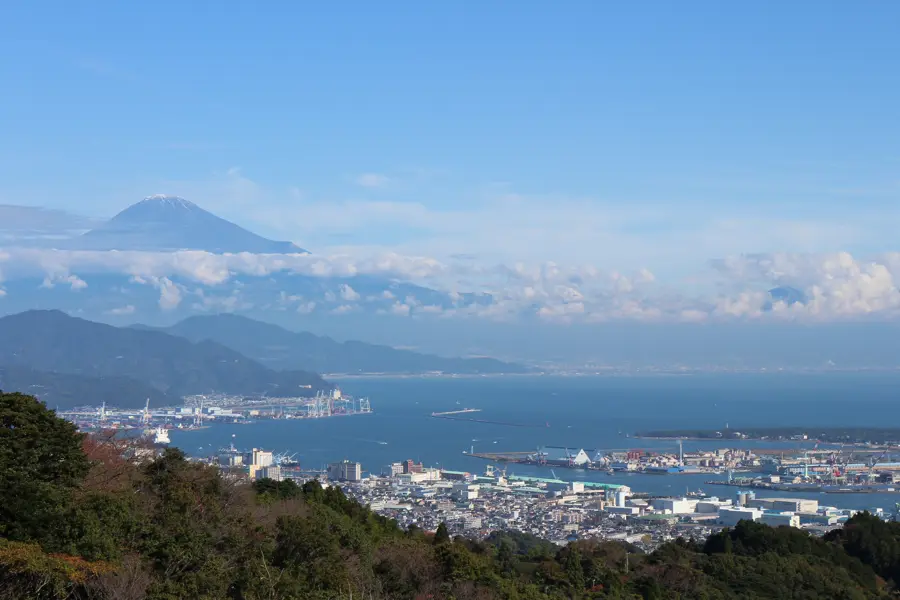
Water bus or taxiFull guide: Miho no Matsubara →Nihondaira Plateau
The classic panorama: tea fields in front, Shimizu port below, Fuji behind — with your own ship in the frame. Pair it with the ropeway to Kunozan if you have a half day.
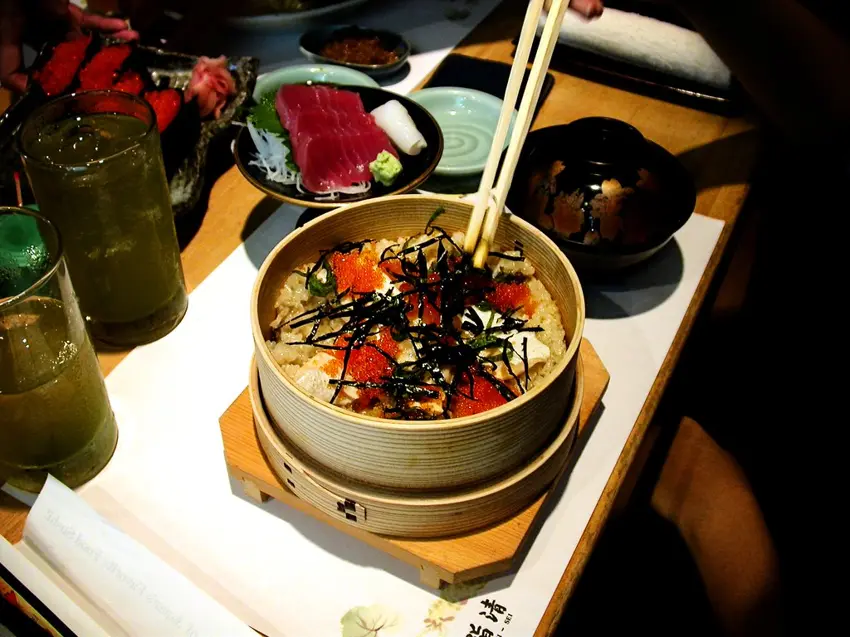
20–25 min taxiFull guide: Nihondaira Yume Terrace →Maguro bowl at Kashi-no-Ichi
Japan's tuna capital, and the market beside the pier proves it — thick-cut bowls at fishmonger prices, picture menus everywhere. Closed Wednesdays.
25 min walkFull guide: Kashi-no-Ichi →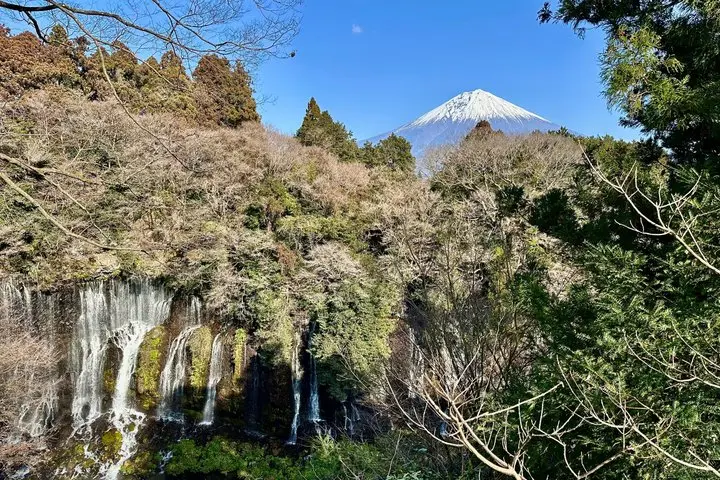
Mt. Fuji views and a wagashi class, guided
Four hours by car to Fuji viewpoints near the port, with a class making a Mt. Fuji sweet, and the operator returns you at least 2.5 hours before sailing. On a cloudy day the views are the gamble; the class is not.
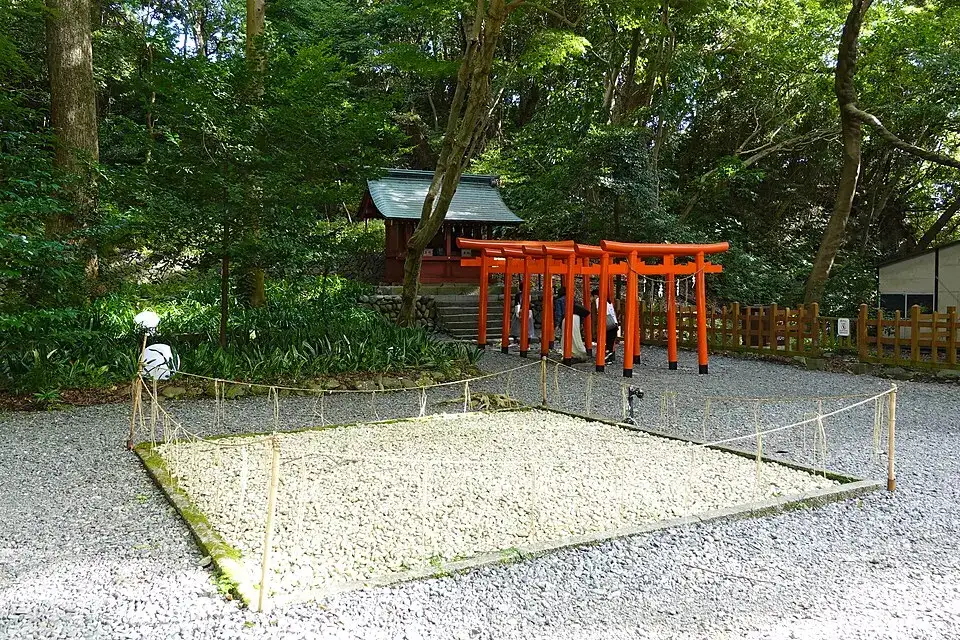
Kunozan Toshogu shrine
The first shogun's original mausoleum, gilded and half-hidden on a seaside mountain — Nikko's famous shrine is this one's copy. The ropeway ride over the strawberry coast is a bonus.
Taxi + ropewayFull guide: Kunozan Toshogu →Sushi Yokocho alley
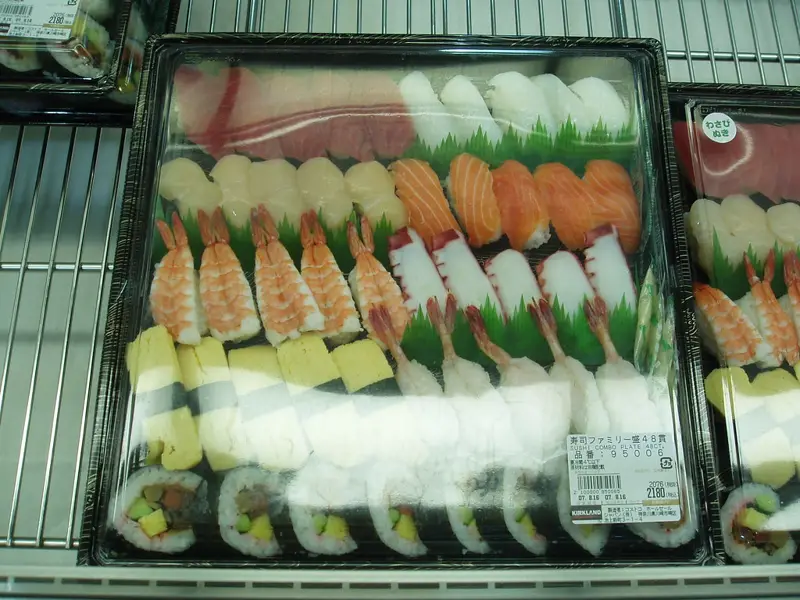
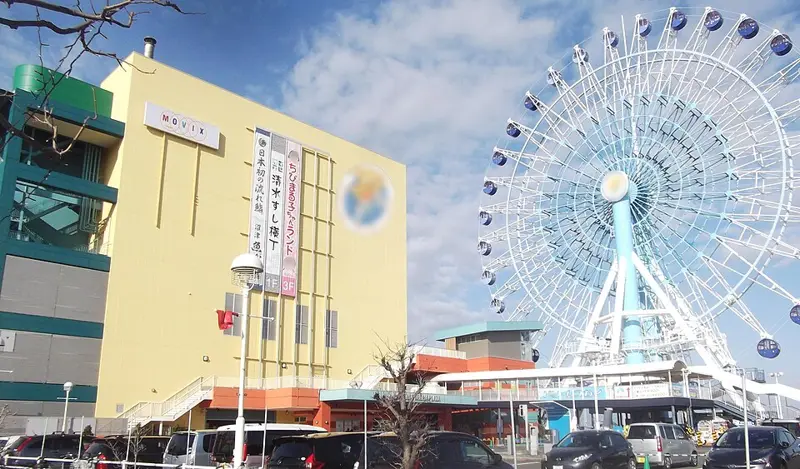
A whole alley of sushi counters at Dream Plaza — English-friendly, no reservations, and the fish came off the boats you can see from the window.
10 min walkGoogle Maps →
Zen, matcha & calligraphy
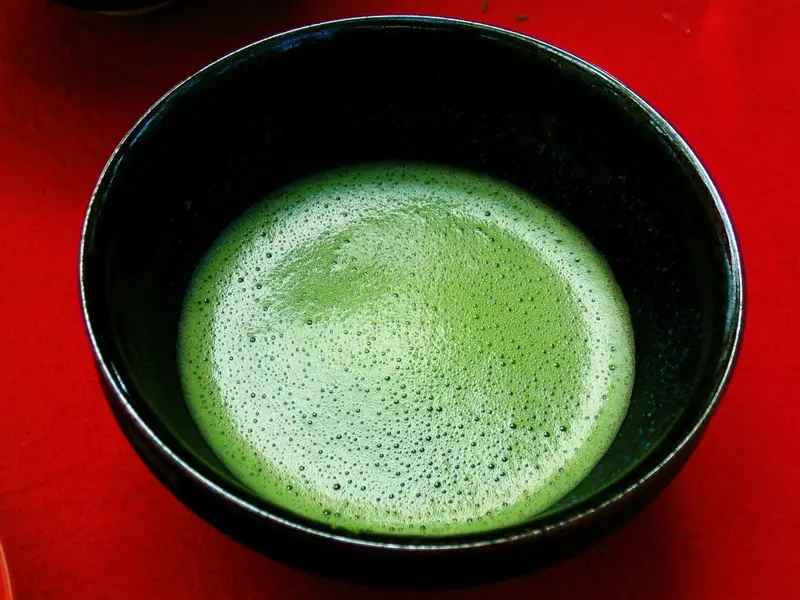
Ninety minutes of stillness in a temple, then whisked matcha and brushwork — the cultural depth of Kyoto without leaving your port. Small-group and genuinely private.
Sunpu Castle & Shizuoka city
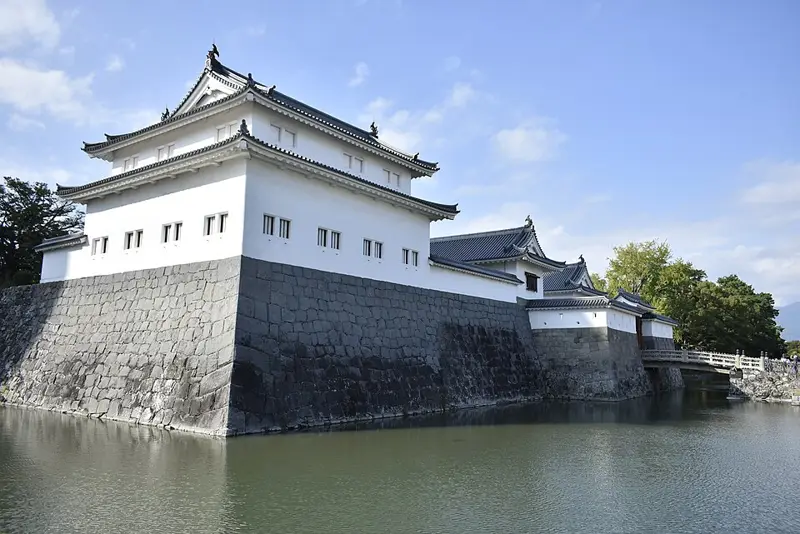
Where the retired shogun actually lived. Moats, reconstructed turrets and a proper castle park — 11 minutes by train, so it fits even a cautious clock.
JR 11 minFull guide: Sunpu Castle Park →Shizuoka oden & green tea
Black-broth skewers in a lantern-lit alley, and the best green tea in Japan grown on the hills you can see. Aoba Oden Alley opens from late afternoon — perfect for late sailings.
JR 11 minGoogle Maps →Dream Plaza take-homes
Wasabi (real, from the valleys upstream), deep-steamed green tea, and Chibi Maruko-chan goods — the town’s own comic icon. One roof, ship-visible, zero taxi risk.
10 min walkGoogle Maps →