~1.5h, walkable — the round trip from the gangway, with the 60-minute margin kept aside.
Tap a photo to see it large. 2 photographs, each credited.
Japan's tuna capital, and the market beside the pier proves it — thick-cut bowls at fishmonger prices, picture menus everywhere. Closed Wednesdays.
Japan's number one tuna port, and almost none of it was caught nearby
Shimizu lands more frozen tuna than any other port in Japan, and this market is the fishmongers' own hall beside the quay. What that buys you is thickness: the cut in a bowl here is the cut a wholesaler keeps, not the one trimmed for a restaurant. The building is deliberately plain, and closed on Wednesdays, because it exists for the trade first.
Shimizu consistently lands more frozen tuna than any other port in Japan. The fish are not from this bay — they are from the Indian Ocean, the Atlantic and the far Pacific, caught by boats that stay out for a year and freeze at minus sixty on board.
Shimizu lands more frozen tuna than any other port in Japan. The fish come from the Indian, Atlantic and far Pacific oceans on longline vessels that stay out for up to a year and freeze at around −60°C on board — cold enough that "frozen" is not an insult in this trade.
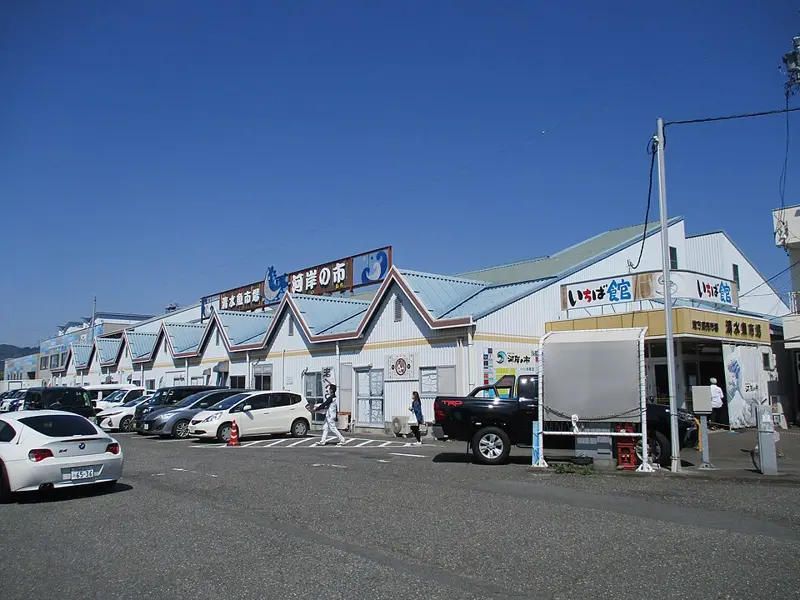
The market is two halls of fishmongers and small restaurants, eight minutes on foot from the cruise pier, and a maguro-don that would be a special occasion in Tokyo is a normal lunch here.
Suruga Bay is deep enough for large vessels
Trips of up to a year; freezing at −60°C on board
And a national centre for processing
Suruga Bay is the only commercial fishery in Japan
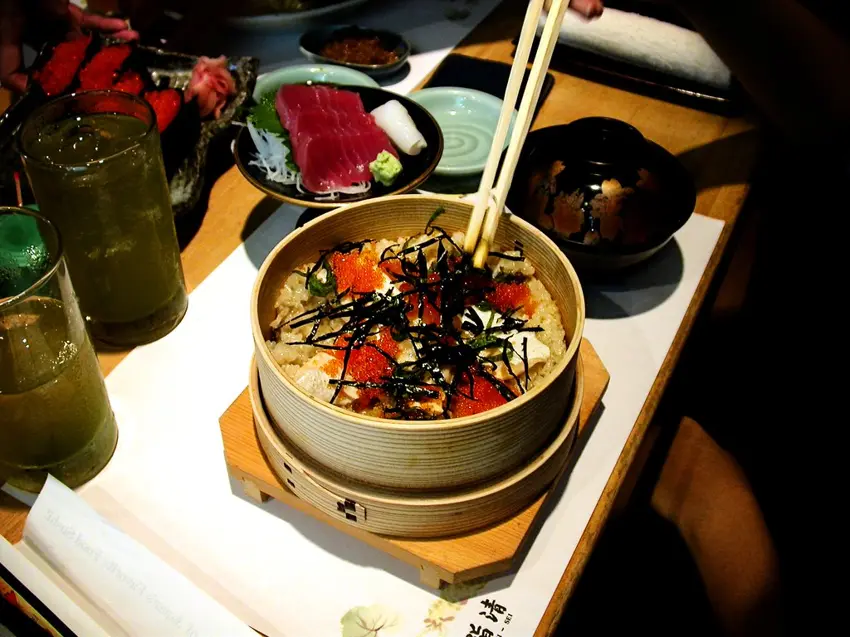
Maguro-don at Kashi-no-Ichi, eight minutes from the pier. Closed Wednesdays — check before you plan around it.
The one the queue agrees on, the one people who live here use instead, and the one nearest your ship. Opening days change; check before you build a day around one.
The tuna hall of Kashi-no-Ichi: a floor of counters all cutting from the same landings.
Open in Google MapsWhere locals goIchiba-kan河岸の市 いちば館The fishmongers’ side, where the town buys. Closed Wednesdays, like the rest of the market.
Open in Google MapsClosest to the berthKashi-no-Ichi清水魚市場 河岸の市Eight minutes on foot from the Hinode berth, which is the shortest walk to a real market in any Japanese cruise port.
Open in Google MapsBoth pins on one map, so the distance is a fact rather than a feeling.
Counted from the moment you step off the gangway. The hour before all-aboard is not in this bar; it is already set aside.
8 minutes each way is the honest figure for 8 min walk, not the optimistic one. If your ship is late, cut the 1 hr 14 min in the middle. Never cut the hour at the end.
Each of these still lands you back aboard with the hour to spare on a 6-hour stop ashore.
About eight minutes on foot, beside Shimizu Station. It is one of the closest genuinely good food stops of any Japanese cruise port — but it is closed on Wednesdays, which catches out a great many passengers.
A maguro-don mixing akami (lean), chutoro (medium-fatty) and otoro (fattiest) rather than a single cut, since Shimizu is Japan's leading tuna port. Add grilled tuna collar, which is cheap and large, and sakura ebi if it is spring or autumn — Suruga Bay is the only commercial fishery for them in Japan.
Each one is a finished day we have walked and timed, with this stop in it. Read the route rather than assembling it yourself.
Each of these still lands you back aboard with the hour to spare.
 2 hr 30 min for both
Wasabi (real, from the valleys upstream), deep-steamed green tea, and Chibi Maruko-chan goods — the town’s own comic icon.
See the detail →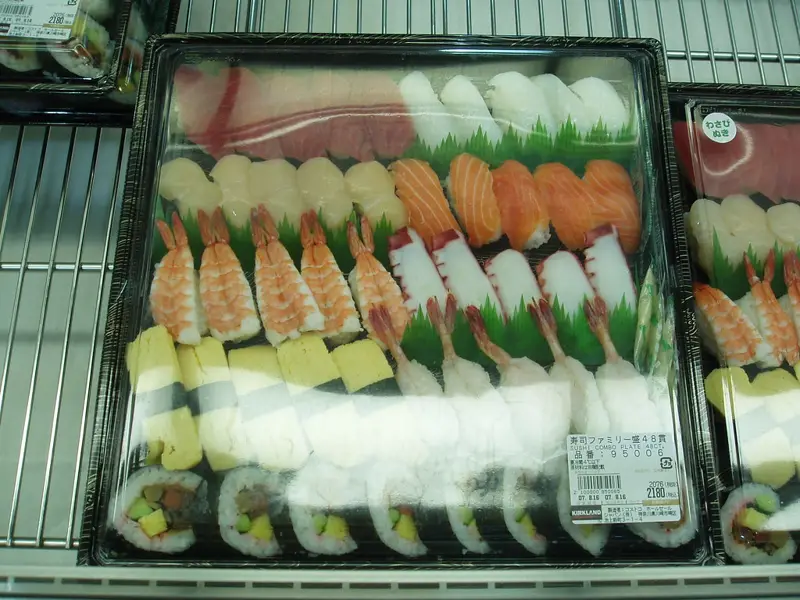 3 hr for both
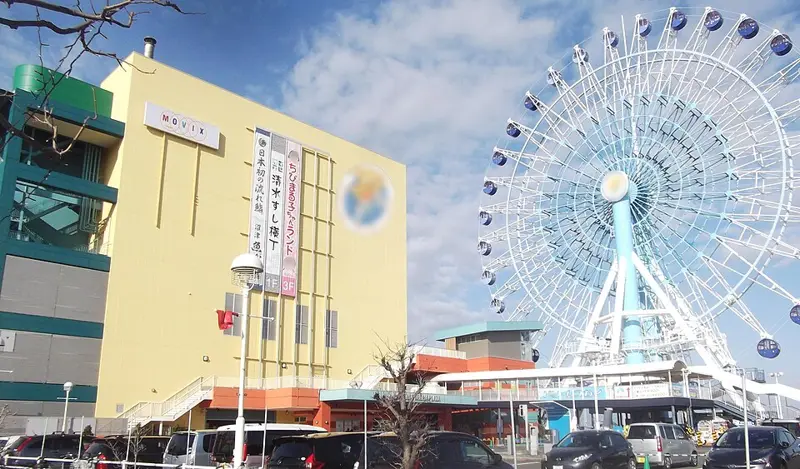
A whole alley of sushi counters at Dream Plaza — English-friendly, no reservations, and the fish came off the boats you can see from the window..
See the detail →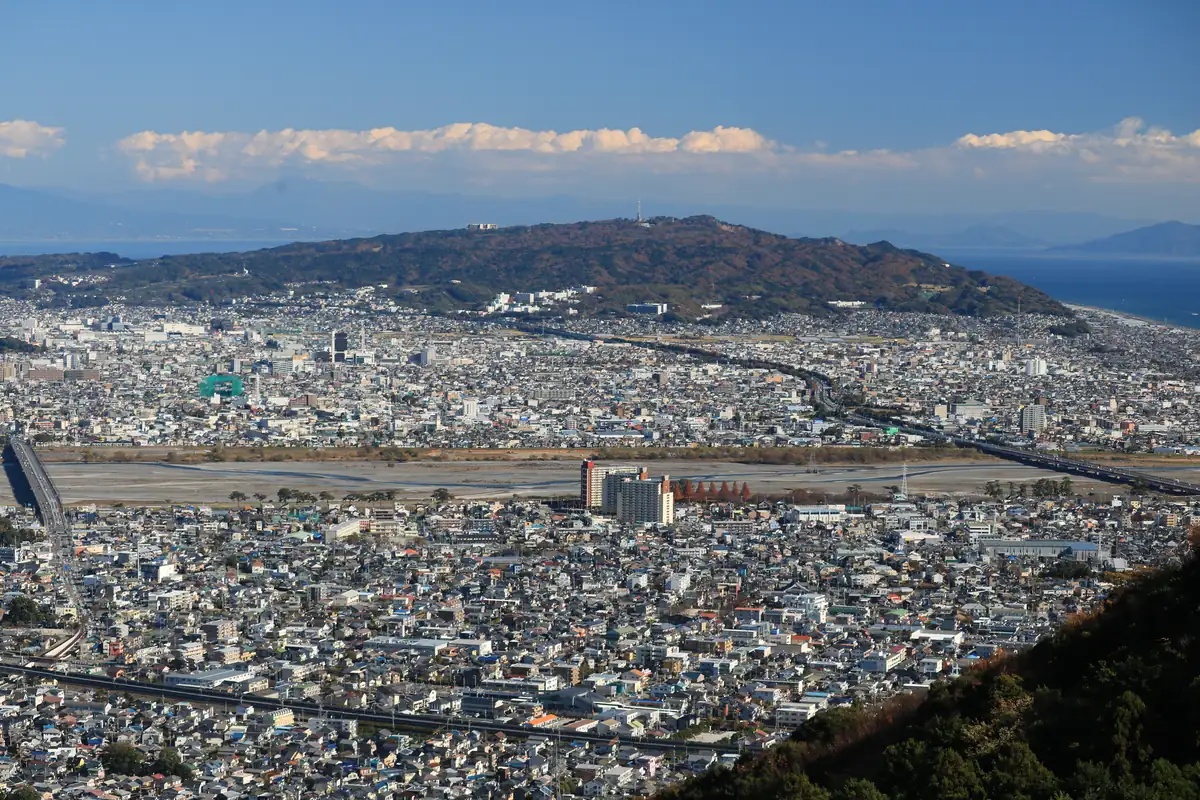 4 hr for both
The classic panorama: tea fields in front, Shimizu port below, Fuji behind — with your own ship in the frame.
See the detail →No typing needed — jump straight in:
Just docked? — the gangway toolStart from your shipThe ride from every berthAsk the editorGlossary