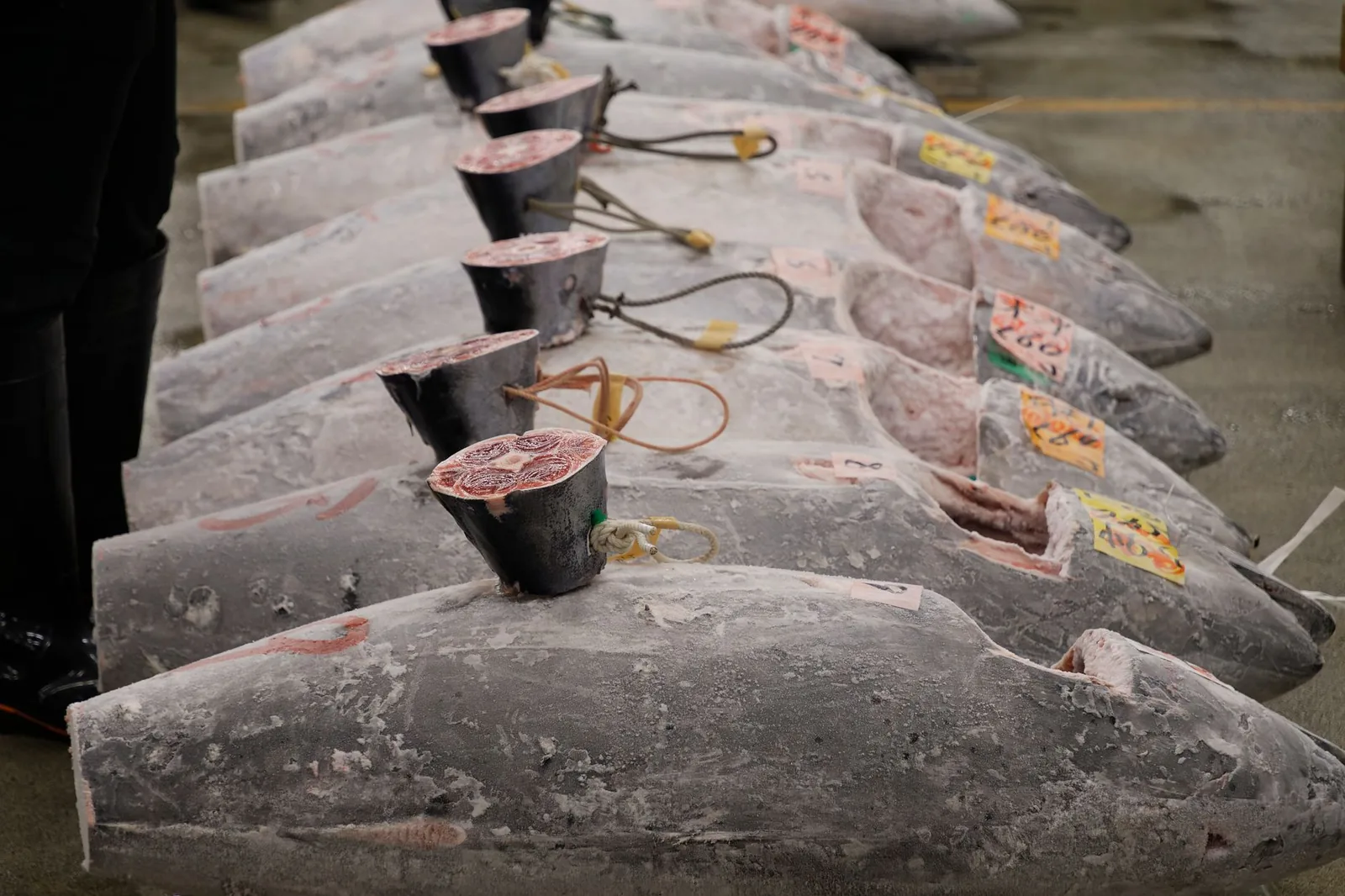
Japan's number one tuna port, and almost none of it was caught nearby
Shimizu consistently lands more frozen tuna than any other port in Japan. The fish are not from this bay — they are from the Indian Ocean, the Atlantic and the far Pacific, caught by boats that stay out for a year and freeze at minus sixty on board.
Distant-water longline vessels leave here and do not come back for as long as twelve months. They fish across the world's oceans, and the fish are frozen almost immediately at around −60°C — far colder than a domestic freezer, cold enough to stop the cellular damage that ruins texture.
That is the whole technology. A tuna frozen at −60 and thawed properly is closer to fresh than most people assume, and it is why "frozen" is not an insult in this trade.
Suruga Bay is the deepest bay in Japan — over 2,500 metres — which means large vessels can come close in. Shimizu had the harbour, then built the cold-storage capacity, and the industry concentrated around it. Shizuoka Prefecture handles a very large share of Japan's tuna, and much of the country's canning and processing sits nearby.
A crew leaves Shimizu and returns a year later. That is the actual working life behind the bowl you are about to eat.
Maguro is bluefin, bigeye or yellowfin. The cuts matter more than the species: akami is the lean red flesh, chutoro the medium-fatty belly, otoro the fattiest and most expensive.
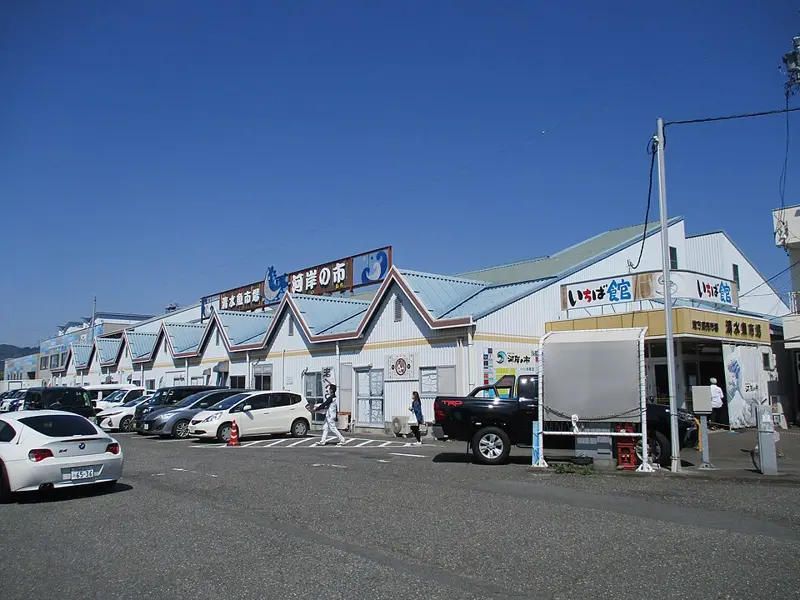
The local move is a maguro-don — a bowl of sliced tuna over rice, often mixing cuts — at Kashi-no-Ichi, the market beside the pier. It is fishmonger pricing, and a bowl that would be a special occasion in Tokyo is a normal lunch here.
Also look for negitoro (scraped fatty tuna with spring onion), kama (the collar, grilled — cheap and superb) and tuna cutlet, which sounds wrong and is a Shizuoka thing.
Suruga Bay is the only place in Japan where sakura ebi — tiny translucent pink shrimp — are commercially fished, in two short seasons in spring and autumn. They are eaten raw, boiled, or sun-dried on gravel banks along the coast in a spectacle the region photographs constantly.
They also make shirasu — whitebait — worth eating here, raw if the boats have been out.
Suruga Bay is deep enough for large vessels
Trips of up to a year; freezing at −60°C on board
And a national centre for processing
Suruga Bay is the only commercial fishery in Japan
Maguro-don at Kashi-no-Ichi, eight minutes from the pier. Closed Wednesdays — check before you plan around it.
It is Japan's leading port for frozen tuna. Distant-water longline vessels leave from here for trips of up to a year, fishing the Indian, Atlantic and far Pacific oceans and freezing the catch at around −60°C on board. Suruga Bay's depth allows large vessels close in, and the cold-storage and processing industry concentrated around the harbour.
Kashi-no-Ichi, the market eight minutes on foot from the cruise pier, where a maguro-don of mixed tuna cuts costs fishmonger prices. It is closed on Wednesdays, which catches out a great many cruise passengers — check the day before you plan your morning around it.
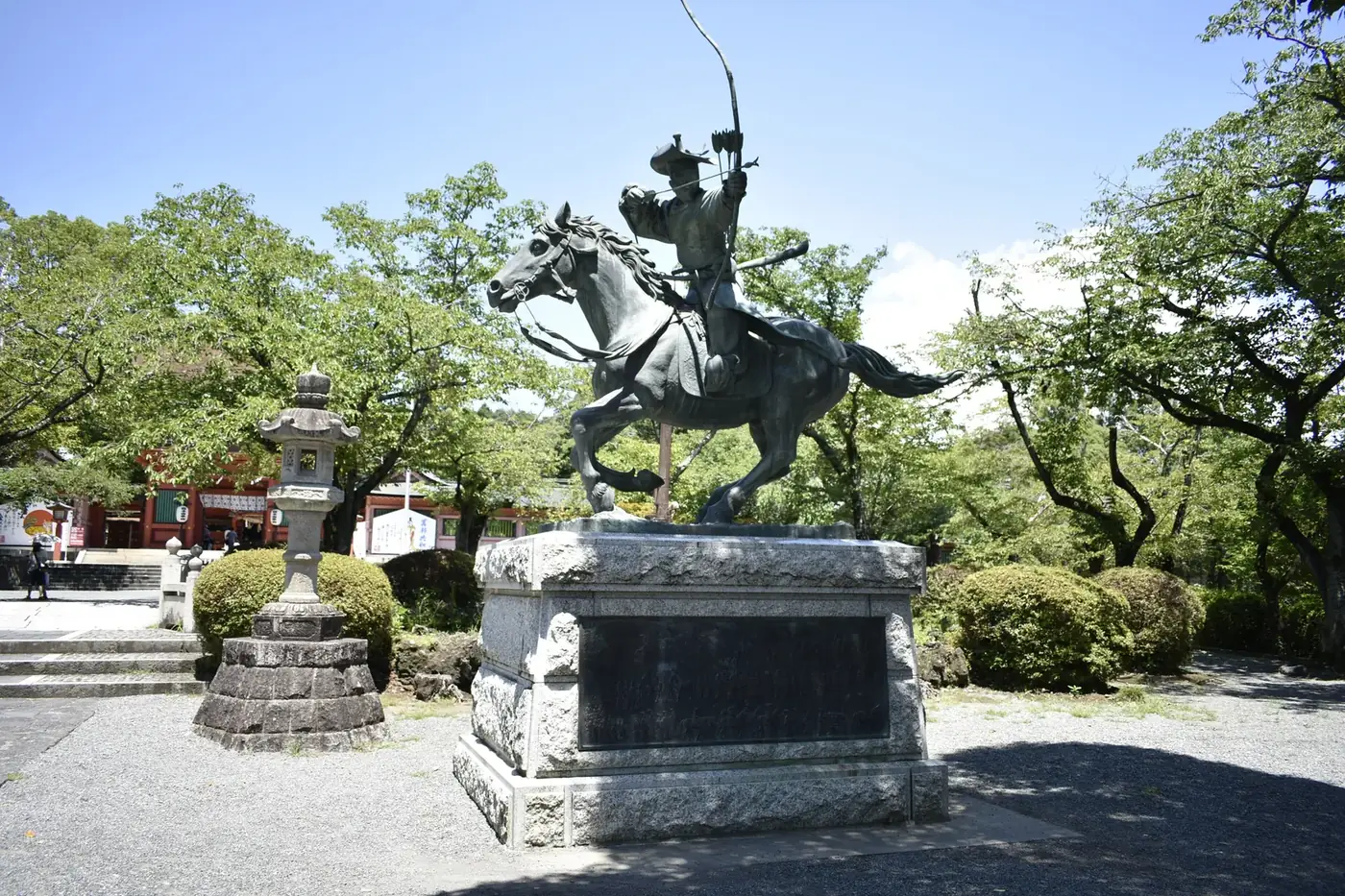
Fuji is not a viewpoint. It is a deity, and a shrine owns the summit
Read →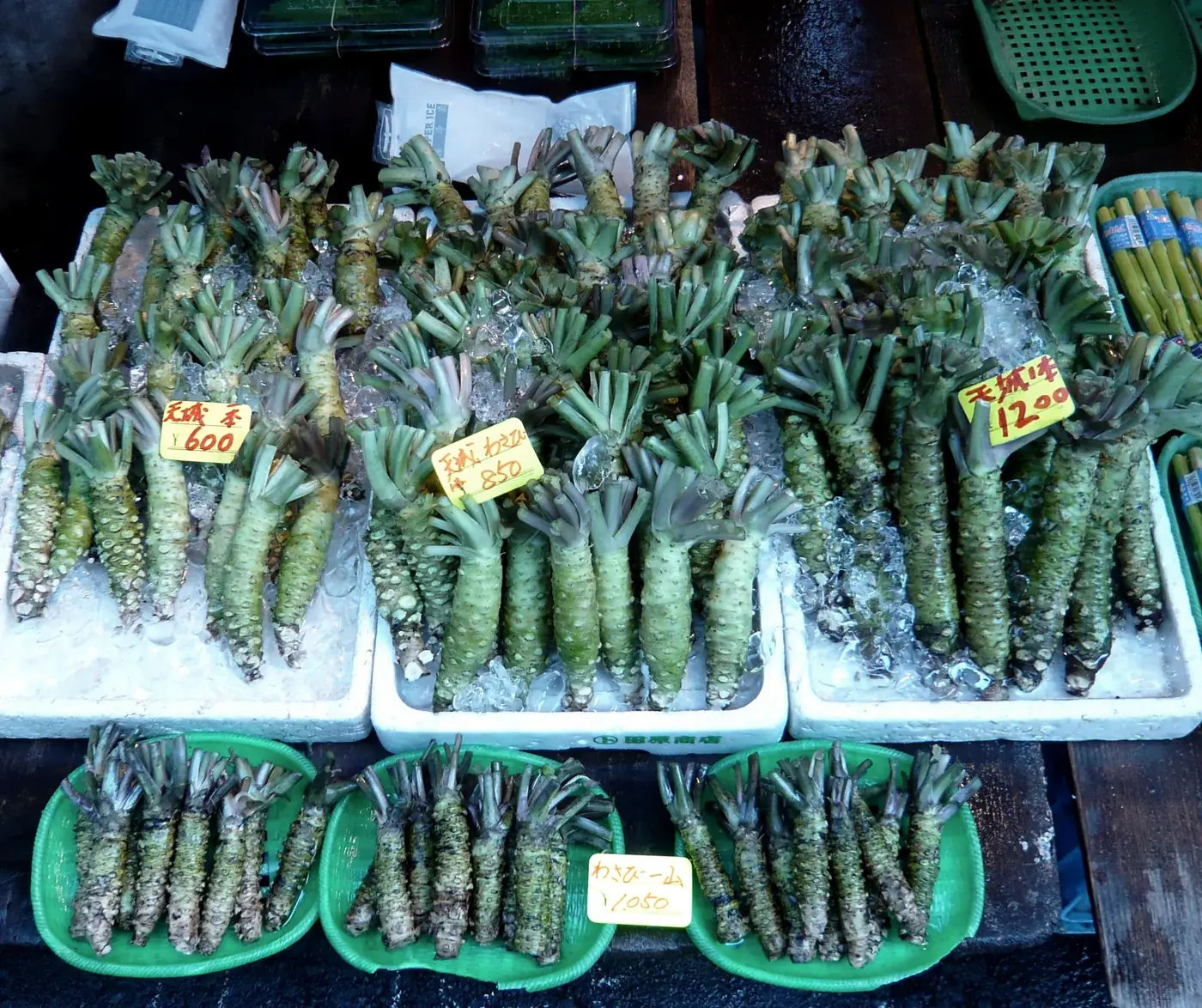
Invented as a crop in a Shizuoka valley around 1600, and almost everything sold as it is not
Read →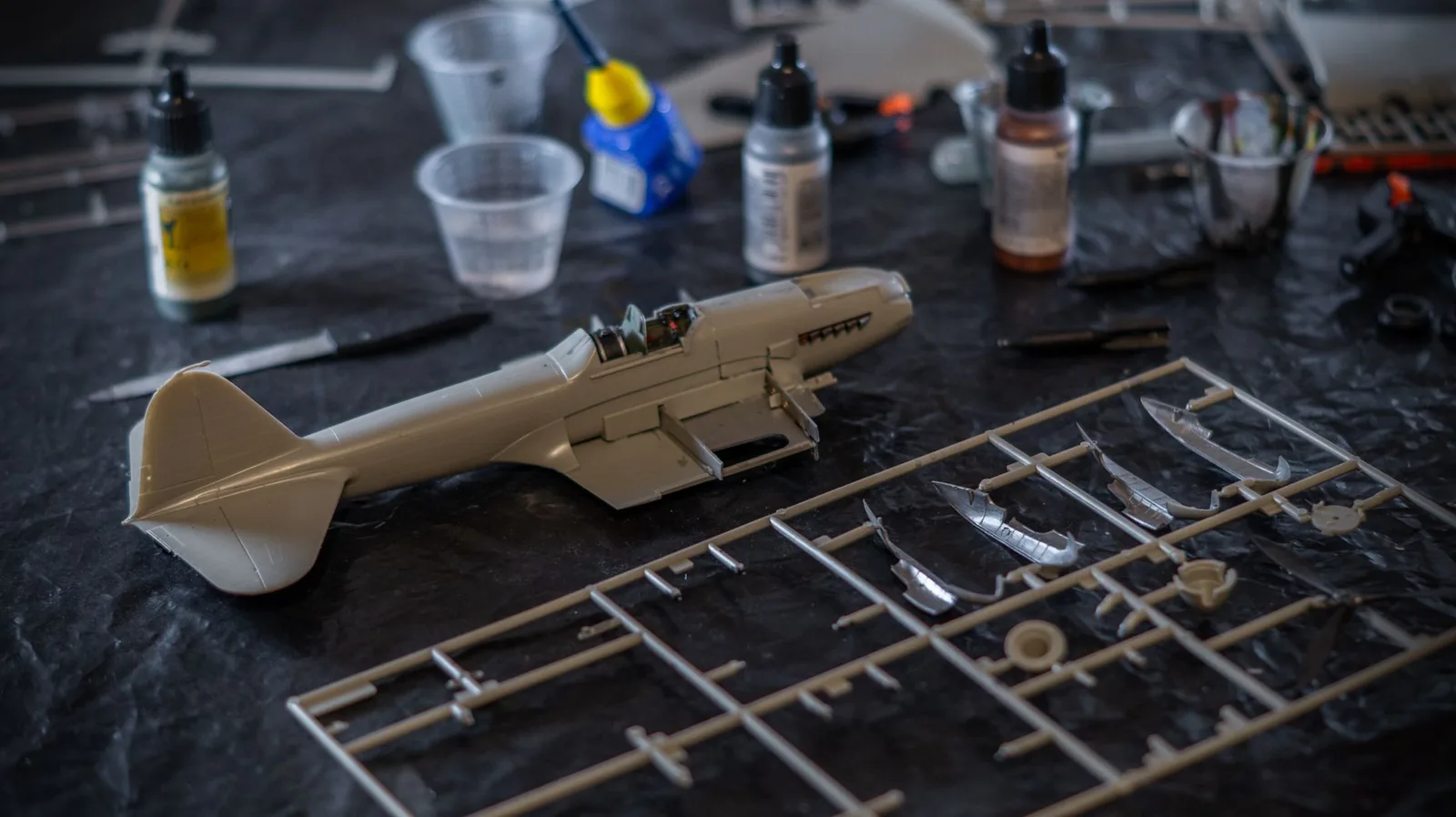
Around 90% of Japan's plastic models are made within a few kilometres of your ship
Read →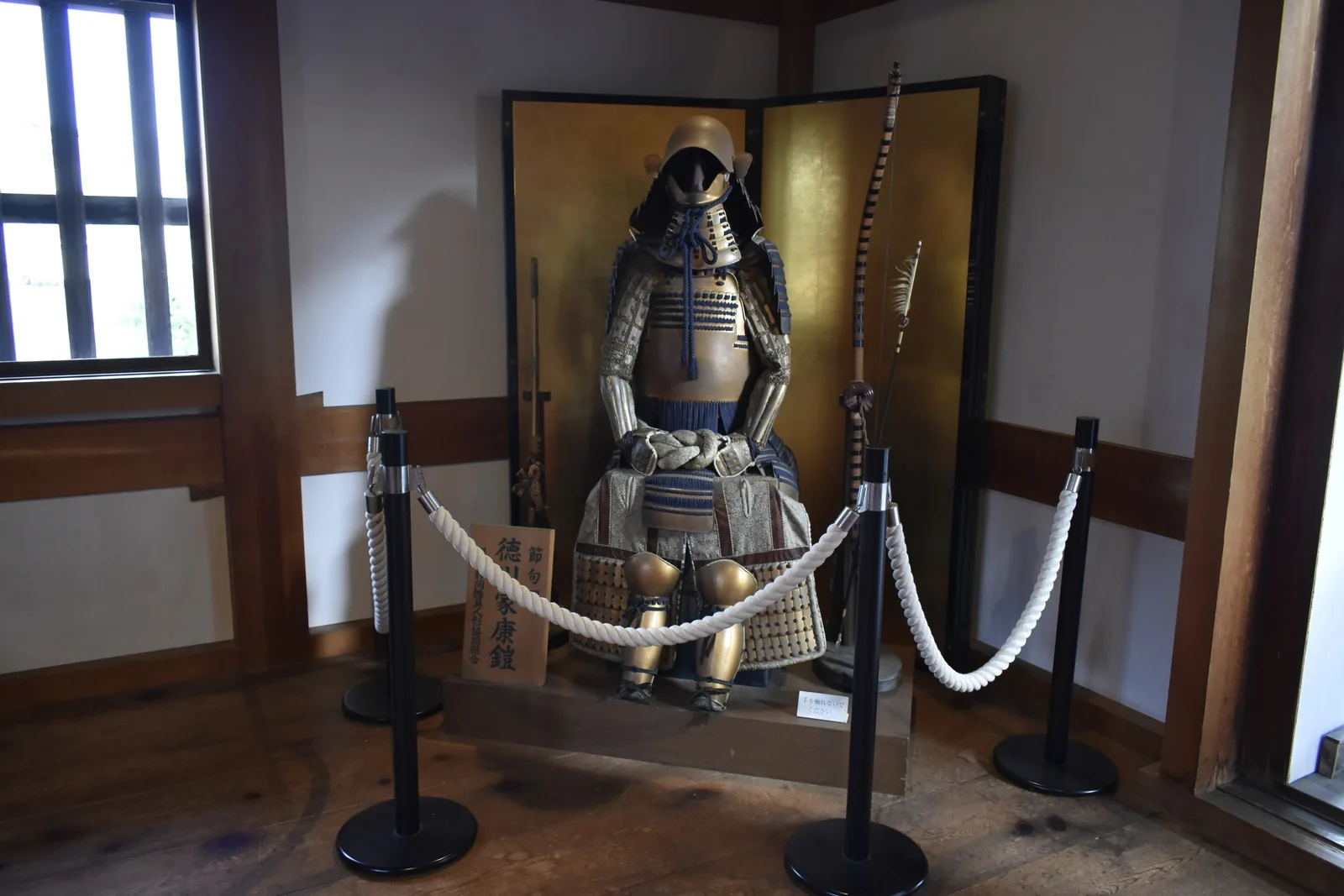
He gave up the title after two years, moved here, and ran the country for another decade
Read →No typing needed — jump straight in:
Just docked? — the gangway toolStart from your shipThe ride from every berthAsk the editorGlossary
![[Private] Shizuoka Shore Excursion: Zen, Matcha & Calligraphy](/img/viator/c077ca3ee28c.webp)