Invented as a crop in a Shizuoka valley around 1600, and almost everything sold as it is not
Wasabi grows wild in cold mountain streams and is famously impossible to farm. Around 1600, in a valley called Utogi in what is now Shizuoka City, someone worked out how — and the terraced water-bed method they developed is still the only way it is done.
Wild wasabi needs constantly flowing, clean, cold water at a steady temperature, shade, and about eighteen months to two years to produce a usable rhizome. Those conditions occur naturally in very few places.
The Shizuoka solution is a terraced bed built in layers — coarse rock at the bottom, then progressively finer gravel and sand, with spring water fed in at the top and filtering down through the whole structure. The plants sit in the top layer with water running continuously past their roots.
It is called the tatami-ishi method — "stacked stone" — and it does three things at once: it filters the water, it keeps the temperature stable, and it stops the roots from sitting in stagnation. The beds are built by hand and last for generations.
In 2018 the system was recognised by the FAO as a Globally Important Agricultural Heritage System, which is a serious designation and a rare one.
The green paste in a supermarket tube is almost always horseradish, mustard and colouring. Real wasabi is pale green, is grated fresh, and loses most of its aroma within about fifteen minutes.
It is grated on a sharkskin grater — the fine rough surface breaks the cells the right way — in a slow circular motion. The heat comes from a compound released by that damage, and it is volatile: it goes up the nose rather than burning the tongue, and it fades within a quarter of an hour.
That is why it is grated at the table and why the good version tastes sweet and floral underneath the heat, which the tube version never does.
Do not stir it into your soy sauce. Put a little on the fish. A sushi chef has already put the correct amount inside the piece, and adding more is a comment on their judgement.
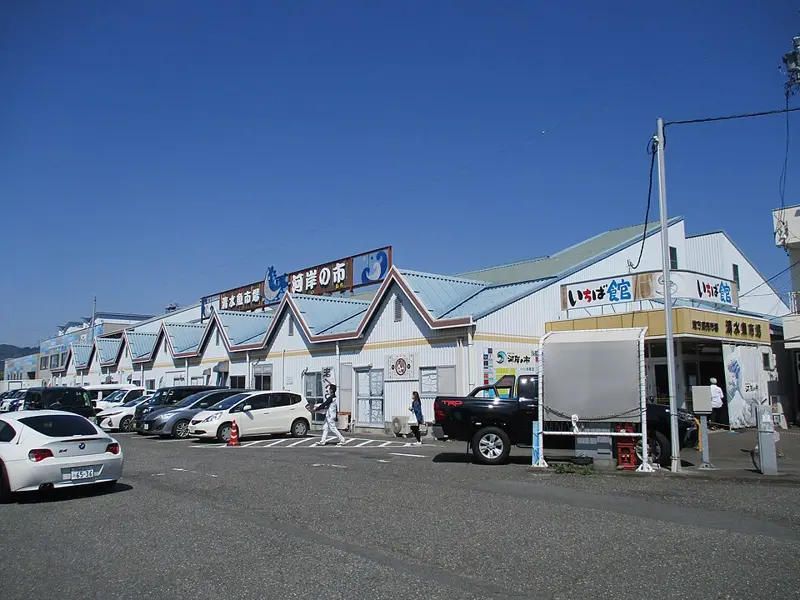
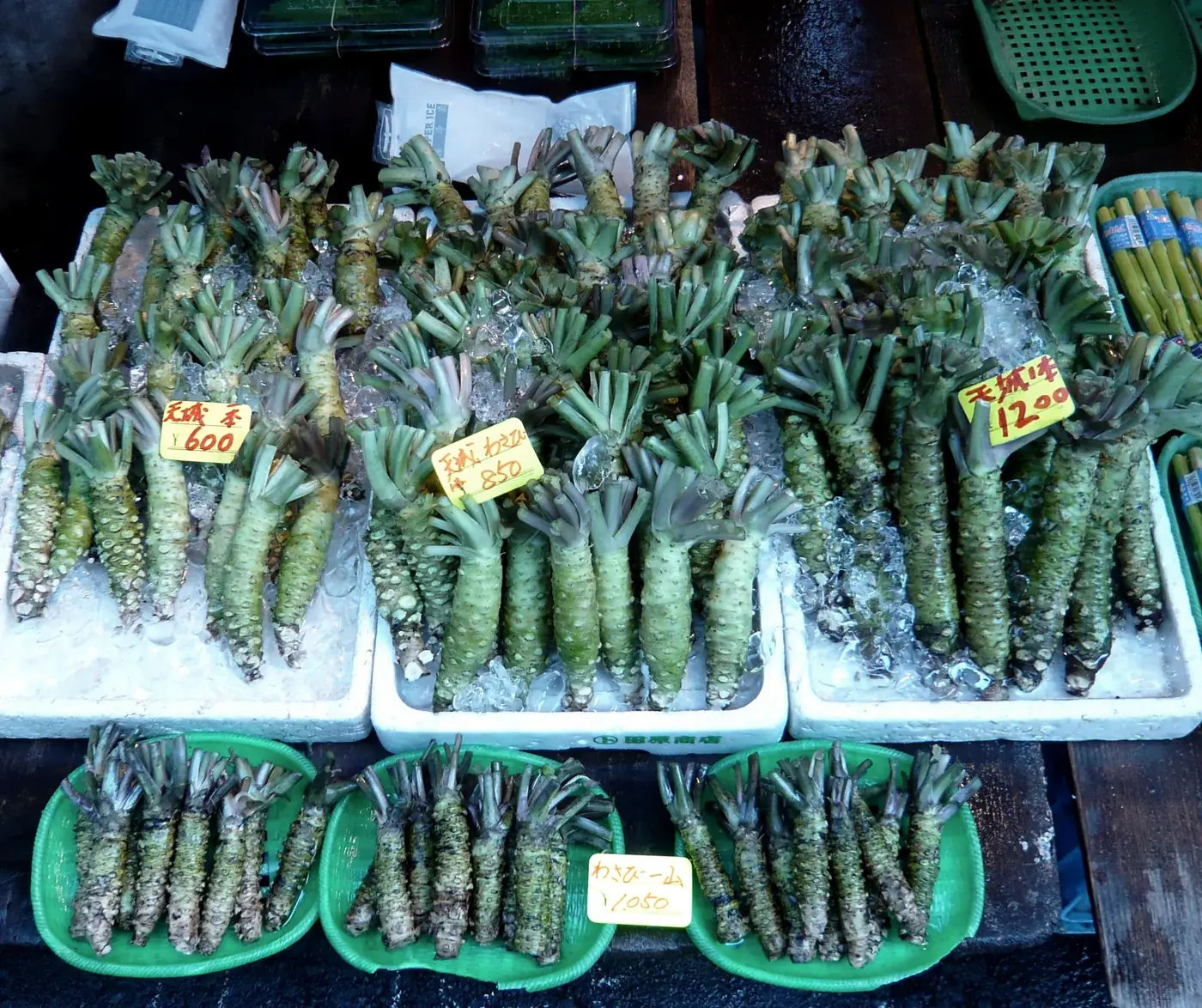
The wasabi districts are inland from Shimizu — the Utogi and Ikawa valleys, and the Izu Peninsula across the bay — and are a real drive. On a port day the practical version is to buy a fresh rhizome and a small grater at Kashi-no-Ichi or Dream Plaza and take it home.
It keeps for a few weeks wrapped and refrigerated, it survives a flight, and it is the best-value souvenir in this port.
The first successful farming of a wild stream plant
Wasabi is valuable enough to control
Layered stone, filtering spring water
A rare designation, and a deserved one
Buy a fresh rhizome and a small grater to take home. It keeps for weeks and it is nothing like the tube.
No. The green paste in tubes and at most restaurants outside Japan is horseradish, mustard and colouring. Real wasabi is pale green, must be grated fresh — traditionally on a sharkskin grater — and loses most of its aroma within about fifteen minutes, which is why it is prepared at the table.
In the Utogi valley of what is now Shizuoka City, around 1600. The terraced tatami-ishi method developed there — layered stone beds fed by flowing spring water — is still the only way wasabi is farmed, and the system was recognised by the FAO as a Globally Important Agricultural Heritage System in 2018.
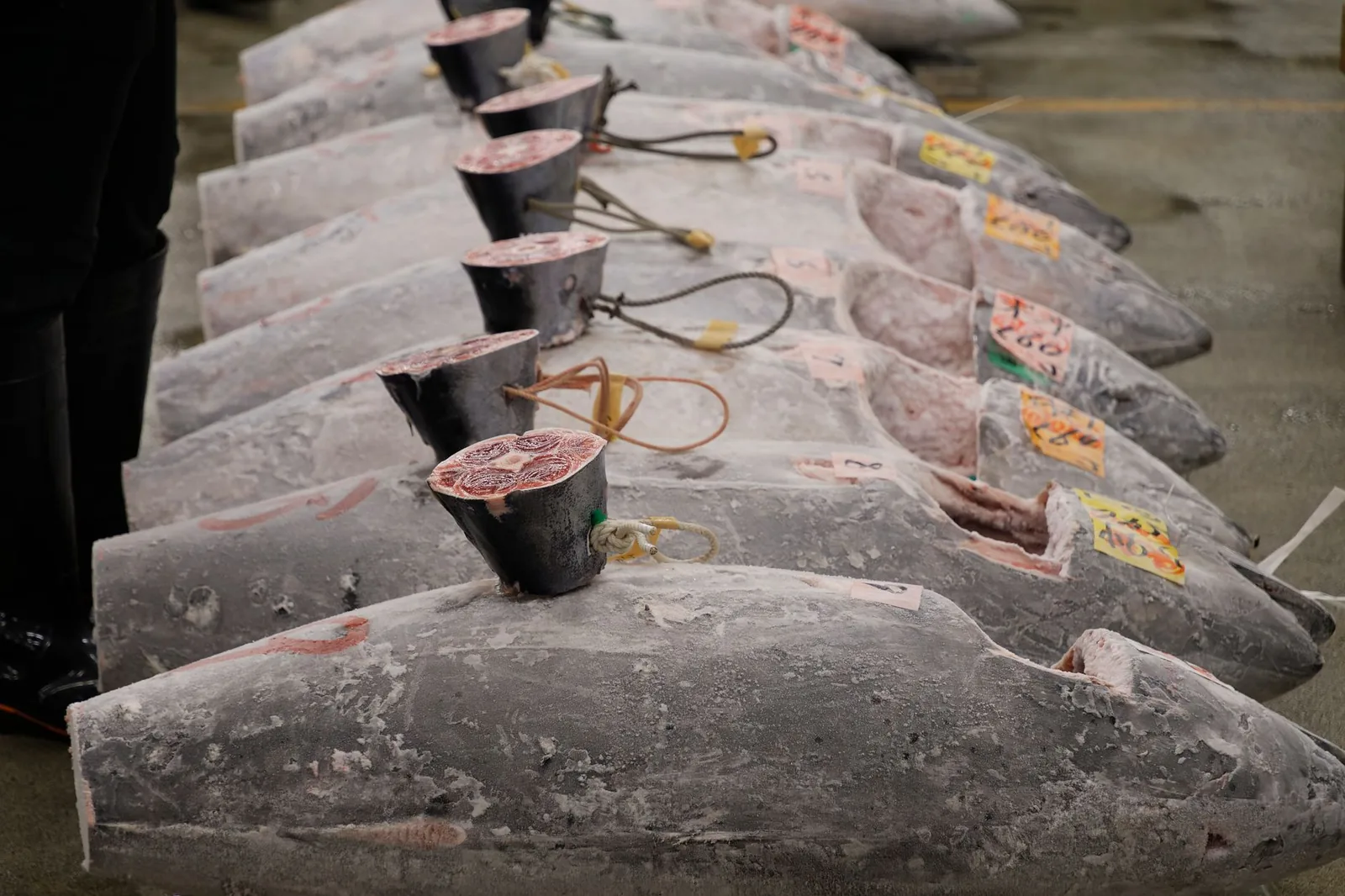
Japan's number one tuna port, and almost none of it was caught nearby
Read →
Fuji is not a viewpoint. It is a deity, and a shrine owns the summit
Read →
Around 90% of Japan's plastic models are made within a few kilometres of your ship
Read →
He gave up the title after two years, moved here, and ran the country for another decade
Read →No typing needed — jump straight in:
Just docked? — the gangway toolStart from your shipThe ride from every berthAsk the editorGlossary