He gave up the title after two years, moved here, and ran the country for another decade
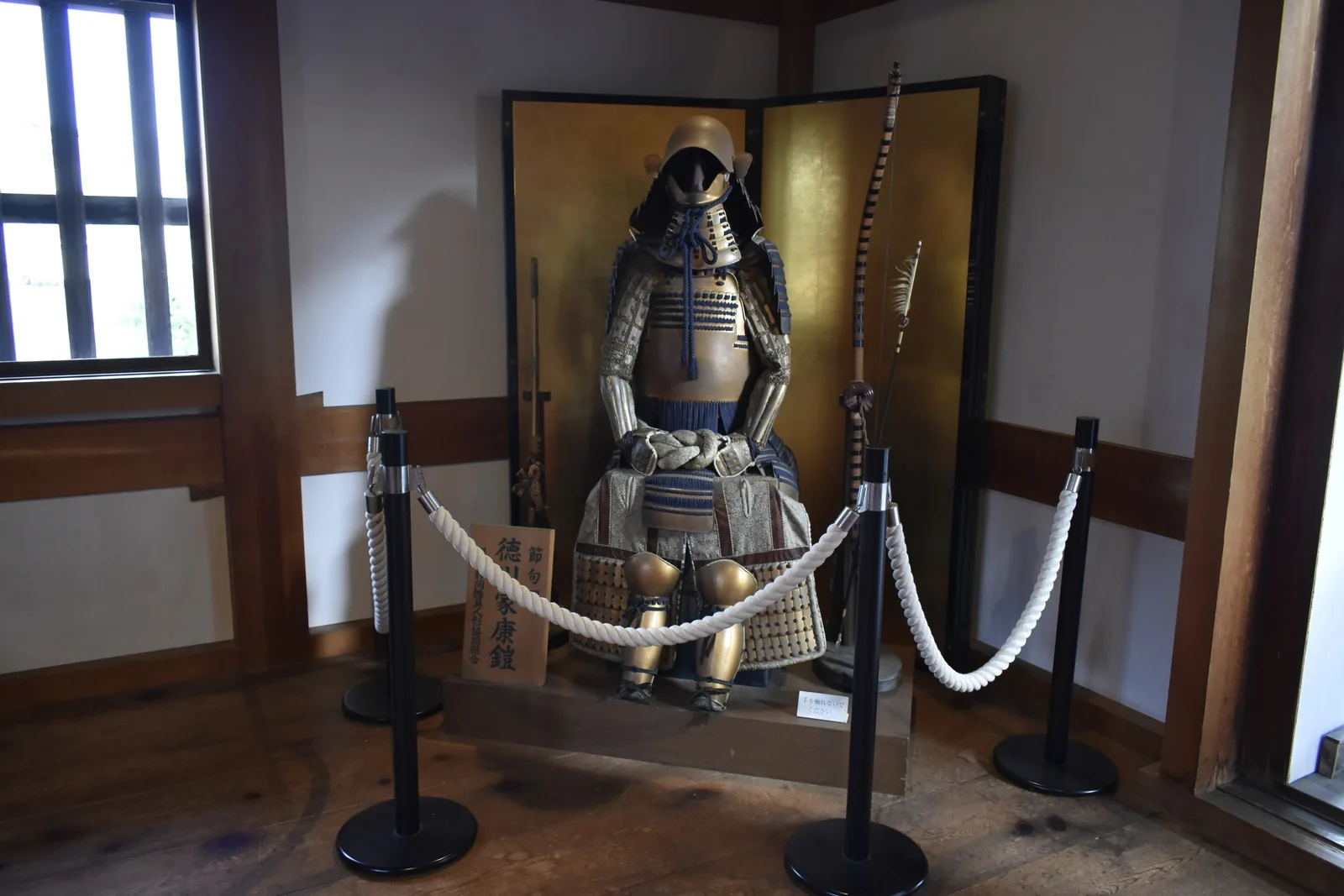
Tokugawa Ieyasu became shogun in 1603 and resigned in 1605 — after two years — handing the title to his son. It was not a retirement. He moved to Sunpu, the town he had been a hostage in as a boy, and governed from there until he died, which is why the most important castle of the early Tokugawa period is not in Tokyo.
Ieyasu was sent to Sunpu as a child hostage of the Imagawa clan, and later held it as his own domain. When he stepped down as shogun in 1605, he came back and rebuilt the castle on a scale far beyond what a retired man needs.
Because the point was to prove the position was hereditary. Japan had just come out of a century in which power changed hands by force. By handing the title to his son Hidetada after two years, while very much alive and in command, Ieyasu demonstrated that the shogunate was a Tokugawa possession rather than a personal achievement.
He then continued to run foreign policy, control the major lords, and direct the campaigns that destroyed the last opposition at Osaka in 1614–15. In this arrangement he was the Ogosho — the retired shogun — and the real government was at Sunpu, not Edo.
For roughly ten years the effective capital of Japan was here, not in Tokyo. The system he set up lasted 265 years.
Sunpu is where William Adams — the English pilot shipwrecked in Japan in 1600, later the model for the character in Shogun — was received. Ieyasu made him a retainer, gave him an estate, and never allowed him to leave. Adams built Western-rigged ships for him and advised on foreign trade.
The Dutch and the English both established trading posts under agreements negotiated in this period. The policy of closure came later, under Ieyasu's successors.
Sunpu Castle Park in Shizuoka has the moats, the reconstructed turrets and the east gate, and an active archaeological excavation of the keep's stone base — one of the largest keep foundations ever built in Japan, which was never rebuilt after fire.
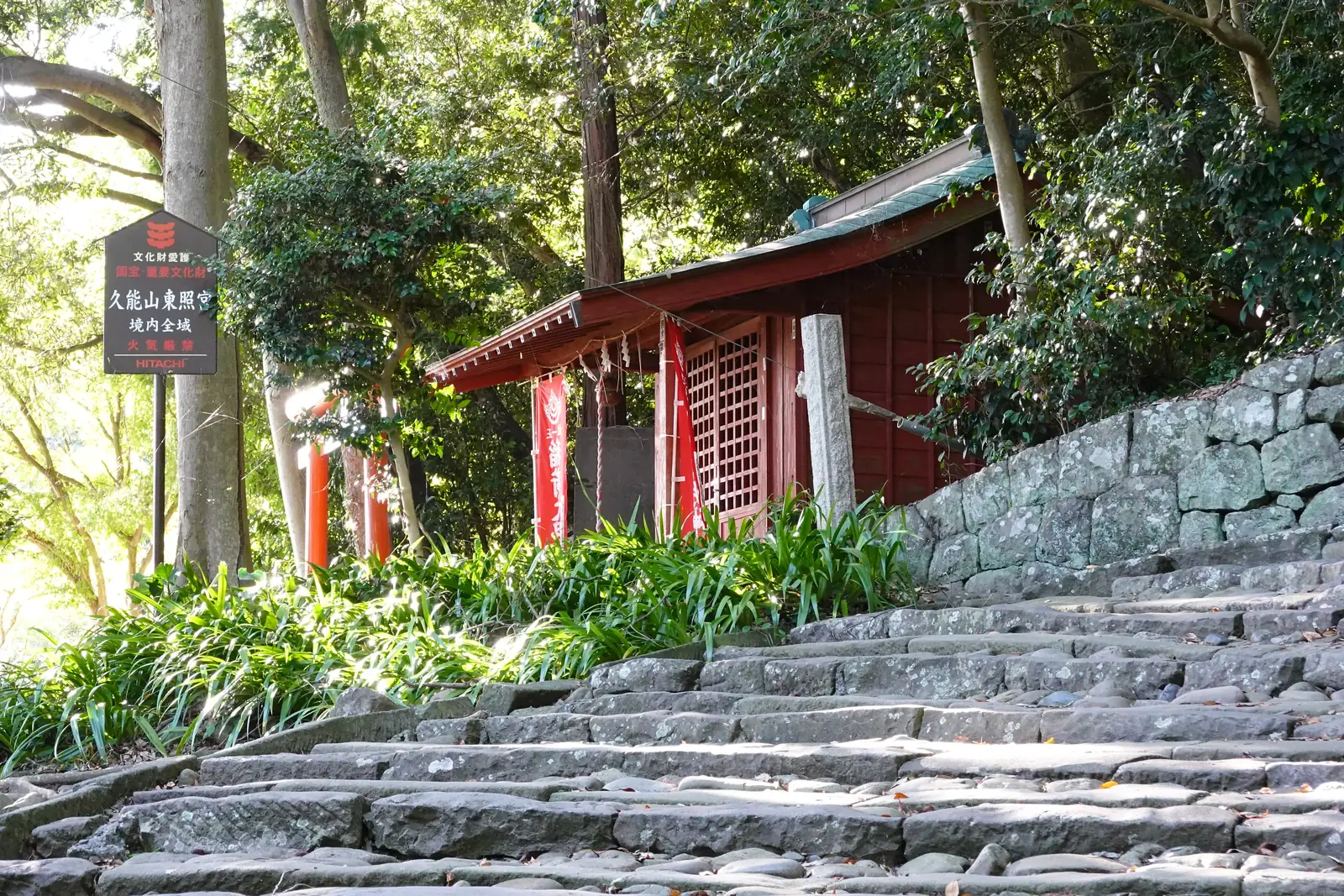
Kunozan Toshogu, on a mountain above the sea and reached by ropeway from Nihondaira, is where he was first buried in 1616. The far more famous shrine at Nikko was built afterwards; Kunozan is the original, is smaller, is more heavily decorated per square metre, and receives a fraction of the visitors.
The town he returns to at the end
And resigns two years later
Proving the shogunate is hereditary
The effective capital of Japan is here
Nikko is built afterwards; this is the original
Take the ropeway to Kunozan Toshogu. It is the original burial site, and Nikko is the copy.
To prove the shogunate was hereditary. He resigned the title after two years in 1605, handing it to his son while remaining in full control, then governed from Sunpu as Ogosho — the retired shogun — for about a decade. Japan's effective capital in that period was Shizuoka, not Edo.
Yes. Ieyasu died in 1616 and was first buried at Kunozan, on a mountain above the sea reached by ropeway from Nihondaira. The far more famous shrine at Nikko was built afterwards. Kunozan is smaller, more densely decorated, and receives a small fraction of the visitors.
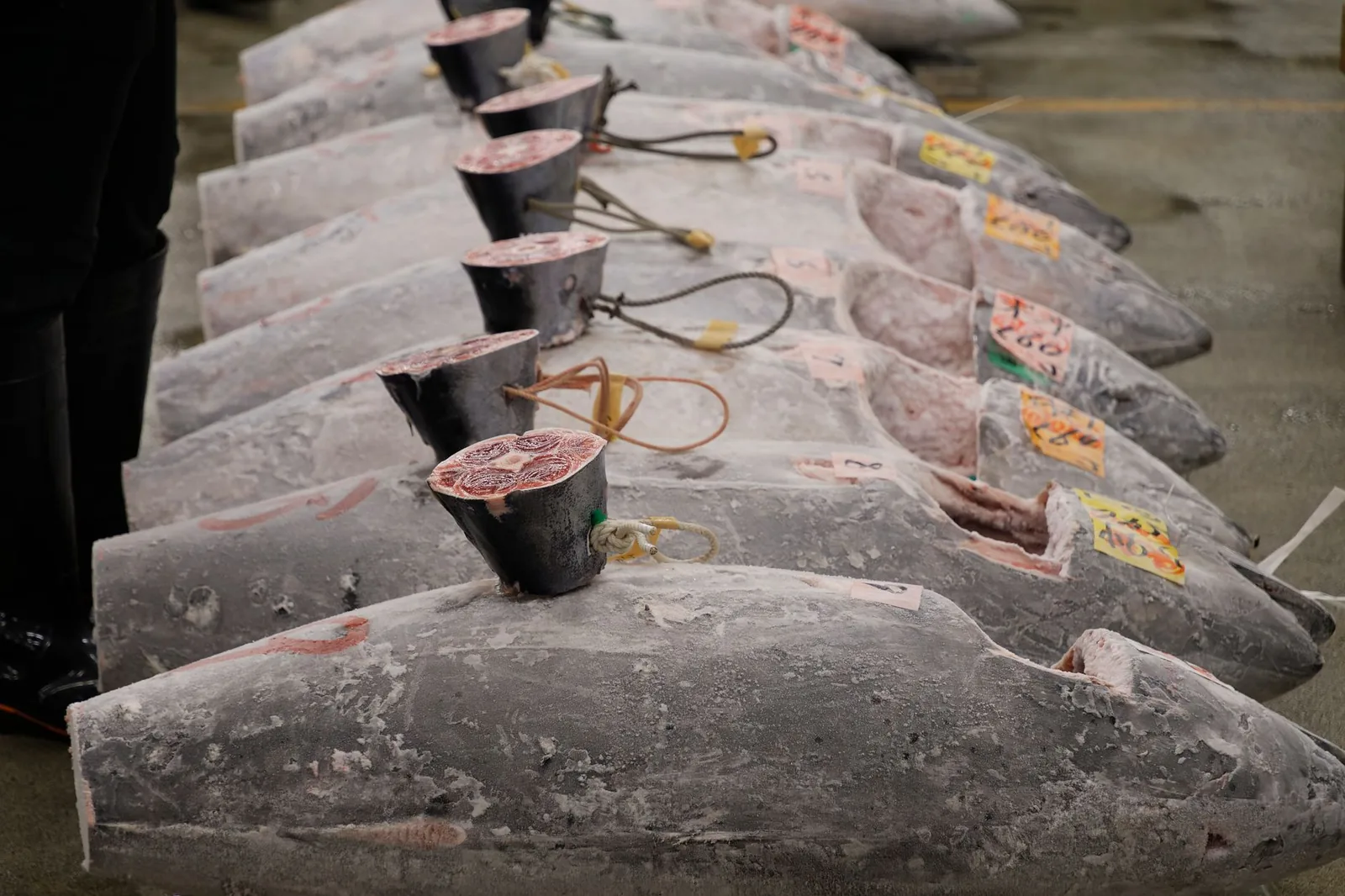
Japan's number one tuna port, and almost none of it was caught nearby
Read →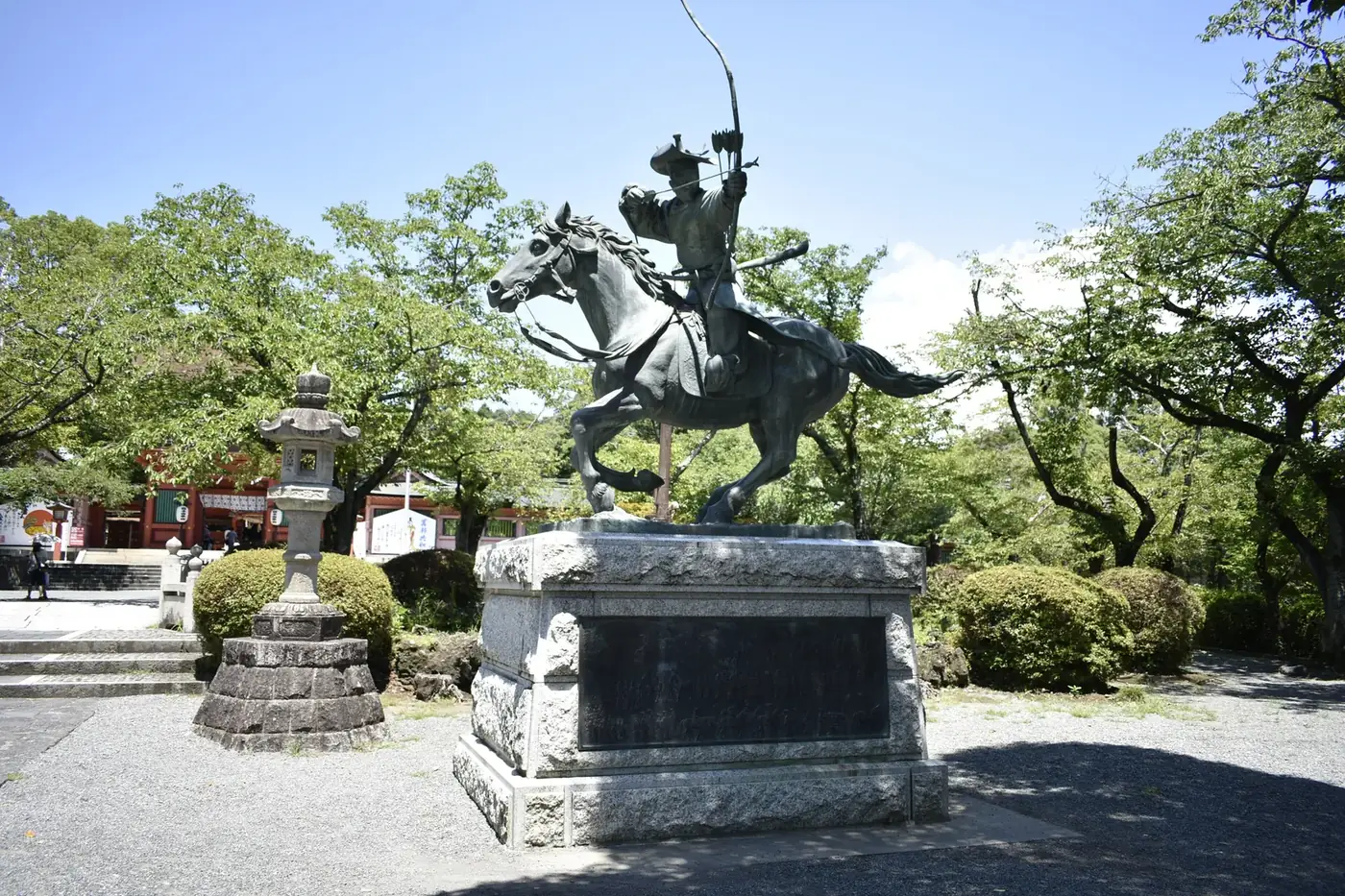
Fuji is not a viewpoint. It is a deity, and a shrine owns the summit
Read →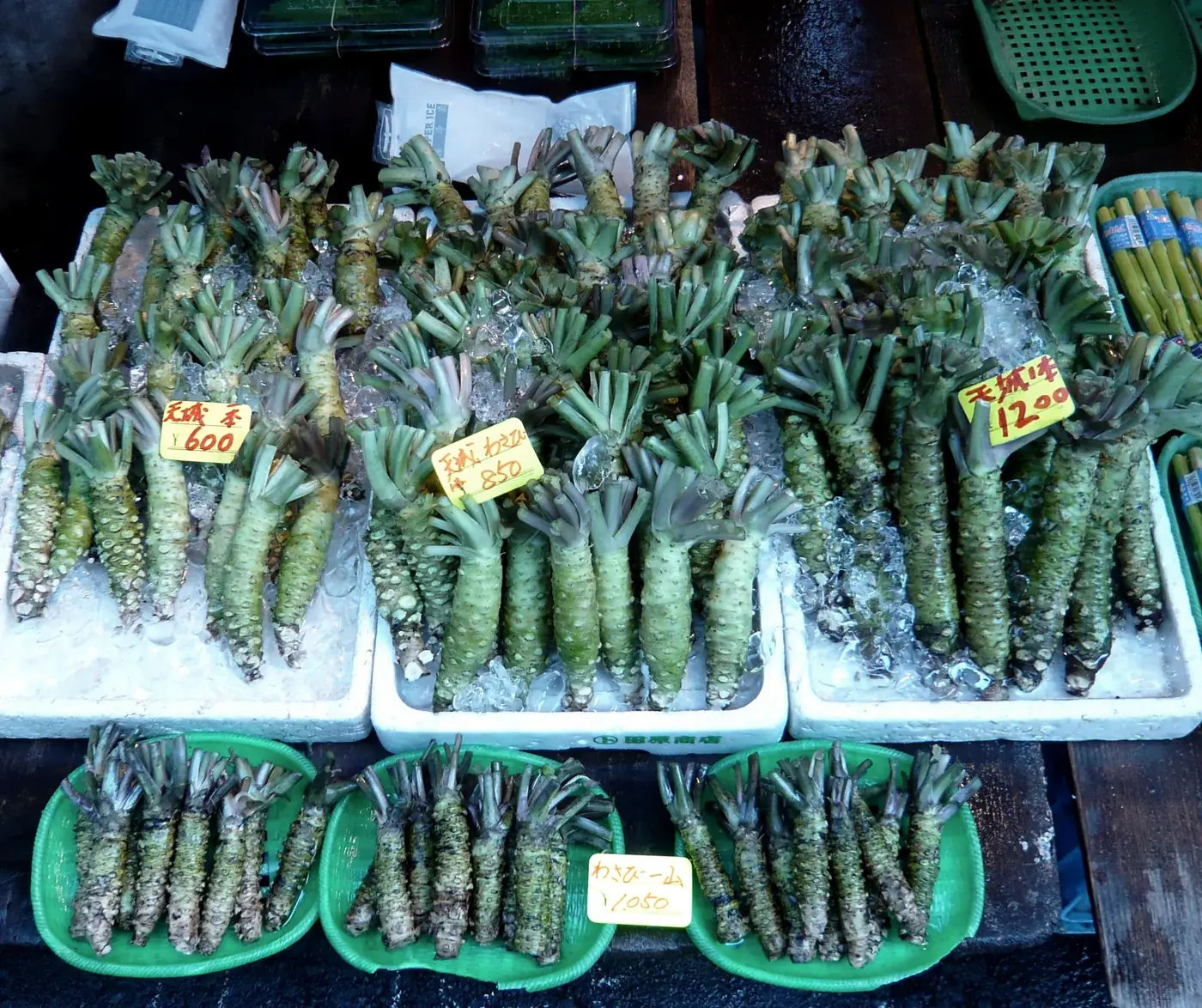
Invented as a crop in a Shizuoka valley around 1600, and almost everything sold as it is not
Read →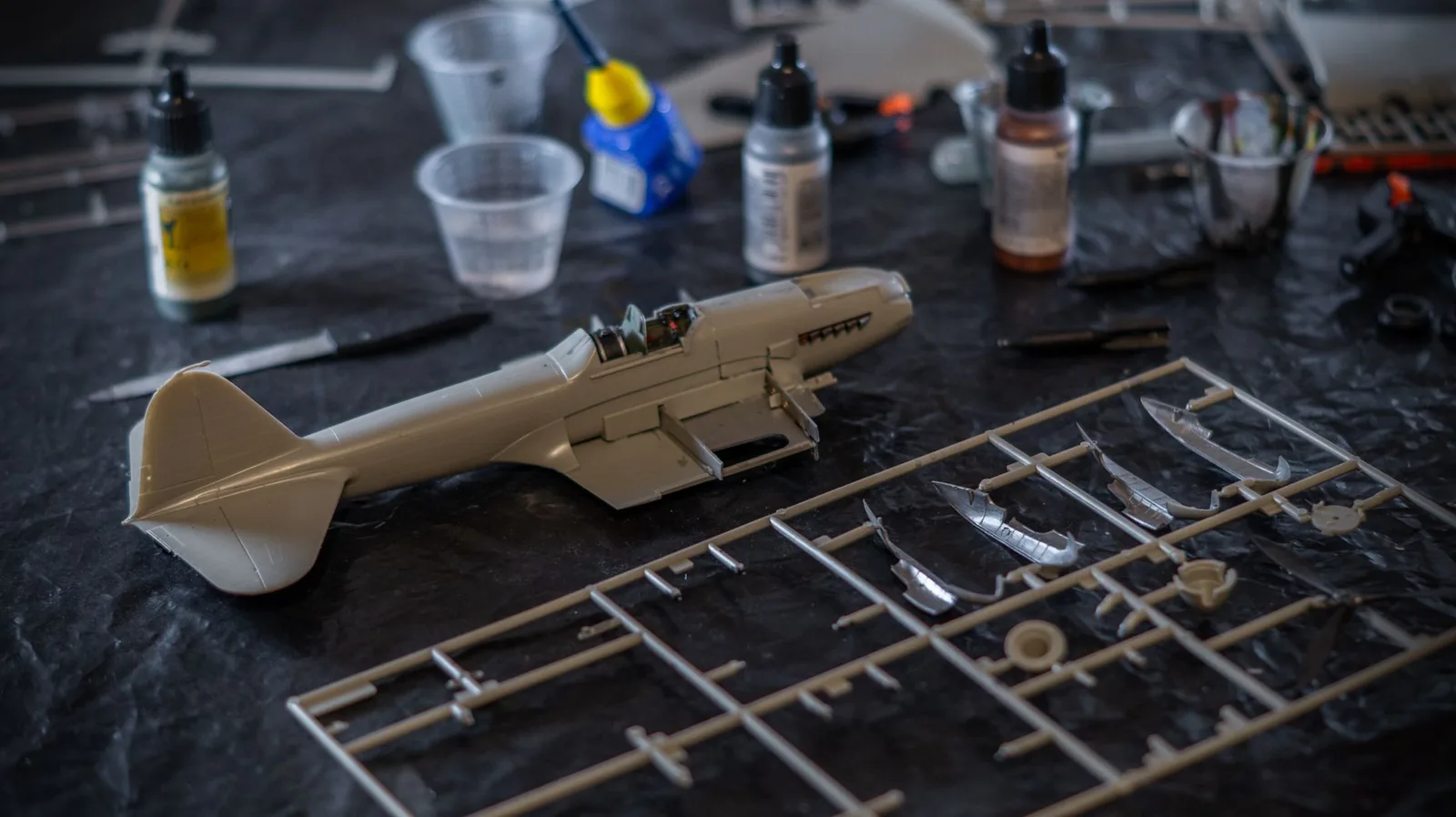
Around 90% of Japan's plastic models are made within a few kilometres of your ship
Read →No typing needed — jump straight in:
Just docked? — the gangway toolStart from your shipThe ride from every berthAsk the editorGlossary