Around 90% of Japan's plastic models are made within a few kilometres of your ship
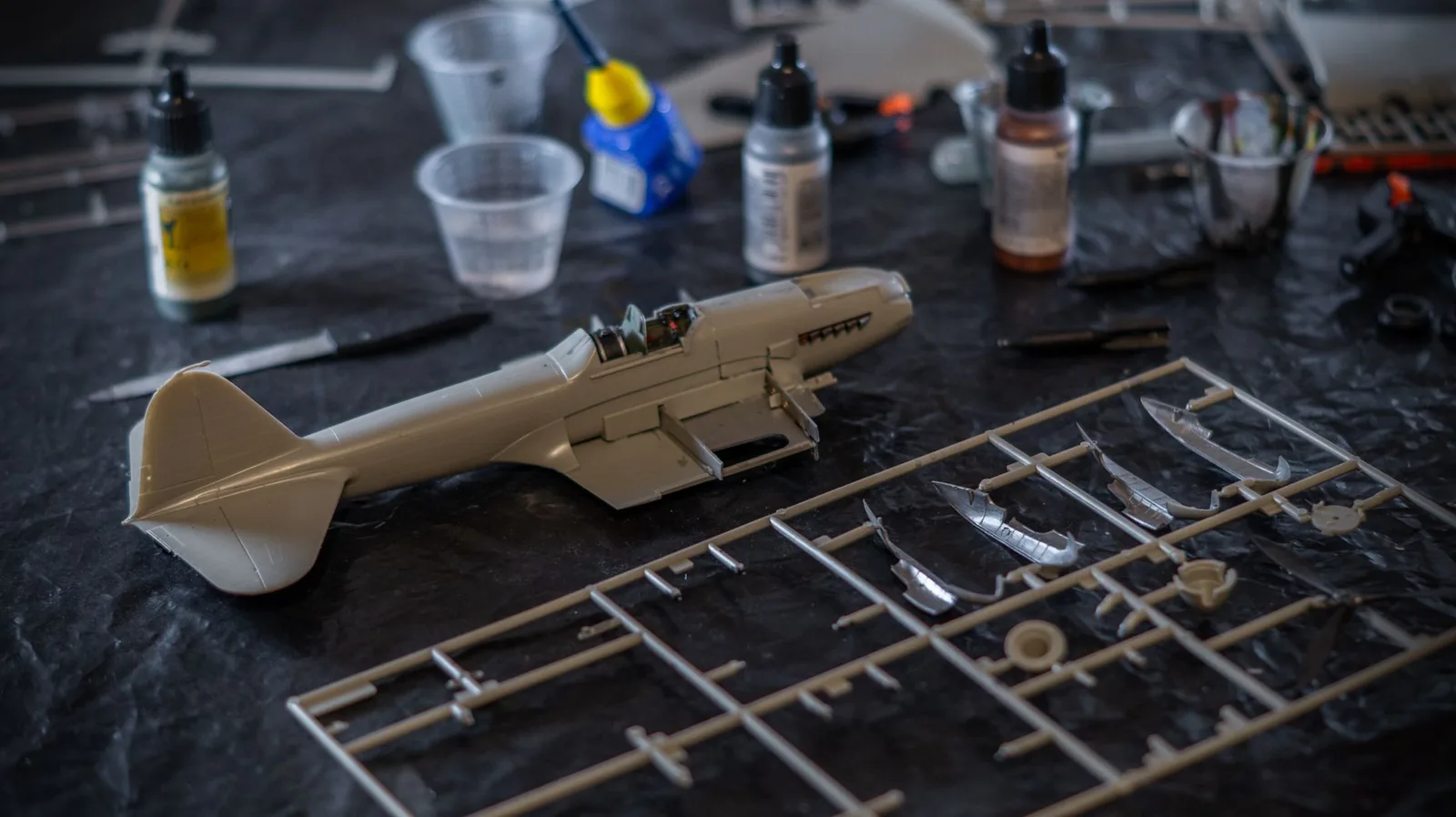
If you have ever built a Tamiya kit, a Gundam, or a scale model tank, there is a very good chance it was designed or made in this city. Shizuoka produces the overwhelming majority of Japan's plastic model kits, and the reason goes back to sixteenth-century temple carpentry.
In the 1610s, Tokugawa Ieyasu retired to Sunpu — modern Shizuoka — and ordered major shrine construction, including Kunozan Toshogu. That brought large numbers of skilled woodworkers to the area, and many stayed.
Those workshops became a woodworking industry: furniture, lacquer, and then wooden toys and model kits. By the early twentieth century Shizuoka was Japan's centre for wooden model aircraft and ships, largely for schools.
When injection-moulded plastic arrived in the 1950s and 60s, the companies already here simply changed material. The skills — precision, tooling, a culture of exact scale — transferred directly.
Tamiya, Hasegawa, Aoshima and Fujimi are all Shizuoka companies. Bandai's Gunpla factory — the Bandai Hobby Center — is here too, and it makes essentially all of the Gundam kits sold worldwide.
The Bandai Hobby Center is a working factory, painted white and red like a Gundam, and does not generally take casual visitors — but it is visible from outside and it is unmistakable.
Model shops in the city carry stock and back-catalogue items that are hard to find elsewhere, at Japanese domestic prices. If you or anyone in your family builds, this is a genuinely important stop.
The Shizuoka Hobby Show, in May, is the industry's main annual event and fills the city.
Because it is the least likely thing about this port and it is completely real. Shimizu sells itself on Mount Fuji, and Fuji is the reason most people come. But the city you are docked in is also, quietly, the world capital of a global hobby.
It costs you twenty minutes and a train stop to see that, and it is the sort of detail that makes a port day memorable rather than photographable.
Skilled woodworkers gather and stay
Shizuoka becomes the national centre
The same firms change material, not skills
Tamiya, Hasegawa, Aoshima, Fujimi, Bandai
If anyone in your family builds models, spend twenty minutes in a Shizuoka hobby shop. Domestic prices, deep back catalogue.
Because Tokugawa Ieyasu retired here in the 1610s and commissioned major shrine construction, drawing skilled woodworkers who stayed. Their workshops became a wooden toy and model industry, and when injection-moulded plastic arrived in the 1950s and 60s the same firms simply changed material. Tamiya, Hasegawa, Aoshima, Fujimi and Bandai's Gunpla factory are all here.
The Bandai Hobby Center is a working factory painted like a Gundam and does not generally take casual visitors, though it is unmistakable from outside. The practical version is a Shizuoka hobby shop — domestic prices and a much deeper back catalogue than you will find abroad. Kits pack flat and fly fine; paints and cement may be restricted.
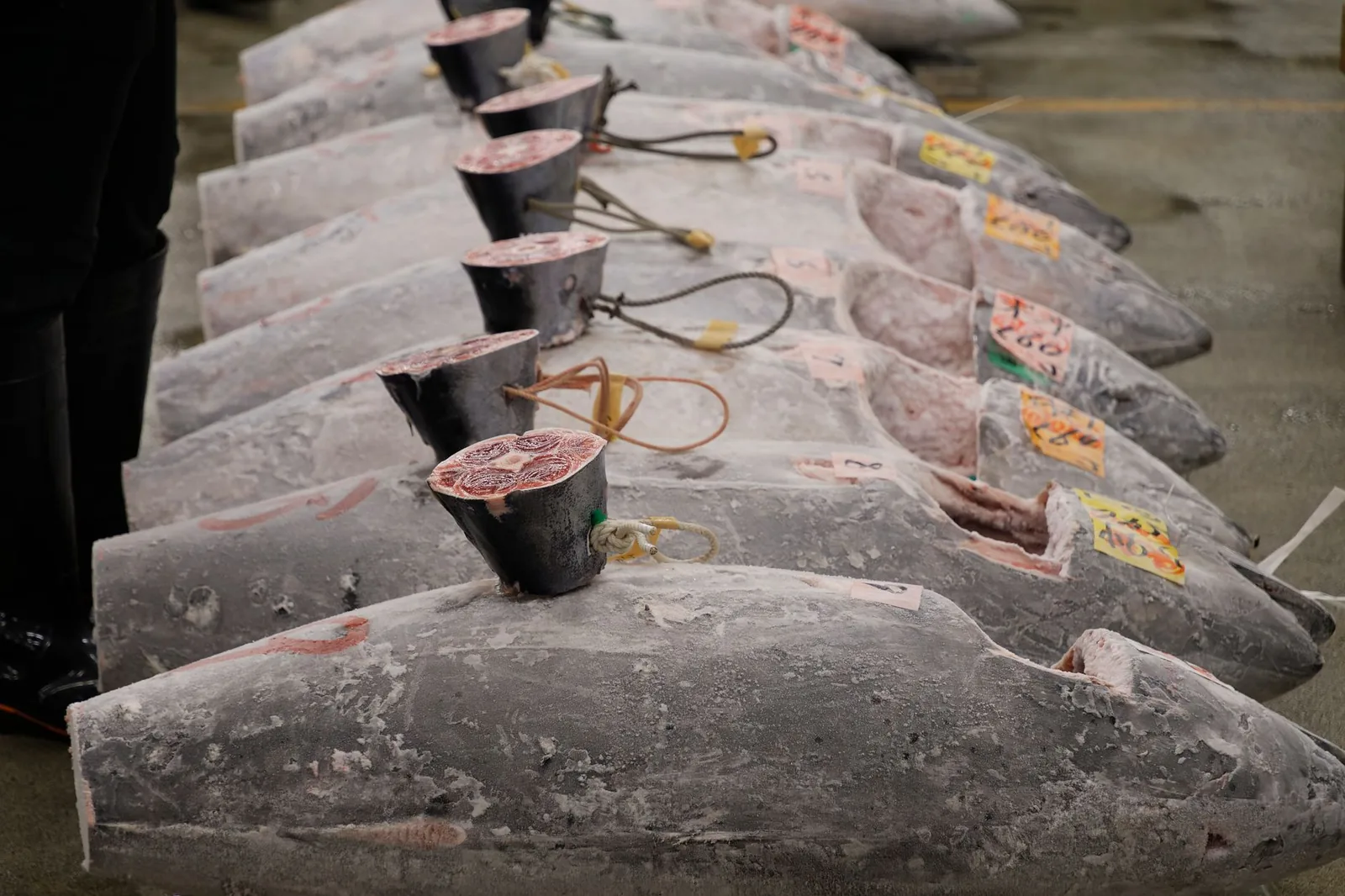
Japan's number one tuna port, and almost none of it was caught nearby
Read →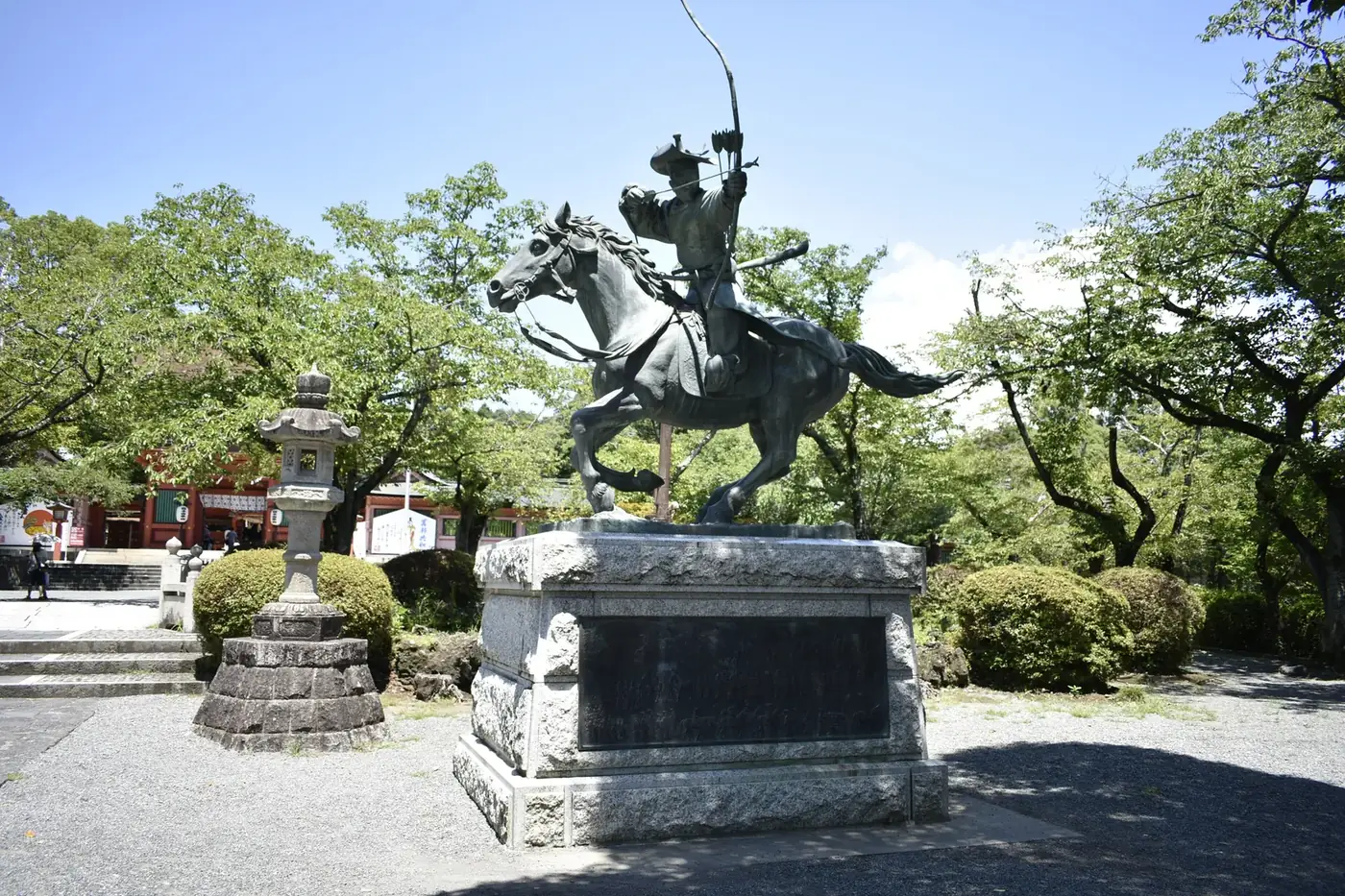
Fuji is not a viewpoint. It is a deity, and a shrine owns the summit
Read →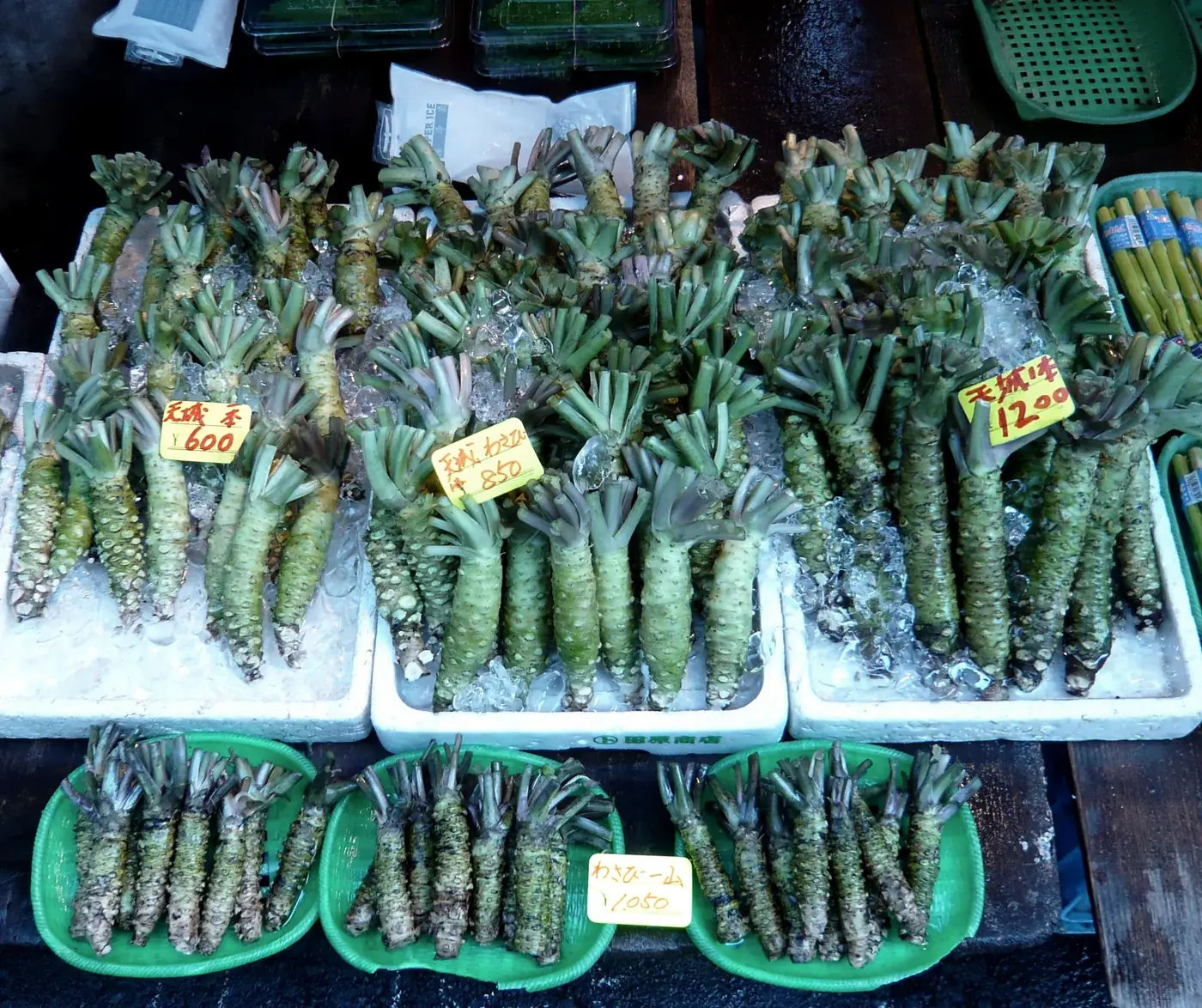
Invented as a crop in a Shizuoka valley around 1600, and almost everything sold as it is not
Read →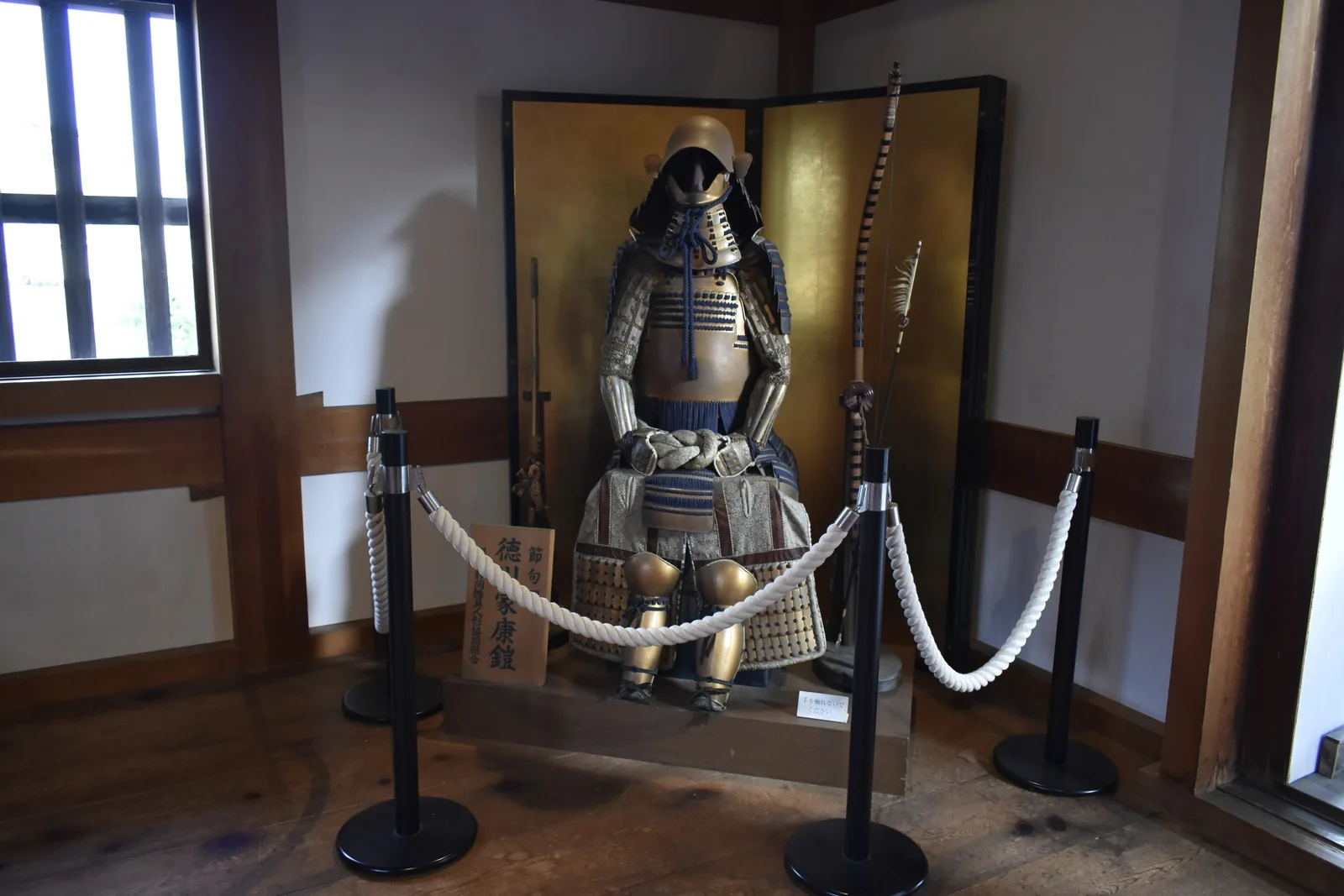
He gave up the title after two years, moved here, and ran the country for another decade
Read →No typing needed — jump straight in:
Just docked? — the gangway toolStart from your shipThe ride from every berthAsk the editorGlossary