Tour desks sell certainty. Gangways sell freedom. The honest answer to “should we book something here?” changes port by port — so here is our ranking, built from the 40+ itineraries we mapped and the walk-or-book verdicts that run through every guide on this site.
One page to bookmark before reading on: our Shuttle & Berth Index lists, for every port we cover, where ships actually tie up and whether a shuttle runs — the data behind every ranking below.
Tier 1 — Walk it, save the money
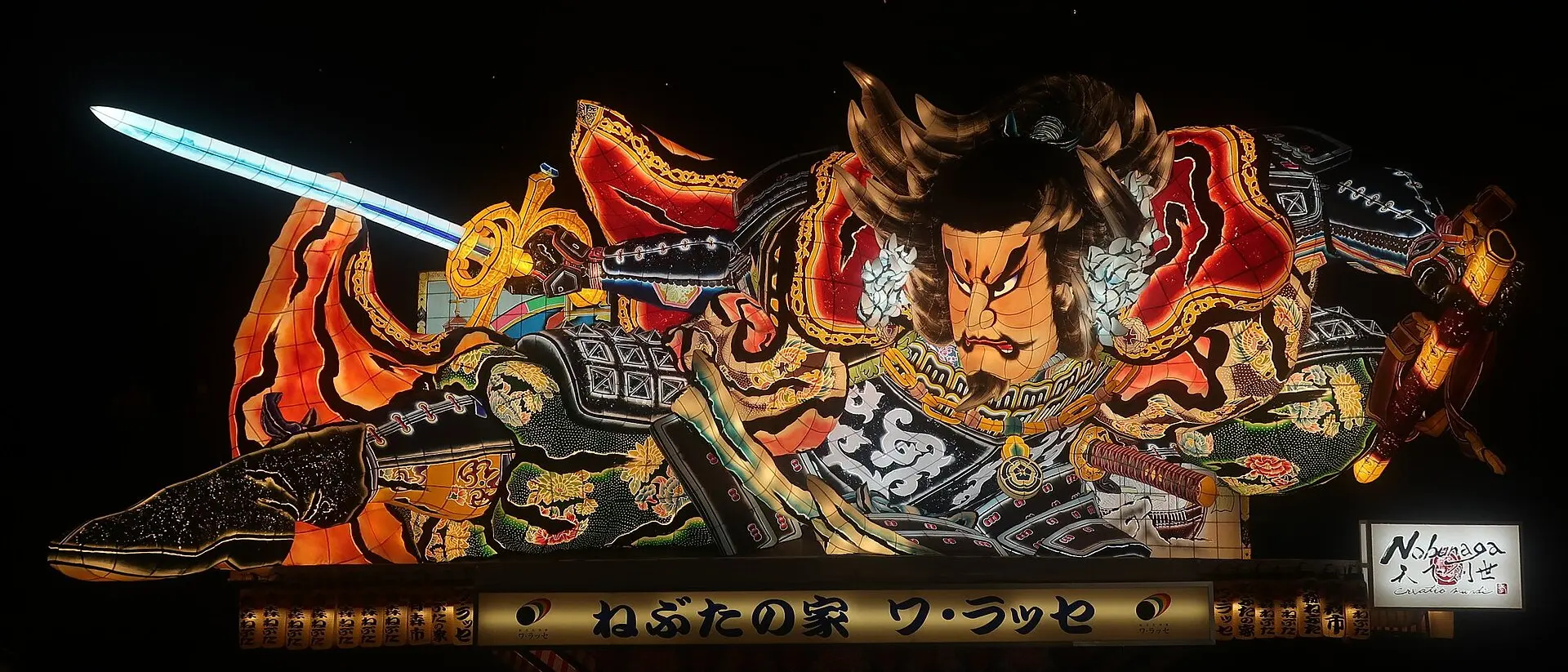
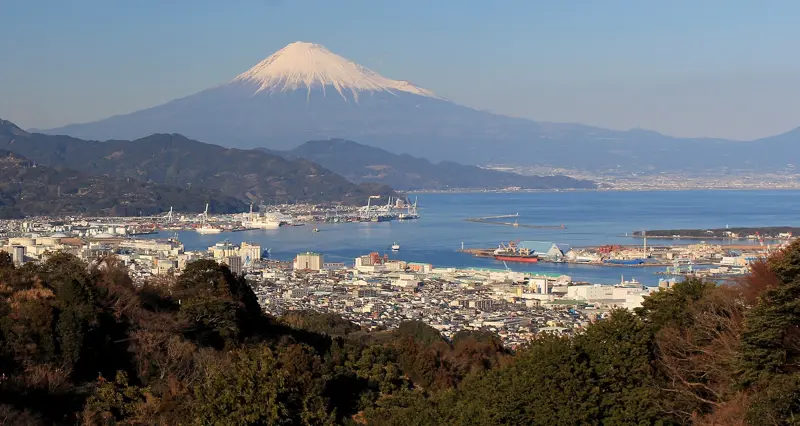
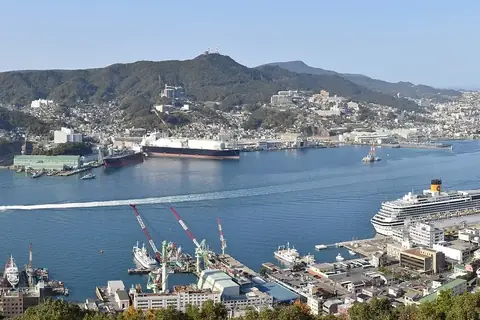
Aomori is the champion: the Nebuta museum’s crimson hull and the A-Factory cider hall sit on the waterfront, and the build-your-own seafood bowl market is a short hop. Shimizu puts Japan’s tuna capital eight minutes from Hinode Pier, with a ¥1,000 water bus as the day’s only transport decision. Nagasaki (on many of the same itineraries) is a tram city — the pier is downtown.
Tier 2 — Walk the base, pay for one thing
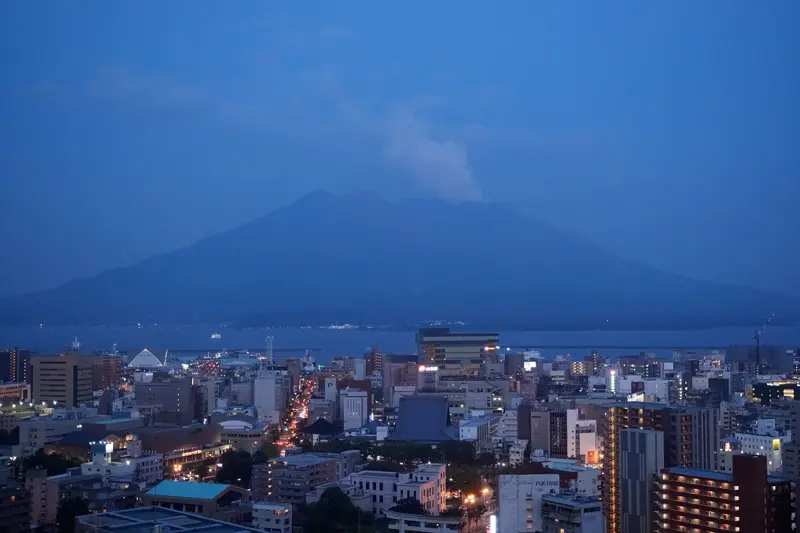
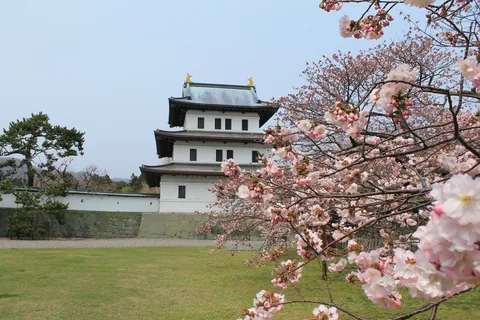
Hakodate: station, morning market and bay warehouses cluster tightly; the ropeway up the mountain is the one paid move. Yokohama: Osanbashi Pier lands you in walking Minato Mirai; pay only for a Tokyo day. Kagoshima: the shuttle drops you central, the Sakurajima ferry runs like a bus — pay only if you want Sengan-en garden and the viewpoints stitched together.
Tier 3 — Book it, honestly
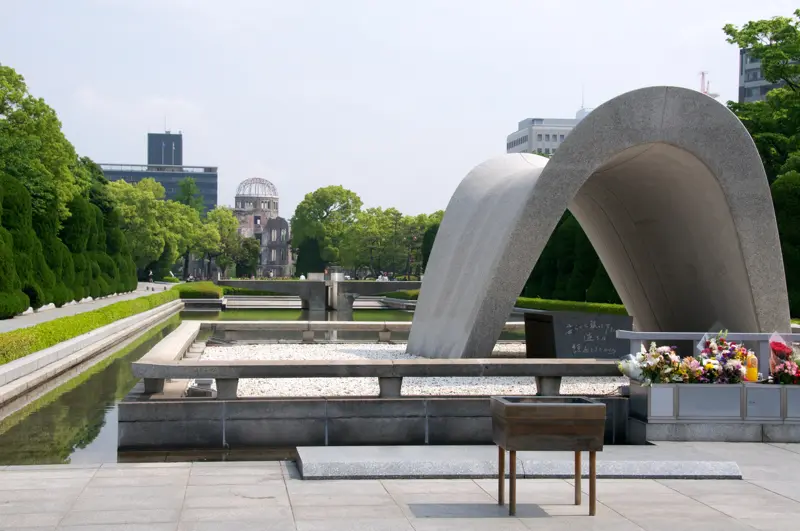
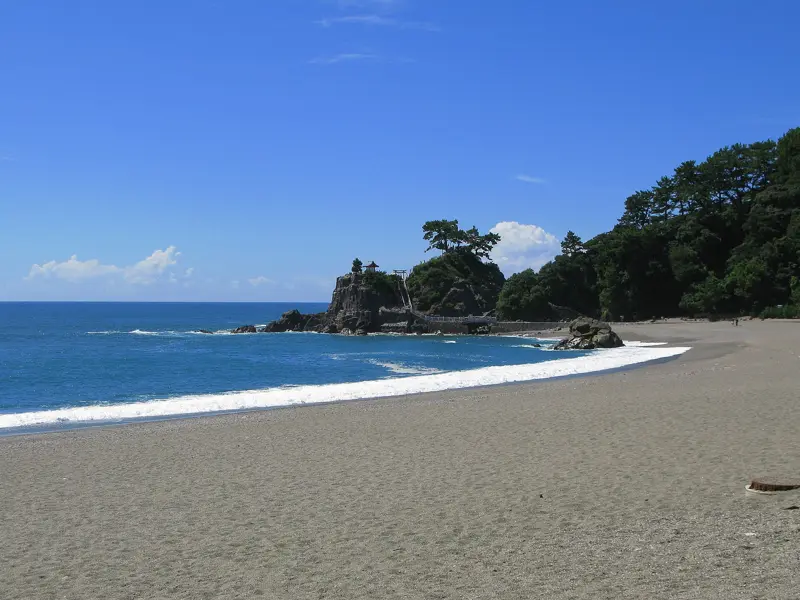
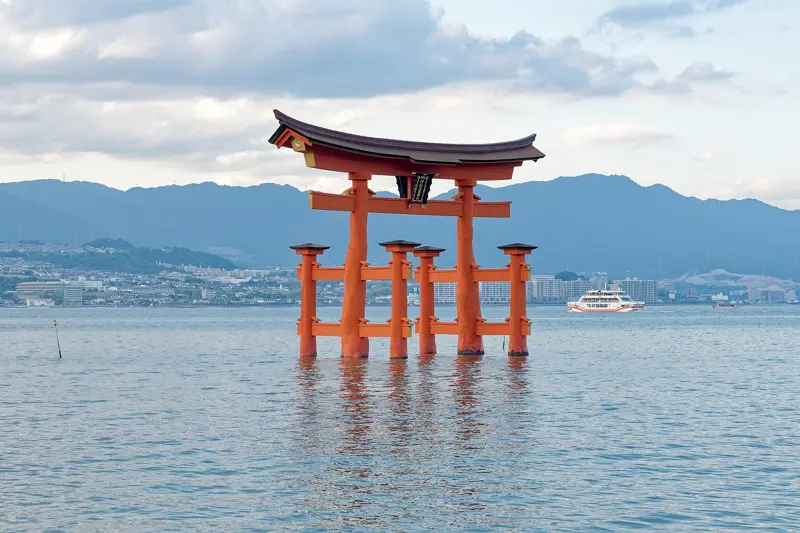
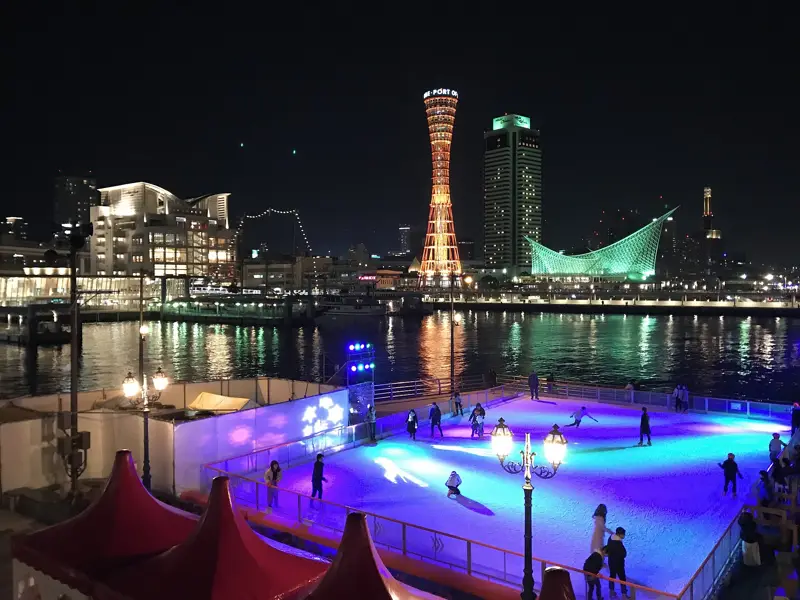
Kobe on a one-day call: Kyoto is the prize and the clock is the enemy — this is what guided days are for. Hiroshima: the Peace Memorial and Miyajima pull in opposite directions; doing both well is clockwork worth paying for. Kochi: castle and market are taxi-easy, but the Pacific at Katsurahama needs wheels — the local highlights day earns its reviews.
The rule that outranks the ranking
Whatever tier you’re in: back on board 60 minutes before all-aboard, and if a berth change puts you on a shuttle, treat the last shuttle as your real deadline. Freedom is the point of walking ports — margin is the price of freedom.