Our foliage page tells you when the colour arrives at each port. This page does the next step for this season: it takes every call already published for November and December 2026 and checks it against the colour window of its own city. The answer is shorter than the brochures suggest.
How we drew the windows
The Japan Meteorological Agency watches one maple and one ginkgo tree in each city. It records two dates: the day the leaves have mostly turned, and the day they have mostly fallen. The window below runs from the first date to the day before the second, using the 1991–2020 normals.
Where Japan Meteorological Corporation has published a 2026 forecast for the city (second issue, 1 October), the window opens on the forecast date instead. That moves Kanazawa’s maples six days later, Hiroshima’s six, Kochi’s seven and Kagoshima’s five days earlier. tenki.jp’s second issue (14 October) adds spot forecasts for the famous valleys, which run ahead of the city trees.
Calls are the ports’ own lists in our cruise calendar. Some lists stop early: Osaka and Shimizu at the end of November, Kagoshima on 28 November, Fukuoka on 30 November, Kanazawa on 15 November. A December call that is not yet on those lists is not in this table.
The calls that land in colour
| Port (JMA station) | Maple window | Calls in it | Ginkgo window | Calls in it |
|---|---|---|---|---|
| Hakodate | Nov 2–12 | Nov 5 MSC Bellissima, 07:30–18:30 | Nov 2–7 | Nov 5 |
| Aomori | Nov 13–22 | Nov 13 Diamond Princess, 07:00–17:00 | Nov 5–16 (fcst) | Nov 6 Asuka II, 09:00–16:00; Nov 13 |
| Sendai-Shiogama (Sendai) | Nov 24–Dec 5 (fcst) | Dec 1 Mitsui Ocean Sakura, 07:00–15:00 | Nov 29–Dec 4 (fcst) | Dec 1 |
| Kanazawa | Nov 30–Dec 3 (fcst) | none listed | Nov 10–22 (fcst) | Nov 13 Eastern Venus, 09:00–18:00; Nov 15 Diamond Princess, 09:00–18:00 |
| Tokyo | Nov 28–Dec 12 (fcst) | Dec 12 Sapphire Princess, 05:30–16:00 | Nov 26–Dec 2 (fcst) | none |
| Yokohama | Dec 14–26 | Pacific World in port Dec 13–15; Mitsui Ocean Fuji Dec 17, 11:30–19:00 and Dec 25, 07:30–17:00; Asuka II and Asuka III turnarounds Dec 15, 23, 26 | Nov 30–Dec 11 | Norwegian Jade Nov 30, 06:30–16:00 (turnaround); Mitsui Ocean Sakura Dec 2, 5, 7; Pacific World Dec 6, 06:30–13:00; Asuka II Dec 9–11 |
| Shimizu (Shizuoka) | Dec 5–20 | list ends Nov 30 | Nov 25–Dec 7 | Nov 29 Norwegian Jade, 07:00–17:00 |
| Toba (Tsu) | Nov 25–Dec 12 | none listed | Nov 20–Dec 6 | Nov 22 Mitsui Ocean Sakura, 08:00–16:30 |
| Kobe | Dec 1–15 | Star Navigator Dec 1, 15:00–01:00; Pacific World Dec 7, 14:00 to 09:00 next day; Asuka III turnarounds Dec 2, 8, 11, 13 | Nov 13–23 | Nov 15 Norwegian Jade, 08:00–20:00 |
| Osaka | Dec 4–12 (fcst) | list ends Nov 30 | Nov 24–Dec 3 (fcst) | Nov 27 Norwegian Jade, 06:30–18:30 |
| Hiroshima | Nov 28–Dec 8 (fcst) | Dec 4 Norwegian Jade, 07:00–16:00 | Nov 21–25 (fcst) | Nov 25 Norwegian Jade, 09:00–18:00 |
| Kochi | Dec 9–22 (fcst) | Dec 9 Asuka III, 08:00–17:00; Dec 12 Mitsui Ocean Sakura, 09:00–15:00 | Nov 16–Dec 1 (fcst) | Norwegian Jade Nov 16 and 26; Diamond Princess Nov 21, 08:00–18:00 |
| Nagasaki | Dec 7–20 | Dec 14 Eastern Venus, 08:00–18:00 | Dec 5–14 | Dec 14 |
| Kagoshima | Dec 10–23 (fcst) | list ends Nov 28 | Nov 27–Dec 5 (fcst) | Nov 27 Diamond Princess, 09:00–18:00; Nov 28 Eastern Venus, 08:00–17:00 |
| Fukuoka | Dec 7–13 (fcst) | list ends Nov 30 | Nov 28–Dec 3 (fcst) | none |
Windows: JMA 1991–2020 normals for colouring and leaf fall (maple 015/016, ginkgo 013/014); "fcst" marks a window that opens on Japan Meteorological Corporation's 1 October 2026 forecast. Calls: port authority lists as held in our calendar; each list's date is on the port's calendar page. Toba uses the Tsu station, the nearest with normals.
Three ports have nothing to show this year. Niigata (one call, 2 November) and Akita (1 and 2 November) are a week to ten days ahead of their maples, which turn on 15 and 12 November. Fukuoka’s last listed call, Spectrum of the Seas on 27 November, is one day before the ginkgo forecast.
Where to see it on the day
These are places already on our port pages, with the times from the berth that those pages give.
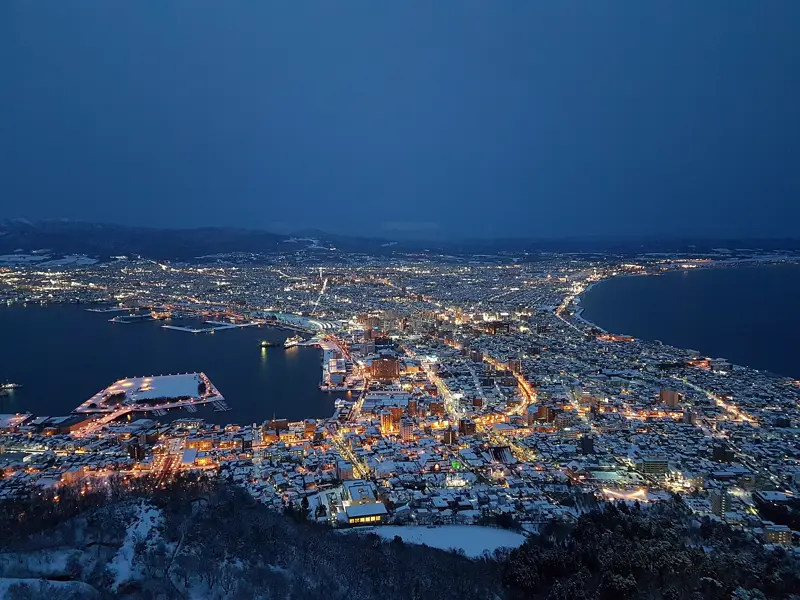
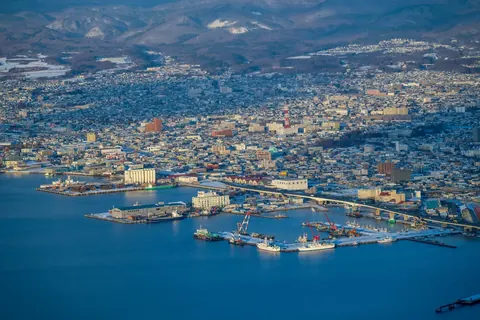
Hakodate, 5 November. MSC Bellissima has eleven hours, the only call of the season with both trees in colour at once. The star fort of Goryokaku is about 30 minutes by tram; the grounds close at 18:00 from November.
Aomori, 13 November. Diamond Princess arrives on the day Aomori’s maples turn by both the normal and the forecast. Ten hours is enough for Hirosaki Castle park, 1 h 45 min to 2 h each way by walk, train and bus. Asuka II on 6 November meets the ginkgo but has seven hours, which makes Hirosaki too tight; stay in town.
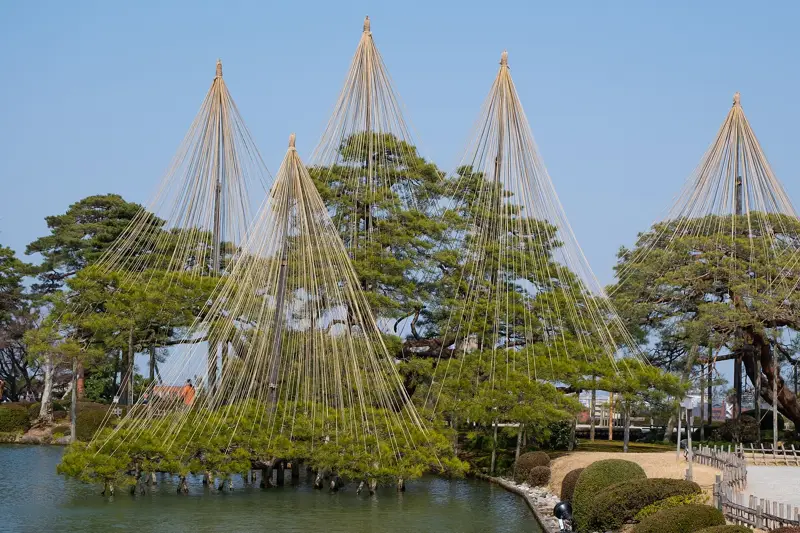
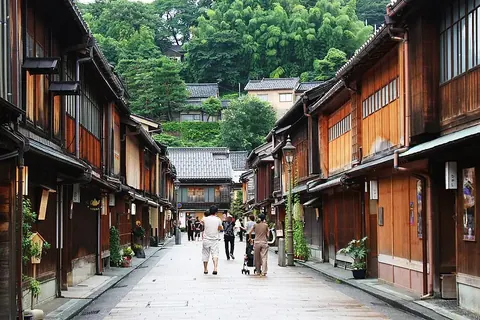
Kanazawa, 13 and 15 November. The maples are forecast for 30 November, after the last listed call. What the Eastern Venus and Diamond Princess calls do get is the gold, and Kenroku-en’s rope cones (yukitsuri), which go up from 1 November. Kenroku-en is 15–20 minutes by taxi, and from 16 October it opens 8:00–17:00.
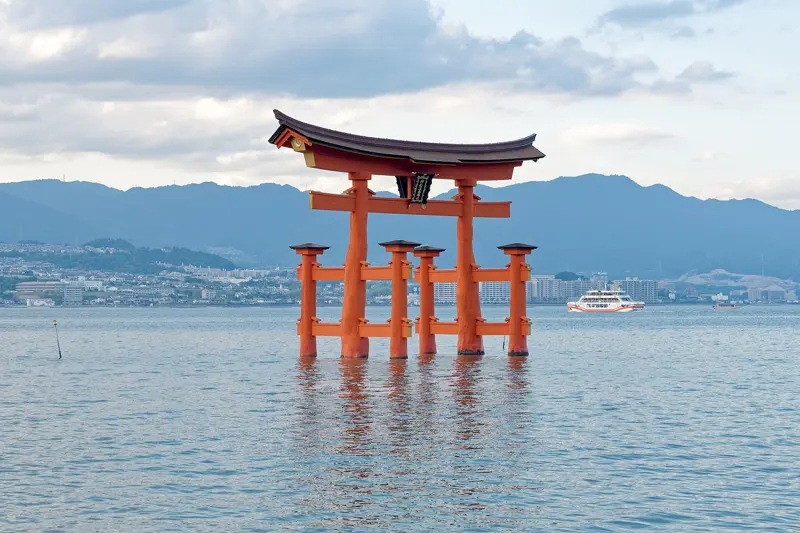
Hiroshima, 25 November and 4 December. tenki.jp puts the Miyajima peak from 18 November, so both Norwegian Jade calls fall after it. Miyajima is 80–95 minutes each way by tram, train and ferry, or about 30 minutes by the direct boat from Hiroshima Port, which must be booked by 17:00 the day before. Momijidani Park is behind the shrine. If Miyajima is too far, Shukkei-en is 45 minutes by tram.
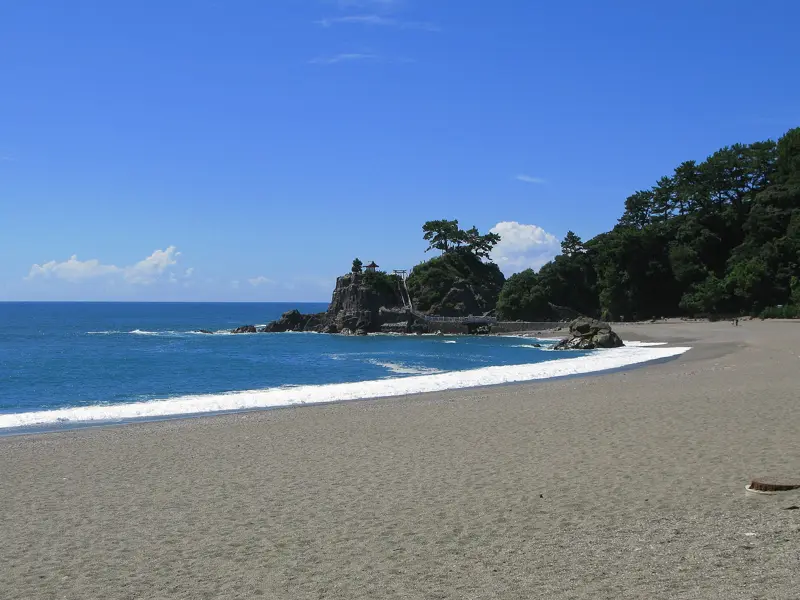
Kochi, 16 November to 12 December. Five calls fall in a window, more than at any other port. Kochi Castle is about 25 minutes by shuttle or taxi and closes at 17:00 (last entry 16:30). Asuka III on 9 December lands on the day the maples are forecast to turn.
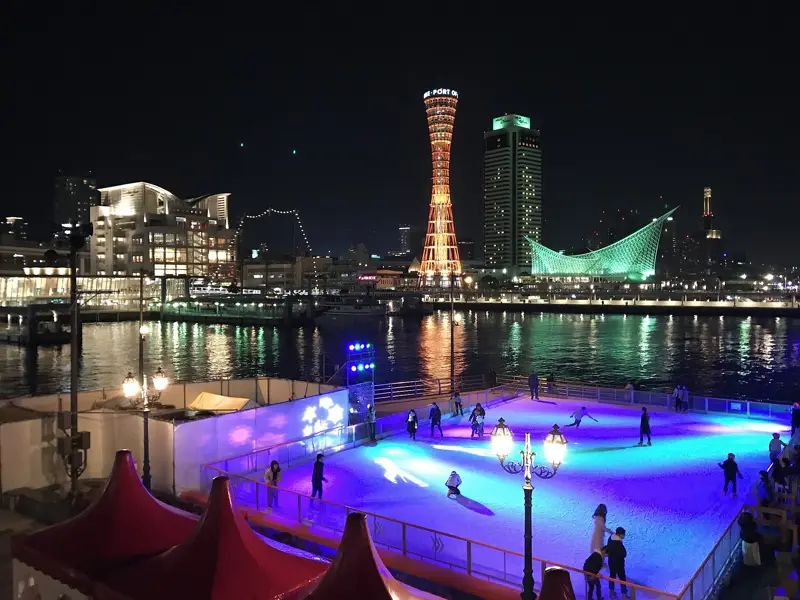
Kobe and Osaka, for Kyoto. Kyoto’s maples are forecast for 11 December, with leaf fall on the 18th by the normal. In that week Kobe’s list has only turnarounds, two four-hour calls on 16 December, and Asuka II for six and a half hours on 17 December; Osaka has not published December yet. For a Kyoto day in colour, the earlier peak in Arashiyama is the one to aim at: tenki.jp has it from 13 November. That covers Norwegian Jade at Kobe on 15 November and at Osaka on 27 November, and Diamond Princess at Osaka on 22 November, fourteen hours in port. Kyoto is 1 h 17 min each way from the Osaka berth. Closer to the Kobe ship: Nunobiki Herb Gardens and its ropeway, 25–30 minutes away.
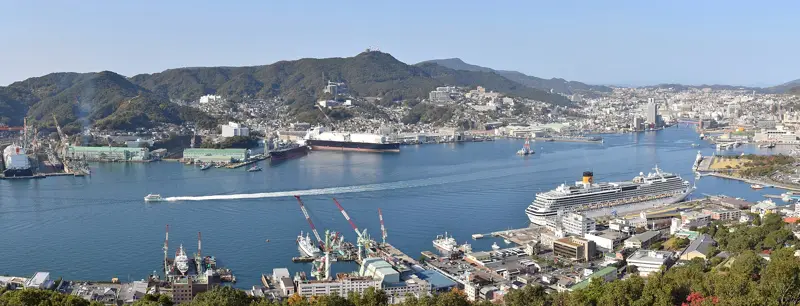
Nagasaki, 14 December. Eastern Venus gets both maples and ginkgo. Glover Garden is a 15-minute walk with escalators from the berth and is open to 20:00 from mid-October to December.
Kagoshima, 27 and 28 November. The ginkgo is forecast for 27 November. Sengan-en is 35–50 minutes by taxi from Marine Port and closes at 17:00.
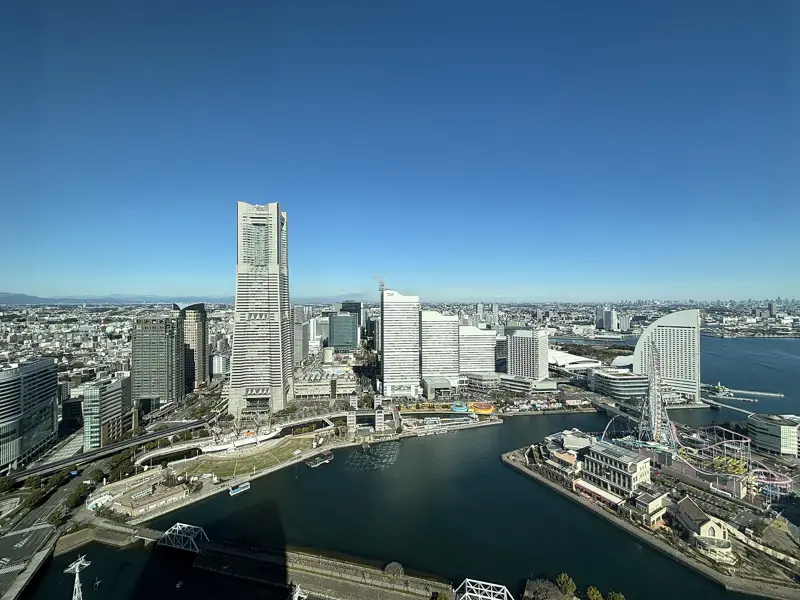
Yokohama, December. Yokohama’s maples turn on 14 December by the normal, a day ahead of Kagoshima and later than any other port city, and its ginkgo from 30 November. Sankeien garden is 15–20 minutes by taxi and closes at 17:00. Mitsui Ocean Fuji on 25 December is the last call of the year in the window.
Tokyo, 12 December. Sapphire Princess is the only Tokyo call between the maples turning on 28 November and falling on 13 December. The Imperial Palace East Gardens are about 30 minutes by rail from the Tokyo International Cruise Terminal. 12 December is a Saturday, so they are open, 9:00–16:00 from November to February.
Toba and Shimizu. Mitsui Ocean Sakura at Toba on 22 November and Norwegian Jade at Shimizu on 29 November both fall inside the ginkgo window. Ise Jingu’s inner shrine is 45–60 minutes from the Sadahama landing, though the council lists this call at Hamajima and the landing pier is not yet published; Sunpu Castle Park is 50–60 minutes from Hinode Pier.
The honest caveats
- The specimen tree is in the city. JMA watches one tree per station, usually at the observatory. Valleys and temple gardens turn earlier, which is why tenki.jp’s Arashiyama date is four weeks ahead of Kyoto’s city forecast.
- Recent years have run late at most ports. From the same JMA records, Kyoto’s maples turned on 13 December in 2023 and 20 December in 2024, and Hiroshima’s on 2 December in 2024 against a 22 November normal.
- A forecast is not a guarantee. Japan Meteorological Corporation and tenki.jp both update during the season. We check them again in early November.
- Lists are still growing. Five of the ports above have not yet published December. When they do, the late maple windows at Osaka, Shimizu, Fukuoka and Kagoshima may yet catch a ship.
For the year-round view, month by month has what else is on at each port, and the in-season page carries the forecast updates as they land.
Guided days at the ports in this article
Shared cars with a guide first; each page says who should skip it. Booked through Viator; there is no tour desk at the pier.
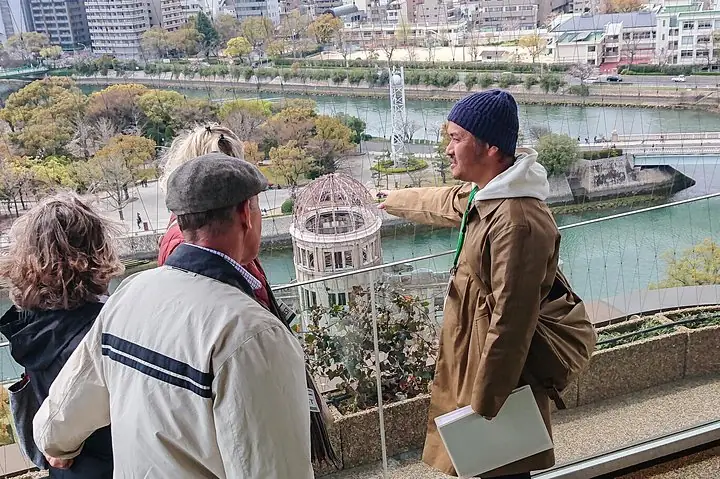 HiroshimaSmall group5.0★ · 1047
Hiroshima Peace (Heiwa) Walking Tour at World Heritage Sites
MagicalTrip's small-group walking tour of the Peace Memorial Museum, the Cenotaph, the Children's Peace Monume…
from US$88 per person · max 7Why it is here →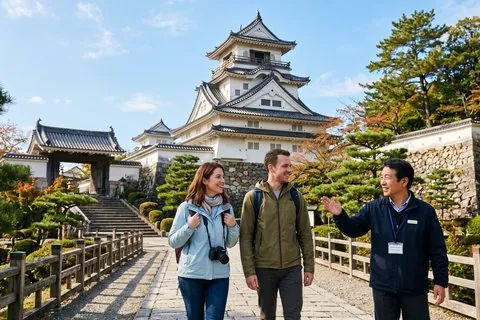 KochiPrivate car · per person4.9★ · 80
Kochi Shore Excursion: Customized Car Tour, Licensed Guide
A six-hour private car tour with a government-licensed guide, where you choose three or four stops from a list…
from US$395 per person · max 7Why it is here →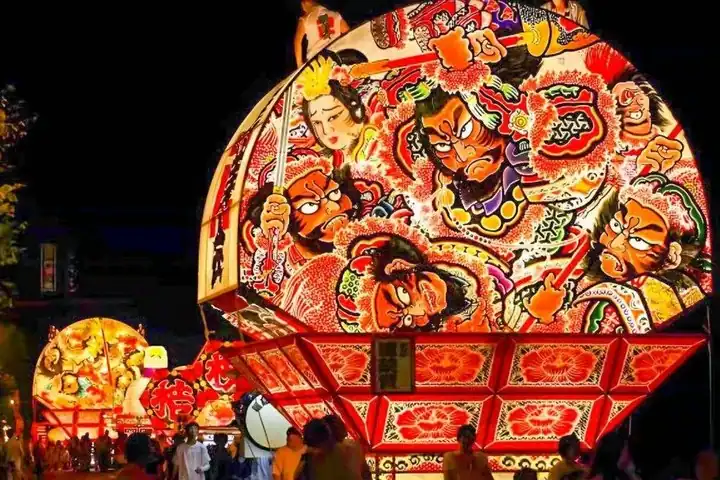 AomoriPrivate car · per person5.0★ · 22
Aomori: Private Custom Tour with Local Guide
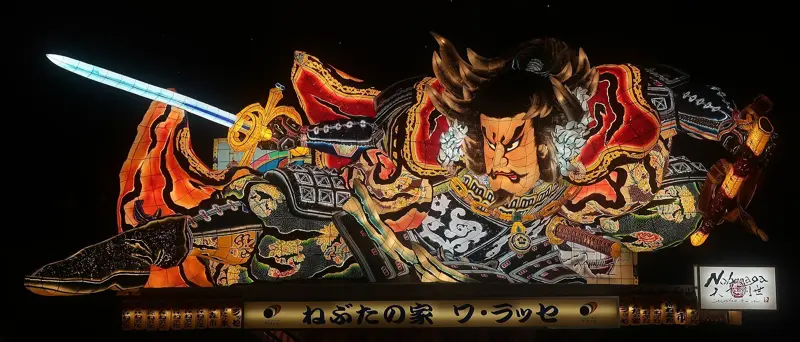
A private day with an English-speaking local guide: the Nebuta floats at Wa Rasse, Yoshitomo Nara's dog at the…
from US$194 per person · max 15Why it is here →If you book, we may earn a small commission at no extra cost to you. It never decides what we recommend.