Every cruise line sells an “autumn colors” sailing. Almost none of them tell you the one thing that decides whether you see any: the foliage front moves 2,000 km in eight weeks, and your itinerary either meets it or misses it.
Japan happens to have the world’s best data on exactly this. The Japan Meteorological Agency has logged the first day the maples turn (かえで紅葉日) at official specimen trees in each city for decades. We pulled the official 1991–2020 normals from JMA’s own data files and mapped them to the cruise ports. Here is when the colors actually arrive.
The 2026 forecast, checked 4 October
Two agencies publish a national forecast each autumn and update it monthly. The Japan Meteorological Corporation’s second issue (1 October) and the Japan Weather Association’s forecast on tenki.jp (same day) agree on the shape of this season: near normal overall, a week or so late in Hokkaido and on the Sea of Japan side, and later still at low-lying sites in eastern and western Japan.
| City (port) | Maples, 2026 forecast | JMA normal | Ginkgo, 2026 |
|---|---|---|---|
| Sapporo (Otaru) | Nov 4 +7 days | Oct 28 | Nov 3 |
| Aomori | Nov 13 | Nov 13 | Nov 5 |
| Tokyo | Nov 28 | Nov 28 | Nov 26 |
| Kanazawa | Nov 30 +6 days | Nov 24 | Nov 10 |
| Hiroshima | Nov 28 +6 days | Nov 22 | Nov 21 |
| Osaka | Dec 4 +3 days | Dec 1 | Nov 24 |
| Kyoto (Osaka, Kobe, Maizuru) | Dec 11 +6 days | Dec 5 | Nov 27 |
| Kagoshima | Dec 10 −5 days | Dec 15 | Nov 27 |
Japan Meteorological Corporation, 2026 autumn-colour forecast, 2nd issue, 1 October 2026 (city dates are the JMA-style "first day the sample tree has mostly turned"). Spot forecasts from tenki.jp, 1 October 2026: Onuma near Hakodate about Oct 22, Oirase near Aomori Oct 13, Miyajima Nov 18, Arashiyama Nov 13. Weathernews (3 September) has Miyajima Nov 19 and Arashiyama Nov 24. Next updates are due in early November; the in-season page carries them as they land.
What that means for a sailing: an October call anywhere south of Hokkaido is still green this year, as every year. Hakodate’s best colour is at Onuma in the last ten days of October, not in the city. The Pacific circuit’s window is the last week of November into the first week of December, and Kyoto from Osaka or Kobe is a December day, not a November one.
The foliage front, port by port
Dates are JMA 30-year normals for maple turning red at each city’s official observation tree (ginkgo gold, where noted, runs earlier). Ports are in the order the front reaches them:
How to read this as a booking calendar
Mid-October: only the far north has turned — a Kushiro or Hokkaido call is your color. Late October to mid-November: the golden window for the autumn northern run — Hakodate, Aomori, Akita and Niigata turn in sequence, almost port by port as a southbound ship would meet them. Mid-November to early December: the classic Pacific circuit finally colors up — Hiroshima, Kanazawa, Tokyo, then Kansai. December: the season’s secret — Nagasaki, Yokohama and Kagoshima maples peak when most people think foliage is over, which is exactly when the last sailings of the year are cheapest.
Two bonuses ride with the late-autumn window, both from our own data work: it carries the year’s best Mt. Fuji visibility odds for your Shimizu day, and a fraction of the typhoon risk of the same itinerary in September.
The honest caveats
- The specimen tree is in the city. JMA observes one official tree per station, usually at the observatory — famous foliage valleys and temple gardens nearby often peak one to two weeks earlier than the city normal. Treat these dates as “color has reached this port’s altitude,” not “the postcard spot peaks today.”
- Recent years run late. The observation records show a clear drift past the 1991–2020 normals — Kyoto’s maples turned Dec 13 in 2023 and Dec 20 in 2024 against a Dec 5 normal. If you are choosing between two sailings, the later one has quietly become the safer foliage bet.
- North of the maple line. In eastern and northern Hokkaido the official maple species doesn’t grow; JMA observes substitute trees there (we’ve used them for Kushiro and the Sapporo area, as JMA does).
- What the data covers. Since 2021 JMA’s plant observations track six species — including ginkgo and maple, the two that matter for autumn. Everything here comes from the agency’s official normals files, not commercial forecasts.
This page has a spring mirror: the same official-data treatment for cherry blossom, where the front runs the other way. Whichever week you pick, the port-day arithmetic stays ours to solve: find your port, check what fits your hours, and be back aboard sixty minutes early — with red leaves in your camera roll.
Guided days at the ports in this article
Shared cars with a guide first; each page says who should skip it. Booked through Viator; there is no tour desk at the pier.
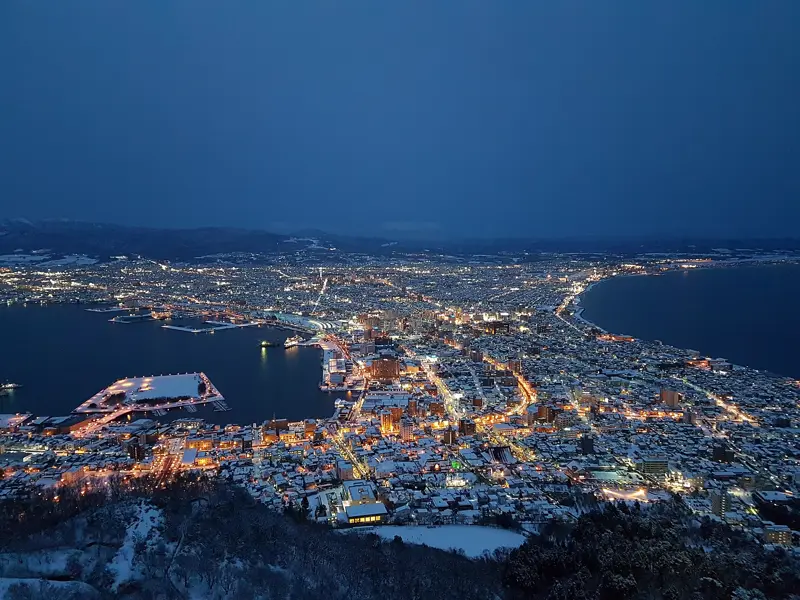
 HakodatePrivate4.9★ · 27
Hakodate Customized Private Tour in 1 Day with Licensed Guide
A private walking day in Hakodate with a government-licensed English-speaking guide from Japan Guide Agency, c…
from US$220 per person · max 10Why it is here →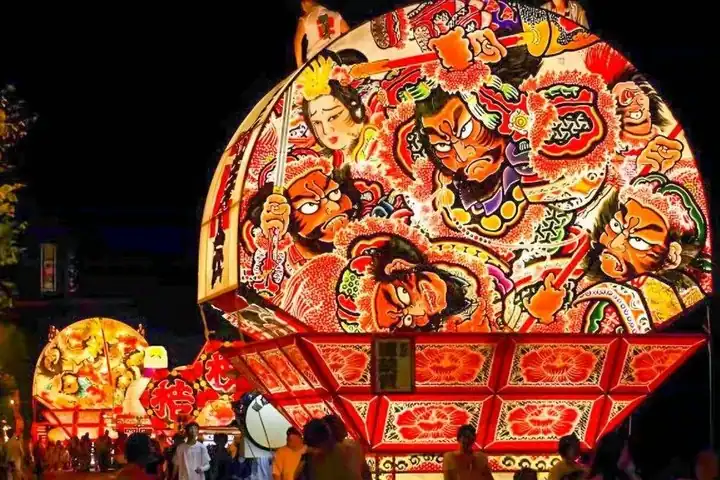 AomoriPrivate car · per person5.0★ · 13
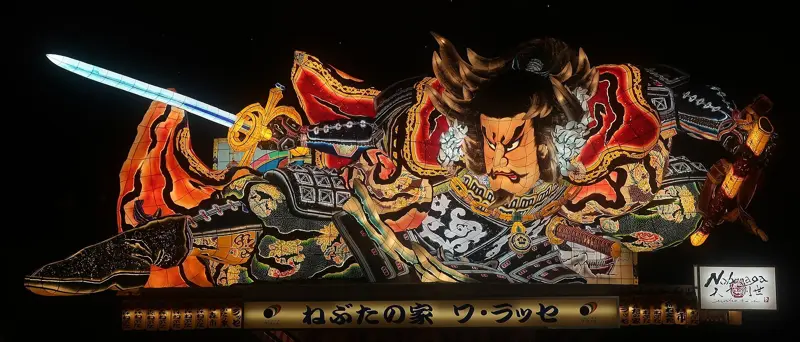
Aomori: Private Custom Tour with Local Guide
A private day with an English-speaking local guide: the Nebuta floats at Wa Rasse, Yoshitomo Nara's dog at the…
from US$194 per person · max 15Why it is here → AkitaPrivate car · per person5.0★ · 11
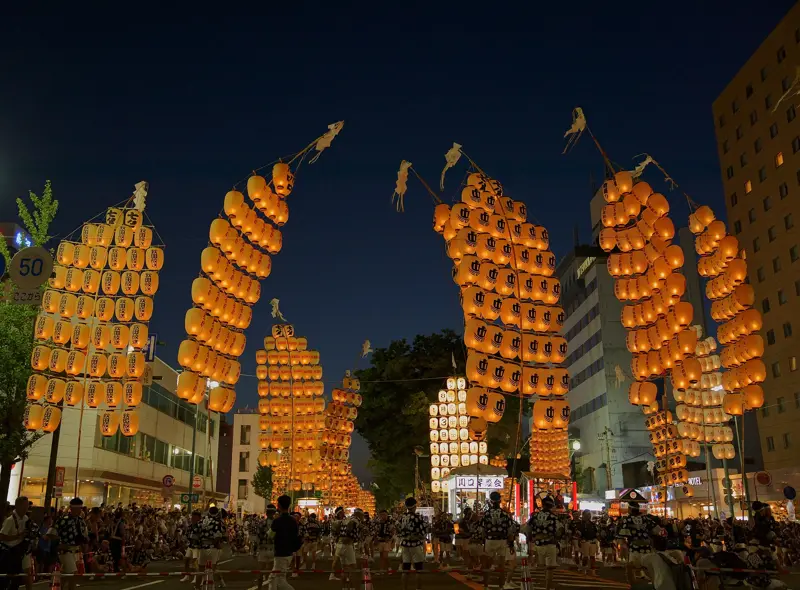
Akita Private Custom Tour with Local Guide
A six-hour private guided day that lists Kakunodate, Lake Tazawa, Gozanoishi Shrine and Akita city's castle pa…
from US$194 per person · max 15Why it is here →If you book, we may earn a small commission at no extra cost to you. It never decides what we recommend.