There is a moment, three months before a Japan cruise, when a passenger works out that a private guide-driver costs ¥90,000 for the day and quietly closes the tab. That price is real. What almost nobody realises is that it is a per-vehicle price, and that eight other people on the same ship are staring at the same number on the same evening.
Divided nine ways, ¥90,000 is about US$65 each — less than the cruise line charges for a coach with forty strangers and a guide who walks too fast. The only thing between you and that arithmetic is a forum post.
Why this works especially well in Japan
Japanese shore operators are structured for it. The dominant format is a licensed guide-driver with a car or minivan priced for the vehicle: typically ¥60,000–120,000 (US$400–800) for a full day, seating three to nine. Guides carry the national licence, speak deliberate and careful English, and — the detail that matters more than any other — treat your all-aboard time as a professional obligation, not a suggestion.
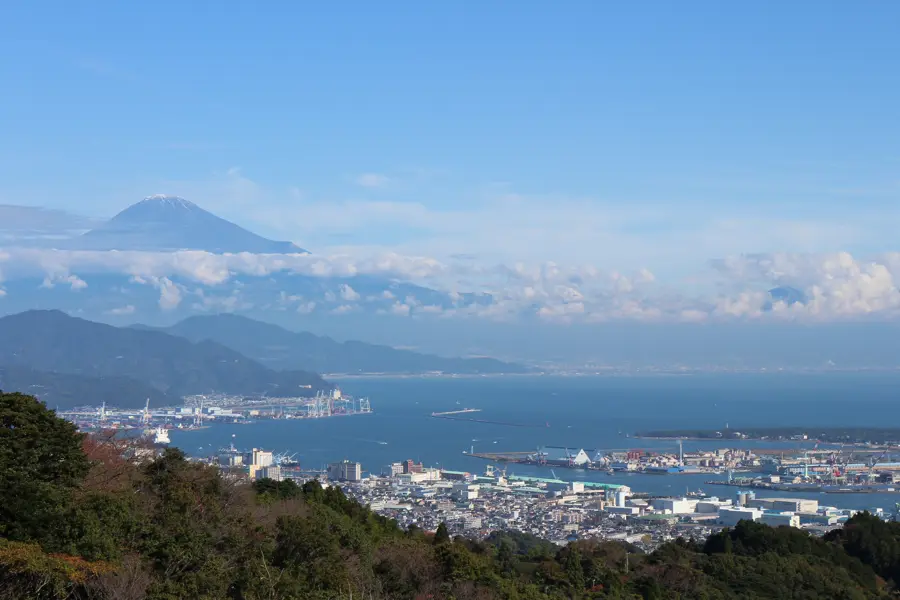
Compare the alternatives at a port like Shimizu, where the coach tour to the Mt. Fuji foothills runs from US$194 per person. A nine-seat van with a guide-driver for the same day, split among eight, lands under US$100 each — and stops where you ask.
The playbook
1. Find your Roll Call, three to six months out. Cruise Critic hosts them by ship and sail date; many sailings also run a Facebook group, and increasingly the day-to-day chat migrates to WhatsApp. Join all of them. The forum thread is where plans get written down; WhatsApp is where they get finalised.
2. Post specifically, not vaguely. The posts that gather people look like this:
“Kagoshima, 8 April, 07:00–17:00 call. Planning a private van: Sengan-en at opening, Sakurajima crossing, Shiroyama for the view, back by 15:30. Quoting a nine-seater with an English guide-driver. Four of us so far — room for five. Split works out around US$70pp.”
Everything a stranger needs in order to say yes is in there: port, date, route, timing, price, seats remaining. “Anyone interested in doing something in Kagoshima?” gets ignored.
3. Bring a plan, not a blank page. This is where groups actually form — around a day someone has already thought through. Our timed plans exist precisely for this: send the link, and eight people see the same route with the same clocks and agree in one exchange instead of twenty.
4. Quote the operator yourself. Email two or three with your date, group size and route, and ask three questions explicitly: Do you price per vehicle or per person? Can passengers pay individually? What time will we be back at the pier? Any operator worth booking answers all three in one reply.
5. Never collect money from strangers. The one rule that keeps this clean. Book through the operator, pay the operator — individually where possible, or on the day. Nobody should be transferring funds to another passenger’s account, and reputable Japanese operators will happily invoice separately rather than put you in that position.
6. Overbook the seats, gently. Cancellations happen. A nine-seat van with ten interested parties is healthy; with exactly nine, one family’s changed flight raises everyone’s share the week before sailing.
What to share the night before
The groups that run smoothly post three things in the chat:
- The meeting point, precisely. “Pier exit, left of the terminal doors, 08:15” — not “the pier.”
- The all-aboard time in ship time. Say it out loud in the group; someone always has it wrong, and that is the mistake that strands people.
- The plan itself, as a link. One tap, no attachments, opens on any device. Every plan on this site is built as a shareable page for exactly this reason.
The ports where it pays most
Shared vans earn their keep wherever public transport thins out or the good things sit far apart:
- Kagoshima — Sengan-en, the ferry and Shiroyama in one loop; alone it is a taxi-and-timetable puzzle
- Kochi — Katsurahama needs wheels, full stop
- Akita — Kakunodate is an hour inland with an unforgiving return timetable
- Sakaiminato — Adachi Museum and Matsue Castle are pure excursion territory
- Shimizu — the Fuji foothills, where a van beats both the coach and the train
- Kobe — Kyoto on a single-day call, where a private car changes the arithmetic entirely
In the walking ports — Aomori, Nagasaki, Yokohama — save your money. Nine people in a van to reach something 400 metres from the gangway is a solution in search of a problem.
The part nobody mentions
The group you assemble tends to become the people you eat dinner with for the rest of the cruise. That is not a side effect worth ignoring: eight strangers who chose the same day for the same reasons make better conversation than any assigned dining table.
Post the plan. Fill the van. Be back an hour early. Then tell everyone at dinner what the coach passengers missed.
Splitting the cost afterwards — across three currencies and one cash-only driver — has its own playbook: how cruise groups actually settle in Japan.