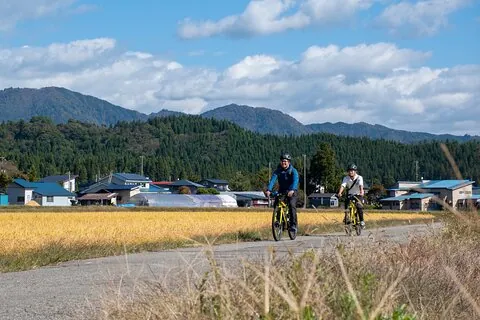
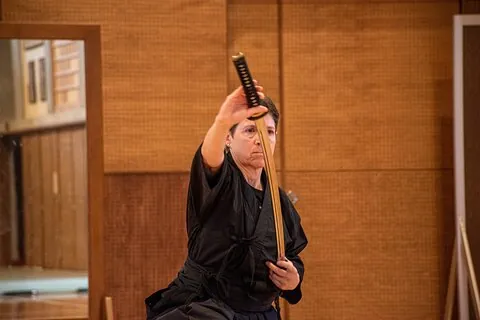
Pick your hours and you get a finished day — every step timed from the gangway and back, and each route says how much room it leaves you before all-aboard. Swap anything you don't fancy.
Round trips are measured from the gangway and include getting back. Two stops in the same direction overlap, so a real day usually comes in under the total you see, never over it.
The one rule: be back on board 60 minutes before all-aboard — every day above already banks it.Phones auto-switch to local time, but all-aboard runs on ship time. Check the daily programme's clock, not your lock screen.More to pick from on the Akita guide and theTop 10.
MY SHIP DAY — fill this in before you walk off
Ship
Date
Docked at (berth)
All-aboard (SHIP time)
My deadline = all-aboard − 60 min
Last shuttle back
Phones auto-switch to local time; all-aboard runs on ship time. Write both if they differ.
GETTING AROUND — the facts that don't change by day (today's times: ship's program or Google Maps)
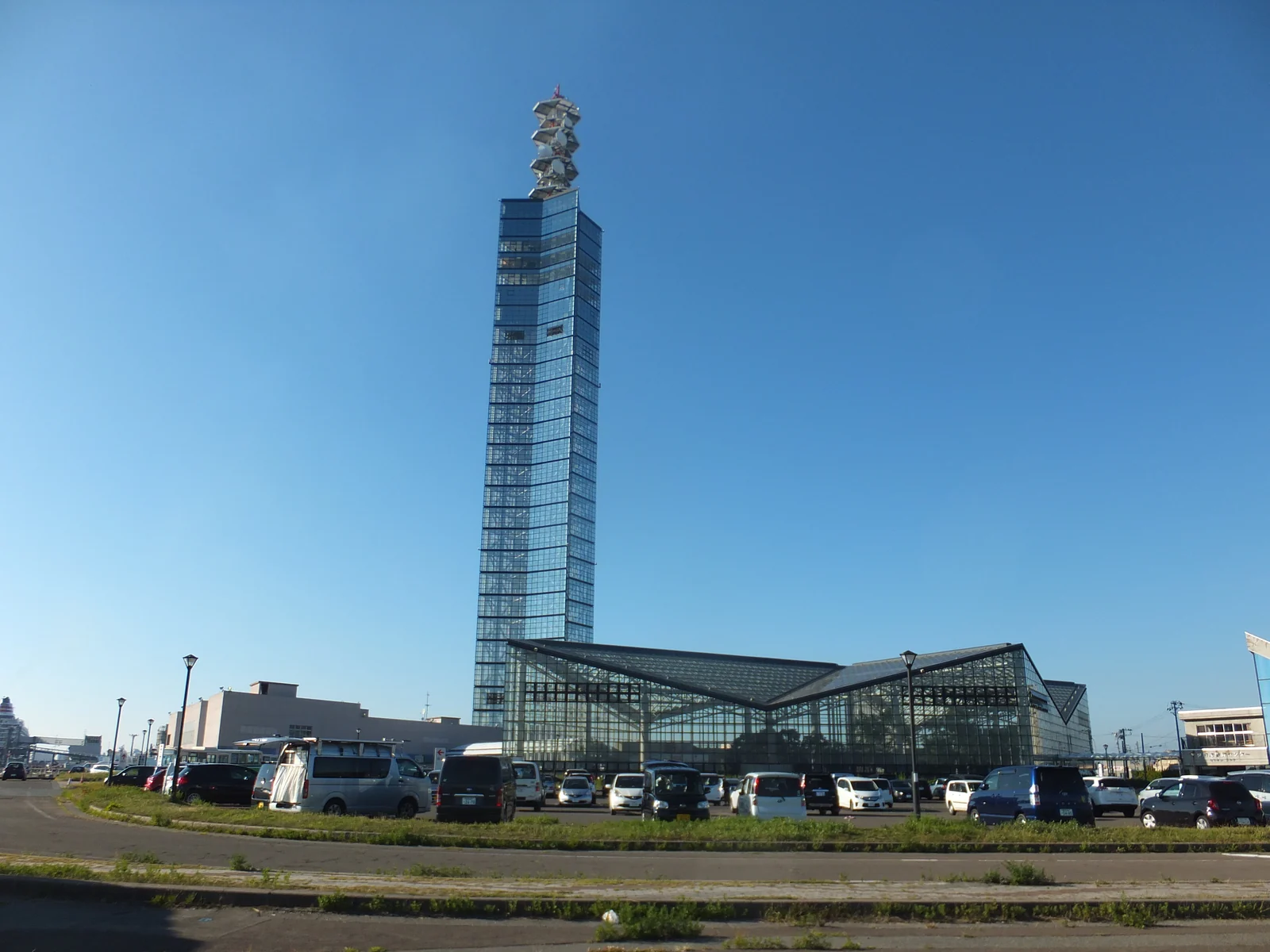
Akita Station: ① Walk 10 min from the terminal to the Selion tower stop ② Akita Chuo Kotsu "Selion Line" (115/119) — 26 min to Akita Station West Fare ¥550. weekdays about hourly 9:30–14:40 (last back from the station 15:20); weekends/holidays only 3 a day each way (last back 14:25).
SHOW THIS TO A TAXI DRIVER — 運転手さんへ
Please take me back to the cruise ship (Akita port)
クルーズ船乗り場までお願いします
Kanto Festival Center
ねぶり流し館
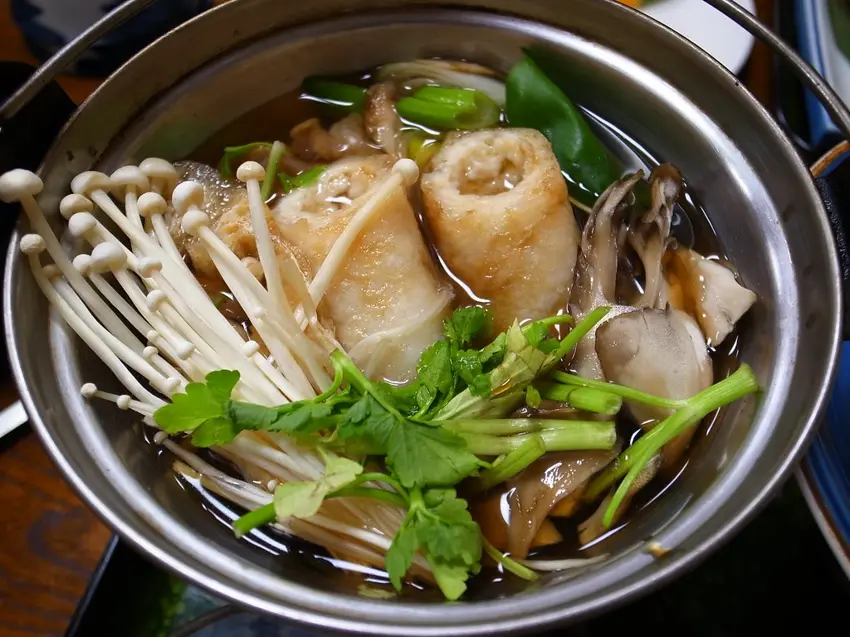
Kiritanpo hotpot
秋田きりたんぽ屋
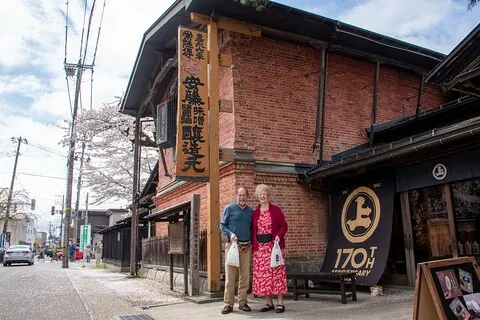
Kakunodate samurai town
角館
Lake Tazawa loop
田沢湖
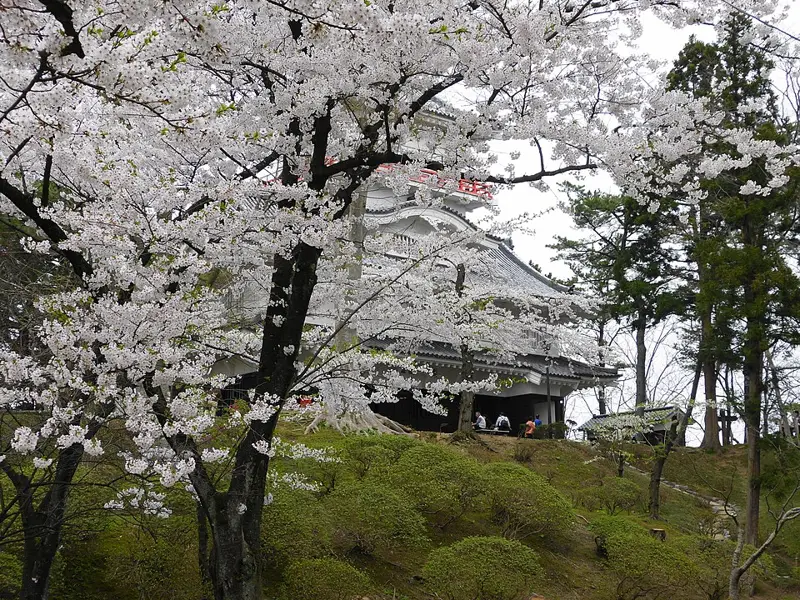
Senshu Park
千秋公園
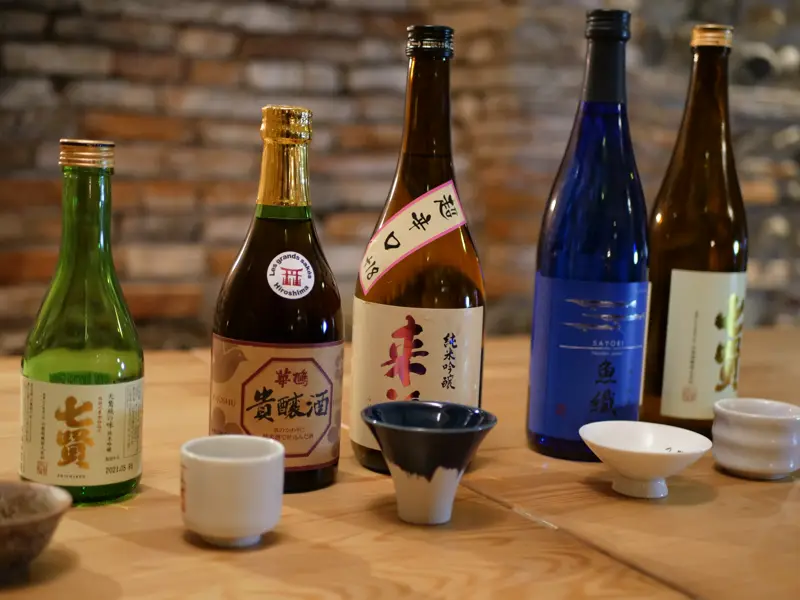
Babahera ice & local sake
あきた県産品プラザ
Point at a line. Taxis are metered and honest; tipping is not expected in Japan.
THE TWO-MINUTE PORT TALK — read aloud at breakfast
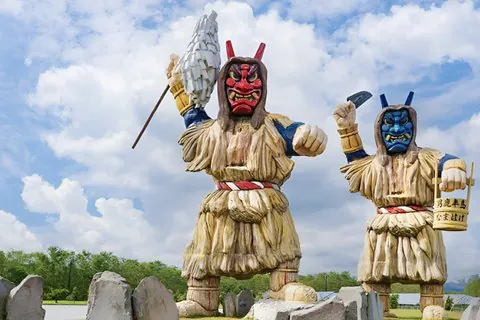
Namahage. They are not demons and they are not entertainment. On the last night of the year, on the Oga Peninsula, young men in straw capes and carved masks go house to house, shout, look for children, and are then formally served sake by the head of the household. UNESCO listed it in 2018.
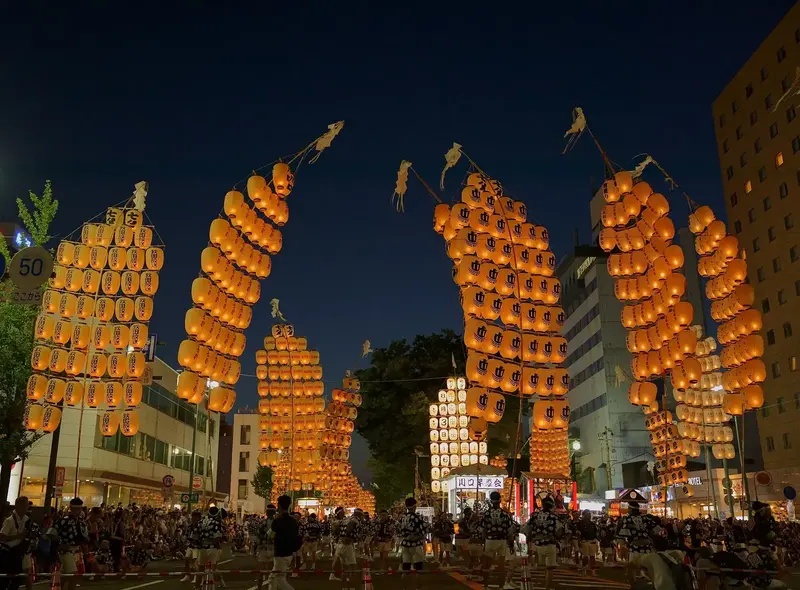
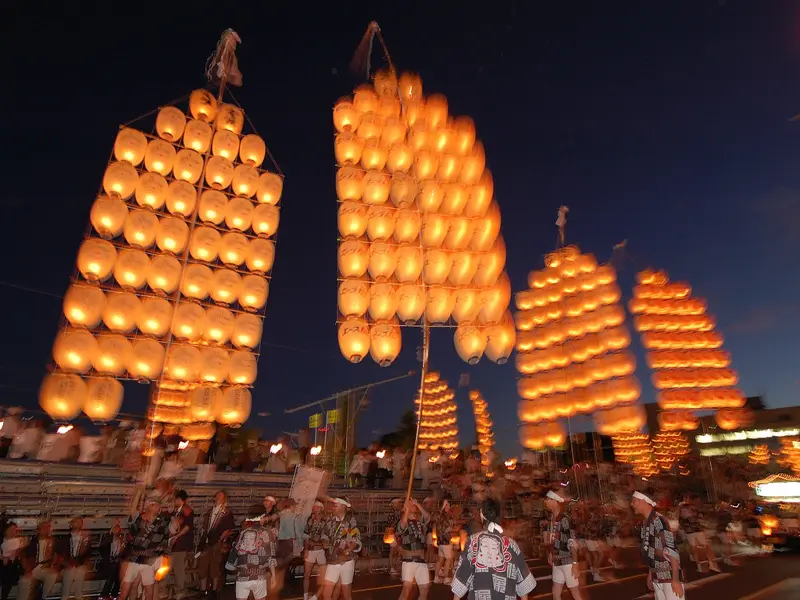
Kanto. Two hundred and fifty bamboo poles, each up to twelve metres tall and fifty kilograms, each hung with forty-six paper lanterns holding real flame, raised at the same moment down a closed city street — and then balanced on a palm, then a forehead, then a hip, then a shoulder.
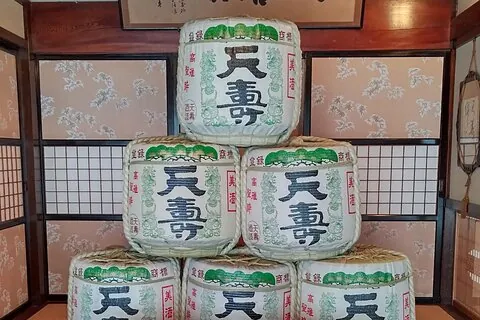
Cold-country sake. Akita has some of the highest sake consumption per head in Japan and around thirty-five active breweries in a prefecture of under a million people. The reason is not culture. It is temperature — cold, long winters let fermentation run slowly, and slow fermentation makes cleaner, more aromatic sake.
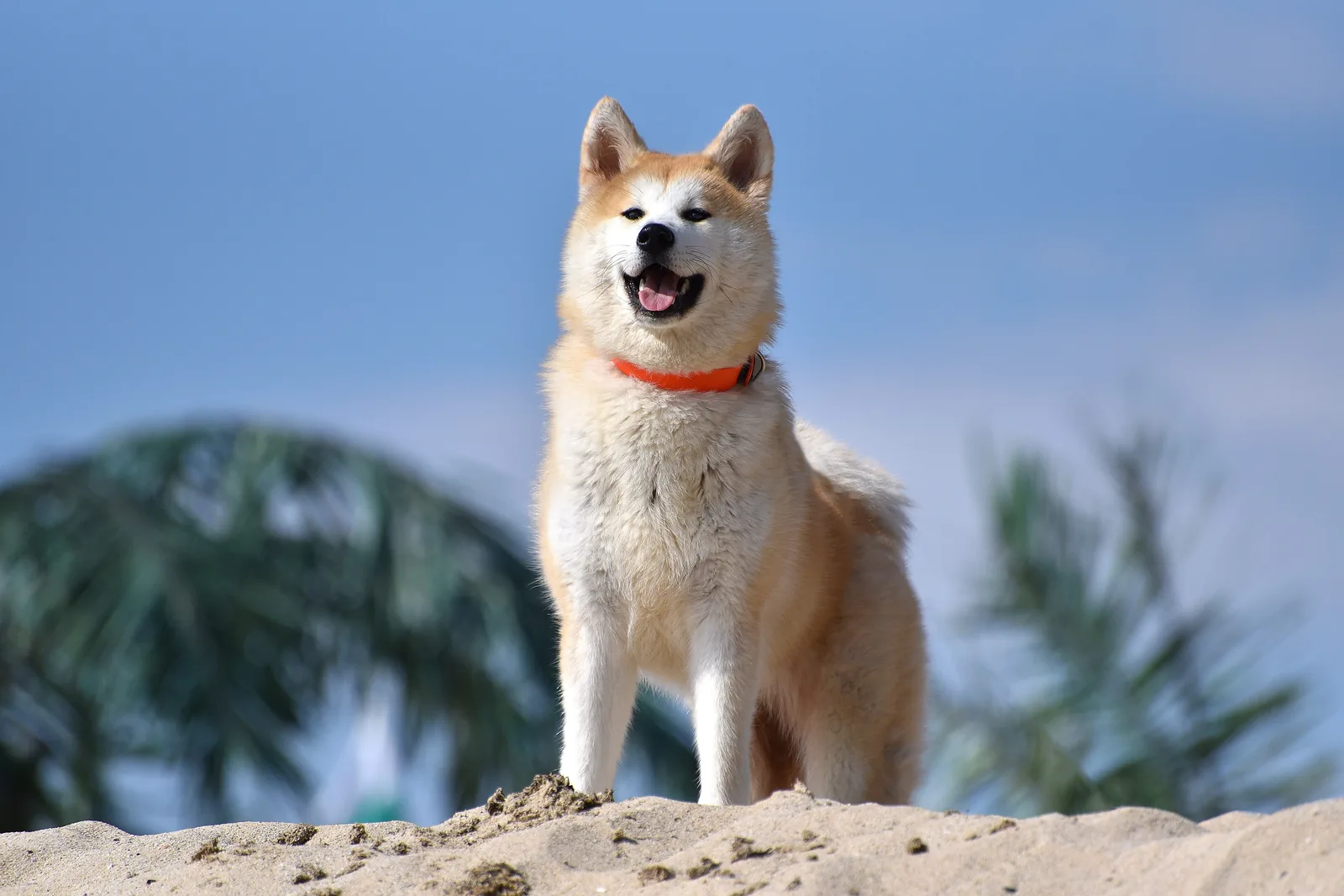
Akita inu. The dog that waited nine years at Shibuya Station for an owner who had died was an Akita. The breed he belonged to came close to disappearing twice in the twentieth century, was rebuilt from a handful of surviving animals, and is now this prefecture's most effective diplomat.
The one rule: be back on board 60 minutes before all-aboard — every plan above already banks it. · Free guide: port-of-japan.com/akita/ · By Takumi Yamada, Tokyo, Japan