
 1 / 7
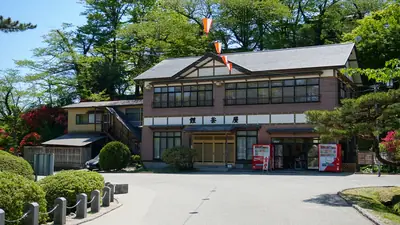
Senshu ParkPhoto: 掬茶 / CC BY-SA 4.0
Tap a photo to see it large. 7 photographs, every one credited.
Checked against official sources · updated · Takumi Yamada
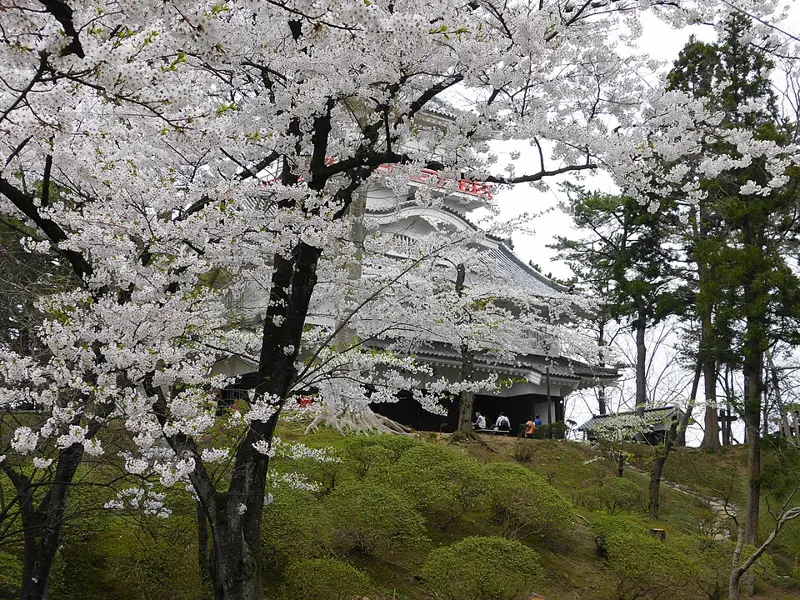
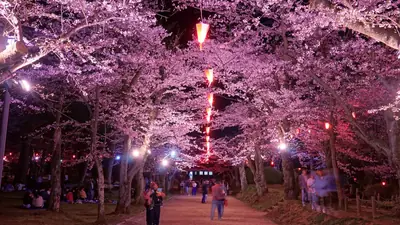
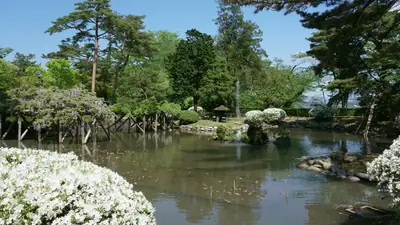
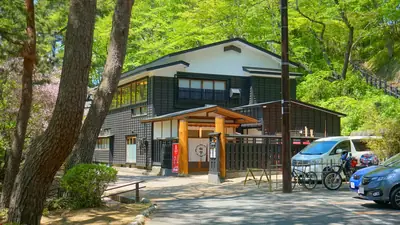
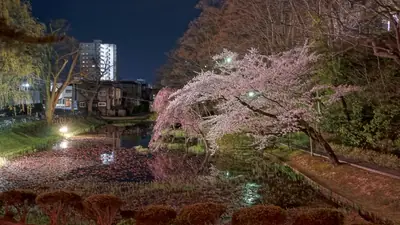
The castle-site park above downtown — lotus moats, a reconstructed corner turret (¥150, closed December to March), and in late April the cherry tunnel Akita waits all winter for.
- Park free; turret ¥150; Akarenga ¥310 to visit — ¥370 for akarenga and the kanto festival center together.
- On a 4–6h ashore call our verdict is "Comfortable" — add lunch and a sake shop and the window is well used.
- Closed December to March), and in late April the cherry tunnel Akita waits all winter for. Check the day before you plan around it.
- Park always; turret 9:00–16:30 (closed Dec–Mar); Akarenga 9:30–16:30.
- 3 hr 30 min door to door needs a 5.5-hour call: a 2–3 hour stop cannot hold it. Pick something closer instead.
- No single published ride covers this one. Budget for a taxi both ways, or fold it into a guided day.
Why Senshu Park is famous
The site of Kubota Castle, seat of the Satake clan from 1604, demolished in the Meiji era and now a park in the middle of the city. Little is reconstructed; what remains is earthworks, moats, and about 700 cherry trees, which is what most Japanese castle sites actually are.
Kubota Castle, seat of the Satake lords, was built without a stone keep or stone walls — unusual in Japan, and variously attributed to shogunal restrictions and to cost. What is left is earthworks, moats, and a reconstructed corner turret in a park that the city uses daily.
Ten minutes away, the Akarenga-kan is an 1912 bank building in red brick and white stone that survived the war and the century. It now holds the woodblock prints of Katsuhira Tokushi, who drew Akita farm life in the 1930s and 40s with a directness that has aged extremely well.
Things worth knowing
- Late April brings around 700 cherry trees into flower here, with evening lanterns.
- The Katsuhira prints are the reason to pay for the Akarenga, not the architecture.
- The Kanto Festival Center is a short walk from both.
- The park is on a low hill — gentle, but it is a climb.
Senshu Park and your ship
Both pins on one map, so the distance is a fact rather than a feeling.
Questions people send us
What is at Senshu Park in Akita?
The site of Kubota Castle, the Satake lords' seat, which was built without a stone keep or stone walls — what survives is earthworks, moats and a reconstructed corner turret. It is a working city park with around 700 cherry trees that flower in late April with evening lanterns.
Is the Akarenga museum worth visiting?
Yes, but for the art rather than the building. The 1912 red-brick bank now holds the woodblock prints of Katsuhira Tokushi, who documented Akita farm life in the 1930s and 40s with a directness that has aged very well. Entry is ¥310, or ¥370 on a combined ticket with the Kanto Festival Center, and it is ten minutes from Senshu Park.
Routes that already include it
Each one is a finished day timed from the official timetables, with this stop in it. Read the route rather than assembling it yourself.
What to put beside it
Each of these still lands you back aboard with the hour to spare.
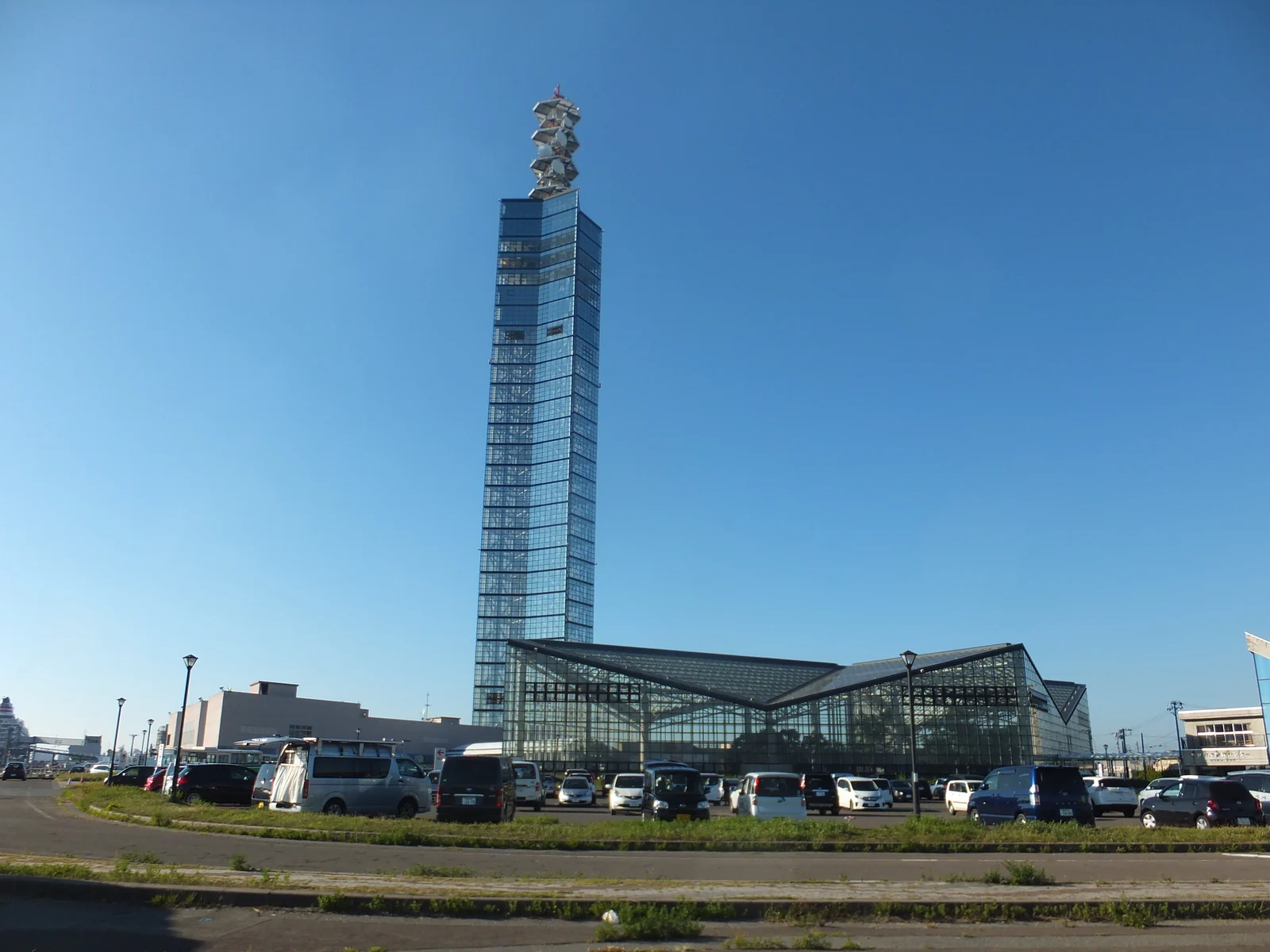 See · ~1h at the port
Selion Tower
A free observation deck at 100 metres, a 10-minute walk from the berth — the Sea of Japan one way, snow mountains the other.
See the detail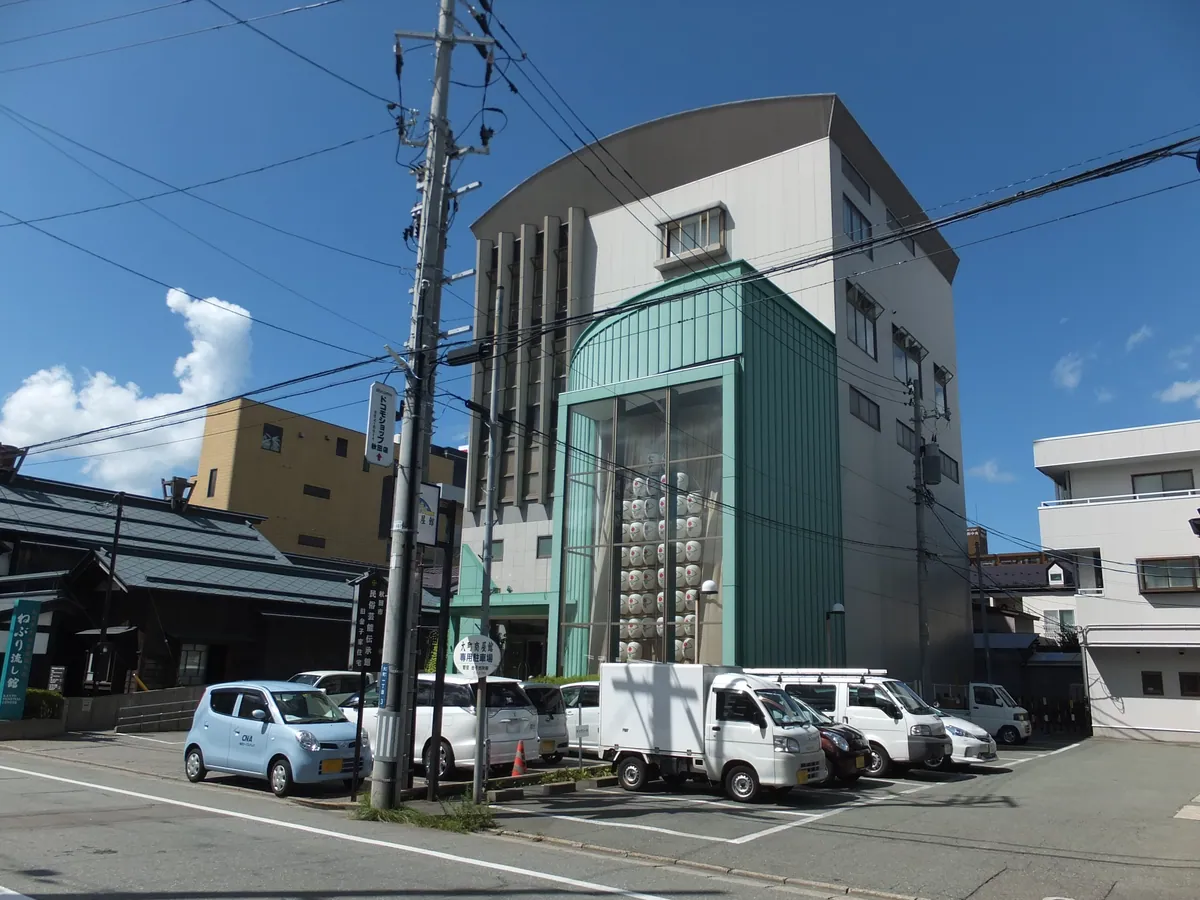 See · ~3.5h in the city
Kanto Festival Center
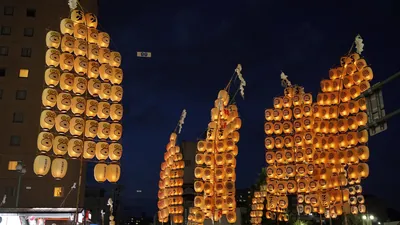
Forty-six lanterns on a twelve-metre, fifty-kilogram pole, balanced on a forehead — try hoisting a practice pole yourself and respect the festival forever.
See the detail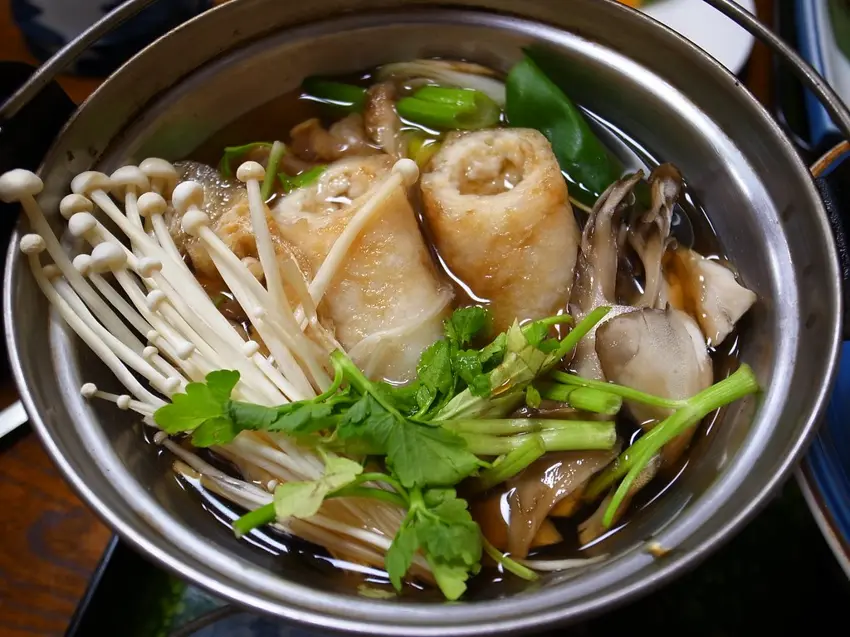 Eat · ~3h
Kiritanpo hotpot
Toasted rice sticks simmered in chicken broth with burdock and maitake — Akita’s soul dish, born in hunters’ huts.
See the detail