
 Photo: Wikimedia contributor / CC BY-SA 4.0
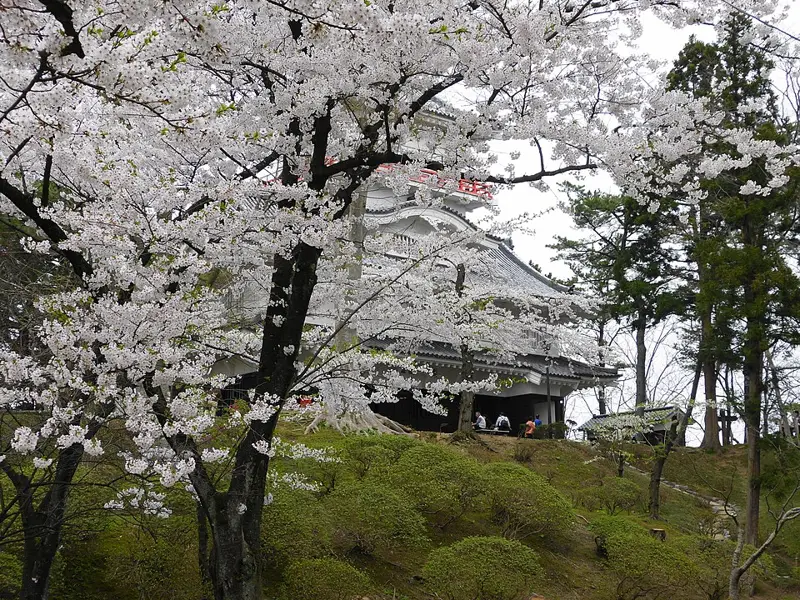
Kubota Castle, seat of the Satake lords, was built without a stone keep or stone walls — unusual in Japan, and variously attributed to shogunal restrictions and to cost. What is left is earthworks, moats, and a reconstructed corner turret in a park that the city uses daily.
Ten minutes away, the Akarenga-kan is an 1912 bank building in red brick and white stone that survived the war and the century. It now holds the woodblock prints of Katsuhira Tokushi, who drew Akita farm life in the 1930s and 40s with a directness that has aged extremely well.
Five things the plaques won't tell you
- Late April brings around 700 cherry trees into flower here, with evening lanterns.
- The Katsuhira prints are the reason to pay for the Akarenga, not the architecture.
- The Kanto Festival Center is a short walk from both.
- The park is on a low hill — gentle, but it is a climb.
- Akita Station's food floor is a good, cheap, reliable lunch if you are short of time.
It now holds the woodblock prints of Katsuhira Tokushi, who drew Akita farm life in the 1930s and 40s with a directness that has aged extremely well.
Guided days from Akita
Booked before you sail — there is no tour desk at the pier. Booking through these links supports the site.
 5.0★ · 15 reviews
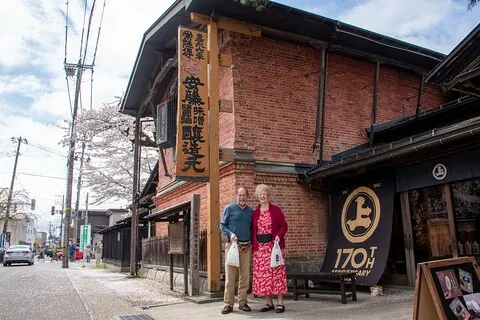
Half Day Kakunodate Tour of Crafts Culture and Cuisine
From US$204.
Why we list it →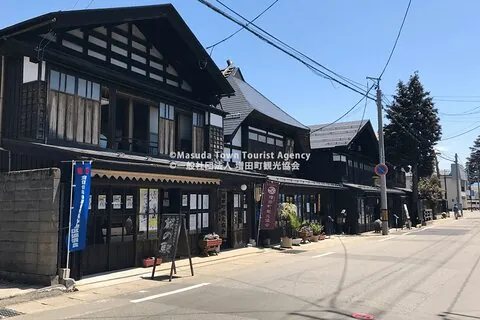 5.0★ · 6 reviews
Walking Tour of Wealthy Merchant's Storehouses in Akita
From US$42.
Why we list it →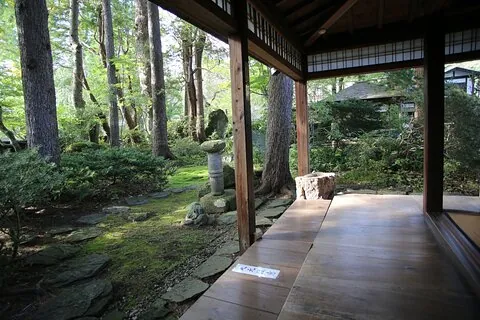 5.0★ · 5 reviews
Full Day Tour to Akita, Samurai Town and Lake Tazawa with Guide
From US$389.
Why we list it →More in Akita
 Spot guide
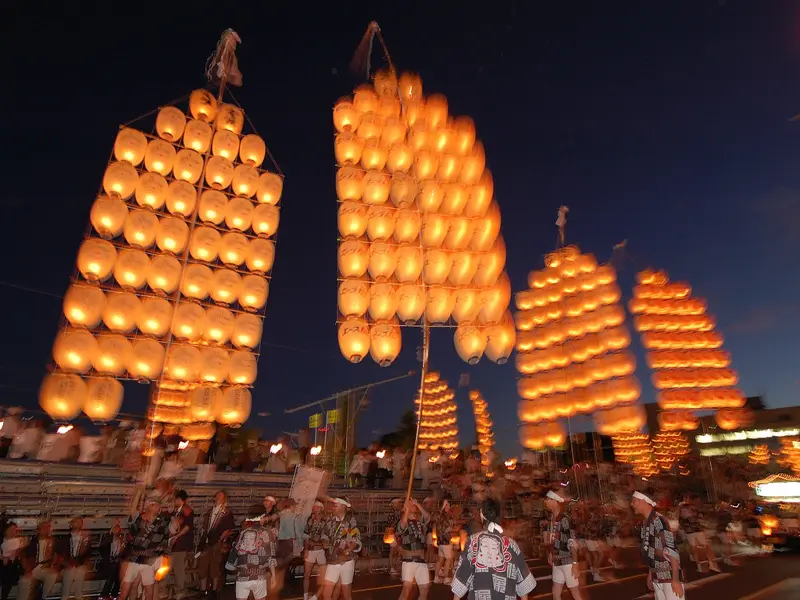
Neburi Nagashi-kan
They hand you fifty kilograms of bamboo and let you fail
Open the guide →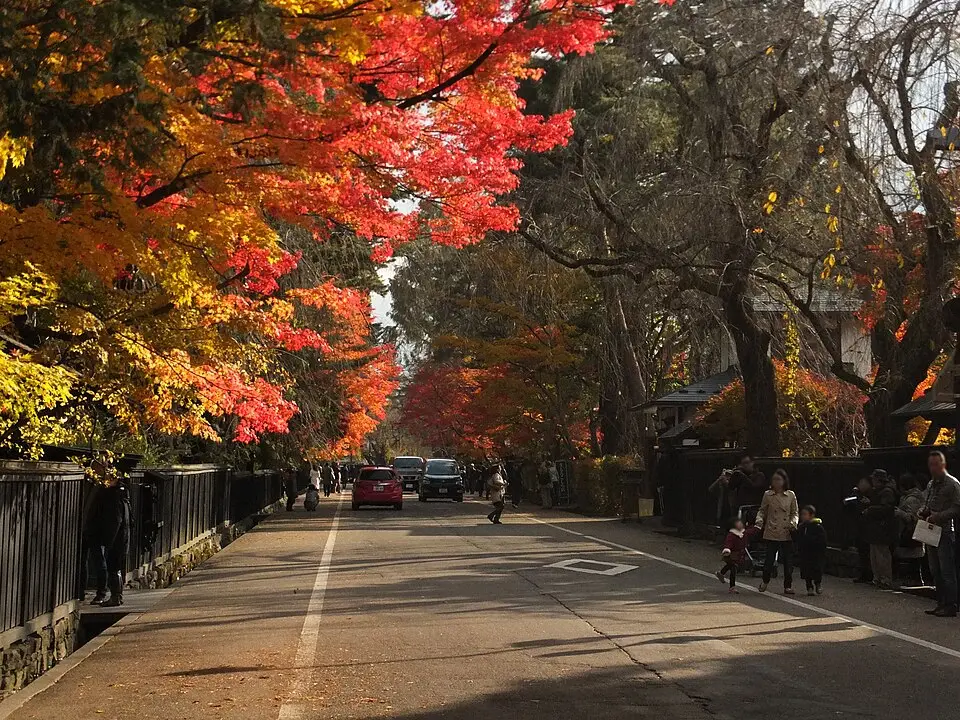 Spot guide
Kakunodate
Black wooden walls, weeping cherries, and a street plan from 1620
Open the guide →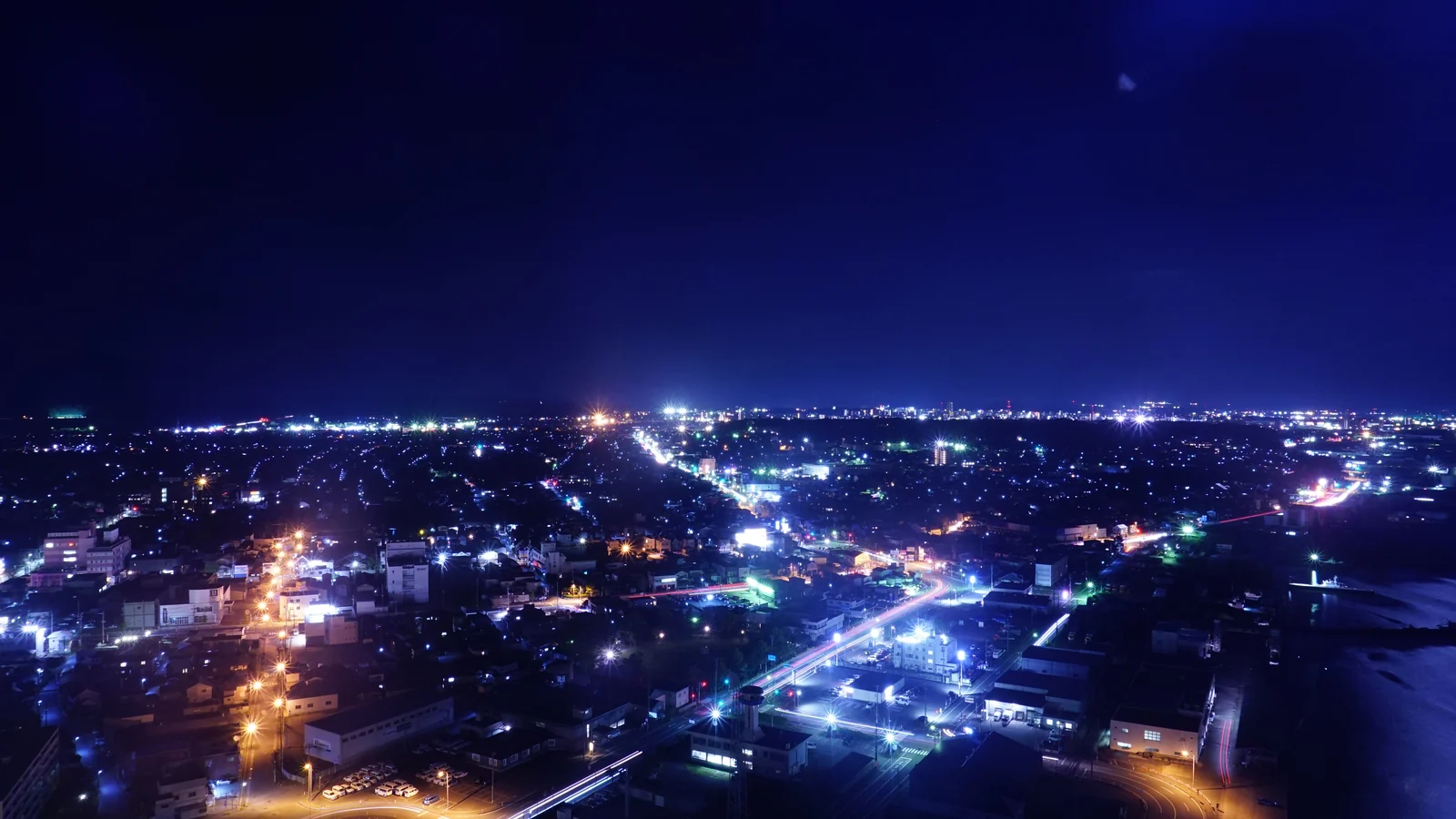 Spot guide
Port Tower Selion
A free 100 m lookout over the Sea of Japan, a short walk from the berth
Open the guide →Questions people ask here
What is at Senshu Park in Akita?
The site of Kubota Castle, the Satake lords' seat, which was built without a stone keep or stone walls — what survives is earthworks, moats and a reconstructed corner turret. It is a working city park with around 700 cherry trees that flower in late April with evening lanterns.
Is the Akarenga museum worth visiting?
Yes, but for the art rather than the building. The 1912 red-brick bank now holds the woodblock prints of Katsuhira Tokushi, who documented Akita farm life in the 1930s and 40s with a directness that has aged very well. Entry is around ¥210 and it is ten minutes from Senshu Park.