
 Photo: (Tea-making tea) 掬茶 / CC BY-SA 4.0
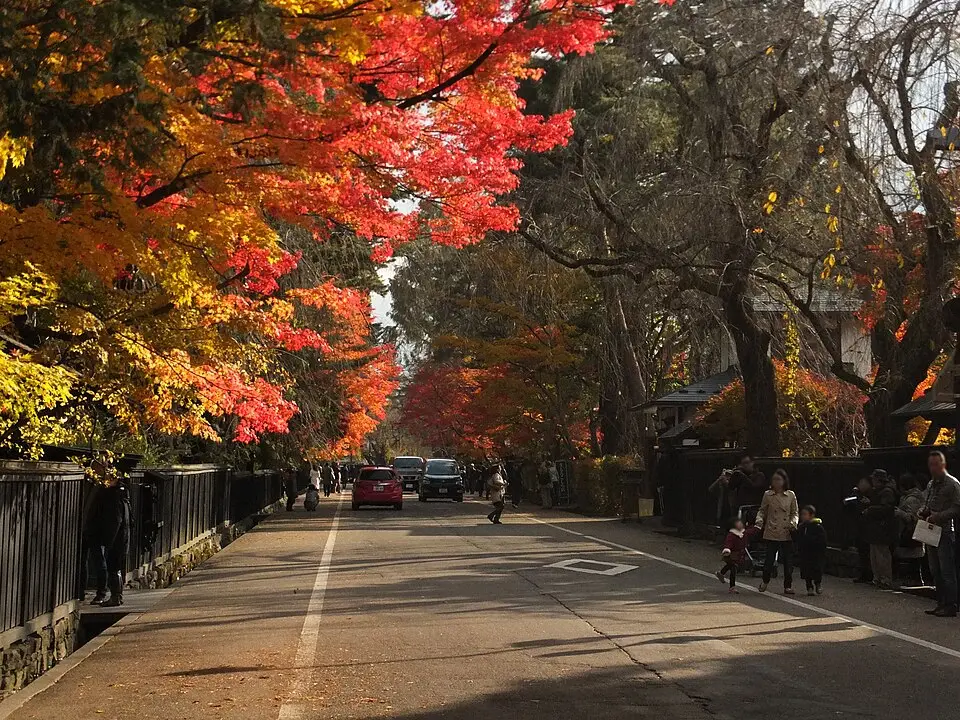
Laid out in 1620 and never rebuilt — samurai quarter north, merchants south, a firebreak between. Six samurai residences survive, several open, and the walls between them are tall dark wood rather than the earth or plaster of western castle towns.
About four hundred weeping cherries lean over the samurai street, roughly 160 of them designated Natural Monuments. By tradition they descend from saplings brought north from Kyoto in a bride's dowry. They flower in late April, weeks after Tokyo.
Five things the plaques won't tell you
- Late April is the reason to plan around this port. Black walls under weeping cherry is the picture.
- The Aoyagi and Ishiguro houses are the two to enter if you only do two.
- Buy kabazaiku — cherry-bark work — and buy the tea caddy, not the trinket.
- The Hinokinai River cherry tunnel runs two kilometres and flowers at the same time.
- Photograph the return train time before you leave the station. Services are not frequent.
They flower in late April, weeks after Tokyo.
Guided ways to do Kakunodate
Booked before you sail — there is no tour desk at the pier. Booking through these links supports the site.
More in Akita
 Spot guide
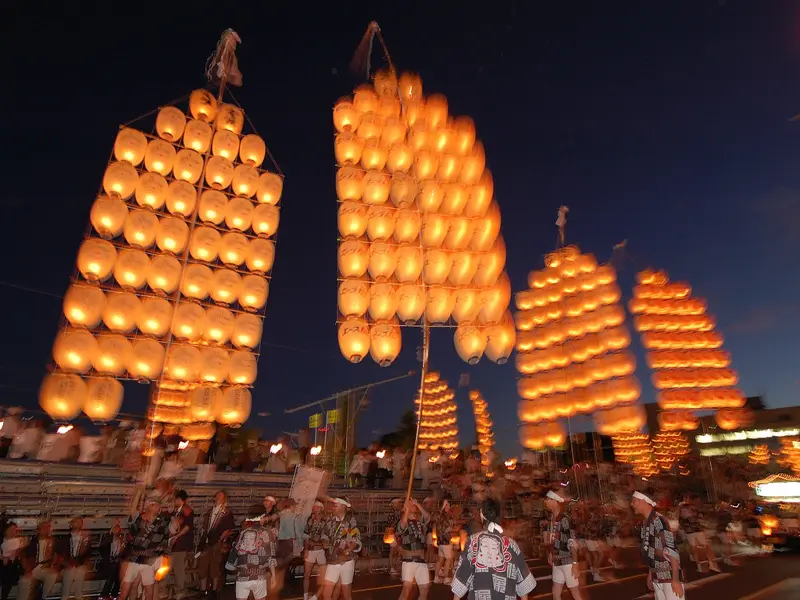
Neburi Nagashi-kan
They hand you fifty kilograms of bamboo and let you fail
Open the guide →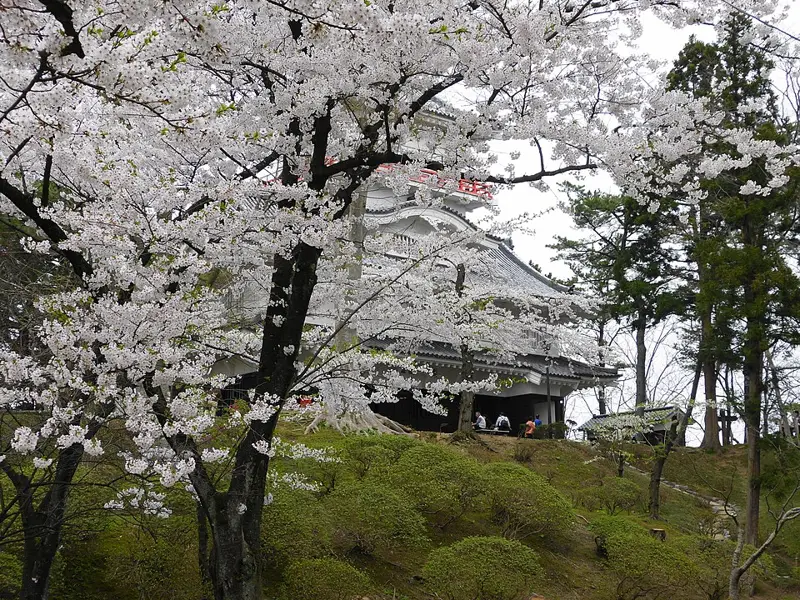 Spot guide
Senshu Park
A castle with no stone walls, and a red-brick bank that survived everything
Open the guide →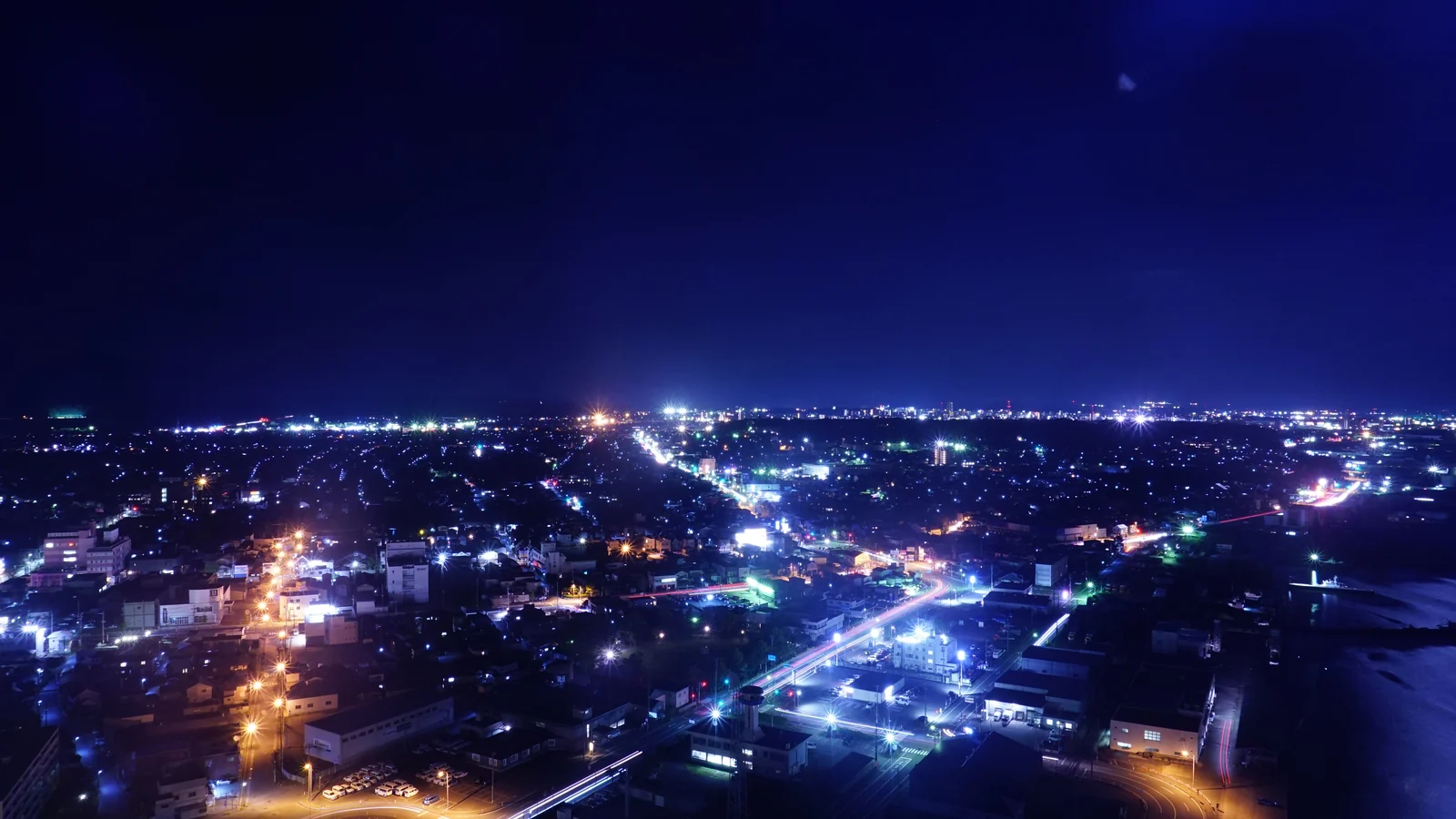 Spot guide
Port Tower Selion
A free 100 m lookout over the Sea of Japan, a short walk from the berth
Open the guide →Questions people ask here
How do I get to Kakunodate from Akita cruise port?
By shinkansen from Akita Station, about forty-five minutes, plus the transfer from the port. Budget around five hours door to door, which makes it a long-call-only trip. Photograph the return train time before you leave the station — services are not frequent.
When do Kakunodate's cherry trees bloom?
Late April, weeks after Tokyo, which makes it one of the last cherry blossom sites in Japan. Around four hundred weeping cherries lean over the black wooden walls of the samurai quarter, and a two-kilometre tunnel of cherries flowers along the Hinokinai River at the same time.