Updated 1 October 2026 · 29 official and operator sources · Researched from official timetables, operators and the port authority · Takumi Yamada
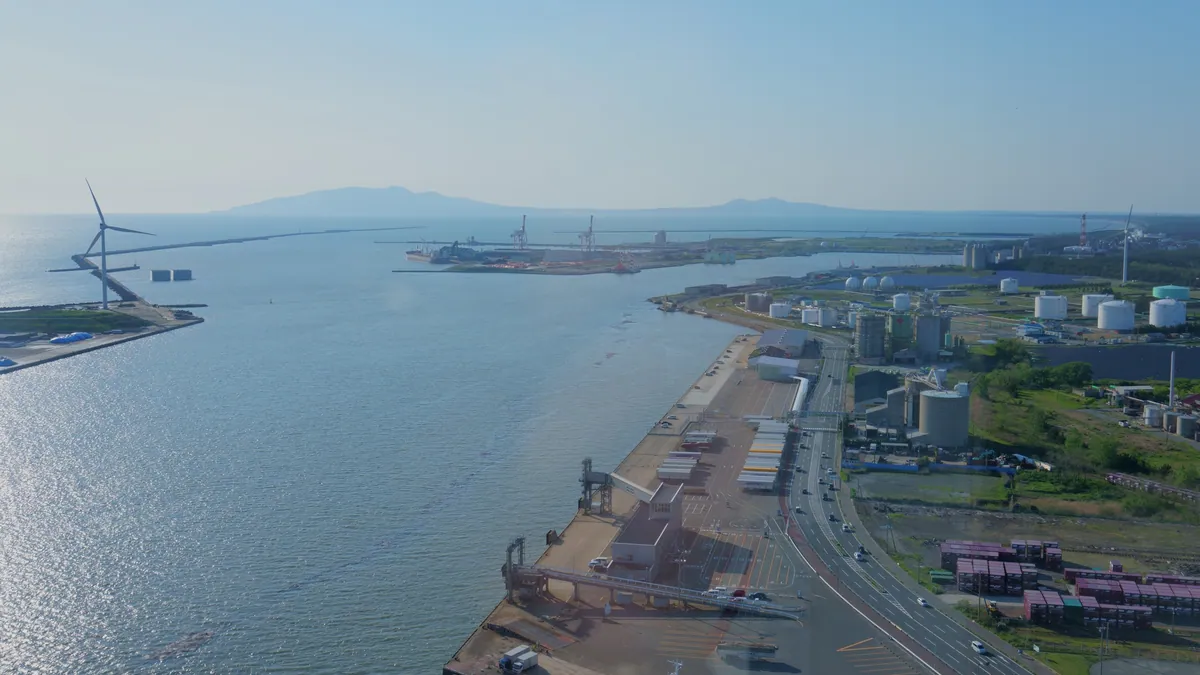
Every ship docks at Nakajima Wharf in Akita Port, 10 minutes on foot from the Selion tower and 25–30 minutes by car from central Akita. The cruise train is gone, so you reach town by the Selion bus (¥550) or a taxi (about ¥4,500). The day comes down to one choice. The samurai town of Kakunodate is 42–49 minutes inland by shinkansen and is worth it on calls that arrive at 7:00–8:00 or run 9:00–18:00. On a 9:00–17:00 call, stay in the city: Senshu Park, lunch, and the Kanto Festival Center, where you can lift a lantern pole yourself.
Your call, your day
What fits the time your ship gives you?
Pick your ship from the official Akita schedule — or just the hours you have — and this page picks the plan and the tours that fit, with the hour before all-aboard already set aside.
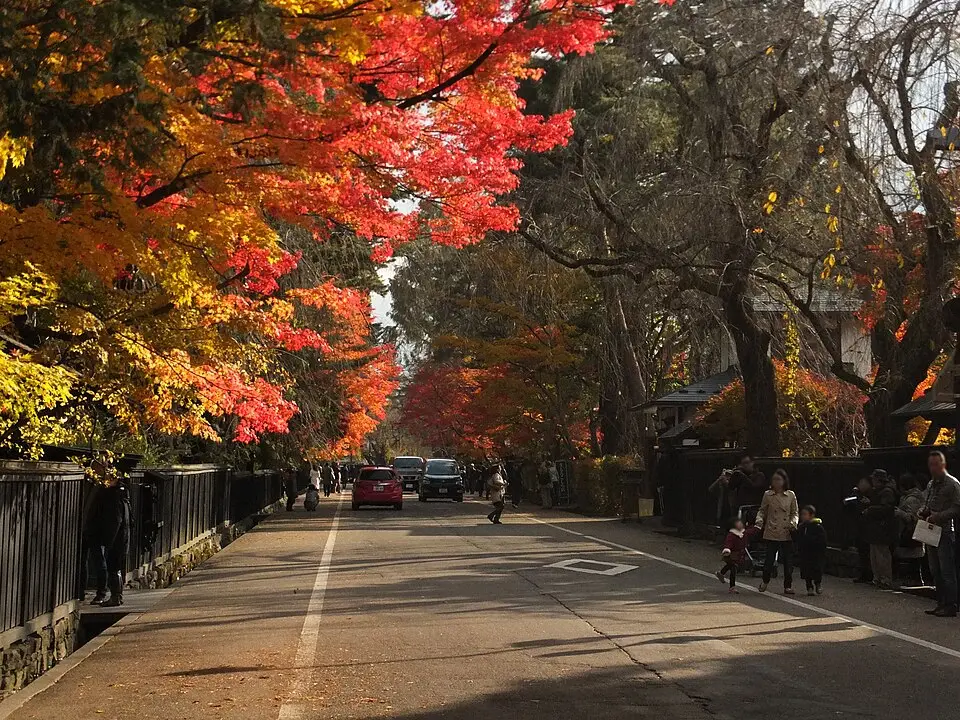
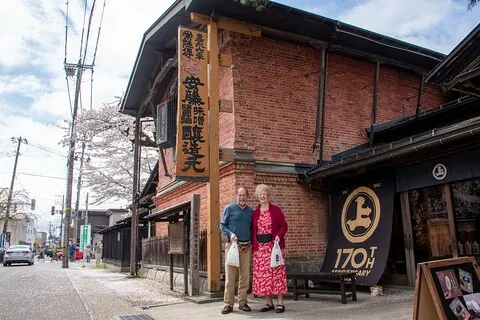
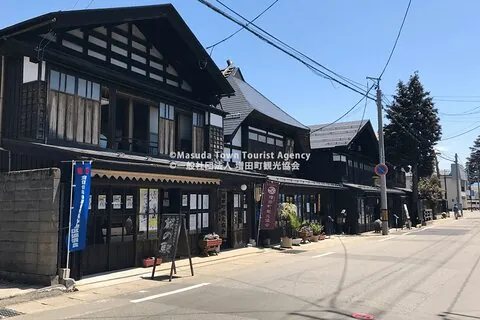
A town plan laid out in 1620, with the samurai quarter and the merchant quarter still divided by the old firebreak. Six samurai houses survive behind black board fences, three of them open for a fee. It is the one sight in the prefecture that people plan a trip around.
From the shipTaxi to Akita Station (25–30 minutes, about ¥4,500 per car), then the Akita Shinkansen Komachi, 42–49 minutes and ¥3,070 each way with a reserved seat, then 15 minutes on foot. Allow 1 h 30 – 1 h 45 door to door.
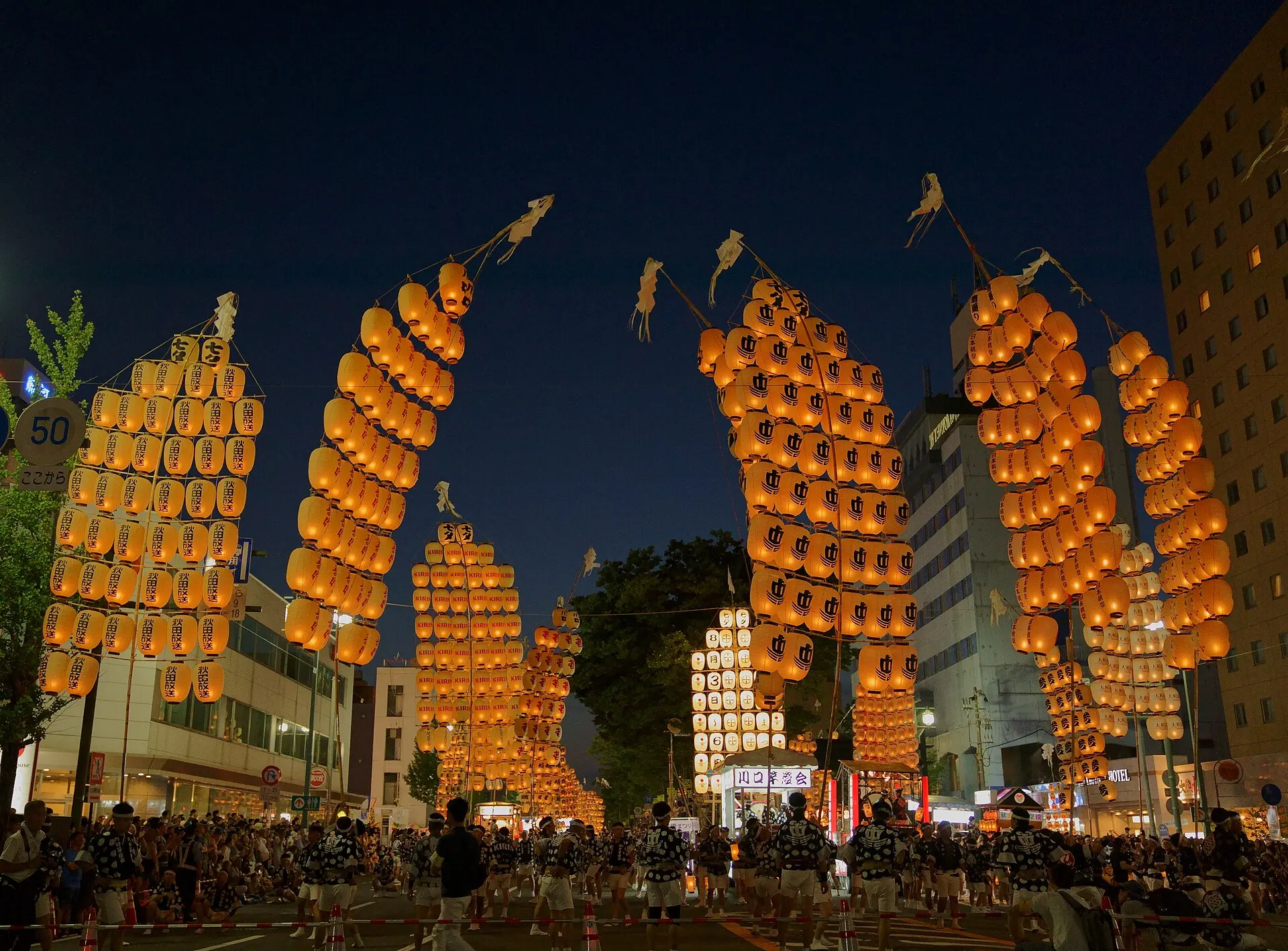
Every 3–6 August, performers balance bamboo poles up to 12 m tall and 50 kg in weight, hung with 46 lanterns, on their palms, shoulders and foreheads. Outside festival week, the Kanto Festival Center shows the real poles, lets you try a practice one, and stages a live performance on weekend and holiday afternoons until 31 October.
From the shipSelion bus to Akita Station (26 minutes, ¥550), then 19 minutes on foot; or a taxi of about 25 minutes, about ¥4,100. Entry ¥130.
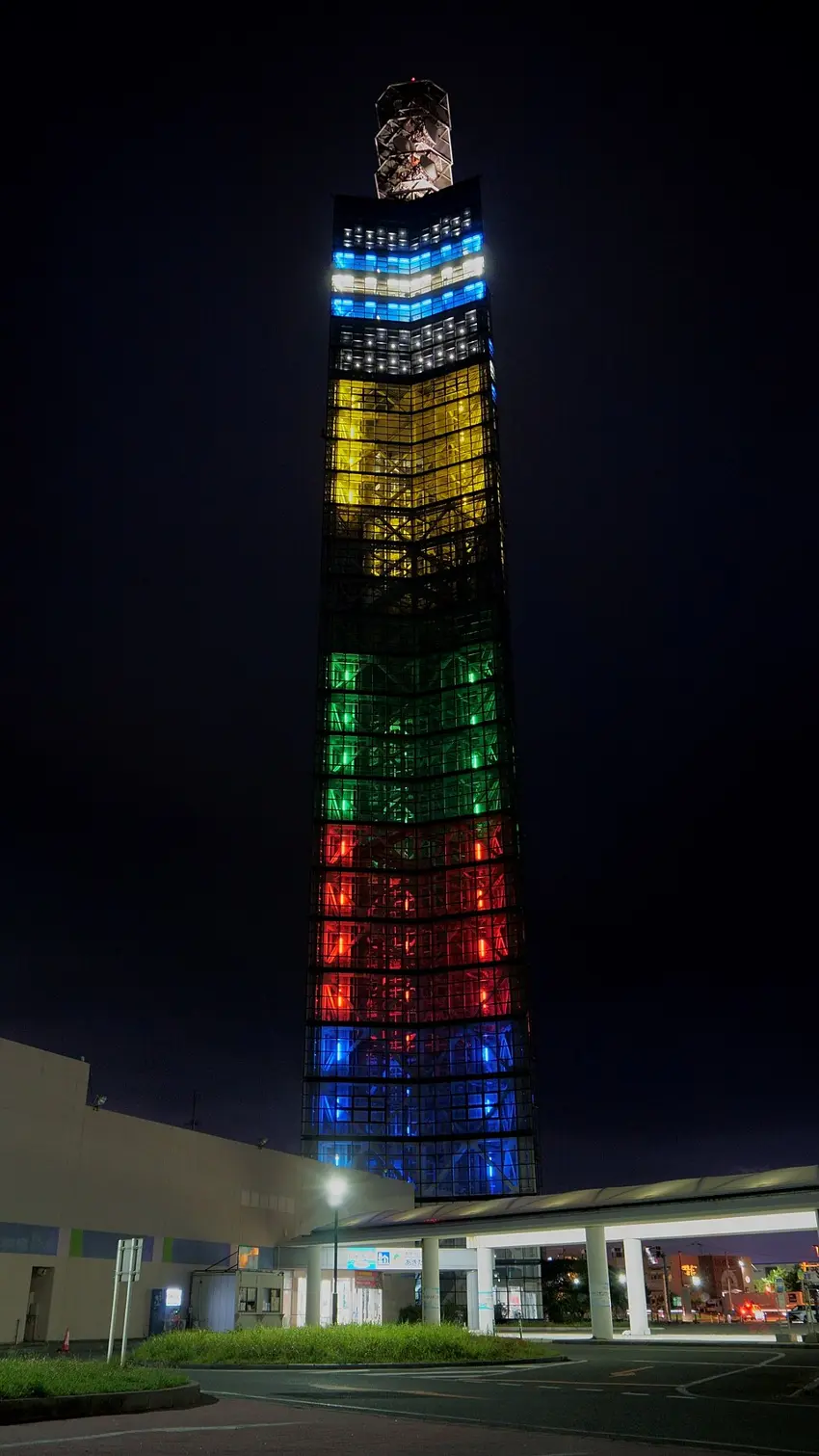
A 143 m tower with a free observation deck at 100 m, looking over the harbour, the city and the Sea of Japan. The base is a roadside station with a seafood grill, local souvenirs and Akita's pink-and-yellow babahera ice. It is the obvious first stop, and the whole plan for a short call.
From the shipAbout 10 minutes on foot from the cruise terminal (800 m). Deck open 9:00–21:00, free.
Akita is the capital of rice-and-sake country on the Sea of Japan coast. It is a quiet city, and most of what it is known for lies somewhere other than beside the ship. The prefecture's famous sight, the samurai town of Kakunodate, is an hour inland. Its famous event, the Kanto lantern festival, lasts four nights in August. Its famous foods, kiritanpo (toasted rice sticks in a chicken hotpot) and Inaniwa udon (thin, hand-stretched noodles), are served downtown, not at the port.
That makes this a port where the plan matters more than usual. There is one berth, 25–30 minutes from the city, and the bus back runs only a few times a day. The shinkansen to Kakunodate is fast but hourly. This guide is built from the prefecture's call schedule, the port's facility sheet, the bus operator's timetable database, published train times and the attractions' own opening hours, checked on 30 September and 1 October 2026. Nobody from this site has walked this port; taxi times and fares are our estimates and are labelled as such.
What Akita is not: a port town you step straight into. The Tsuchizaki district around the wharf has the Selion tower and a small history museum. Everything else starts with a bus, a taxi or a train.
First: which berth are you at?
This is the easy part. Every 2026 call at Akita Port uses Nakajima Wharf No.2 and No.3, two 185 m quays in line, at the Akita Port Cruise Terminal (1-13 Tsuchizakiminato-nishi). The wharf has handled ships up to Quantum of the Seas (347 m) and MSC Bellissima.
Nakajima Wharf No.2 / No.3
Terminal
Temporary immigration only; no boarding bridge
Services
Toilets, Wi-Fi, tourist information in English. Currency exchange and kiosk "on consultation", so do not count on them
Taxis
A taxi pool for 20 cars on the apron
On foot
Selion tower 800 m (10 min); Tsuchizaki Minato History Museum about 17–20 min; JR Tsuchizaki station about 28 min
To town
Akita Station about 30 min by car (port's figure); not walkable (9.3 km)
Two things you may read elsewhere are wrong. The ship does not dock "at the Selion tower": the tower is 800 m away. And the city is not "15–20 minutes" away: the port's own sheet says 30 minutes by car to Akita Station, and the tower's access page gives 18 minutes from the tower itself.
On some call days the prefecture stages a welcome at the terminal (kanto poles, namahage drums, local food and sake stalls, babahera ice), but its own page says not every time, so treat it as a bonus.
One 2026 call, Asuka II on 15 September, went to Funakawa Port on the Oga Peninsula instead. That is a different port and is outside this guide.
Getting from the Akita cruise terminal into the city
The cruise train that once ran from Akita Port straight to Akita Station is gone: the service ended by March 2026 and the line closed on 1 July 2026. There is no standing public shuttle either. The port's facility sheet says shuttles have to be arranged, so if your line runs one, it will be in the daily programme. That leaves three ways in.
To
How
Time
Cost
Akita Station West Exit
Walk 10 min to Selion, then the Selion Line bus
26 min on the bus
¥550, cash or IC card
Akita Station
Taxi from the terminal's pool
25–30 min
about ¥4,500 per car (estimate)
Akita Station
Walk 28 min to JR Tsuchizaki, then a local train
9–10 min on the train
¥210
Senshu Park
Taxi, or bus then 14 min on foot
25–30 min by taxi
about ¥4,800 by taxi (estimate)
Kanto Festival Center
Taxi, or bus then 19 min on foot
about 25 min by taxi
about ¥4,100 by taxi (estimate)
Kakunodate
Taxi to Akita Station, then the Komachi shinkansen
42–49 min on the train; about 1 h 30 door to door
¥3,070 each way
The Selion bus is run by Akita Chuo Kotsu (routes 115 and 119) and stops at the base of the tower. It takes cash (the change machine accepts ¥1,000 notes, nothing larger) or Suica, PASMO, ICOCA and the other national IC cards, and it gives no receipts. The catch is the timetable:
Direction
Weekdays
Weekends and holidays
Selion → Akita Station
8:27, 9:30, 11:20, 12:20, 13:15, 14:40, 16:15
8:27, 11:35, 13:00, 15:35
Akita Station → Selion
8:45, 9:55, 10:35, 11:30, 13:50, 15:20
10:50, 11:50, 12:50, 14:25
These are the operator's times as checked on 1 October 2026; check them again before you sail. The ride back takes about 24 minutes. The last useful bus back is 15:20 on weekdays and 14:25 at weekends and on holidays. Monday 12 October is Sports Day, a national holiday, so the weekend timetable applies to Diamond Princess's call. Sunday 25 October and Sunday 1 November are weekend days.
Taxis follow the official Akita tariff: ¥600 for the first kilometre, then ¥100 for every 206 m, plus time charges in slow traffic. Our fares above count distance only, so treat them as a floor. Shared by four, a taxi to the station comes to about ¥1,100 each, twice the bus fare, but it saves the walk to Selion and the wait for a bus. Hiring a car by time costs ¥4,270 per 30 minutes.
JR from Tsuchizaki is the cheap backup: ¥210 and under 10 minutes, but the station is a 28-minute walk from the ship, and the trains run about hourly (towards Akita on a weekday at 9:15, 10:20, 11:30, 12:18, 13:55, 14:37, 15:53).
For how the first minutes off a ship in Japan usually work, from IC cards to taxi apps, see the first ten minutes ashore.
Akita port to Kakunodate: what is actually possible
Kakunodate is the reason many passengers look forward to Akita, and it is the decision that shapes the day. The route is simple: taxi to Akita Station (about 30 minutes), the Akita Shinkansen "Komachi" to Kakunodate (42–49 minutes, ¥3,070 each way with a reserved seat; the timetable offers only reserved and Green seats on the Komachi), and a 15-minute walk to the samurai street. That is about 1 h 30 to 1 h 45 door to door each way, and the trains run about hourly.
Akita → Kakunodate
Kakunodate → Akita
7:16 → 7:58
10:40 → 11:25
8:11 → 8:55
11:42 → 12:30
9:12 → 10:00
12:18 → 13:02
10:07 → 10:54
13:25 → 14:08
11:07 → 11:56
14:21 → 15:04
12:13 → 12:56
15:25 → 16:08
These times come from a timetable aggregator for mid-October 2026 (JR East's own pages could not be read); check them when you buy your tickets. The slow local route via Omagari costs ¥1,410 but takes up to 1 h 45 and does not fit a ship's clock.
What that means for each call length, with all-aboard 30 minutes before departure and a target of being back at the gangway an hour before that:
07:00 arrivals (14 October, 2 November): out on the 8:11, back on the 11:42 or 12:18: about 2 h 45 to 3 h 20 in the town, with 55–85 minutes of margin. On 2 November you can stay until the 13:25, about 4 h 30.
08:00–18:00 (29 October): out on the 9:12, back on the 14:21: about 4 h 20 in the town, the most generous call of the season.
09:00–18:00 (22 October, 1 November): the 10:07 is too tight after a 30-minute taxi, so out on the 11:07 and back on the 14:21: about 2 h 25 in the town, 55 minutes of margin.
09:00–17:00 (12 and 25 October): back on the 13:25, so only about 1 h 30 in the town. The 14:21 would get you to the gangway about five minutes late. For about ¥10,600 each in taxis and trains, spend this day in the city.
10:00–18:00 (15 October): about 1 h 25 in the town. City day.
On a weekday 08:00 arrival you can swap the taxi for the 9:30 Selion bus, which reaches the station at 9:56 for the 10:07 train. Coming back, the 14:21 train, then the 15:20 bus from the station, puts you at the gangway about 15:55.
Lake Tazawa, Japan's deepest lake, is about an hour by Komachi to Tazawako (¥3,450) and 15 minutes by bus to the shore: about two hours each way from the ship. It fits only as part of a guided car day on a long call.
Kakunodate: what to see in the time you have
Kakunodate was laid out in 1620 and split by a firebreak into the samurai quarter, Uchimachi, and the merchant quarter, Tomachi. Six samurai houses survive. Three are free to look into (Iwahashi, Odano, Matsumoto) and three charge ¥500 each:
House
Hours (April–November)
Entry
Notes
Aoyagi house (Kakunodate Rekishimura)
9:00–17:00, daily
¥500
15 min from the station; cards, IC and PayPay; English leaflets
Ishiguro house
9:00–17:00, daily
¥500
About 25 min from the station on foot, 5 min by taxi; staff guide you round
Kawarada house
9:00–17:00 (entry to 16:30)
¥500
Short guided tours at 10:00, 11:00, 13:15, 14:15
Iwahashi house
9:00–16:30 (to 30 November)
Free
On the samurai street
Two houses and a slow walk down the street take about two hours; that is the realistic minimum. The full loop of samurai streets, merchant quarter and the Tamachi district is about 5 km. The tourist information office in the white storehouse beside the station keeps bags for ¥500 each and takes cards.
In autumn, the colours inland run from late October to mid-November; the tourism association's shuttle to Dakigaeri Gorge runs 30 October to 15 November (¥1,100 one way; the return must be booked). On 29 October and 2 November the trees may be turning. See fall foliage by cruise port for the official dates across Japan.
The Kanto Festival fills Akita's main street on the nights of 3–6 August: poles up to 12 m tall and 50 kg, hung with 46 lanterns, balanced on a palm, a shoulder, a hip or a forehead. In 2026 only two ships were in port for it (Mitsui Ocean Fuji on 4 August and Asuka II on 5 August). If you want to plan a future cruise around it, read time your Japan cruise to a festival.
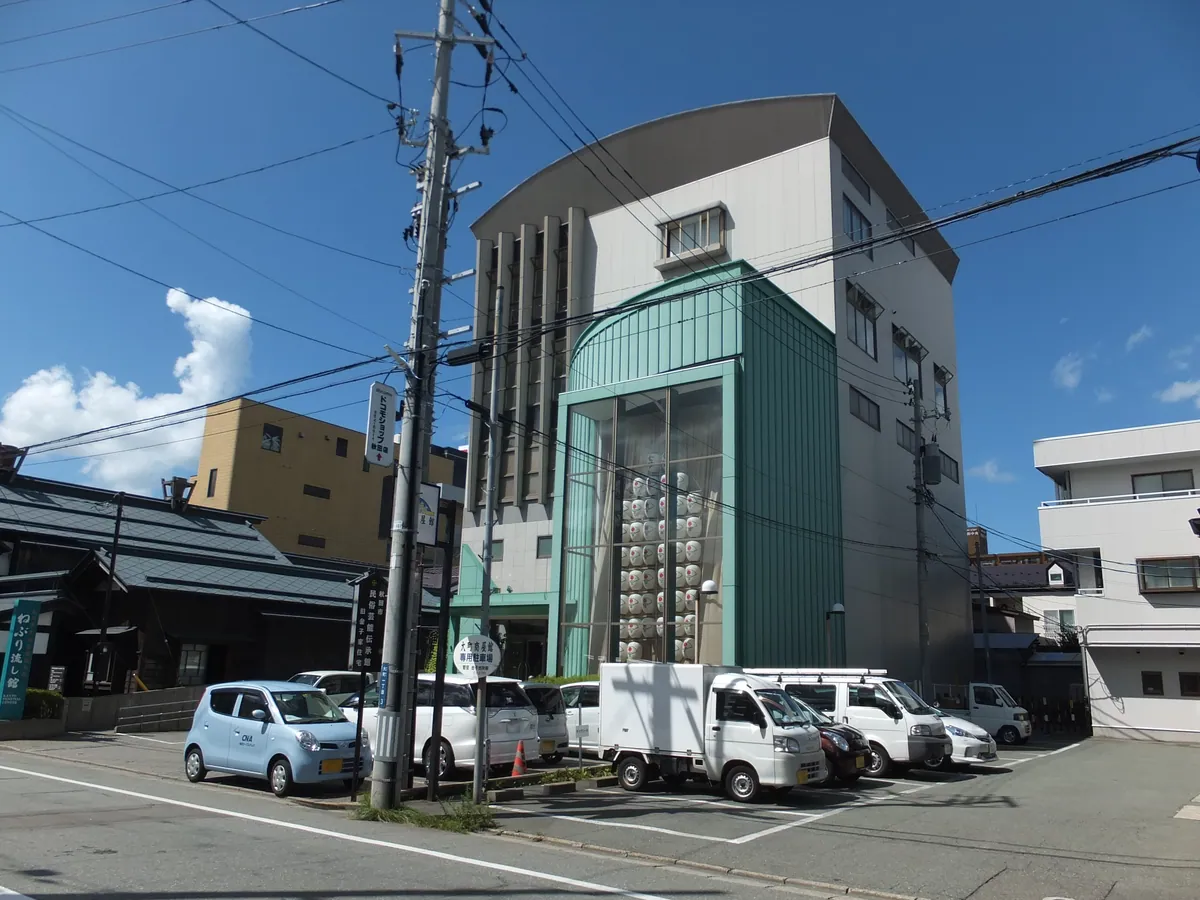
For everyone else, the Kanto Festival Center (the Akita City Folk Performing Arts Hall, "Neburi Nagashi-kan") is the substitute, and a good one:
Hours: 9:30–16:30 (last entry 16:15), every day except 29 December – 3 January.
Entry: ¥130, which includes the Former Kaneko House next door, a late-Edo merchant house. ¥370 combined with the Akarenga museum. Cards, e-money and QR payments accepted.
Try it: the ground-floor hall has a corner where you can lift a practice pole.
Live performances: Saturdays, Sundays and holidays, 4 April – 31 October 2026, 13:30 to about 14:10, standing room. On this season's calls that means 12 October (holiday) and 25 October (Sunday). On 1 November the season is over; weekday calls have none.
Time needed: 45 minutes, or an hour and a half with the performance.
It is 19 minutes on foot from Akita Station. Akarenga Kyodokan, the red-brick former Akita Bank head office (¥310 alone), is a short walk away.
The best things to do in Akita on a port day
Our full list, with the time each takes from the berth, is on the Akita top 10. In brief:
Selion Tower — the free 100 m deck, 10 minutes' walk from the ship; open 9:00–21:00 and lit up from 16:30.
Kanto Festival Center — the lantern poles up close, ¥130, and a performance at weekends until 31 October.
Kiritanpo hotpot — toasted rice sticks in chicken broth; miso-tanpo (¥490) at Mugendo is the quick version.
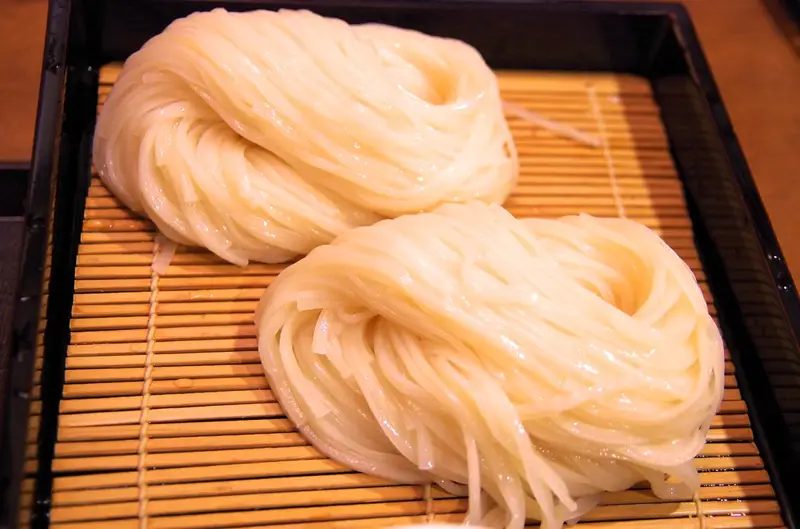
Inaniwa udon at Sato Yosuke — thin, glossy noodles from the maker founded in 1860, in the Seibu basement or the station's Topico building.
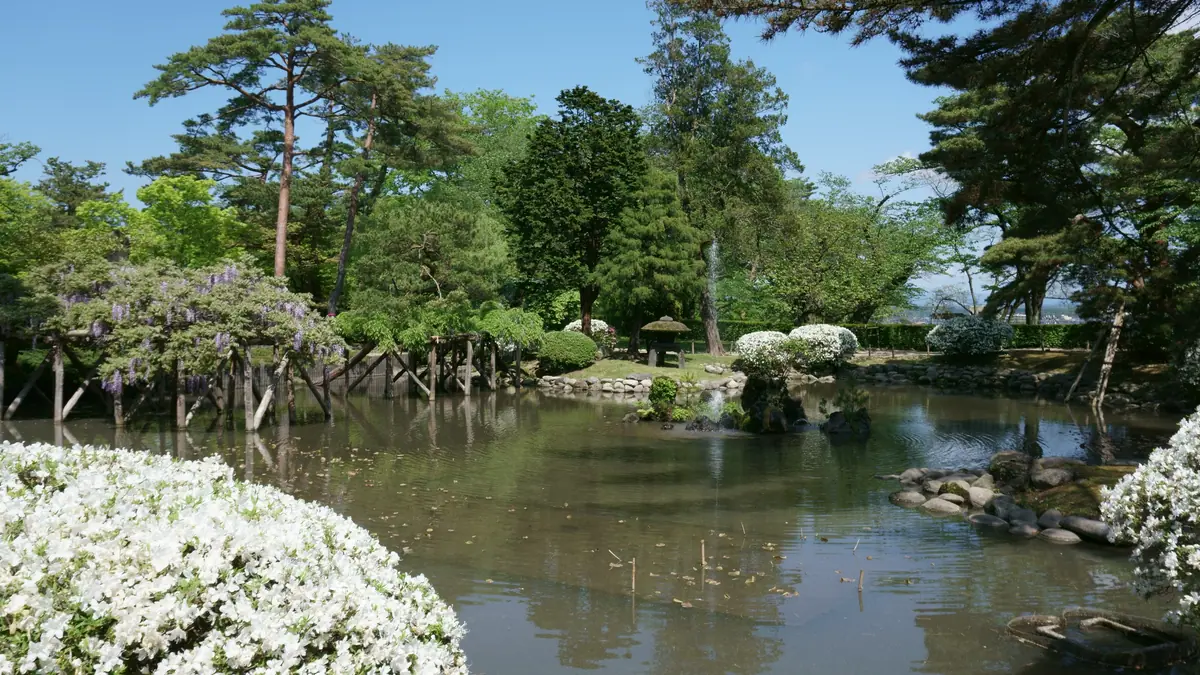
Senshu Park — the Kubota Castle grounds, 14 minutes from the station; the corner turret is ¥150.
Babahera ice and local sake — the pink-and-yellow soft serve is sold at Selion; sake at Akita Products Plaza.
Magewappa bentwood — cedar lunch boxes, the gift to carry home; Akita Products Plaza stocks them.
Two more for short calls: the free Tsuchizaki Minato History Museum (9:00–17:00, closed Tuesdays; none of this season's calls is on a Tuesday), 17–20 minutes' walk from the ship, with the festival floats of the Tsuchizaki Shinmeisha festival and the story of the 1945 air raid on Tsuchizaki, described there as Japan's last; and the Akita Museum of Art by Senshu Park, a Tadao Ando building home to Tsuguharu Foujita's collection (¥310, 10:00–18:00; a ¥1,000 special exhibition runs 3 October – 29 November).
Fits the weekday calls: Norwegian Jade 09:00–18:00 (22 October), Seabourn Encore 08:00–18:00 and 10:00–18:00 (29 and 15 October). On the 07:00 arrivals (14 October, 2 November), take the 8:27 bus out; come back on the 13:50 on 2 November, and by taxi on 14 October.
Akita's castle park, its udon and its lantern poles, all on the Selion bus and your own feet. Times assume Norwegian Jade's 09:00–18:00 call on Thursday 22 October: all-aboard around 17:30, target back at the gangway 16:30. The bus timetable only works on weekdays; at weekends, use the next day instead.
09:30Off the ship. Walk about 10 minutes to the Selion tower, the tower you can see from the quay.
09:40Ride to the free observation deck at 100 m for the view over the port and the city, then the shop at the base for sake and crafts to buy later. There is no bus between 9:30 and 11:20, so take your time.
11:20Selion Line bus from the Selion stop to Akita Station West Exit, arriving 11:46. ¥550 in cash (the change machine takes ¥1,000 notes, nothing larger) or tap a Suica-type IC card.
11:50Lunch of Inaniwa udon at Sato Yosuke, the maker founded in 1860: the Topico shop on the 3rd floor of the station building, a minute from the gates (11:00–15:00), or the Akita shop in the basement of Seibu.
12:40Walk 14 minutes to Senshu Park, the grounds of Kubota Castle. The park is free; the Osumi-yagura corner turret costs ¥150 and is open 9:00–16:30.
13:40Walk about 10 minutes west to the Kanto Festival Center, ¥130: the real lantern poles, a corner where you can try lifting one, and the Former Kaneko House next door. Add the Akarenga red-brick museum for ¥370 in all.
14:45Walk back towards the station, with a stop at Akita Products Plaza (9:30–18:30) in the Atorion building for sake, magewappa boxes and cherry-bark crafts.
15:20The last weekday Selion bus from Akita Station West Exit, platform 4, arriving at Selion 15:44. Walk back to the terminal.
15:55Back at the gangway, 35 minutes ahead of the 16:30 target. Transport for the day: ¥1,100 each.
Kanto performance day: a weekend or holiday 8-hour call
Fits Diamond Princess 09:00–17:00 on Monday 12 October (Sports Day, a public holiday) and Asuka II 09:00–17:00 on Sunday 25 October. On Sunday 1 November the performance season is over; do the first day by taxi instead.
At weekends and on holidays the Selion bus runs so rarely that a taxi is the better plan in both directions. It lets you build the day around the one thing only these dates offer: the live kanto performance at 13:30. Times assume a 09:00–17:00 call, all-aboard 16:30, target back at the gangway 15:30.
09:30Off the ship. Taxi from the terminal's taxi pool (20 bays) to Senshu Park, about 25–30 minutes and about ¥4,800 per car, our estimate.
10:05Senshu Park: the castle grounds, the moat ponds and the Osumi-yagura turret (¥150, cards and IC accepted). The Satake Historical Museum inside the park is ¥500 if you want the clan's story.
11:20Walk about 15 minutes into the streets west of the station for lunch: Sato Yosuke in the Seibu basement (Inaniwa udon), or Mugendo Ekimae for udon, miso-tanpo (¥490) and hatahata sushi.
12:40Akarenga Kyodokan, the former Akita Bank head office in red brick. Buy the ¥370 combined ticket, which also covers the Kanto Festival Center.
13:15Into the Kanto Festival Center early: the performance is standing room and can fill.
13:30The live kanto performance, until about 14:10: full-size poles balanced on palms, hips and foreheads, with the festival music. Afterwards, try the practice pole in the hall.
14:15Taxi back to the port, about 25 minutes and about ¥4,100 per car.
14:50Back at the gangway, 40 minutes ahead of the 15:30 target. Taxis for two: about ¥8,900 in all.
Kakunodate on your own: an early 9-hour call
Fits Norwegian Jade 07:00–16:00 (14 October) and 07:00–17:00 (2 November), and Seabourn Encore 08:00–18:00 (29 October) with the later trains in the note. A 09:00–18:00 call gives about 2 h 25 in the town. It does not suit 09:00–17:00.
The samurai town by shinkansen, with no guide and no booking beyond your train seats. Times assume Norwegian Jade's 07:00–16:00 call on Wednesday 14 October: all-aboard 15:30, target back at the gangway 14:30. Door to door each way is about 1 h 30. Cost for two: about ¥21,300 in taxis and trains, plus entries.
07:30Off the ship and straight into a taxi to Akita Station: about 30 minutes, about ¥4,500 per car (our estimate). There is no bus early enough to help.
08:11Komachi 12 to Kakunodate, arriving 8:55. ¥3,070 each way with a reserved seat; buy the return at the same time.
08:55At Kakunodate, the tourist information office is in the white storehouse to the right of the station exit (luggage ¥500 per item). Walk 15 minutes to the samurai street.
09:10Aoyagi house (Kakunodate Rekishimura), ¥500. English leaflets; cards, IC and PayPay accepted.
10:15Ishiguro house, ¥500: descendants still live in the main house and staff show you round. Then walk the black-fenced street under the old trees.
11:20Back to the station, 15–25 minutes on foot or about 5 minutes by taxi.
11:42Komachi 7 to Akita, arriving 12:30. If you want more time, Komachi 9 (12:18 → 13:02) still leaves a good margin.
12:35Taxi to the port from the station taxi rank, about 30 minutes.
13:05Back at the gangway, 85 minutes ahead of the 14:30 target (55 minutes if you took Komachi 9).
How to think about your hours
Work backwards from the ship. Your all-aboard time is usually 30 minutes before departure (check the daily programme), you want to be back at the gangway an hour before that, and the first half hour after arrival goes on getting off. So the time you can actually use is the call length minus about two hours. At Akita, remember that town is 25–30 minutes away each way.
Call
Usable
What fits
4 hours
about 2
Selion's deck and shops, and the Tsuchizaki Minato History Museum on foot. A taxi dash downtown is possible but poor value.
6 hours
about 4
A half day in town: Senshu Park, the Kanto Festival Center and lunch, by bus or taxi. Kakunodate does not fit.
8 hours
about 6
A full city day. Kakunodate only on an early arrival; on 9:00–17:00 you get about 1 h 30 there.
9–10 hours
about 7–8
Kakunodate on your own, with 2 h 25 to about 4 h 30 in the town depending on arrival. A 3-hour guided Kakunodate tour fits only on 7:00–8:00 arrivals.
The rest of the 2026 season is eight calls between 12 October and 2 November: three of 8 hours, three of 9, two of 10, with no overnights, and 9:00 the commonest arrival. The full list is on cruises to Akita. The prefecture's schedule shows 21 calls at Akita Port in 2026, down from a record 32 in 2025, when April alone had 15. No 2027 calls have been published yet.
Tours worth booking, by how many hours you have
Every pick opens our own page first — what the operator actually includes, who should skip it, and which upcoming Akita calls it fits. Prices are the operator's "from" price as of 26 Sep 2026.
8h+Kakunodate with a local guide or teacher
All three are run by the same Kakunodate operator and start in Kakunodate: you get yourself there by taxi and shinkansen, about 1 h 30 each way. Realistically they fit only calls arriving at 7:00–8:00. All three are all sales final, so book only once your call time is certain.
Masuda is not in Akita city: it is a 1 h 30 train ride south to Jumonji, then a bus or taxi paid in cash. It works only on the 07:00–17:00 call (2 November).
No remaining 2026 call is 11 hours long; these fit only if a longer call appears. On a 10-hour call you would need a shortened version, so ask the operator.
Tours are booked through Viator (a Tripadvisor company). If you book, we may earn a small commission at no extra cost to you. It never decides what we recommend — which is why each tour page has a "think twice" note.
About the return to the ship. None of the seven Akita tours on Viator mentions the cruise port, a port pickup or a return to the ship. Most start in Kakunodate, Masuda or at Akita Station, so you travel to and from them yourself, and the ship will not wait. Three are all sales final, so book them only once your call time is fixed. Tell the guide your all-aboard time when you meet, pick a return train that leaves you an hour at the gangway, and keep the taxi fare (about ¥4,500) in reserve. For how guided tours compare with doing it yourself, see ship tour, private guide or DIY.
Money, cards and the practical stuff
Most of Akita's sights take cards; the bus, some restaurants and the Masuda leg are where cash matters.
Place
Pay with
Selion Line and all Akita Chuo Kotsu buses
Cash (¥1,000 notes at most in the changer) or Suica-type IC card
Kanto Festival Center, Akarenga
Card, e-money or QR
Osumi-yagura turret, Senshu Park
Card, e-money or IC card
Aoyagi house, Kakunodate
Card, IC card or PayPay
Kakunodate tourist information (bag storage)
Card or e-money
Bus or taxi from Jumonji to Masuda
Cash
Taxis
Ask before you ride; carry ¥5,000 in cash to be safe
ATMs. The nearest cash machines to the terminal are a Lawson about 550 m away, a 24-hour Lawson about 900 m away, a 7-Eleven about 1 km away and the Tsuchizaki post office about 1.1 km away (all straight-line distances). 7-Eleven and Japan Post machines generally accept foreign cards. The terminal's currency exchange is "on consultation" only.
Food and opening days against the call dates. Sato Yosuke's Akita shop (Seibu basement, lunch 11:00–15:00) and its Topico shop (station building, 3rd floor, 11:00–15:00 and from 16:00) open daily except when their buildings close. Mugendo Ekimae (lunch 11:00–14:00) closes on the 2nd and 4th Wednesdays from October 2026, which includes 14 October. At the port, Selion's seafood grill and rice bowls run 11:00–16:00, and a vending machine sells hot udon or soba for ¥350 from 10:00 to 17:00.
Closures to check. The Senshu Museum of Art is closed until 16 October, which affects the 12, 14 and 15 October calls. The Satake Historical Museum is closed 1–9 October, before any call. Akarenga reopens on 3 October.
When to go: seasons and crowds
Autumn (October–November), when all of this season's calls fall, is cool and wet. October averages a high of 19 °C, a low of 10 °C and 175 mm of rain; November 12 °C, 4.5 °C and 189 mm. Winds are fresh off the Sea of Japan, and ships have skipped Akita in rough weather (Diamond Princess in April 2025, Seabourn Encore in April 2026).
Autumn colour in the city usually comes in mid-November (the official maple date was 14 November in 2025), so the 1–2 November calls catch the start. Inland Kakunodate turns earlier, from late October.
Spring is when most Akita calls usually happen: 15 in April 2025 alone. Cherry blossom in the city opens around 17 April in a normal year (6 April in 2026); Kakunodate's weeping cherries follow.
Summer brings the Kanto Festival (3–6 August), highs of 29 °C and, in July, the wettest month of the year. Typhoons reach the Tohoku region about three times a year, most often in September.
Rain plan: the Kanto Festival Center, Akarenga, the Akita Museum of Art, the Selion tower and the shops around the station (Topico, Akita Products Plaza) are all indoors.
The 2026 schedule shows one ship at a time. For Kakunodate, buy your return train seats as soon as you reach Akita Station.
What other guides get wrong about Akita
Things you will read about Akita elsewhere — in older port guides, forum posts and some cruise-line pages — set against what the official source says today.
You may read
What the official source says
Source
A non-stop cruise train takes you from the port to Akita Station in 15 minutes.
JR East's passenger train for cruise passengers, run since August 2017, ended in fiscal 2025, and JR Freight abolished the Tsuchizaki – Akita Port line on 1 July 2026. Take the Selion bus (¥550, about 26 minutes from the tower) or a taxi (25–30 minutes).
The cruise terminal is about 5 km from downtown Akita.
The port's facility sheet puts downtown 13 km and 30 minutes away by car, and JR Akita Station 30 minutes by car. Allow 25–30 minutes each way and about ¥4,500 for a taxi; it is not a walk.
Ships tie up at Nakajima Wharf No.2/No.3; the Selion tower, where the bus to Akita Station leaves, is 800 m and about 10 minutes on foot. Add that walk to the 26-minute ride, or take a taxi from the terminal's taxi pool.
Planning on the cruise train.From 2017 JR East ran special trains for cruise passengers from Akita Port to Akita Station. The service ended by March 2026 and the line closed on 1 July 2026. The Japan Tourism Agency's English port page still advertises it.
Believing "15–20 minutes to town".The port's own facility sheet gives 30 minutes by car to Akita Station. By bus it is a 10-minute walk plus 26 minutes on board. Plan on 25–30 minutes each way, whichever way you go.
Missing the last Selion bus.The last bus back from Akita Station leaves at 15:20 on weekdays and at 14:25 at weekends and on holidays. After that it is a taxi, about ¥4,500.
Trying Kakunodate on a 9:00–17:00 call.You would have about 1 h 30 in the town for about ¥10,600 each in taxis and trains, with no later train that gets you back in time. On that call, do the city.
Expecting a kanto performance on a weekday.The live performances at the Kanto Festival Center are at 13:30 on Saturdays, Sundays and holidays only, and the season ends on 31 October. On other days you can still see the poles and try one.
Counting on currency exchange at the terminal.The port's facility sheet lists exchange as "consultation required", not a standing service. Bring yen, or use the ATMs near the Selion tower and in town.
Dressing for a sunny port day.Akita is wet in autumn: about 175 mm of rain in October and 189 mm in November, with highs of 19 °C and 12 °C. Bring a waterproof and a warm layer.
Researched from official timetables, operators and the port authority. Every time and fare in this guide was checked against the sources listed above on 1 October 2026; where we had to estimate (a walk, a taxi in traffic), the text says so. Timetables change — if you find one that has, tell us and we will fix it.
Quick answers
Akita cruise port questions
Where do cruise ships dock in Akita?
At Nakajima Wharf No.2 and No.3 in Akita Port, two 185 m quays in the Tsuchizaki district north-west of the city, at the Akita Port Cruise Terminal. Every 2026 call at Akita Port uses it, and ships tie up alongside, so there is no tender. The terminal has toilets, Wi-Fi and English-speaking tourist information; the Selion tower is 800 m away, about 10 minutes on foot.
Can you walk from the Akita cruise port into town?
No. Akita Station is 9.3 km from the ship by road, about two hours on foot, and the port's own facility sheet puts downtown 13 km and 30 minutes away by car. What you can walk to is the Selion tower (800 m, 10 minutes), the Tsuchizaki Minato History Museum (17–20 minutes) and JR Tsuchizaki station (28 minutes). For the city, take the ¥550 Selion bus or a taxi of about ¥4,500.
How do I get from the Akita cruise port to Akita Station?
Walk 10 minutes to the Selion tower and take the Akita Chuo Kotsu Selion Line bus to Akita Station West Exit: 26 minutes, ¥550, cash or Suica-type IC card. Or take a taxi from the terminal's taxi pool: 25–30 minutes and about ¥4,500 per car. A third, cheaper option is a 28-minute walk to JR Tsuchizaki station and a 9–10-minute local train for ¥210, roughly hourly.
Is there a free shuttle or a cruise train from the Akita cruise terminal?
No standing service of either. The cruise train from Akita Port to Akita Station ended by March 2026 and JR Freight abolished the line on 1 July 2026, although the Japan Tourism Agency's English page still describes it. The port's facility sheet says shuttles to downtown have to be arranged, so check your ship's daily programme. If nothing is listed, use the Selion bus (¥550, 26 minutes) or a taxi (about ¥4,500).
How often does the bus from the Akita cruise port run?
7 times a day on weekdays, 4 at weekends. On weekdays the Selion Line leaves Selion at 8:27, 9:30, 11:20, 12:20, 13:15, 14:40 and 16:15, and returns from Akita Station at 8:45, 9:55, 10:35, 11:30, 13:50 and 15:20. At weekends and on holidays it leaves Selion at 8:27, 11:35, 13:00 and 15:35 and returns at 10:50, 11:50, 12:50 and 14:25, the last bus back. These are the operator's times as checked on 1 October 2026.
Are there taxis at the Akita cruise port, and how much is a taxi?
About ¥4,500 to Akita Station, our estimate from the official Akita tariff (¥600 for the first kilometre, then ¥100 per 206 m). The terminal apron has a taxi pool for 20 cars. Expect about ¥4,100 to the Kanto Festival Center and about ¥4,800 to Senshu Park, each 25–30 minutes; slow traffic adds to it. Kakunodate by taxi would be about ¥32,700 each way, so take the shinkansen. Carry about ¥5,000 in cash in case the car takes no cards.
Is there Wi-Fi, an ATM or currency exchange at the Akita cruise terminal?
Wi-Fi, toilets and English tourist information, yes; an ATM, no. The port's facility sheet lists currency exchange and a kiosk only "on consultation", so do not count on them. The nearest cash machines are a Lawson about 550 m away and a 7-Eleven about 1 km away; 7-Eleven ATMs generally take foreign cards. On some call days the prefecture stages a welcome at the terminal with kanto poles, namahage drums and local food stalls, but not every time.
What are the best things to do in Akita on a cruise stop?
Three, in order of effort. The free 100 m deck of the Selion tower, 10 minutes' walk from the ship. In the city, 25–30 minutes away: Senshu Park, the Kubota Castle grounds; the Kanto Festival Center (¥130), where you can lift a lantern pole; and lunch of Inaniwa udon or kiritanpo. On an early or long call, the samurai town of Kakunodate, 42–49 minutes inland by shinkansen. Akita is worth getting off for, but nearly everything starts with a bus, taxi or train.
How much time do I need in Akita on a cruise stop?
About 6 usable hours for a full city day, which is an 8-hour call minus the two hours that go on getting off and back on. On a 4-hour call, stay at the port: the Selion tower and the Tsuchizaki Minato History Museum. On 6 hours, a half day in town. On 8 hours, the full city day. Kakunodate needs a 9–10-hour call that arrives at 7:00–8:00, or a 9:00–18:00 call for about 2 h 25 in the town.
What can I do near the Akita cruise terminal on a short call?
Walk 10 minutes to the Selion tower for its free 100 m observation deck (9:00–21:00), seafood rice bowls (11:00–16:00) and babahera ice. Then walk about 17–20 minutes to the free Tsuchizaki Minato History Museum (9:00–17:00, closed Tuesdays), which shows the festival floats and the story of the 1945 air raid on Tsuchizaki. Allow about two hours for both.
How do I get from the Akita cruise port to Senshu Park and the Kanto Festival Center?
About 25–30 minutes by taxi: roughly ¥4,800 to Senshu Park and ¥4,100 to the Kanto Festival Center, our estimates. By bus, take the Selion Line to Akita Station West Exit (26 minutes, ¥550), then walk 14 minutes to Senshu Park; the Kanto Festival Center is about 10 minutes further west, or 19 minutes from the station. Walk back to the station for the bus to Selion, last at 15:20 on weekdays and 14:25 at weekends.
How do I get from the Akita cruise port to Kakunodate, and is there time?
1 h 30 to 1 h 45 each way: taxi to Akita Station (about 30 minutes, about ¥4,500), the Komachi shinkansen (42–49 minutes, ¥3,070 each way with a reserved seat), then 15 minutes on foot. A 07:00 or 08:00 arrival gives about 2 h 45 to 4 h 30 in the town; a 09:00–18:00 call about 2 h 25. A 09:00–17:00 call gives only about 1 h 30, which is not worth about ¥10,600 each.
Which samurai houses should I see in Kakunodate on a cruise stop?
Two of the three paid houses, ¥500 each, and the free ones on the way. The Aoyagi house, 15 minutes from the station, has English leaflets and takes cards. At the Ishiguro house, descendants still live in the main house and staff show you round. The Kawarada house has short guided tours at 10:00, 11:00, 13:15 and 14:15. Iwahashi, Odano and Matsumoto are free. Allow about two hours for two houses and the black-fenced street.
Can I see Lake Tazawa on a cruise stop in Akita?
Only on a long call with a car. Lake Tazawa, Japan's deepest lake, is about two hours each way from the ship: a taxi to Akita Station, about an hour on the Komachi shinkansen to Tazawako (¥3,450), then about 15 minutes by bus to the shore. The one practical way is a guided car day such as 260970P13 (US$389 per group plus the car), which needs about 11 hours in port.
Can I see the Kanto Festival on a cruise?
Only on 3–6 August, with night performances from about 19:10 to 20:35; in 2026, only the calls in port that evening (Mitsui Ocean Fuji on 4 August and Asuka II on 5 August) could see it. On other dates, the Kanto Festival Center stages a live performance at 13:30 on weekends and holidays from April to 31 October, with full-size poles up to 12 m tall.
How much is the Kanto Festival Center, and can I lift a lantern pole?
¥130 for adults, covering the hall and the Former Kaneko House next door; ¥370 combined with the Akarenga museum. Yes, the ground-floor hall has a corner where you can try lifting a practice pole. It is open 9:30–16:30 (last entry 16:15) every day except 29 December – 3 January, and it accepts cards, e-money and QR payments. It is about 19 minutes on foot from Akita Station.
What should I eat in Akita on a cruise day?
Inaniwa udon and kiritanpo. Sato Yosuke, the udon maker founded in 1860, serves lunch 11:00–15:00 on the 3rd floor of the Topico station building and in the Seibu basement. Mugendo Ekimae (lunch 11:00–14:00) does udon, miso-tanpo for ¥490 and hatahata sushi. At the port, Selion's seafood grill and rice bowls run 11:00–16:00, with babahera ice outside and a ¥350 udon vending machine.
Do I need cash in Akita?
Some, and about ¥5,000 in reserve for a taxi. The Selion bus takes cash or IC cards, and its change machine takes nothing larger than a ¥1,000 note. The Kanto Festival Center, Akarenga, the castle turret and Kakunodate's Aoyagi house all take cards. The nearest convenience-store ATMs are about 550 m (Lawson) and 1 km (7-Eleven) from the terminal.
What is the best tour from the Akita cruise port?
For most calls, none: the city and Kakunodate are both easy to do on your own. On a 07:00 or 08:00 arrival, the three-hour Kakunodate crafts-and-culture walk (441249P7, 16 reviews at 5.0) is the pick, but it is all sales final and you get yourself to Kakunodate. None of the seven Akita listings on Viator mentions the cruise port or promises a return to the ship, so pick your own train back.
Is Akita easy for cruise passengers with limited mobility?
Partly. The terminal has no boarding bridge, so you leave by the ship's gangway, and the Selion bus means a 10-minute walk to the tower. A taxi from the terminal's 20-car pool (about ¥4,500 to the station) avoids both. In town the sights are 14–19 minutes on foot from the station, so taxi between them. The only Akita tour flagged wheelchair accessible is 383992P53, which prices the guide only, so book the vehicle separately.
What is the weather like in Akita in October and November?
Cool and wet. October averages a high of 19 °C and 175 mm of rain; November a high of 12 °C and 189 mm. Ships have skipped Akita in rough weather. On a rainy day, stay indoors: the Kanto Festival Center, Akarenga, the Akita Museum of Art, the Selion tower and the station-side shops at Topico and Akita Products Plaza. Autumn colour comes inland from late October and to the city in mid-November.
Which cruise ships call at Akita in 2026?
8 calls remain from 12 October to 2 November 2026: Diamond Princess (12 October, 1 November), Norwegian Jade (14 and 22 October, 2 November), Seabourn Encore (15 and 29 October) and Asuka II (25 October), all at Nakajima Wharf. The prefecture lists 21 calls at Akita Port in 2026, down from a record 32 in 2025. Most years peak in spring, with 15 calls in April 2025 alone, when the city's cherry blossom opens around 17 April in a normal year; no 2027 calls are published yet.