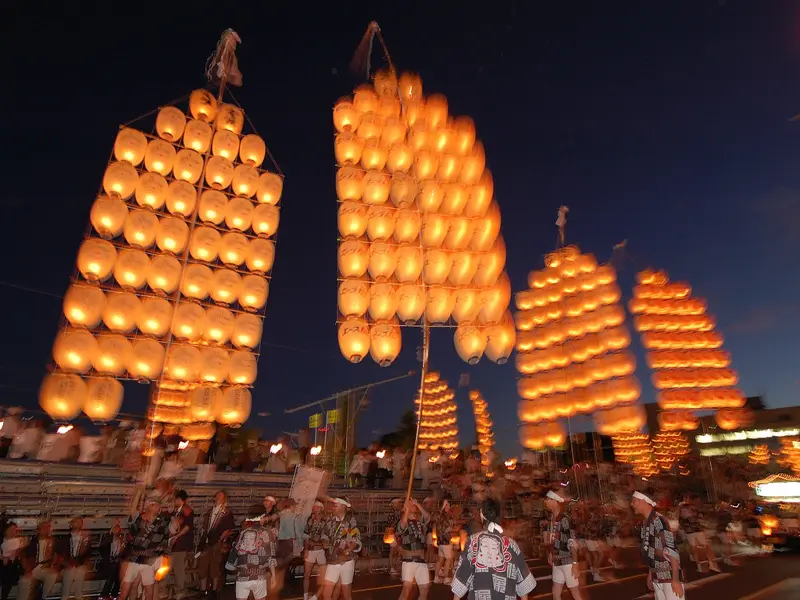
A twelve-metre pole hung with forty-six lanterns, balanced on one man's forehead
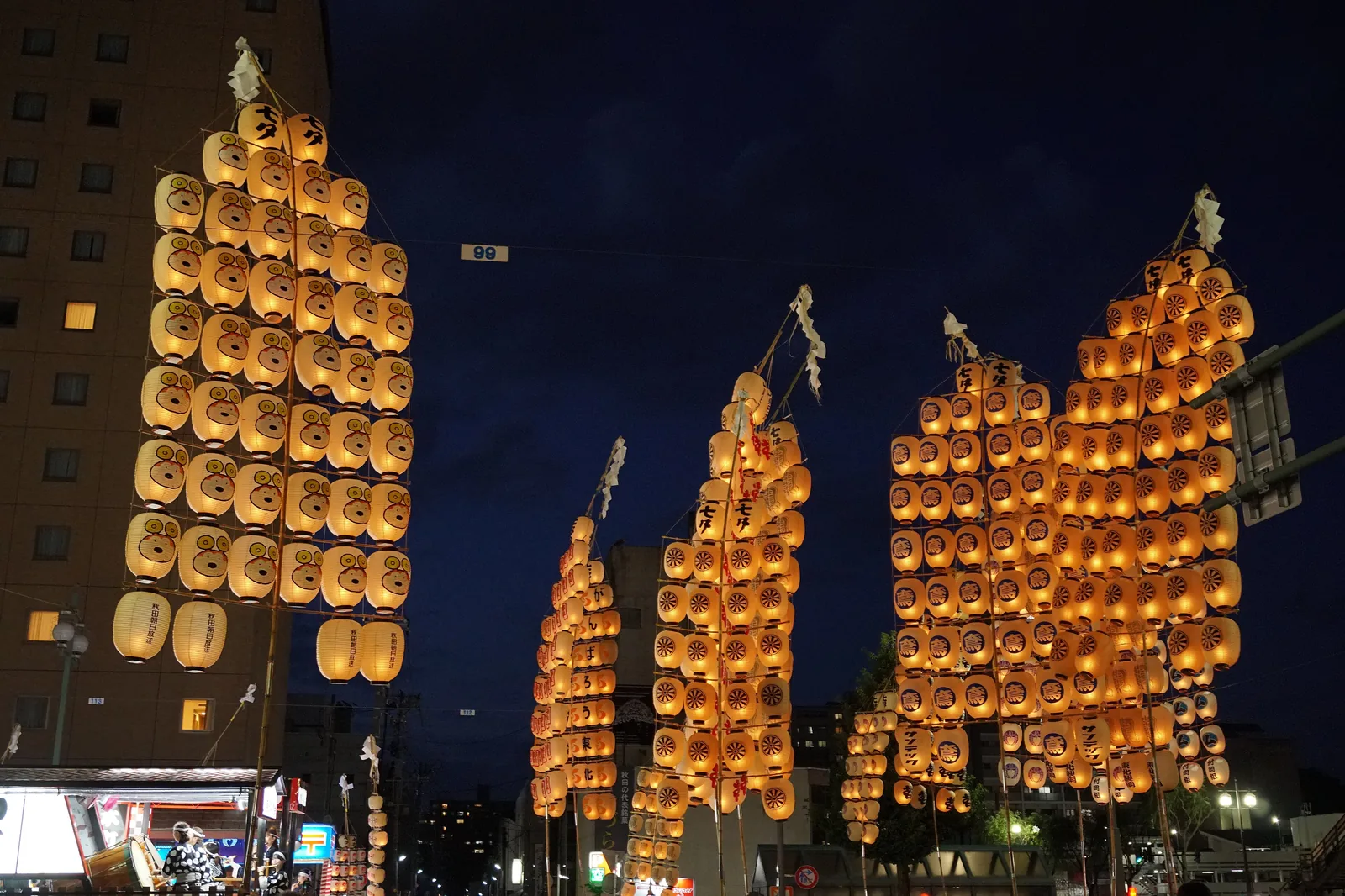
Two hundred and fifty bamboo poles, each up to twelve metres tall and fifty kilograms, each hung with forty-six paper lanterns holding real flame, raised at the same moment down a closed city street — and then balanced on a palm, then a forehead, then a hip, then a shoulder.
The Kanto Matsuri runs 3 to 6 August every year without exception, and it is one of the three great festivals of the Tohoku region. Its origin is a summer purification rite — driving off the drowsiness and evil spirits that come with the humid nights before the harvest — and the lantern arrays are shaped deliberately like rice ears heavy with grain.
A full-size owaka pole stands about twelve metres and weighs around fifty kilograms with its forty-six lanterns lit. The bearer raises it, then transfers it through a sequence of balance points — palm, forehead, shoulder, hip, lower back — with no hands on it at all in the held positions.
When the wind moves, the bearer moves. Poles bend, sway, and sometimes go over into the crowd, and the crowd expects it. Extra bamboo sections are added mid-performance to make the pole taller and harder while it is already balanced.
The lanterns hold real candles. When a pole comes down, it comes down burning, and the teams simply relight and start again.
The main event runs in the evening along a closed section of Kanto-odori. Paid grandstand seats sell out well in advance; standing at the roadside is free and closer, and the poles pass within a few metres.
Afterwards there is a period called furemai when the barriers come down, the teams stay on the street, and anyone may try to lift a pole. Foreign visitors are actively encouraged. You will not balance it. Lifting it at all is the achievement.
The Neburi Nagashi-kan — the Kanto Festival Center — holds full poles year round and runs demonstrations by actual festival performers, usually several times a day at weekends and holidays and by arrangement otherwise.
They let you try. Being handed a fifty-kilogram bamboo pole indoors, and failing to hold it, is a more useful education than watching a video of someone succeeding.
A summer rite against drowsiness and evil spirits
~250 poles, ~10,000 lanterns
And they let you try to lift one
Stand at the roadside rather than paying for a grandstand, and stay for the furemai afterwards — you may lift a pole.
From 3 to 6 August every year, without exception — one of the three great festivals of the Tohoku region. Around 250 bamboo poles, each up to twelve metres and fifty kilograms with forty-six lit paper lanterns, are balanced on palm, forehead, shoulder and hip along a closed city street in the evening.
Yes. The Neburi Nagashi-kan (Kanto Festival Center) in central Akita keeps full poles year round and runs demonstrations by actual festival performers — and they let visitors try to lift one. Failing to hold fifty kilograms of bamboo teaches you more than watching a video of someone succeeding.
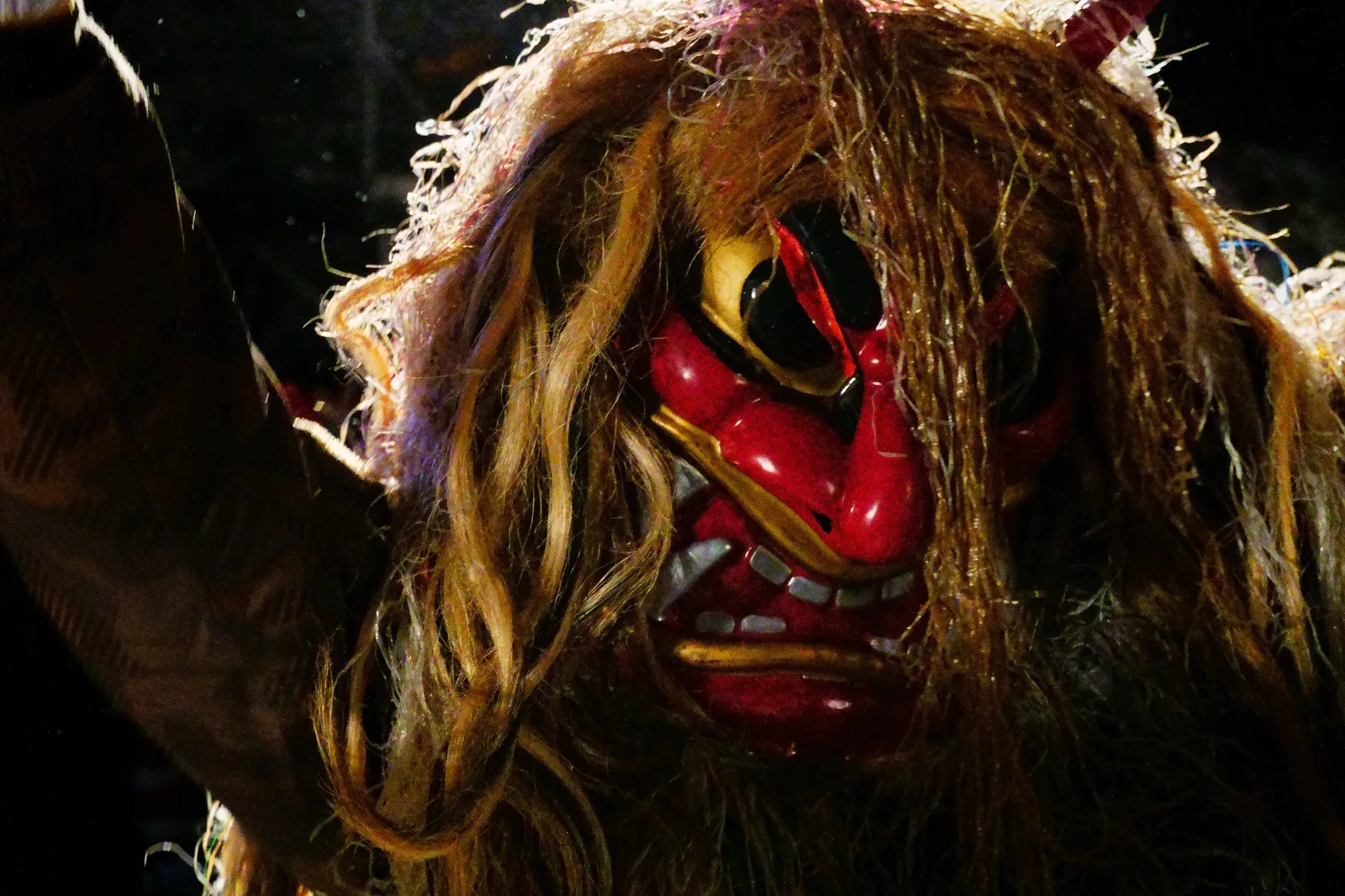
On New Year's Eve, men in demon masks enter your house and interrogate your children
Read →
The north brews slower because it is colder, and slower is better
Read →
Hachiko was one, the breed nearly died twice, and Akita still gives them away to heads of state
Read →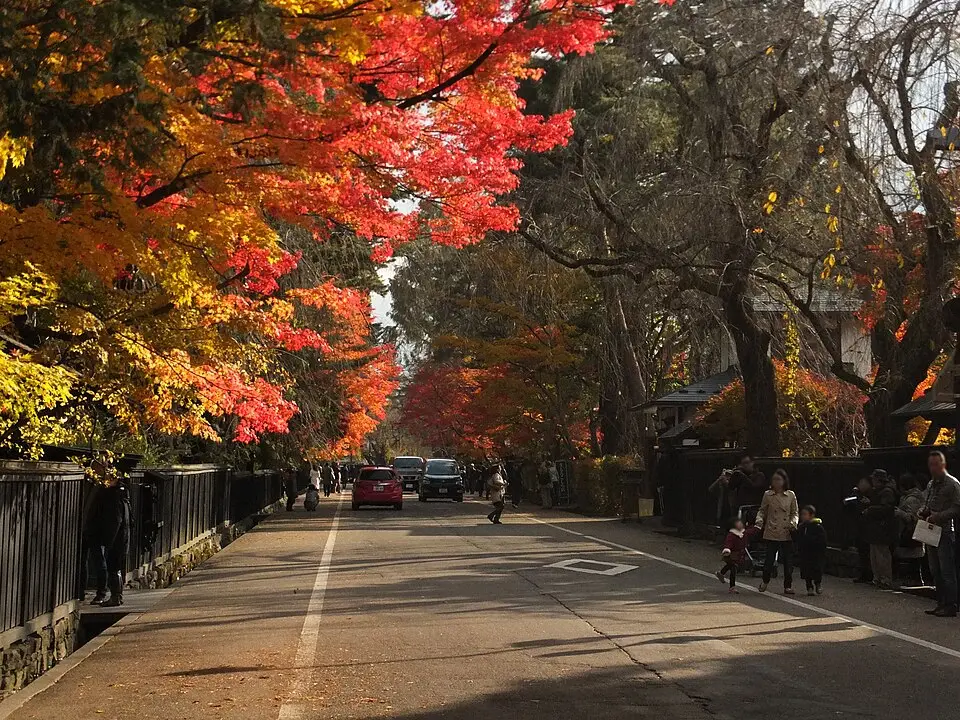
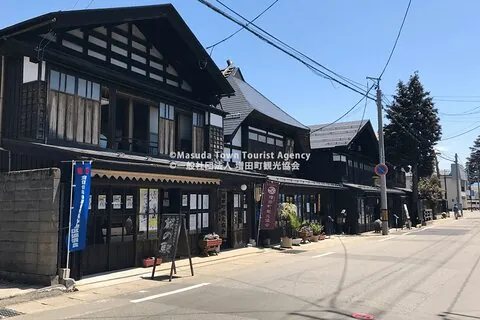
A samurai street of black wooden walls and weeping cherries, an hour inland
Read →No typing needed — jump straight in:
Just docked? — the gangway toolStart from your shipThe ride from every berthAsk the editorGlossary