A samurai street of black wooden walls and weeping cherries, an hour inland
Laid out in 1620 and never rebuilt, Kakunodate has a samurai quarter of tall black wooden walls with about four hundred weeping cherry trees leaning over them — descendants, by tradition, of saplings brought north from Kyoto as part of a bride's dowry.
The town was planned in 1620 by the Ashina clan and divided in the standard way: the uchimachi for samurai in the north, the tomachi for merchants in the south, with a firebreak of open ground between them. That plan is still exactly what you walk.
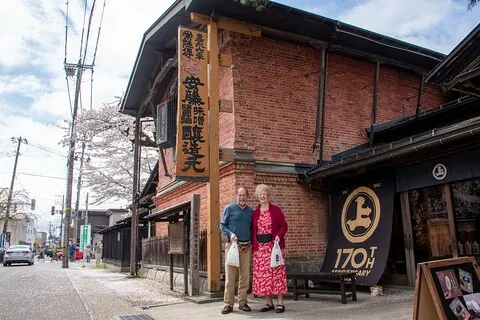
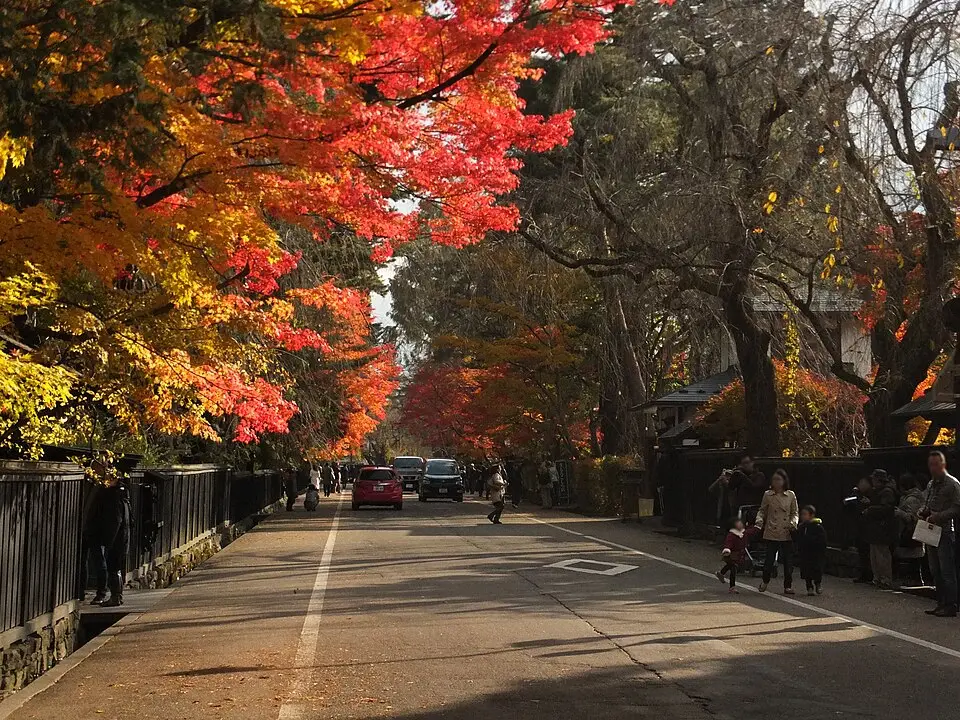
Six samurai residences survive, several open to visitors, and the walls between them are not stone or plaster but tall dark wood — a northern solution, and a very different look from the ochre earth of Kanazawa or the white plaster of the west.
Around four hundred weeping cherries — shidarezakura — lean over the samurai street, and about 160 of them are designated Natural Monuments. The tradition is that the first saplings came from Kyoto in the seventeenth century in the dowry of a bride marrying into the Satake clan, and that everything here descends from them.
They flower in late April, weeks after Tokyo, and the black walls behind pink blossom is the image the whole prefecture uses. Separately, along the Hinokinai River, a two-kilometre tunnel of ordinary Somei-Yoshino cherries flowers at the same time.
Late April here is a genuine reason to plan a cruise. It is one of the last places in Japan where the blossom is still going.
Kakunodate has a craft found essentially nowhere else: kabazaiku, in which the bark of wild cherry trees is peeled, dried, heated and pressed onto wooden forms to make tea caddies, boxes and pen cases.
The result is a deep red-brown surface that gets glossier with handling and is naturally moisture-regulating — which is why the classic object is a tea caddy. Lower-ranking samurai took it up as a side income in the eighteenth century and it survived the end of the domain because it was genuinely good.
Kakunodate is about 45 minutes by shinkansen from Akita Station, plus the time to reach the station from the port. It is a long half-day and it is the correct use of a long call.
On a short call it does not work, and the honest alternative is Senshu Park and the Kanto Festival Center in Akita itself.
Samurai north, merchants south, firebreak between
By tradition, in a bride's dowry
Low-ranking samurai, as a side income
And a street plan unchanged since 1620
Go in late April if you can choose. Black wooden walls under weeping cherry is the picture Akita sells, and it earns it.
On a long call, yes — it is about forty-five minutes by shinkansen from Akita Station plus the transfer from the port, so budget a full half-day. It has six surviving samurai residences on a street plan unchanged since 1620 and around four hundred weeping cherry trees. On a short call, stay in Akita city.
Late April — weeks after Tokyo, which makes it one of the last cherry blossom sites in Japan. Around four hundred weeping cherries lean over the black wooden walls of the samurai quarter, and a two-kilometre tunnel of Somei-Yoshino cherries flowers along the Hinokinai River at the same time.
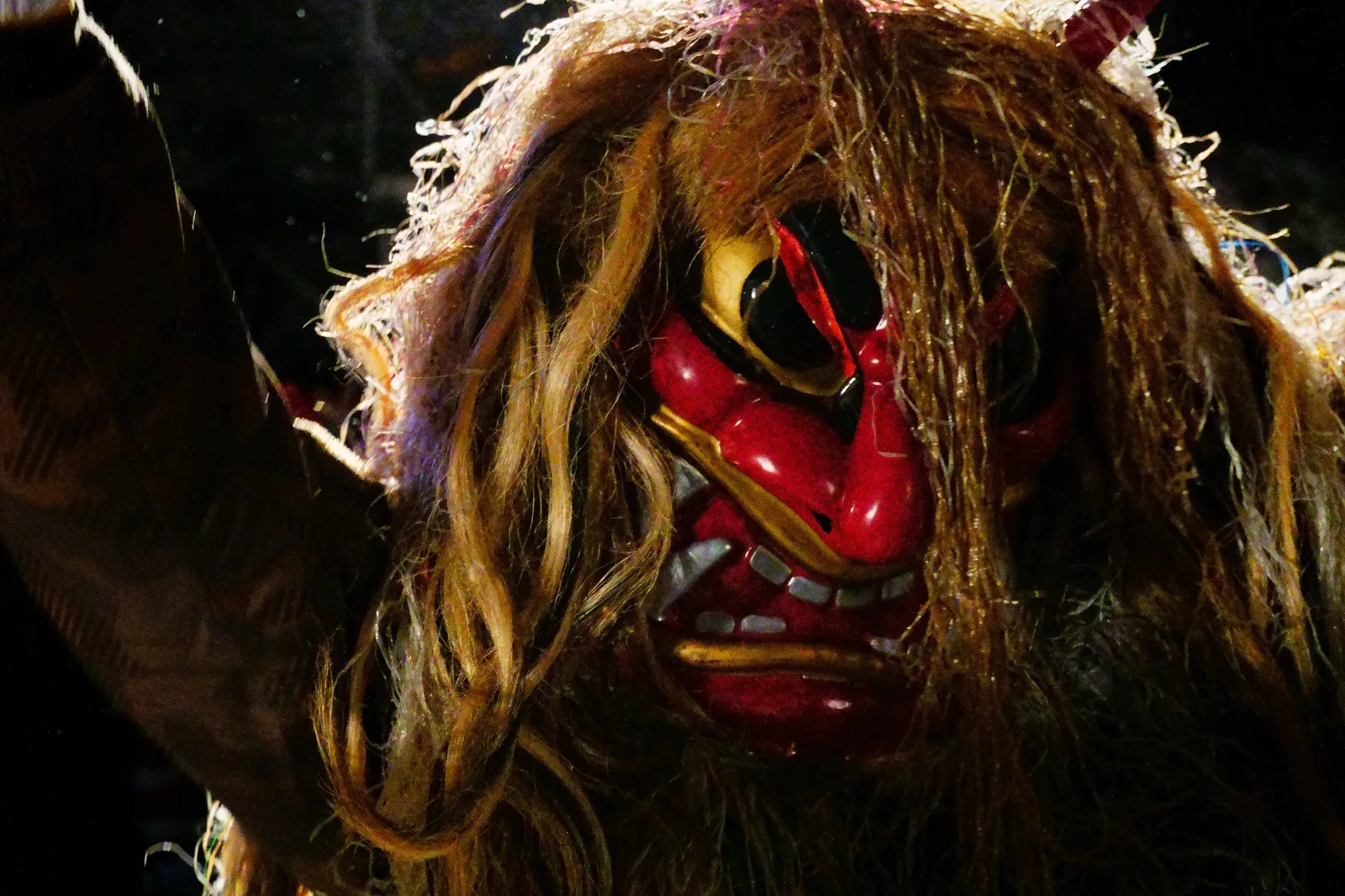
On New Year's Eve, men in demon masks enter your house and interrogate your children
Read →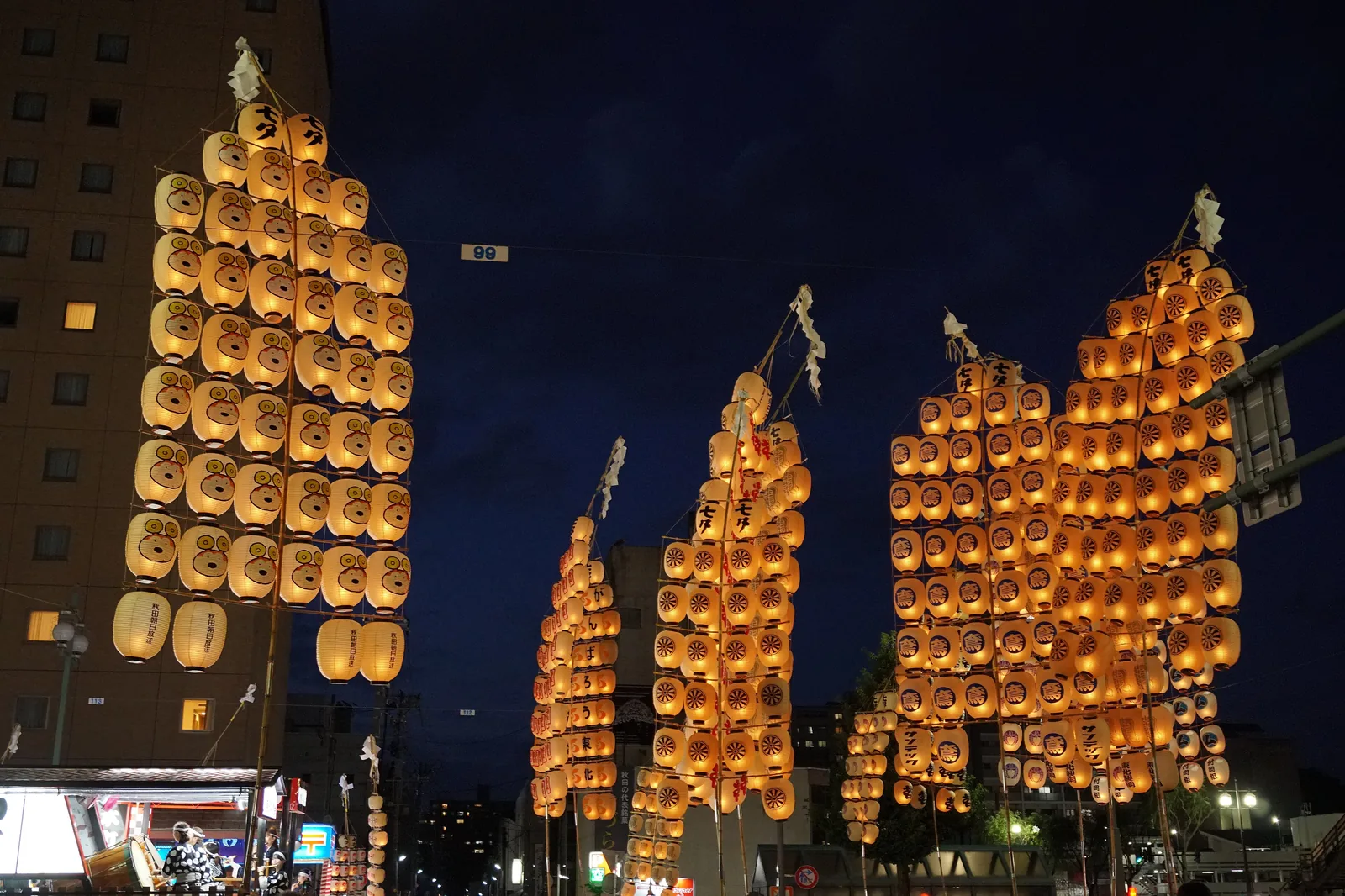
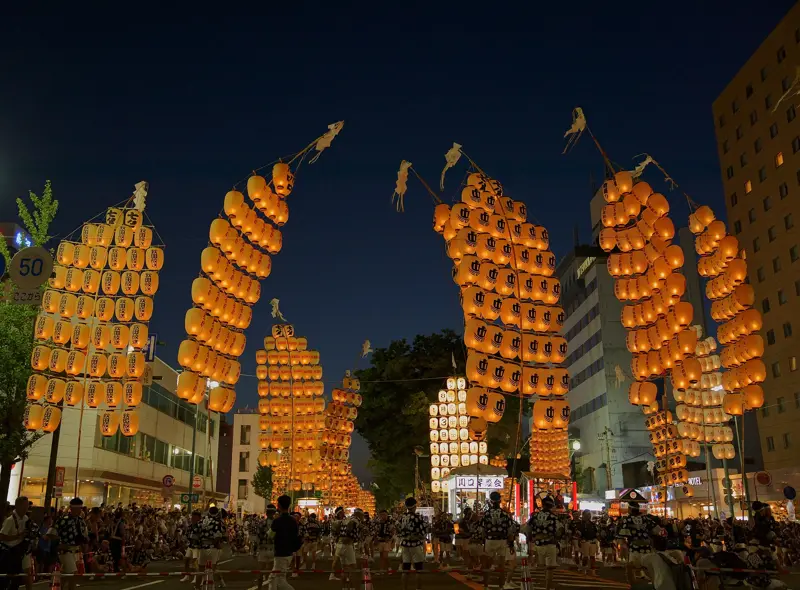
A twelve-metre pole hung with forty-six lanterns, balanced on one man's forehead
Read →
The north brews slower because it is colder, and slower is better
Read →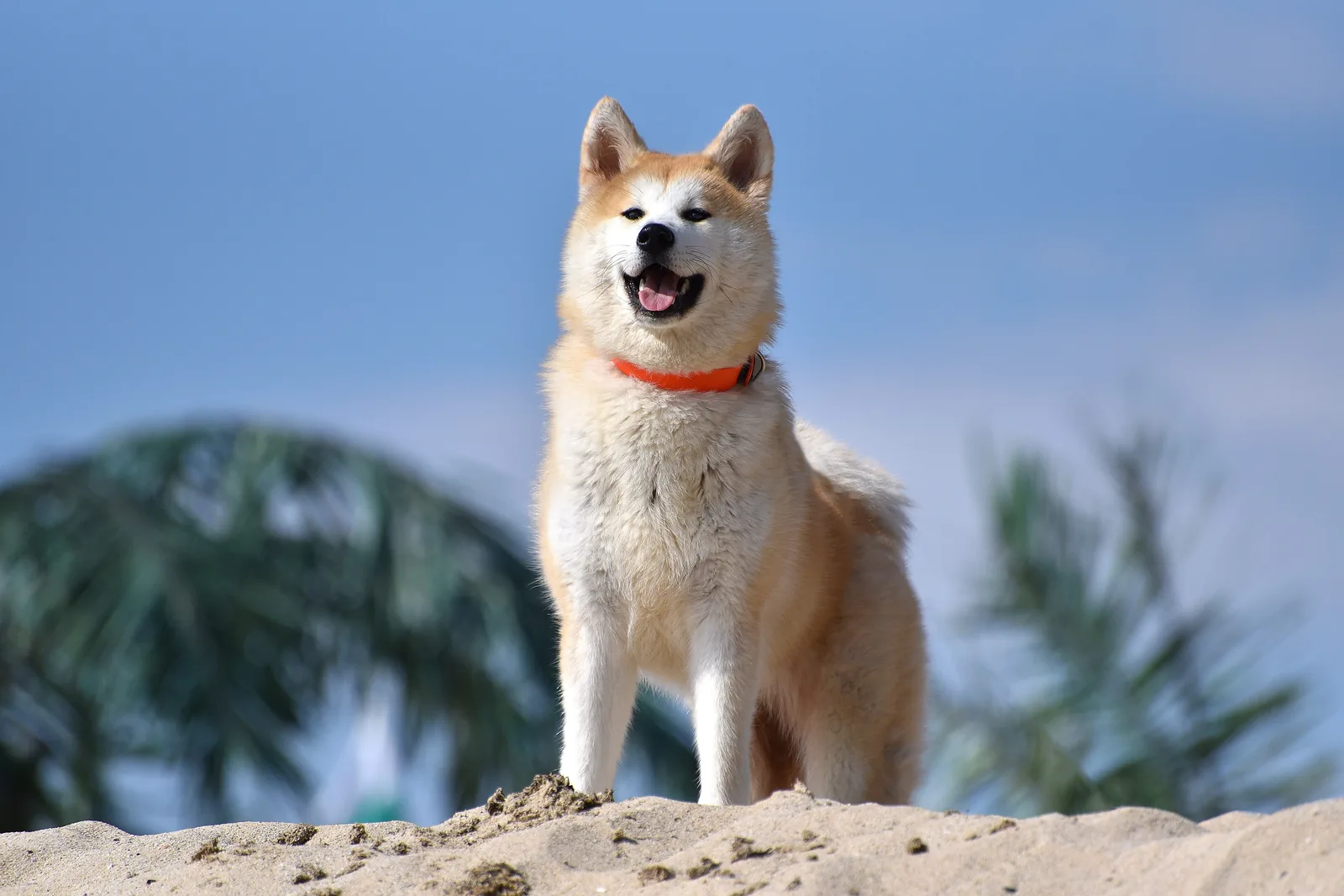
Hachiko was one, the breed nearly died twice, and Akita still gives them away to heads of state
Read →No typing needed — jump straight in:
Just docked? — the gangway toolStart from your shipThe ride from every berthAsk the editorGlossary