PORT OF JAPAN
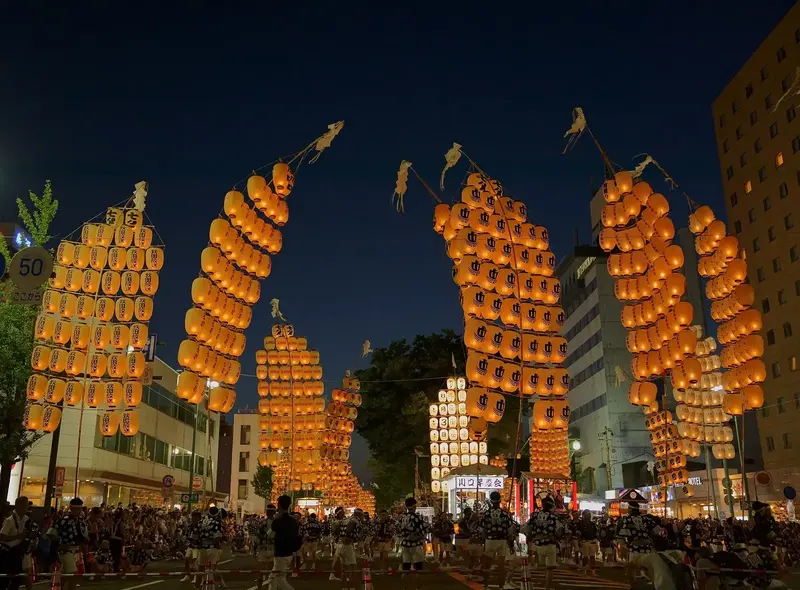
Glowing Kanto festival lantern poles balanced against the night sky in Akita

Home / Ports / Akita / Culture

Culture & history · Akita

Why Akita is Akita

The things that happened here and only here, told properly, then tied to what you can see, taste and book while your ship waits.

Photo: FIND/47 / CC BY 4.0

Checked against official sources · updated · Takumi Yamada

What Akita is

Akita in 5 stories

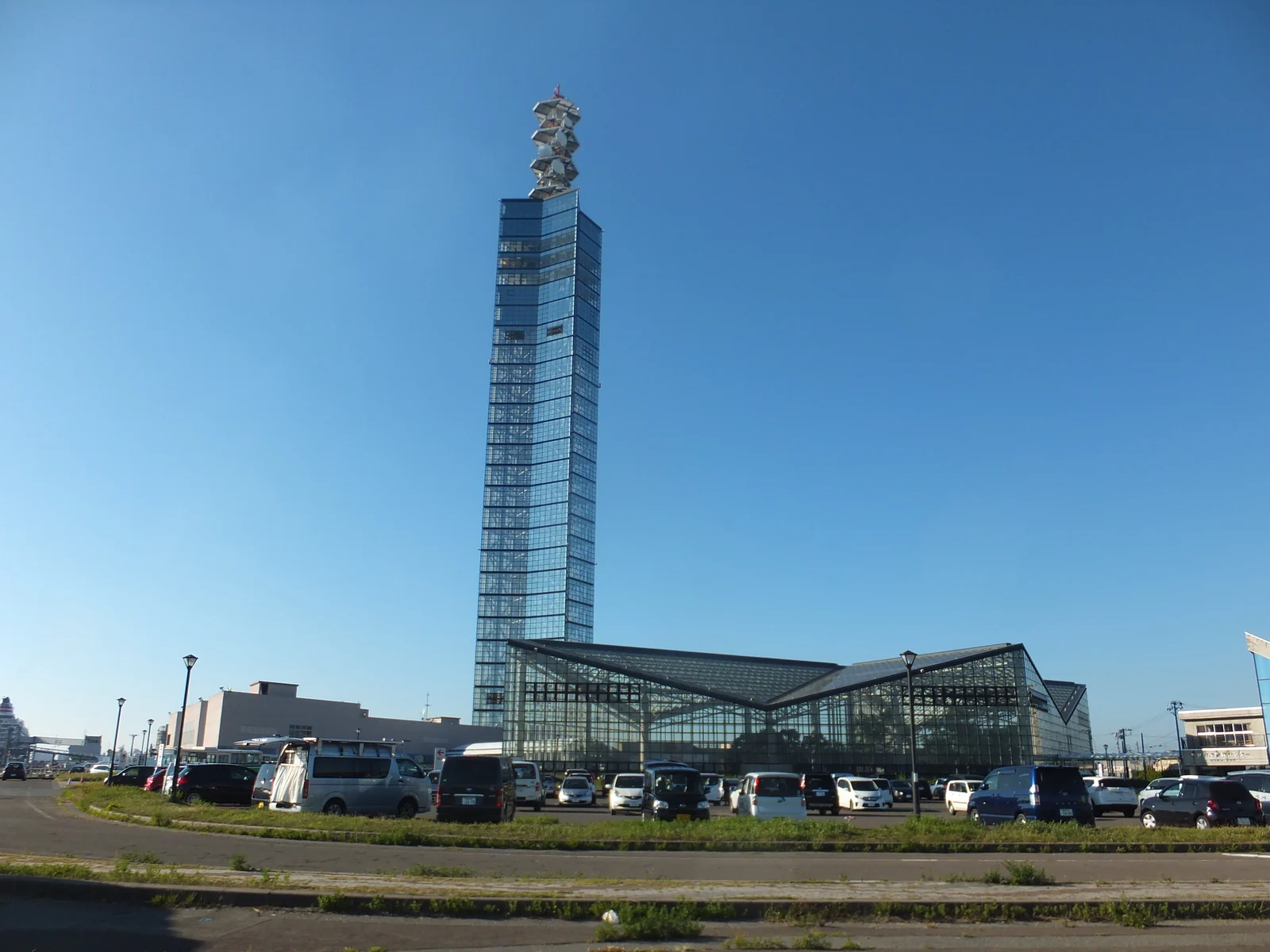
Akita is the quiet capital of Japan's rice-and-sake country, a Sea of Japan city in Tohoku with the samurai town of Kakunodate an hour inland. It saves its spectacle for the Kanto festival in early August, when men balance 12-metre bamboo poles hung with 46 lanterns on their palms and foreheads. Your ship docks at Nakajima Wharf, 10 minutes on foot from the Selion tower, whose free deck looks over the harbour, the city and the sea.

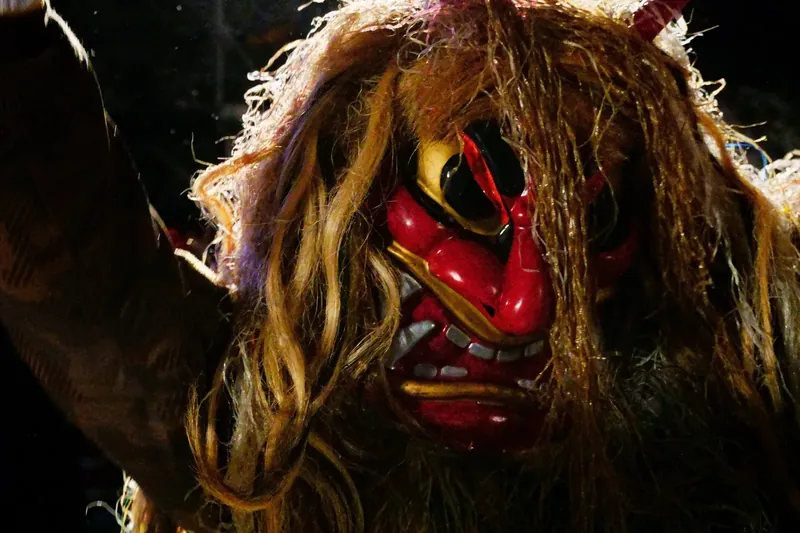
A Namahage figure of the Oga Peninsula, Akita
01 · The visitors

Namahage

They are not demons and they are not entertainment. On the last night of the year, on the Oga Peninsula, young men in straw capes and carved masks go house to house, shout, look for children, and are then formally served sake by the head of the household. UNESCO listed it in 2018.

Read the story
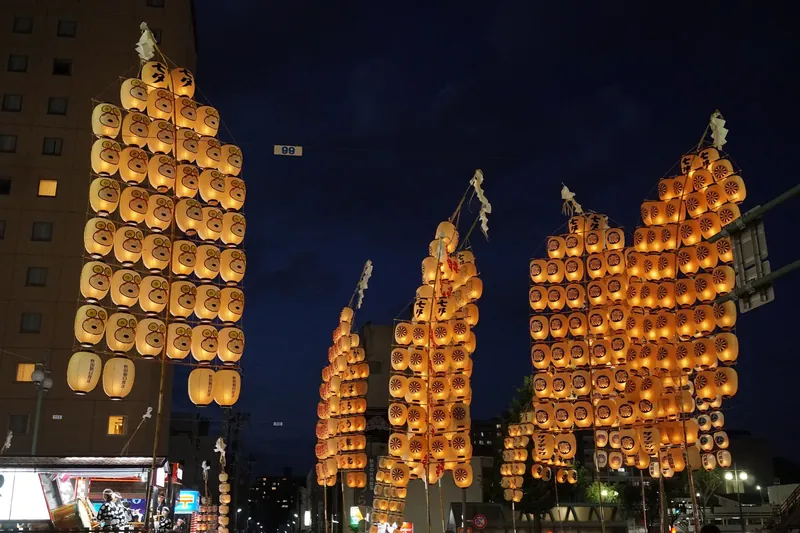
Lantern poles raised at the Kanto Festival in Akita
02 · The festival

Kanto

Two hundred and fifty bamboo poles, each up to twelve metres tall and fifty kilograms, each hung with forty-six paper lanterns holding real flame, raised at the same moment down a closed city street — and then balanced on a palm, then a forehead, then a hip, then a shoulder.

Read the story
Hinomaru Brewery, a sake brewery in Akita prefecture
03 · The brewing

Cold-country sake

Akita has more than thirty active breweries in a prefecture of under a million people. The reason is not culture. It is temperature — cold, long winters let fermentation run slowly, and slow fermentation makes cleaner, more aromatic sake.

Read the story
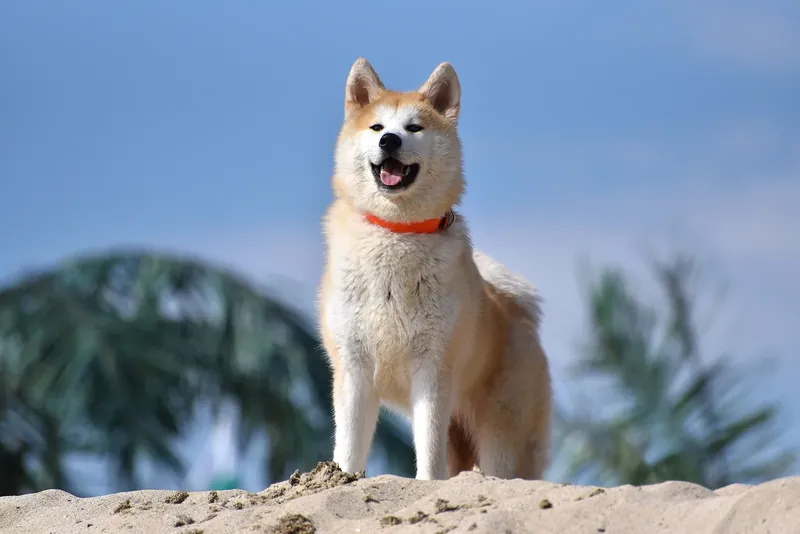
An Akita inu
04 · The dog

Akita inu

The dog that waited nine years at Shibuya Station for an owner who had died was an Akita. The breed he belonged to came close to disappearing twice in the twentieth century, was rebuilt from a handful of surviving animals, and is now this prefecture's most effective diplomat.

Read the story
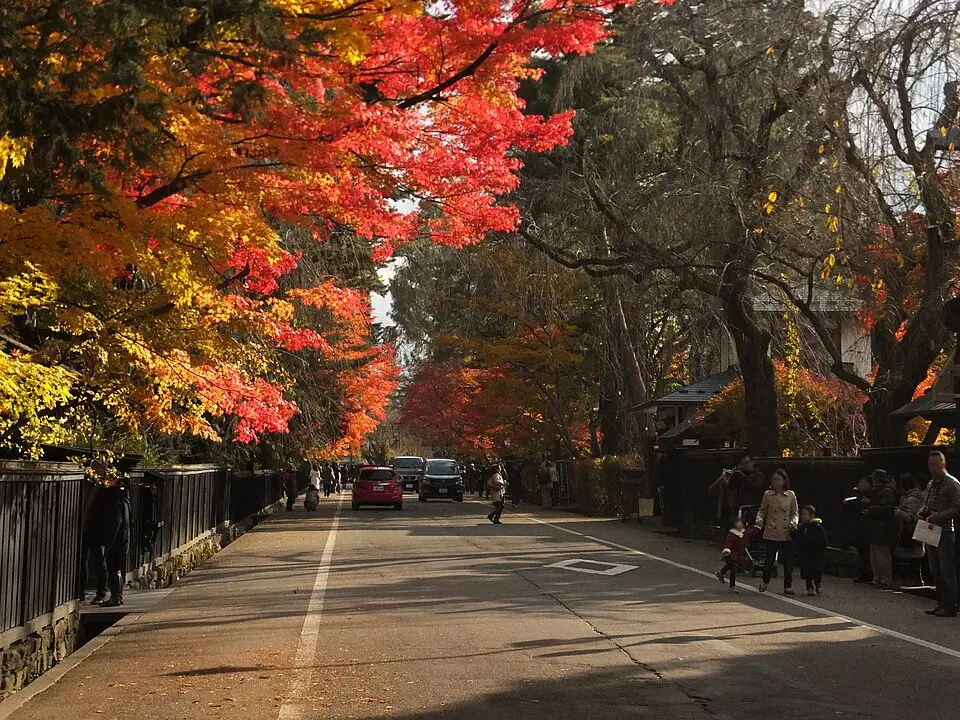
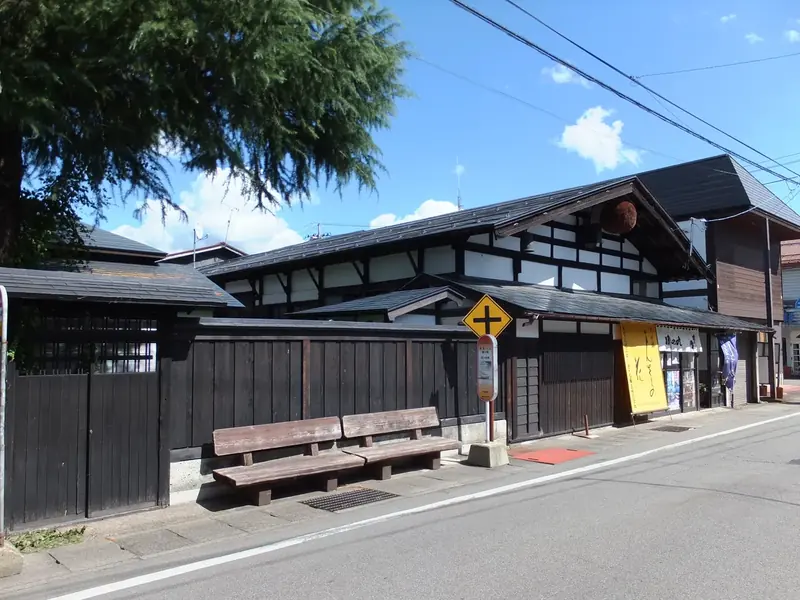
Black wooden samurai residences in Kakunodate, Akita
05 · The town

Kakunodate

Laid out in 1620 and never rebuilt, Kakunodate has a samurai quarter of tall black wooden walls with about four hundred weeping cherry trees leaning over them — descendants, by tradition, of saplings brought north from Kyoto as part of a bride's dowry.

Read the story
The year in Akita

When to come, and what you'll find

Cruise seasons run spring to autumn, but the port changes underneath them.

AprilLate cherry blossom

Kakunodate's weeping cherries open in late April — among the last in Japan.

MayGreen, and the cruise season opens

Comfortable walking, long daylight, and no crowds anywhere.

JuneCool and quiet

Tohoku's rainy season is milder than the south's. Good for Kakunodate.

JulyWarm, and the poles come out

Practice for Kanto starts in the neighbourhoods through the month.

August 3–6Kanto Matsuri

The reason to plan a year ahead. Hot, humid, and 250 lantern poles.

SeptemberHarvest and the best air

New rice, hatahata coming, and the clearest light of the year.

OctoberAutumn colour inland

The best month for Kakunodate and Lake Tazawa together.

NovemberCold sets in; sake brewing starts

Breweries begin the season. Hatahata fishing peaks.

Dec–MarDeep snow; Namahage in February

Cruise ships gone. The Sedo Matsuri fire festival is the February event.

Read the culture, then plan the clock: the Akita day plans and the Top 10 turn all of this into a day that ends at the gangway with an hour to spare.