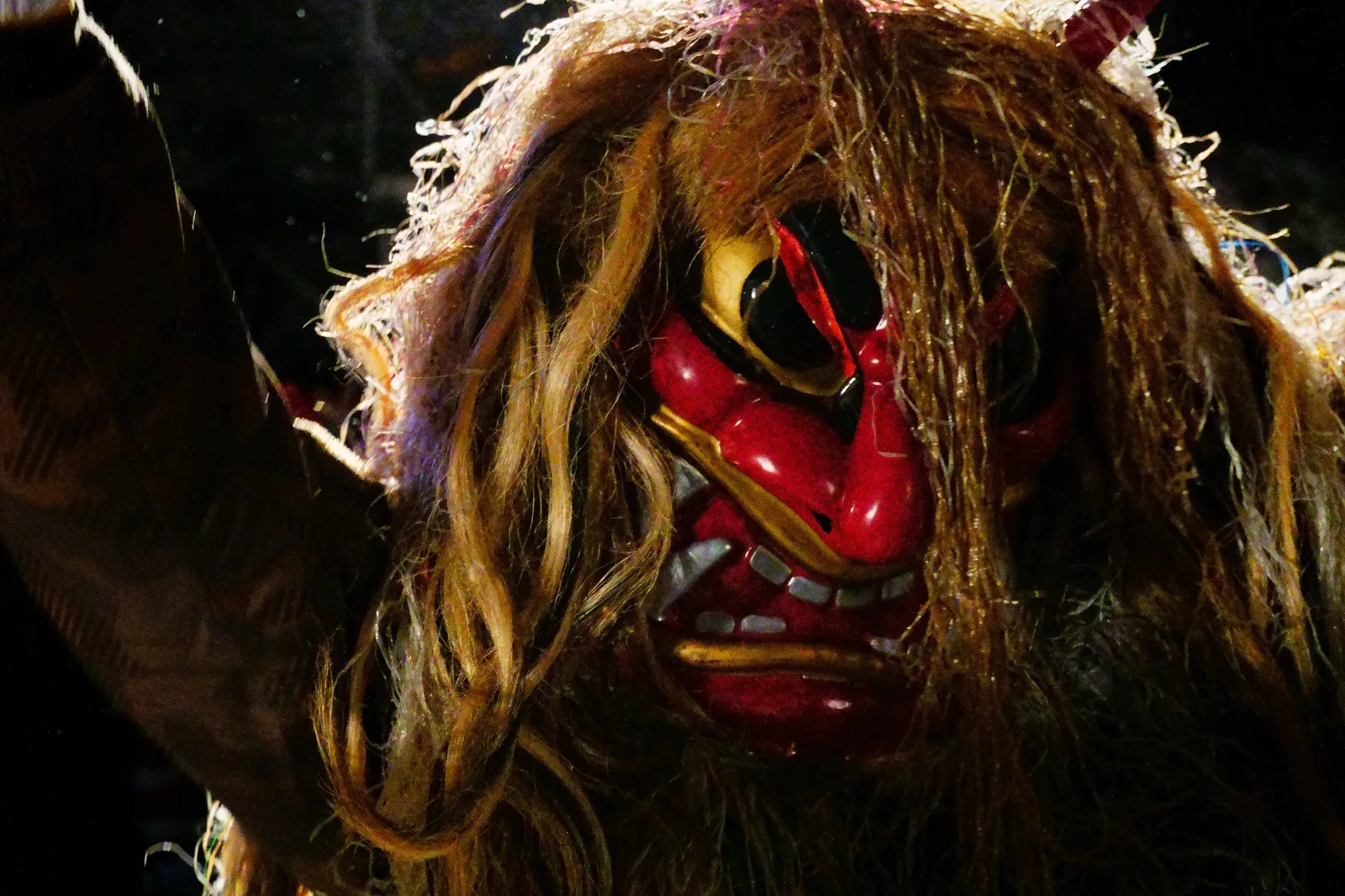
On New Year's Eve, men in demon masks enter your house and interrogate your children
They are not demons and they are not entertainment. On the last night of the year, on the Oga Peninsula, young men in straw capes and carved masks go house to house, shout, look for children, and are then formally served sake by the head of the household. UNESCO listed it in 2018.
The name is thought to come from namomi — the red blotches you get from sitting too close to the fire all winter — and hagu, to strip off. A namahage comes to strip the laziness from anyone who has spent the cold months doing nothing.
On 31 December, in villages across the Oga Peninsula, young men from the community put on straw capes and carved wooden masks and go from door to door. They stamp, roar, and demand to know whether there are any lazy children or idle brides in the house.
The children are usually terrified. This is expected and it is the point. Then something more interesting happens: the head of the household calmly invites them in, offers them a seat and pours them sake, and a formal conversation follows about the year and the household. Then they leave.
They are not evil spirits being driven out. They are visiting deities — toshigami — who come once a year from the mountains to check on the household and to bless it. The fear is the ritual, not the purpose.
There is no single namahage design. Each community carves its own, and the variety is startling — some are red and blue devils with tusks, some are almost human, some are made of cedar bark or sheet metal, some have expressions that read as sad rather than frightening.
The Namahage Museum at Oga displays around 150 masks from different villages side by side, and seeing them together is the fastest way to understand that this is a folk practice with a hundred local variants rather than a single tradition.
The real thing happens in private homes on one night a year and is not open to visitors. There are two honest substitutes.
The Shinzan Folklore Museum, next to the mask museum, stages the household visit in a real thatched farmhouse — the demand, the interrogation, the sake — several times a day, and it is genuinely unsettling in a small dark room.
And on the second Friday to Sunday of February, the Namahage Sedo Matsuri at Shinzan Shrine combines the tradition with a fire festival: masked figures descend the snow-covered mountainside carrying torches. That one is a public event and it is the spectacular version.
A New Year visit by mountain deities
National recognition
As part of the "Raiho-shin" visiting deity rituals
Not a public event, and not for visitors
Torches down a snow mountainside; open to all
Do the Shinzan Folklore Museum staging in the thatched farmhouse. In a small dark room it works exactly as intended.
A New Year ritual on Akita's Oga Peninsula in which young men in straw capes and carved masks visit houses on 31 December, roar and demand to know if any children have been lazy — and are then formally served sake by the head of the household. They represent visiting deities from the mountains, not demons, and UNESCO inscribed the practice in 2018.
Not the real thing, which happens in private homes on one night a year. The Shinzan Folklore Museum at Oga stages the household visit in a real thatched farmhouse several times daily, and the Namahage Sedo Matsuri at Shinzan Shrine — second Friday to Sunday of February — is a public torchlit version on the snow.
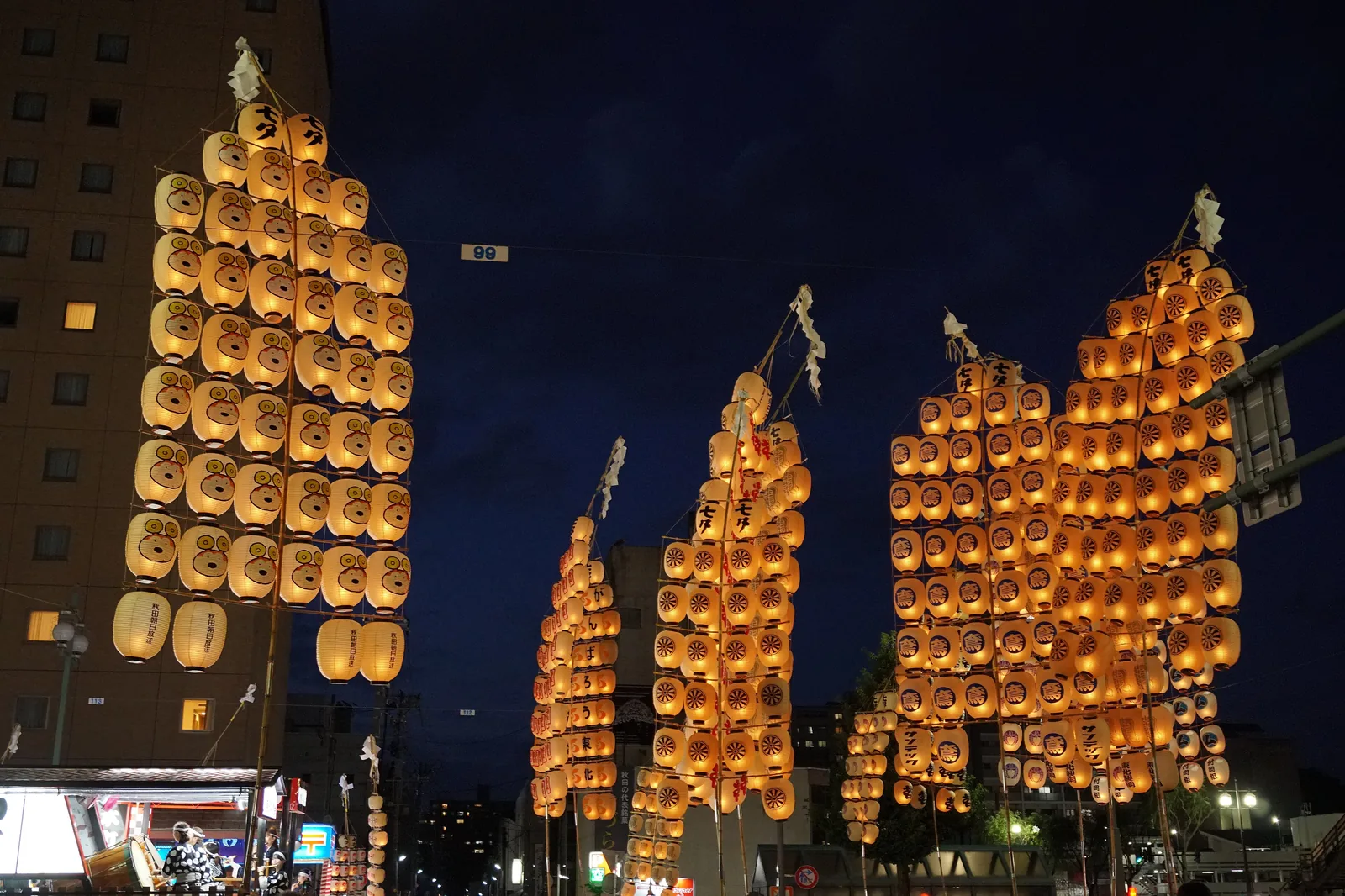
A twelve-metre pole hung with forty-six lanterns, balanced on one man's forehead
Read →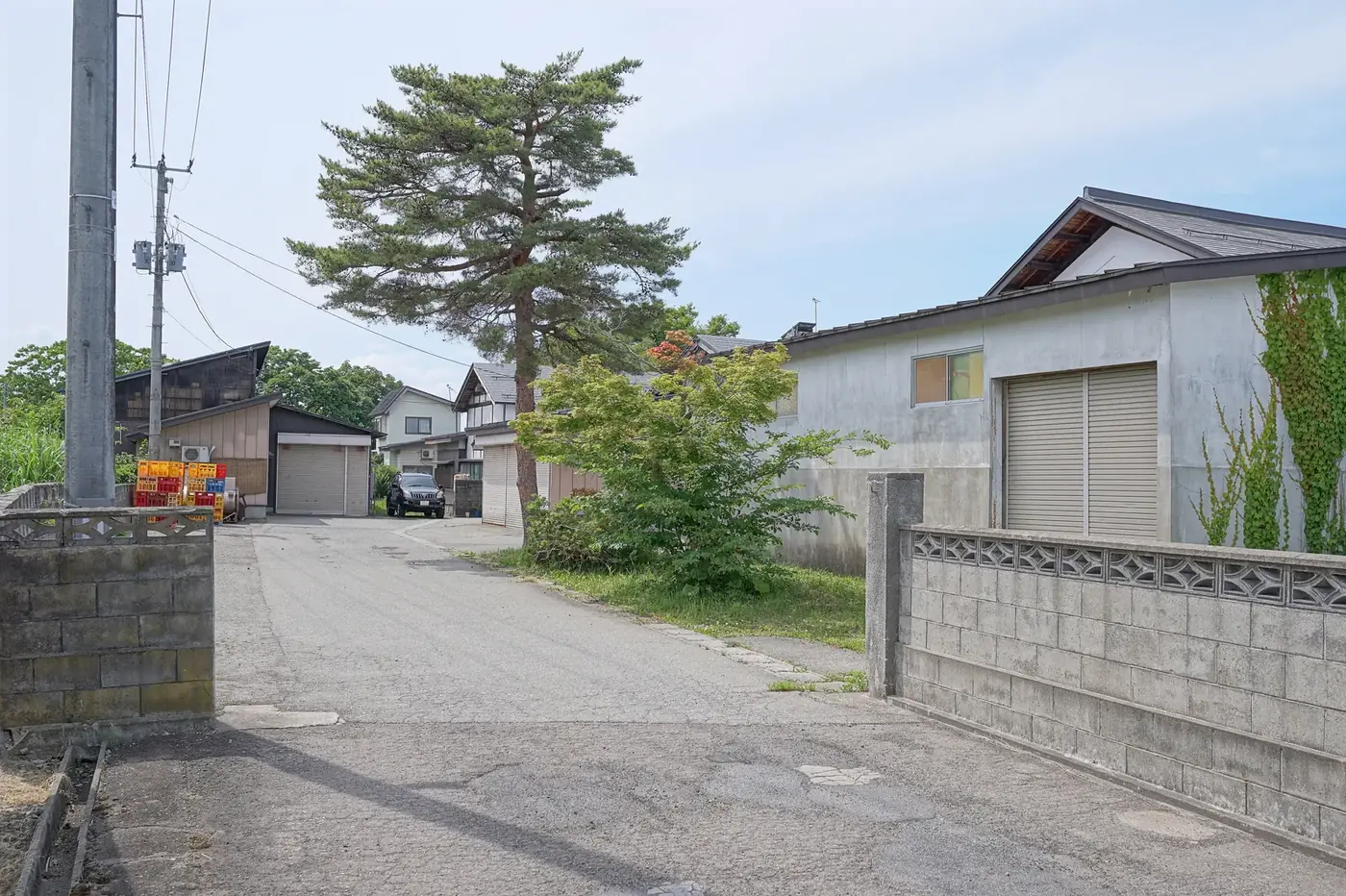
The north brews slower because it is colder, and slower is better
Read →
Hachiko was one, the breed nearly died twice, and Akita still gives them away to heads of state
Read →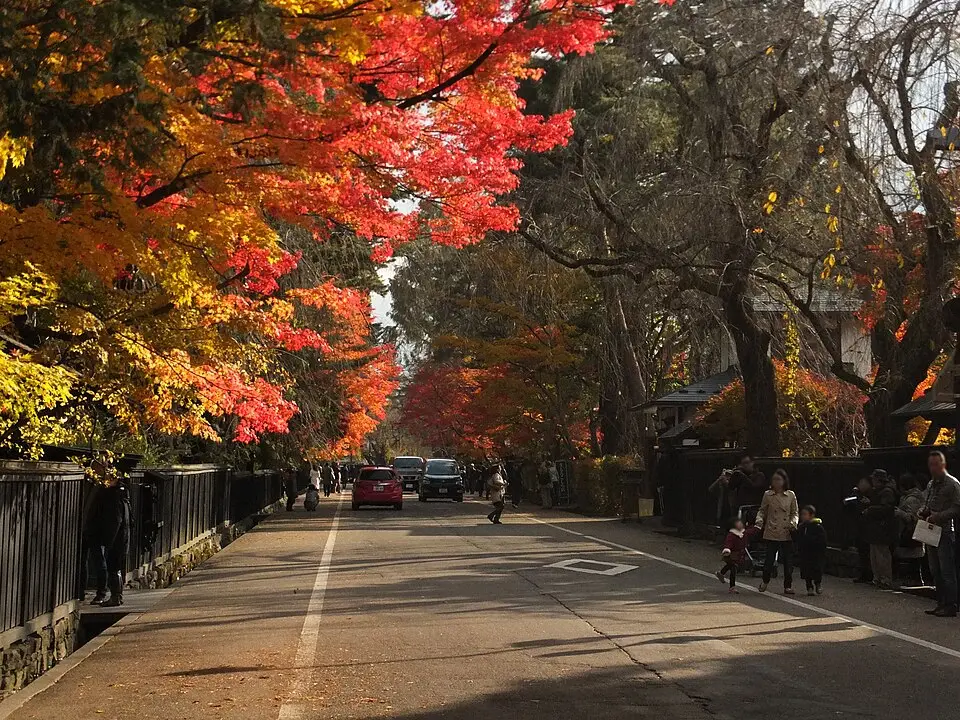
A samurai street of black wooden walls and weeping cherries, an hour inland
Read →No typing needed — jump straight in:
Just docked? — the gangway toolStart from your shipThe ride from every berthAsk the editorGlossary