Hachiko was one, the breed nearly died twice, and Akita still gives them away to heads of state
The dog that waited nine years at Shibuya Station for an owner who had died was an Akita. The breed he belonged to came close to disappearing twice in the twentieth century, was rebuilt from a handful of surviving animals, and is now this prefecture's most effective diplomat.
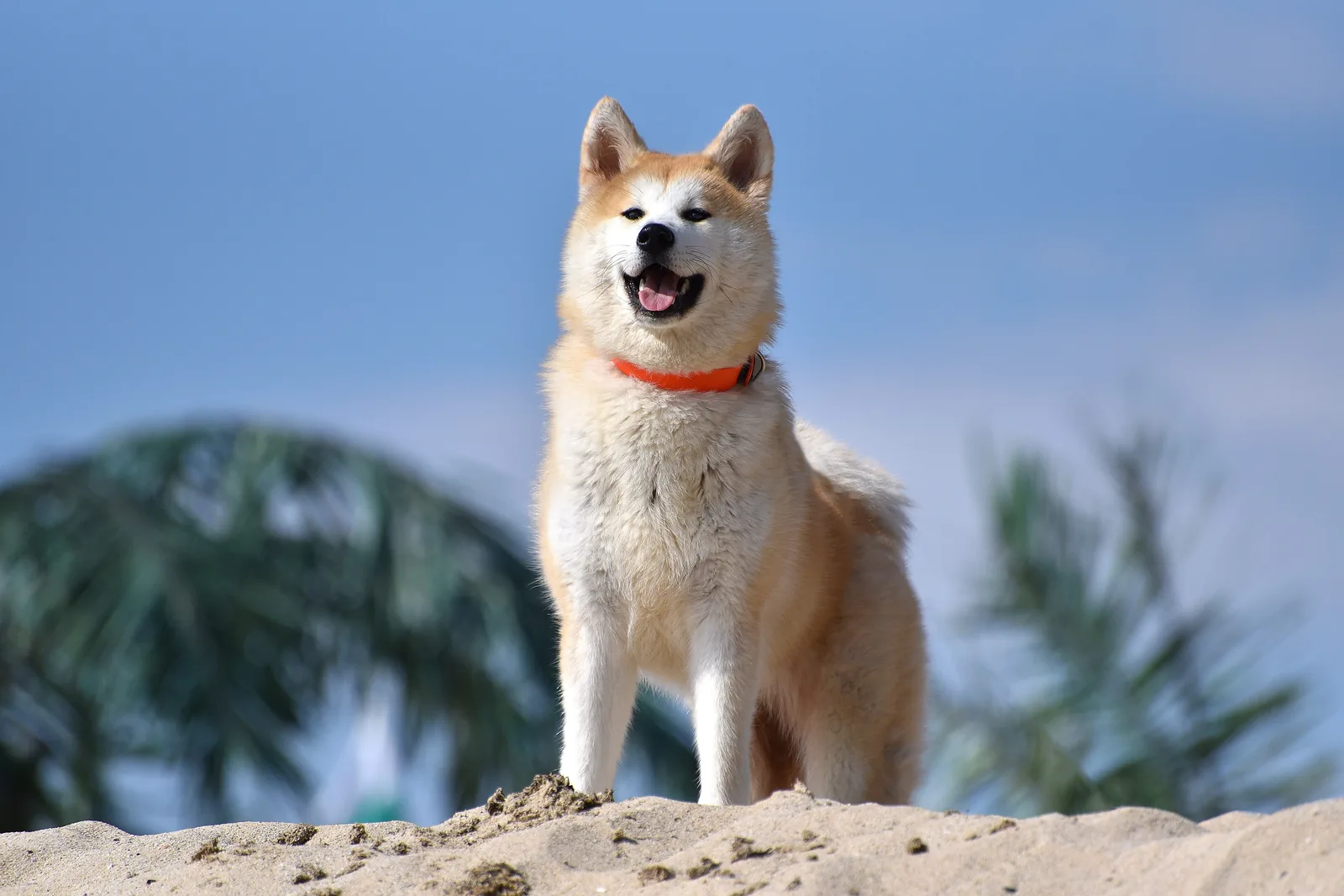
The Akita inu comes from the mountains of this prefecture, where it was bred to hunt large game — bear, boar, deer — in deep snow. It is a big, thick-coated, upright-eared, curled-tail dog with a famously reserved temperament: not demonstrative, not effusive, and extremely attached to one household.
Hachiko was born in Odate, in northern Akita, in 1923 and went to live in Tokyo with a university professor. Every day he met his owner at Shibuya Station. In May 1925 the professor died at work and did not come back.
Hachiko continued to come to the station at the same time, and did so for nine years, nine months and fifteen days, until his own death in 1935. A national newspaper picked up the story in 1932 and he became famous across Japan. A bronze statue was raised at Shibuya in 1934, while he was still alive and present at the unveiling.
The wartime statue was melted down for metal in 1944. The one at Shibuya today was cast in 1948 by the son of the original sculptor.
In the late nineteenth and early twentieth centuries the breed was heavily crossed with imported Western dogs for dog fighting, and the original type nearly vanished. A preservation society was founded in 1927, and the Akita became a designated Natural Monument in 1931.
Then came the war. Dogs were culled for their pelts and because there was no food; by 1945 the number of pure Akita is often put at somewhere around a dozen or so animals. Everything alive today descends from that remnant.
Akita Prefecture now presents Akita inu to foreign figures as a formal gesture — most famously to Vladimir Putin in 2012 and to the figure skater Alina Zagitova in 2018, after which registrations of the breed rose sharply overseas.
Odate has a museum devoted to the breed, and cafés and displays around the prefecture keep dogs you can meet. They will not jump on you. That is the breed working correctly.
Bear, boar and deer, in deep snow
And goes to Tokyo
For nine years, nine months and fifteen days
After nearly vanishing to crossbreeding
Everything alive today descends from them
And registrations rise abroad
Meet one. They will not jump on you, and understanding why is understanding the breed.
Yes — born in Odate in northern Akita Prefecture in 1923. He met his owner daily at Shibuya Station, and after the professor died at work in May 1925 he continued returning at the same time for nine years, nine months and fifteen days until his own death in 1935.
Twice. First through heavy crossbreeding with imported Western dogs for dog fighting in the early twentieth century, which prompted a preservation society in 1927 and Natural Monument status in 1931. Then during the Second World War, when dogs were culled for pelts and food shortages — by 1945 perhaps a dozen or so pure animals remained, and every Akita alive descends from them.
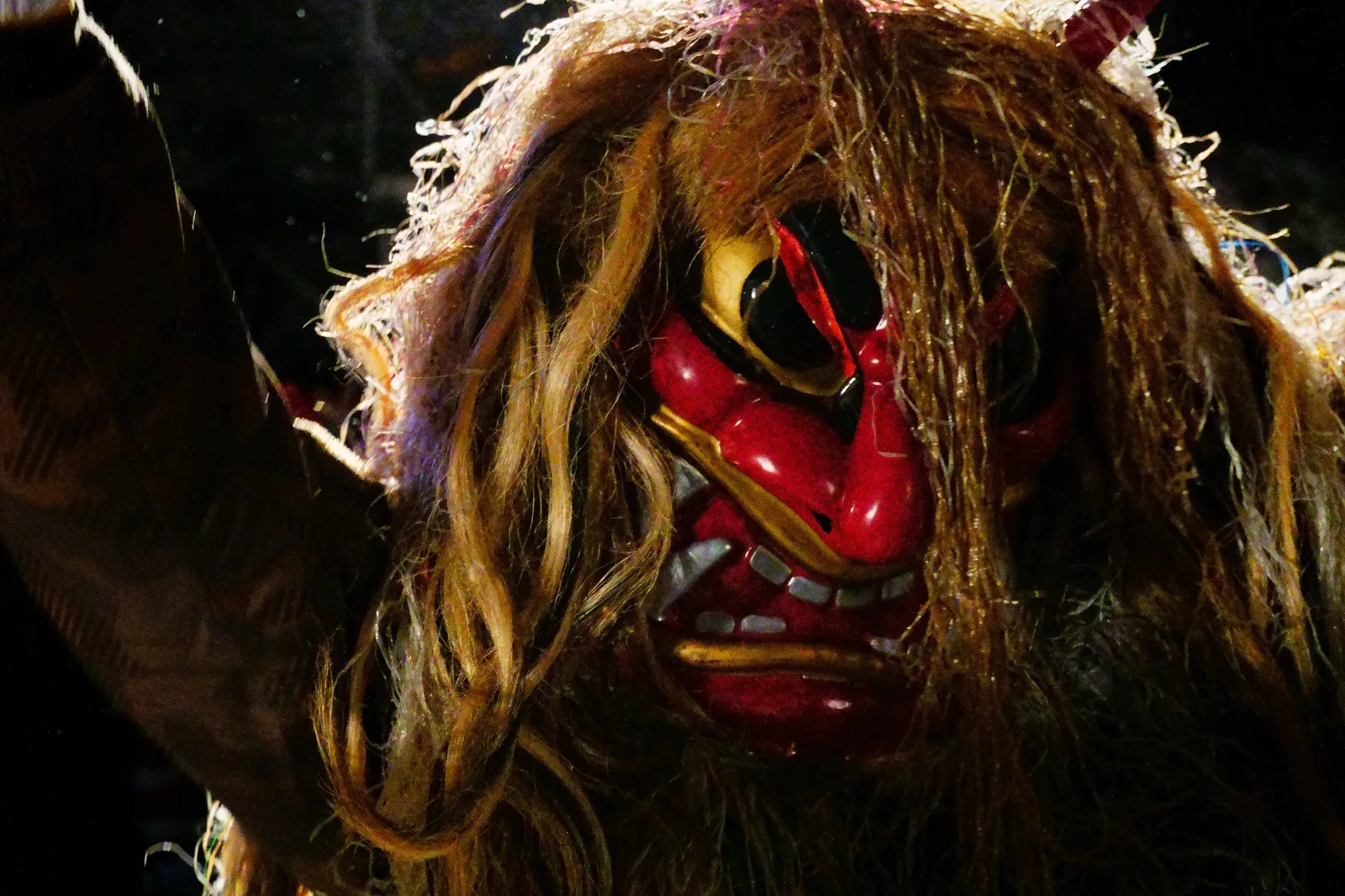
On New Year's Eve, men in demon masks enter your house and interrogate your children
Read →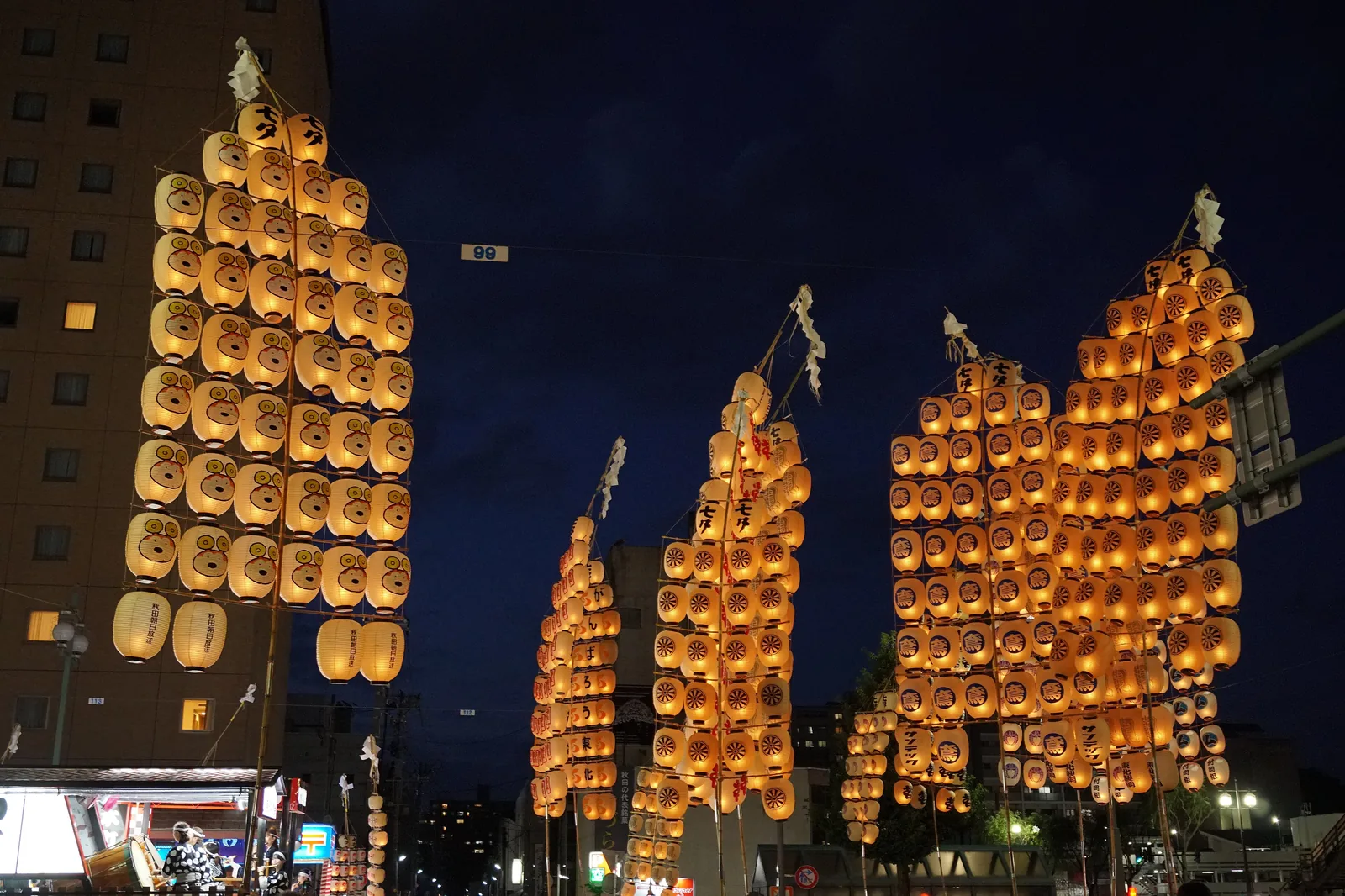
A twelve-metre pole hung with forty-six lanterns, balanced on one man's forehead
Read →
The north brews slower because it is colder, and slower is better
Read →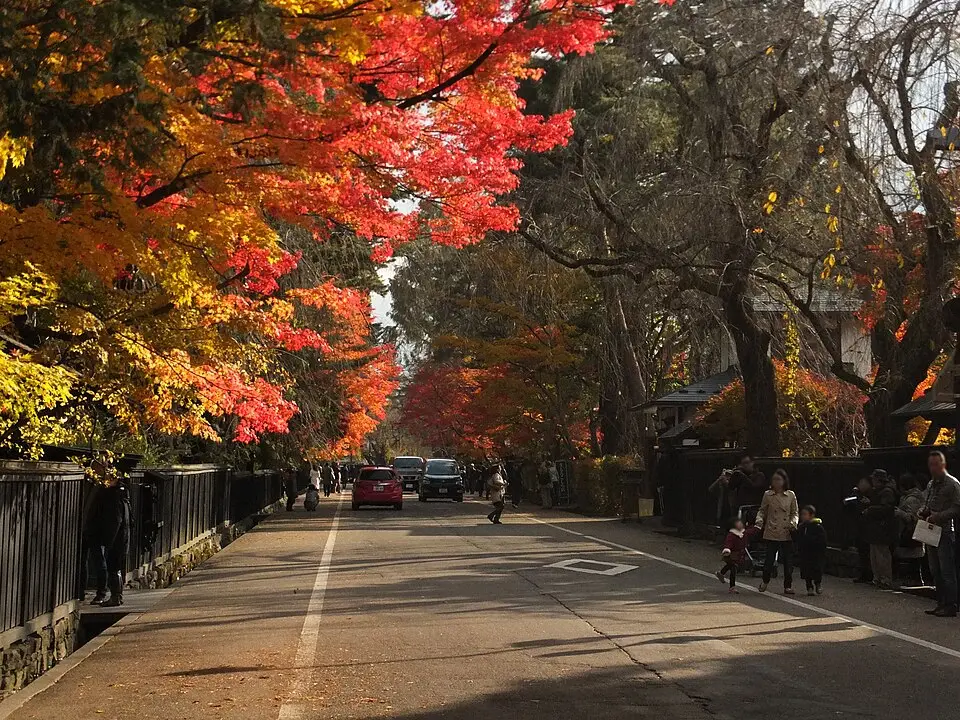
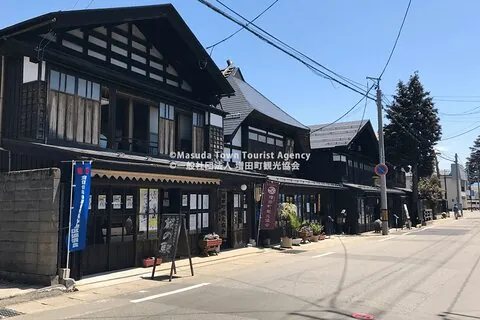
A samurai street of black wooden walls and weeping cherries, an hour inland
Read →No typing needed — jump straight in:
Just docked? — the gangway toolStart from your shipThe ride from every berthAsk the editorGlossary