The north brews slower because it is colder, and slower is better
Akita has some of the highest sake consumption per head in Japan and around thirty-five active breweries in a prefecture of under a million people. The reason is not culture. It is temperature — cold, long winters let fermentation run slowly, and slow fermentation makes cleaner, more aromatic sake.
Sake fermentation is a race between the yeast and everything else that would like to grow in a tank of sweet rice mash. In a warm region a brewer fights that battle with equipment. In Akita the winter does it for them.
Long, cold, snow-buried winters allow a low, slow fermentation over many weeks. What comes out is cleaner, lighter and more aromatic than the same recipe fermented fast — and Akita's style is accordingly known for softness and clarity rather than power.
Akita has excellent soft water from snowmelt, and it grows its own brewing rice — Akita Sake Komachi, developed in the prefecture and now the backbone of much of what is made here. There is also a prefectural yeast strain, and a research institute that has been working on all of it for a century.
Look for junmai daiginjo from Akita if you want to understand what "clean" means in sake. It is the regional signature and it is very hard to make in a warm place.
Three words get you most of the way. Junmai means rice, water, koji and yeast, with no added alcohol. Ginjo and daiginjo mean the rice was polished further — more of the outside removed, more aromatic and lighter the further you go.
Namazake is unpasteurised, refrigerated, and only really available in Japan. If a shop has it, drink it there — it does not travel.
And the temperature is a choice, not a default: a good daiginjo is served chilled, but a rich junmai warmed to about body temperature is a different and completely legitimate experience, and it is what people here do in February.
Akita's winter table is kiritanpo — pounded rice moulded onto cedar skewers, grilled, then simmered in a broth of hinai-jidori chicken, one of Japan's three great native breeds — and shottsuru, a fermented fish sauce made from sandfish, which is older and stranger than anything on a modern menu.
Both are winter foods for a place that is buried in snow, and both were designed around the sake, not the other way round.
Cold winters, soft snowmelt water
Akita has worked on this scientifically for over a century
A prefectural brewing rice, now the backbone
In a prefecture of under a million people
Order a junmai daiginjo cold and a junmai warmed, side by side. That comparison is the whole education.
Temperature. Long, cold winters let fermentation run slowly over many weeks, which produces cleaner, lighter and more aromatic sake than the same recipe fermented fast. Akita also has soft snowmelt water, its own brewing rice (Akita Sake Komachi) and a prefectural research institute that has worked on this for over a century.
Three words cover it: junmai (no added alcohol), ginjo and daiginjo (progressively more polished rice, lighter and more aromatic). Ask for namazake if they have it — unpasteurised sake barely travels, so drink it where it is made. Try a daiginjo chilled and a junmai warmed side by side.
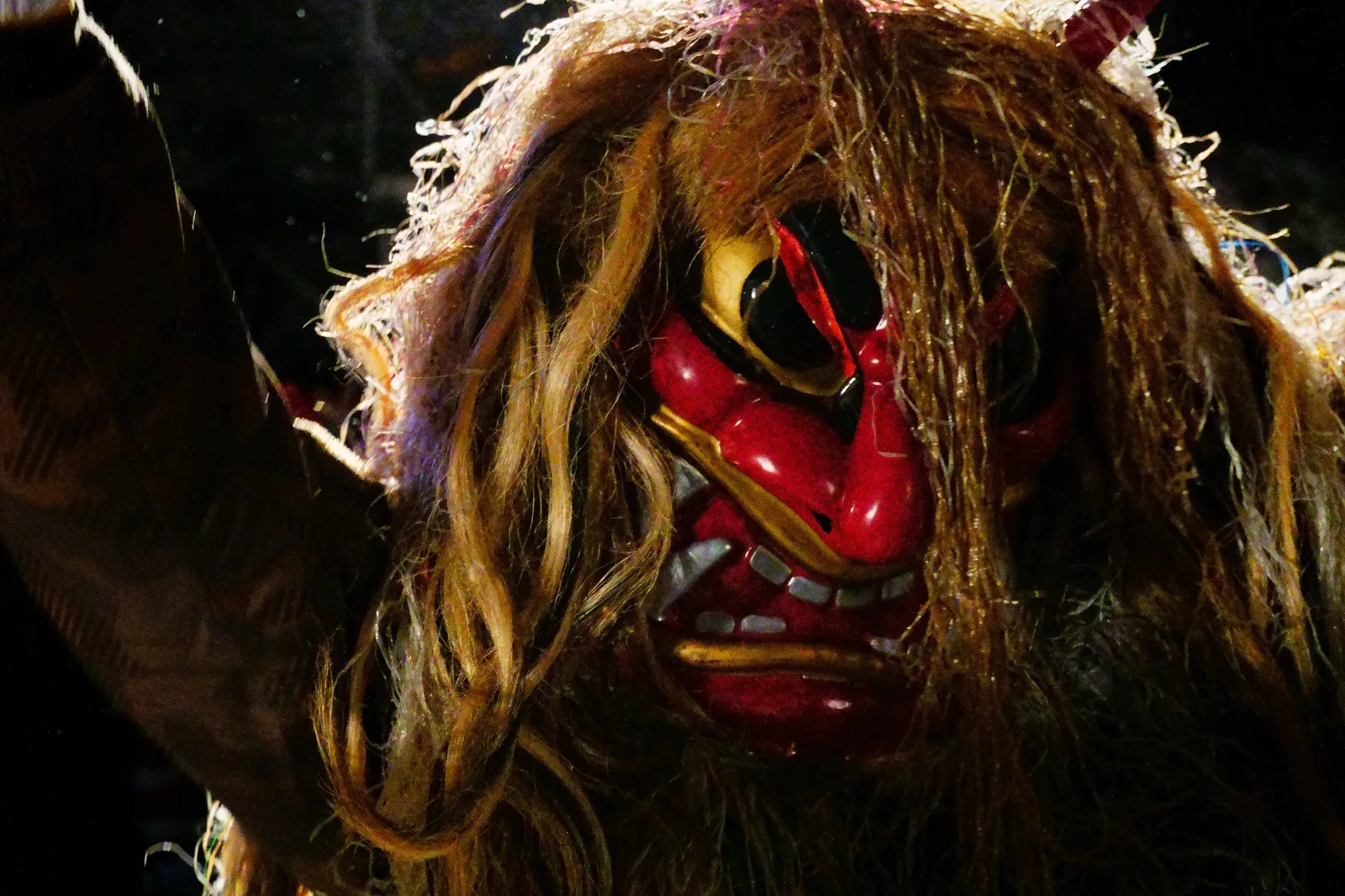
On New Year's Eve, men in demon masks enter your house and interrogate your children
Read →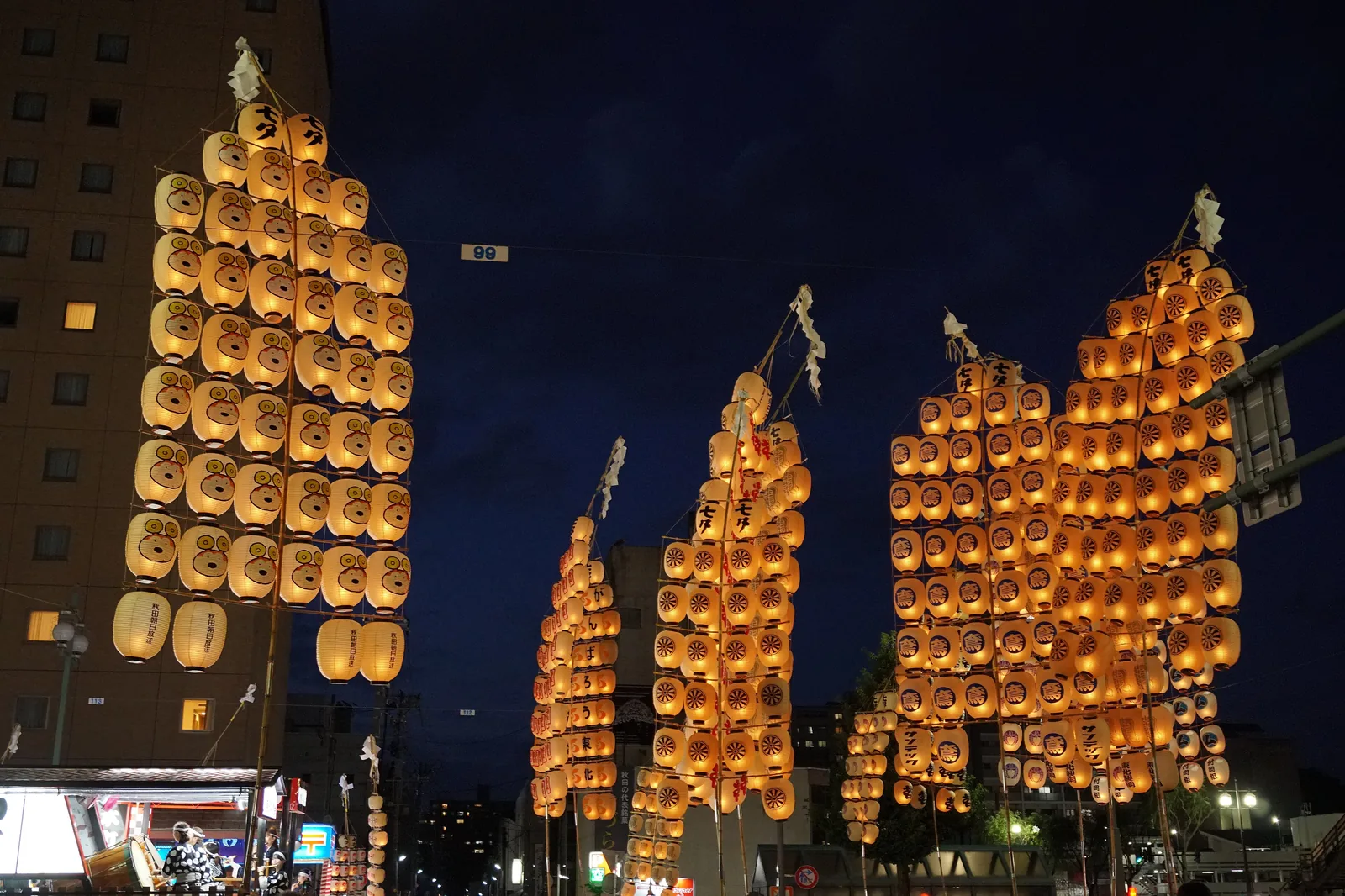
A twelve-metre pole hung with forty-six lanterns, balanced on one man's forehead
Read →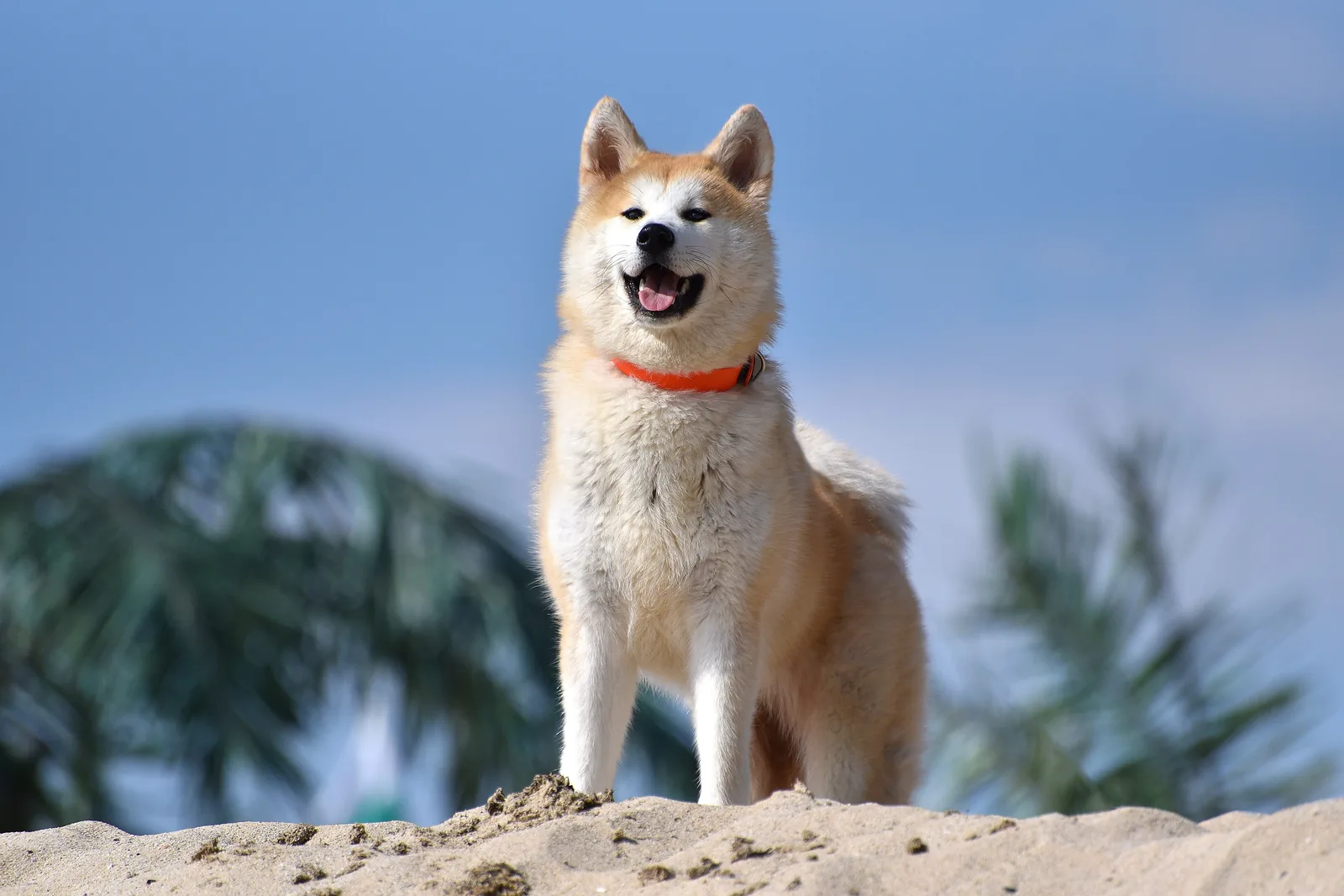
Hachiko was one, the breed nearly died twice, and Akita still gives them away to heads of state
Read →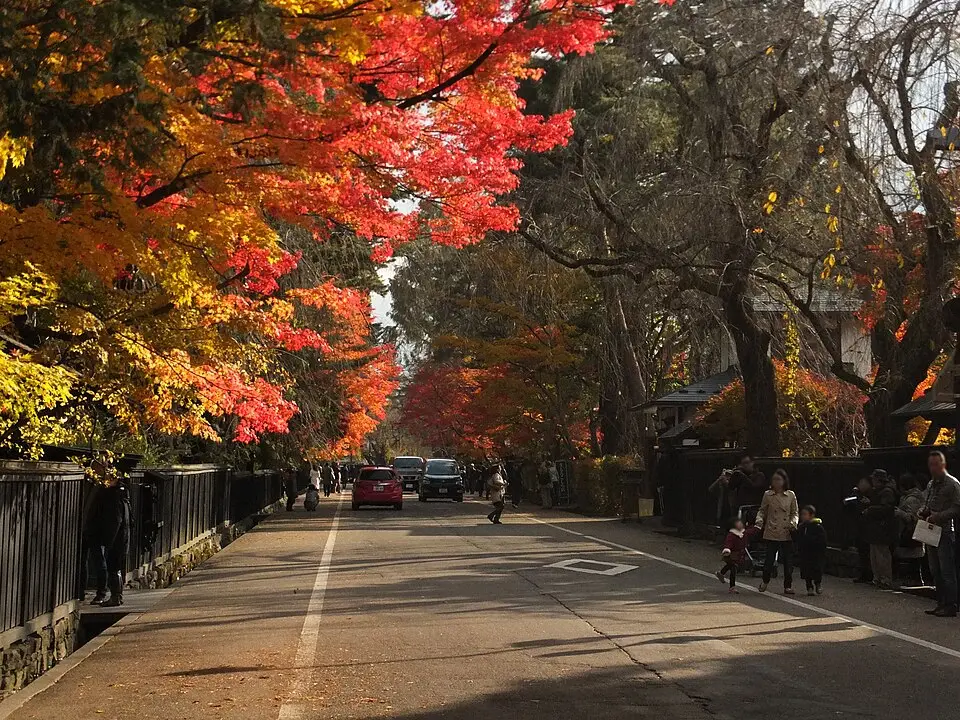
A samurai street of black wooden walls and weeping cherries, an hour inland
Read →No typing needed — jump straight in:
Just docked? — the gangway toolStart from your shipThe ride from every berthAsk the editorGlossary