
 1 / 2
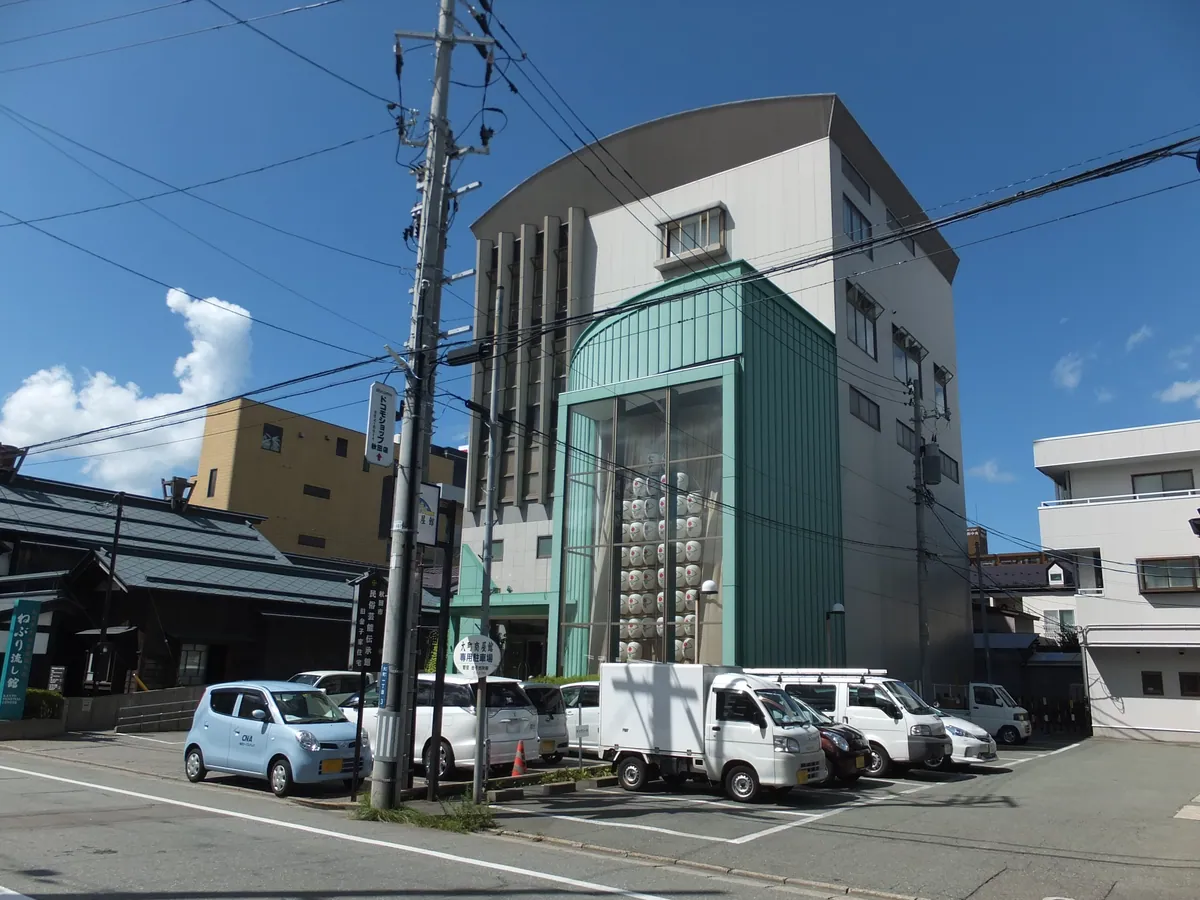
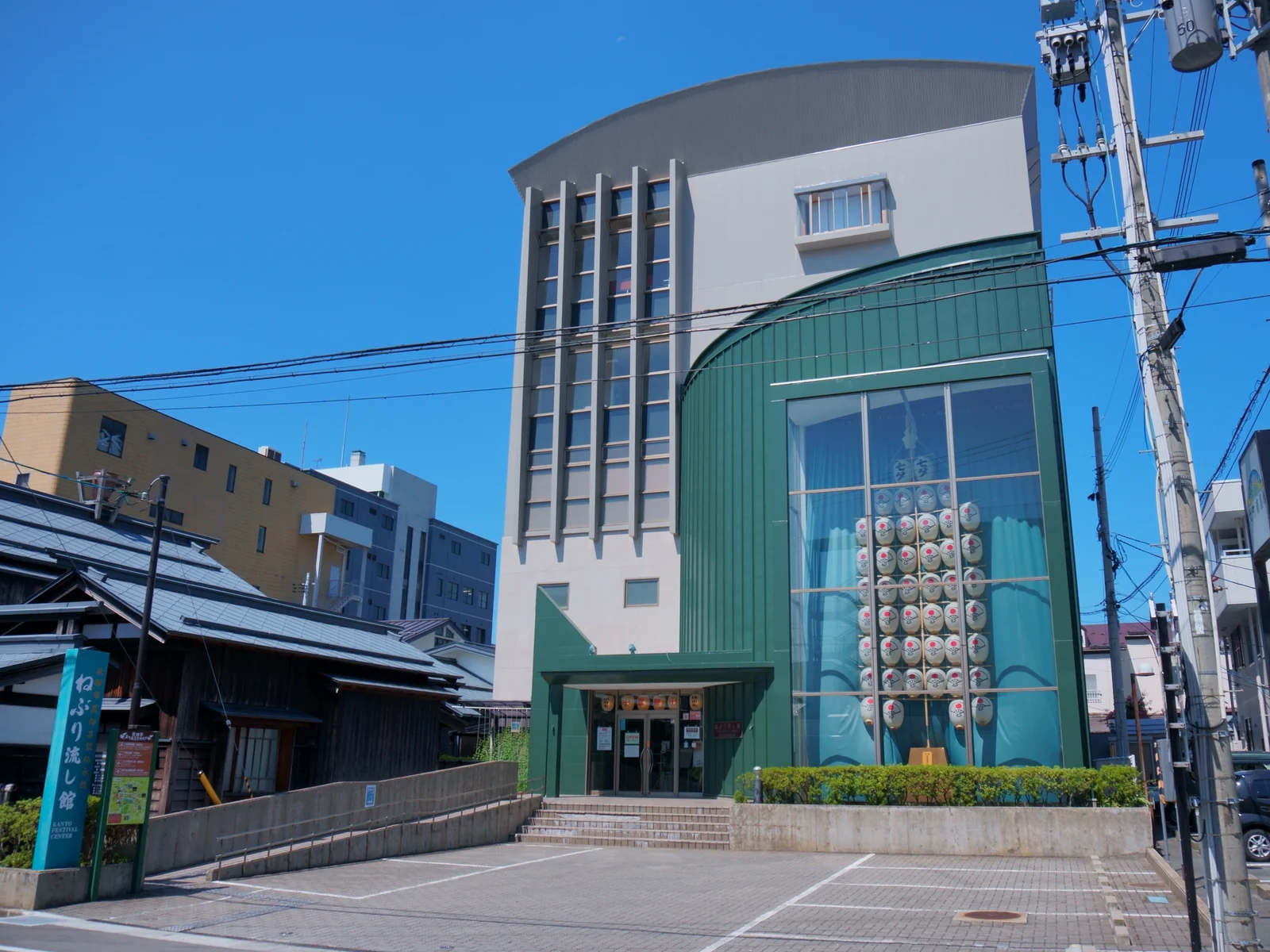
Kanto Festival CenterPhoto: 掬茶 / CC BY-SA 4.0
Tap a photo to see it large. 2 photographs, every one credited.
Checked against official sources · updated · Takumi Yamada
Forty-six lanterns on a twelve-metre, fifty-kilogram pole, balanced on a forehead — try hoisting a practice pole yourself and respect the festival forever. Live performances run at 13:30 on weekends and holidays from April to 31 October, none from November to March; August calls may catch the festival itself (3–6 August).
- Our number 2 for Akita, out of ten. It is the first thing we would spend the hours on.
- On a 4–6h ashore call our verdict is "Pair it" — here plus senshu park and the akarenga museum makes a full city loop.
- It is not only a photo stop: a twelve-metre pole hung with forty-six lanterns, balanced on one man's forehead.
- 9:30–16:30 — live kanto: sat/sun/holidays 13:30, apr–oct.
- 3 hr 30 min door to door needs a 5.5-hour call: a 2–3 hour stop cannot hold it. Pick something closer instead.
- No single published ride covers this one. Budget for a taxi both ways, or fold it into a guided day.
Why Kanto Festival Center is famous
A twelve-metre pole hung with forty-six lanterns, balanced on one man's forehead
The Kanto festival involves balancing a bamboo pole hung with up to 46 paper lanterns, weighing about 50 kilos, on a palm, forehead, shoulder or hip. It has run since the 1780s as a harvest rite. The centre keeps poles indoors year-round and will let you try, which fails instructively.
Two hundred and fifty bamboo poles, each up to twelve metres tall and fifty kilograms, each hung with forty-six paper lanterns holding real flame, raised at the same moment down a closed city street — and then balanced on a palm, then a forehead, then a hip, then a shoulder.
The Kanto Matsuri runs only from 3 to 6 August, but the festival centre keeps full poles year round — twelve metres, fifty kilograms, forty-six lanterns — and runs demonstrations by people who actually perform in it.
Then they let you try. Lifting the pole at all is the achievement; balancing it on a palm, forehead, shoulder or hip is not going to happen. Failing to hold fifty kilograms of bamboo teaches you more about the festival than any video of someone succeeding.
A summer rite against drowsiness and evil spirits
~250 poles, ~10,000 lanterns
Live performance 13:30 at weekends, April–October; try a pole any day
Stand at the roadside rather than paying for a grandstand, and stay for the furemai afterwards — you may lift a pole.
Things worth knowing
- Live performances run only on Saturdays, Sundays and holidays from April to 31 October, 13:30–14:10; on weekdays you can still try the pole in the hall.
- The adjoining Former Kaneko House, a late-Edo merchant house, is included in the ticket and is worth twenty minutes.
- If your call is 3–6 August, ignore all of this and stand at the roadside in the evening.
- Ask to try the pole. They expect visitors to and they will not laugh at you.
- Kanto竿燈 — "Pole lantern." Up to 12 m, ~50 kg, 46 lanterns, real flame.
- Owaka大若 — The full-size pole. There are smaller ones for younger bearers.
Questions people send us
Can I see the Kanto poles outside the festival?
Yes — the Neburi Nagashi-kan in central Akita keeps full twelve-metre, fifty-kilogram poles year round and runs scheduled demonstrations by actual festival performers. They also let visitors try to lift one, which is the useful part.
How much does the Kanto Festival Center cost?
¥130, which includes the adjoining Former Kaneko House; ¥370 combined with the Akarenga museum. Cards and e-money accepted. Live performances are at 13:30 on weekends and holidays from April to 31 October only.
Routes that already include it
Each one is a finished day timed from the official timetables, with this stop in it. Read the route rather than assembling it yourself.
What to put beside it
Each of these still lands you back aboard with the hour to spare.
 See · ~1h at the port
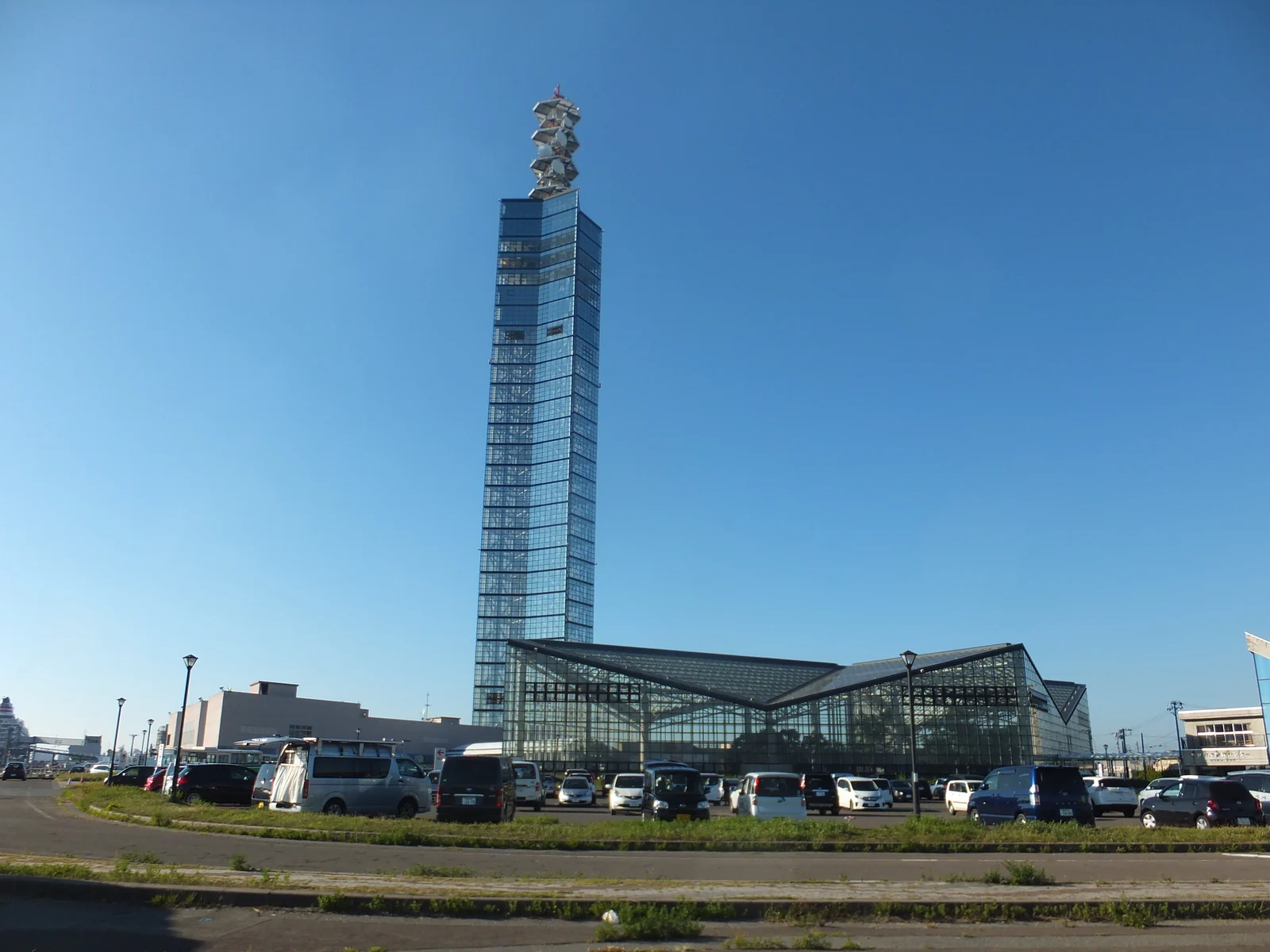
Selion Tower
A free observation deck at 100 metres, a 10-minute walk from the berth — the Sea of Japan one way, snow mountains the other.
See the detail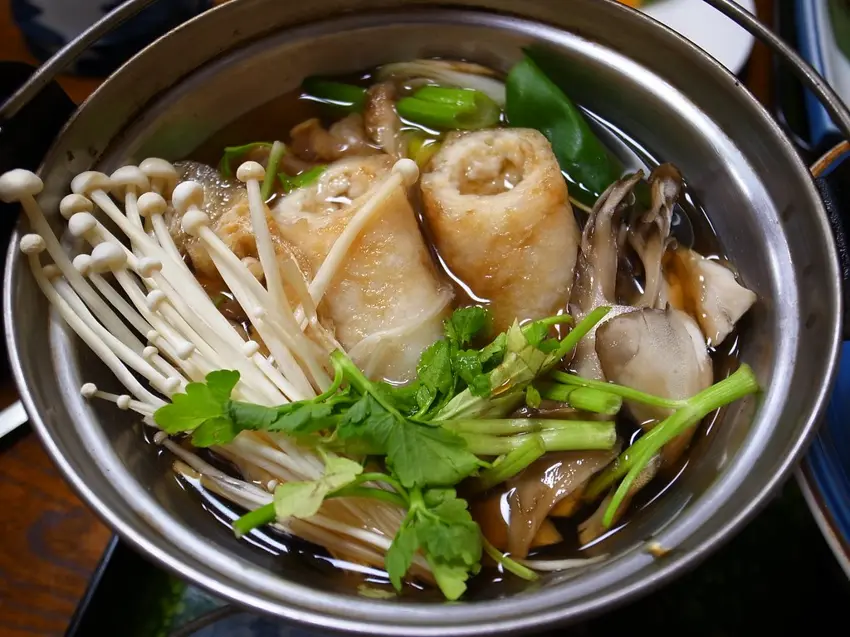 Eat · ~3h
Kiritanpo hotpot
Toasted rice sticks simmered in chicken broth with burdock and maitake — Akita’s soul dish, born in hunters’ huts.
See the detail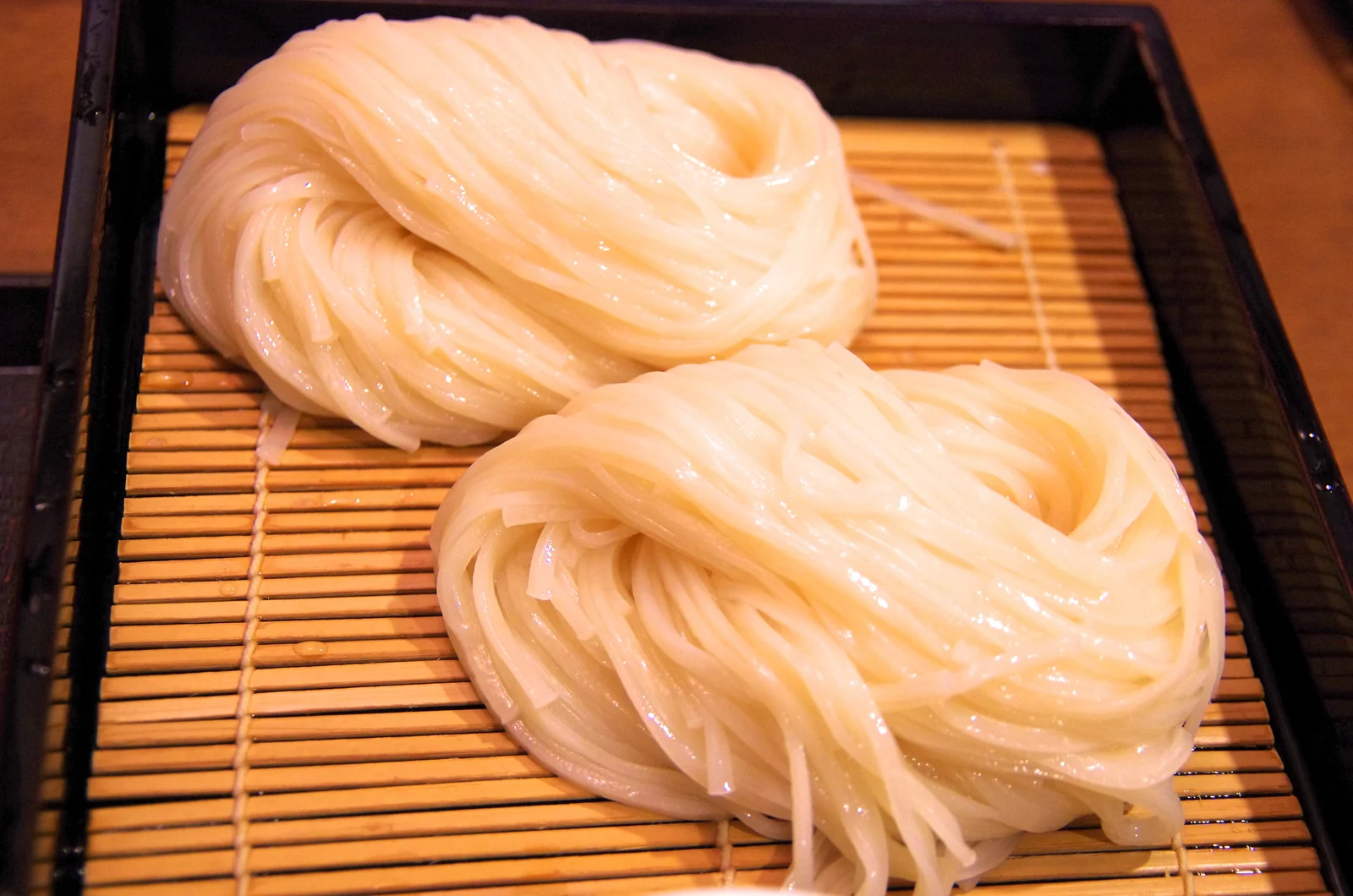 Eat · ~3h
Inaniwa udon at Sato Yosuke
Silk-thin udon hand-stretched by one family since 1860 — served cold with two dipping sauces.
See the detail