~6h with transfer — the round trip from the gangway, with the 60-minute margin kept aside.
Tap a photo to see it large. 10 photographs, each credited.
Whole streets of samurai manors under weeping cherries, an hour inland — crafts, kimono rental and cellar museums. Guided half-day tours handle the distance honestly.
A samurai street of black wooden walls and weeping cherries, an hour inland
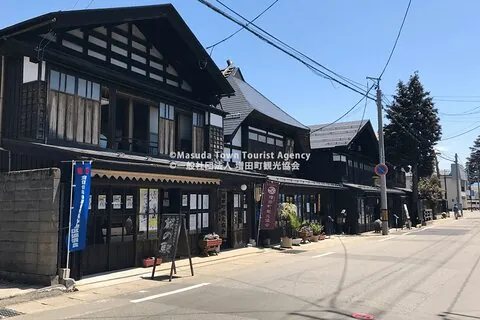
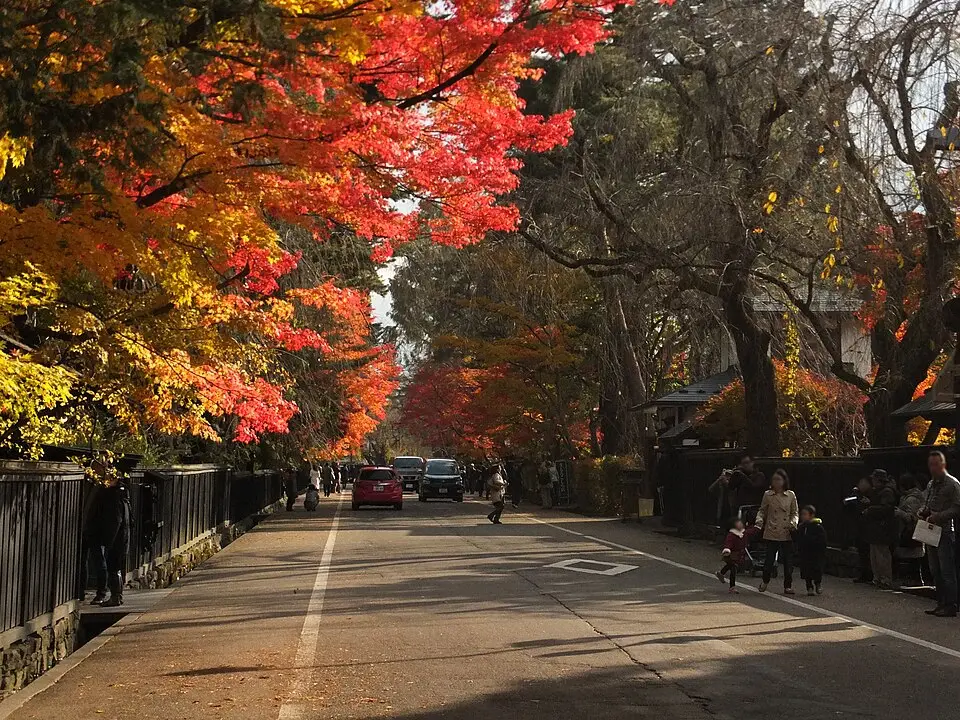
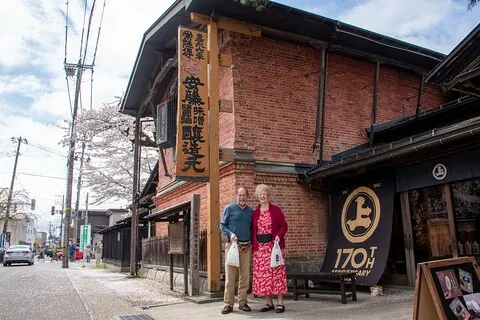
Kakunodate kept its samurai quarter almost intact from 1620: wide streets, dark wooden gates, and weeping cherries brought from Kyoto in the 17th century that now hang over the walls. Several houses are still owned by the original families. It is about fifty minutes inland by train.
Laid out in 1620 and never rebuilt, Kakunodate has a samurai quarter of tall black wooden walls with about four hundred weeping cherry trees leaning over them — descendants, by tradition, of saplings brought north from Kyoto as part of a bride's dowry.
Laid out in 1620 and never rebuilt — samurai quarter north, merchants south, a firebreak between. Six samurai residences survive, several open, and the walls between them are tall dark wood rather than the earth or plaster of western castle towns.
About four hundred weeping cherries lean over the samurai street, roughly 160 of them designated Natural Monuments. By tradition they descend from saplings brought north from Kyoto in a bride's dowry. They flower in late April, weeks after Tokyo.
Samurai north, merchants south, firebreak between
By tradition, in a bride's dowry
Low-ranking samurai, as a side income
And a street plan unchanged since 1620
Go in late April if you can choose. Black wooden walls under weeping cherry is the picture Akita sells, and it earns it.
Both pins on one map, so the distance is a fact rather than a feeling.
Booked before you sail — there is no tour desk at the pier. Booking through this link supports the site.
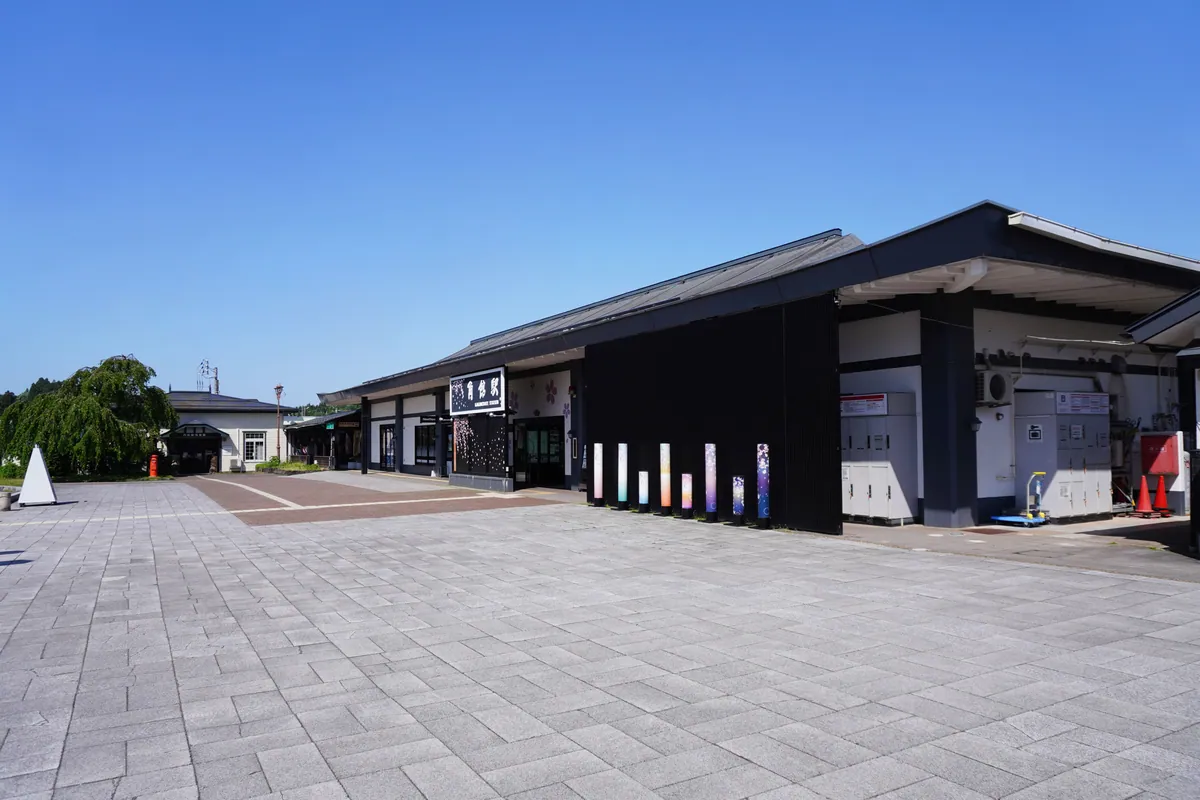
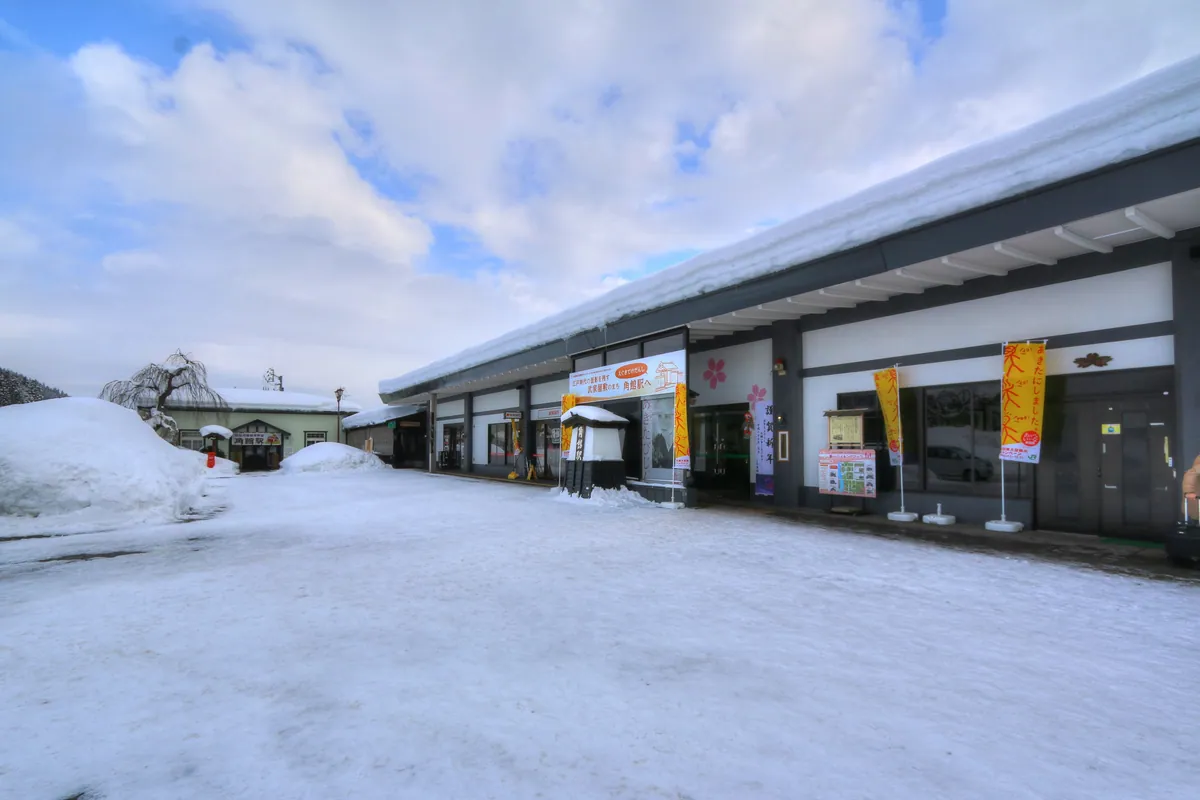
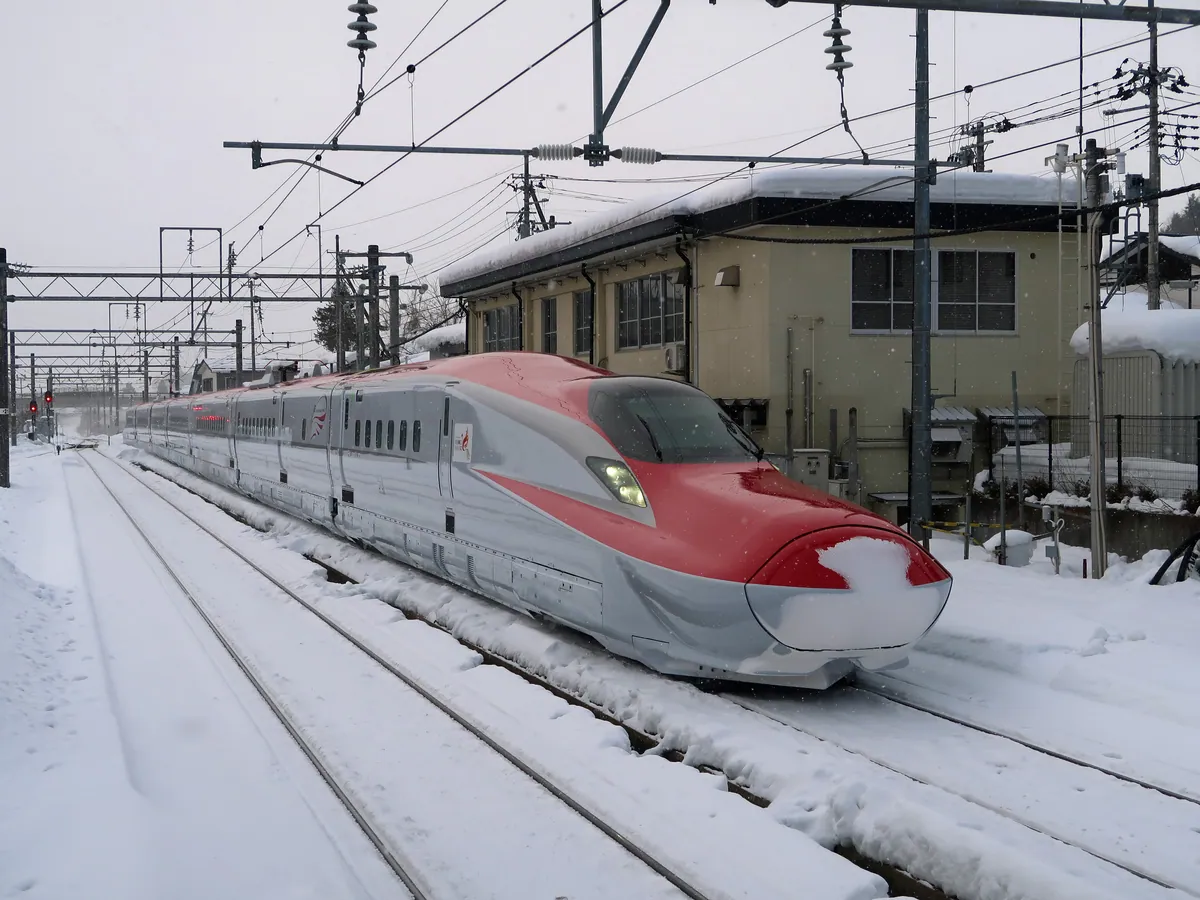
By shinkansen from Akita Station, about forty-five minutes, plus the transfer from the port. Budget around five hours door to door, which makes it a long-call-only trip. Photograph the return train time before you leave the station — services are not frequent.
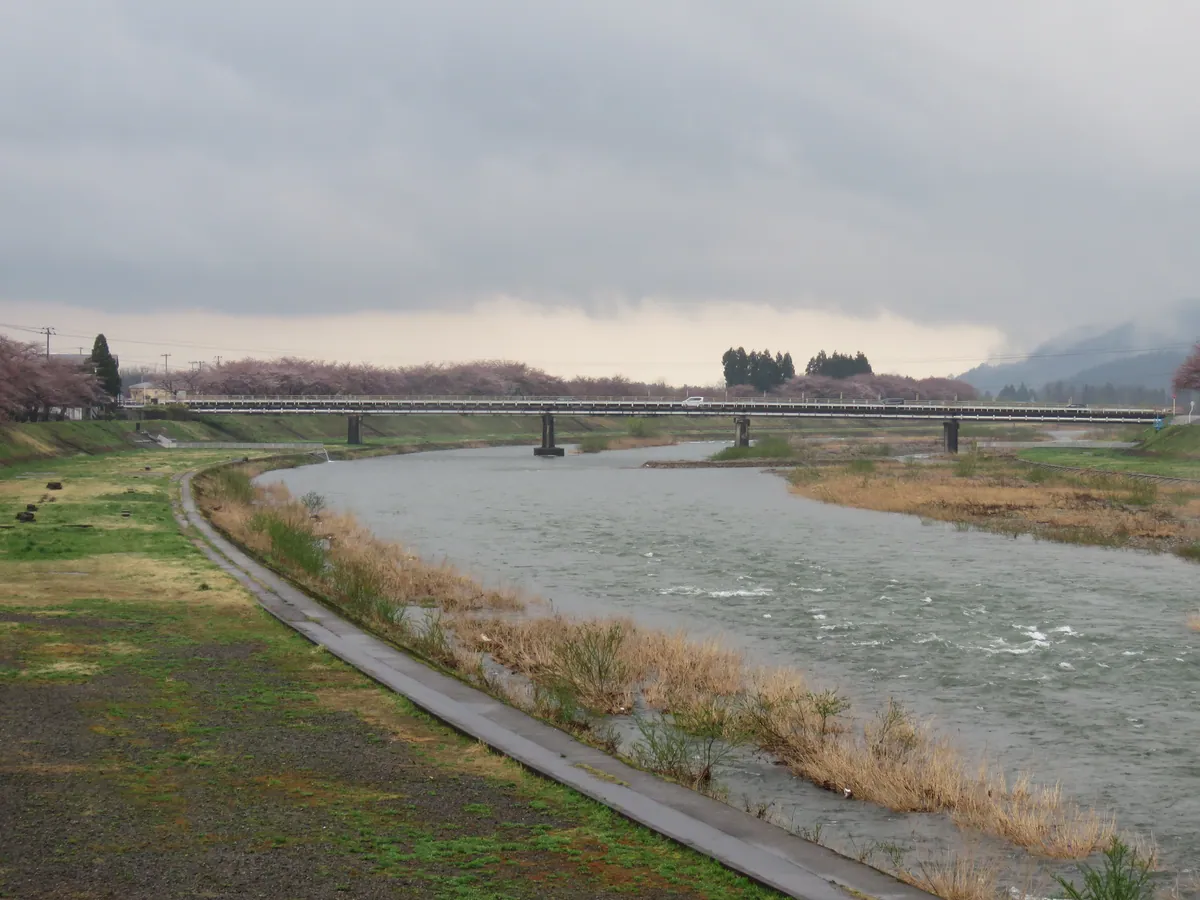
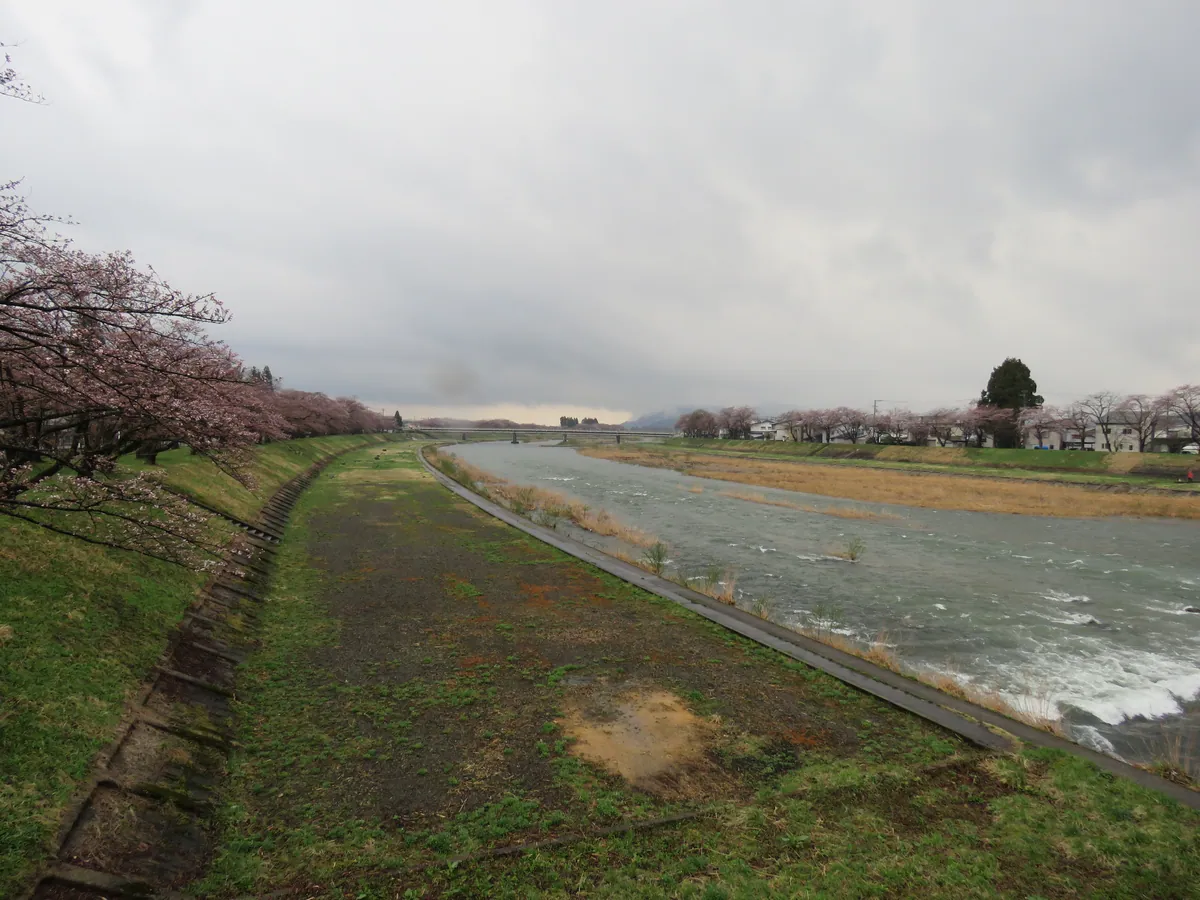
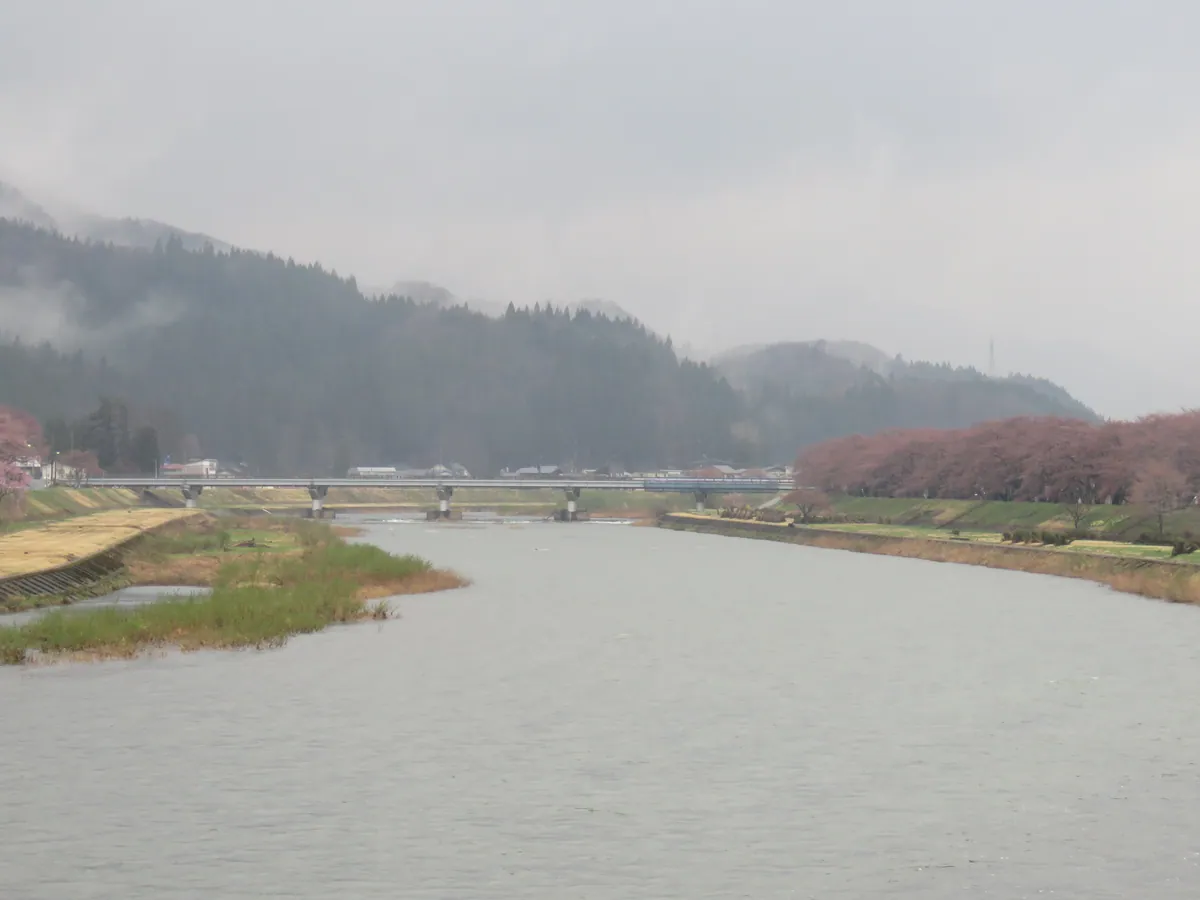
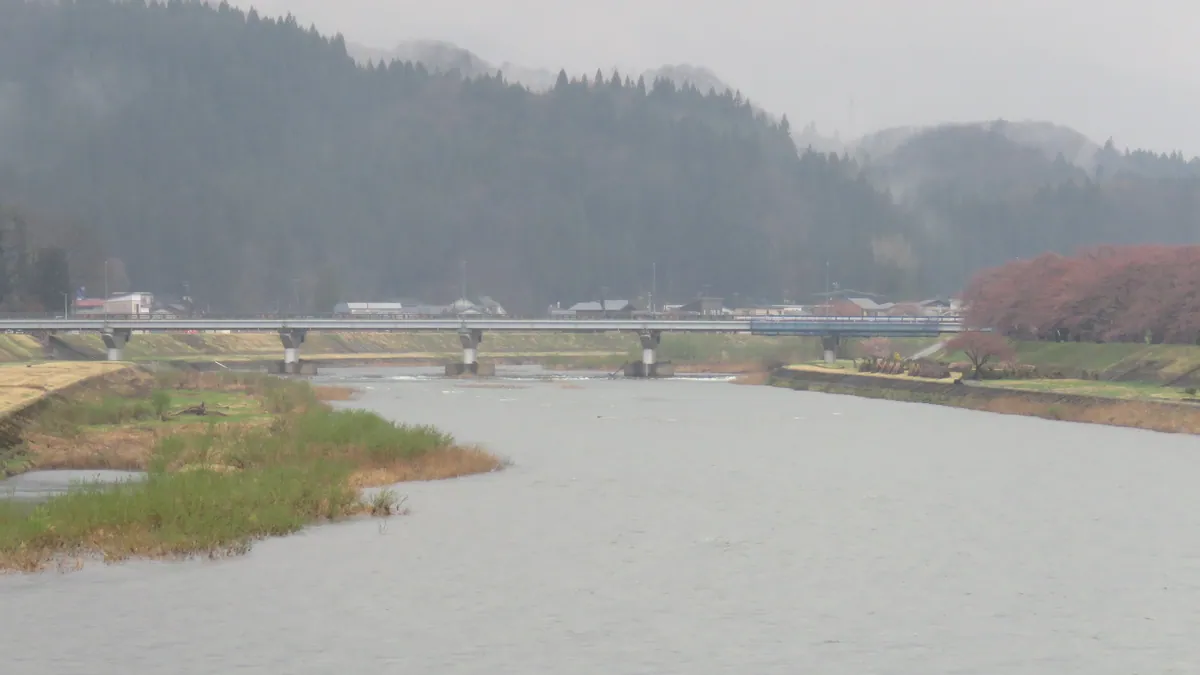
Late April, weeks after Tokyo, which makes it one of the last cherry blossom sites in Japan. Around four hundred weeping cherries lean over the black wooden walls of the samurai quarter, and a two-kilometre tunnel of cherries flowers along the Hinokinai River at the same time.
Each one is a finished day we have walked and timed, with this stop in it. Read the route rather than assembling it yourself.
Each of these still lands you back aboard with the hour to spare.
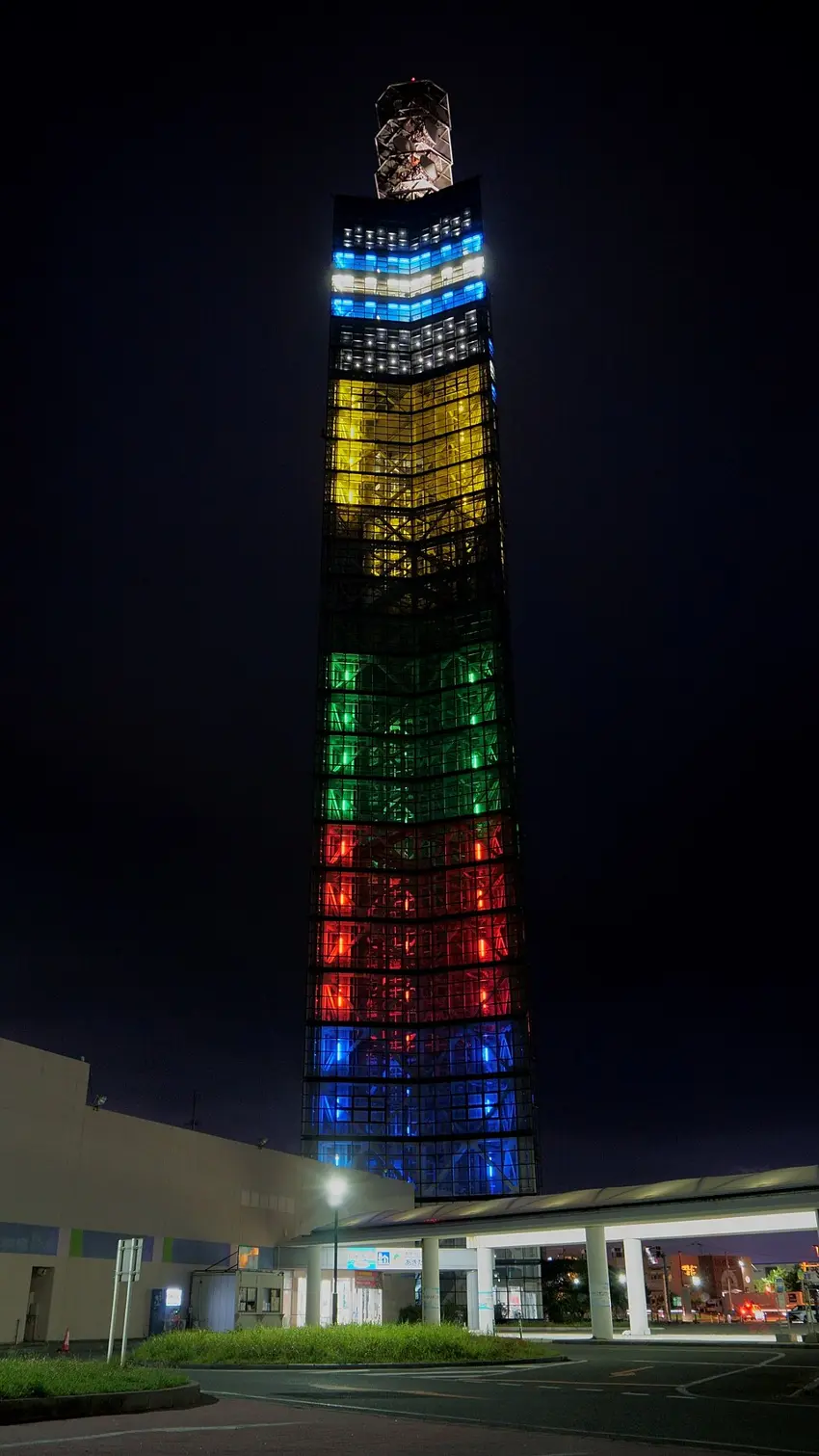 See · ~1h at the port
100 meters of free observation deck right beside the berth — the Sea of Japan one way, snow mountains the other.
See the detail →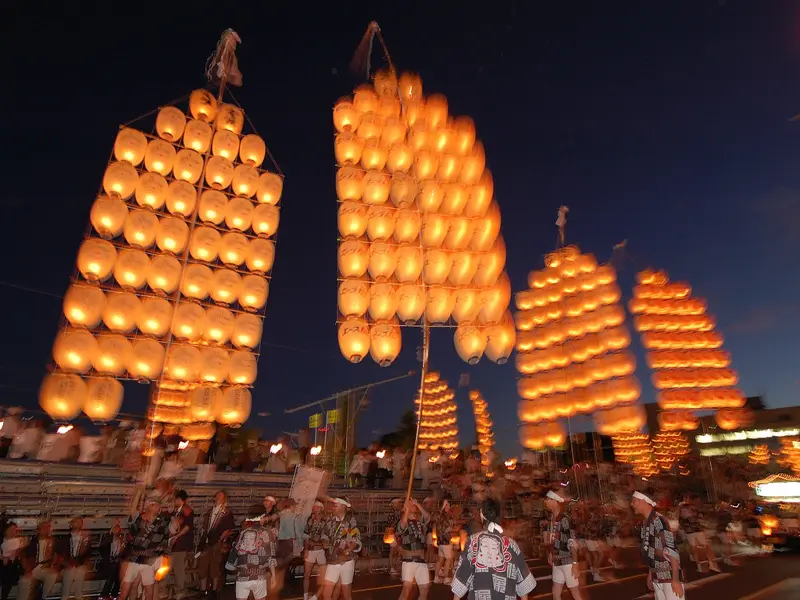 See · ~3.5h in the city
Fifty lanterns on a twelve-meter pole, balanced on a forehead — try hoisting a practice pole yourself and respect the festival forever.
See the detail →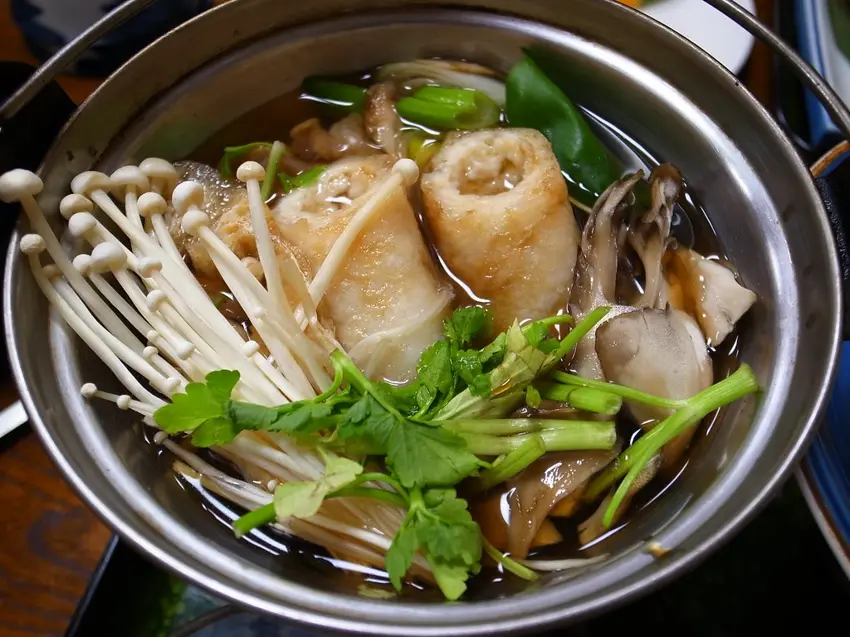 Eat · ~3h
Toasted rice sticks simmered in chicken broth with burdock and maitake — Akita’s soul dish, born in hunters’ huts.
See the detail →No typing needed — jump straight in:
Just docked? — the gangway toolStart from your shipThe ride from every berthAsk the editorGlossary