Pick your hours and you get a finished day — every step timed from the gangway and back, and each route says how much room it leaves you before all-aboard. Swap anything you don't fancy.
Round trips are measured from the gangway and include getting back. Two stops in the same direction overlap, so a real day usually comes in under the total you see, never over it.
¥100 flat (cash, IC or card; no change given)on demand, 7:00–20:00 dailyIC cards OK
How to get there
① "Minatoru" AI on-demand bus — every ride must be booked by app, LINE or phone (050-3097-4598); board at numbered points (No.1 is the station, No.51 the fish market)
App registration needs a Japanese mobile number, so for most visitors it is phone booking or nothing — not a practical first choice for a day visitor.
The one rule: be back on board 60 minutes before all-aboard — every day above already banks it.Phones auto-switch to local time, but all-aboard runs on ship time. Check the daily programme's clock, not your lock screen.More to pick from on the Sakaiminato guide and theTop 10.
MY SHIP DAY — fill this in before you walk off
Ship
Date
Docked at (berth)
All-aboard (SHIP time)
My deadline = all-aboard − 60 min
Last shuttle back
Phones auto-switch to local time; all-aboard runs on ship time. Write both if they differ.
GETTING AROUND — the facts that don't change by day (today's times: ship's program or Google Maps)
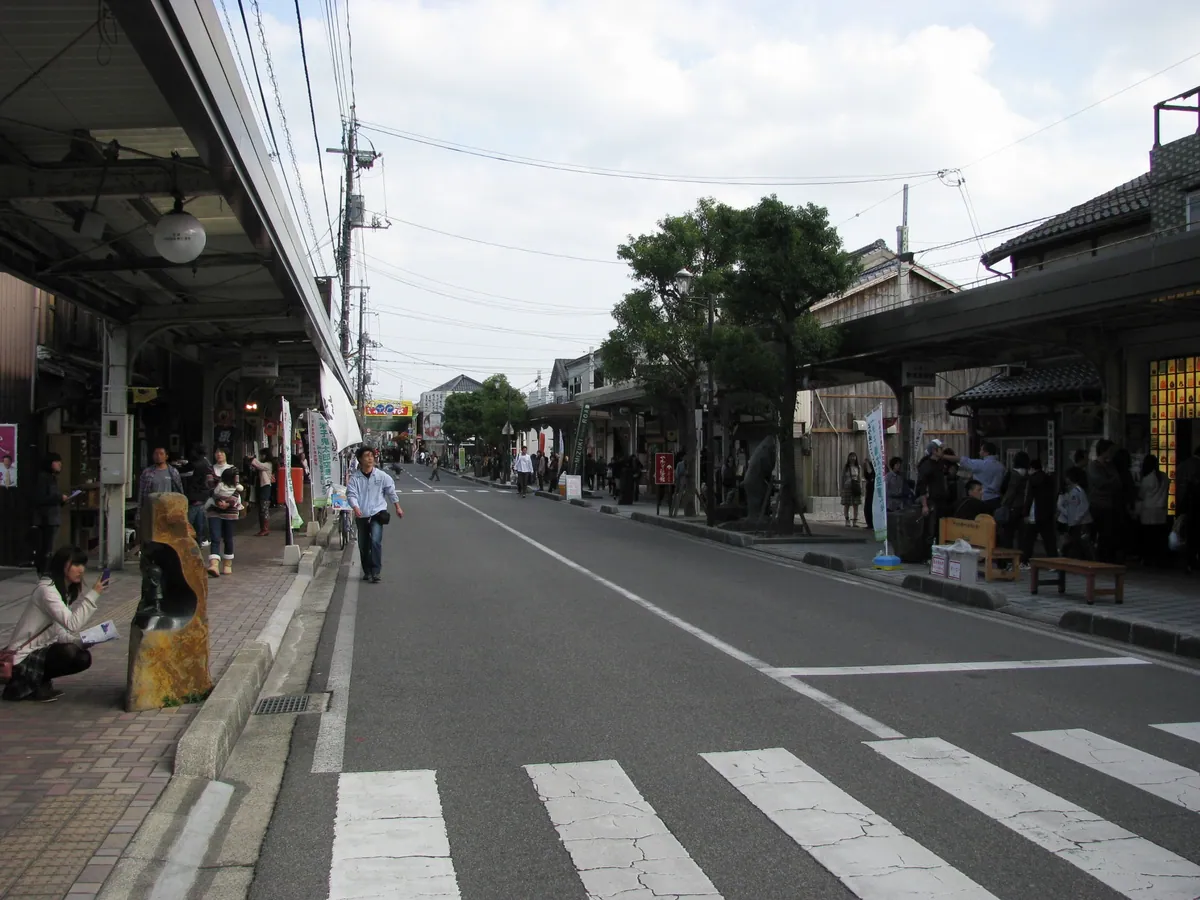
Sakaiminato Station & the yokai road: ① From Yumeminato Terminal (the main cruise berth): cruise shuttle to the station — paid on some lines, Princess included ② The 800 m yokai road starts at the station door
Anywhere in town, ¥100: ① "Minatoru" AI on-demand bus — every ride must be booked by app, LINE or phone (050-3097-4598); board at numbered points (No.1 is the station, No.51 the fish market) Fare ¥100 flat (cash, IC or card; no change given). on demand, 7:00–20:00 daily.
SHOW THIS TO A TAXI DRIVER — 運転手さんへ
Please take me back to the cruise ship (Sakaiminato port)
クルーズ船乗り場までお願いします
Mizuki Shigeru Road
水木しげるロード
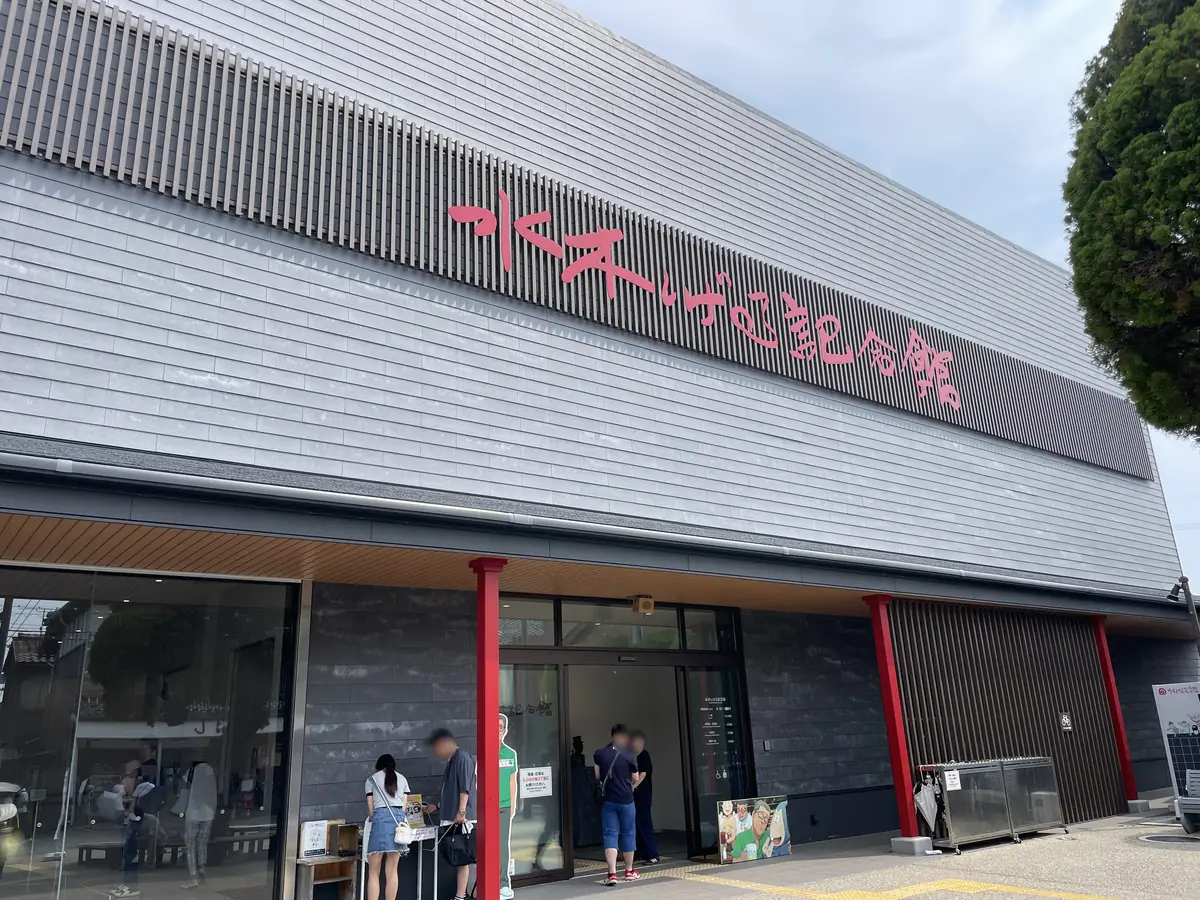
Mizuki Shigeru Museum
水木しげる記念館
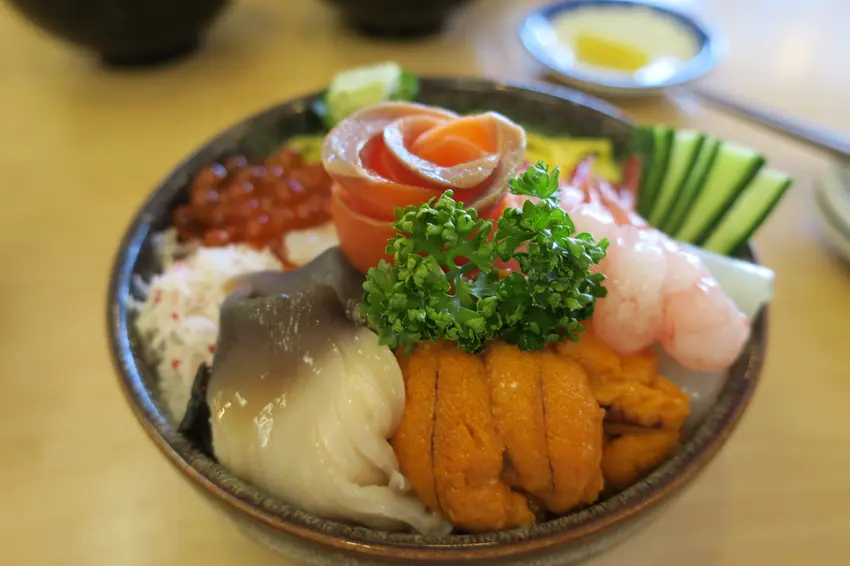
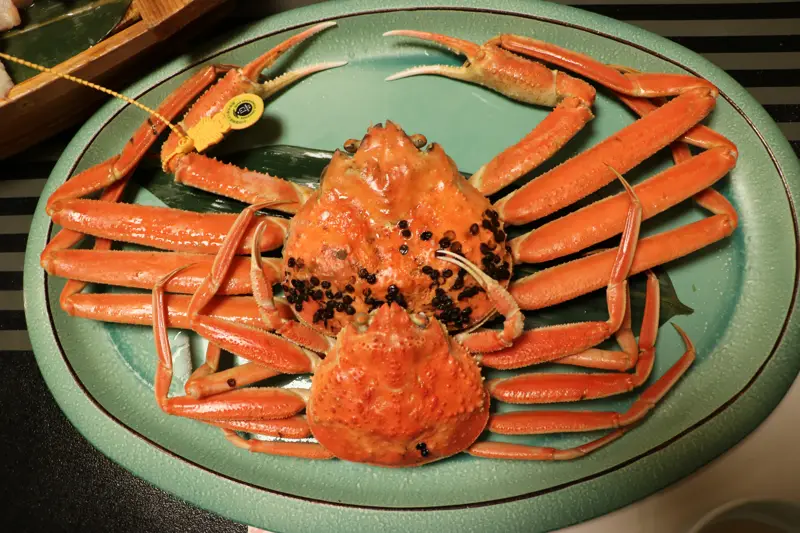
Whole crab, boiled to order
境港水産物直売センター
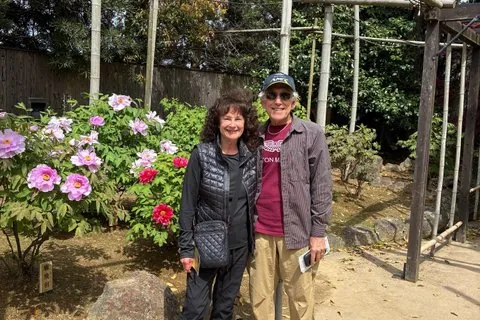
Adachi Museum of Art gardens
足立美術館
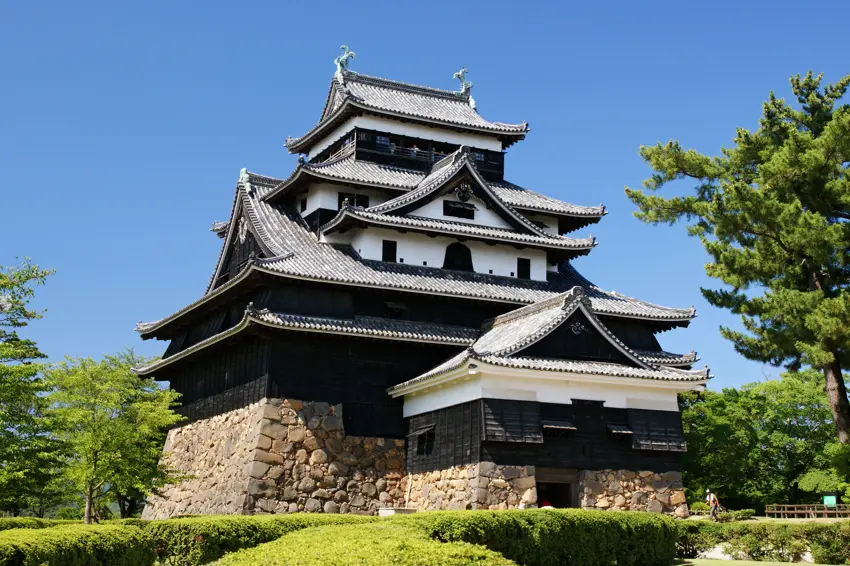
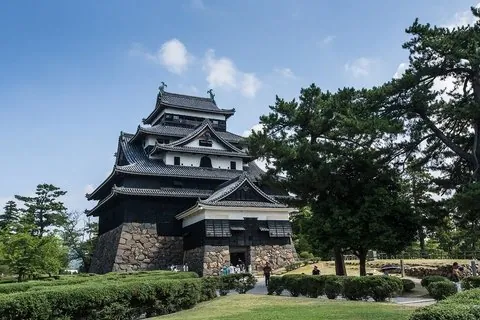
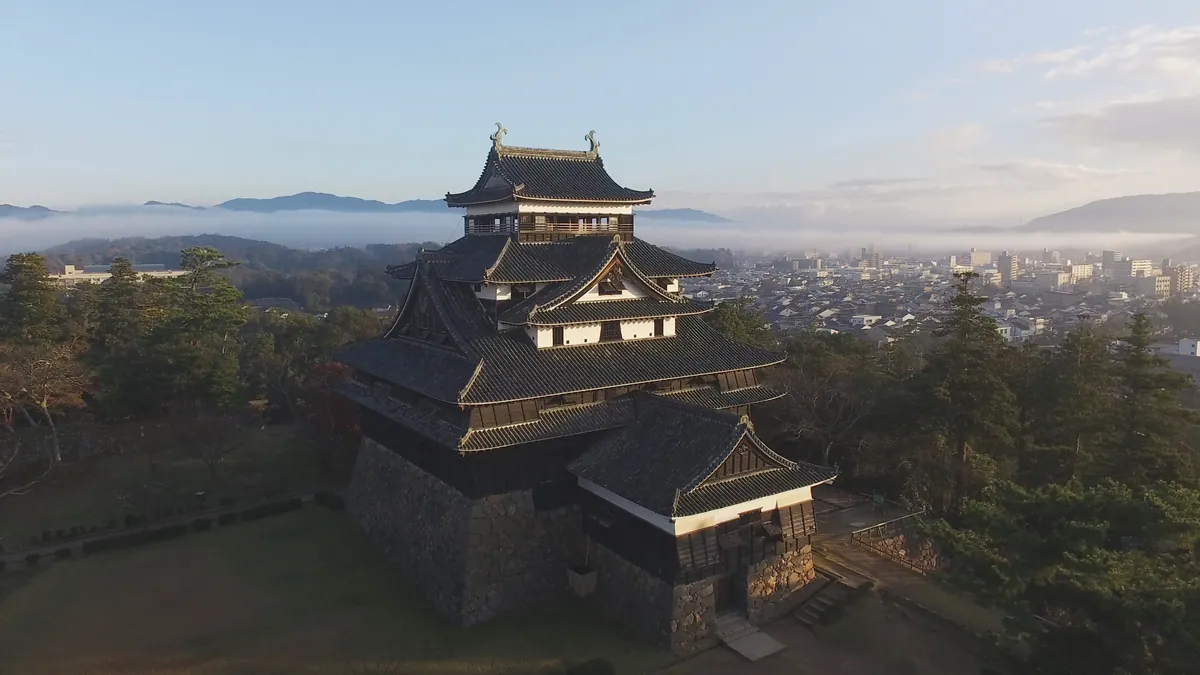
Matsue Castle
松江城
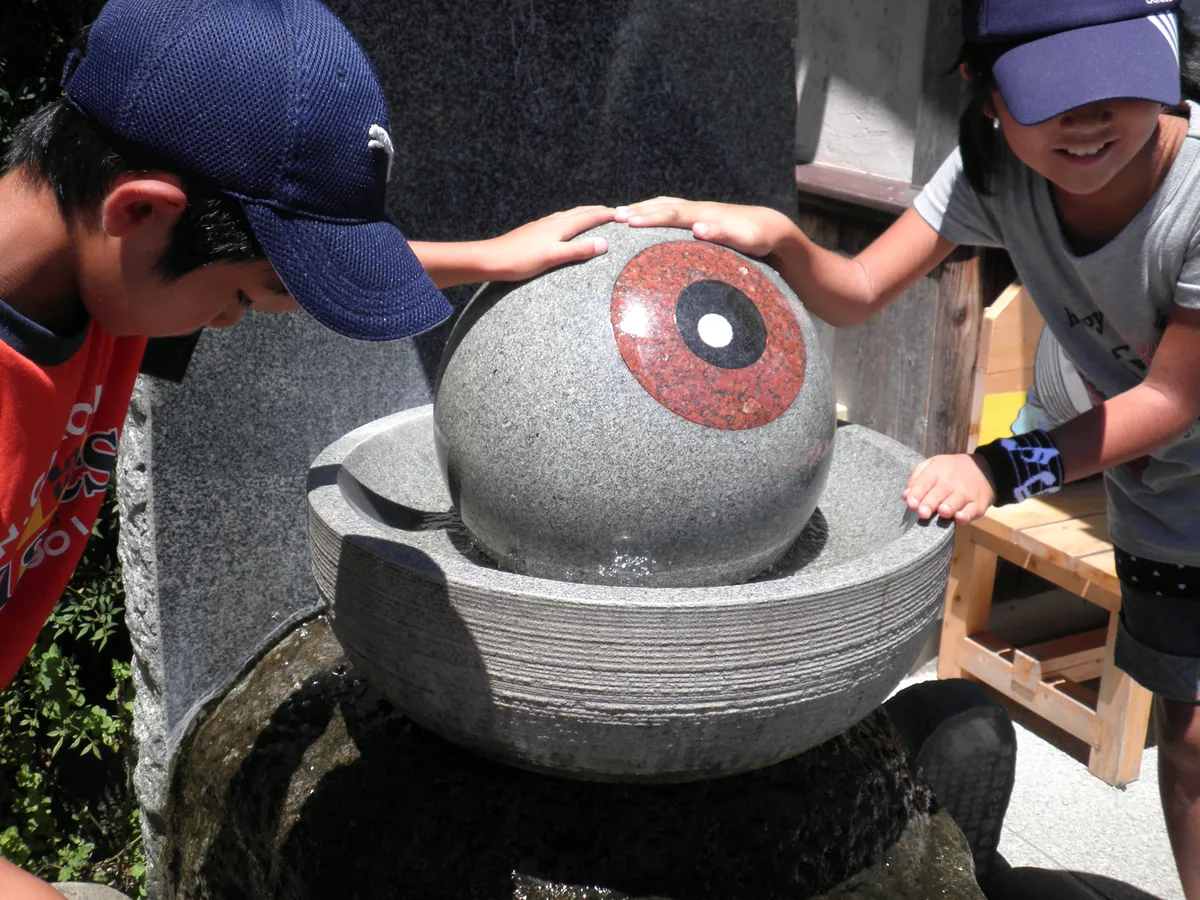
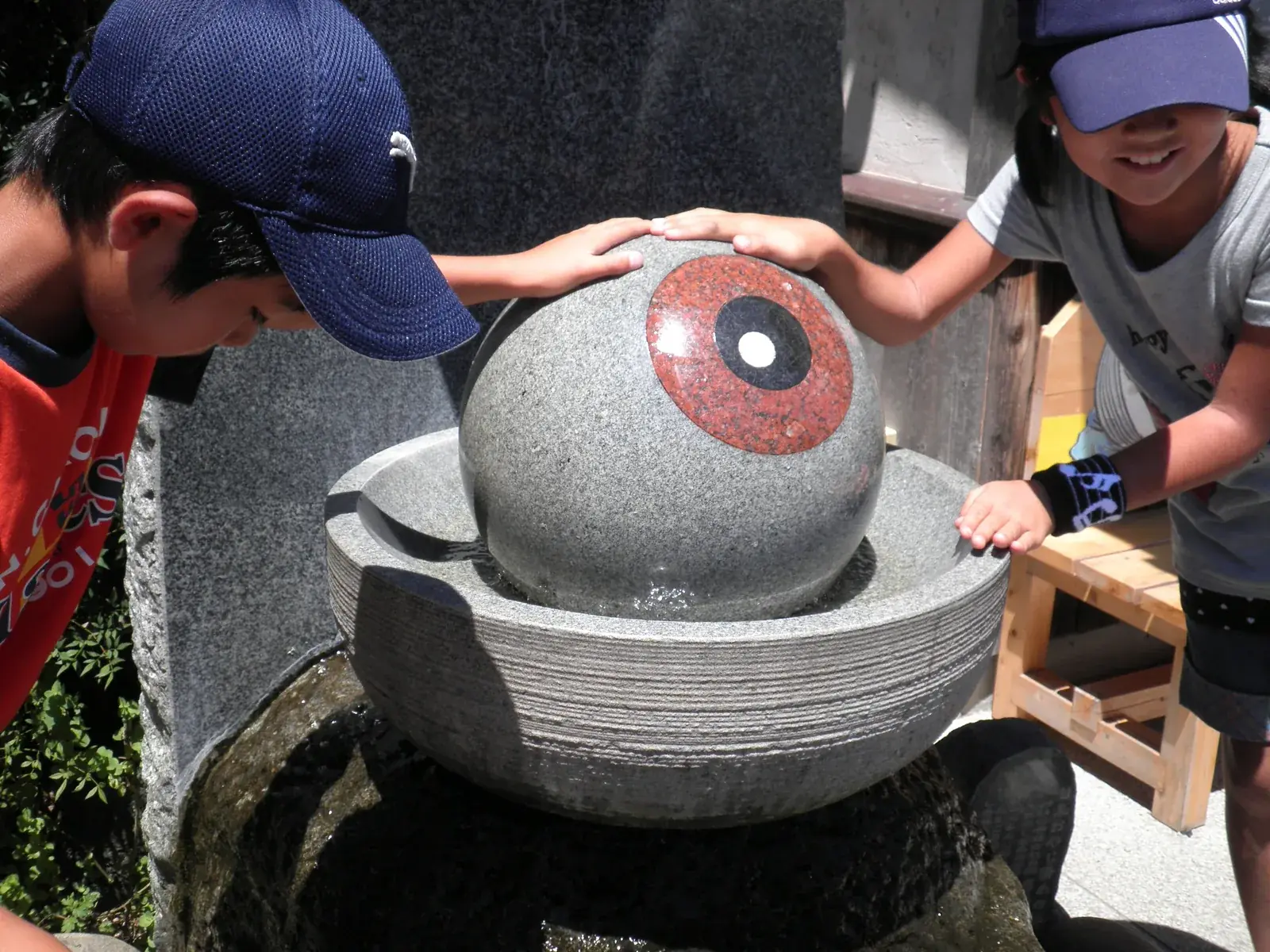
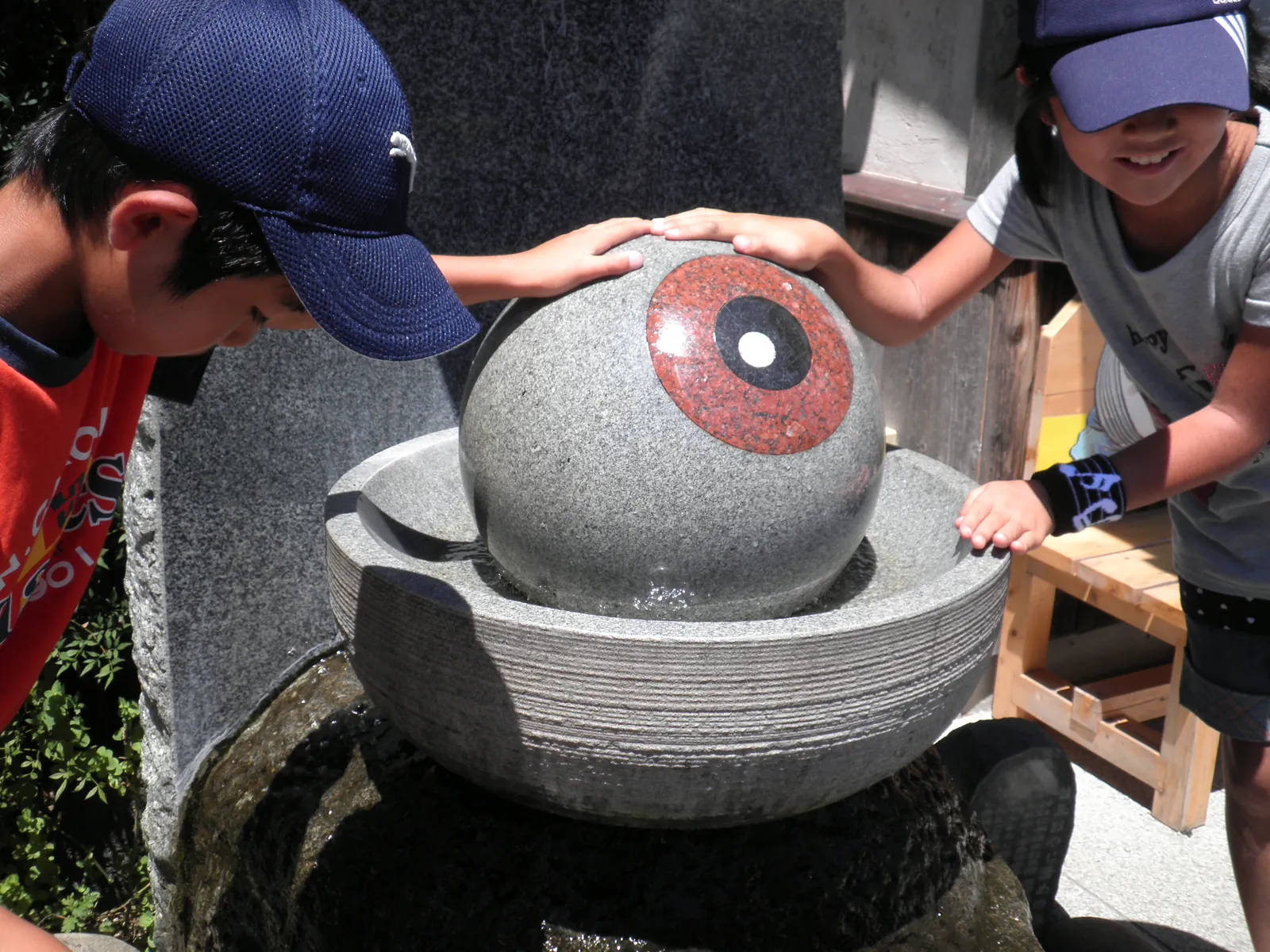
Yokai sweets: the eyeball daddy
妖怪食品研究所
Point at a line. Taxis are metered and honest; tipping is not expected in Japan.
THE TWO-MINUTE PORT TALK — read aloud at breakfast
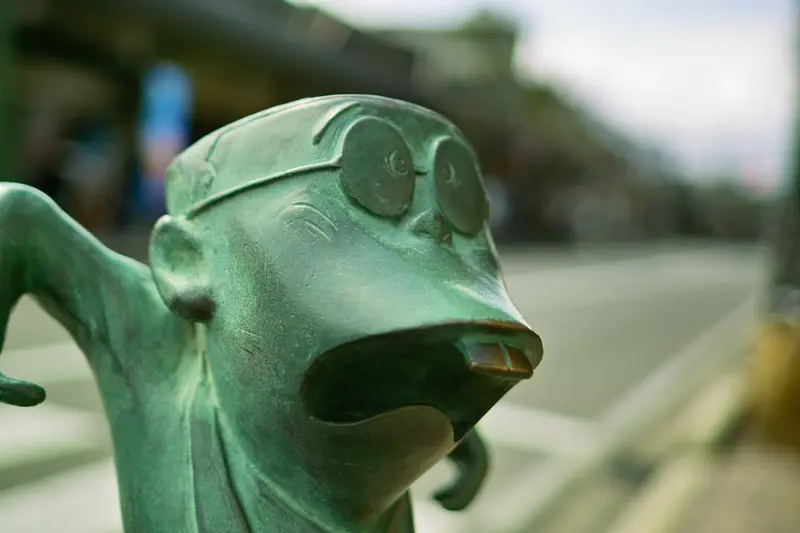
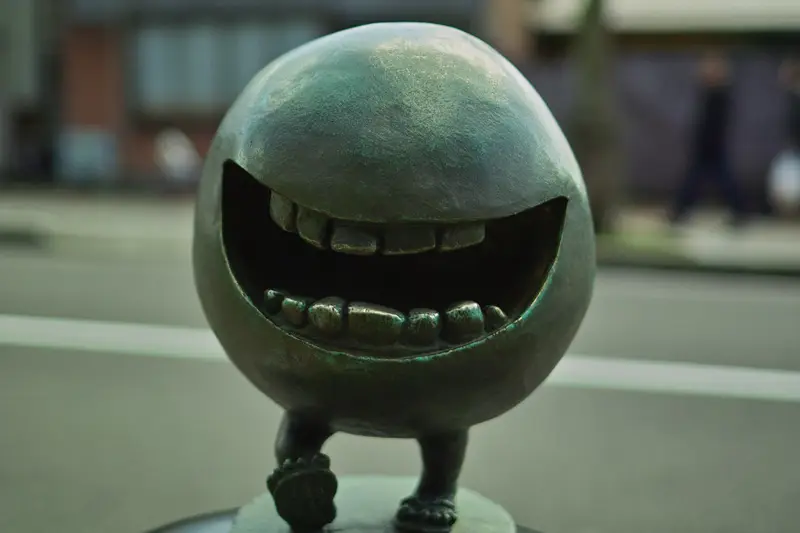
Mizuki Shigeru. The street from Sakaiminato station is lined with 178 bronze monsters. They are there because one man from this town was conscripted, sent to New Guinea, survived malaria and an air raid that killed his entire unit, lost his left arm, came home, taught himself to draw right-handed, and spent sixty years documenting Japan's folk monsters before they were forgotten.
Yokai. A yokai is not the spirit of a dead person and it is not a devil. It is the answer to a specific unanswered question: why does that road feel wrong at night, why did the wall suddenly seem impassable, why did an umbrella that has lasted a hundred years suddenly grow a face.
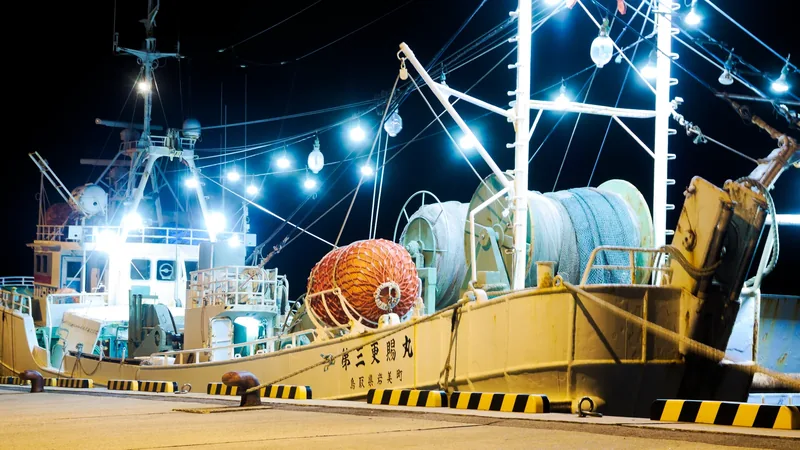
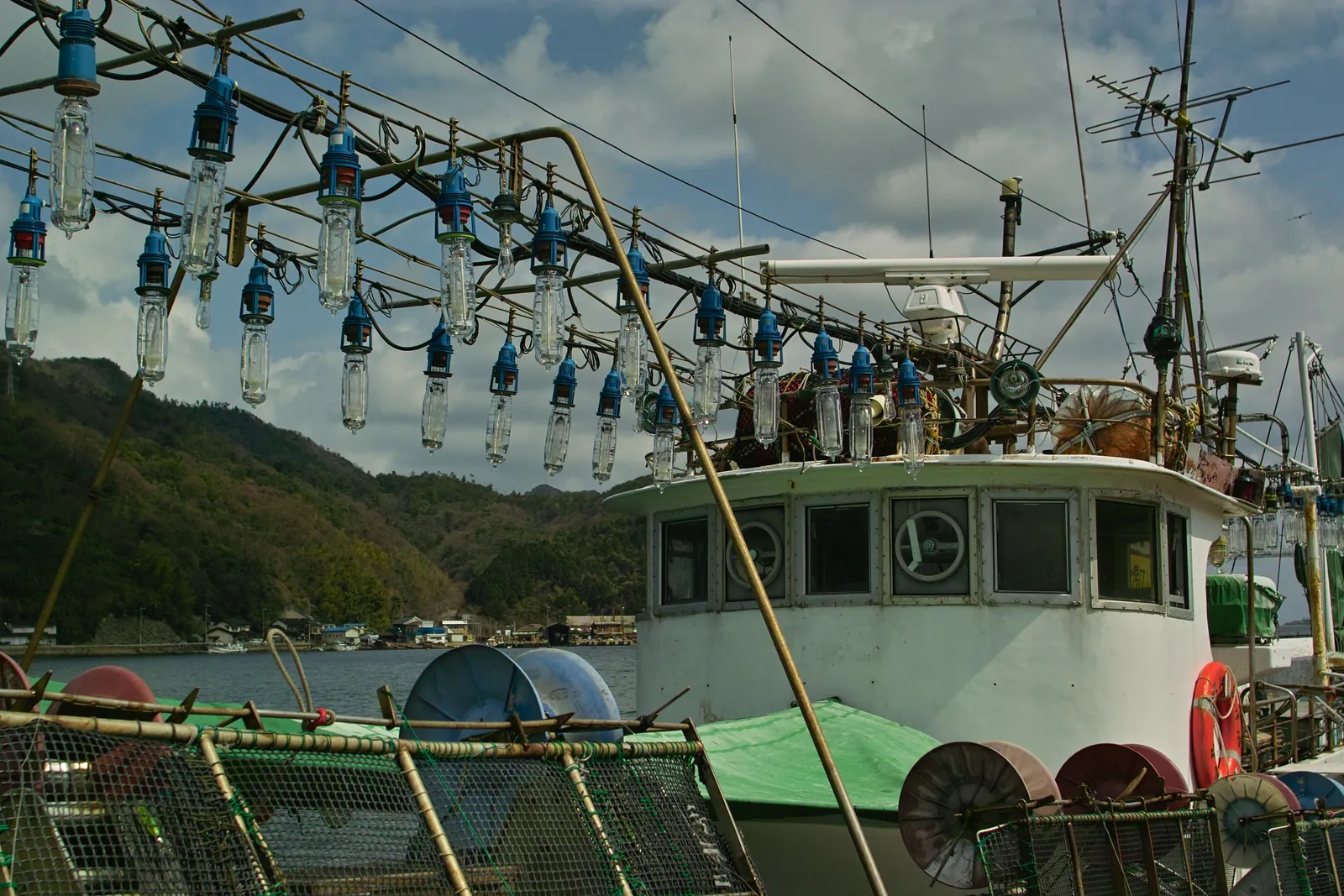
Crab. Sakaiminato regularly ranks among Japan's largest fishing ports by volume landed. Two things drive it: enormous seasonal runs of sardine, mackerel and squid, and — from November — the snow crab that this coast argues about with its neighbours.
Izumo. Across most of Japan the tenth lunar month is called Kannazuki — "the month with no gods." In this one region it is called Kamiarizuki — "the month with gods." The explanation is that they have all travelled here, to Izumo Taisha, for an annual conference about who should marry whom.
The one rule: be back on board 60 minutes before all-aboard — every plan above already banks it. · Free guide: port-of-japan.com/sakaiminato/ · By Takumi Yamada, Tokyo, Japan