Home / Ports / Sakaiminato / See
See in Sakaiminato · #1 of the port's ten~2h on foot — the round trip from the gangway, with the 60-minute margin kept aside.
Tap a photo to see it large. 4 photographs, each credited.
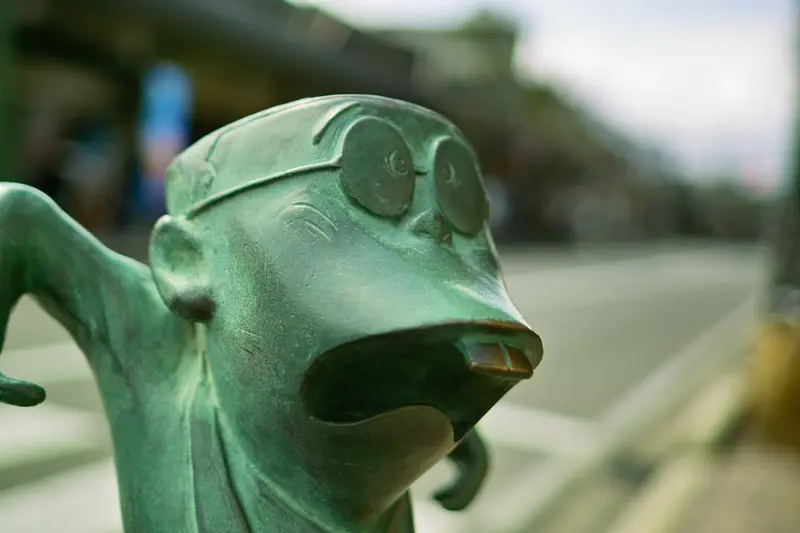
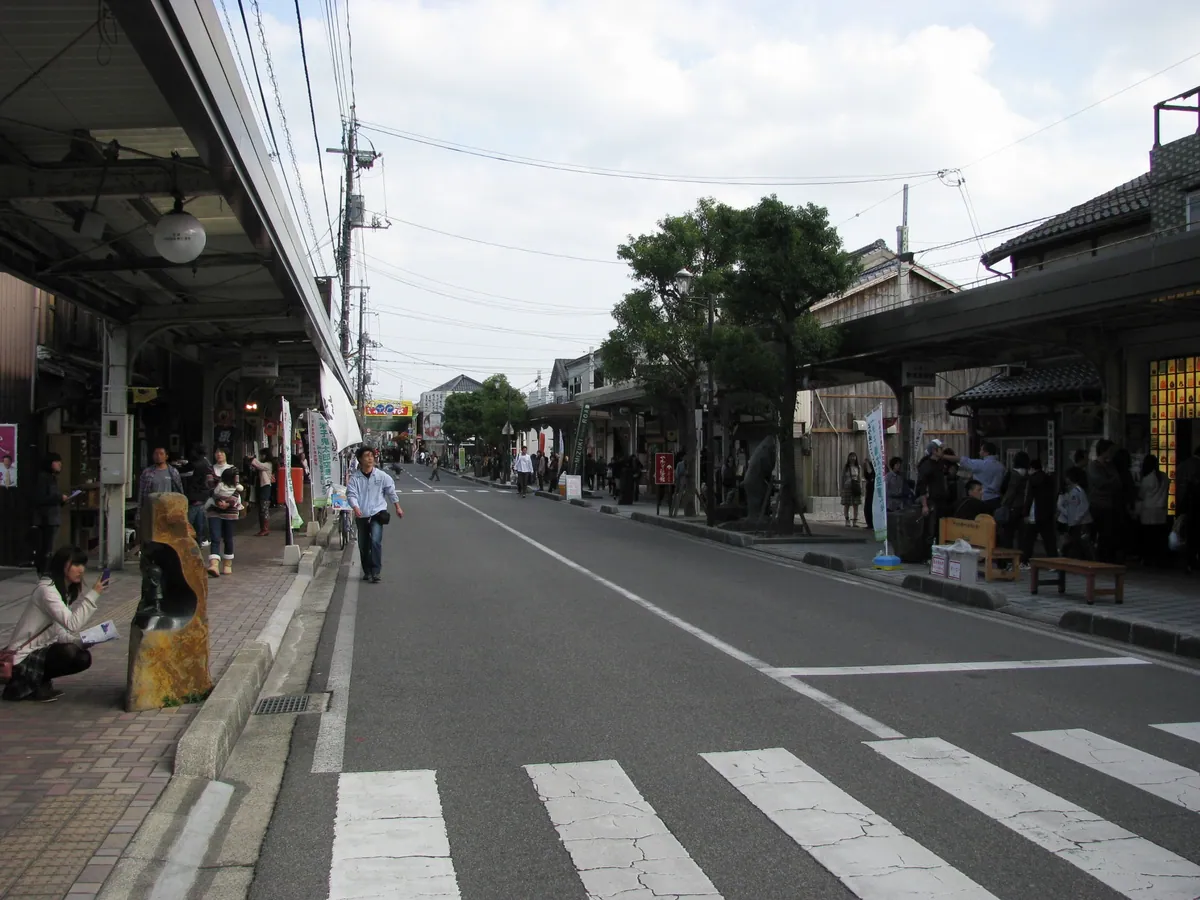
177 bronze yokai spirits line the 800 metres from the station to the museum — Japan’s strangest, most charming main street, drawn from the manga master born here. Flat, free, unmissable.
He lost an arm at Rabaul, learned to draw with the other one, and gave Japan its monsters back
Shigeru Mizuki grew up here and spent his life drawing yokai, the spirits of Japanese folklore, most famously in GeGeGe no Kitaro. He lost an arm in the war and learned to draw again with the other. The road to the station holds around 180 bronze yokai, and the town reinvented itself around them.
The street from Sakaiminato station is lined with around 177 bronze monsters. They are there because one man from this town was conscripted, sent to New Guinea, survived malaria and an air raid that killed his entire unit, lost his left arm, came home, taught himself to draw right-handed, and spent sixty years documenting Japan's folk monsters before they were forgotten.
Around 177 bronze yokai line 800 metres of street, and they are here because Mizuki Shigeru grew up in this town, survived Rabaul, lost his drawing arm, learned to draw with the other one, and spent sixty years cataloguing Japan's folk monsters before the people who remembered them died.
The road opened in 1993 with 23 statues as a survival strategy for a declining fishing town. It worked completely. The manhole covers, streetlights, bank signage, taxis and shop shutters are all committed, and there is a yokai train.
And told folk tales by Nonnonba
The only survivor of his unit
Animated in every decade since
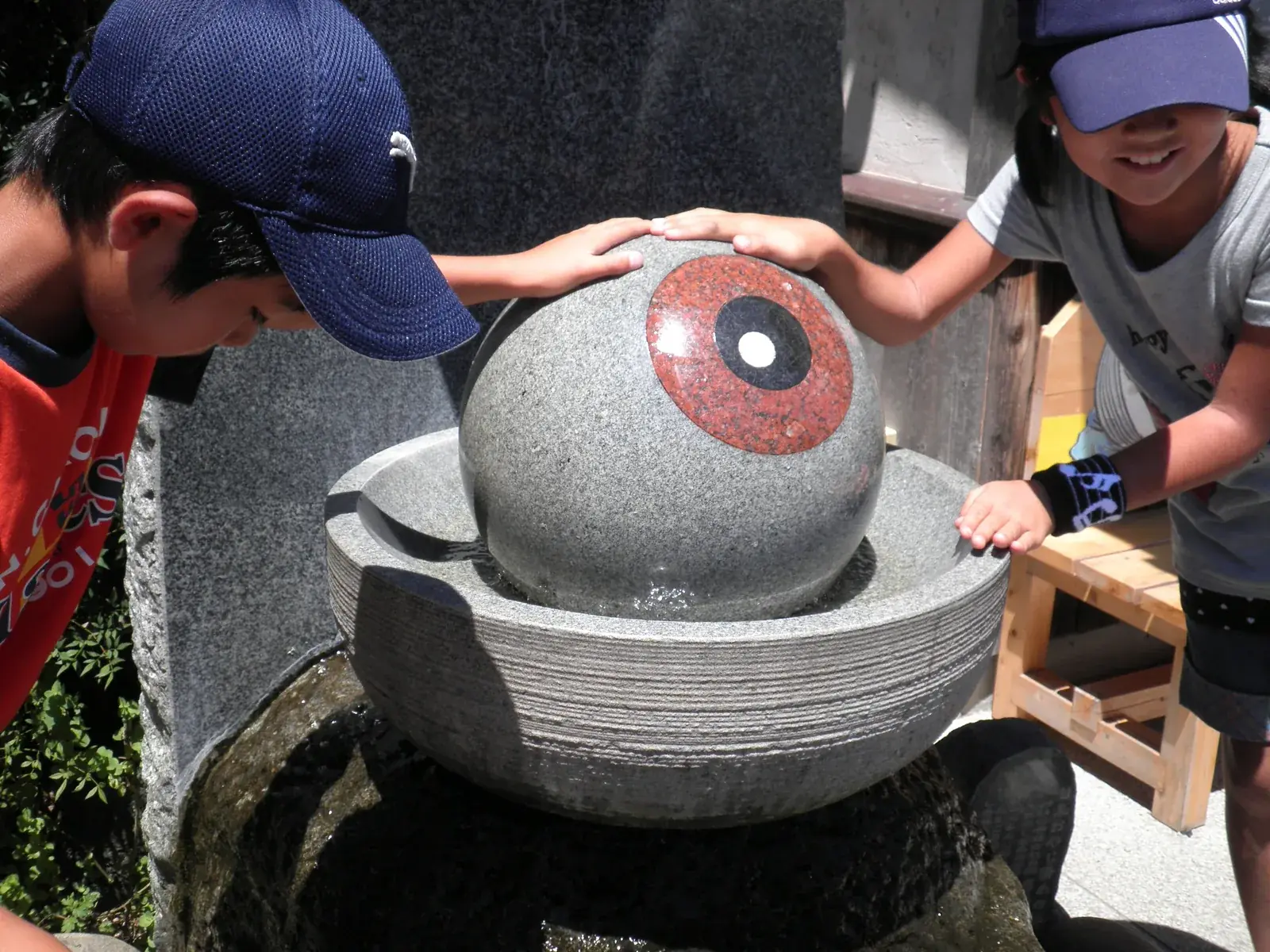
Their canonical look is now his drawing
Walk the 800 metres from the station slowly, then give the museum an hour. The war half is the part people skip.
Both pins on one map, so the distance is a fact rather than a feeling.
Each of these still lands you back aboard with the hour to spare on a 6-hour stop ashore.
A ride, not a walk. Smaller ships berth at Showa Wharf, about 30 minutes on foot from the station where the road begins — most calls run a shuttle. The largest ships use Sakai Yumeminato Terminal 6km south, with a shuttle (paid on some lines) or a ~15-minute taxi. The road itself is the easy part: 800 metres from the station to the museum, flat the whole way, lined with 177 bronze yokai.
Yes, and for a reason most visitors miss: alongside the yokai it covers his war experience at Rabaul, where he survived malaria and an air raid that killed his unit and lost his left drawing arm. His war comics are among the most respected in Japan.
Each one is a finished day we have walked and timed, with this stop in it. Read the route rather than assembling it yourself.
Each of these still lands you back aboard with the hour to spare.
 3 hr 30 min for both
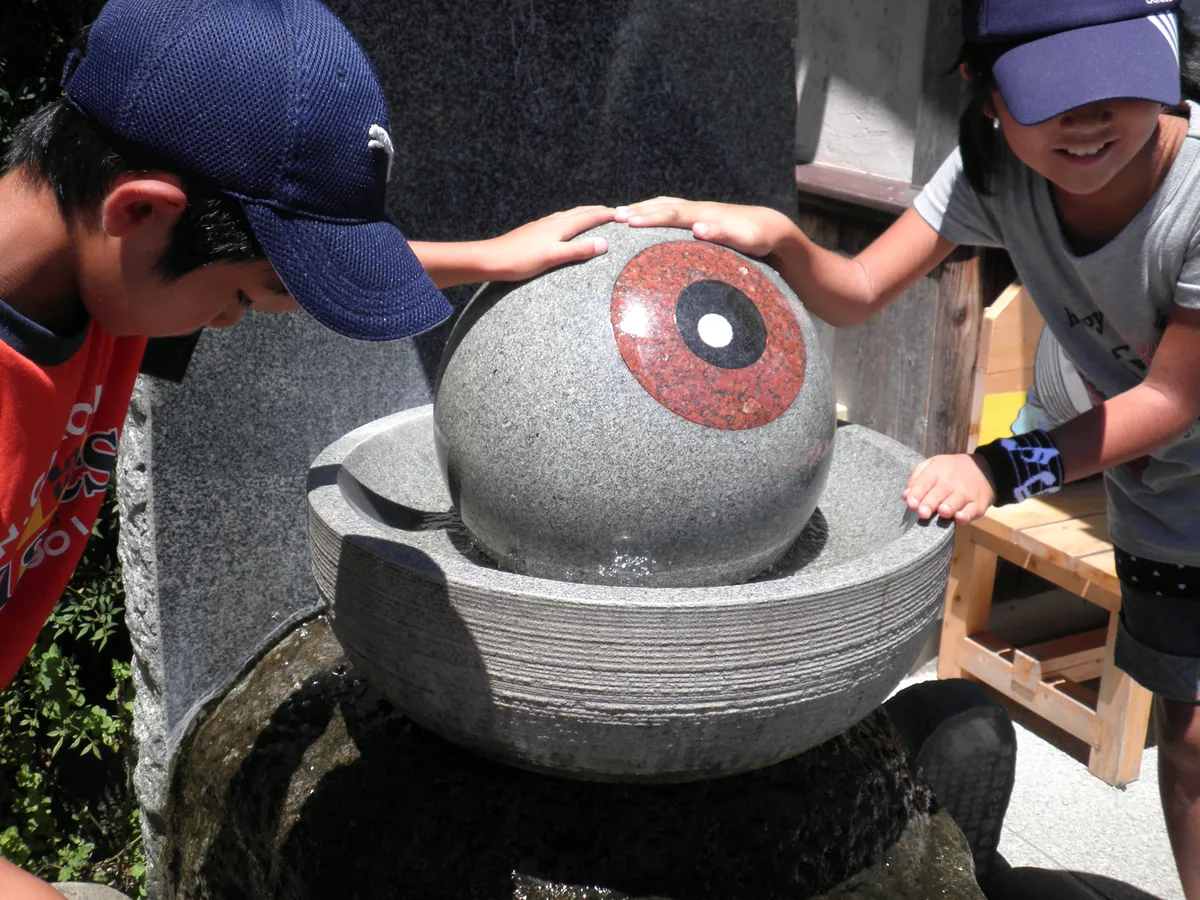
The Yokai Food Research Lab sells Medama-oyaji — an eerily accurate eyeball on a stick, in wagashi form.
See the detail →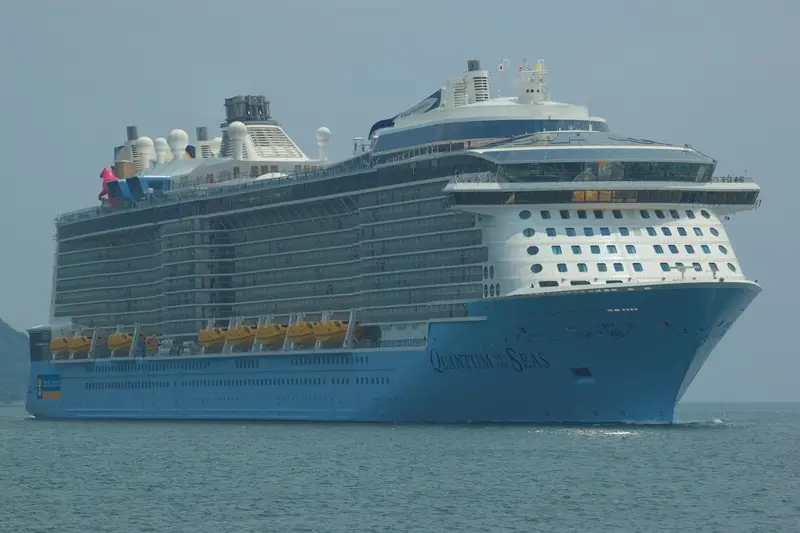 3 hr 30 min for both
Working fishing fleets, Mt.
See the detail → 4 hr for both
Pick your crab from the tank, have it boiled, crack it at the counter tables.
See the detail →No typing needed — jump straight in:
Just docked? — the gangway toolStart from your shipThe ride from every berthAsk the editorGlossary