Home / Sakaiminato / Culture
Culture & history · Sakaiminato 境港He lost an arm at Rabaul, learned to draw with the other one, and gave Japan its monsters back
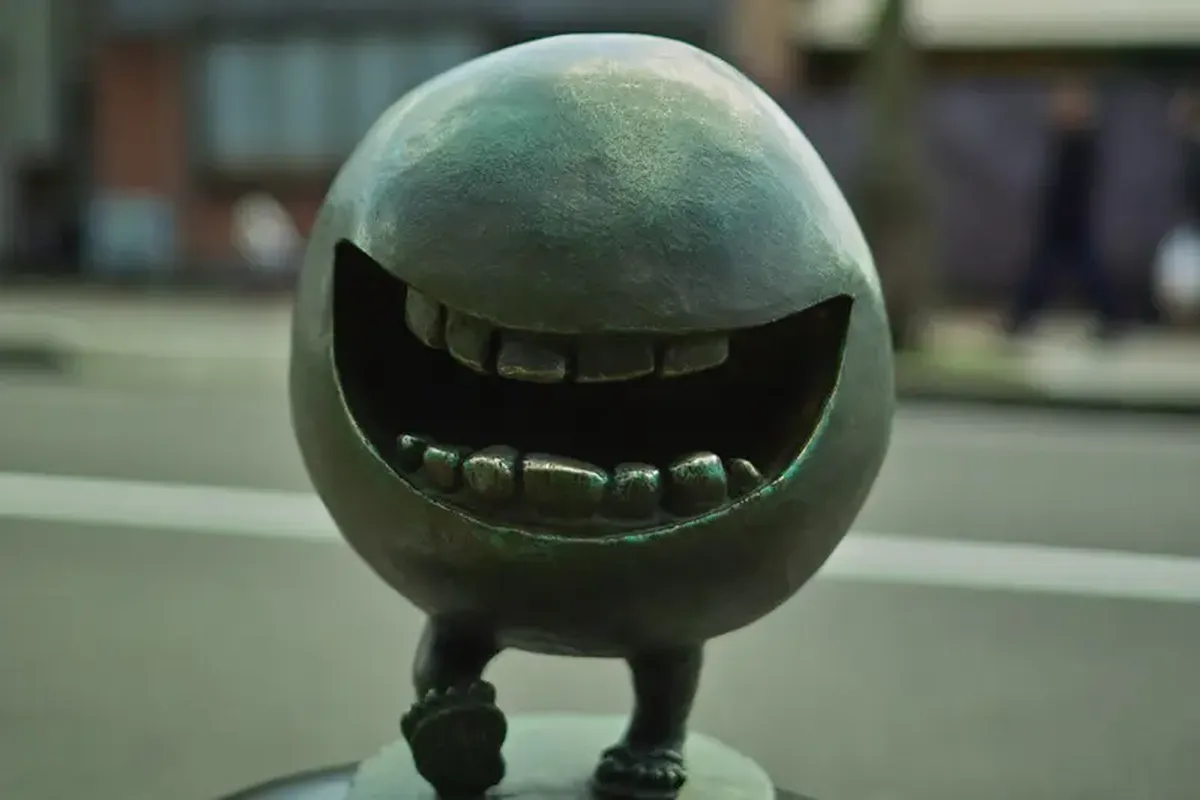
The street from Sakaiminato station is lined with around 177 bronze monsters. They are there because one man from this town was conscripted, sent to New Guinea, survived malaria and an air raid that killed his entire unit, lost his left arm, came home, taught himself to draw right-handed, and spent sixty years documenting Japan's folk monsters before they were forgotten.
Mizuki Shigeru was born in Osaka in 1922 and grew up in Sakaiminato. As a child he was told folk tales by an elderly local woman he called Nonnonba, and those stories — of the creatures that live in the gap between the human world and everything else — never left him.
He was conscripted and sent to Rabaul, in what is now Papua New Guinea. He contracted malaria. His unit was destroyed in an Allied air raid; he was the only survivor. He then lost his left arm — his drawing arm — to infection after being wounded.
He was cared for by the local Tolai people, learned some of their language, and later said he had considered staying. He came home in 1946 to a country that had lost, taught himself to draw with his right hand, and worked as a fishmonger and a rental-manga artist in extreme poverty for over a decade.
He did not become successful until his forties. He then worked, prolifically, until his death in 2015 at ninety-three.
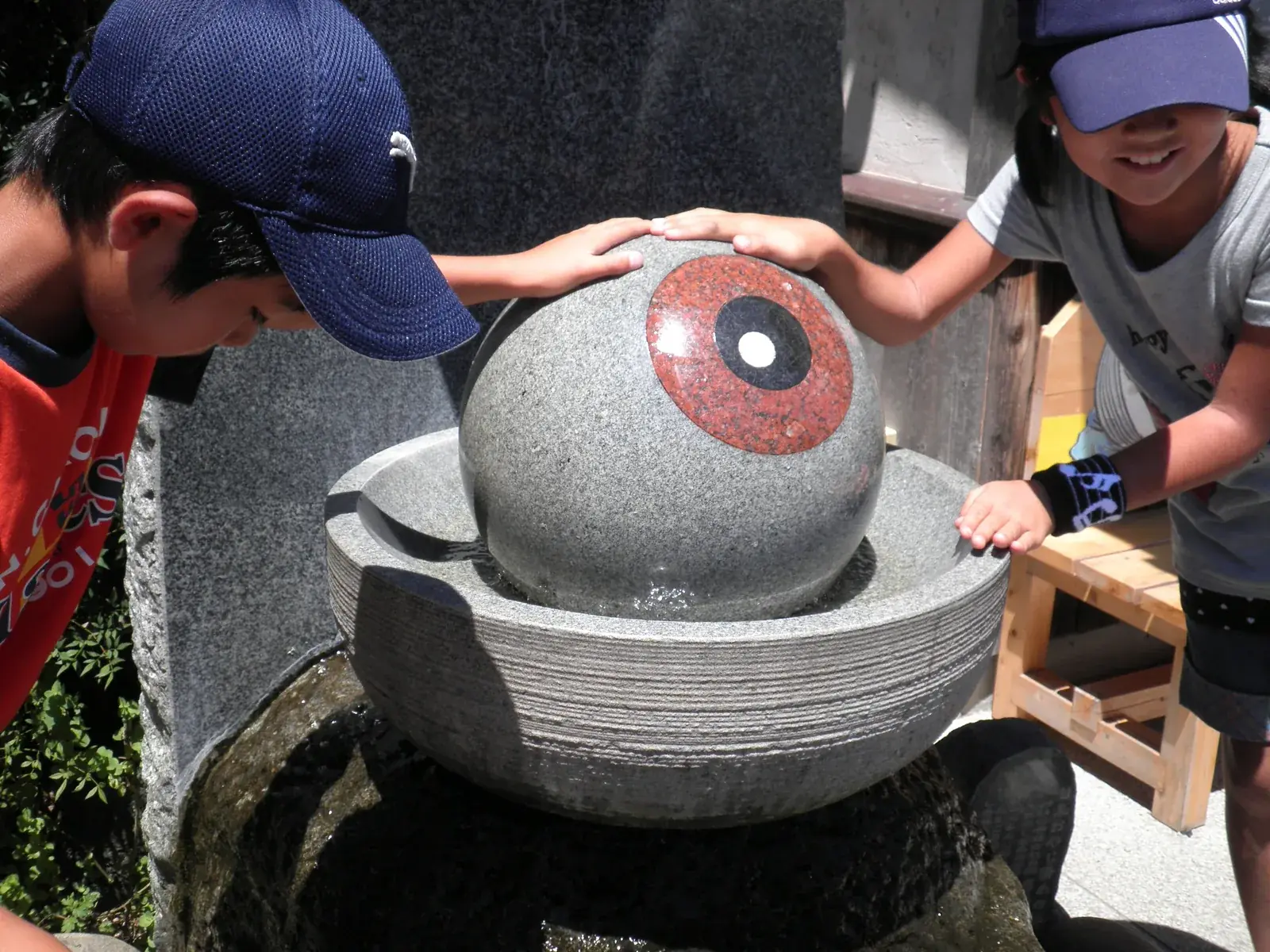
His famous work is GeGeGe no Kitaro — a boy of the yokai world, with one eye, and a father who is an eyeball on legs. It has been animated in every decade since the 1960s, which means every living generation of Japanese people met the yokai through him.
But the more serious achievement is that he catalogued them. He travelled, collected local folklore, and drew hundreds of creatures that existed only in regional oral tradition and were disappearing with the people who remembered them. Many yokai now have a canonical appearance, and that appearance is Mizuki's drawing.
He also drew the war. His autobiographical work about the Pacific is unsparing, angry about the officers, and among the most respected war comics in Japan. He was not sentimental about any of it.
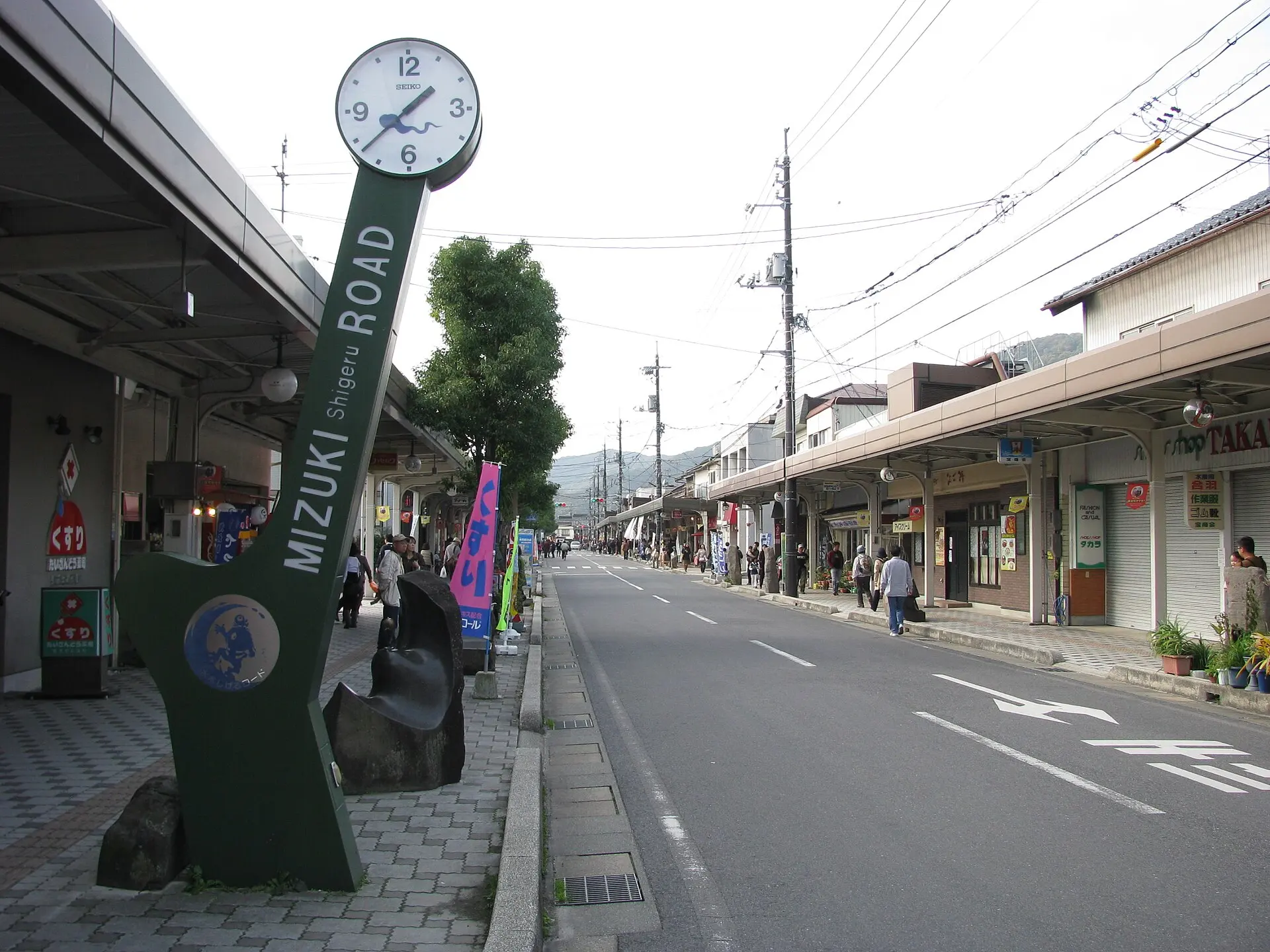
Mizuki Shigeru Road runs about 800 metres from the station into town, with around 177 bronze yokai figures set along it. It opened in 1993 with 23 statues and grew; the town was declining and the road was, frankly, a survival strategy. It worked.
The Mizuki Shigeru Museum at the far end handles both halves of him — the monsters and the war — and it is better than the street suggests.
And told folk tales by Nonnonba
The only survivor of his unit
Animated in every decade since
Their canonical look is now his drawing
23 statues, growing to around 177
Working almost to the end
Walk the 800 metres from the station slowly, then give the museum an hour. The war half is the part people skip.
A manga artist raised in Sakaiminato who was conscripted to Rabaul in the Pacific war, survived malaria and an air raid that killed his whole unit, lost his left drawing arm, taught himself to draw right-handed, and spent sixty years documenting Japan's folk monsters. He created GeGeGe no Kitaro and gave hundreds of regional yokai their now-canonical appearance.
An 800-metre street running from Sakaiminato station into town, lined with around 177 bronze yokai statues. It opened in 1993 with 23 figures as a regeneration strategy for a declining fishing town, and it worked — the manhole covers, streetlights, taxis and shop shutters are all committed to it now.
Not ghosts, not demons — the things that explain what you cannot explain
Read →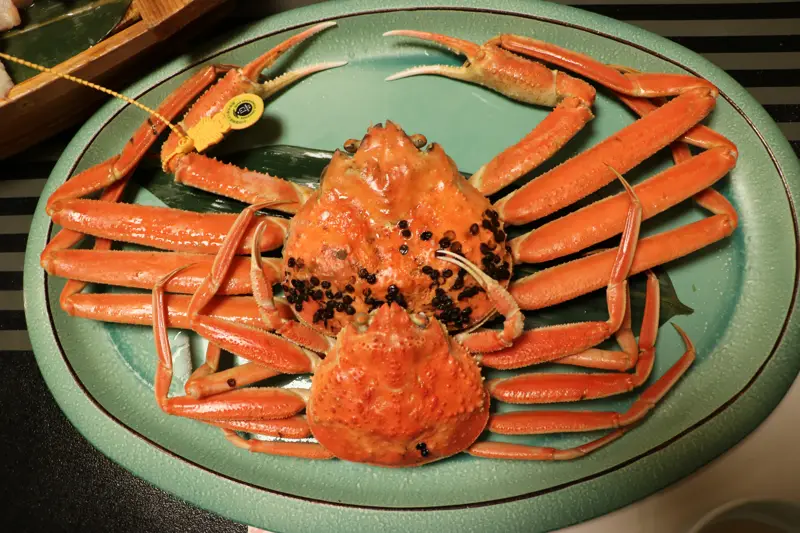
One of Japan's biggest fishing ports, and the snow crab that governs its calendar
Read →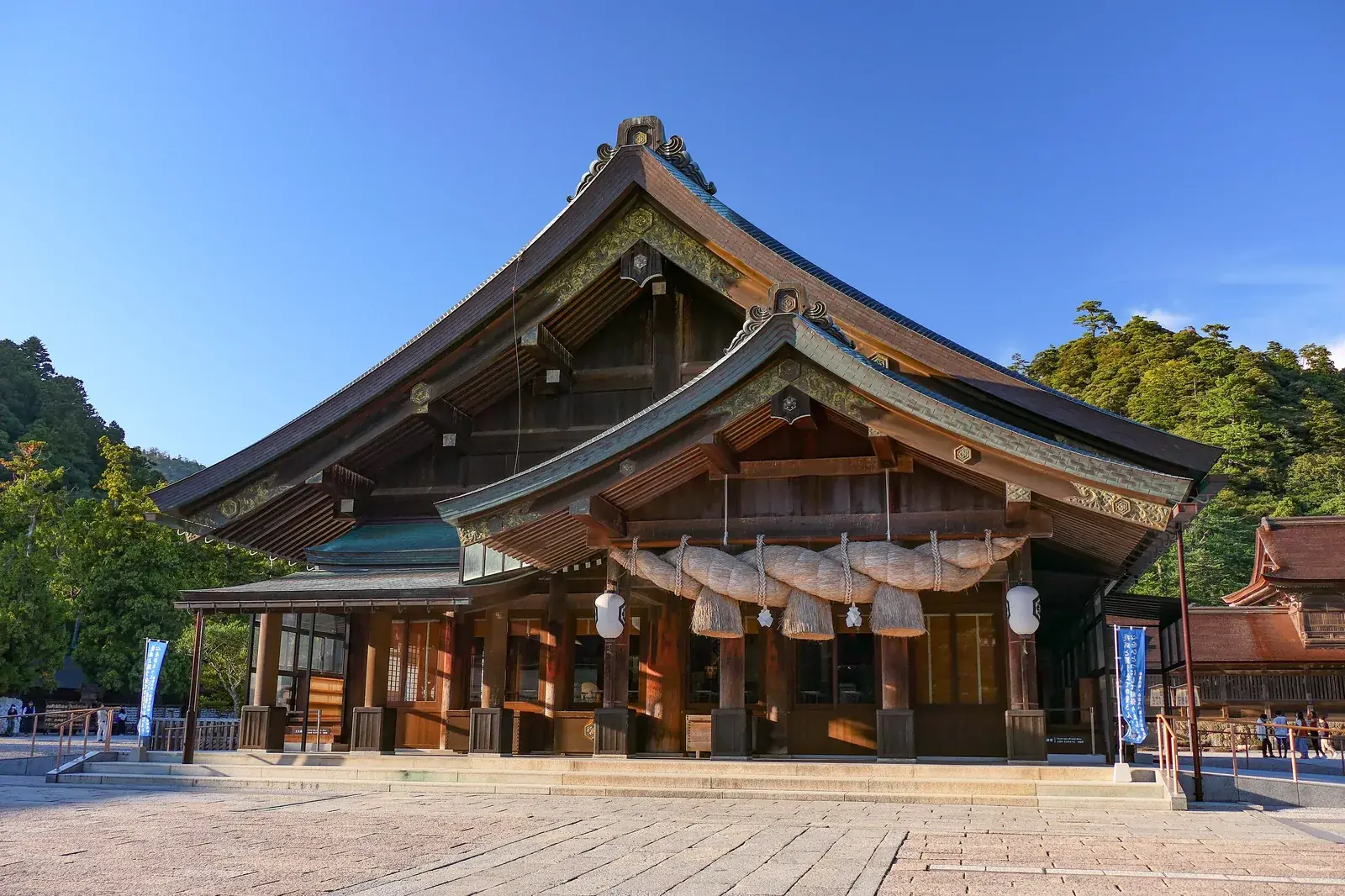
The month when every god in Japan leaves home and comes here
Read →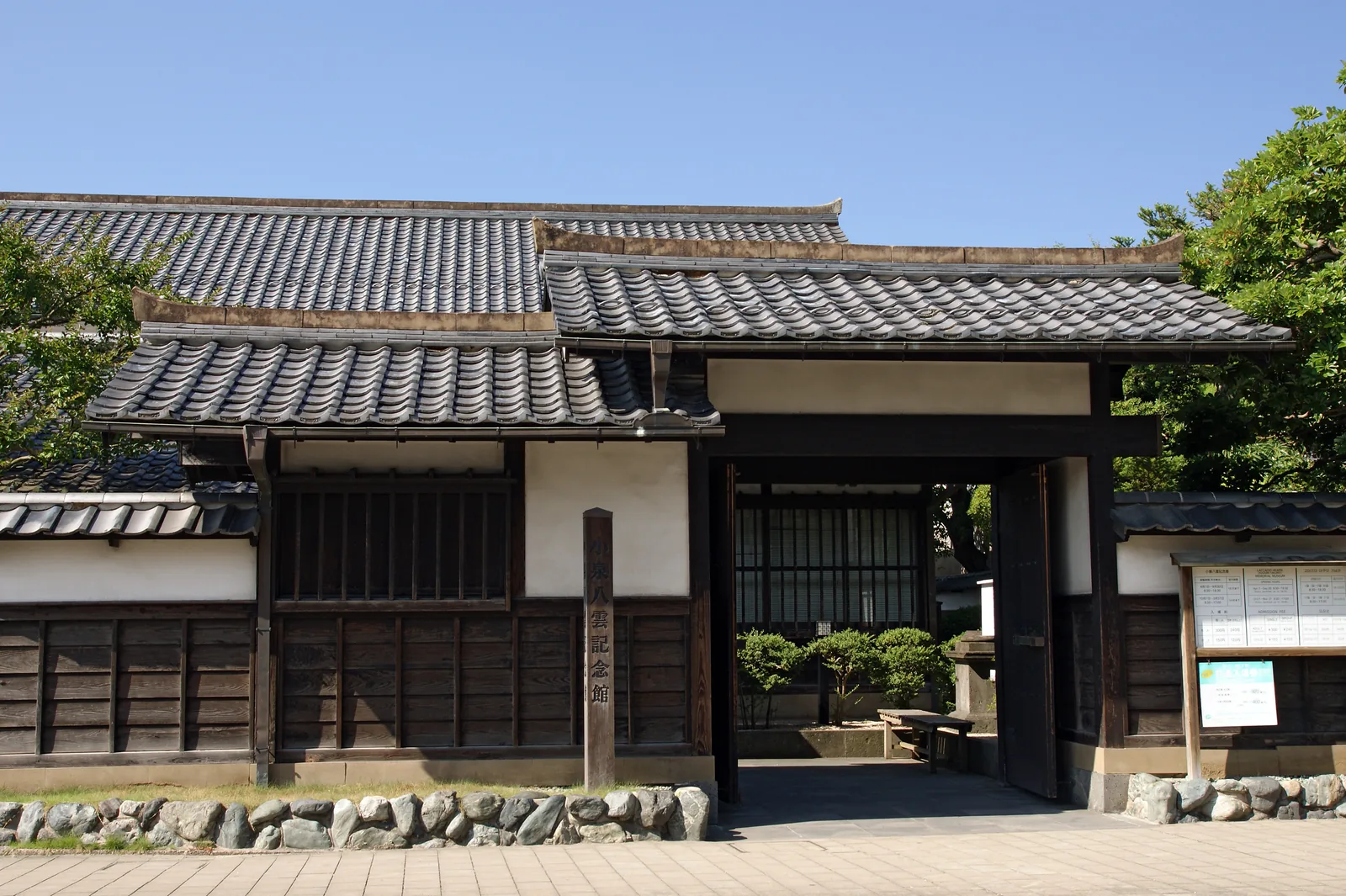
A Greek-Irish journalist who came for a year, stayed for life, and told the West its first Japanese ghost stories
Read →No typing needed — jump straight in:
Just docked? — the gangway toolStart from your shipThe ride from every berthAsk the editorGlossary