Home / Sakaiminato / Culture
Culture & history · Sakaiminato 境港One of Japan's biggest fishing ports, and the snow crab that governs its calendar
Sakaiminato regularly ranks among Japan's largest fishing ports by volume landed. Two things drive it: enormous seasonal runs of sardine, mackerel and squid, and — from November — the snow crab that this coast argues about with its neighbours.
The Sea of Japan here is cold and shallow over a wide shelf, and the seabed off Tottori and Shimane is prime ground for zuwai-gani, snow crab. The season opens in early November and runs to around March, and it reorganises the entire local economy for those months.
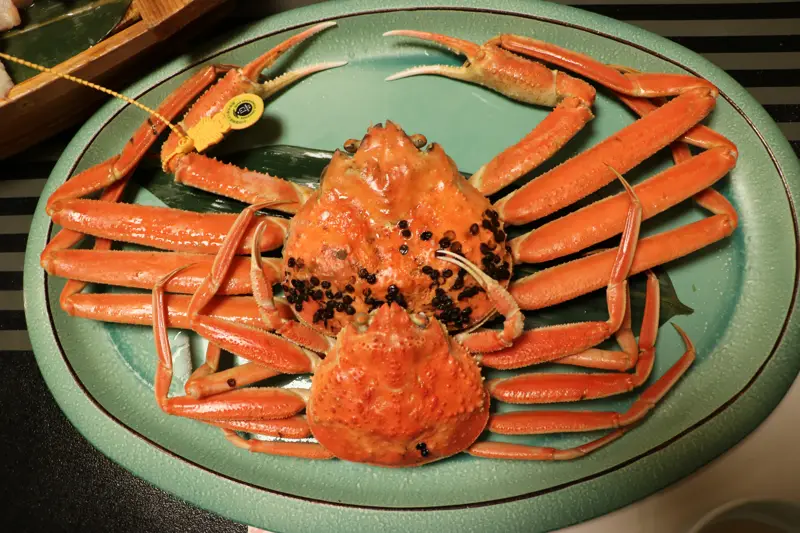
It is the same species everywhere, and every region insists on its own name. Here it is matsuba-gani — "pine needle crab," for the shape of the legs. In Fukui it is echizen-gani. In Kyoto Prefecture it is taiza-gani. In Kanazawa it is simply zuwai.
These are not marketing inventions so much as a genuine, long-running regional argument about whose is best, conducted at auction prices. Individual outstanding crabs are branded and tagged and sold for extraordinary sums at the season's first auction.
The smaller female — here called oyagani — has a much shorter season and is bought for the roe, not the meat. Locals often prefer it, and it costs a fraction of the male.
There is a second crab: beni-zuwai, red snow crab, caught deeper and available for much more of the year. It is sweeter, more watery, and much cheaper.
Purists dismiss it. It is also what a great many local people actually eat, and on a cruise budget it is the sensible choice — a whole beni-zuwai costs less than a few legs of matsuba.
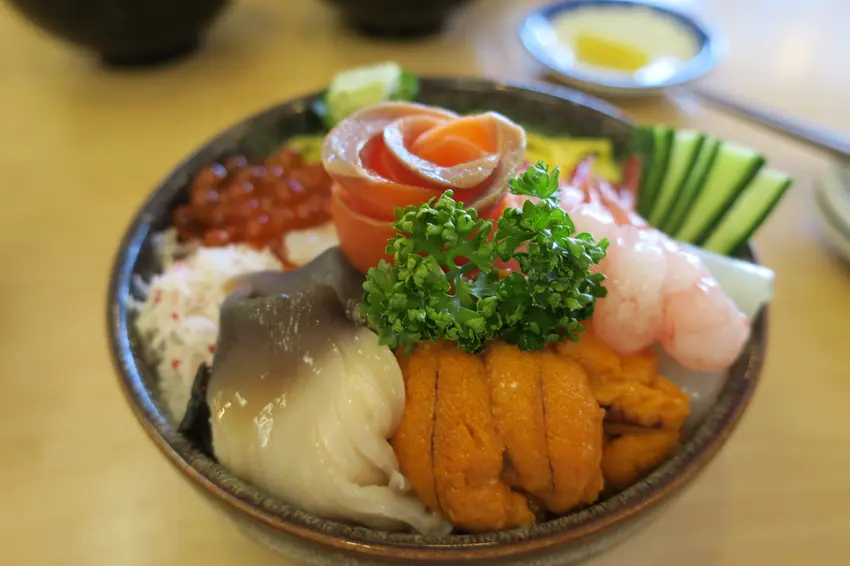
Outside crab season this port lands enormous volumes of maaji (horse mackerel), saba, sardine and squid, and in summer the local speciality is iwagaki — rock oysters, which are a summer shellfish here rather than a winter one, and are large enough that one is a serving.
The direct-sales market beside the port sells all of it and will pack for travel. It is a working market with cruise passengers in it, not a market for cruise passengers.
Running to about March
For sums that make national news
A summer shellfish here, and very large
Sardine, mackerel, horse mackerel, squid
In season, eat matsuba-gani. Out of season, order beni-zuwai or iwagaki instead — and do not pretend it is the same.
From early November to around March. Male snow crab is called matsuba-gani here — "pine needle crab" — while other regions along this coast use their own names for the same species. The smaller female, oyagani, has a much shorter season and is bought for its roe.
Beni-zuwai (red snow crab), which is caught deeper, available most of the year and much cheaper; or iwagaki rock oysters in summer, which are large enough that one is a serving; or a horse mackerel bowl. Do not order matsuba-gani between April and October — it will be frozen or imported.
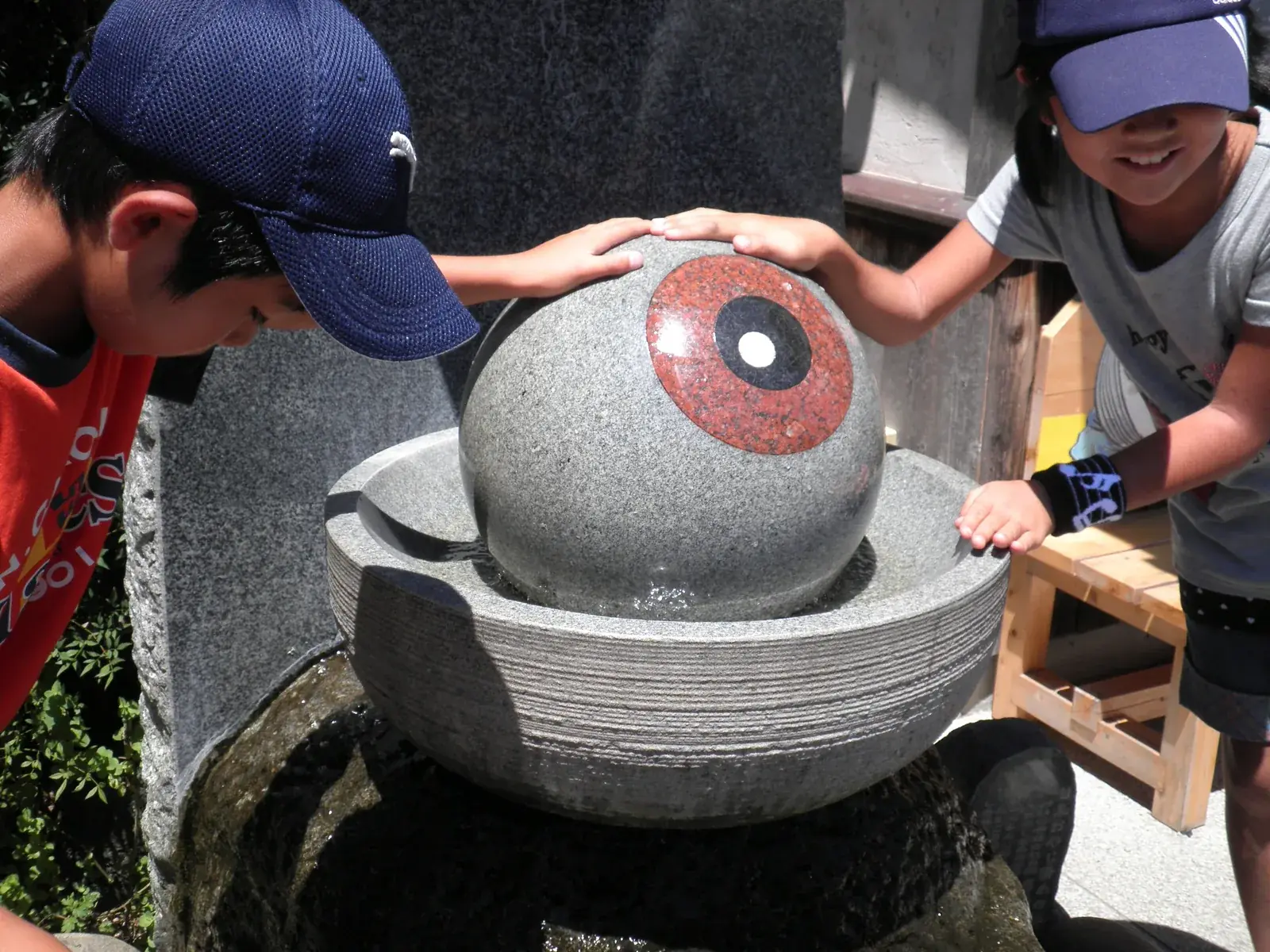
He lost an arm at Rabaul, learned to draw with the other one, and gave Japan its monsters back
Read →
Not ghosts, not demons — the things that explain what you cannot explain
Read →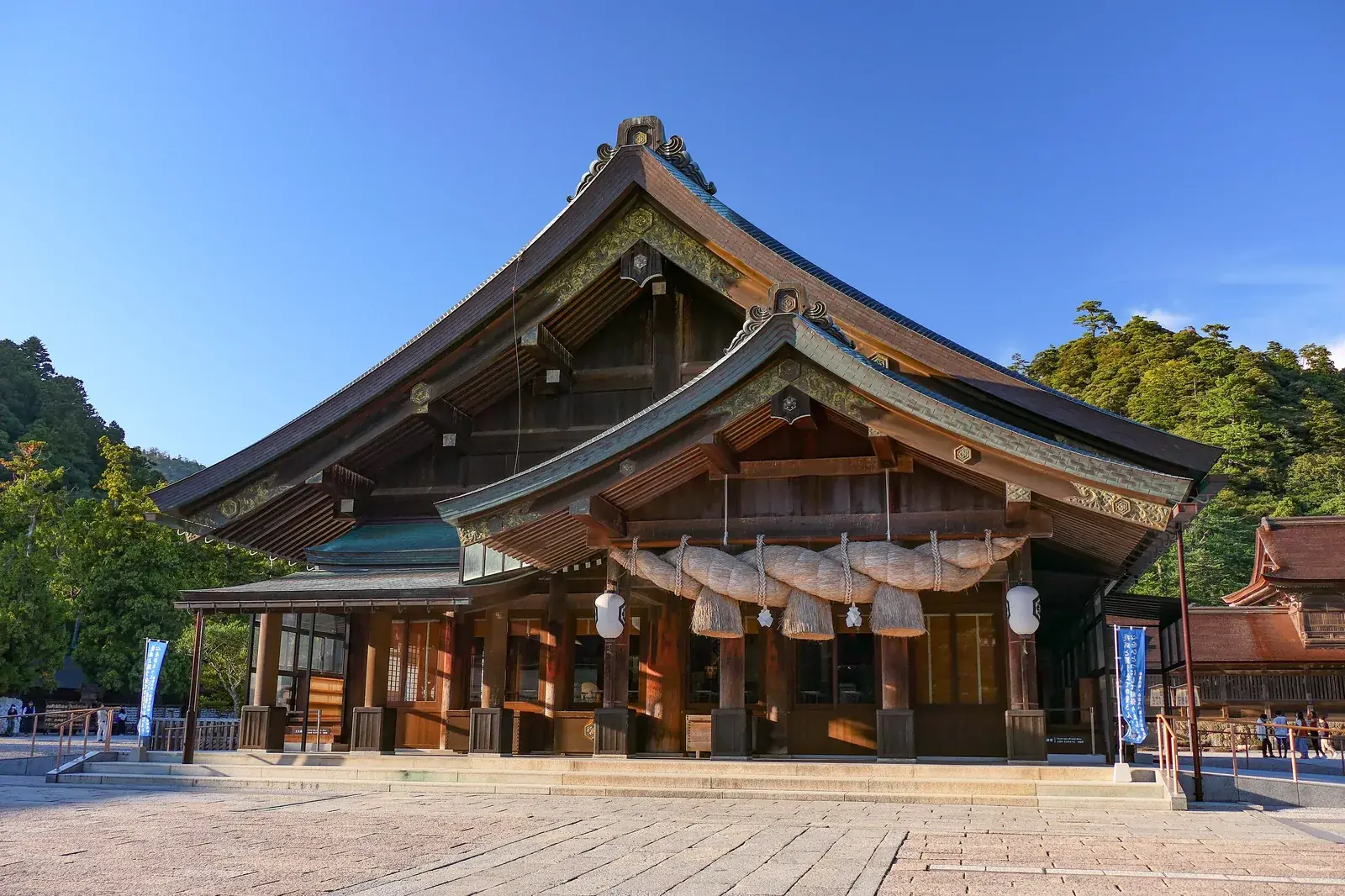
The month when every god in Japan leaves home and comes here
Read →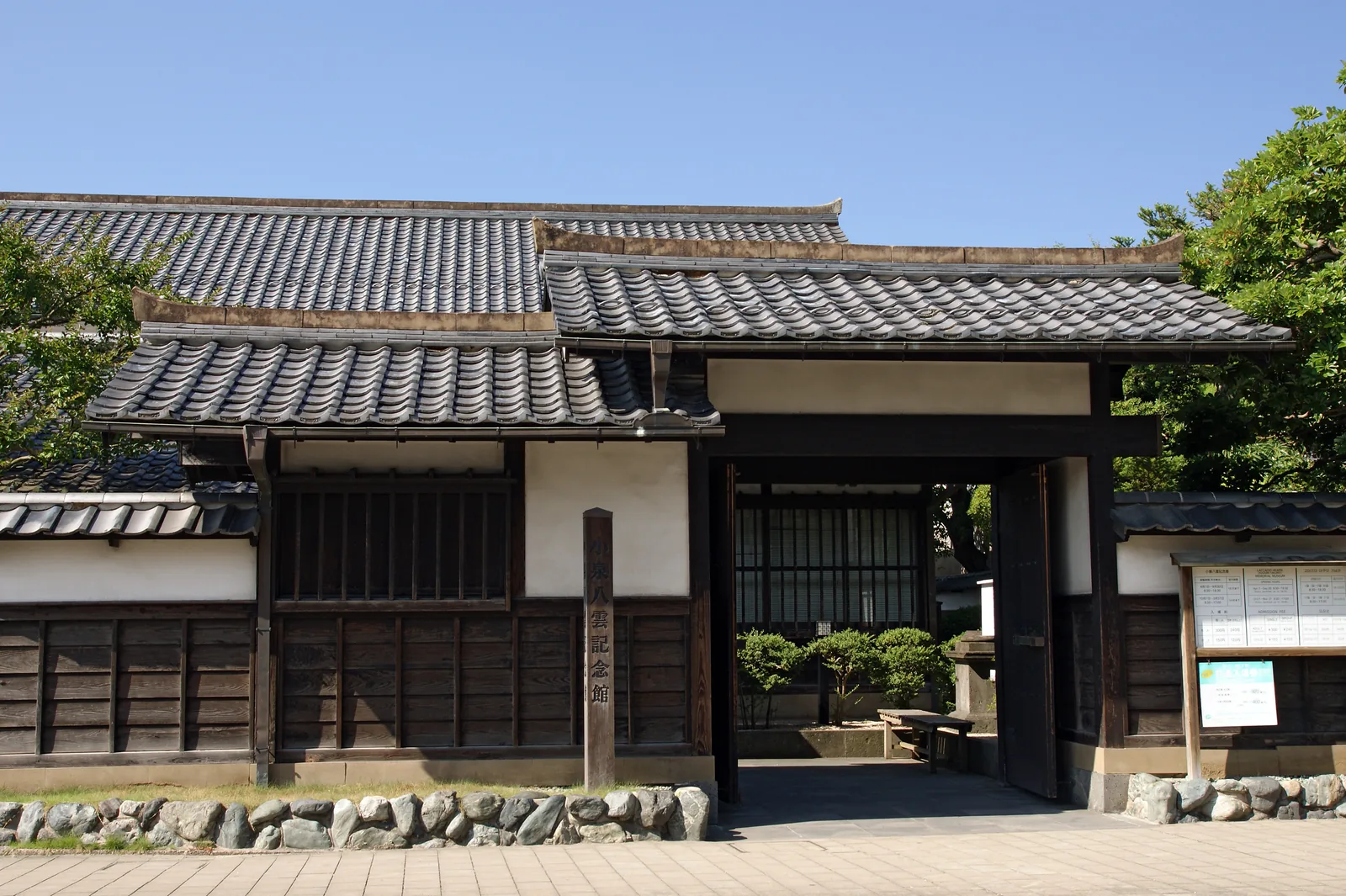
A Greek-Irish journalist who came for a year, stayed for life, and told the West its first Japanese ghost stories
Read →No typing needed — jump straight in:
Just docked? — the gangway toolStart from your shipThe ride from every berthAsk the editorGlossary