PORT OF JAPAN
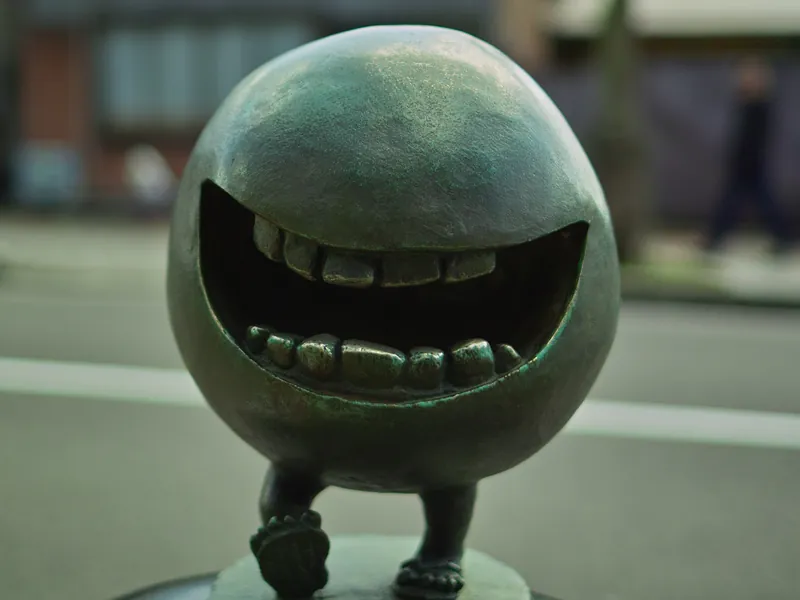
The Mizuki Shigeru Road of yokai monster statues in Sakaiminato

Home / Ports / Sakaiminato / Culture

Culture & history · Sakaiminato

Why Sakaiminato is Sakaiminato

The things that happened here and only here, told properly, then tied to what you can see, taste and book while your ship waits.

Photo: Adobe Stock / Licensed

Checked against official sources · updated · Takumi Yamada

What Sakaiminato is

Sakaiminato in 5 stories

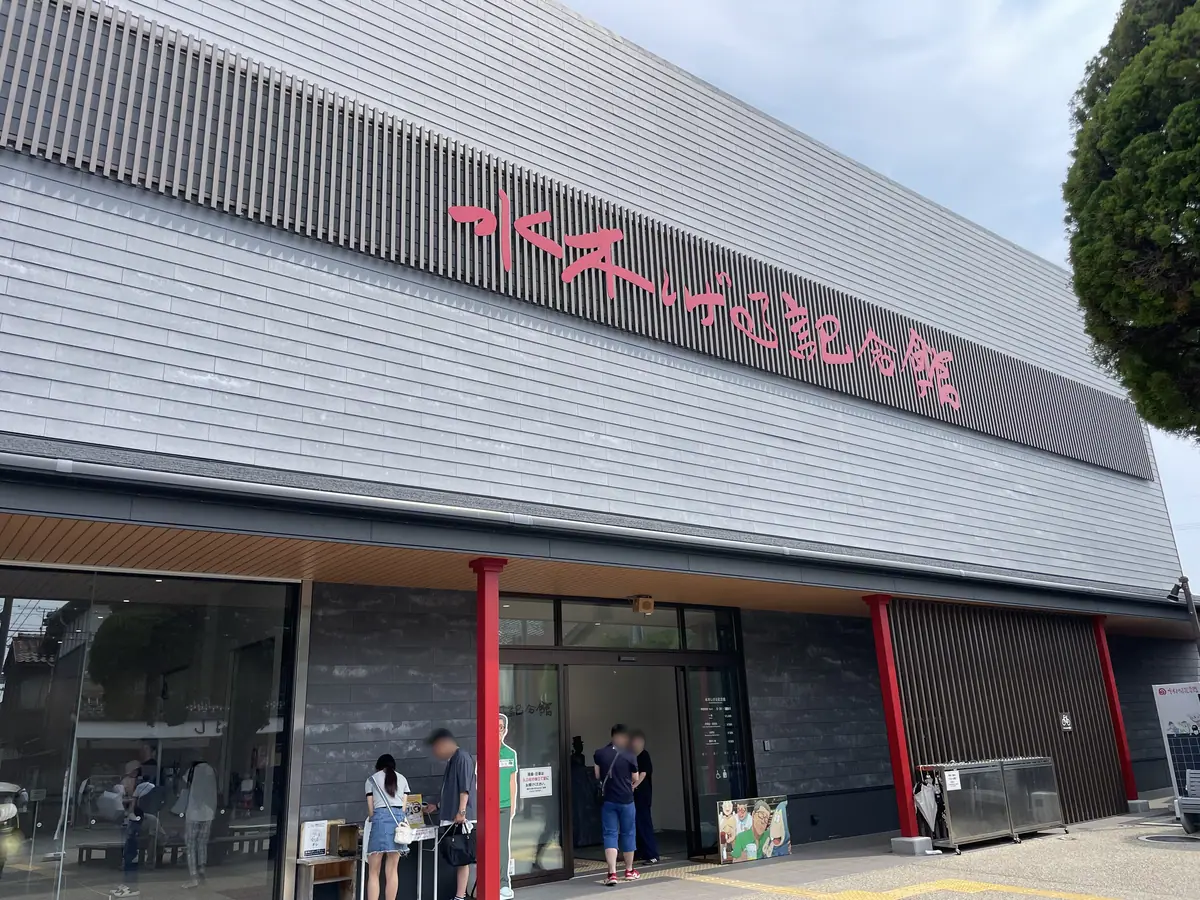
Sakaiminato is a fishing port regularly among Japan's largest, and the hometown of Mizuki Shigeru, the manga artist who gave Japan its folk monsters back. Its main street carries 178 bronze yokai along 800 m to his museum, and from November comes the snow crab this coast argues over with its neighbours. Out of town are Matsue Castle's original keep and the Adachi Museum's garden; every ship docks at Yumeminato, 15 minutes by taxi from the yokai road.

Bronze yokai figures along Mizuki Shigeru Road in Sakaiminato
01 · The man

Mizuki Shigeru

The street from Sakaiminato station is lined with 178 bronze monsters. They are there because one man from this town was conscripted, sent to New Guinea, survived malaria and an air raid that killed every man at his post, lost his left arm, came home, taught himself to draw right-handed, and spent sixty years documenting Japan's folk monsters before they were forgotten.

Read the story
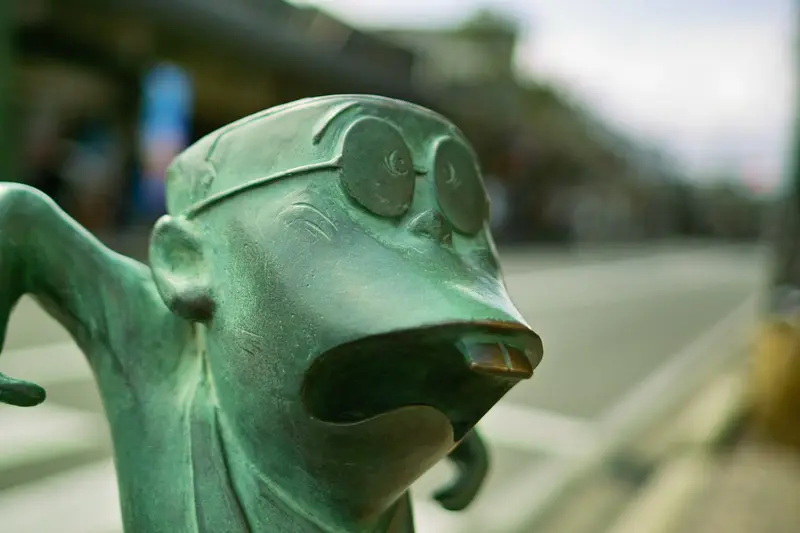
A bronze yokai figure in Sakaiminato
02 · The creatures

Yokai

A yokai is not the spirit of a dead person and it is not a devil. It is the answer to a specific unanswered question: why does that road feel wrong at night, why did the wall suddenly seem impassable, why did an umbrella that has lasted a hundred years suddenly grow a face.

Read the story
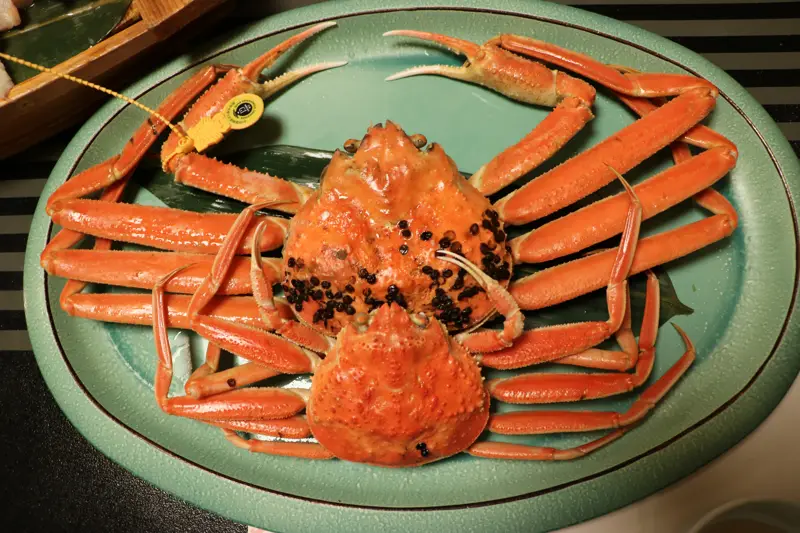
Snow crab at a market in western Japan
03 · The catch

Crab

Sakaiminato regularly ranks among Japan's largest fishing ports by volume landed. Two things drive it: enormous seasonal runs of sardine, mackerel and squid, and — from November — the snow crab that this coast argues about with its neighbours.

Read the story
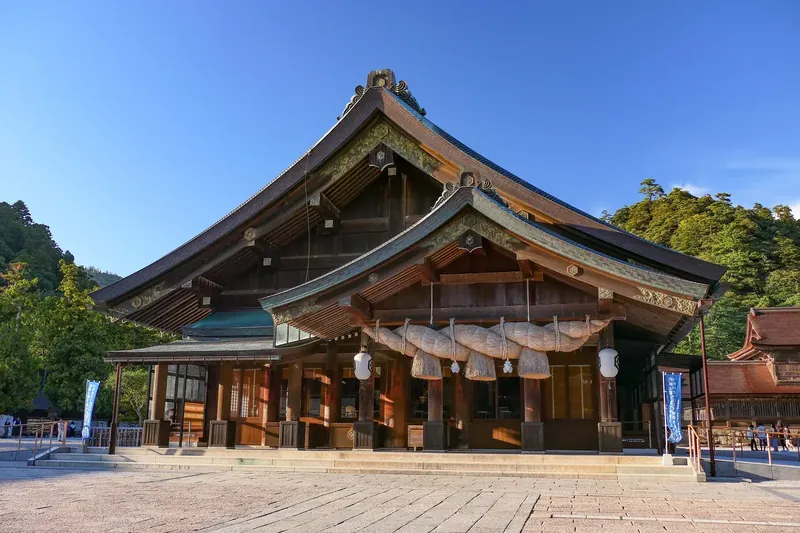
The worship hall of Izumo Taisha with its enormous straw rope
04 · The shrine

Izumo

Across most of Japan the tenth lunar month is called Kannazuki — "the month with no gods." In this one region it is called Kamiarizuki — "the month with gods." The explanation is that they have all travelled here, to Izumo Taisha, for an annual conference about who should marry whom.

Read the story
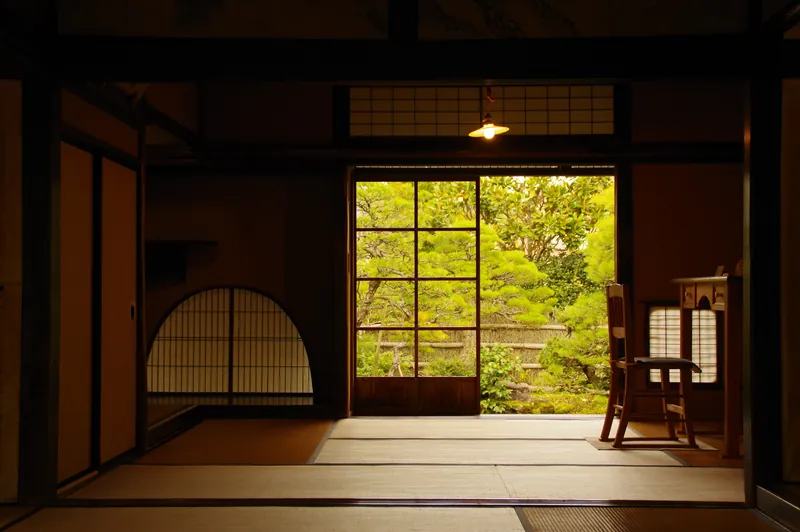
Lafcadio Hearn’s old residence in Matsue, looking out onto its garden
05 · The outsider

Koizumi Yakumo

Lafcadio Hearn arrived in Matsue in 1890 as a foreign correspondent, blind in one eye, half Greek and half Irish, having already lived in Ireland, England, America and the Caribbean. He stayed in Japan, married into a samurai family, took Japanese citizenship and a Japanese name, and wrote the books that shaped how the West imagined this country for fifty years.

Read the story
The year in Sakaiminato

When to come, and what you'll find

Cruise seasons run spring to autumn, but the port changes underneath them.

MarchCold easing

The tail of crab season, and very few visitors anywhere.

AprilCherry blossom at Matsue Castle

One of the twelve original keeps, with a moat full of petals.

MayThe best walking month

Dry, mild, and the Adachi Museum gardens at their sharpest.

June–JulyRainy season, then iwagaki

Rock oysters come in — a summer shellfish here, and very large.

AugustHot and humid

Yokai Road is exposed. Go early or late; the museum is the midday answer.

SeptemberTyphoon watch

Then clear air, and the last of the summer oysters.

OctoberClear and comfortable

The best month overall. Izumo works well on a long call.

NovemberMatsuba-gani season opens

Early November. The port reorganises around it for five months.

Dec–FebGrey, cold, and the best crab of the year

Few ships. If your call lands here, order matsuba-gani without hesitating.

Read the culture, then plan the clock: the Sakaiminato day plans and the Top 10 turn all of this into a day that ends at the gangway with an hour to spare.