Home / Ports / Sakaiminato / Top 10
The definitive list · Sakaiminato10 things to do in Sakaiminato
Ranked by one question: if you had a single call here, what would you regret missing? Every entry carries the round-trip time from the berth.
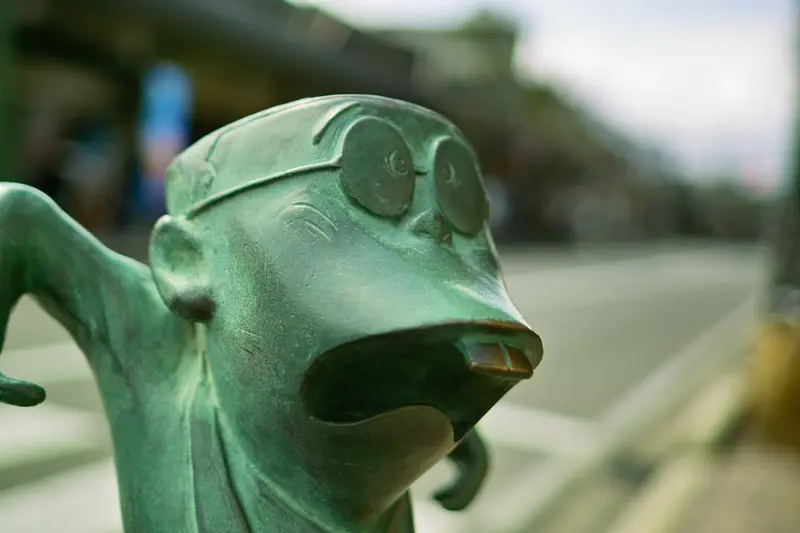
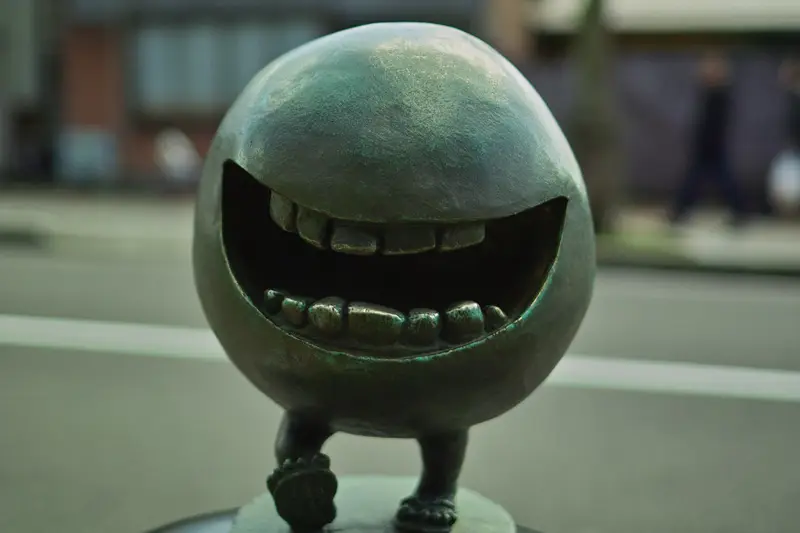
Mizuki Shigeru Road
178 bronze yokai spirits line the 800 metres from the station to the museum — Japan’s strangest, most charming main street, drawn from the manga master born here. Flat, free, unmissable.
Shuttle/taxi to the stationFull guide: Mizuki Shigeru Road →Mizuki Shigeru Museum
The life behind the monsters — war, lost arm, late fame — told with the warmth that made GeGeGe no Kitaro a national treasure. A free English smartphone audio guide covers the exhibits; allow 30–60 minutes.
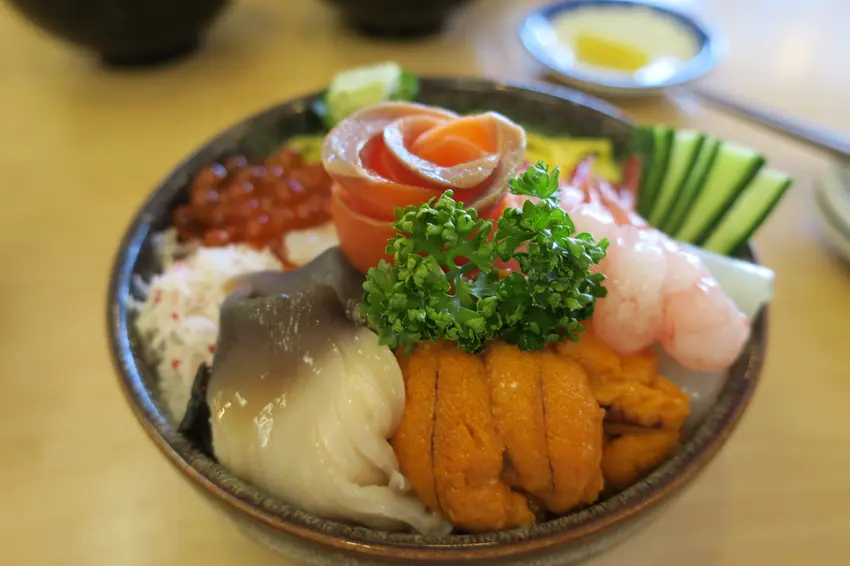
On the RoadFull guide: Mizuki Shigeru Road →Crab don at the market
Japan’s biggest crab port puts the morning’s catch straight over rice — red snow crab most of the year, matsuba in winter. The direct-sales center food hall is the honest venue.
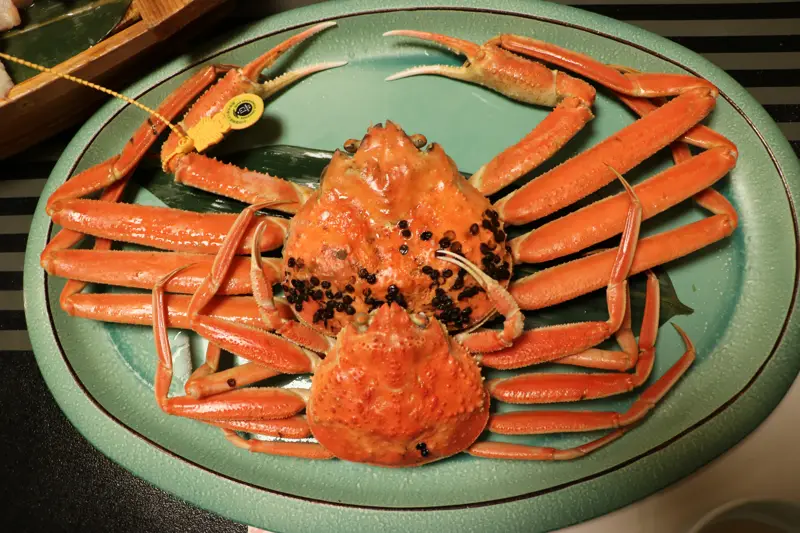
Short taxiGoogle Maps →Whole crab, boiled to order
Pick your crab from the tank, have it boiled, crack it at the counter tables. Cheaper than any restaurant and twice the theater — vendors will teach you the leg technique.
Direct-sales centerGoogle Maps →
Adachi Museum of Art gardens
Ranked Japan’s best garden for 23 consecutive years — living landscapes framed like paintings behind glass. It needs the tour bus, and it repays every minute.
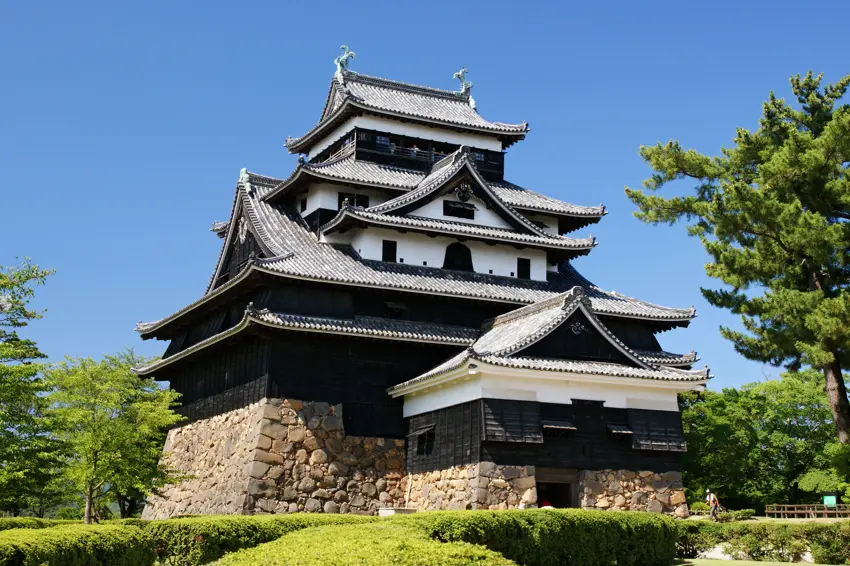
Matsue Castle
One of five original castles ranked National Treasure — black, brooding, never burned. The lake-city around it pairs on the same excursion day as Adachi.
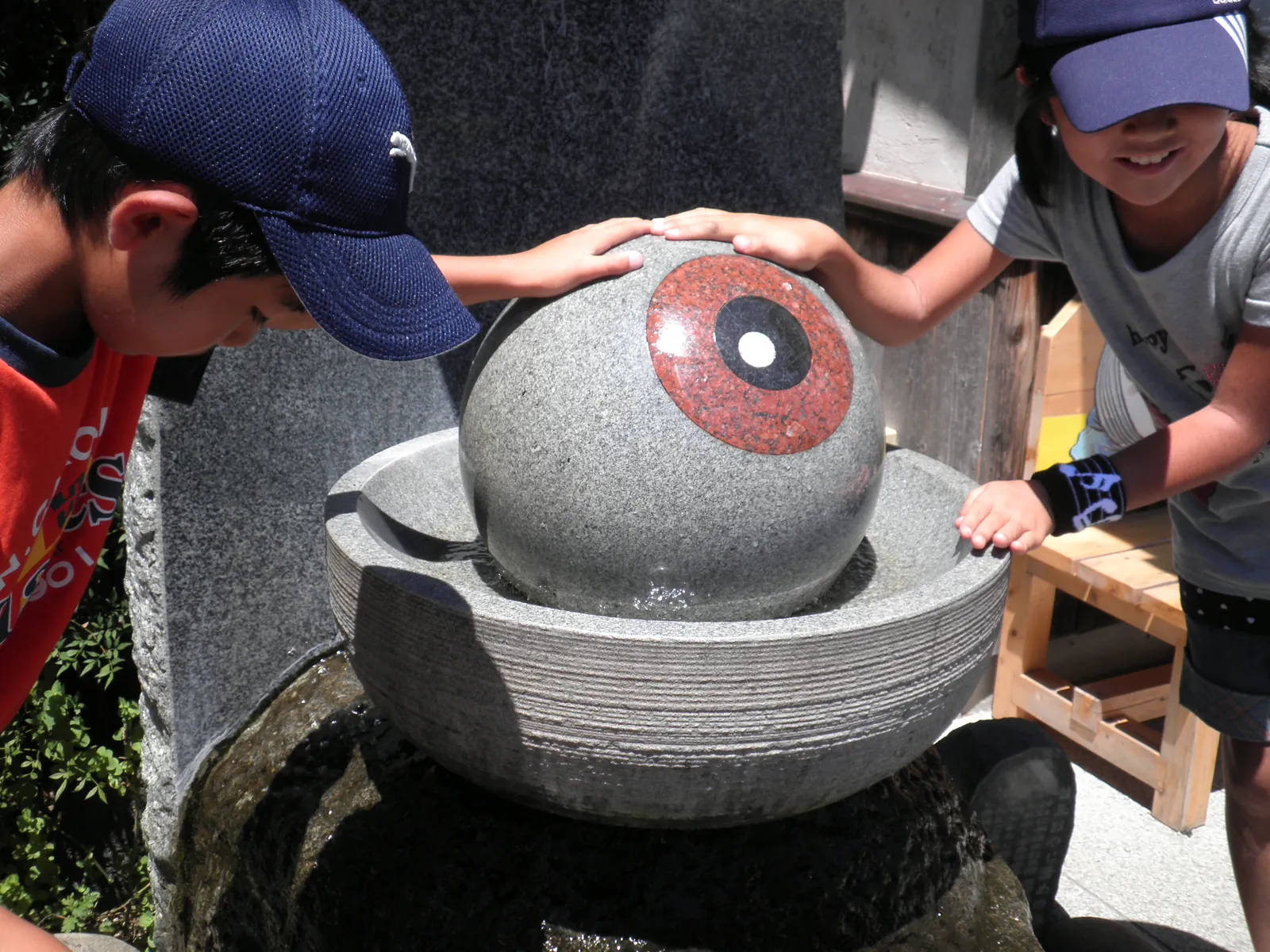
Yokai sweets: the eyeball daddy
The Yokai Food Research Lab sells Medama-oyaji — an eerily accurate eyeball on a stick, in wagashi form. The souvenir photo and the souvenir, in one.
On the RoadGoogle Maps →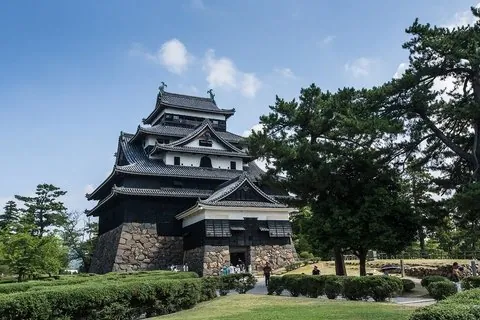
Matsue Castle and the Adachi gardens, semi-private
A five-hour small-group tour built for cruise passengers: Matsue Castle, one of the few original keeps left in Japan, and the Adachi Museum of Art’s gardens. The region’s two big sights in one run, with the transport arranged.
Sakai channel & lighthouse walk
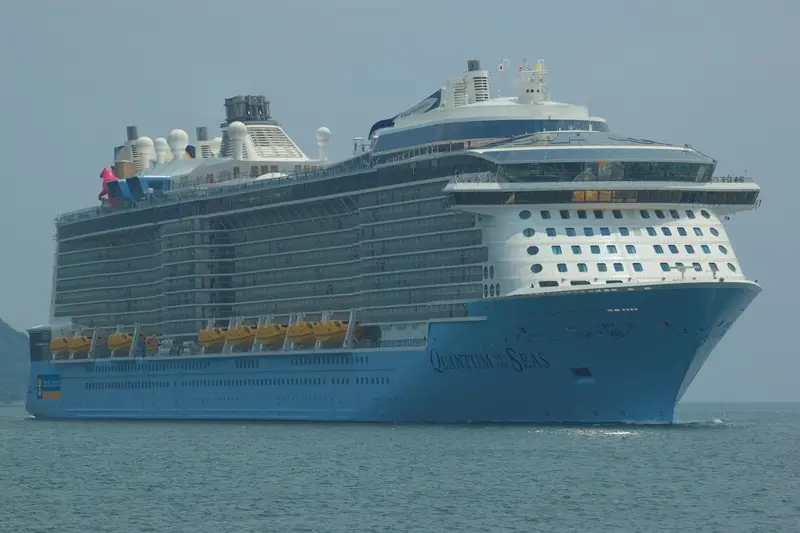
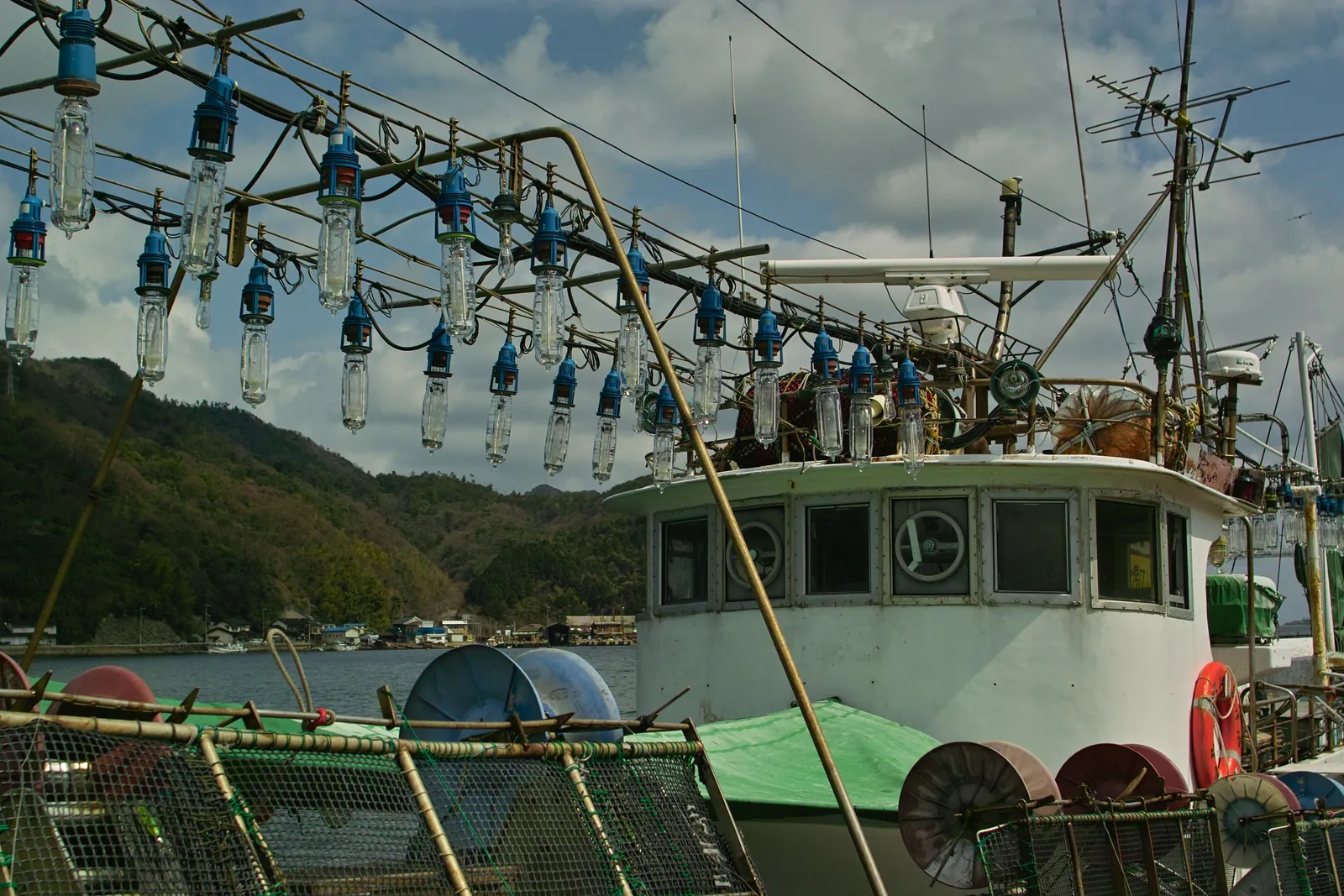
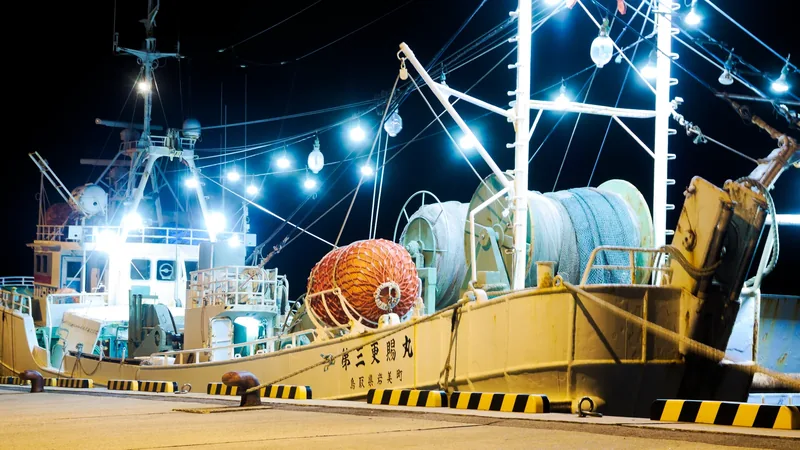
Working fishing fleets, Mt. Daisen on the horizon, and your own ship dominating the channel — the harbor walk photographs better than most sights.
On footGoogle Maps →Nodoguro, the throat-black snapper
The San'in coast’s prized fatty white fish — grilled simply, it outclasses toro for half the price. If a menu lists nodoguro, stop deliberating.
Market / station areaGoogle Maps →