
Home / Ports / Sakaiminato / Mizuki Shigeru Road
Spot guide · SakaiminatoMizuki Shigeru Road
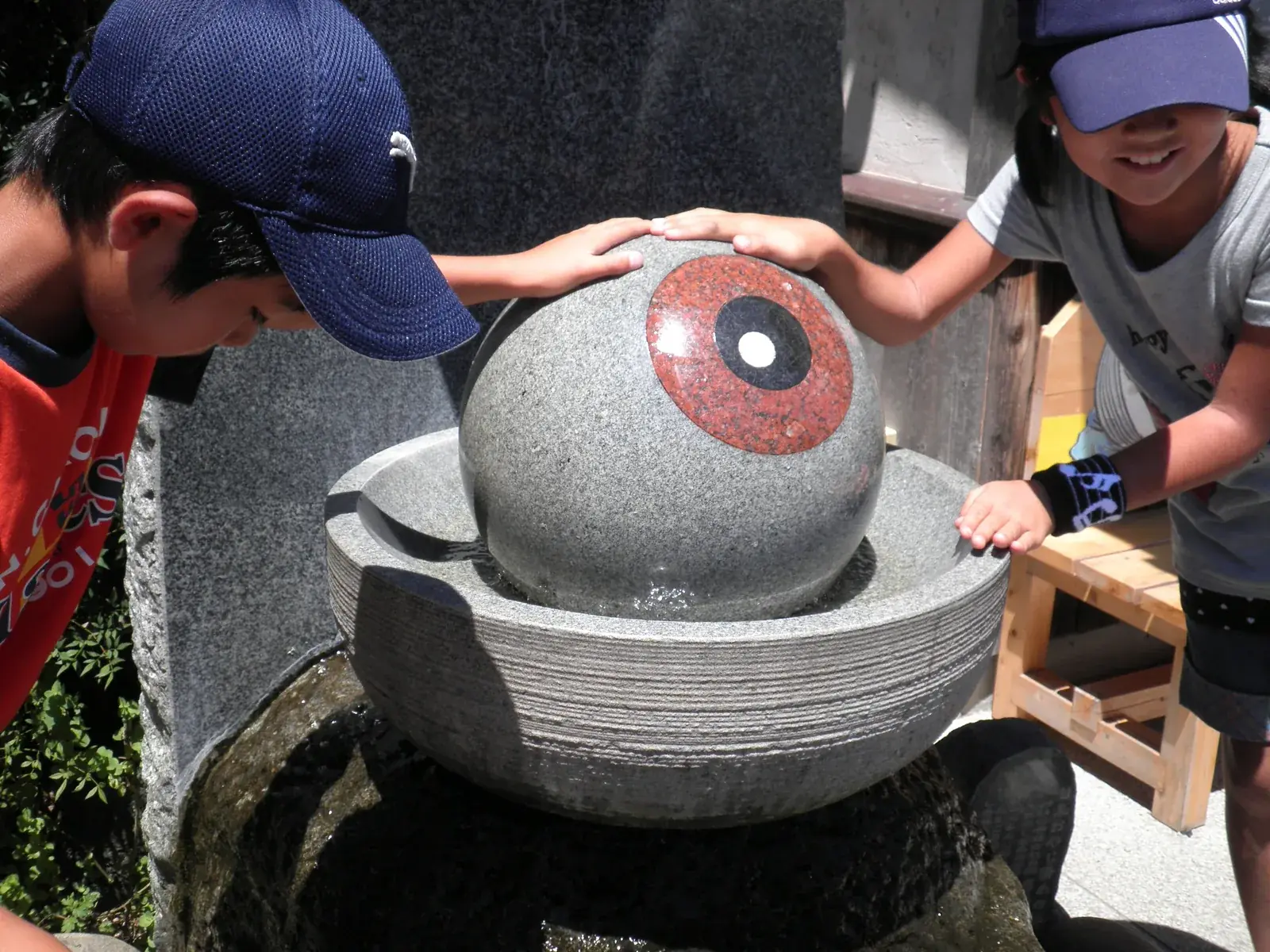
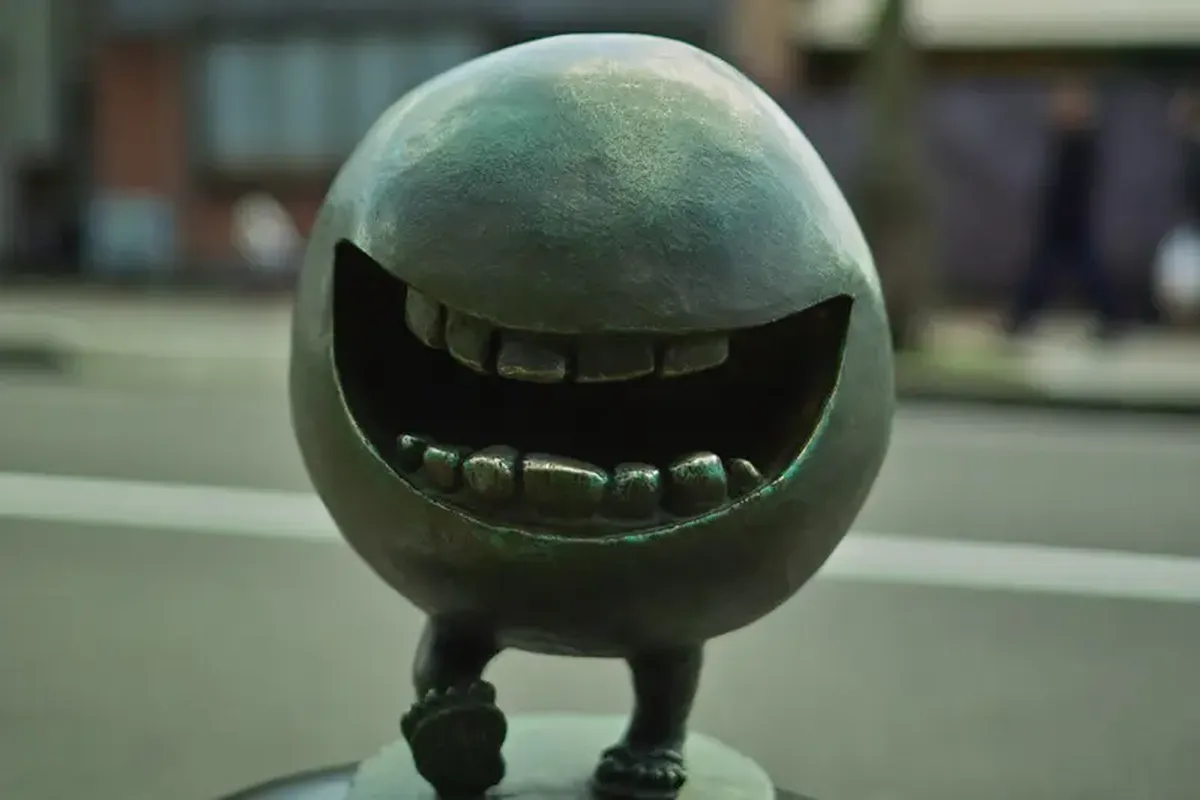
One hundred and seventy-seven bronze monsters, 800 metres
Around 177 bronze yokai line 800 metres of street, and they are here because Mizuki Shigeru grew up in this town, survived Rabaul, lost his drawing arm, learned to draw with the other one, and spent sixty years cataloguing Japan's folk monsters before the people who remembered them died.
The road opened in 1993 with 23 statues as a survival strategy for a declining fishing town. It worked completely. The manhole covers, streetlights, bank signage, taxis and shop shutters are all committed, and there is a yokai train.
Five things the plaques won't tell you
- Read the plaques. Each names the yokai and what it does — that is the folklore, compressed.
- The museum covers both halves of him: the monsters and the war comics. Do not skip the second.
- Yokai statues are lit after dark and the street is a different place at night.
- A stamp rally runs along the road; the sheet is free and it makes children walk the whole 800 metres.
- The station's alternative name is Kitaro Station, and the trains are painted.
The manhole covers, streetlights, bank signage, taxis and shop shutters are all committed, and there is a yokai train.

Guided days from Sakaiminato
Booked before you sail — there is no tour desk at the pier. Booking through these links supports the site.

Questions people ask here
How far is Mizuki Shigeru Road from the Sakaiminato cruise berth?
A ride, not a walk. Nearly every ship uses the Sakai Yumeminato Terminal, 6 km by road from the station where the road begins: taxi about 15 minutes (about ¥2,300), a paid shuttle on some calls, or bus 41 from a stop 20 minutes' walk away. Small expedition ships at the Showa quays are about 30 minutes' walk from the station. The road itself is 800 metres, flat, with 178 bronze yokai.
Is the Mizuki Shigeru Museum worth the entry?
Yes, and for a reason most visitors miss: alongside the yokai it covers his war experience at Rabaul, where he survived malaria and an air raid that killed his unit and lost his left drawing arm. His war comics are among the most respected in Japan.