Home / Sakaiminato / Culture
Culture & history · Sakaiminato 境港A Greek-Irish journalist who came for a year, stayed for life, and told the West its first Japanese ghost stories
Lafcadio Hearn arrived in Matsue in 1890 as a foreign correspondent, blind in one eye, half Greek and half Irish, having already lived in Ireland, England, America and the Caribbean. He stayed in Japan, married into a samurai family, took Japanese citizenship and a Japanese name, and wrote the books that shaped how the West imagined this country for fifty years.
He was born on a Greek island in 1850, raised in Dublin, sent to school in England, and emigrated alone to America at nineteen, where he worked as a newspaper reporter in Cincinnati and New Orleans. He came to Japan on a magazine assignment in 1890 and never left.
He took a teaching post in Matsue — a castle town about forty minutes from Sakaiminato — and lived there only about fifteen months. It was the most important period of his life.
He married Koizumi Setsu, the daughter of a samurai family, and eventually took her surname and the given name Yakumo, from an ancient poem about Izumo. He became a Japanese citizen in 1896.
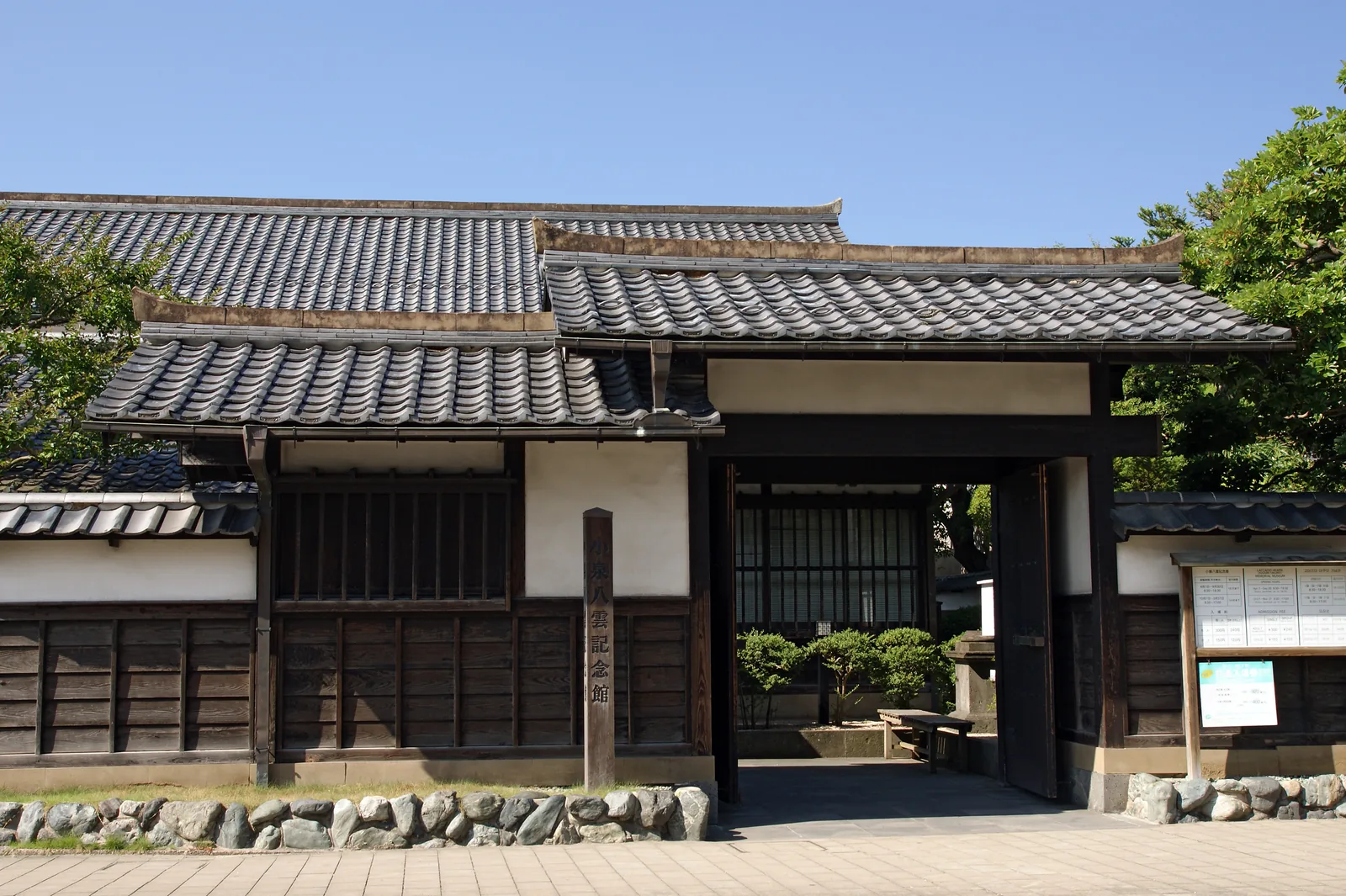
His house in Matsue survives, with the garden he wrote about, and the memorial museum beside it is the best thing of its kind in Japan — partly because he is genuinely revered here, in a way that surprises visitors.
His wife told him ghost stories in Japanese, slowly, in her own words. He then rewrote them in English. That is the origin of "Kwaidan."
Kwaidan: Stories and Studies of Strange Things, published in 1904, is the book he is remembered for. Yuki-onna the snow woman; Hoichi the blind lute player whose body is written over with scripture except for his ears; the tale of the faceless mujina. These are the Japanese ghost stories the English-speaking world knows, and Hearn is why.
His method was collaborative and honest about it: Setsu told the stories, he asked questions, and he wrote them in an English prose style of considerable beauty. Kobayashi Masaki's 1964 film of Kwaidan won at Cannes and remains the definitive adaptation.
Hearn arrived at the exact moment Japan was discarding its own folk culture as an embarrassment in front of the West, and he wrote about that culture as though it were valuable. Japanese readers noticed. He is studied in schools, his books remain in print in Japanese, and Matsue treats him as a local figure rather than a foreign one.
He also connects directly to the reason you are in this port: Hearn wrote down the ghost stories, and Mizuki Shigeru, an hour up the road, drew the monsters. Two outsiders — one foreign, one disabled and poor — preserved the same disappearing thing from opposite directions.
Irish father, Greek mother; raised in Dublin
Newspaper work in Cincinnati and New Orleans
Fifteen months that define the rest of his life
Who tells him the stories, in Japanese, slowly
As Koizumi Yakumo
The Japanese ghost stories the West knows
Visit the house and the museum in Matsue together. Forty minutes from the port, and better than either sounds.
A Greek-Irish journalist who came to Japan in 1890, taught in Matsue, married Koizumi Setsu of a samurai family, took Japanese citizenship as Koizumi Yakumo, and wrote the books — above all Kwaidan (1904) — that shaped Western understanding of Japan for half a century. His wife told him the ghost stories in Japanese; he rewrote them in English.
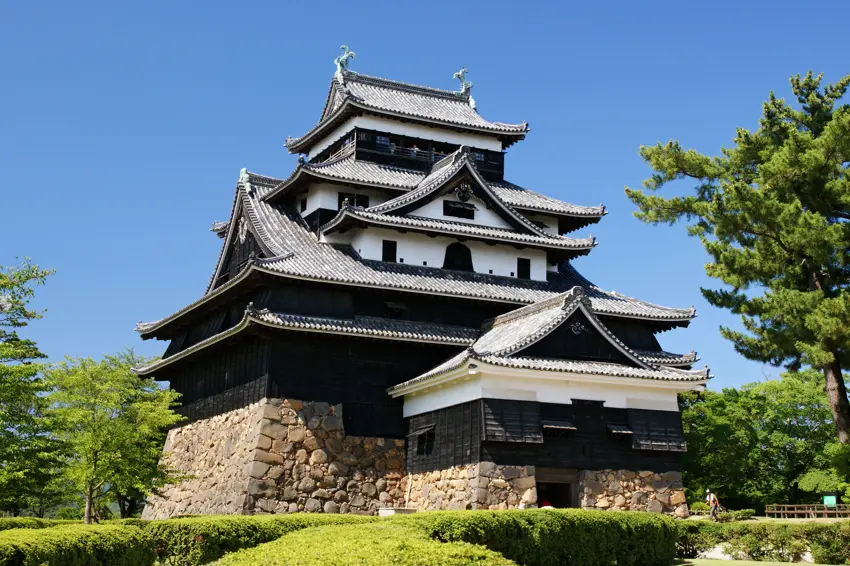
Yes — his residence and the memorial museum are in Matsue, about forty minutes from the cruise port, and the garden he wrote about survives. Matsue Castle, one of Japan's twelve original keeps, is a few minutes away, so the two work well as a half-day together.
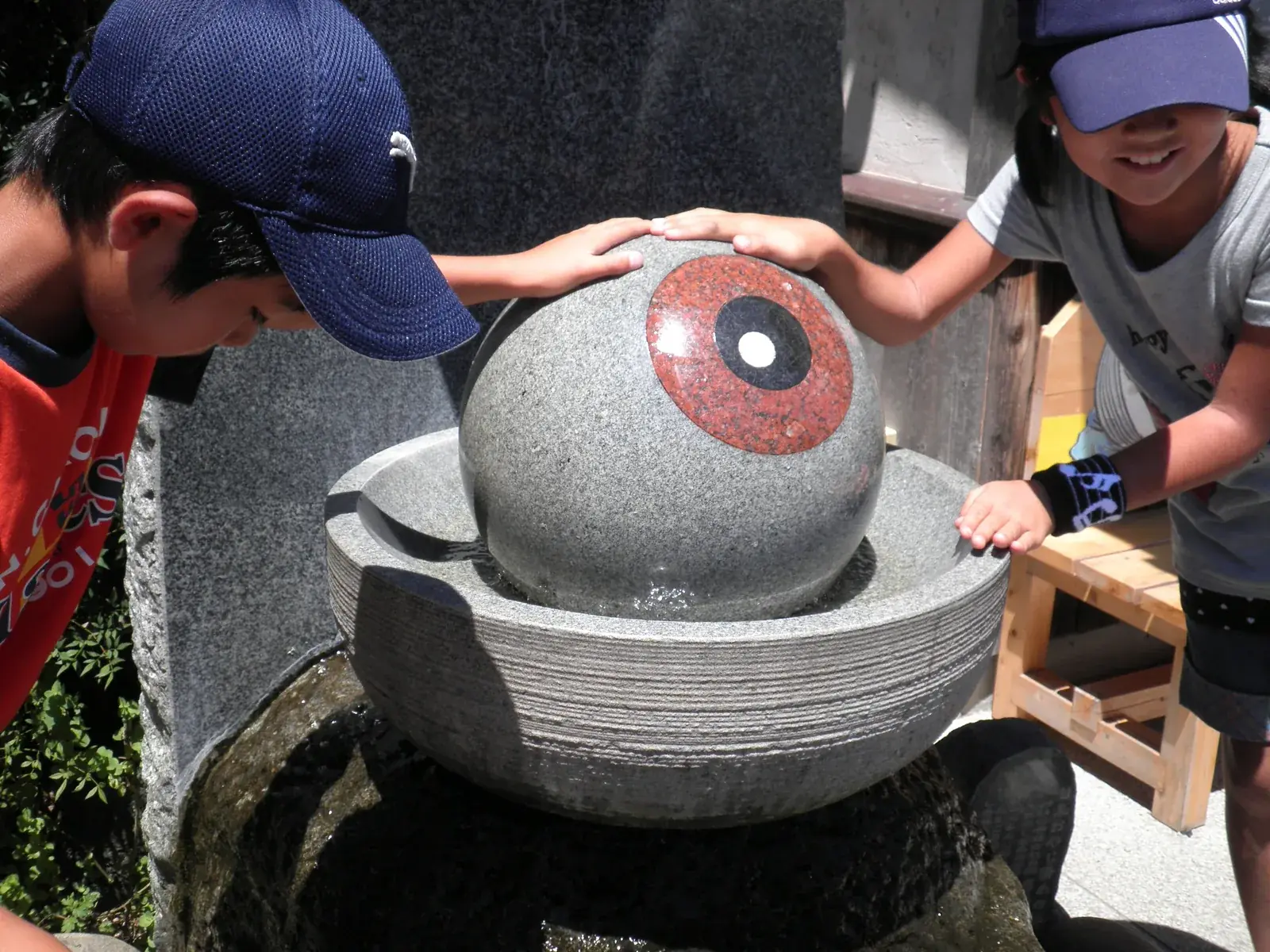
He lost an arm at Rabaul, learned to draw with the other one, and gave Japan its monsters back
Read →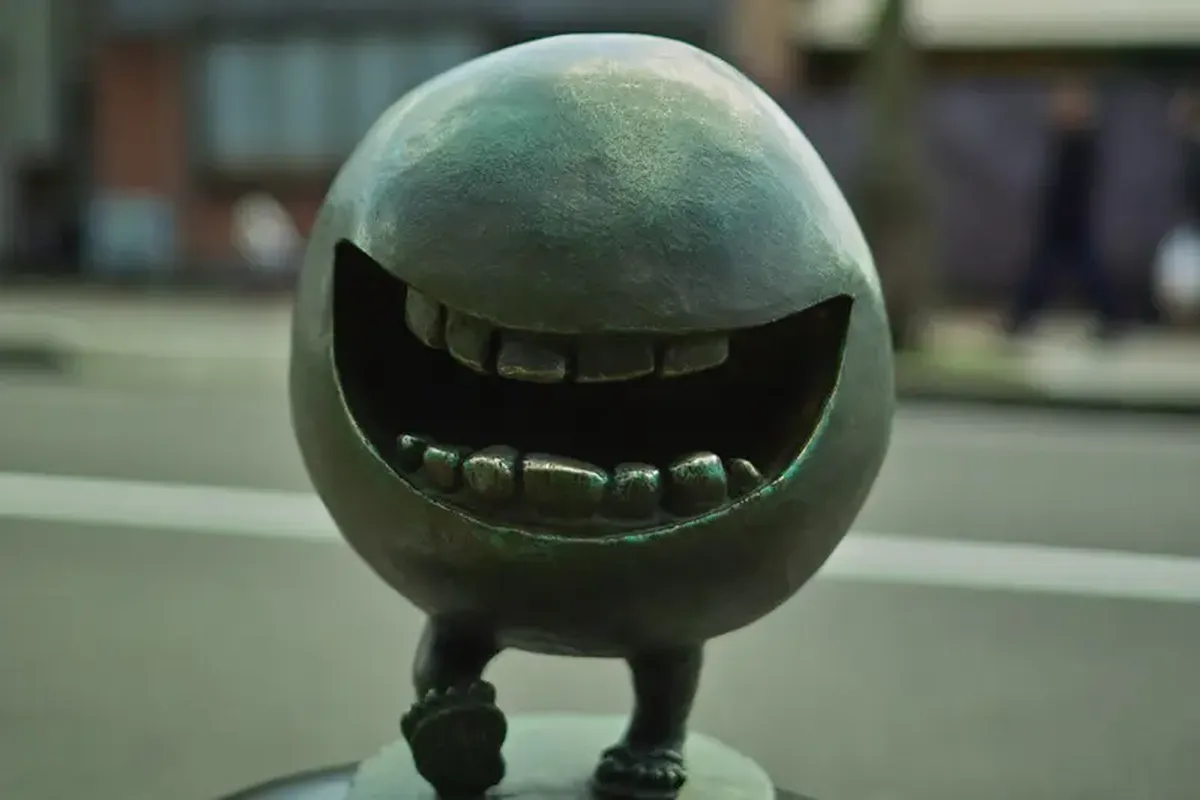
Not ghosts, not demons — the things that explain what you cannot explain
Read →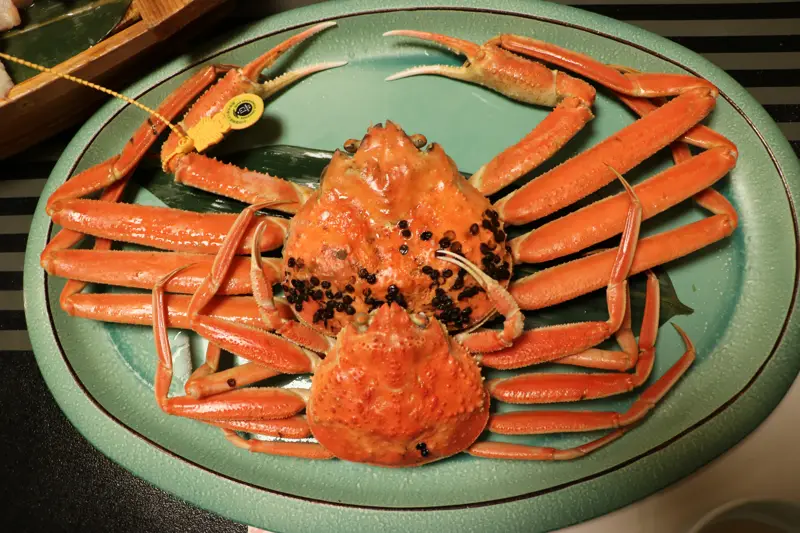
One of Japan's biggest fishing ports, and the snow crab that governs its calendar
Read →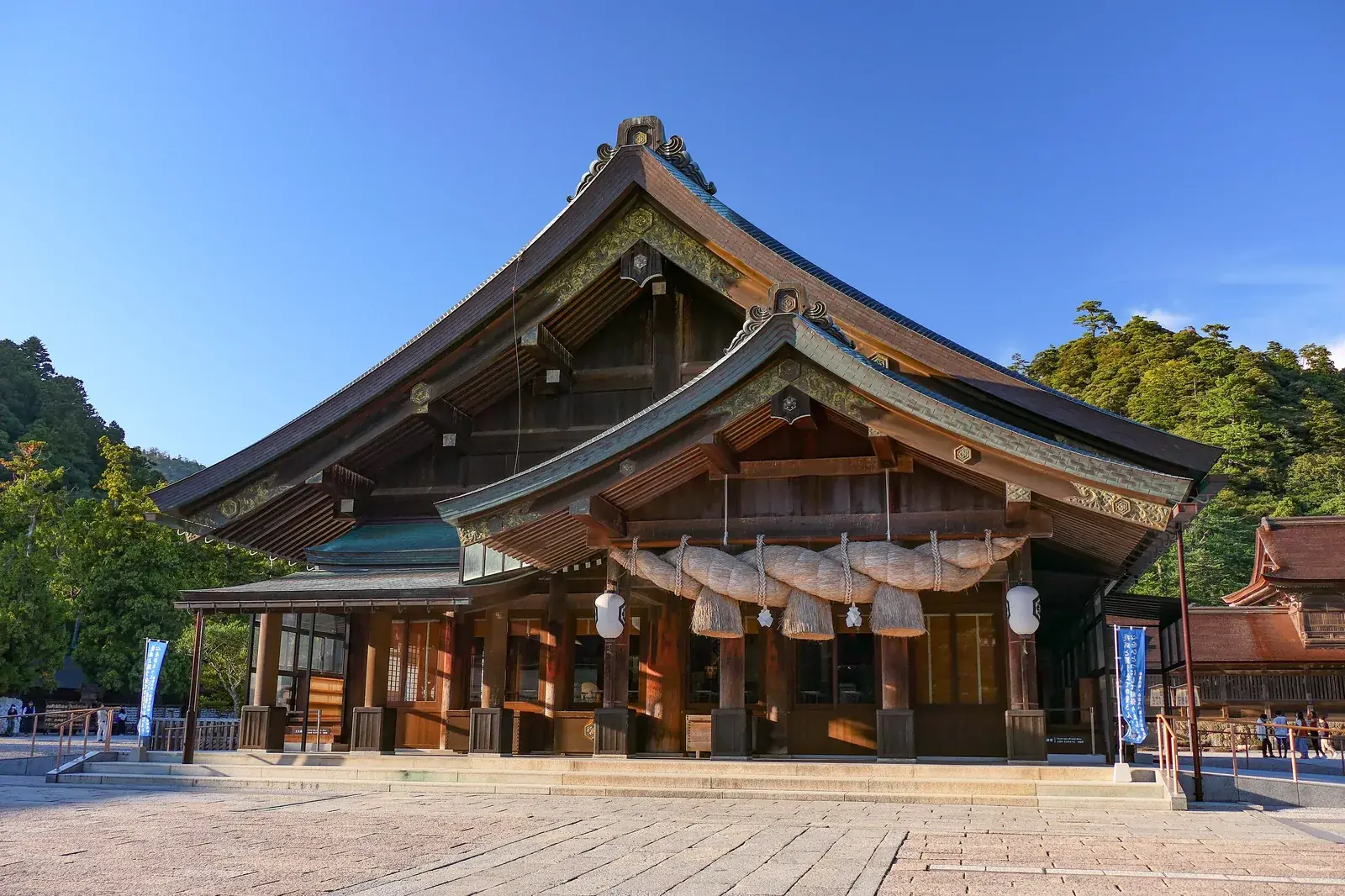
The month when every god in Japan leaves home and comes here
Read →No typing needed — jump straight in:
Just docked? — the gangway toolStart from your shipThe ride from every berthAsk the editorGlossary