Home / Sakaiminato / Culture
Culture & history · Sakaiminato 境港Not ghosts, not demons — the things that explain what you cannot explain
A yokai is not the spirit of a dead person and it is not a devil. It is the answer to a specific unanswered question: why does that road feel wrong at night, why did the wall suddenly seem impassable, why did an umbrella that has lasted a hundred years suddenly grow a face.
The word covers an enormous range — the term is closer to "the uncanny" than to "monster." Yokai are mostly not evil. They are mostly inconvenient: they block your path, they mislead you, they make a noise in an empty house, they steal small things.
Things that were once objects. A tsukumogami is a tool that reaches a hundred years old and acquires a spirit. There is a yokai that is a paper lantern with one eye and a tongue, and one that is an abandoned umbrella hopping on a single leg. This category is a moral instruction about not discarding things carelessly, delivered as a joke.
Things that explain a sensation. The nurikabe is an invisible wall that appears in front of a night traveller so that they cannot go forward or around. Anyone who has been lost in the dark knows the feeling precisely, and the yokai is the name for it.
Things at the water's edge. The kappa — a river child with a dish of water on its head, which it must not spill — is the most famous. It drowns people. It is also, unmistakably, a way of telling children that the river is dangerous.
A yokai is usually a piece of local knowledge with a face attached. That is why they are regional, and why they were disappearing until someone wrote them down.
Yokai lived in oral tradition, told by grandparents in villages, and tied to specific places — this bridge, this pond, this stretch of road. Twentieth-century urbanisation, electric light and television broke that chain almost completely.
What saved them was, ironically, mass media. The folklorist Yanagita Kunio collected them academically from the 1910s; Mizuki Shigeru then drew them, and by drawing them fixed what they looked like. A yokai that had been a description in one village became an image the whole country recognised.
Yokai are visibly alive in modern Japanese culture — in games, animation, films and advertising — and children still learn them. The difference is that they are now national rather than local, and they look like Mizuki drew them.
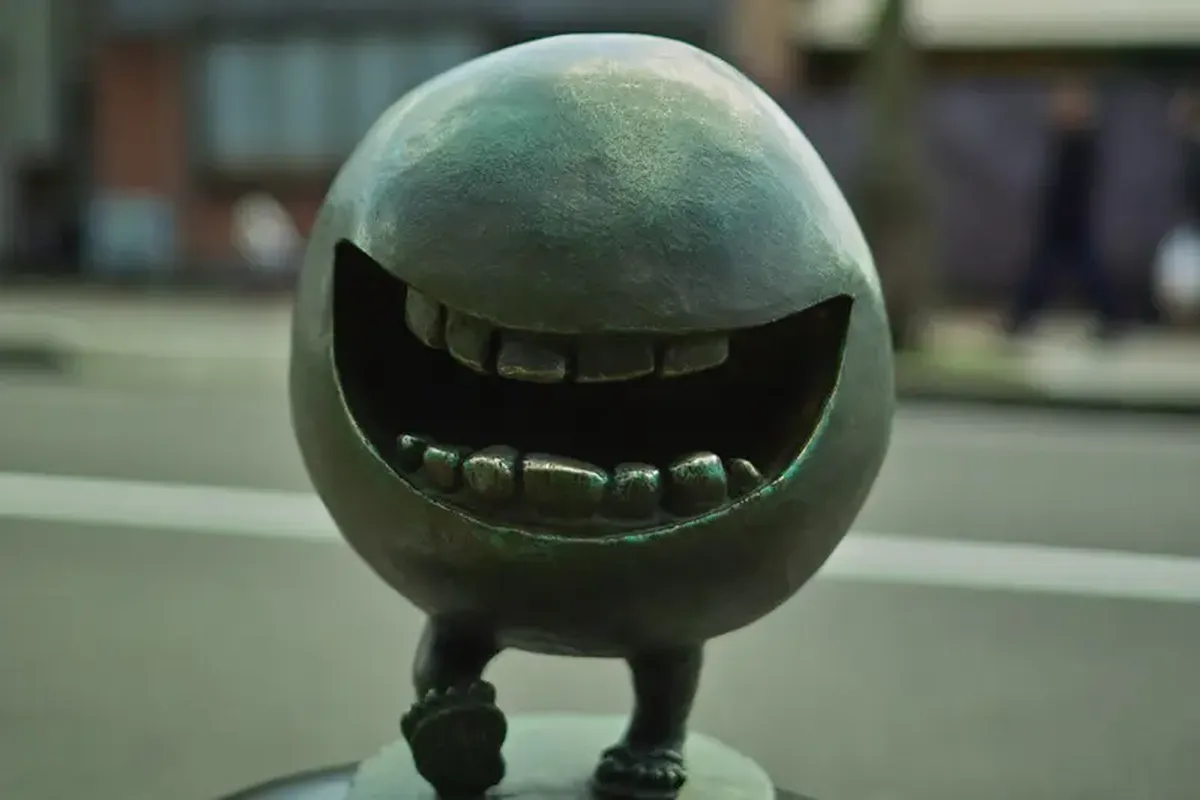
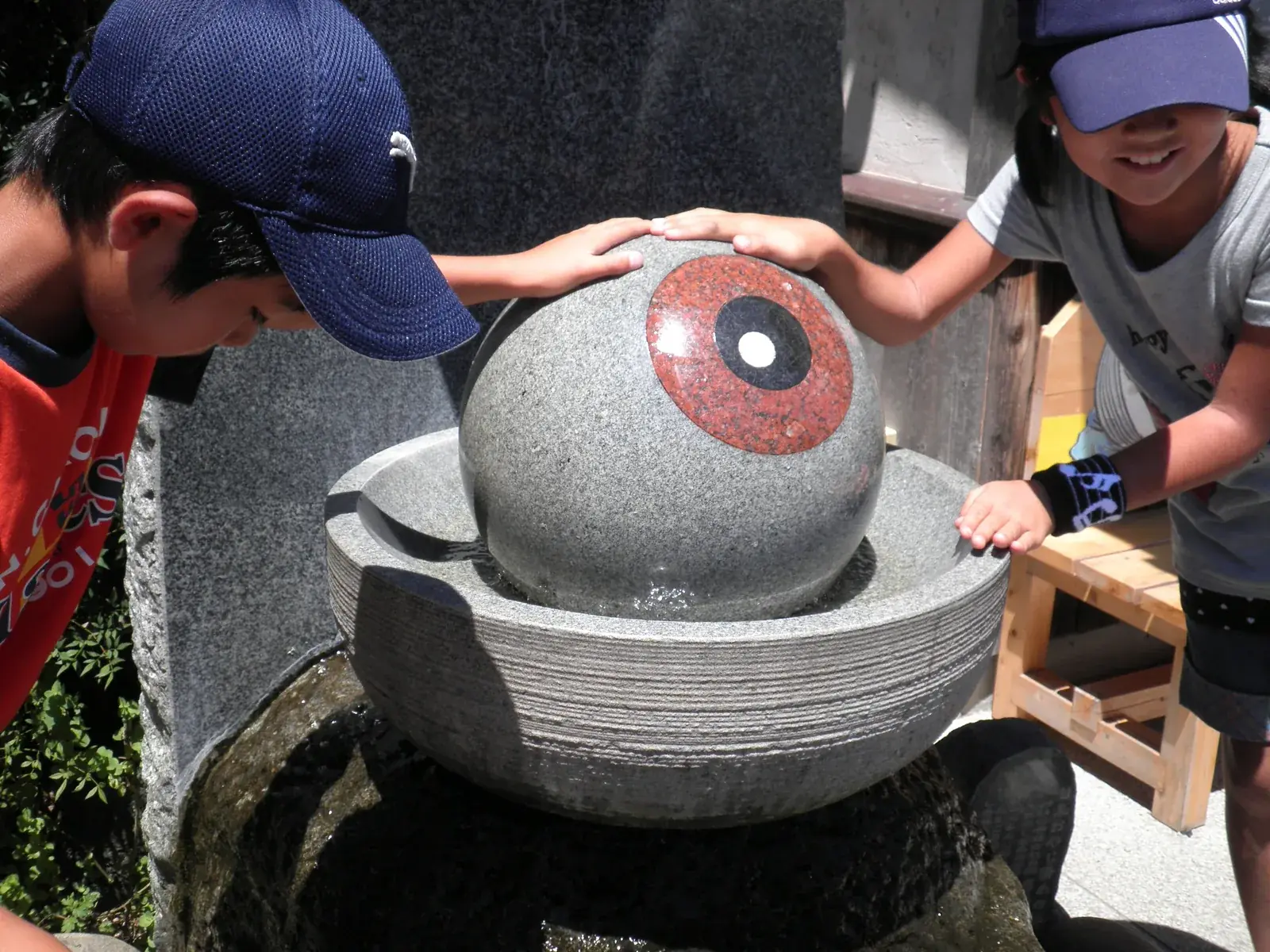
Sakaiminato is where you can see that transition physically: an ordinary fishing town whose main street is lined with the bronze results of one man's cataloguing.
Tied to a specific bridge, pond or road
Toriyama Sekien catalogues many in print
Just as the villages start to empty
And fixes what each one looks like, nationally
National now, rather than local
Read the plaques on the bronzes. Each names the yokai and what it does — that is the folklore, compressed.
A creature of Japanese folklore that is neither a ghost nor a demon — the word is closer to "the uncanny." Yokai are mostly inconvenient rather than evil: they block paths, mislead travellers, make noises in empty houses. Many are explanations for specific sensations or warnings about specific dangers, given a face.
Because Mizuki Shigeru, who documented and drew hundreds of them, grew up here. His drawings fixed what each yokai looks like nationally, and the town lined its main street with around 177 bronze statues of them in a regeneration project that began in 1993.
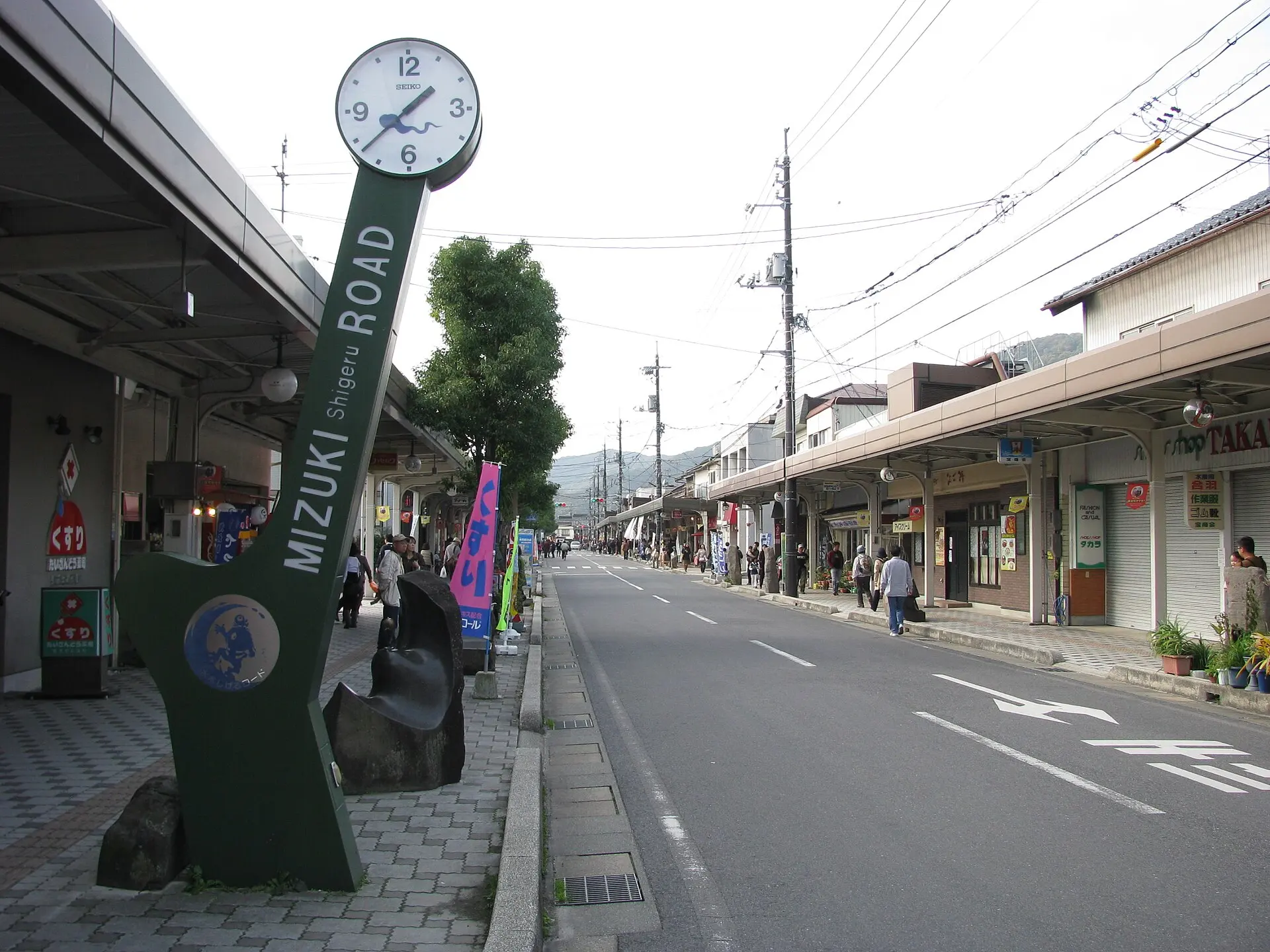
He lost an arm at Rabaul, learned to draw with the other one, and gave Japan its monsters back
Read →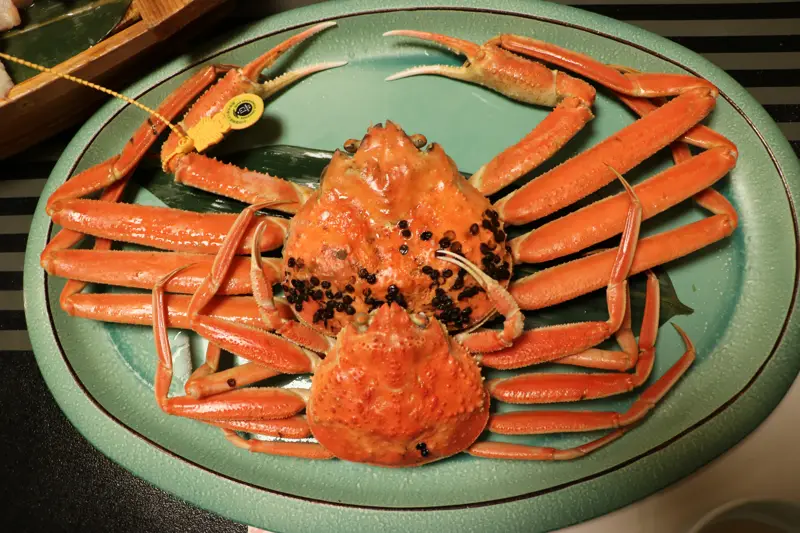
One of Japan's biggest fishing ports, and the snow crab that governs its calendar
Read →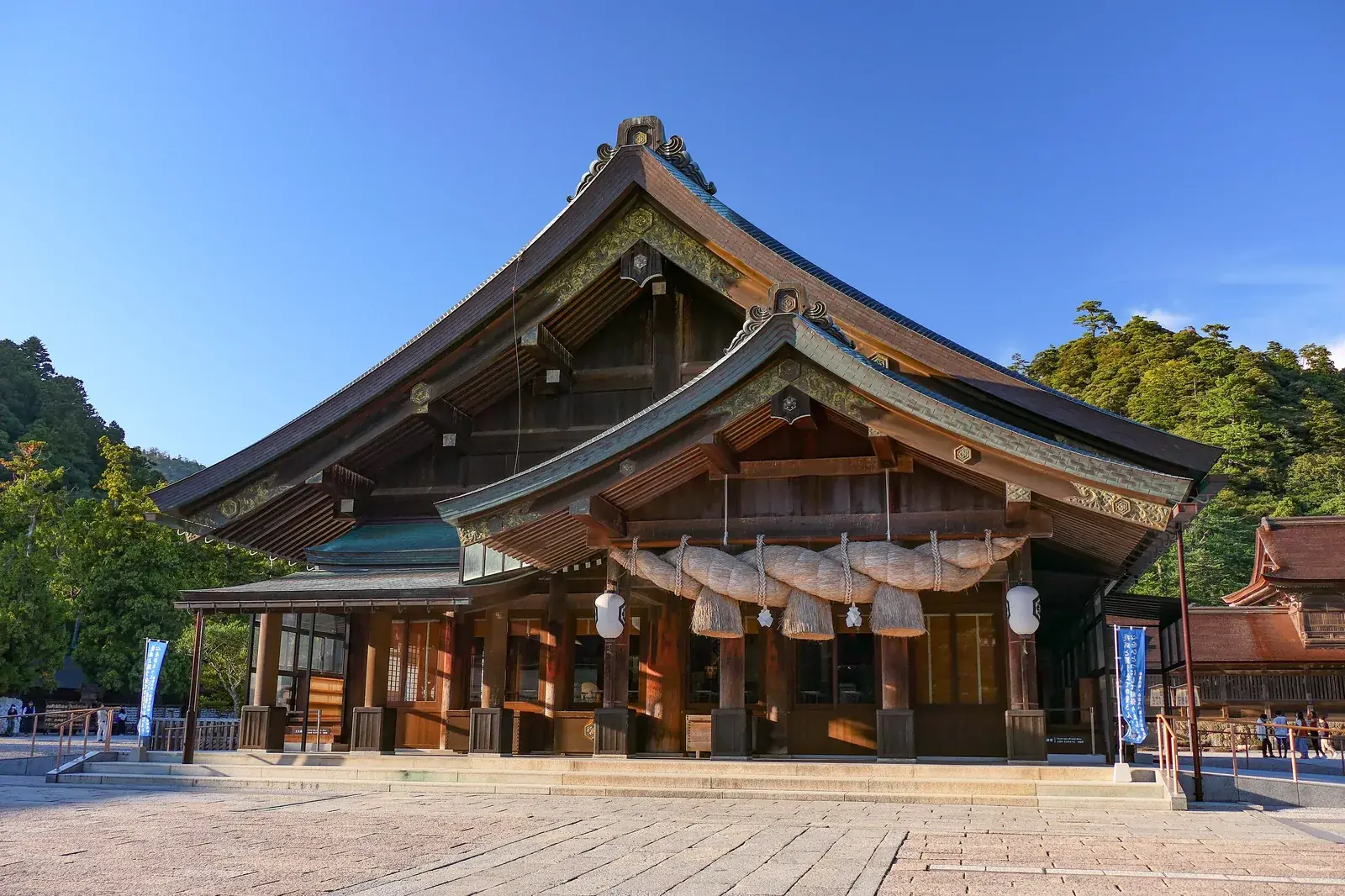
The month when every god in Japan leaves home and comes here
Read →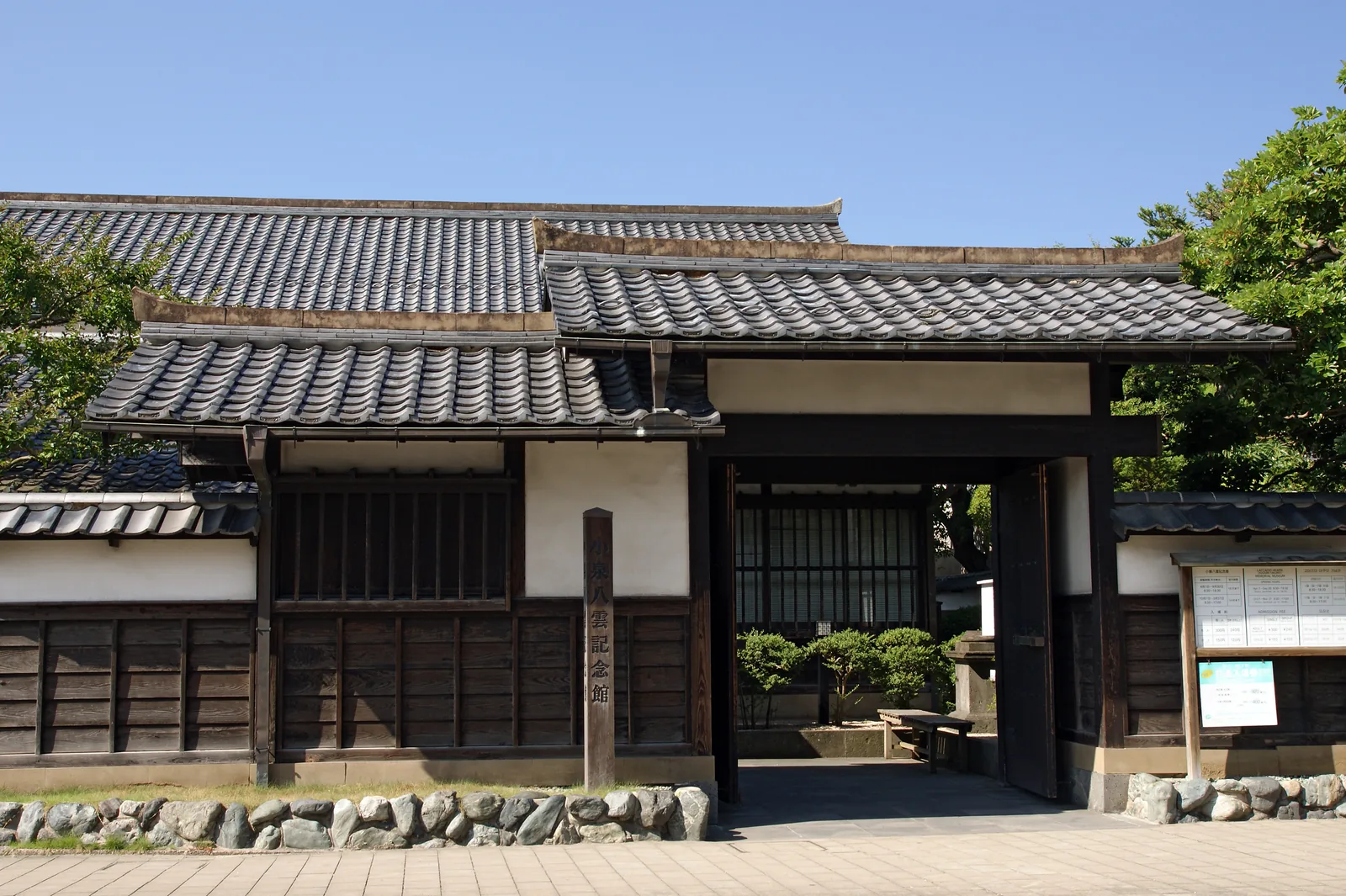
A Greek-Irish journalist who came for a year, stayed for life, and told the West its first Japanese ghost stories
Read →No typing needed — jump straight in:
Just docked? — the gangway toolStart from your shipThe ride from every berthAsk the editorGlossary