Home / Sakaiminato / Culture
Culture & history · Sakaiminato 境港The month when every god in Japan leaves home and comes here
Across most of Japan the tenth lunar month is called Kannazuki — "the month with no gods." In this one region it is called Kamiarizuki — "the month with gods." The explanation is that they have all travelled here, to Izumo Taisha, for an annual conference about who should marry whom.
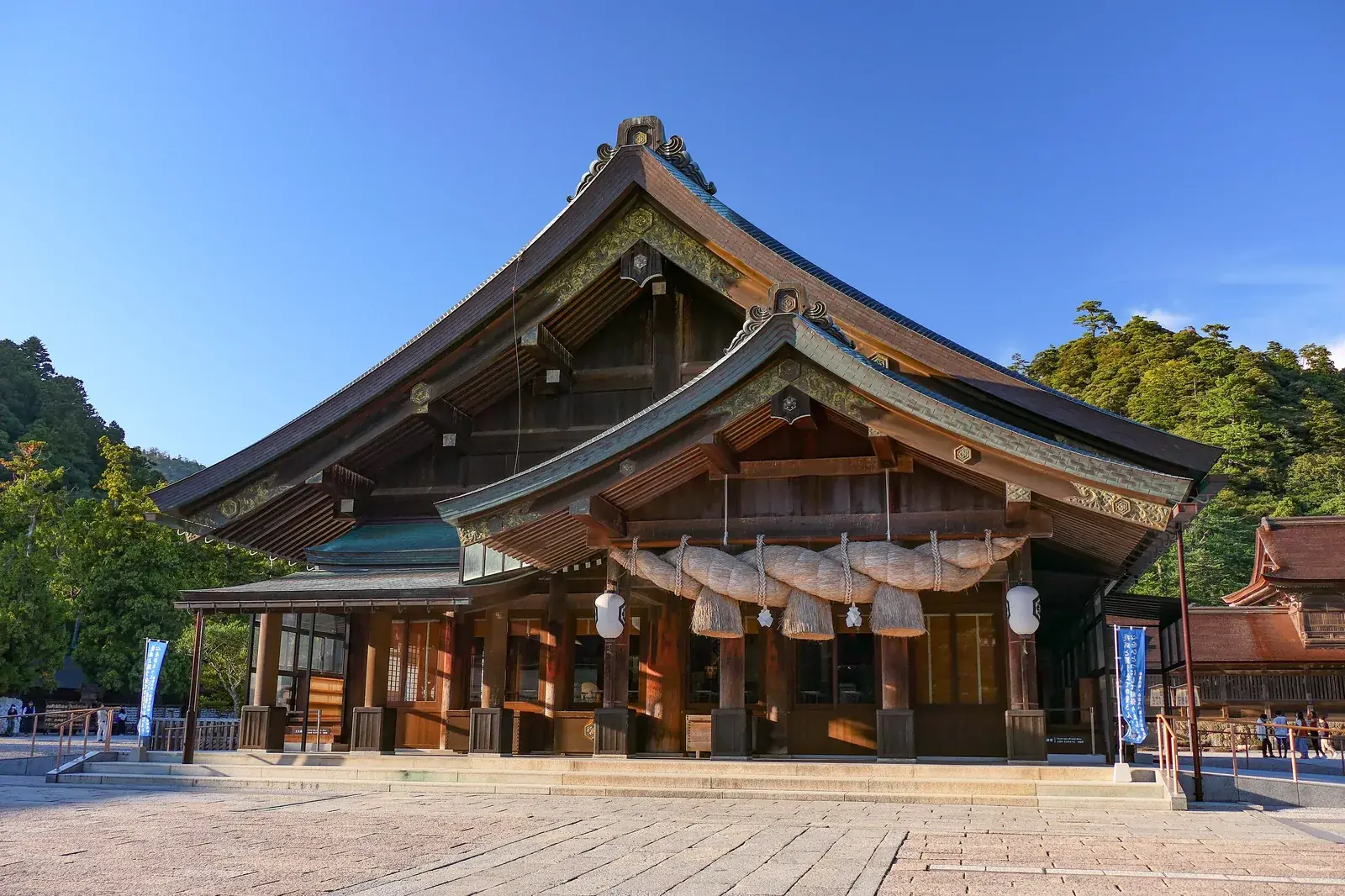
Izumo Taisha is among the oldest shrines in Japan and appears in the earliest chronicles. It is dedicated to Okuninushi, who by the myth ruled the land and then handed it over to the imperial line — and was given this shrine in exchange.
By tradition all eight million kami of Japan leave their own shrines in the tenth lunar month and assemble here. Small buildings along the sides of the precinct are their lodgings for the duration, and visitors can see them.
The business of the meeting is enmusubi — the tying of bonds, principally marriages. This is why Izumo is the destination in Japan for anyone hoping to meet someone, and why the shrine is full of young women in a way that no other major shrine is.
You clap four times here, not the usual two. Twice for yourself and twice for the partner you have or hope to have.
The shimenawa rope over the Kagura hall is one of the largest in Japan — roughly thirteen metres long and weighing several tonnes, replaced every few years by a team from a neighbouring town.
And the main hall may once have been extraordinary. Ancient records describe an Izumo Taisha standing around 48 metres tall on enormous columns — a claim historians treated as exaggeration until 2000, when excavation in the precinct uncovered the remains of three cedar trunks bundled together as a single pillar, roughly three metres across. The height is still argued about. The pillars are not.
Izumo Taisha is roughly an hour and a half each way by road from the port. That is a full-day commitment and only works on a long call, usually as a guided excursion.
Closer alternatives on the same theme: Miho Shrine at Mihonoseki, half an hour away, is dedicated to Okuninushi's son and is traditionally paired with Izumo — visiting only one is said to be a half visit. And Matsue, forty minutes away, has one of Japan's twelve original castle keeps.
Already ancient when first written down
Kannazuki everywhere else; Kamiarizuki here
Three cedar trunks bundled, ~3 m across
A once-in-sixty-years rebuilding cycle
Bow twice, clap four times, bow once. Four claps is the Izumo rule and it is the whole etiquette test.
Most Japanese shrines use two bows, two claps and a bow. Izumo uses four claps — traditionally understood as two for yourself and two for your partner, present or hoped for, since the shrine is the national centre of enmusubi, the tying of bonds. The full sequence is two bows, four claps, one bow.
Only on a long call — it is about an hour and a half each way by road, usually done as a guided excursion. Closer alternatives on the same theme are Miho Shrine at Mihonoseki, half an hour away and traditionally paired with Izumo, and Matsue Castle, forty minutes away, which has one of Japan's twelve original keeps.
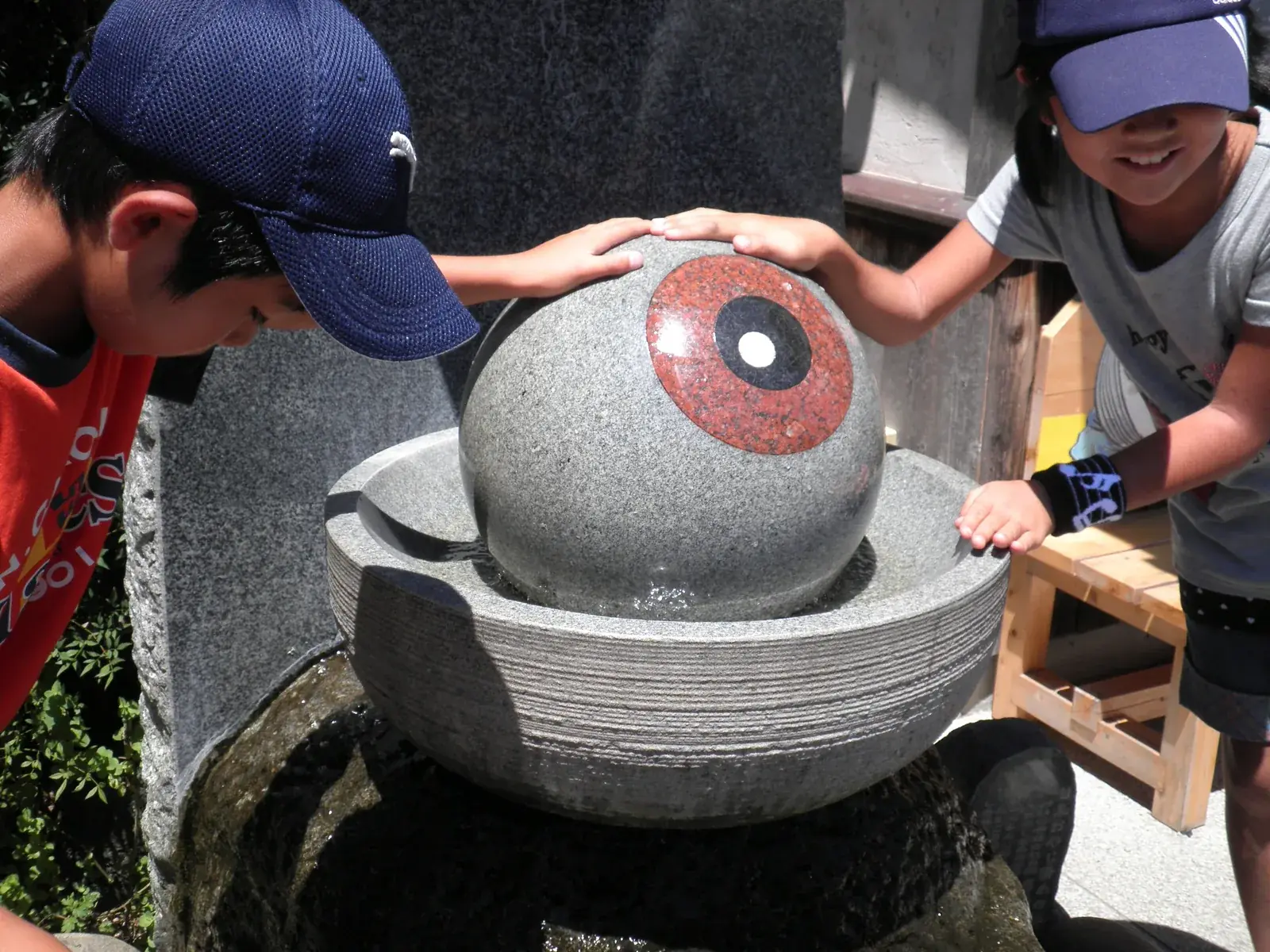
He lost an arm at Rabaul, learned to draw with the other one, and gave Japan its monsters back
Read →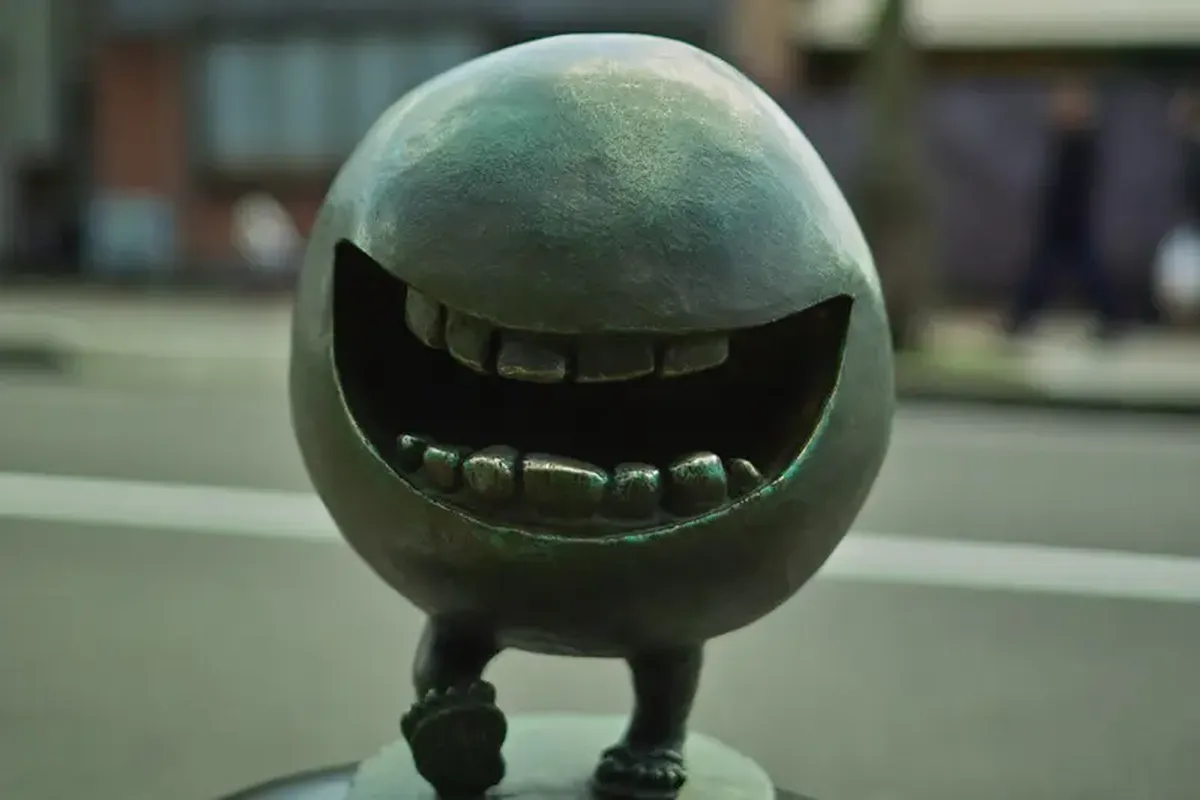
Not ghosts, not demons — the things that explain what you cannot explain
Read →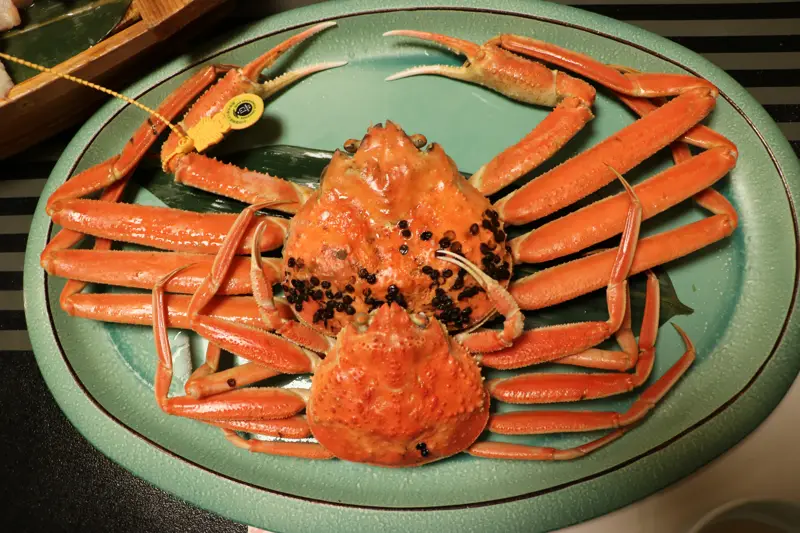
One of Japan's biggest fishing ports, and the snow crab that governs its calendar
Read →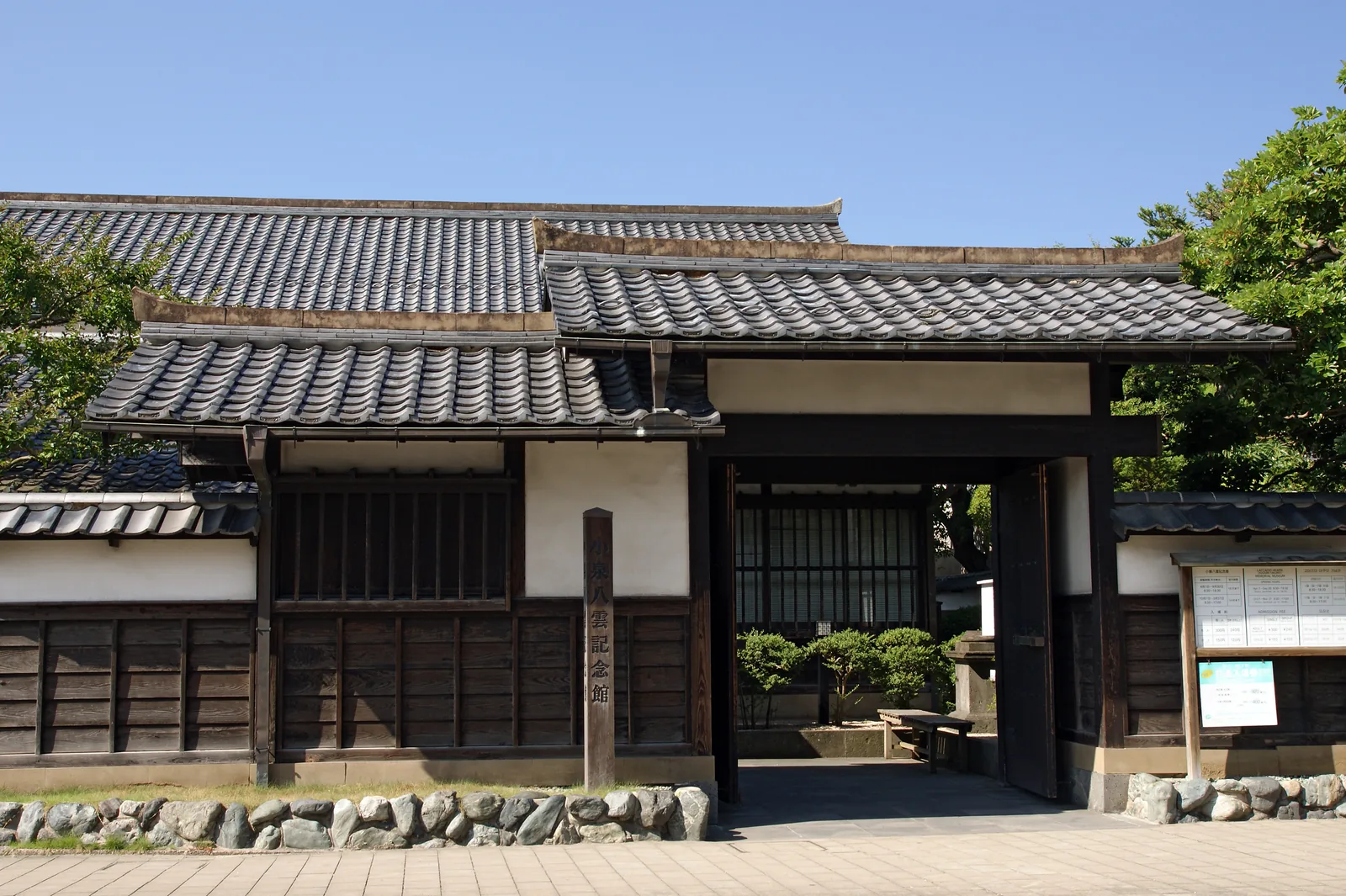
A Greek-Irish journalist who came for a year, stayed for life, and told the West its first Japanese ghost stories
Read →No typing needed — jump straight in:
Just docked? — the gangway toolStart from your shipThe ride from every berthAsk the editorGlossary